Kamikochi’s riverside paths and Tateyama Kurobe’s chain of mountain rides make an unusually varied two-day trip from Nagoya. You get a gentle nature walk one day, then a high-altitude crossing by cable car, ropeway and buses the next.
I like the contrast between Kamikochi’s ponds and forests and the broad alpine views from the Tateyama route. I also like that the tour bundles transport between Nagoya, the hotel and the sights, plus one night’s stay, dinner and breakfast.
The trade-off is a packed schedule with long drives, an early start on day two and a separate Alpine Route ticket charge. Weather can cloud the views or force changes, so this is best for flexible hikers, not anyone counting on a clear-sky photo.
- What to know before you book
- From Nagoya to Kamikochi’s river paths
- Dinner and a night at Hakuba Sun Valley Hotel
- Crossing Tateyama Kurobe by six modes of transport
- What the price covers, and what it does not
- Guides, group pace and practical limits
- Is this two-day mountain trip right for you?
- FAQ
- Where does the tour depart from?
- What time does the tour return to Nagoya?
- Is the Tateyama Kurobe Alpine Route ticket included?
- What meals are included?
- How much time is spent in Kamikochi?
- Is the Myojin Pond fee included?
- Which languages can the guide speak?
- What should I bring?
- Can I bring luggage, a stroller or a wheelchair?
- The Best Of Nagoya!
- More Hiking & Trekking Tours in Nagoya
- More Tours in Nagoya
- More Tour Reviews in Nagoya
What to know before you book
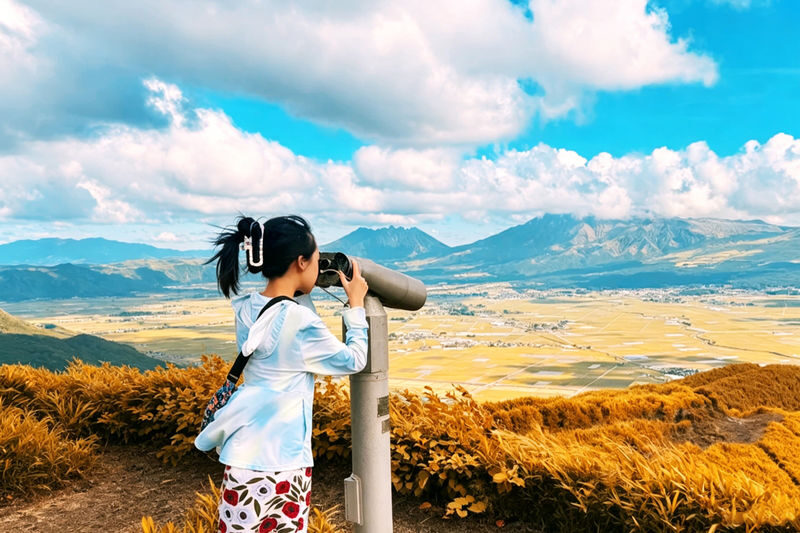
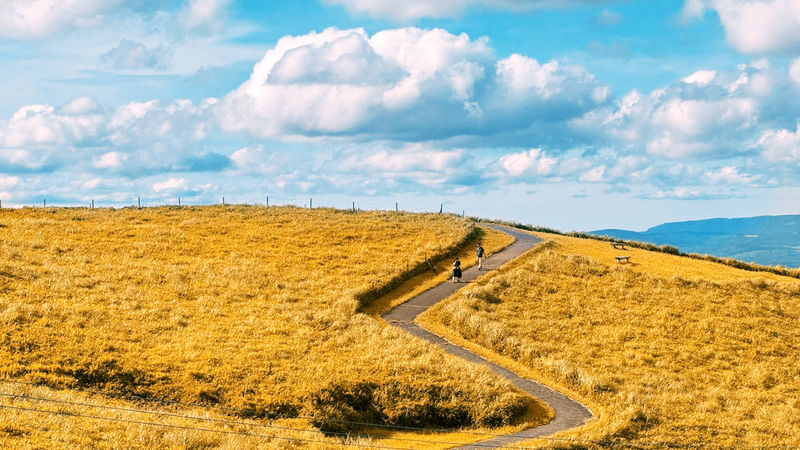
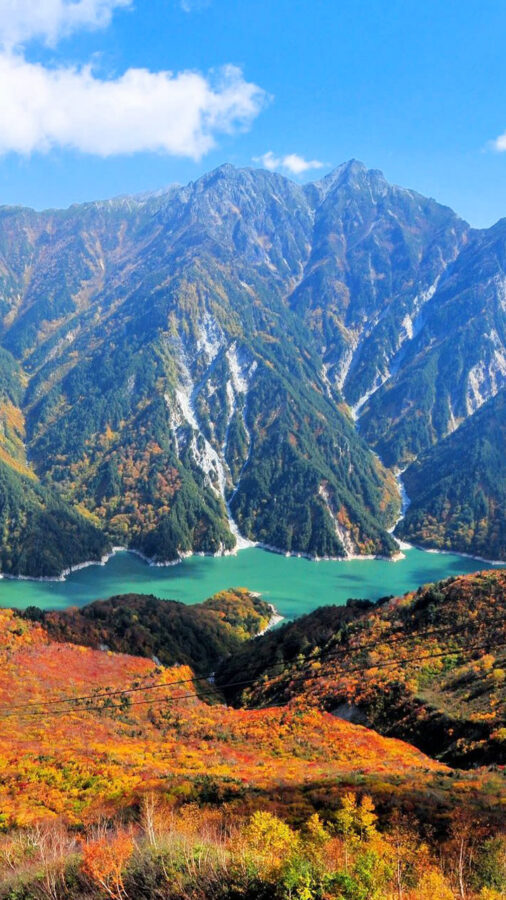
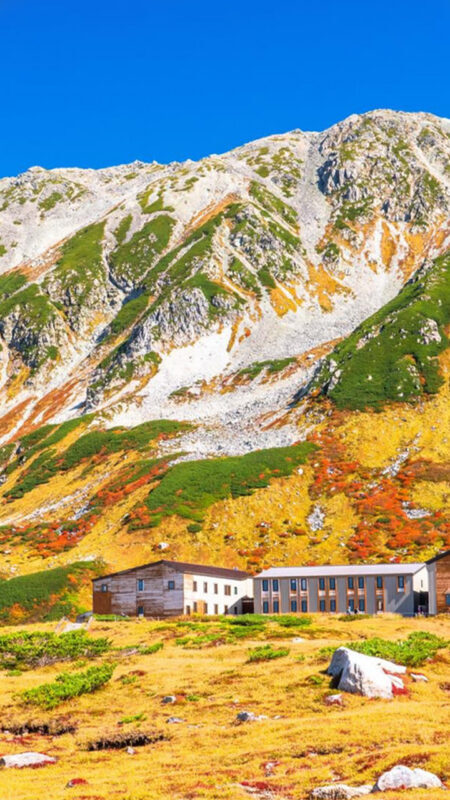
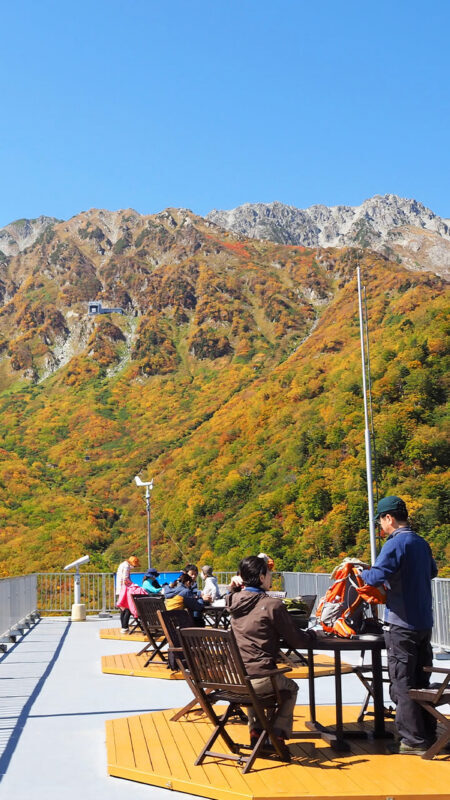
- Kamikochi gets about four hours: Enough time for a focused walk to well-known spots, but not necessarily for every trail or pond.
- The Alpine Route is a journey in itself: You cross the mountains using several types of transport, including a cable car, aerial ropeway and tunnel buses.
- Budget for the mountain ticket: It is not included in the described early-bird package. The stated adult price is ¥10,900, but another part of the tour information lists ¥12,500, so confirm the amount before booking.
- A guide helps manage transfers and timing: Guides named Amy, Kris, Mizki, Tomoka and Amanda have led different departures. Your guide and language assignment will vary.
- The hotel stay includes meals: Hakuba Sun Valley Hotel provides one night, dinner and breakfast, though the room arrangement and meal format can vary.
- Weather and punctuality matter: The schedule may change, and the group cannot wait for late arrivals at the Nagoya meeting point or during the route.

👉 See our pick of the 13 Best Workshops & Classes In Nagoya
From Nagoya to Kamikochi’s river paths
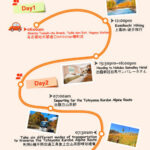
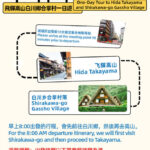
Meet at 8:00 a.m. at the Taiko-dori Exit station square at Nagoya Station. The bus heads straight to Kamikochi, with arrival scheduled around noon. Allow for a long ride: this is a two-day mountain excursion, not a quick day trip with a short transfer.
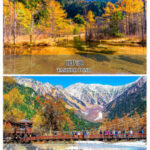
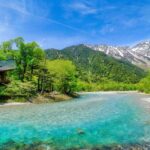
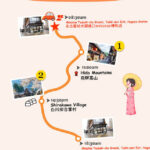
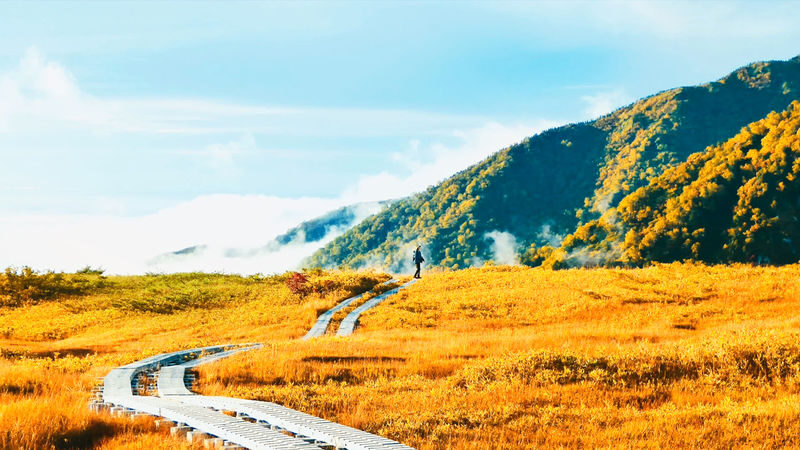
Kamikochi is the softer start to the trip. Its forests include larch, beech and white birch, which turn yellow, orange and red in autumn. The Azusa River runs through the valley, with mountain views behind the trees. The walking routes take in Taisho Pond, Tashiro Pond and Kappa Bridge, where autumn colors can reflect in the water.
You have roughly four hours with a guide. That gives you time for a pleasant walk and the main sights, but the area is large, so choose your priorities rather than expecting to see every corner. One departure reportedly allowed about three and a half hours on foot, and a visitor wished for more time to reach the temple area east of the main route. If you want to visit Myojin Pond, note that its ¥500 entry fee is extra.
The views are weather-dependent. Clouds and rain can soften the mountain outlook, but the woods and river still give the walk a character of their own. Pack a warm layer and shoes suited to walking; mountain temperatures can shift sharply between day and night.
You can also read our reviews of more hiking tours in Nagoya


Dinner and a night at Hakuba Sun Valley Hotel
Around 4:00 p.m., the group leaves Kamikochi for a roughly two-and-a-half-hour bus ride to Hakuba Sun Valley Hotel. Check-in is expected around 6:30 p.m., followed by a local-style dinner at about 7:00 p.m. The ingredients and serving details depend on what is available that day.
The overnight stop is practical: it breaks up the distance between Nagoya and the Alpine Route, and breakfast is included. The hotel’s rooms are assigned according to what is available, usually with two or three people sharing. Solo visitors should select a single-room package. Requests such as smoking preference or allergies can be noted, but they are not guaranteed.
Breakfast may be a buffet, a meal box or, if the mountain schedule starts too early, a ¥1,000 allowance to buy breakfast. The day’s Alpine Route reservation determines the departure time, so do not assume you will have a leisurely hotel breakfast.
Crossing Tateyama Kurobe by six modes of transport
Day two begins early. The bus leaves the hotel around 7:00 a.m. and reaches Ogizawa about 30 minutes later, but the actual start time depends on the Alpine Route reservation. The mountain crossing is planned to take about six hours, with the group assembling at Tateyama Station before the return drive.
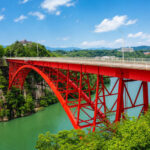
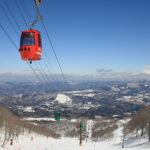
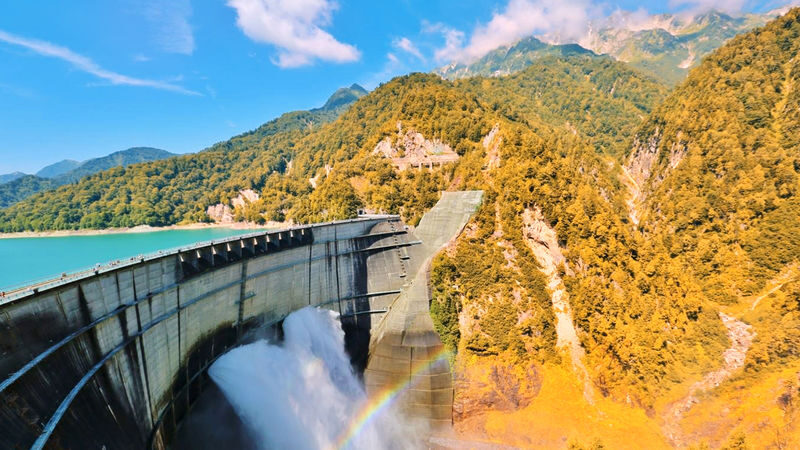
The sequence is part of the appeal. From Ogizawa, a 6.1-kilometer electric bus travels through the Kanden Tunnel to Kurobe Dam in about 16 minutes. You then walk roughly 600 meters to Kurobe Lake. From there, the Kurobe Cable Car climbs to Kurobedaira, followed by the Tateyama Ropeway to Daikanbo. A tunnel bus carries you onward to Murodo, and a highland bus descends through Tengudaira and Midagahara to Bijodaira. The Tateyama Cable Car then connects Bijodaira and Tateyama Station.
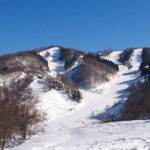
The exact transport order and timings can shift with reservations and conditions. The point is not simply to reach a summit, but to see the mountains from changing angles as the route climbs and descends. At Kurobe Dam, the tour description highlights the spillway and the chance of seeing a rainbow in the spray. From the aerial ropeway, you look across valleys and forests. Murodo brings the route’s high-altitude scenery, where autumn color may meet early snow.
The Alpine Route’s weather can make or break the views. Clear mornings can reveal both autumn foliage and snow, while cloud or rain may obscure the peaks. One departure had good conditions in the morning and rain later; another faced cloud and rain on both days. Treat the mountain scenery as a bonus, not a promise.
Timing is tight at points. One account described about two hours at Murodo, while another found the schedule there more compressed. Stay with the group and watch the guide’s meeting instructions. A delay at one transfer can affect the next connection, and the guide cannot hold the mountain transport indefinitely.
What the price covers, and what it does not
The tour is advertised from $195.49, while the stated early-bird package is from $244.35 and excludes the Alpine Route ticket. The listed ticket charge is ¥10,900 per adult or ¥5,400 per child aged 6 to 11, paid to the guide on the day. However, another section says an on-site ticket may cost ¥12,500 per person. Since the figures conflict, ask the operator to confirm the exact charge and what your selected package includes before you commit.
That extra cost matters because the ticket is essential to completing the mountain crossing. The guide prepares tickets in advance, which avoids having to work out the purchase alone at the site, but it does not mean they are included in the package price. Children aged 3 and older pay the adult rate for the tour; children aged 6 to 11 have the separate Alpine Route ticket rate above.
The included services are useful for a two-day route: round-trip transfers from Nagoya, transport during the tour, an English-, Chinese- or Japanese-speaking guide, one night at Hakuba Sun Valley Hotel, dinner, breakfast, parking and fuel. You pay separately for the Alpine Route ticket, Myojin Pond admission if you go there, and personal expenses.
At the advertised price, the value comes from linking two widely separated mountain areas without arranging the transfers and overnight stay yourself. It is less compelling if you want to set your own pace, linger at Kamikochi, or take a chance on weather with a more flexible trip.
Guides, group pace and practical limits
A good guide matters on this route because the day involves several transfers and strict connection times. Guides named in different departures include Amy, Kris, Mizki, Tomoka, Tomika and Amanda. The tour assigns a guide who may speak English, Chinese or Japanese, but language availability should be confirmed for your date. One participant reported booking an English guide and receiving someone unable to speak English, so it is sensible to clarify this with the operator ahead of time.
The strongest feature repeatedly noted about the guiding is organization. Guides have helped groups stay on schedule, explained the sights, suggested food and assisted with photos. That can make a complex mountain crossing easier, especially if you are not comfortable handling multiple transport changes yourself.
The other side of that efficiency is a firm pace. The group cannot wait for late arrivals, and a missed connection may affect everyone. Be ready at meeting points and follow the guide’s instructions rather than wandering off for an extra photo. Seats are allocated based on the group’s needs and are not guaranteed by request; vehicle size may range from a van to a coach.
There is considerable walking and stair climbing, and the tour is not wheelchair- or stroller-accessible. Each person may bring one standard piece of luggage, but you need to mention it when booking. Child seats are not available. Children under two can join free if they do not need a separate seat, but they do not receive the breakfast allowance if an early departure replaces the hotel meal.
Is this two-day mountain trip right for you?
Book this if you want Kamikochi and the Tateyama Kurobe Alpine Route in one trip, and you are happy to trade flexibility for transport and hotel logistics handled in a group. The mix of riverside walking, mountain rail and bus transfers, autumn woods and possible early snow gives the two days a strong sense of variety.
Think twice if a slow hike is your priority, if you need a specific room or seating arrangement, or if a weather-dependent mountain view would make the trip disappointing. The schedule is full, the drives are long, and ticket costs need careful checking. If you go, pack warm layers, arrive early at Nagoya Station and keep your day-two plans clear after the stated 7:30 p.m. return, since traffic can push arrival later.
Kurobe Tateyama & Kamikochi Autumn Scenery Two-Day Tour: Tateyama Kurobe Alpine Route & Kamikochi Hiking (Departing from Nagoya)
“The itinerary was very well arranged, with plenty of time for sightseeing and no downtime or waiting around. We had a wonderful time over the two d…”
FAQ
Where does the tour depart from?
It departs at 8:00 a.m. from the station square at Nagoya Station’s Taiko-dori Exit, at 6 Tsubakicho, Nakamura Ward. Arrive at least 10 minutes early.
What time does the tour return to Nagoya?
The stated return time is around 7:30 p.m. at Nagoya Station’s Taiko-dori Exit station square. Traffic and weather can change the arrival time, so avoid scheduling anything tight afterward.
Is the Tateyama Kurobe Alpine Route ticket included?
No, the described early-bird package excludes it. The information gives ¥10,900 per adult and ¥5,400 per child aged 6 to 11, but also lists ¥12,500 in another section. Confirm the current amount with the operator before booking.
What meals are included?
Dinner and breakfast are included at Hakuba Sun Valley Hotel. Breakfast may be a buffet or meal box; if the mountain departure is too early, a meal box or ¥1,000 allowance may be provided instead.
How much time is spent in Kamikochi?
The schedule allows about four hours, including the guided visit. The time is enough for a focused walk to major sights, but may not allow you to explore the whole area.
Is the Myojin Pond fee included?
No. Visiting Myojin Pond costs an additional ¥500.
Which languages can the guide speak?
The tour provides an English-, Chinese- or Japanese-speaking guide. The assigned language can vary, so confirm the language for your departure before booking.
What should I bring?
Bring warm clothing, suitable shoes and socks, a change of clothes and cash. Mountain temperatures can vary between day and night.
Can I bring luggage, a stroller or a wheelchair?
Each person may bring one standard-sized piece of luggage, but you should note it when booking. The tour is not stroller- or wheelchair-accessible, and child seats are not available.