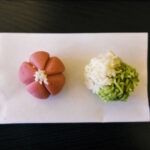
Nerikiri turns bean paste into small edible sculptures. In this Nagoya workshop, you make two seasonal designs yourself, guided by an instructor who demonstrates the shaping techniques and helps you through the tricky bits. You don’t need special skills, and the process is designed for beginners.
I like two things in particular: the Kyoto-sourced filling gives the sweets a connection to an established confectionery tradition, and the use of handcrafted wooden molds brings real craft into a compact class. One thing to consider: this is a short, introductory activity, not an advanced confectionery course, and the class location can be easy to miss from the street.
At a glance
- Two sweets, one short class: Make a flower-shaped nerikiri and a kinton nerikiri, with the designs changing by season.
- Traditional materials: The nerikiri filling comes from a long-established Kyoto shop, and the workshop uses genuine wooden molds made by skilled artisans.
- Beginner-friendly instruction: You follow demonstrations and can ask for help as you work.
- English support varies: Many classes have instructors who explain in English, but the booking details do not promise a specific language service.
- Near Nagoya Station: The workshop is at Uezen Building, 3F, at 5-22-23 Meieki. Allow a little time to identify the entrance.
- Good value for a short activity: Prices start at US$11.85 for a hands-on class of about an hour, plus a 10-minute break.

👉 See our pick of the 13 Best Workshops & Classes In Nagoya
- At a glance
- Shaping the seasons in bean paste
- What happens in the 55-minute class
- Patient teaching makes it approachable
- Kyoto filling and artisan-made wooden molds
- Finding AN NAGOYA near Nagoya Station
- Is US.85 good value?
- Who should book this workshop?
- FAQ
- How long does the workshop take?
- What will I make?
- Where is the workshop held?
- How much does it cost?
- Do I need experience making Japanese sweets?
- Is the class suitable for children?
- Is instruction available in English?
- What are the available start times?
- Can I cancel for a refund?
- The Best Of Nagoya!
- More Dessert Tours in Nagoya
- More Tours in Nagoya
- More Tour Reviews in Nagoya
Shaping the seasons in bean paste
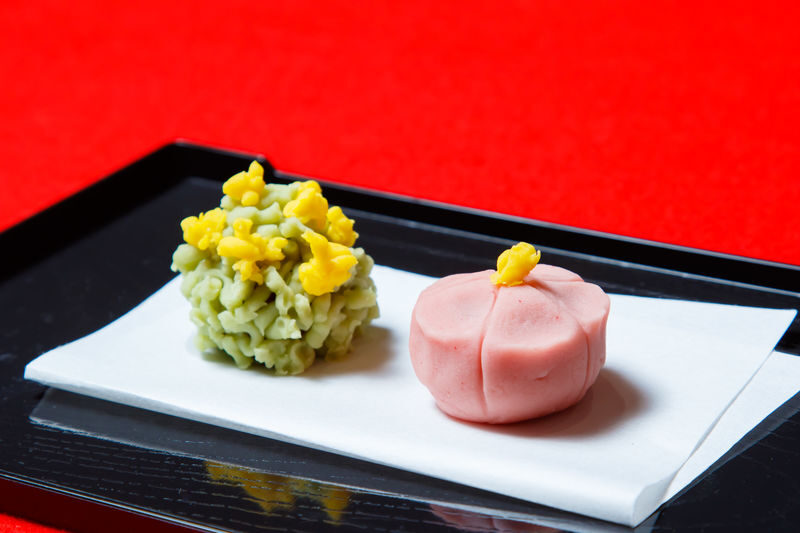
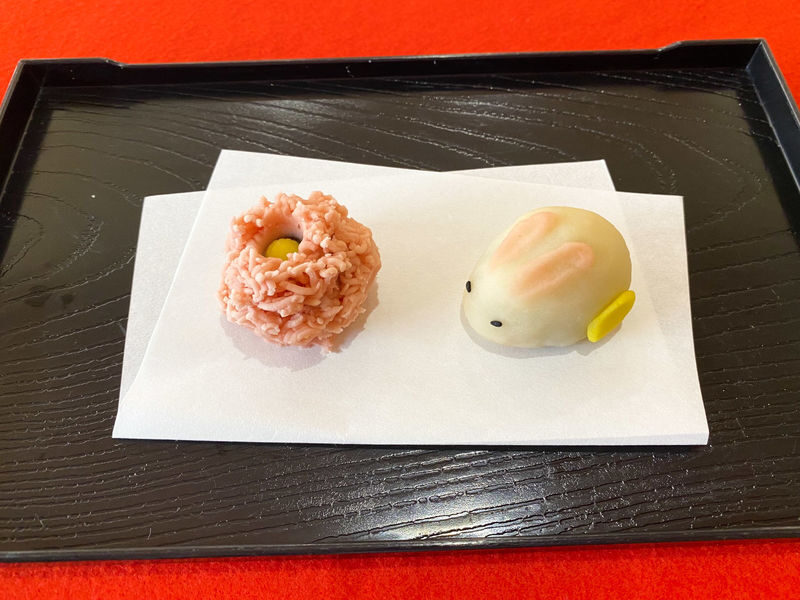
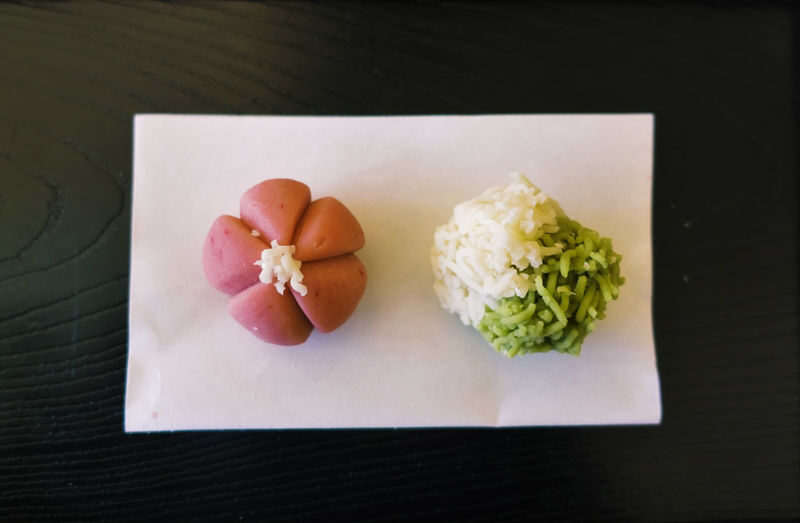
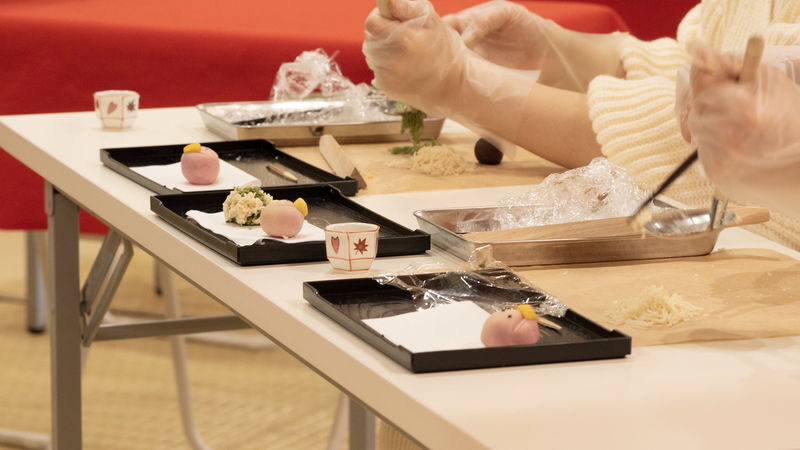
Wagashi, traditional Japanese sweets, are often made to reflect the season. Here, that idea is not just decoration. The two designs you make change with the time of year and the ingredients available, so a spring visit may bring a different set of shapes from an autumn one. In one autumn class, the designs were a chrysanthemum and fragrant olive; another seasonal menu included rabbit-shaped sweets.
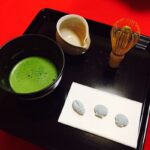
The workshop focuses on nerikiri, a soft confection commonly shaped by hand from bean-based paste. You’ll first hear an explanation of Japanese traditional sweets, then watch the instructor demonstrate how to form the flower design and the kinton-style sweet. Afterward, you try the techniques yourself and have time for photos.
The class is a good fit if you’ve admired the tidy, delicate sweets in shop windows but wondered how they’re made. It offers a small, practical taste of that craft, rather than a long lesson in confectionery history or a professional-level course. The aim is to help you make two sweets and understand a little about the care and seasonal thinking behind them.
You can also read our reviews of more tours and experiences in Nagoya


What happens in the 55-minute class
The listed schedule allows 55 minutes for the workshop, followed by a 10-minute break. It begins with an introduction to Japanese sweets, which gives you context before you start handling the ingredients. That matters: nerikiri is meant to be pleasing to the eye as well as to eat, and the seasonal designs make more sense when you know they’re tied to the calendar.
Next comes the flower-shaped nerikiri. The instructor shows you how to shape and detail the sweet, then you repeat the steps. Don’t expect your first attempt to look exactly like the demonstration model. The point is to learn the basic motions and make something of your own, not to pass an exam in pastry precision.
The second sweet is kinton nerikiri. As with the flower, the instructor demonstrates the process before you try it. The specific menu can change according to the season and the availability of ingredients, so the shapes you make are not fixed year-round. That changing menu is a plus if you’re interested in seasonal Japanese culture, though it means you should not book expecting one particular design.
A photo period follows the making portion. It gives you a chance to record your work before you leave. The published schedule then includes a 10-minute break. Taken together, the activity is short enough to fit between sightseeing plans, but it still gives you time to make two sweets rather than simply watch a demonstration.
Patient teaching makes it approachable
A good hands-on class depends on clear instruction, and that is the workshop’s strongest practical asset. Participants have described patient teaching, easy-to-follow demonstrations, and instructors who come over to help when a step is unclear. Children and first-time makers can take part, and the process does not require prior skill.
English support has been a helpful feature in many sessions. Some instructors explain in both Japanese and English, while others rely more on demonstration and provide additional explanation as needed. Because the booking details do not guarantee an English-speaking instructor, don’t assume a particular level of language support is included. Even so, the visual nature of the shaping makes it possible to follow the sequence by watching closely.
The activity is open to participants aged one and older. That makes it a possible family outing, though very young children will naturally need an adult’s help. The class is also a reasonable choice for solo visitors: it is short, hands-on, and does not depend on having a companion to make it worthwhile.
One note for anyone hoping to build advanced skills: this is a basic introduction. The class teaches you to make two sweets, but it is not presented as an in-depth course. If you want a longer study of techniques, you may find the session too brief. If you want a memorable first attempt and a better understanding of what goes into a small wagashi, the format makes sense.
Kyoto filling and artisan-made wooden molds
Two details give the class a stronger sense of craft than a generic make-and-take activity. The nerikiri filling comes from a long-established shop in Kyoto, and the workshop uses genuine wooden molds made by skilled wood mold artisans. Those details connect your own simple shaping exercise to the specialist work behind Japanese confectionery.
The sweets are also described as using natural ingredients. The seasonal menu adds another layer: the shapes change with the time of year, rather than treating the sweets as decorations that look the same in every month. This is a useful introduction to the way food can carry seasonal meaning in Japan.
You should keep expectations sensible. A short class can introduce the materials and methods, but it cannot make you an expert in the craft. The value is in handling the paste yourself, seeing the instructor’s technique up close, and noticing how a few careful movements turn simple ingredients into a flower or other seasonal form.
Finding AN NAGOYA near Nagoya Station
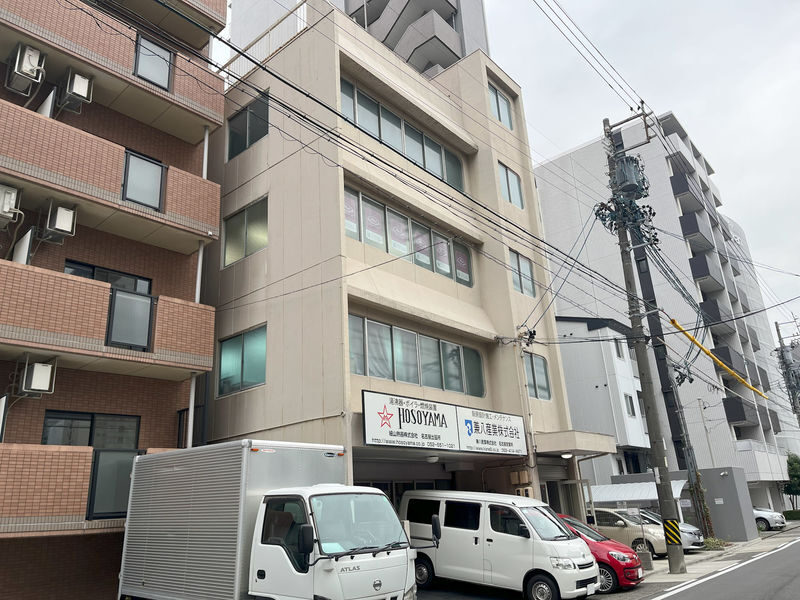
The workshop takes place at 庵an名古屋, also called AN NAGOYA Japanese Culture Experience, at Uezen Building 3F, 5-22-23 Meieki, Nakamura-ku. The address is within walking distance of Nagoya Station, which makes the class easy to pair with a day in the city.
The building can look inconspicuous from outside, so have the address and map ready rather than relying on a quick glance at the street. The floor description has varied in practical accounts, so follow the venue’s directions or signs when you arrive instead of assuming the class will be on a particular floor. Some people have also found the location hard to identify, and at least one class began after a short wait. Arriving a few minutes early is a sensible buffer.
The schedule offers start times at 08:00, 10:30, 13:00, 15:30, and 18:00, subject to availability. The return times are paired with the selected start time and the duration of the activity. Your booked time matters, so choose a slot that fits your day and be there for that session.
You can also read our reviews of more tours and experiences in Nagoya


Is US$11.85 good value?
At a starting price of US$11.85, this is an inexpensive way to add a hands-on cultural activity to a Nagoya visit. You get an introduction, guided practice making two sweets, and a chance to photograph the results. For someone who likes food, crafts, or small cultural experiences, that is a reasonable return for a class lasting about 55 minutes, plus the scheduled break.
The price is especially appealing if you want to try wagashi without committing to a long workshop. But value depends on what you expect. If you’re looking for a detailed culinary course, a wide range of recipes, or extensive time to practice, this short session may feel basic. The class is meant to be accessible and enjoyable, not exhaustive.
Check what your selected package includes before booking. Other personal expenses are not included, and some participants have chosen to pay extra for take-home boxes. A helper fee has also appeared in some bookings, apparently connected to language assistance, but the current package details do not spell out that fee. Confirm the terms shown for your chosen date and option rather than assuming it is part of the base price.
Who should book this workshop?
I’d choose this class if you’re curious about Japanese sweets, want an activity that does not demand much time, or are travelling with children who enjoy making things. It also suits solo visitors who want a structured activity near central Nagoya. The class is accessible to beginners, and you do not need to arrive with special skills.
It is less suited to someone seeking a long, technical lesson or a guaranteed English-language course. The class is short, the instructor and menu can vary, and the seasonal sweets may differ from what you had in mind. If you like the idea of making two small confections and learning why their shapes change with the calendar, the workshop is a sensible, low-cost choice.
Traditional Japanese Sweets Making Workshop in Nagoya
“An adorable experience with adorable staff! The team really makes an effort to ensure international travelers feel included. The explanations are s…”
FAQ
How long does the workshop take?
The sweets-making session lasts about 55 minutes, followed by a 10-minute break. The listed start and return times are 65 minutes apart.
What will I make?
You’ll make a flower-shaped nerikiri and a kinton nerikiri. The exact designs can change with the season and ingredient availability.
Where is the workshop held?
It is held at AN NAGOYA Japanese Culture Experience, Uezen Building 3F, 5-22-23 Meieki, Nakamura-ku, Nagoya. The venue is within walking distance of Nagoya Station.
How much does it cost?
The Japanese Sweets Nerikiri Making package starts at US$11.85. Other personal expenses are not included.
Do I need experience making Japanese sweets?
No special skills are required. The instructor demonstrates the steps, and the workshop is designed to be easy for beginners to follow.
Is the class suitable for children?
Yes. Participants must be aged one or older, and children can take part. Very young participants may need help from an accompanying adult.
Is instruction available in English?
English support is not specifically guaranteed in the package details. Instructors have often explained in English or used demonstrations that are easy to follow, but the level of language support may vary.
What are the available start times?
Available start times are 08:00, 10:30, 13:00, 15:30, and 18:00. Options may vary, so select your session when booking and attend at that time.
Can I cancel for a refund?
You can receive a full refund if you cancel at least 24 hours before the activity date, using local destination time. In extreme weather or other unforeseen events, the operator may cancel and offer a reschedule or full refund.