Katsuoji’s little red daruma dolls are more than a photo prop: they are part of a wish-making ritual tied to success, from exams and sports to health and work. This day trip pairs that lively temple visit with a quieter stop among 1,200 expressive stone statues, then gives you time to explore Arashiyama.
I like two things here: the bus makes a three-stop day much easier than piecing together transfers, and the mix of temple styles keeps the day from feeling repetitive. Katsuoji is colorful and active, the rakan statues invite a slower look, and Arashiyama gives you room to choose your own sights.
The trade-off is a tight schedule, especially at the smaller temple stop, and the tour’s temple names are inconsistent. The description refers to Atago, Adashino, and Otagi Nenbutsuji, so confirm which temple is included before booking. Admission and lunch are extra, too.
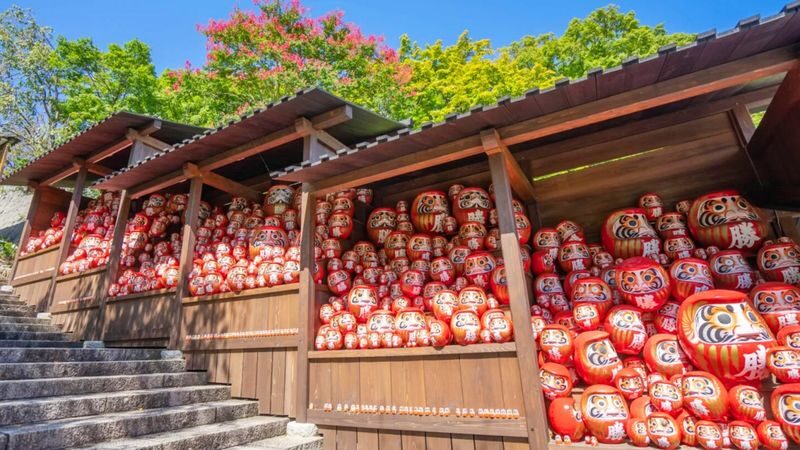
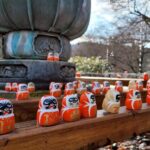
- Katsuoji’s wish ritual: Buy a blank daruma, paint its right eye after making a wish, then paint the left eye if the wish comes true.
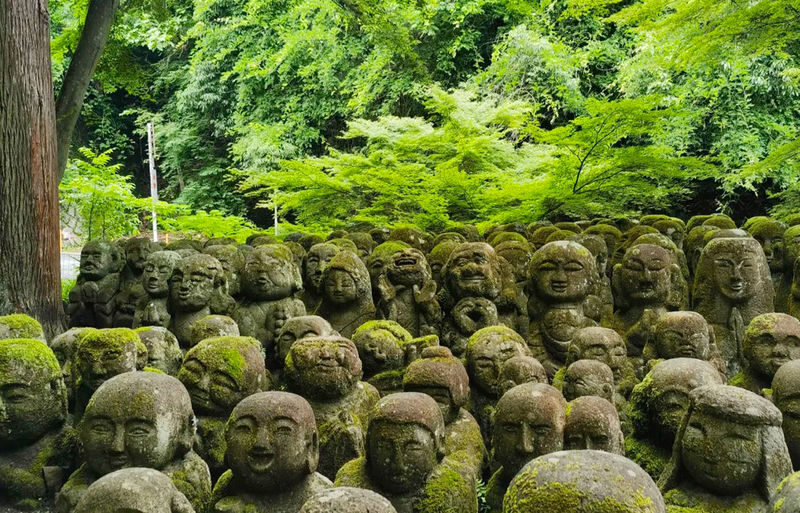
- Around 1,200 individual stone figures: The rakan statues have varied expressions and details, including figures holding cats.
- Three hours in Arashiyama: Choose from Saga-Toriimoto, Mikami Shrine, the Bamboo Grove, Tenryu-ji, and Togetsukyo Bridge.
- A one-way option to Kyoto: The scheduled return is at Kyoto Station, with an Osaka drop-off listed later in the day.
- Admission is not included: Budget separately for temple tickets, meals, and personal purchases.
- A full day, not a one-hour outing
- Katsuoji: make a wish, then look around
- The rakan statues: small figures with distinct faces
- Three hours in Arashiyama, with room to choose
- What the price pays for, and what it doesn’t
- Who will get the most from this day
- Should you book it?
- FAQ
- How long does the tour take?
- Where does the tour leave from?
- Which temples are included?
- Are admission tickets included?
- Is lunch included?
- How much time is available in Arashiyama?
- Can I return to Osaka or get off in Kyoto?
- Can children join the tour?
- More Tours in Mino
- More Tour Reviews in Mino
A full day, not a one-hour outing
 1 / 7
 2 / 7
 3 / 7
 4 / 7
 5 / 7
 6 / 7
 7 / 7
The duration information can be confusing. Although one summary gives a one-hour duration, the actual schedule describes a full-day tour, with departure from Osaka at 8:00 a.m. and a return around 5:00 p.m. to Kyoto Station or around 6:00 p.m. to the Nipponbashi area. Return times are estimates and can change with traffic and weather.
You’ll meet at Kintetsu Nipponbashi Station Exit 2, near Daikoku Drug Store. Arrive at least 10 minutes early. This is a shared tour, and the vehicle cannot wait for late arrivals; missed departures are not refundable.
The vehicle may be a business car, minivan, or coach, depending on the number of people. You cannot choose the vehicle type, and seats are assigned on a first-come basis. Past trips have been led by guides including Nick Lee, Kangfu, Yurika, Yasuo, and Zhang Yan-jin. The guide may speak more than one language, but the quality and amount of commentary can vary. One departure had little explanation at the stops, so if temple context matters to you, treat the trip primarily as transportation and self-guided sightseeing.
Katsuoji: make a wish, then look around
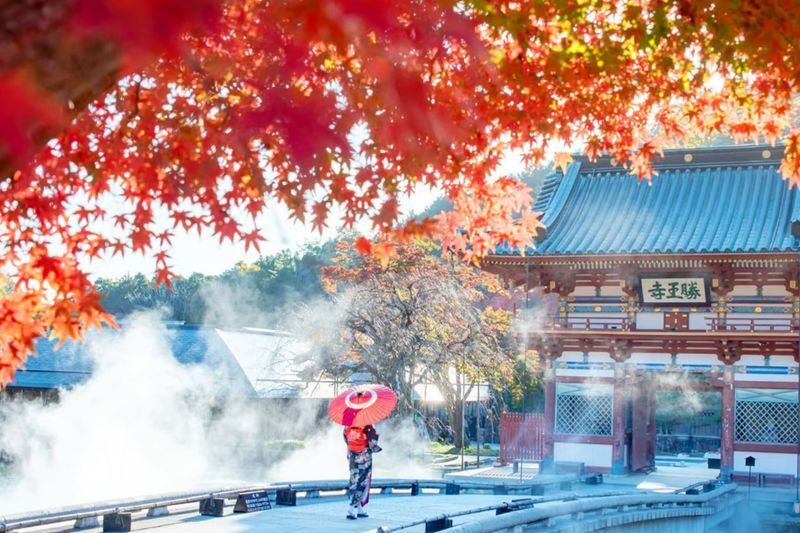
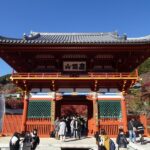
The first major stop is Katsuoji, reached at about 9:00 a.m. You have roughly two hours to explore on your own. The temple is known as Win-Luck Temple and is associated with prayers for success in many parts of life, including exams, career, sports, healing, and protection from disaster.
The best-known ritual involves a blank daruma doll. After making a wish, you paint one eye; if the wish is fulfilled, you paint the other. You can buy a doll at the temple, but that cost is separate from the tour and admission. The activity gives the visit a personal focus: rather than simply walking through a temple, you have a small ritual to take part in.
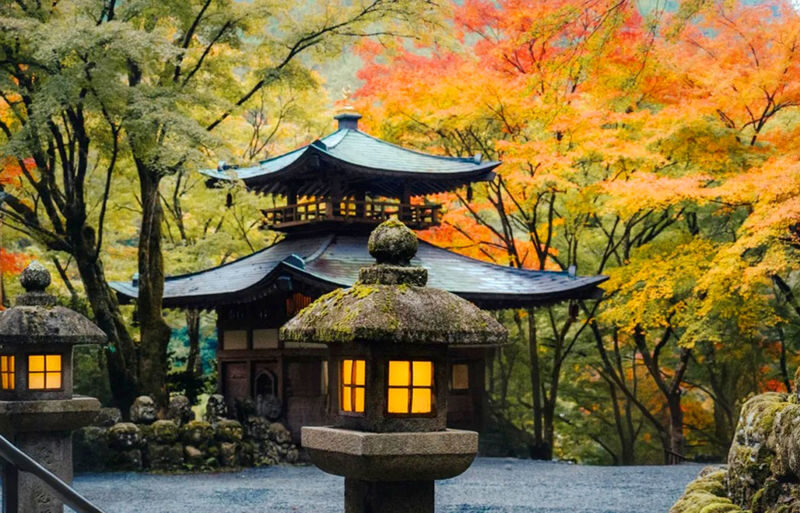
Katsuoji is also one of the most visually distinctive stops of the day. The daruma figures make the temple memorable, and the setting changes with the season. A winter visit may bring snow, while spring and autumn can add seasonal color. That said, weather can affect both the look of the grounds and the day’s timing, so dress for the forecast and keep some flexibility.
Two hours is a useful amount of time for an unhurried self-guided visit, though your pace will depend on how much you want to see and whether you stop to make a wish or buy a daruma. The driver or guide will give you a meeting time. Pay attention to it: the next stop is not close enough to wander back whenever you please.
Admission is listed at ¥500 for adults and ¥400 for elementary and junior high school students. Check the current rate before you go, as the supplied information also notes a change to the age range for free admission at the second temple from January 1, 2026.
You can also read our reviews of more tours and experiences in Mino.
The rakan statues: small figures with distinct faces
Around 12:10 p.m., the tour schedules a 50-minute stop at the temple described as Otagi, Atago, or Adashino Nenbutsuji. The naming is not consistent across the tour details. The description of 1,200 stone rakan statues points to the statue-filled temple experience, but you should verify the exact temple name and stop with the operator before booking.
The figures are the draw. Each stone rakan has its own expression and pose; some smile, and some hold cats. The number and variety give you plenty to notice, even during a brief visit. Rather than treating the statues as a single scenic backdrop, take time to look closely. The small differences are what make the stop interesting.
The temple information also mentions a Kannon statue that visitors can touch, a Jizo associated with fire prevention and longevity, and a bell representing Buddhist principles. These details add a contemplative note to a day otherwise built around moving between attractions.
Fifty minutes is short. You can see the main area, but you may not have time to linger or explore nearby streets at length. One practical point: the supplied schedule says the tour does not operate on Wednesdays and Saturdays for this temple stop. Confirm operating days and the exact site before you pay.
Admission is listed at ¥500 per person, with free entry for children under 15 in one section of the tour information. A later note says that from January 1, 2026, free entry applies to children under 10. Because those details conflict, check the current rule directly when planning your budget.
Three hours in Arashiyama, with room to choose
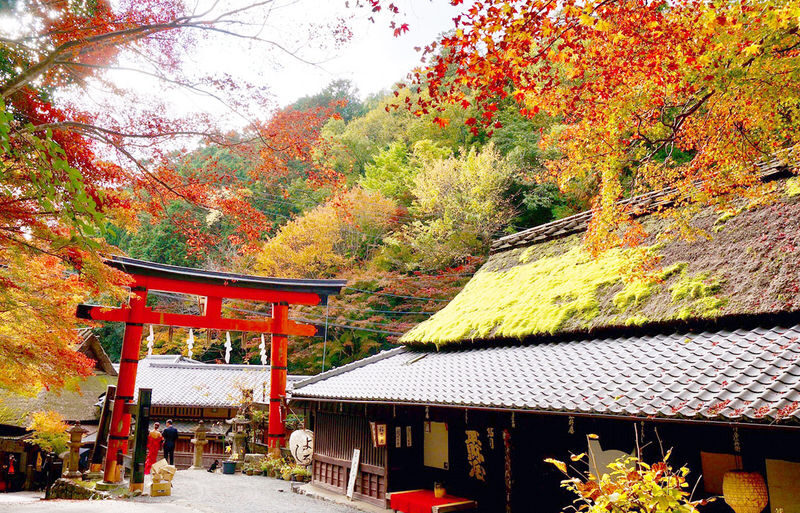
At about 1:10 p.m., the tour heads to the area around Togetsukyo Bridge and gives you roughly three hours to explore independently. This is the most flexible part of the day. You can ride with the group to the bridge area or walk there from the temple, though the suggested walk takes about an hour. If you want the full Arashiyama time, taking the vehicle is the practical choice.
The suggested sights run through the area in a useful order:
- Saga-Toriimoto: Walk along traditional machiya streets, browse small antiques, or stop for matcha.
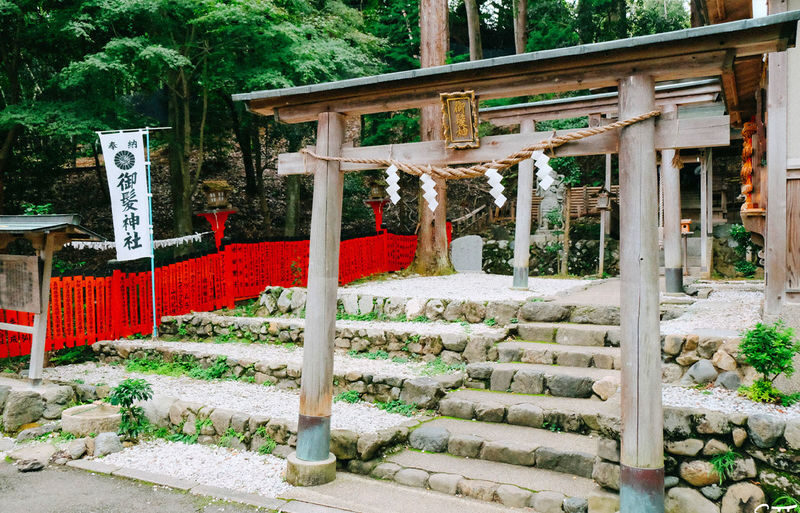
- Mikami Shrine: Make a wish related to hair and look for hair-ornament souvenirs.
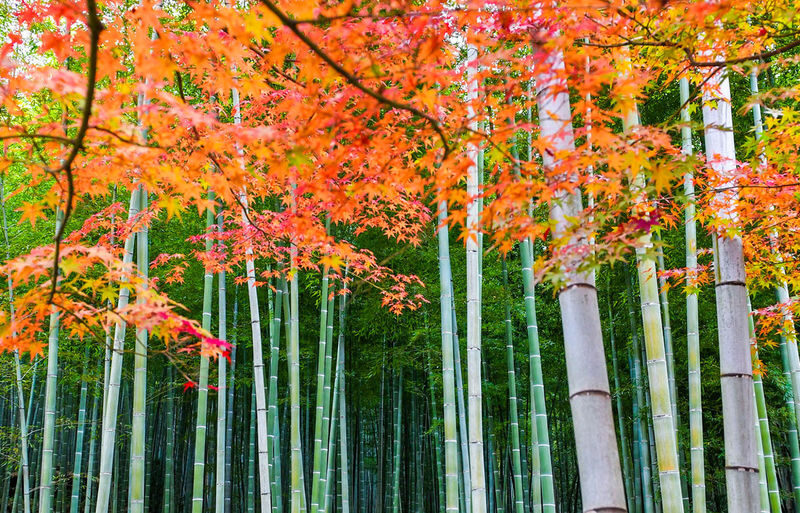
- Arashiyama Bamboo Grove Path: Follow the stone path through the bamboo and enjoy the sound of the leaves.
- Tenryu-ji Temple: Visit a World Heritage site known for its Zen gardens.
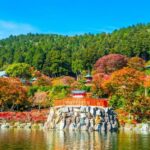
- Togetsukyo Bridge: Take in the Hozugawa River and the broad view of Arashiyama.
You can choose two to four of these stops, depending on your pace. Three hours sounds generous, but it goes quickly if you want to visit Tenryu-ji, stop for lunch, walk the bamboo path, and cross the bridge. Decide in advance which two places matter most, then add others if time allows. Arashiyama is also where you’ll need to make your own lunch plan. Meals and drinks are not included, though dining options are available around the attractions.
The tour’s scheduled end point is Kyoto Station’s Hachijo Exit around 5:00 p.m. The information also lists an Osaka return near Nipponbashi around 6:00 p.m. Check your chosen package and the latest pre-trip message so you know where you’ll be dropped off. The Kyoto stop can be handy if you plan to continue your stay there rather than ride back to Osaka.
What the price pays for, and what it doesn’t
The tour price varies by package and date. The supplied information gives a general starting price of $44.79, while the Atago Nenbutsuji day-trip options are listed from $63.99. Treat these as starting figures rather than a guaranteed final price, and check what applies to your date and selected package.
The value is mainly in the transport. You get round-trip transfers from the Osaka meeting area, plus tolls, parking, and fuel. For a day linking Katsuoji, the Kyoto-area temple, and Arashiyama, having a vehicle removes much of the work of coordinating separate routes. The time between stops also offers a chance to rest in air conditioning, which can matter on a hot summer day.
But the tour does not cover the cost of entering the temples, buying a daruma, eating lunch, or making personal purchases. Add those expenses before deciding whether the price fits your budget. The vehicle is shared, and the tour may include people speaking different languages. The guide may provide bilingual explanations, but this is not a private tour with a guide at your side throughout each stop.
The order and stop lengths can change because of weather, traffic, and driving-hour rules. A stop may be shortened or removed to keep the day safe and on schedule. Avoid booking a tight appointment, performance, or flight after the tour.
Who will get the most from this day
I’d consider this tour if you want to cover several places in one day without handling every transfer yourself. It suits people who are comfortable exploring temples on their own and can keep an eye on meeting times. Families can join, and children aged 0 to 3 ride free if they do not need a separate seat. Children aged 3 and older pay the adult rate. Child seats are not available.
It is less suited to anyone who wants long, guided visits at each temple. The schedule gives you set windows, and the 50-minute rakan stop is particularly brief. If you prefer to spend half a day in one temple or take a long lunch in Arashiyama, plan an independent visit instead.
Pack cash for admissions and incidental expenses. Lunch is on your own, and each person may bring one standard piece of luggage if it is noted when booking. The tour does not allow you to leave the group partway through and continue independently. Travelers over 70 and pregnant participants must sign a disclaimer, so note this when booking.
Should you book it?
Book this trip if convenient transport and variety matter more than having a slow, fully guided temple visit. Katsuoji’s daruma ritual gives the morning a memorable hook, the stone figures offer a change of pace, and three hours in Arashiyama let you choose your own route. The main caution is the inconsistent naming of the second temple, plus the short visit there. Confirm the site, operating day, package price, and Kyoto or Osaka drop-off before booking. If those details suit your plans, this is a practical way to link several far-flung stops in one day.
Atago Nenbutsuji Temple/Jojakkoji Temple & Katsuoji Temple & Arashiy
“Many thanks to our tour guide and driver, Mr. Zhang Yan-jin. He provided clear instructions before the trip, and we boarded the bus smoothly on the…”
FAQ
How long does the tour take?
The schedule runs from an 8:00 a.m. departure to a return around 5:00 p.m. at Kyoto Station or around 6:00 p.m. near Nipponbashi in Osaka. These times are estimates and can change.
Where does the tour leave from?
Meet at Kintetsu Nipponbashi Station Exit 2, near Daikoku Drug Store. Arrive 10 minutes before departure.
Which temples are included?
The tour includes Katsuoji and a second temple described inconsistently as Atago, Adashino, or Otagi Nenbutsuji. The second stop is associated with about 1,200 stone rakan statues. Confirm the exact temple with the operator.
Are admission tickets included?
No. Temple admission is paid separately. Katsuoji is listed at ¥500 for adults and ¥400 for elementary and junior high school students. The second temple is listed at ¥500 per person, but the stated age for free admission differs in the supplied details, so check the current rule.
Is lunch included?
No. You arrange and pay for lunch yourself. Dining places are available at the attractions, and you may also bring your own food.
How much time is available in Arashiyama?
The schedule allows about three hours. You can choose among Saga-Toriimoto, Mikami Shrine, the Bamboo Grove Path, Tenryu-ji, and Togetsukyo Bridge.
Can I return to Osaka or get off in Kyoto?
The schedule lists a drop-off at Kyoto Station around 5:00 p.m. and near Nipponbashi around 6:00 p.m. Confirm the return arrangement for your chosen package. Times may change with traffic and weather.
Can children join the tour?
There is no age limit. Children aged 0 to 3 are free if they do not occupy a separate seat; children aged 3 and older pay the adult rate. Child seats are not available.