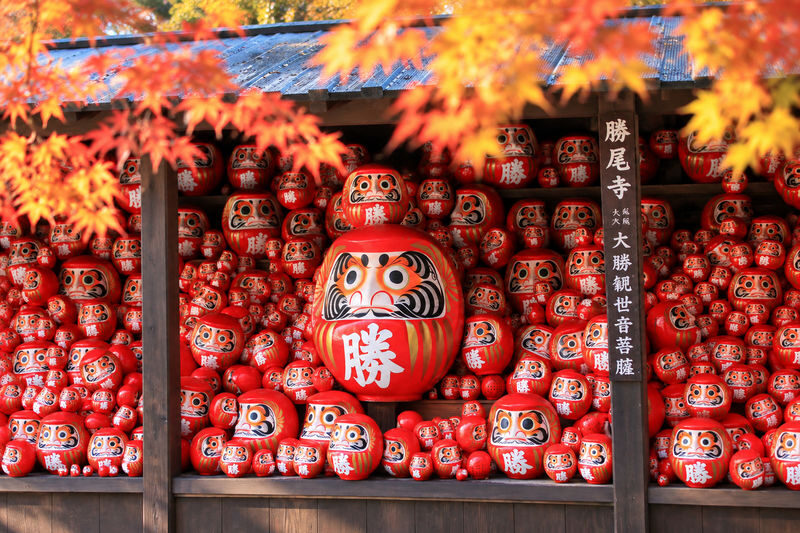
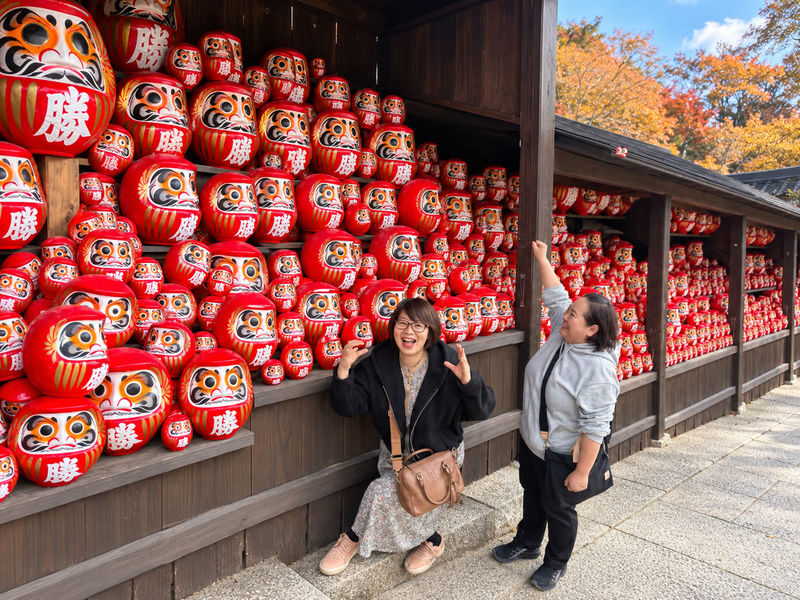
Katsuo-ji is the day’s most unusual stop: a mountain temple where red Daruma dolls appear across the grounds, each one tied to a wish for success or good fortune. I like that this tour pairs that distinctive place with two very different sides of Kyoto, Arashiyama’s river and bamboo scenery and the old lanes around Kiyomizu-dera.
I also like the practical value: one bus links places that would take planning and several transfers to combine independently, and you can choose whether to pay extra for lunch. The trade-off is time. Three major areas in a day means brisk visits, and busy roads or weather can change the schedule.
- What to know before you book
- Three very different stops in one long day
- Katsuo-ji and its sea of red Daruma
- Arashiyama: river views, bamboo and a tight clock
- Kiyomizu-dera and old Kyoto’s steep lanes
- Lunch, wagyu choices and the matcha session
- Guides, language and group size
- Osaka pickup, return and practical details
- Is this Osaka-to-Kyoto day trip worth booking?
- FAQ
- How long is the tour?
- Where does the tour depart from?
- Is admission to Katsuo-ji included?
- Are Kiyomizu-dera and Tenryu-ji tickets included?
- Is lunch included?
- Is the matcha experience included?
- What languages does the guide speak?
- Can children join the tour for free?
- More Tours in Mino
- More Tour Reviews in Mino
What to know before you book
 1 / 9
 2 / 9
 3 / 9
 4 / 9
 5 / 9
 6 / 9
 7 / 9
 8 / 9
 9 / 9
- Katsuo-ji’s Daruma dolls make this more than a standard temple stop. Admission is included, and the temple is known for prayers for success in exams, sport and work.
- Arashiyama gets about two hours on the schedule. That time has to cover a large area, possible lunch and the main sights, so choose your priorities before you arrive.
- The Kiyomizu area is a walk through old Kyoto. The temple, its famous stage and the stone lanes of Sannenzaka and Ninenzaka are the main draw.
- Optional lunch can mean a different day. Plans range from no lunch and pork shabu-shabu to several Kuroge Wagyu options and a beef-and-crab set.
- A matcha experience is included. You make matcha with a bamboo whisk under staff guidance, though the stated schedule does not give it a separate time slot.
- Guiding quality is not guaranteed to be uniform. Many guides earn warm praise for clear commentary and care, but some English-speaking participants report limited or hard-to-hear explanations.
Three very different stops in one long day
This is a full-day coach tour departing from Osaka, with a listed duration of about nine and a half hours. It takes in Katsuo-ji in Osaka Prefecture, then Kyoto’s Arashiyama and Kiyomizu areas. Transfers, tolls, parking, fuel, tax and Katsuo-ji admission are included, while entrance fees at Kiyomizu-dera and Tenryu-ji, and the Arashiyama train ticket, are not.
The tour’s strength is its range. You start among temple grounds and Daruma dolls, shift to a riverside district with a bamboo grove, then end among Kyoto’s best-known temple views and old shopping lanes. Its weakness is the same: these places each deserve more time than a single day can give them.
I’d book it if you want to see several headline sights without arranging buses and trains yourself. I’d skip it if your ideal Kyoto day means lingering over a temple, taking a long lunch or exploring every lane at your own pace.
You can also read our reviews of more tours and experiences in Mino.
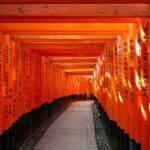
Katsuo-ji and its sea of red Daruma
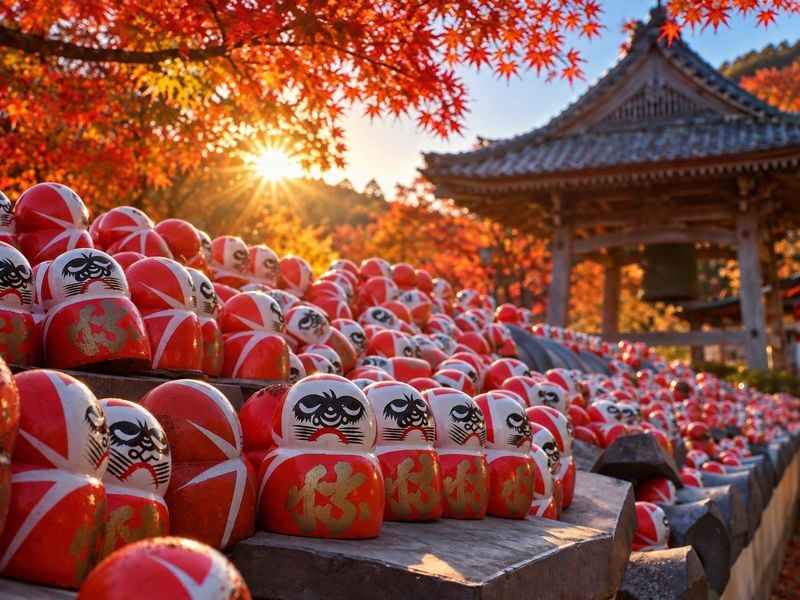
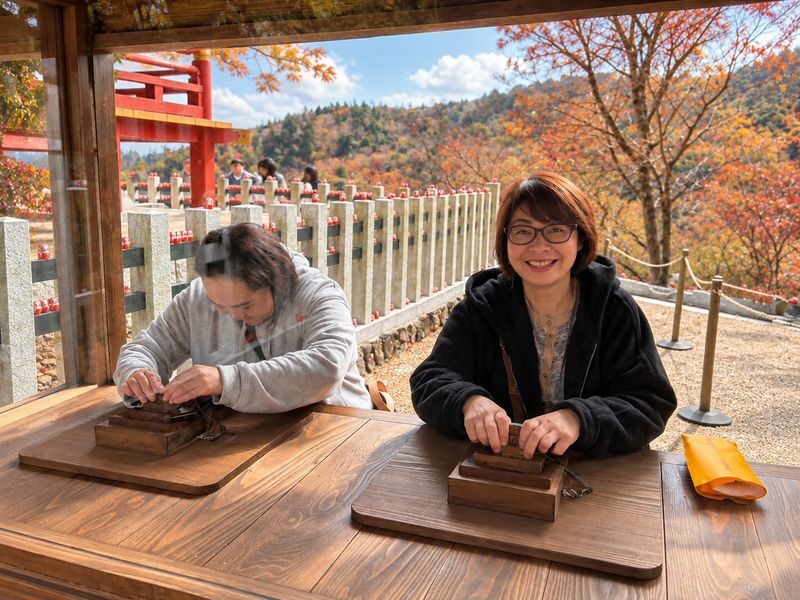
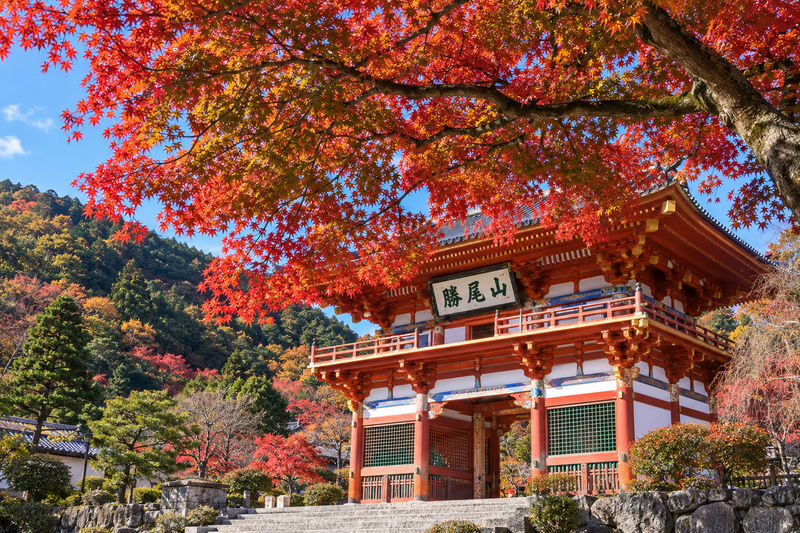
The first scheduled stop is Katsuo-ji, reached around 9:20, with about an hour and a half to explore. The temple has a history of roughly 1,300 years and is known as a place to pray for victory or success. Its many small red kachi-daruma dolls give the grounds a character you won’t find at a typical temple visit.
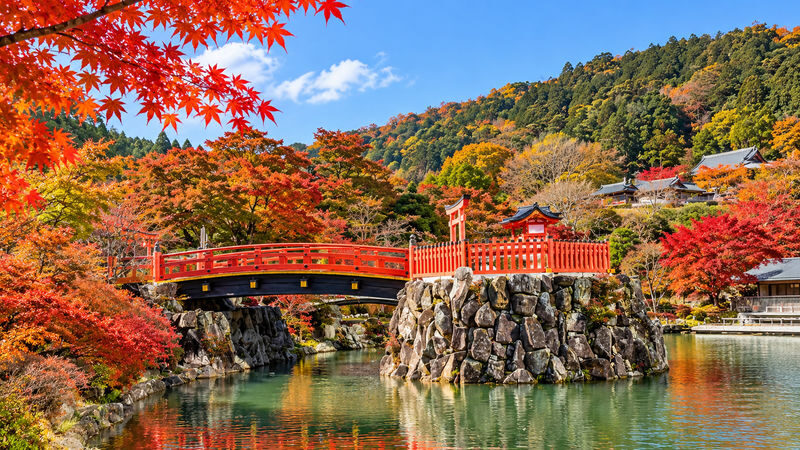
The idea behind the dolls is personal effort as much as luck. People come to pray about exams, sports competitions and career goals, so you can treat this as a quiet cultural stop even if you have no wish to make. The temple’s mountain setting also changes with the seasons: spring blossoms and autumn leaves are noted highlights, while summer greenery and winter scenery offer their own appeal.
An hour and a half is enough for a walk through the main grounds and time for photographs, but not necessarily for a slow visit. A tour guide may walk the group through the site and explain its customs, or may give you time to explore independently. The better reports describe guides who stay engaged and help the place make sense. Don’t assume you’ll receive the same depth of commentary every time.
A practical point: the tour bus removes the need to work out the transfer to this out-of-the-way temple. That convenience is a real part of the value, especially if you are trying to fit Katsuo-ji into a short stay in Osaka. The price of that convenience is a fixed departure time, so be back at the agreed meeting spot promptly.
Arashiyama: river views, bamboo and a tight clock
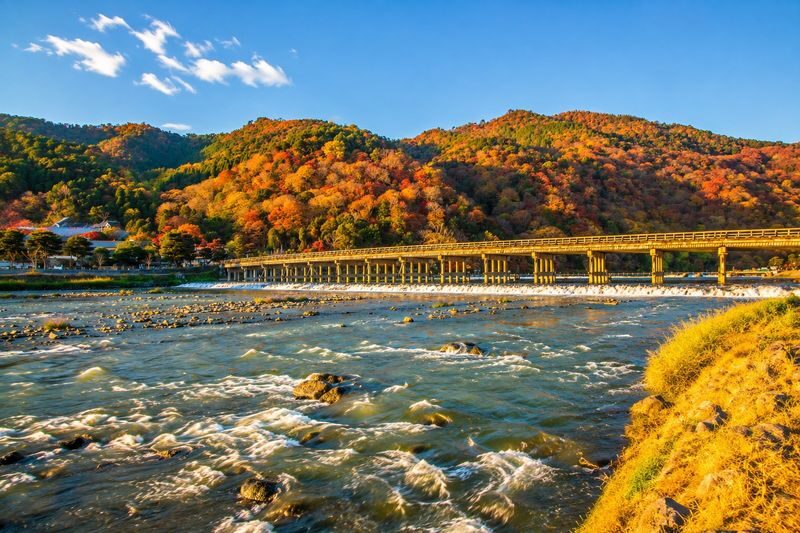
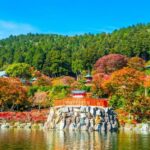
The schedule places you in Arashiyama around 12:20, with about two hours in the area. This is Kyoto’s western edge, known for the Katsura River, Togetsukyo Bridge, bamboo grove and seasonal mountain scenery. The listed sights also include Tenryu-ji, the Sagano scenic train area and Kimono Forest, but the tour warns that weather, crowd levels or capacity may mean stopping at only some attractions.
That warning matters. Arashiyama is not one compact sight with a single entrance. The bamboo path, bridge, temple and other attractions each take time, and the tour’s two-hour window may also include lunch. You’ll need to choose between a sit-down meal and more time on foot, particularly if you want to see more than the bamboo grove and bridge.
The bamboo grove is the obvious photo stop, but it can be busy. The bridge and river give you a broader view of the district, while the surrounding mountains make the area feel quite different from central Kyoto. If you have a particular priority, ask the guide early how the stop is likely to run. The itinerary can change, and not every named attraction is guaranteed.
Some participants find this stop rushed, especially when lunch is included. Others appreciate having the bus take care of the distance between areas and regard the short visit as a fair exchange for seeing more in one day. My advice: if you are keen on Arashiyama, decide whether the optional meal is worth the time it may take from sightseeing. The tour has multiple lunch plans, but you can also choose no lunch.
Kiyomizu-dera and old Kyoto’s steep lanes
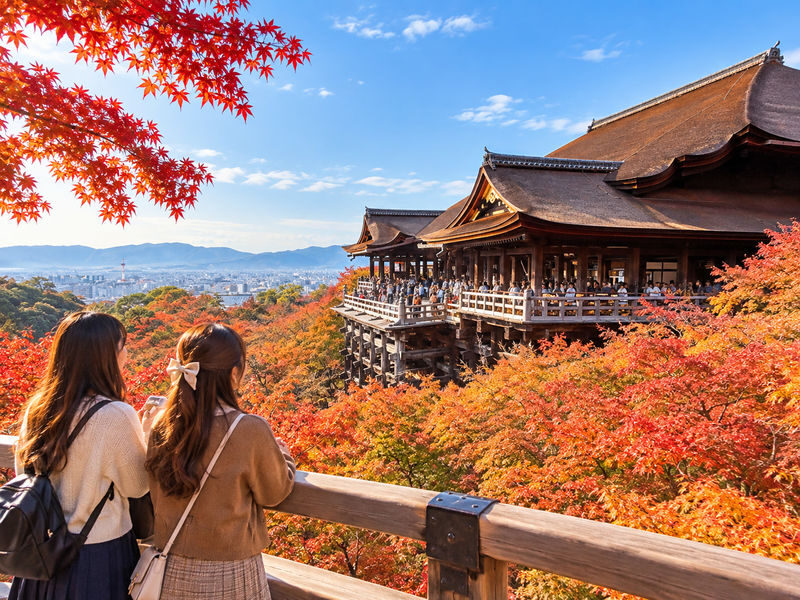
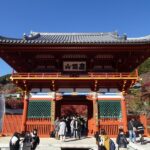
Around 15:30, the tour moves to the Kiyomizu area for about an hour and a half. Kiyomizu-dera is a World Heritage site and one of Kyoto’s best-known temples. Its wooden stage projects from the hillside and offers a broad view over the city, making this a fine final stop for scenery and atmosphere.
The approach is part of the visit. Sannenzaka and Ninenzaka are stone-paved lanes lined with traditional-style shops, tea houses and confectionery sellers. This is a place to browse, snack and take in the old-city feel, but the lanes can be crowded and are not flat. Several participants have found the stops physically demanding because of slopes, so wear shoes you can walk in comfortably and consider your own stamina.
Kiyomizu-dera’s admission is not included, unlike Katsuo-ji’s. If you want to enter the temple, budget for the ticket separately. You may also have to choose between the temple grounds and more time browsing the lanes, since the stop is limited.
Yasaka Shrine, Hanamikoji Street and Gion appear among the tour’s listed places, but the scheduled Kiyomizu stop is only 90 minutes. Treat those as possible nearby points rather than assuming you’ll have time to visit every one. The tour description also notes that the day’s stops may be adjusted.
Lunch, wagyu choices and the matcha session
The base option includes no lunch, and the price starts at $44.89. Paid meal choices include pork shabu-shabu, Kuroge Wagyu shabu-shabu, Kuroge Wagyu sukiyaki hot pot, a sukiyaki donburi and a beef-and-crab set. The exact total depends on the package you choose, so compare the meal cost with what you would prefer to do during the Arashiyama stop.
The higher-priced wagyu options may suit you if a hot-pot meal is part of the appeal, but don’t choose one solely because the wording sounds luxurious. Food value is personal: some people praise the beef and crab meal, while another diner found a lunch plan poor value and not filling. One person’s satisfying meal is another person’s small lunch, so check the package details and decide whether convenience or freedom matters more.
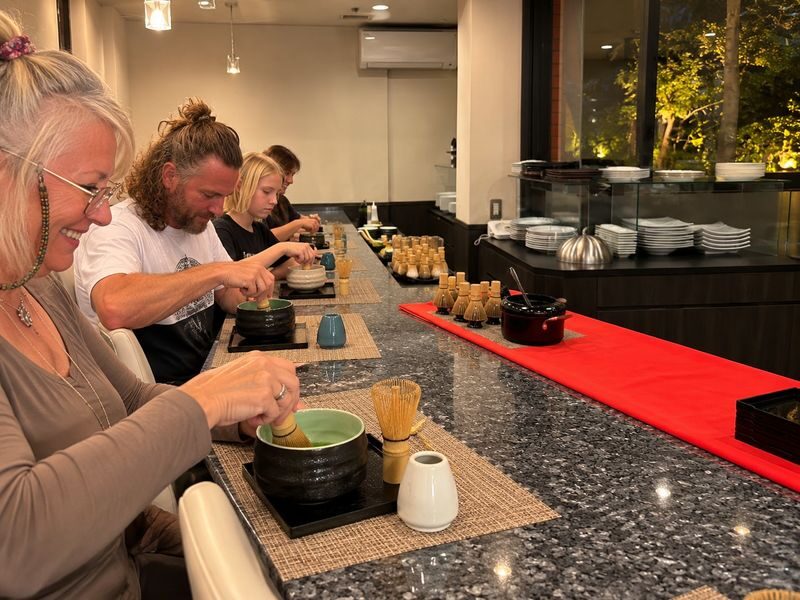
A matcha experience is included. Staff guide you in whisking matcha with a chasen, the bamboo whisk, before you taste it. It offers a hands-on introduction to tea culture, a welcome pause from sightseeing. The published schedule does not show exactly when it takes place, so don’t build a tight independent plan around a particular time.
Guides, language and group size
The group size can range from one to 49 people, so this is not a small-group walking tour by default. English- and Chinese-speaking participants may be placed in the same vehicle. Many people appreciate guides who explain the sites in both languages, point out useful details and keep the group together. Names praised include Xiao Liu, Harid, Nick, Xiao Tang and Gray.
But the language arrangement deserves attention. Some English-speaking participants have had guides who kept them included and provided clear commentary; others report that explanations were mainly in Chinese or too quiet to hear in English. If detailed English interpretation is essential to you, understand that the tour’s language promise does not guarantee equal depth at every stop.
The strongest guides seem to add real value: they explain temple customs, give practical reminders and help make the transitions easy. Some have also shared food suggestions for Osaka or helped manage meal arrangements. At the other end of the range, you may get more of a bus-and-drop-off service than an escorted cultural tour. The itinerary can still work well, but your expectations should match a group day trip rather than a private guide.
Osaka pickup, return and practical details
There are two stated Osaka meeting points. One is at 1 Chome-2-1 Nanbanaka in Naniwa Ward, with an 8:00 meeting and 8:10 departure. The other is at Chiyoda Building West Annex, 2-5-8 Umeda, with an 8:20 meeting and 8:30 departure. Arrive ten minutes early; the tour leaves on time, and arriving late can mean missing the bus.
The return is listed for 17:30 at Kyoto VIP Lounge, with a 18:30 return at VIP Villa Namba. Since these are different locations and times, check the chosen arrangement carefully before the day. Traffic and weather can alter arrival times and the order of sightseeing.
Bring cash or a payment method for personal expenses and any entrance tickets you want to buy. Kiyomizu-dera and Tenryu-ji entry, plus the Arashiyama train, are excluded. Children aged zero to three travel free only if they do not need a separate seat. The voucher is presented on your phone, and bookings can be changed up to 48 hours before the activity, subject to the stated restrictions.
Is this Osaka-to-Kyoto day trip worth booking?
For a starting price of $44.89, the tour can be good value if your priority is seeing Katsuo-ji, Arashiyama and Kiyomizu in one day without piecing together transport. Katsuo-ji admission, round-trip transfers, fuel, tolls and parking are included. The coach is the main bargain: it removes the most awkward planning and makes an ambitious route possible.
Book it if you are visiting Osaka for a limited time, want a sampler of Kyoto, or are travelling with family and prefer a single organized ride. The guided format can be especially helpful when a strong guide is assigned, and the matcha activity and lunch choices add variety.
Think twice if you want long, unhurried visits, need guaranteed detailed English commentary, or find hills and stairs difficult. You’ll see a lot, but you won’t see everything. The best way to enjoy the day is to pick one or two priorities at each stop, accept that the schedule may shift, and treat the rest as a bonus.
Katsuo-ji Temple Daruma Prayer, Kyoto Arashiyama, Kiyomizu-dera Temple: Lunch can be upgraded to A5 Kuroge Wagyu “Kobe Beef” (Matcha experience included)
“Today's mountain climbing itinerary was extremely satisfying! Our tour guide, Xiao Liu (Nika?), was fantastic. He personally guided us along the en…”
FAQ
How long is the tour?
The stated duration is about nine and a half hours. The schedule runs from an Osaka departure around 8:00 to a return later in the afternoon or early evening, depending on the selected return point.
Where does the tour depart from?
There are two meeting points in Osaka: one in Nanbanaka, Naniwa Ward, with an 8:00 meeting, and one at Chiyoda Building West Annex in Umeda, with an 8:20 meeting. Check your booking for the selected location.
Is admission to Katsuo-ji included?
Yes. Katsuo-ji Temple admission is included in the tour.
Are Kiyomizu-dera and Tenryu-ji tickets included?
No. Admission to Kiyomizu-dera and Tenryu-ji is not included. The Arashiyama train ticket is also excluded.
Is lunch included?
Only if you choose a lunch package. Options include no lunch, pork shabu-shabu, several Kuroge Wagyu meals and a beef-and-crab set.
Is the matcha experience included?
Yes, a matcha experience is included. Staff guide you in whisking matcha with a bamboo whisk. The schedule does not specify a separate time for it.
What languages does the guide speak?
The tour provides an English- or Chinese-speaking guide. English- and Mandarin-speaking participants may be combined in one vehicle, and the amount of commentary in each language can vary.
Can children join the tour for free?
Children aged zero to three can join for free if they do not occupy a separate seat.