Hakodate’s famous night view is the big draw here, but this two-day outing also links the city’s port history with a star-shaped fort, a seafood market, and volcanic lakes. It is a practical way to reach a far-flung corner of Hokkaido without planning every transfer yourself.
I like the contrast between the Kanemori Red Brick Warehouses and the open-air Historical Village, and I like that Onuma Quasi-National Park adds lakes and mountain scenery to the city stops. The main caution: the tour covers a lot of ground, and weather, traffic, or ropeway maintenance can affect the schedule, including the Mt. Hakodate view.
- A long-distance two-day route: Start in Sapporo, spend the night in Hakodate, then return to Sapporo on Day 2.
- A clear extra-cost list: The base price excludes hotel, meals, and entry tickets. The hotel-and-breakfast package costs more.
- A night view with a catch: Ropeway access is weather dependent and closes for maintenance from early October to early November.
- Short visits at several stops: Expect roughly 40 minutes at the botanical garden and an hour at Onuma, with times subject to change.
- Driver-guide, not always a full-time guide: Japanese and Chinese service is listed; English information may be basic, especially in a taxi or minibus.
- Bring cash and pack light: Attraction tickets are paid separately, some facilities may accept cash only, and the luggage limit is one standard suitcase per person.
- Two days from Sapporo, with a lot of Hokkaido in between
- Day 1: Hokkaido’s past before Hakodate’s port
- Mt. Hakodate: the evening’s headline view
- Day 2: a fort, hot-spring monkeys, and market food
- Hakodate Morning Market and Onuma’s volcanic scenery
- What the price covers, and what it does not
- Guide style, vehicle, and timing
- Should you book this Hakodate tour?
- FAQ
- Does the tour include a hotel in Hakodate?
- Are attraction tickets included in the price?
- Is the Mt. Hakodate night view guaranteed?
- When can I see the monkeys bathing in the hot spring?
- What languages does the driver-guide speak?
- Are meals included?
- How much luggage can I bring?
- The Best Of Hakodate!
- More 2-Day Experiences in Hakodate
- More Tours in Hakodate
- More Tour Reviews in Hakodate
Two days from Sapporo, with a lot of Hokkaido in between
 1 / 8
 2 / 8
 3 / 8
 4 / 8
 5 / 8
 6 / 8
 7 / 8
 8 / 8
This is a sightseeing circuit, not a slow stay in Hakodate. Day 1 begins at 9:30 in Sapporo, makes a stop at the Historical Village of Hokkaido, then continues to the port city for the warehouses and Mt. Hakodate. Day 2 visits Goryokaku, the botanical garden, the morning market, and Onuma before the drive back to Sapporo, scheduled from 19:00.
The appeal is simple: you do not have to sort out the long intercity transfers or coordinate each stop on your own. The trade-off is a full schedule and substantial time in the vehicle. This is best for you if you want an efficient introduction to southern Hokkaido, not if you want long, unhurried visits or detailed commentary at every site.
The departure and return details need a careful read when you book. The tour starts in Sapporo, ends Day 1 at Hakodate Station, and resumes there the next morning. The no-hotel package leaves you to book your own accommodation. A separate package is listed with one hotel night and breakfast.
👉 See our pick of the Hakodate’s 5 Best Walking Tours (With Prices & Reviews)
Day 1: Hokkaido’s past before Hakodate’s port
The first stop is the Historical Village of Hokkaido, an open-air museum built in 1983. Its preserved buildings introduce the lives, industries, and economic history of Hokkaido’s pioneering era. The scheduled visit is 1 hour 20 minutes, enough to get a sense of the place, though not necessarily enough to examine every building at a leisurely pace.
Admission is not included. The reference price is JPY 800 for adults and JPY 300 for high school students, subject to change. If you enjoy historic architecture, this is a useful counterpoint to Hakodate’s later port-era sights. If you prefer landscapes to museums, treat it as a short orientation rather than the day’s main event.
A one-hour lunch stop follows, at your own expense. The exact timing can shift with traffic and the day’s progress, so keep some flexibility in your plans and budget. The long drive to Hakodate makes this a day where comfort breaks matter as much as sightseeing.
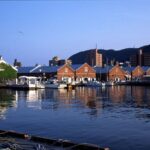
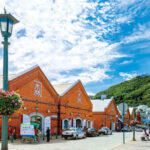
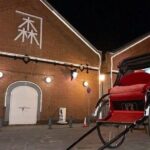
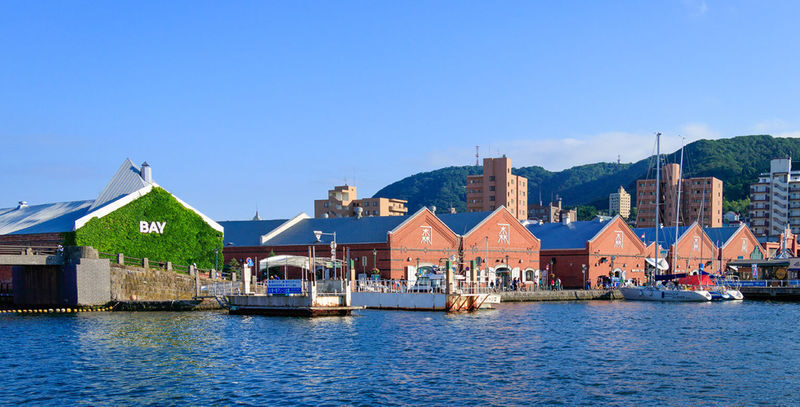
The Kanemori Red Brick Warehouses bring you into Hakodate’s maritime past. Hakodate was among Japan’s first international trade ports, alongside Yokohama and Nagasaki, and the old warehouse district gives that history a physical setting by the waterfront. Today, the buildings hold shops and other businesses, making this a good place to browse rather than just take a photograph and climb back aboard.
The scheduled stop is 1 hour 20 minutes, though actual time can vary. The warehouses are also a practical place to look for a meal or a snack, but meals are not included, and you should not count on a fixed dinner arrangement unless the tour staff confirms it. If shopping is not your priority, use the time to walk the waterfront and notice how the port setting shapes this part of the city.
You can also read our reviews of more tours and experiences in Hakodate
Mt. Hakodate: the evening’s headline view
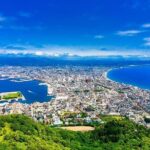
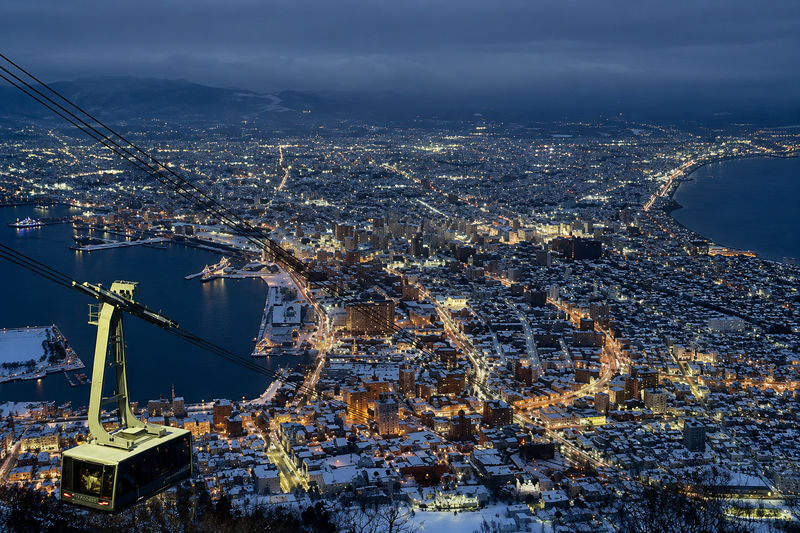
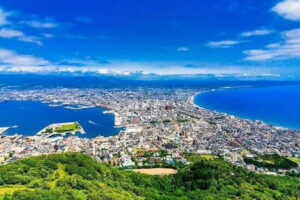
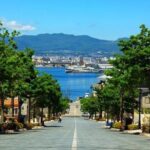
The tour’s most eagerly anticipated stop is Mt. Hakodate. From the summit, the view takes in the city between its two bays, with lights reflected across the water. The itinerary allows 1 hour 30 minutes, but ropeway lines and congestion can alter the length of the visit.
The ropeway ticket is an extra cost. The listed reference fare is JPY 1,800 for visitors of junior high school age and older, and JPY 900 for children from age three through elementary school. These prices may change. The ropeway also closes for scheduled maintenance from early October to early November, when the tour does not visit the mountain.
Weather is the other uncertainty. Rain or poor conditions can prevent the ascent, and there is no promised alternative route up the mountain. If this view is the reason you are booking, check the ropeway’s latest operating notice before departure and keep your expectations flexible. One past departure reached the ropeway during its maintenance period, only to find it closed. That is an avoidable disappointment if you verify the dates in advance.
The tour ends Day 1 at Hakodate Station at about 20:15. With the no-hotel option, you need to reach your own accommodation and return to the station for the 9:10 meeting the next morning. The hotel package removes that planning task, but check its details and room arrangements before paying the higher price.
Day 2: a fort, hot-spring monkeys, and market food
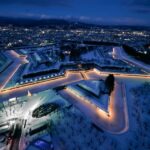
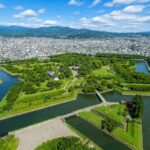
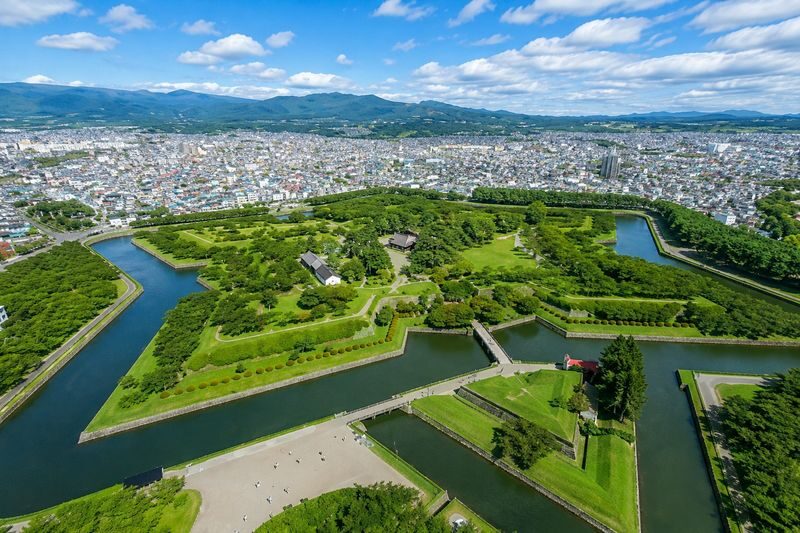
The morning starts at Goryokaku Park, a star-shaped fort and one of Hakodate’s signature sights. Seasonal changes shape the park’s appearance, so the experience can differ depending on when you go. You have about 1 hour 10 minutes, and the park itself is free to enter.
The Goryokaku Tower observation deck is optional and costs extra. Reference prices are JPY 1,200 for adults, JPY 900 for junior and senior high school students, and JPY 600 for elementary school students. The tower gives you the clearest view of the fort’s distinctive shape from above. If that perspective matters to you, budget for the ticket and keep an eye on the clock. The park and tower together can make the scheduled stop feel tight.
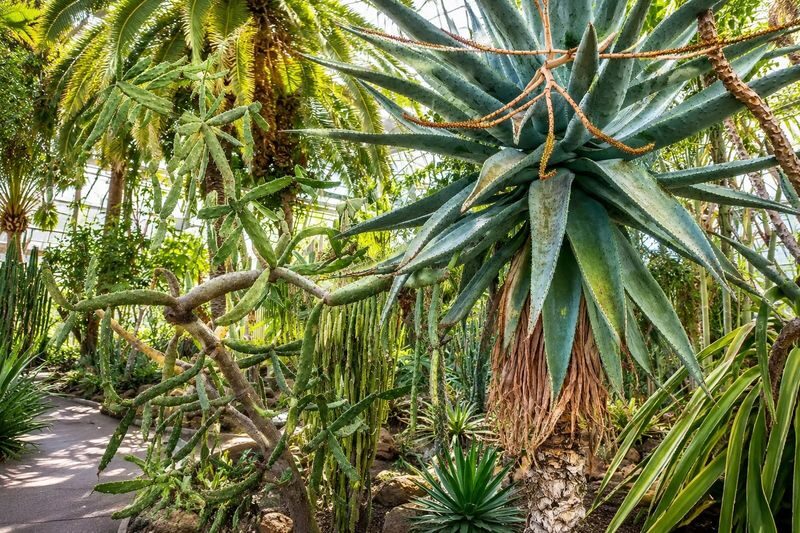
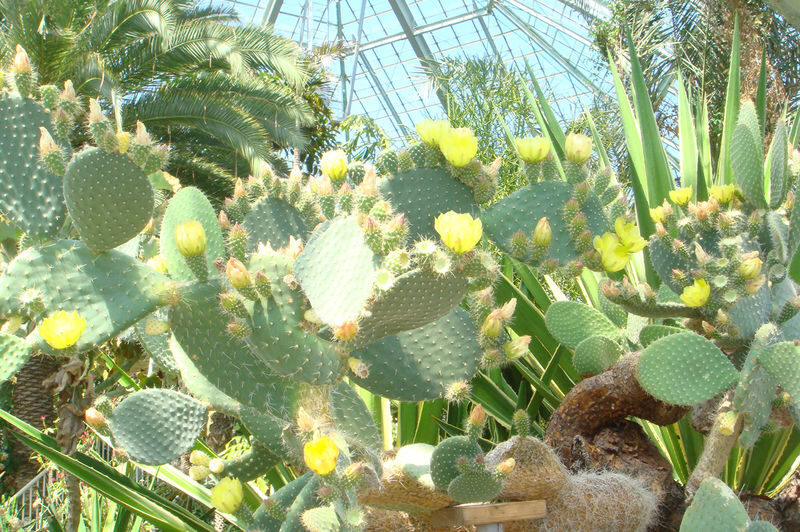
Next comes the Hakodate Tropical Botanical Garden, with about 3,000 plants from roughly 300 species. Japanese macaques can be seen year-round, and from December until Japan’s Golden Week in early May, they bathe in a hot spring. It is a memorable seasonal detail, though the stop is only 40 minutes, so think of this as a brief visit rather than a long botanical walk.
Admission is not included. The reference price is JPY 300 for adults and JPY 100 for elementary and junior high school students. The garden may be a lower priority if you are focused on architecture or city history, but the monkeys add a feature you will not find at the other stops.
Hakodate Morning Market and Onuma’s volcanic scenery
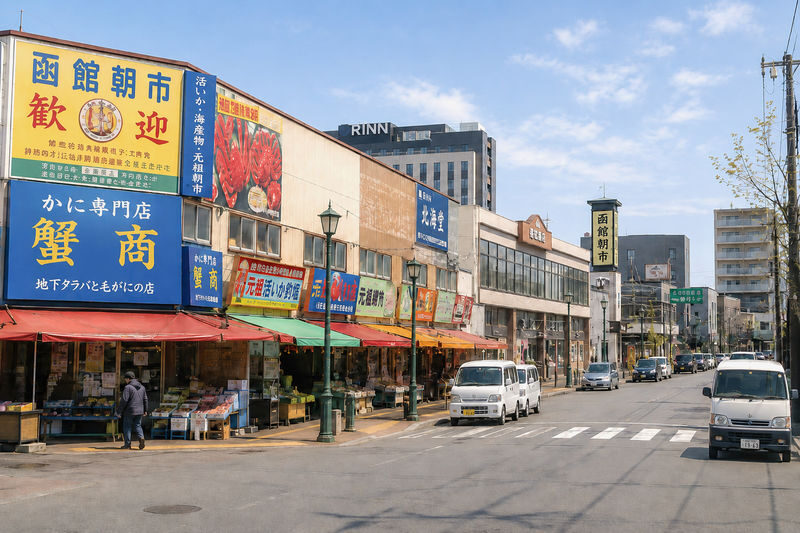
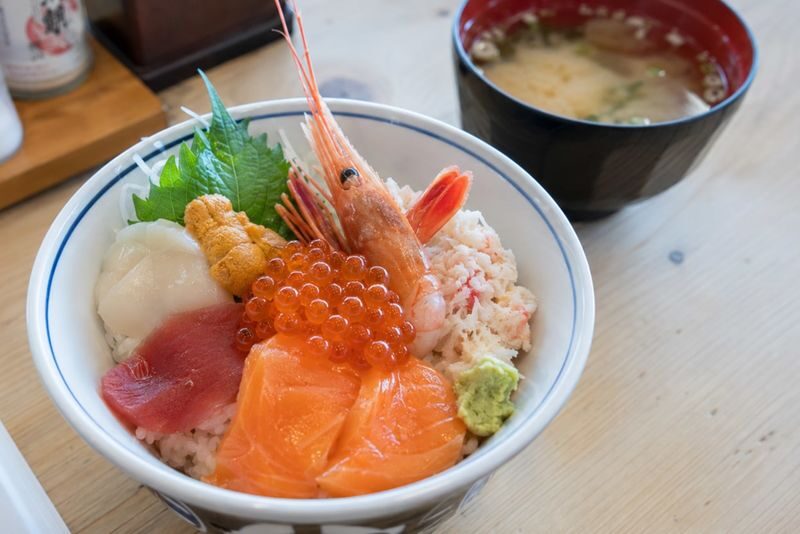
Lunch is planned at Hakodate Morning Market, a large market with about 250 shops across a site of 10,000 tsubo. It is a fine place to choose your own seafood meal and see the city’s food trade up close. Lunch is at your expense, and the itinerary allots 1 hour 30 minutes, although traffic and schedule changes can shorten or shift the stop.
I would arrive with a simple plan: decide what you most want to eat or browse, then leave time to find it. The market has many stalls, but the tour is not a leisurely food crawl. Carry cash, since payment methods vary and some places may not take cards.
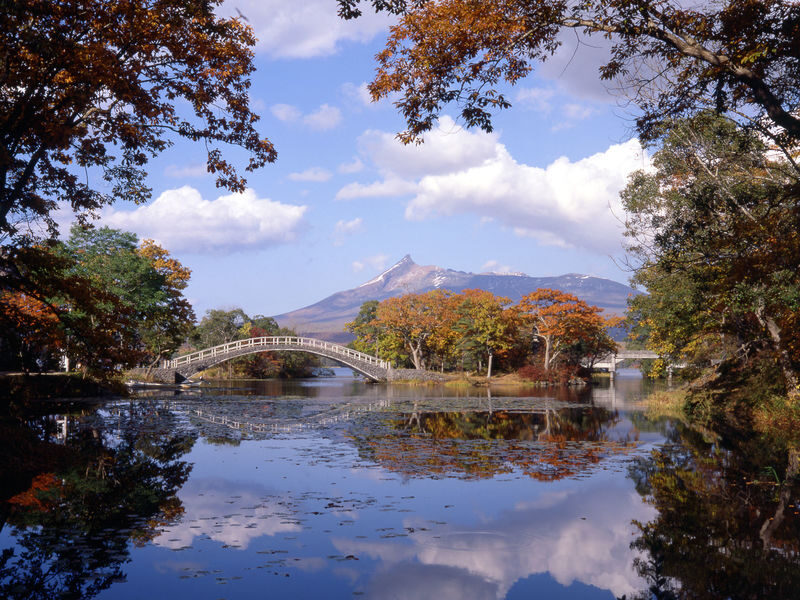
The final sightseeing stop is Onuma Quasi-National Park, about an hour from 14:15 on the schedule. Here, volcanic activity shaped lakes and islands beneath the profile of Mount Komagatake. It offers a welcome change of pace after Hakodate’s urban sights, with water, forest, and mountain scenery in one stop.
An hour is enough for a short walk and a look around, not an extensive exploration of the park. The tour then makes two 15-minute rest stops on the drive back, with arrival in Sapporo scheduled from 19:00. Traffic and bad weather can delay the return, so leave a generous buffer before any onward train, flight, or other booked transport. Any extra costs caused by a delay are your responsibility.
What the price covers, and what it does not
The no-hotel package starts at US$188.35. The hotel-and-breakfast option starts at US$240.99. The cheaper fare does not include accommodation or breakfast, and neither package includes attraction admissions, lunch, other meals, drinks, or personal purchases. Confirm exactly which package you are selecting before you compare prices.
If you visit all four ticketed attractions, the published reference prices add up to JPY 4,100 for an adult: JPY 800 for the Historical Village, JPY 1,800 for the Mt. Hakodate ropeway, JPY 300 for the botanical garden, and JPY 1,200 for Goryokaku Tower. The tower is optional, and ticket prices can change, but this gives you a better sense of the likely cost beyond the headline fare. Add meals and your Hakodate hotel if you choose the no-hotel option.
The value is mainly in the transport and the route. Hakodate is a long way from Sapporo, and this tour links several places without asking you to manage separate transfers and local transport. It may be a good deal for a short Hokkaido visit, but it is not an all-inclusive trip. Build the extras into your budget before you book.

Guide style, vehicle, and timing
The tour includes a Japanese- or Chinese-speaking professional driver-guide. The quality and amount of spoken information can vary with the vehicle and who is driving. When a large taxi or minibus is used, the driver provides the information rather than a separate tour conductor. Basic English may be available, and a translation app may be used for more detailed communication.
Some drivers on past departures have been called Mr. Chen, Mr. Fan, and Nissen, and individual experiences have included both detailed explanations and very limited commentary. Those names do not guarantee who will lead your departure. If you need a guided explanation in English throughout, this may not meet your needs. Think of it first as transport with scheduled sightseeing, and second as a guided tour.
The vehicle is not guaranteed to be a full-size coach. A taxi or minibus may operate, and one standard suitcase per person is allowed, up to 76 by 51 by 30 centimeters. The tour requires at least five participants; if that minimum is not met, you may be offered another date or a refund. Be at each meeting point ten minutes early. Late arrivals and no-shows are not refunded.
The schedule can change with road conditions, weather, crowds, and opening hours. Some stops may be shortened or cancelled, and the return can run late. The tour’s current rating is 3.8 out of 5 from 24 ratings, while the provider’s overall good-review rate is listed as 92 percent across 18,179 reviews. That broad provider figure is encouraging, but it cannot promise a particular guide, a clear night, or a smooth ropeway visit.
Should you book this Hakodate tour?
Book it if you have limited time, want a straightforward way to see Hakodate and Onuma from Sapporo, and are comfortable with a packed schedule. The best reasons to go are the port warehouses, the chance of the Mt. Hakodate night view, and the variety of stops across two days. The route can save planning effort, especially if you choose the hotel package.
Skip it if you want long visits, guaranteed English commentary, or a night view you can count on regardless of weather and maintenance. Before booking, compare the hotel package with the cost of arranging your own Hakodate night, check the ropeway maintenance dates, and add ticket and meal costs to the base price. Pack light, carry cash, and keep your Day 2 plans after 19:00 flexible. With those expectations, this is a useful, busy introduction to southern Hokkaido.
Explore Hakodate❘ 2-Day Highlights Tour from Sapporo
“Our driver, Mr. Chen, took us to all the designated places according to the tour's itinerary and was always standby on time. He was very reliable a…”
FAQ
Does the tour include a hotel in Hakodate?
The no-hotel package does not. A separate package is listed with one hotel night and breakfast on Day 2.
Are attraction tickets included in the price?
No. Admission to the Historical Village, Mt. Hakodate ropeway, Hakodate Tropical Botanical Garden, and Goryokaku Tower is paid separately. The Goryokaku Tower observation deck is optional.
Is the Mt. Hakodate night view guaranteed?
No. Weather can affect access, and the ropeway closes for maintenance from early October to early November. During that closure, the tour does not visit Mt. Hakodate.
When can I see the monkeys bathing in the hot spring?
The macaques can be seen year-round at the botanical garden. They bathe in the hot spring from December until Japan’s Golden Week in early May.
What languages does the driver-guide speak?
Japanese and Chinese-speaking driver-guides are listed. When a taxi or minibus operates, the driver may provide only basic English, with a translation app used if needed.
Are meals included?
No. Lunch on both days, other meals, and beverages are at your own expense.
How much luggage can I bring?
The allowance is one standard-sized suitcase per person, up to 76 centimeters by 51 centimeters by 30 centimeters.