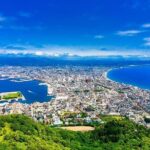
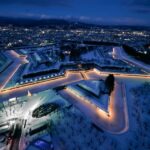
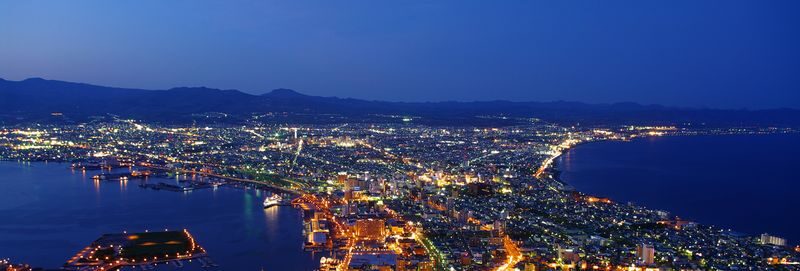
Hakodate’s night view is the main event: from Mt. Hakodate, the city narrows between two dark stretches of water, with lights tracing the bay on either side. I like this tour for two practical reasons: it takes care of the ride between town and the mountain, and the ropeway ticket is included, so you do not have to sort out every leg yourself.
The trade-off is that the summit visit is brief, and the view depends on clear weather. The guide usually speaks Japanese, too, so ask for an English-speaking guide when booking if that matters to you, and confirm the arrangement before the tour.
- The view is the point: Mt. Hakodate’s observatory looks over the city and bay, and has a three-star rating in the Michelin Green Guide Japon.
- Transport and ropeway are included: The tour combines bus travel with a ropeway ticket, saving you from planning the connection yourself.
- Summit time is short: Expect about 30 minutes at the observatory, which can feel tight if the ropeway queue is long.
- Japanese is the usual tour language: English-speaking guides may be arranged, but request one in advance.
- The weather can wipe out the view: Fog, snow, or low visibility can spoil the main attraction, and poor visibility does not automatically mean a refund.
- Why Mt. Hakodate’s night view is worth planning around
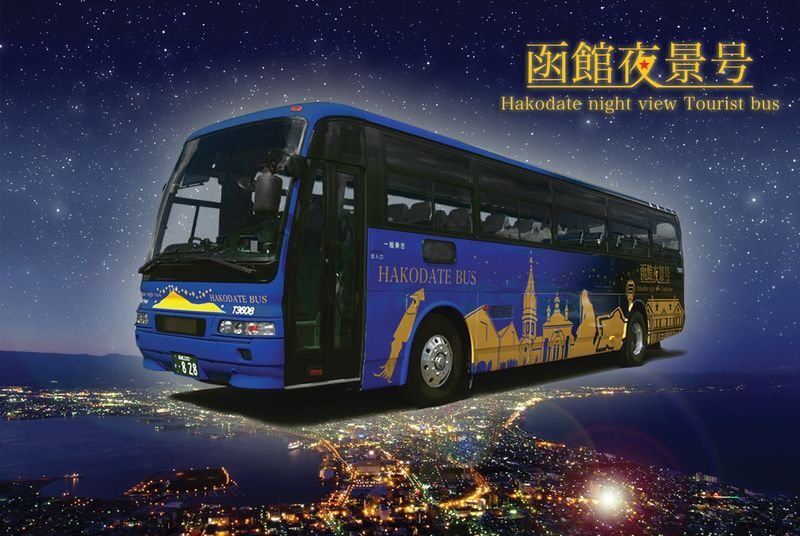
- The evening bus saves you from arranging the route
- The ropeway ticket helps, but does not erase queues
- Thirty minutes at Mt. Hakodate Observatory
- A short stop at the Kanemori Red Brick Warehouses
- Guide language and the small details that matter
- Is .29 good value for this tour?
- Who should book this evening outing?
- Should you book the Mt. Hakodate night tour?
- FAQ
- How long does the Mt. Hakodate night tour take?
- What is included in the tour price?
- How much time do I get at Mt. Hakodate Observatory?
- Is the tour conducted in English?
- Where does the tour depart from?
- Where does the bus return?
- What happens if fog or bad weather blocks the night view?
- Can children join the tour?
- The Best Of Hakodate!
- More Evening Experiences in Hakodate
- More Tours in Hakodate
- More Tour Reviews in Hakodate
Why Mt. Hakodate’s night view is worth planning around
 1 / 5
 2 / 5
 3 / 5
 4 / 5
 5 / 5
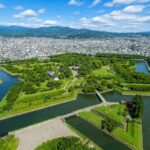
Hakodate’s geography gives the view its special shape. The city sits on a narrow strip of land, with water visible on both sides from the mountain. After dark, the lines of streetlights make that shape easy to read from above, while the bays and hills fall into shadow.
The observatory is a recognized viewpoint, with a three-star rating in the Michelin Green Guide Japon. That rating is a useful signal of why this stop draws visitors, but it cannot guarantee a clear night. A blanket of fog can hide the city entirely, and the tour information makes clear that a poor view does not qualify for a refund.
This is a night outing rather than a full sightseeing day. You travel up, spend a short stretch at the summit, and return to town. If you want a long, unhurried visit, or the freedom to wait until the sky clears, a tour with a fixed schedule may feel restrictive.
👉 See our pick of the Hakodate’s 5 Best Walking Tours (With Prices & Reviews)
The evening bus saves you from arranging the route
The tour runs from 18:25 to about 20:40, though actual timing can shift with traffic and weather. It gathers passengers at several points in Hakodate, including hotel pickup locations in the Yunokawa Onsen area, with later stops around Toyokawacho and Otemachi. The return is listed at Hakodate Station, with the bus also stopping at the station and Yunokawa-area hotels in sequence from roughly 20:30 to 21:30.
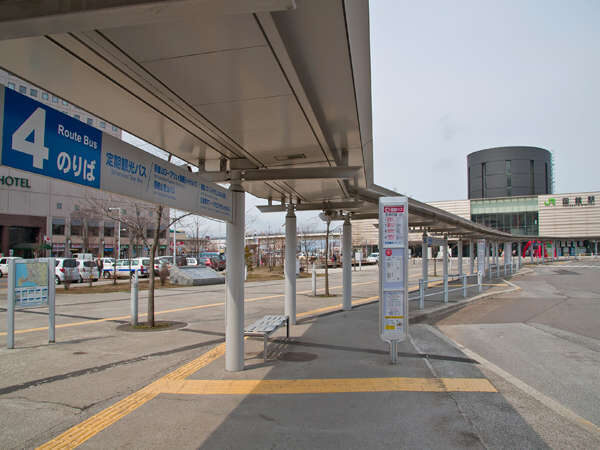
That network of pickup and drop-off points is a real convenience if you are staying near one of them. You avoid having to work out your own evening connection to the mountain and back. Check your exact meeting point carefully: the listed departure times vary by location, and the station pickup is at bus stop No. 12. Arrive at least 10 minutes early, since late arrivals and no-shows are not refunded.
The tour is a group outing for one to 20 people. That is small enough to feel manageable, but it is still a shared schedule: when it is time to leave the observatory, you leave. The guide usually remains on the bus, so do not count on a guide walking you through the summit facilities.
You can also read our reviews of more evening experiences in Hakodate

The ropeway ticket helps, but does not erase queues
The package includes a ropeway ticket as well as bus transport. That takes one purchase and one decision off your plate, and some departures may be able to use a priority line. But do not treat that as a promise of no waiting. Reports from busy winter evenings describe long queues, including waits of more than an hour to descend.
This matters because the observatory stop is scheduled for about 30 minutes. If the ropeway is crowded, your time at the top can feel shorter than expected, or the overall schedule can shift. The tour is more convenient than piecing together bus and ropeway arrangements on your own, but it cannot control how many people arrive at the same time.
Crowds can also change the feel of the viewpoint. The summit is popular, and a packed observation area makes it harder to settle into one spot for photos. If you go in a busy period, keep warm, take your photos promptly, and listen closely for the meeting time and place.
Thirty minutes at Mt. Hakodate Observatory
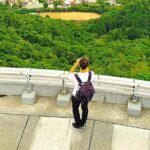
After the bus reaches the mountain, the tour allows about 30 minutes at Mt. Hakodate Observatory. That is enough for a look at the panorama and a few photos when conditions cooperate, but it is not a leisurely visit. On a clear evening, you will want to spend most of the time looking out rather than browsing elsewhere.
Pay attention to directions at the top. One practical point that has caught people out is that the best view is not necessarily right where you first arrive. Head into the observatory and check the upper level as well. If you are unsure where to go, ask the guide before leaving the bus, or ask another passenger to confirm the meeting time in writing.
The weather is the big unknown. In summer, a mild mountain breeze can make the stop pleasant, but the summit can still feel cold. In winter, bring warm layers and be ready for snow or wind. Fog is more than an inconvenience here: it can turn the celebrated view into a wall of white. Check available live-camera views before you commit to the outing, while remembering that conditions can change between the camera check and your visit.
The tour’s departure time also affects the light. Some visitors in the shoulder season have wished for a longer stay because the sky was not fully dark when the bus was due to leave. If the city lights are your main reason for going, check sunset and darkness times for your date and set your expectations accordingly.
A short stop at the Kanemori Red Brick Warehouses
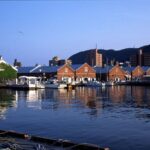
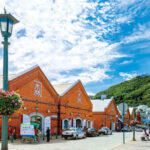
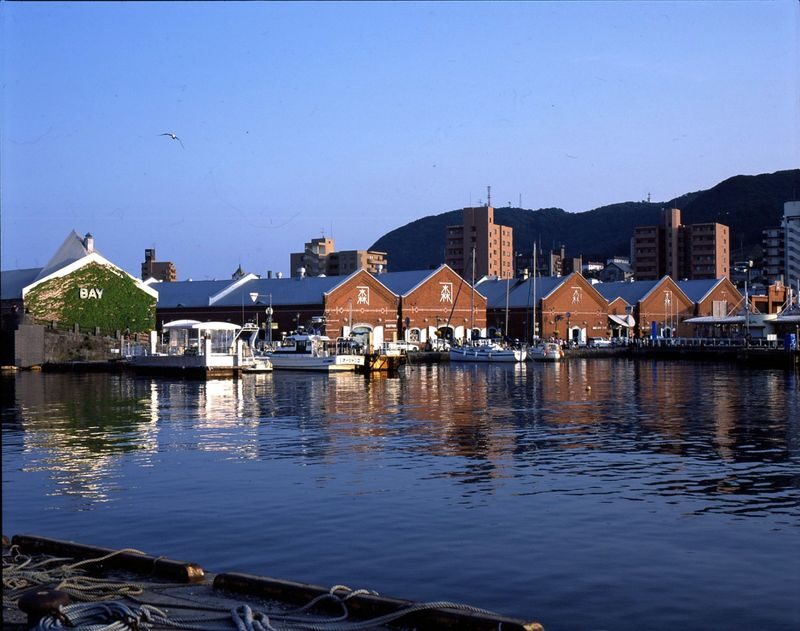
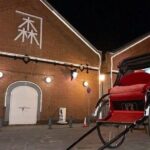
After descending from the mountain, the itinerary includes a 20-minute self-guided stop at the Kanemori Red Brick Warehouses. This gives you a little time to see the Bay Area and its historic warehouse buildings, but it is a brief pause, not a full visit. You will need to choose between a quick look around and stopping for food or shopping.
From December 1 to 25, the bus passes the Christmas Fantasy venue in the Bay Area after coming down the mountain, offering a view from the window. That is a seasonal extra rather than a separate extended stop. If you want to spend substantial time at the warehouses, plan to return on your own another day or make a separate evening of it.
The return route can be useful if you are hungry or want to continue exploring. Some passengers have been dropped near the Red Brick Warehouse area, while the listed return also includes Hakodate Station and Yunokawa hotels. Confirm where your particular bus will let you off before you assume you can end the tour at a specific stop.
Guide language and the small details that matter
The tour is usually conducted in Japanese. The guide may share local facts and point out sights during the bus ride, but if you do not understand Japanese, the commentary will add less to the experience. The operator says an English-speaking guide can be arranged according to preference, so indicate that when booking and confirm it directly if English commentary is important to you.
Even without shared language, simple practical communication can work. Guides have used written meeting times or translation apps to make key details clear, and visitors have found guides helpful with directions and the flow of the outing. Still, do not assume that every guide will speak English. Save your meeting point and time on your phone, and make sure you know where to regroup.
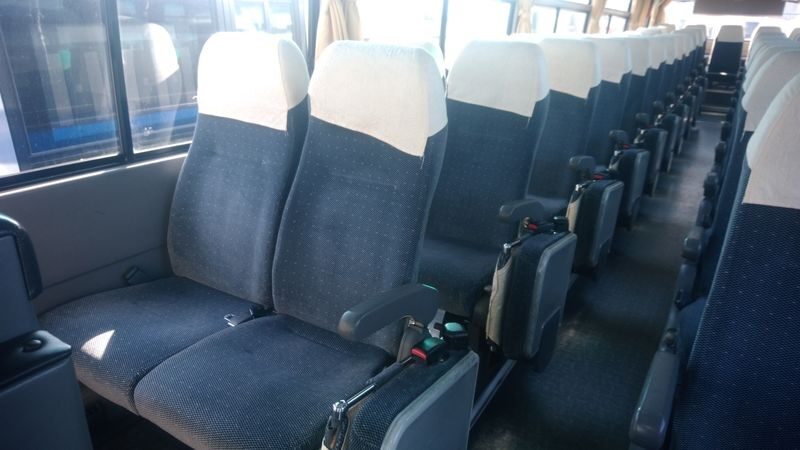
For the bus ride up, a seat on the right has been recommended for glimpses of the night view along the route. Seating is not guaranteed, so treat that as a useful tip rather than a plan to build the evening around. The mountain road is dark and winding, which can feel unnerving from a large bus. If that sort of road makes you uneasy, sit where you are comfortable and focus on the summit.

Is $25.29 good value for this tour?
The starting price is $25.29, and the winter package specified for November 2026 through March 2027 includes the ropeway ticket. That can be good value if you want transport, the summit visit, and the return journey arranged in one booking. The savings are not only financial: you also avoid researching the route and coordinating the mountain visit yourself.
Price comparisons deserve a little attention. Some people who understand Japanese have found that booking the same bus tour directly can cost less, and one noted that buying tickets on site was cheaper. The difference is not necessarily the same for every date or package, so compare the direct price with the booking price before paying. If you value an English-language booking process or advance certainty, the extra cost may be worthwhile. If you are comfortable arranging things locally, check the operator’s direct offer first.
Meals and drinks are not included. Since the schedule is short, plan dinner before or after the tour rather than expecting a proper meal stop. The Red Brick Warehouse pause is brief, and the mountain visit is focused on the view.
Who should book this evening outing?
I would choose this tour if you are staying near one of its pickup points, prefer not to arrange the mountain transport yourself, or are travelling with family members who benefit from fewer transfers. It can also suit visitors who want a straightforward evening plan and are content with a short summit stop.
It is a less convincing choice if you need a guaranteed clear view, want plenty of time at the observatory, dislike crowds, or expect detailed English commentary without arranging it in advance. The winter queue reports are a reason to keep your plans flexible, especially if the night view is a once-only priority. The bus makes the outing simpler, but it cannot change the weather or shorten a crowded ropeway line.
The tour is stroller- and wheelchair-accessible according to the activity details, though foldable wheelchairs and strollers must be stored in the bus compartment. Children aged zero to five ride free if they do not need their own seat; a child ticket is required for a separate seat, and children aged 12 and older pay the adult rate.
Should you book the Mt. Hakodate night tour?
Book it if you want an easy, guided link between Hakodate and its famous nighttime viewpoint, and you can accept a short visit with weather and queue risks. Before paying, compare the direct price, request an English guide if needed, and check the forecast and live camera views. For a clear evening, the city-and-bay panorama is the payoff. For a foggy one, you are paying chiefly for the ride and the chance.
Mt. Hakodate Night View Sightseeing Bus Tour
“Although our guide was Japanese, they were very kind. They provided excellent assistance with luggage storage and transportation to our accommodati…”
FAQ
How long does the Mt. Hakodate night tour take?
The activity is listed as 2.5 hours. The schedule runs from about 18:25 to 20:40, but traffic and weather can change the timing.
What is included in the tour price?
The package includes bus transportation, a sightseeing bus ticket, a Japanese-speaking guide, and a Mt. Hakodate ropeway ticket. Meals and beverages are not included.
How much time do I get at Mt. Hakodate Observatory?
The planned stop at the observatory is about 30 minutes. Queues or changing conditions may affect how much time you have at the viewpoint.
Is the tour conducted in English?
The tour is usually conducted in Japanese. An English-speaking guide may be arranged, so indicate your language preference when booking and confirm the arrangement if needed.
Where does the tour depart from?
There are several pickup points in Hakodate, including hotel lobbies in the Yunokawa Onsen area and locations near Toyokawacho and Otemachi. A later departure is listed at Hakodate Station bus stop No. 12. Check the exact meeting point and time on your booking.
Where does the bus return?
The listed return point is Hakodate Station Bus Station. From about 20:30 to 21:30, the bus also stops at Hakodate Station and hotels in the Yunokawa Onsen area in order.
What happens if fog or bad weather blocks the night view?
The view may be unclear because of weather, and no refund is offered just because you cannot see the night view. In extreme weather or unforeseen circumstances, the operator may cancel the tour, with the option to reschedule or request a full refund.
Can children join the tour?
Yes. Children aged zero to five can travel free if they do not occupy a separate seat. A child ticket is required if they need their own seat, and children aged 12 or older are charged the adult rate.