
The Vasa warship sank on its maiden voyage in 1628. Thirty minutes into its first trip across Stockholm harbor, it rolled, took on water through the open gun ports, and went straight to the bottom. The crew had barely cleared the dock.
I think about that story every time I board a boat in Stockholm. Not because I’m worried about sinking — these modern tour boats are considerably better engineered — but because it captures something essential about this city. Stockholm has always been about the water. It was built on 14 islands. Its earliest roads were shipping lanes. The bridges came later.
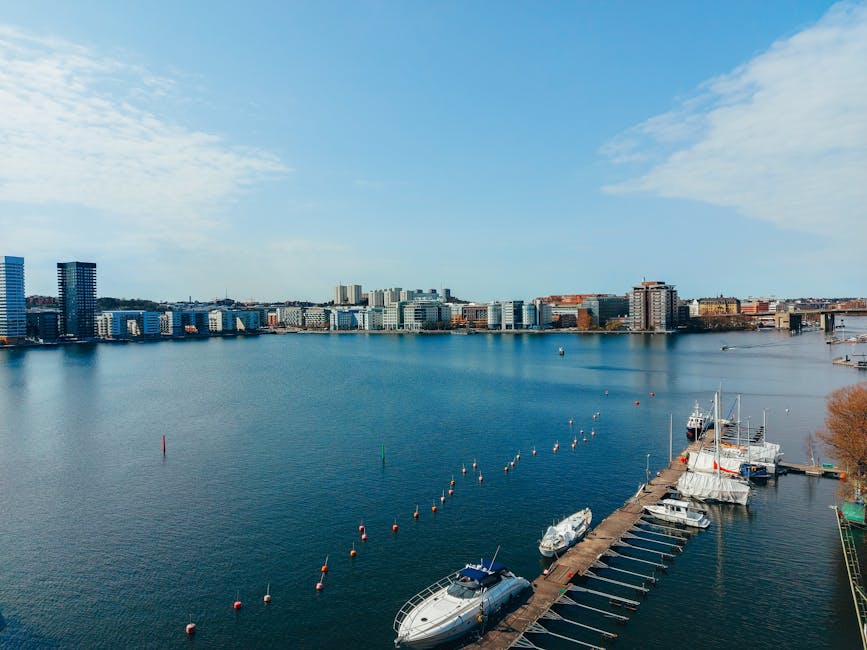
People call Stockholm the “Venice of the North,” which is one of those comparisons that works better on paper than in practice. Venice is slowly drowning. Stockholm is thriving. But the water connection is real — you can’t fully experience either city without getting on it.
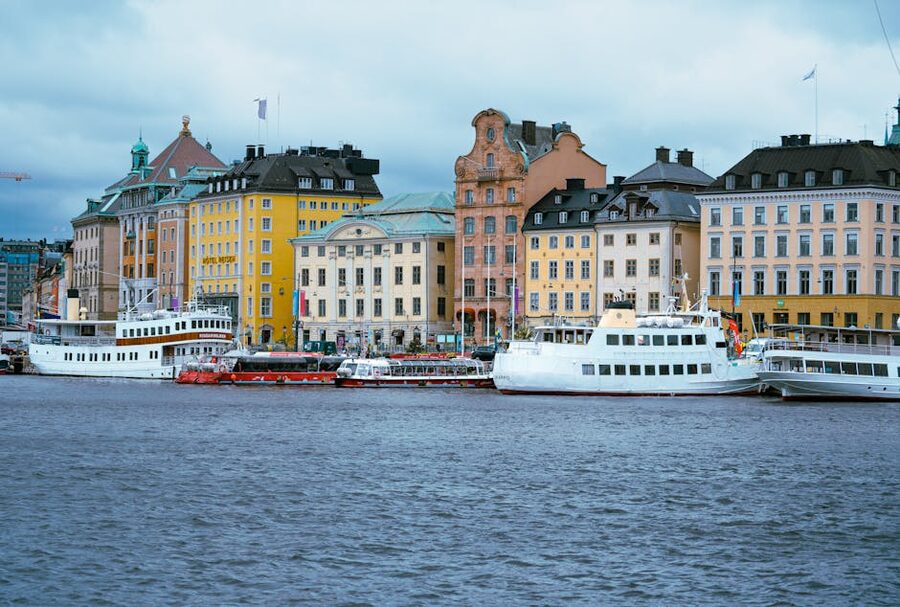
If you’re thinking about booking a boat tour during your visit, this guide covers everything — what types of tours exist, which ones are actually worth the money, and how to avoid wasting two hours on a floating tourist trap.
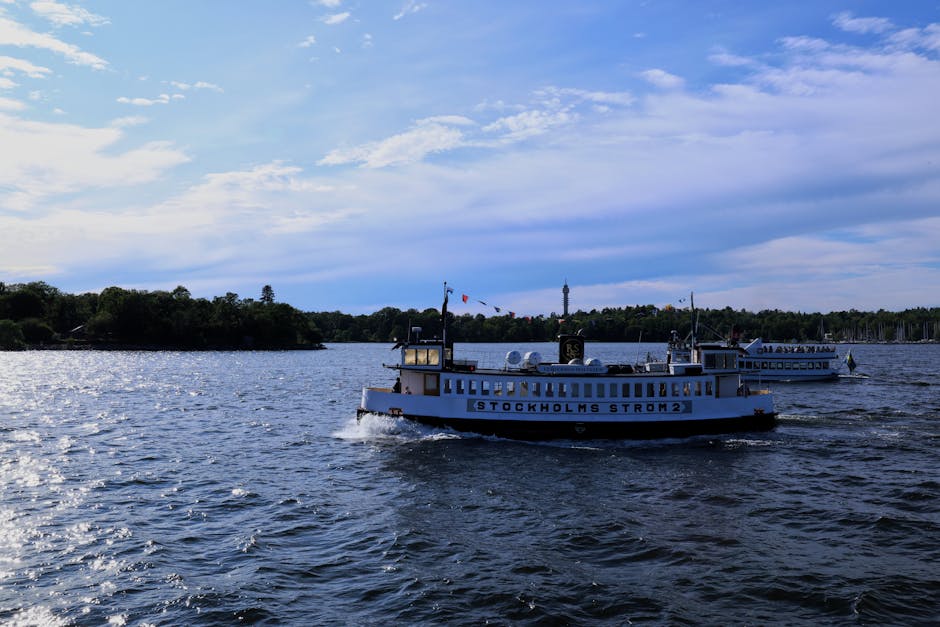
Short on time? Here are my top 3 picks:
Best overall: Stockholm Archipelago Sightseeing Cruise — $41. Three tour length options (1.5, 2.5, or 3 hours), live English-speaking guide, and the scenery outside the harbor is stunning.
Best budget: Royal Bridges & Canal Tour — $24. One hour, audio guide in multiple languages, hits all the central landmarks without the open-sea portion.
Best for boat lovers: Stockholm Highlights Boat Tour — $43. The 135-minute route covers both the inner waterways and the harbor approach — good middle ground between the short canal tours and the longer archipelago cruises.
- Why Stockholm Boat Tours Exist (And Why They’re Not Just a Tourist Gimmick)
- The Different Types of Boat Tours Available
- How the Booking Process Actually Works
- Official Boat Tours vs. Private Options
- The Best Stockholm Boat Tours to Book
- 1. Stockholm Archipelago Sightseeing Cruise —
- 2. Stockholm Highlights Boat Tour —
- 3. Royal Bridges & Canal Tour —
- 4. Royal Djurgarden Boat Tour —
- 5. City Sightseeing Open Electric Boat Tour —
- When to Take a Boat Tour in Stockholm
- How to Get to the Departure Points
- Tips That’ll Actually Save You Time and Money
- What You’ll Actually See from the Boat
- A Quick History for Context
- Booking an Archipelago Day Trip (If the Tour Isn’t Enough)
- While You’re in Stockholm
Why Stockholm Boat Tours Exist (And Why They’re Not Just a Tourist Gimmick)
Most cities offer boat tours as an afterthought. A nice-to-have that gets slapped onto the tourism menu between the hop-on-hop-off bus and the overpriced food tour. Stockholm is different.
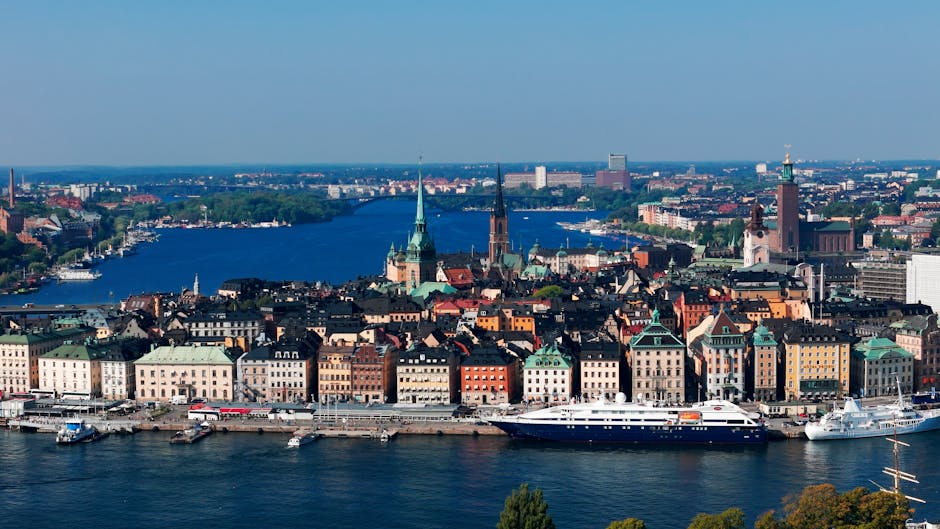
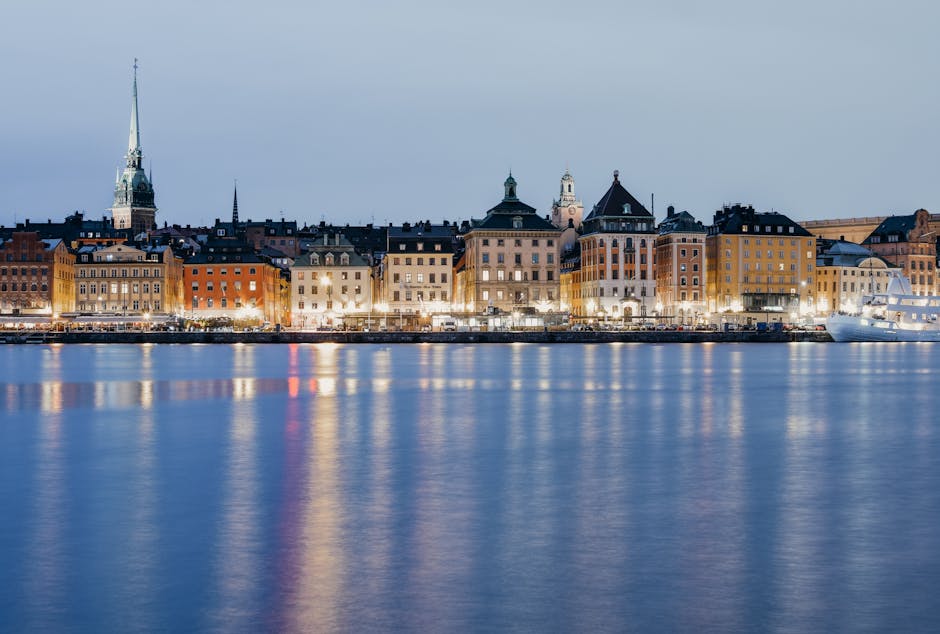
The city sits at the point where Lake Malaren meets the Baltic Sea. Vikings sailed these exact waterways more than a thousand years ago. The narrow channels between islands were trade routes long before anyone thought to build bridges across them. Gamla Stan — the old town on Stadsholmen island — was founded in the 1200s specifically because the island controlled the waterway between the lake and the sea.
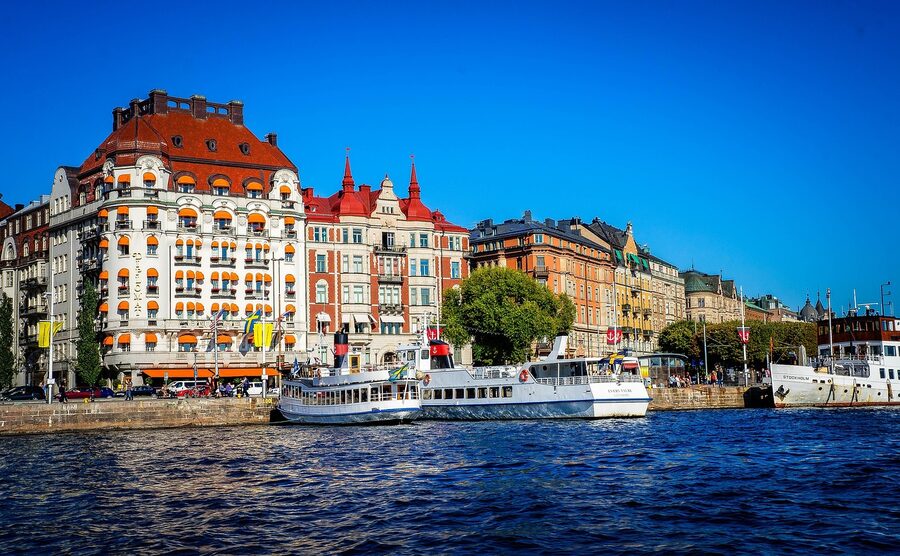
So when you take a boat tour in Stockholm, you’re not just getting pretty views of buildings from a different angle. You’re seeing the city the way it was actually designed to be seen. The grand facades along Strandvagen were built to impress people arriving by water. The Royal Palace faces the harbor for a reason. Even the street layout of Gamla Stan makes more sense when you realize it was planned around boat landings, not road junctions.
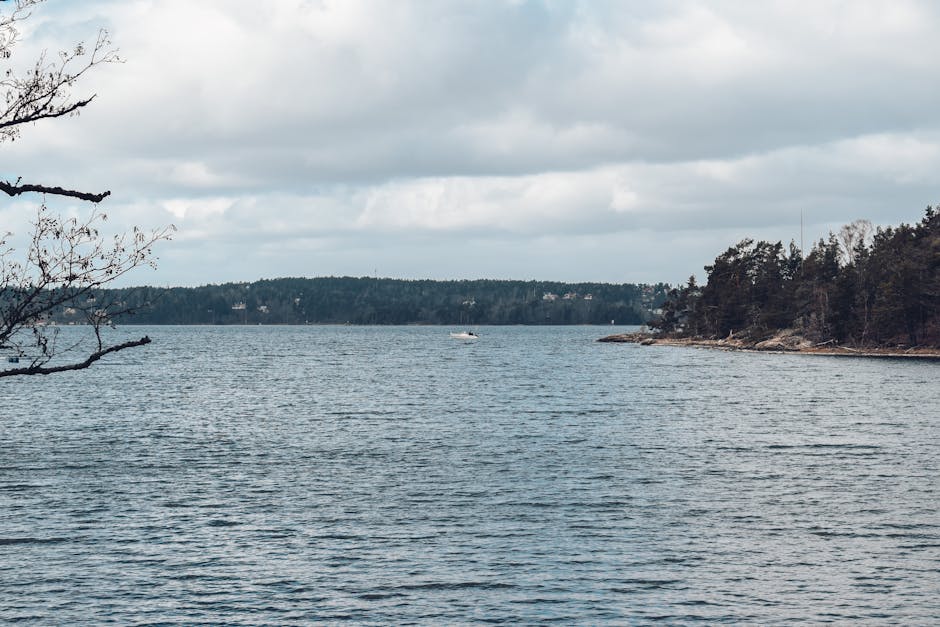
The archipelago stretches east from the city into the Baltic — roughly 30,000 islands, skerries, and rocks. Most are tiny and uninhabited. A few have summer cottages and small communities that swell in June and empty by September. The boat tours that head into the archipelago give you a taste of this landscape without requiring you to rent a kayak or figure out the Waxholm ferry timetable.
The Different Types of Boat Tours Available
Not all Stockholm boat tours cover the same ground. Picking the wrong type is the single biggest mistake I see people make, and it usually comes down to not understanding what they’re actually booking.

Canal and bridge tours (1 hour) stay inside the city. You’ll pass under the bridges connecting the central islands, see Gamla Stan, the Royal Palace, Djurgarden, and the waterfront of Sodermalm. These are the cheapest option (usually $20-30) and the most protected from weather since you’re never in open water. The downside: they cover ground you could also see by walking.
Highlights tours (1.5-2.5 hours) go further. They leave the inner waterways and loop around the harbor, passing the Vasa Museum, Grona Lund amusement park, and some of the closer islands. You get a better sense of Stockholm’s geography without committing to a half-day excursion. These run $30-45.
Archipelago cruises (2-3 hours) head out into the Baltic through the first ring of archipelago islands. This is where the scenery shifts from urban waterfront to pine-covered rocks and summer houses. If you’ve come specifically to see the archipelago, these are what you want. Expect to pay $35-50.
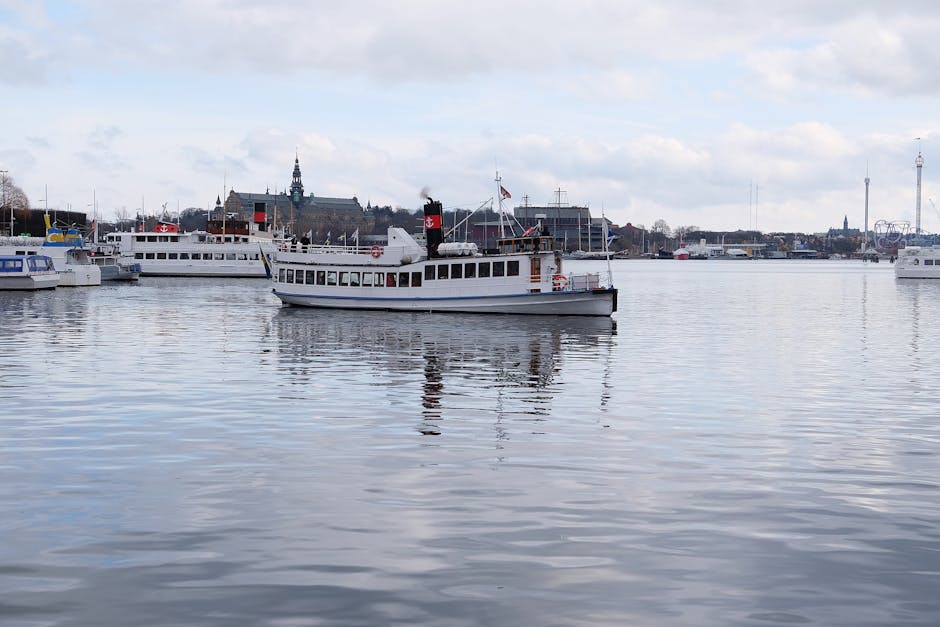
Hop-on-hop-off boats are a separate category entirely. These run fixed routes between major stops (Gamla Stan, Djurgarden, Slussen, etc.) all day. You buy a day pass and ride as many times as you want. They’re less “tour” and more “water taxi with commentary,” which is honestly more useful than it sounds if you’re visiting multiple attractions.
How the Booking Process Actually Works
Every tour operator in Stockholm uses either GetYourGuide or Viator as their booking platform — or both. A few also sell tickets directly on their own websites, but the pricing is almost always identical to the third-party platforms, and the cancellation policies are usually worse.
Here’s how booking works step by step:
Pick your date and time. Tours run multiple times per day during peak season (May through September). In winter, schedules thin out considerably — some operators drop to weekends only between November and March. Always check availability for your specific date before you plan around it.
Choose your tour length. Many operators offer the same basic route in different lengths. Stromma, the biggest operator, runs 1.5-hour, 2.5-hour, and 3-hour versions of their archipelago cruise. The shorter versions turn around earlier. The 3-hour version goes deepest into the islands but — and this matters — the last hour can feel repetitive if the novelty of pine-covered rocks has worn off.
Book online in advance. You can buy tickets at the dock, but popular departure times (10am and 2pm in summer) sell out. Booking through GetYourGuide or Viator gives you free cancellation up to 24 hours before, which is genuinely useful if the weather turns. Stockholm weather changes fast.
Show up at the right dock. This sounds obvious but Stockholm has multiple departure points. The Strandvagen/Nybrokajen area near the Vasa Museum is the most common, but some tours leave from Stadshuset (City Hall) or Gamla Stan. Your confirmation email will specify the exact location with GPS coordinates.
Official Boat Tours vs. Private Options
The big operators (Stromma, Red Sightseeing, Royal Canal Tour) run scheduled departures with set routes. You share the boat with 50-200 other people depending on the vessel size. Commentary is either live (English, usually with a Swedish guide who speaks excellent English) or via audio guide in 10+ languages.
Pros of scheduled tours: cheap, reliable, depart rain or shine, professionally run. Cons: crowded in summer, rigid schedules, commentary can feel scripted, no flexibility to linger somewhere interesting.

Private boat tours cost 5-10x more but carry 2-12 people. Some are RIB (rigid inflatable boat) speedboat tours that cover more ground faster. Others are traditional wooden boats or electric boats with a captain who doubles as your personal guide. If you’re traveling as a group of 4+, the per-person cost of a private tour starts to look reasonable.
The electric boat tours are worth a special mention. Stockholm has been pushing hard toward electric vessels, and a few operators now run small open electric boats with live guides. They’re quiet — no engine noise drowning out the commentary — and they can access narrower channels that the big tour boats skip.
The Best Stockholm Boat Tours to Book
I’ve gone through the major options and picked the five that stand out. Each one serves a different purpose — there isn’t a single “best” tour for everyone, so I’ve organized these by what kind of experience you’re actually looking for.
1. Stockholm Archipelago Sightseeing Cruise — $41

This is the one most people should book. Run by Stromma, it’s the most popular boat tour in Stockholm for good reason — you get a live English-speaking guide (not just an audio recording), and the route takes you past the city center landmarks AND out into the first ring of archipelago islands. The flexibility of choosing between 1.5, 2.5, and 3-hour versions is a genuine advantage. My take: go for the 2.5-hour option. The 1.5-hour version feels rushed once you’re out in the islands, and the 3-hour stretches a bit long. February visitors have reported ice-breaking through frozen channels, which sounds genuinely dramatic.
The full review breaks down the different length options and what you actually see on each. At $41 per person, it’s priced right in the middle of the market — not the cheapest, but the live guide alone justifies the premium over the audio-guide-only alternatives.
2. Stockholm Highlights Boat Tour — $43
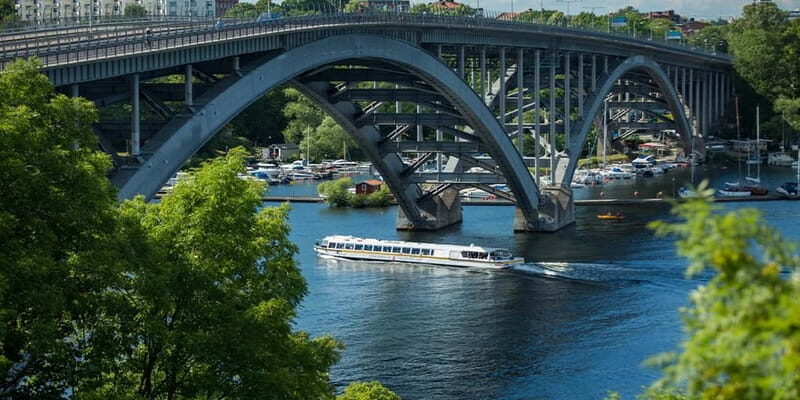
At 135 minutes, this splits the difference between the short canal runs and the longer archipelago cruises. The route covers both the inner waterways — passing under the bridges, around Gamla Stan, past the Royal Palace — and the harbor approach where the city opens up. It’s ideal if you only have time for one boat experience and want both the city views and a sense of Stockholm’s maritime character without heading deep into the islands. One thing to know: the boat gets crowded on summer weekdays. Afternoon departures tend to be slightly less packed than the 10am slot.
Check the detailed review for specifics on what you pass and where to sit. $43 puts it at essentially the same price point as the archipelago cruise — the difference is really about route preference, not budget.
3. Royal Bridges & Canal Tour — $24
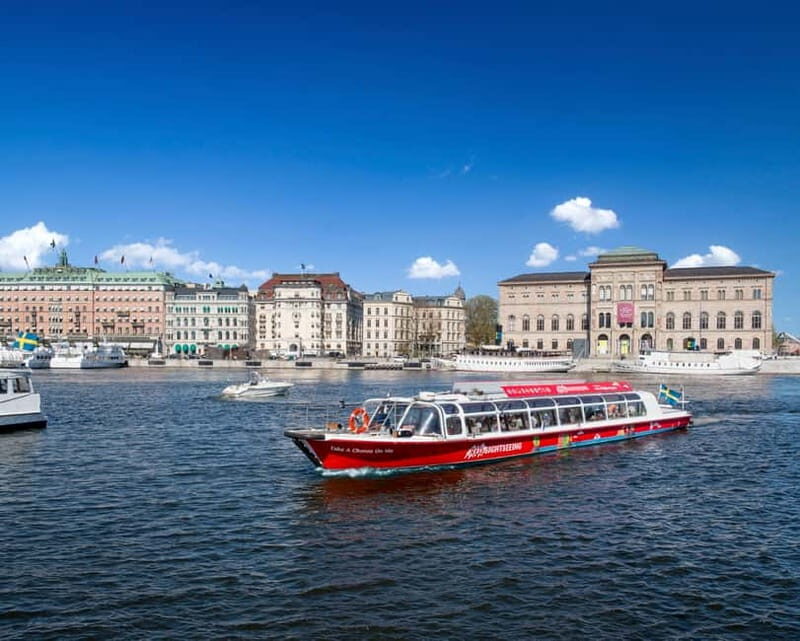
The cheapest proper boat tour in Stockholm, and it delivers solid value. In one hour, you pass under the major bridges, circle around the edges of Gamla Stan, and get views of Djurgarden, the Royal Palace, and City Hall. The commentary is audio-guide-only (no live guide), available in about a dozen languages through headphones. It lacks the personal touch of the Stromma cruise, but at $24 it’s less than half the price — and for many visitors, the central waterways ARE the main attraction. Winter visitors in particular should consider this one: the inner channels stay navigable even when the outer archipelago is frozen.
Read the full breakdown on what the audio guide covers and whether the one-hour version feels rushed. Short answer: it doesn’t, but only just.
4. Royal Djurgarden Boat Tour — $31
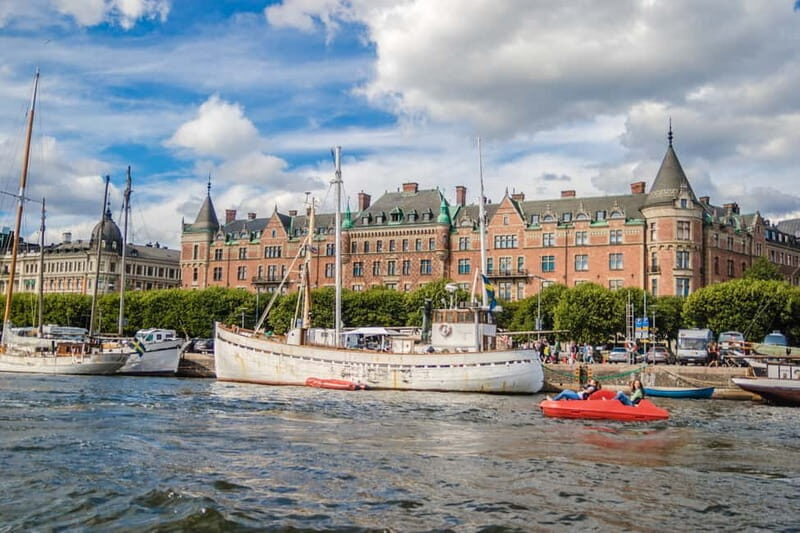
This is the short, focused option. Fifty minutes around Djurgarden island — the big green island east of the city center where the Vasa Museum, Skansen, and ABBA the Museum all sit. If you’re already planning to spend time on Djurgarden (and you should be — it’s where most of Stockholm’s major museums are concentrated), this tour gives you the waterfront perspective. Think of it as a scenic commute with commentary rather than a full-blown cruise. The boat passes close enough to shore that you can make out individual buildings and docks. At $31 for under an hour, it’s fairly priced but doesn’t offer the value-per-minute of the longer tours.
The full review covers the route in detail and whether it’s worth combining with a visit to the wider archipelago.
5. City Sightseeing Open Electric Boat Tour — $30
The newest style of boat tour in Stockholm, and arguably the most enjoyable if weather cooperates. These are open-top electric boats carrying about 20 passengers with a live guide. The electric motor means zero engine noise — you can actually hear the guide without straining, and you hear the city too (seagulls, church bells, water lapping). The route covers central Stockholm in 50 minutes, passing the Vasa Museum, Royal Palace, and parliament building. The open design means you’re exposed to the elements, so dress for the weather. Not ideal for rain or cold, but on a sunny day it’s the most pleasant way to see the city from the water. At $30 for a well-reviewed experience with the highest rating of any Stockholm boat tour, it’s hard to argue against.
When to Take a Boat Tour in Stockholm
Peak season (June-August): Maximum daylight (up to 18+ hours around midsummer), warmest weather, and the most tour departures. The downside is crowds — popular morning slots book out days in advance, and the boats are packed. Book at least 2-3 days ahead. Late afternoon departures (4-5pm) tend to be less crowded and the light is better for photos.
Shoulder season (May and September): My preferred time. Weather is still decent, the crowds thin out significantly, and the light has that Northern European quality that makes everything look cinematic. Water temperatures are cold enough that the archipelago islands are mostly empty of summer residents, which adds an atmospheric quality to the scenery.
Winter (October-March): Fewer tours run, and the ones that do are shorter (mostly canal/bridge routes that stay in the inner waterways). But winter has its own appeal. Some tours run through frozen channels. The city lights reflect off the dark water. And you’ll likely have the boat nearly to yourself. Dress warmly — really warmly. The wind off the water cuts through anything less than a proper winter coat.
How to Get to the Departure Points
Strandvagen/Nybrokajen (most tours): Take the T-bana (metro) to Ostermalstorg station, then walk 5 minutes east toward the water. Or walk from T-Centralen in about 15 minutes along Hamngatan past Kungstradgarden. The waterfront is well-signposted.
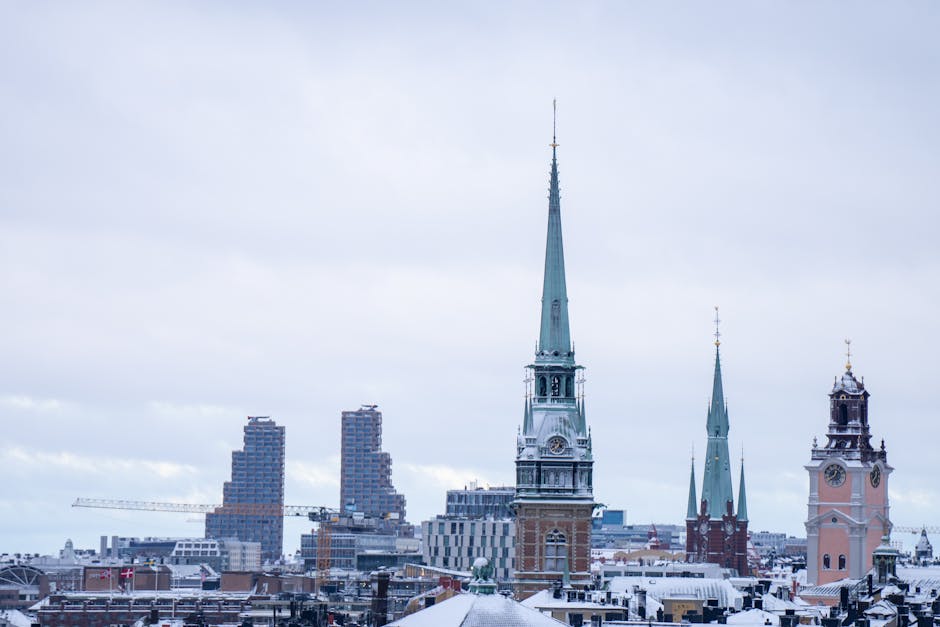
Stadshuset/City Hall (some tours): T-Centralen station, then a 10-minute walk west along the waterfront. Look for the distinctive red brick tower.
Gamla Stan (hop-on-hop-off boats): Take the T-bana to Gamla Stan station. The dock is a 3-minute walk from the station exit.
Getting there by bus: Lines 65 and 76 both stop near Strandvagen. But honestly, the metro-plus-walk combination is faster and more reliable. Stockholm buses get stuck in traffic along the same waterfront roads you’ll be touring by boat.
Tips That’ll Actually Save You Time and Money
Book the first departure of the day. Less crowded, calmer water, better light for photography. The 10am slot on most tours is the sweet spot — early enough to beat the rush, late enough that the morning mist has cleared.
Sit on the right side of the boat (facing forward) on outbound trips. On most Stockholm routes heading east toward the archipelago, the right side gives you unobstructed views of Djurgarden, the Vasa Museum, and Grona Lund. On the return, switch to the left for Gamla Stan and Sodermalm.
Bring a windbreaker, even in summer. It’s 3-5 degrees cooler on the water than on land. I’ve seen travelers in T-shirts shivering through July boat tours because they assumed Stockholm summer meant warmth. It doesn’t, always.
The Go City Stockholm pass includes some boat tours. If you’re also visiting the Vasa Museum, Skansen, and other attractions, the pass can save you money. Calculate whether the pass price covers more than the individual tickets before buying — it’s not always cheaper for a short visit.
Don’t book the 3-hour cruise unless you specifically want to see deep archipelago. The competitor research backs this up — even the travel bloggers who took the 3-hour option say the last hour felt stretched. The 2-hour or 2.5-hour versions cover the best scenery without the diminishing returns.
What You’ll Actually See from the Boat
The exact sights depend on which tour you pick, but here’s a rough breakdown of what the main routes cover:
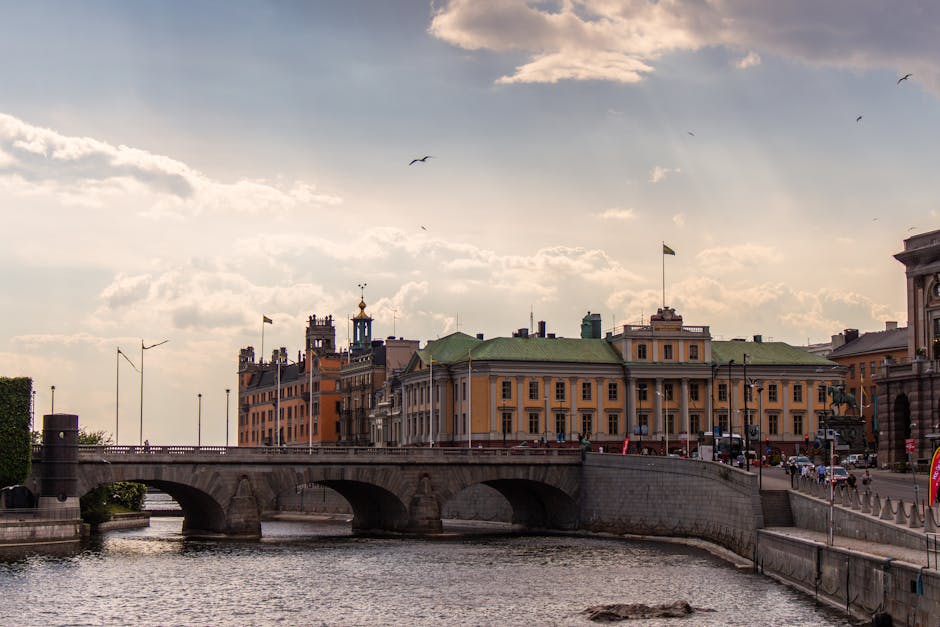
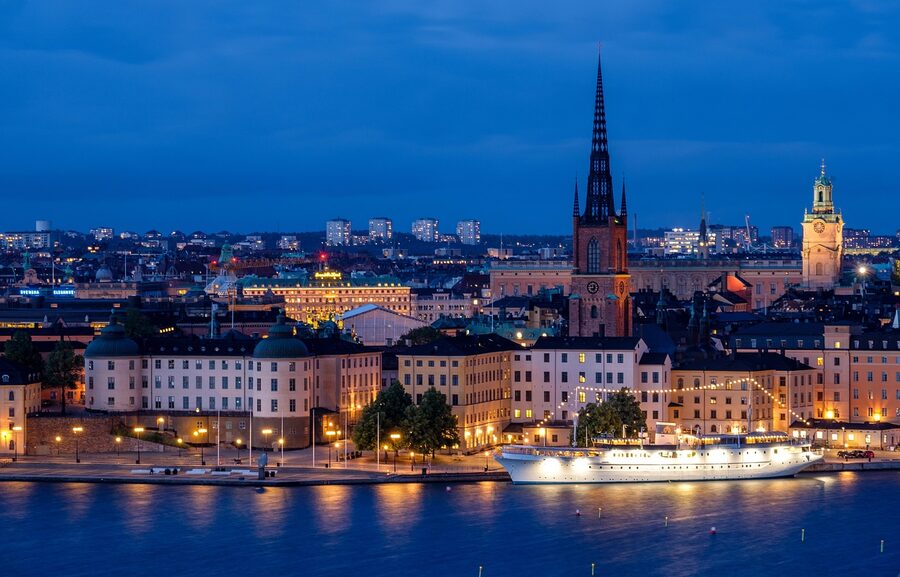
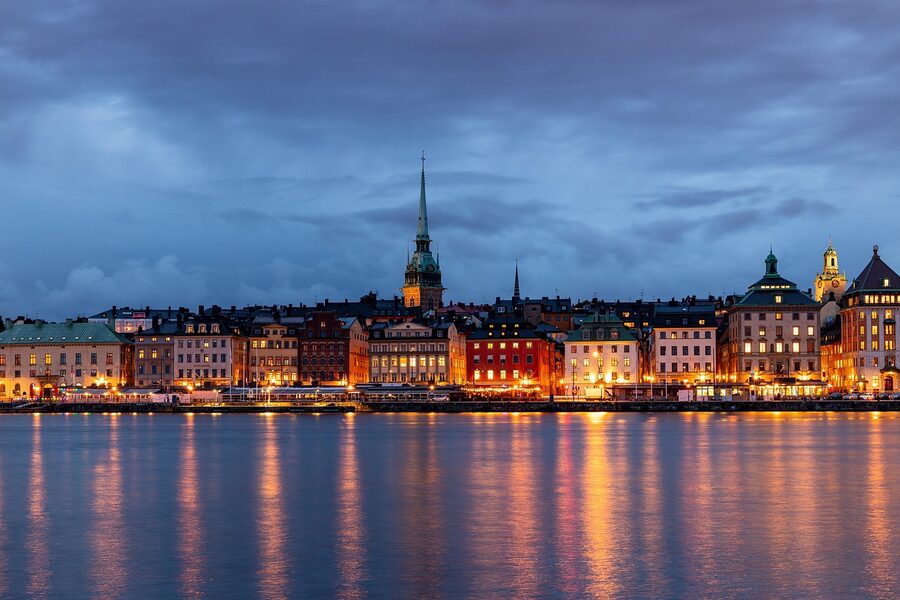
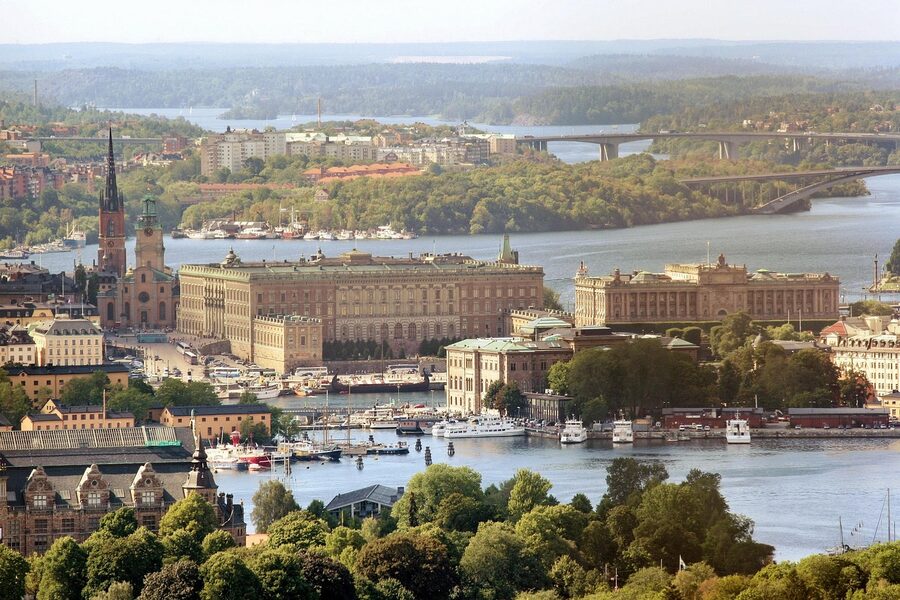
Gamla Stan: Stockholm’s medieval old town, crammed onto Stadsholmen island. From the water, the clustered orange and yellow buildings look like they’re leaning on each other for support. The Royal Palace dominates the north end — it’s one of Europe’s largest royal palaces and it looks imposing from water level.
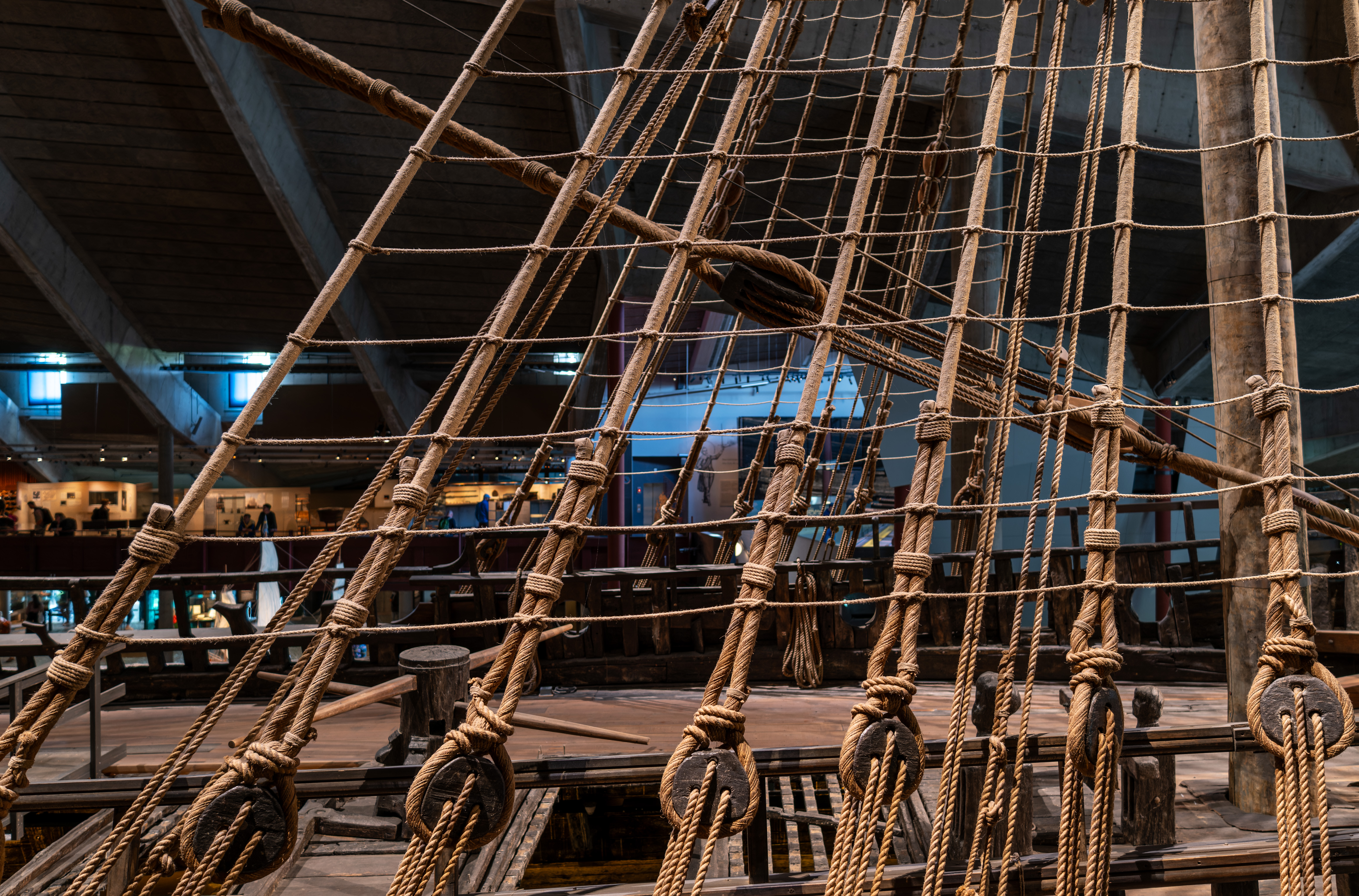
Djurgarden: The museum island. You’ll pass the Vasa Museum (housing the infamous 1628 warship that never made it out of the harbor), Skansen open-air museum, and Grona Lund amusement park. If you haven’t visited the ABBA Museum yet, it’s also on this island.
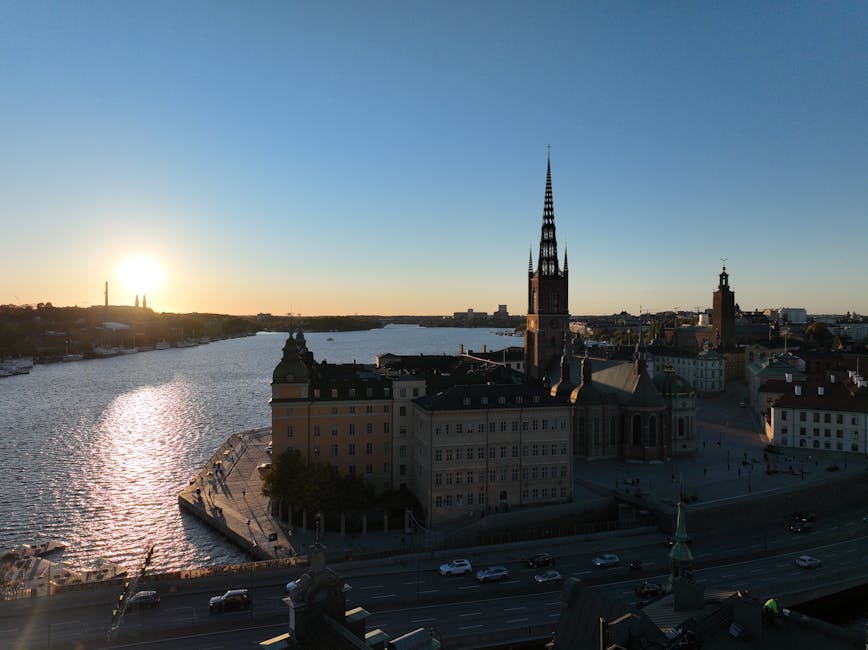
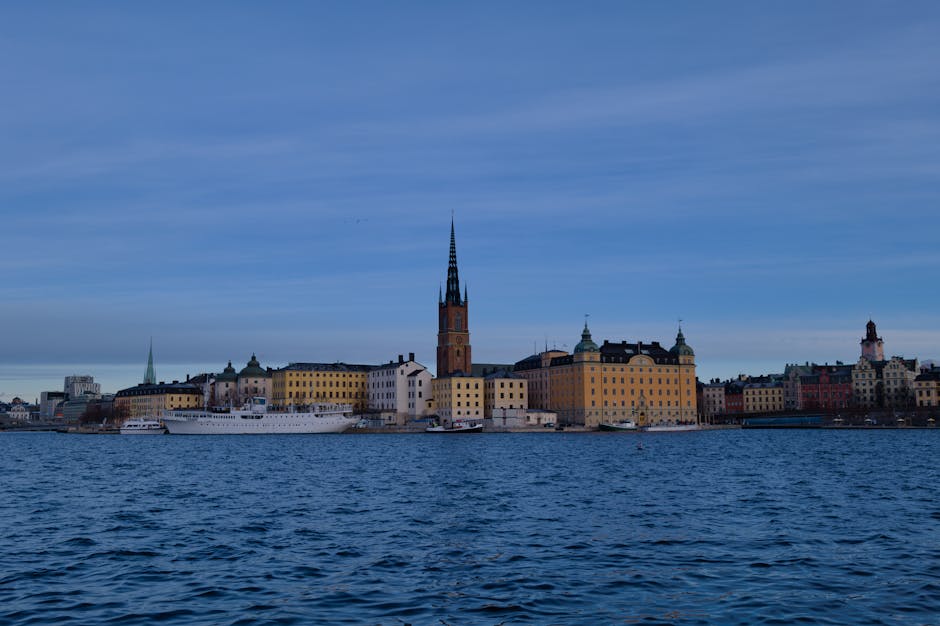
Riddarholmen: The smaller island west of Gamla Stan, dominated by Riddarholmen Church with its distinctive cast-iron spire. One of Stockholm’s most photographed views, and you see it perfectly from the water.
Sodermalm: The hip southern island with cliffs that drop sharply to the waterline. From a boat, the dramatic elevation difference between the hilltop neighborhoods and the waterfront is striking.
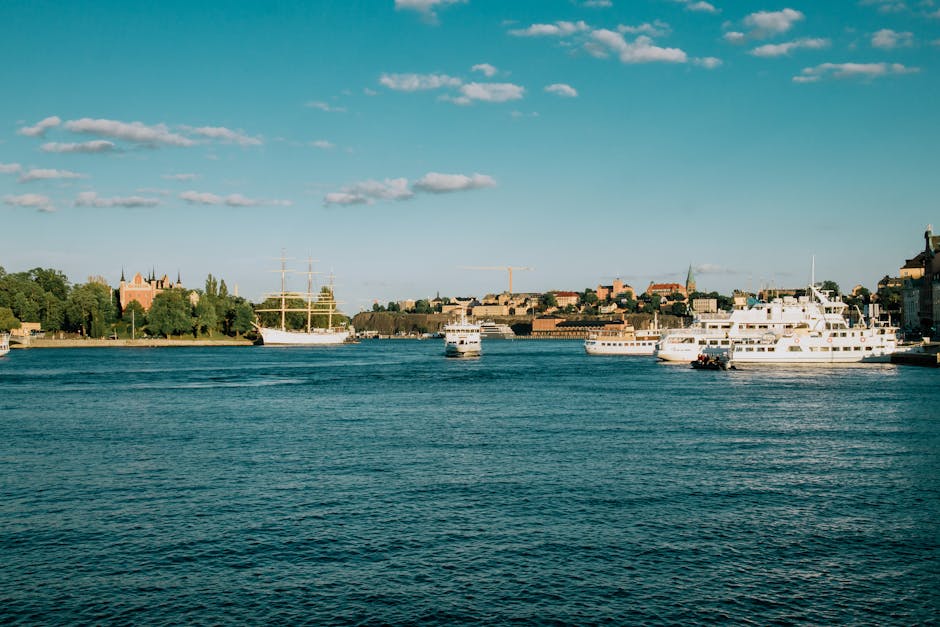
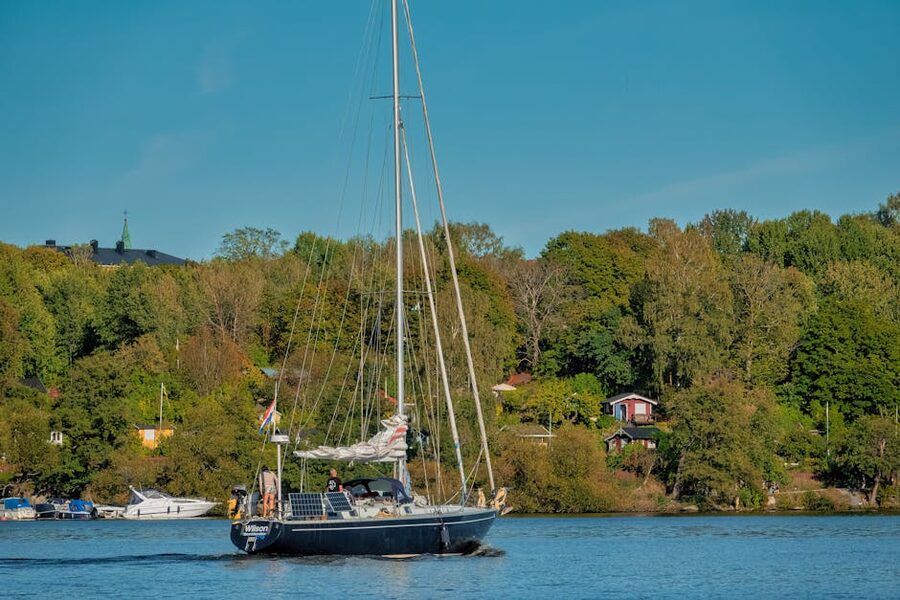
Archipelago islands: On longer tours, you’ll pass Fjaderholmarna (the closest island group, reachable in 25 minutes from the city), then deeper into a landscape of rocky islets with sparse pine trees, weathered red cottages, and occasional lighthouses. The further out you go, the wilder it gets.

A Quick History for Context
You don’t need to be a history buff to enjoy a boat tour, but knowing a few things makes the commentary more interesting.
Stockholm was founded around 1252 by Birger Jarl, who built a fortress on the island now called Gamla Stan to control the trade route between Lake Malaren and the Baltic. The city grew outward from that island, bridge by bridge, for the next 700 years.
The water shaped everything. The Swedish Navy was based here for centuries. The East India Company ships departed from these docks. And in 1628, the warship Vasa — the pride of King Gustav II Adolf’s fleet — sank in full view of the dock workers who’d just spent two years building it. The gun ports were too close to the waterline, the ballast was insufficient, and nobody had the courage to tell the king his ship was top-heavy. It sat on the harbor floor until 1961, when a team pulled it up remarkably intact. It’s now in the Vasa Museum on Djurgarden, and every boat tour passes the building.
By the 1800s, Stockholm had grown across all 14 of its islands, connected by a network of bridges. The waterways that had been highways became scenic routes. The boat tours started not long after — early tourism operators recognized that the water perspective showed off the city’s island geography better than any walking route could.
Booking an Archipelago Day Trip (If the Tour Isn’t Enough)
The 2-3 hour archipelago cruises give you a taste, but if you want more, you can take the Waxholm ferries out to specific islands for a full day. Vaxholm (the “capital” of the archipelago, about an hour by ferry) has restaurants, a fortress, and enough to fill a half-day. Grinda and Sandhamn are further out — proper overnight destinations with hostels and hiking trails.
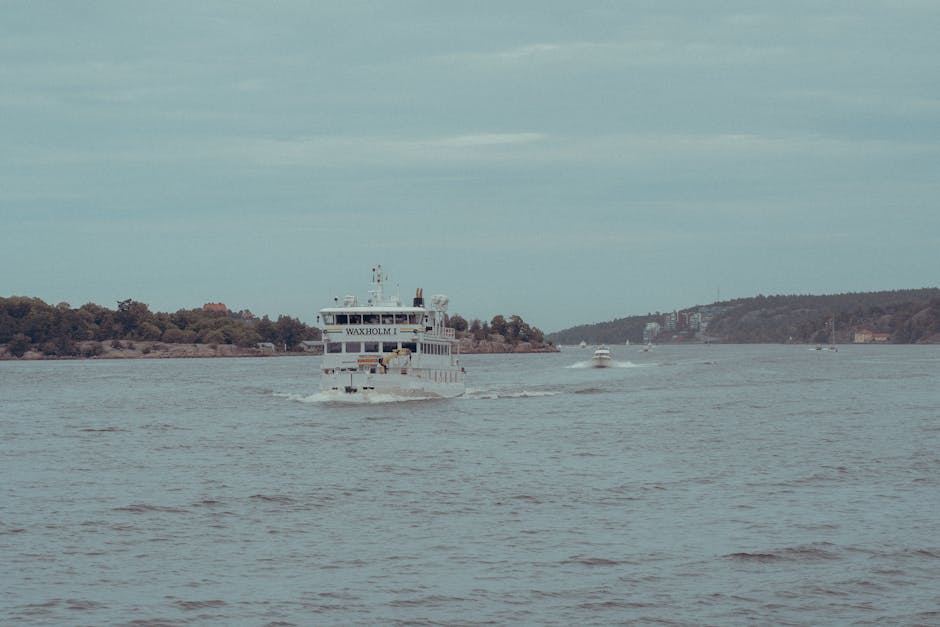
The Stockholm archipelago guide covers the full-day options in detail, including which islands are worth the ferry time and which ones you can skip. But for most visitors spending 2-4 days in Stockholm, a boat tour handles the water experience well enough. Save the full archipelago day trip for a return visit.
While You’re in Stockholm
The boat tours pair well with a day spent on Djurgarden — after a morning on the water, walk to the ABBA Museum or the Vasa Museum (both within 10 minutes of the Nybrokajen dock). If you’d rather explore on foot first and save the boat for later, a walking tour of Gamla Stan gives you the street-level context that makes the waterfront views more meaningful. And if the archipelago cruise leaves you wanting more island time, the full archipelago guide covers the Waxholm ferry system and which islands are worth a full day.
This article contains affiliate links. When you book through our links, we earn a small commission at no extra cost to you. This helps us keep producing honest, detailed guides.