
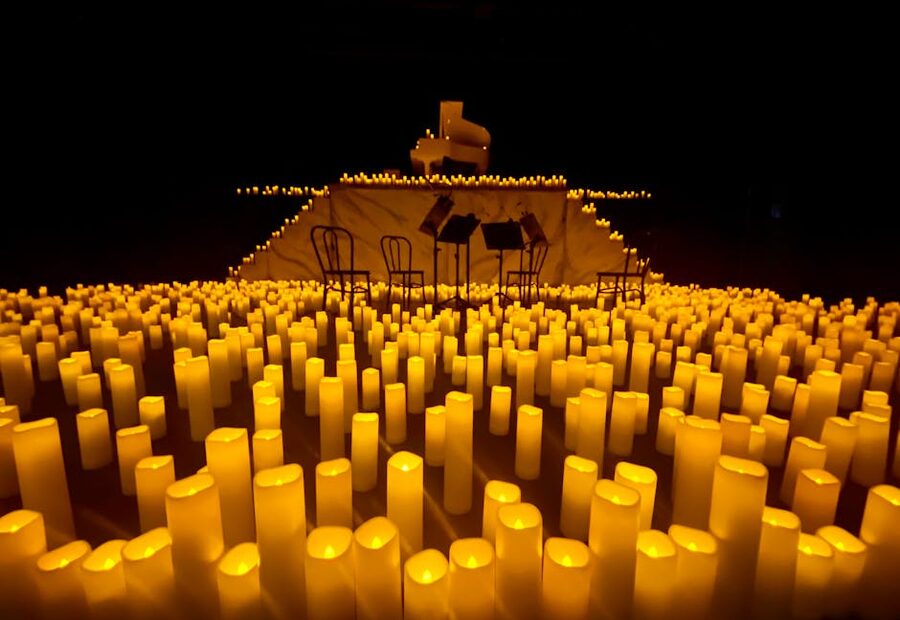
You’ll know the moment. The pianist will be a few minutes into a nocturne, the room will go still in that particular way candlelit rooms go still, and a single phrase will rise and crest and fall back. That’s the moment Warsaw stops being a Soviet-rebuilt capital you’re passing through and starts being the city that raised Chopin. The whole pitch of these one-hour Old Town concerts hangs on that one crescendo. When it lands, you understand why the Poles claim him so fiercely.
Booking it isn’t complicated, but the venues, the price gaps, and the format choices matter more than people realise. This is the practical side.
- In a Hurry?
- Why Warsaw Claims Chopin (Even Though He Lived Most of His Life in Paris)
- The Three Tours Worth Booking
- 1. Chopin Concert in the Old Town at the Royal Castle: from
- 2. Chopin Painted by Candlelight with Wine: from
- 3. Chopin Concerts at Fryderyk Concert Hall: from
- How to Choose Between Them
- The Booking Mechanics
- What to Expect on the Night
- The Other Chopin Sites You Should Tie Into the Trip
- When to Visit, Season by Season
- Where the Three Venues Actually Are
- Practical Tips That Aren’t Obvious
- Where the Music Came From
- The Outdoor Sundays at Łazienki
- Krakow Comparison (If You’re Doing Both Cities)
- Common Mistakes I See Tourists Make
- What to Do With the Rest of the Evening
- Other Warsaw and Polish Music Pieces Worth Reading
In a Hurry?
Three Warsaw Chopin concerts worth booking, all year-round, all about an hour:
- Best for atmosphere: Chopin Concert in the Old Town at the Royal Castle from $26. Gothic chamber inside the castle, includes honey mead tasting on most dates.
- Best with wine: Chopin Painted by Candlelight with Wine from $25. Pre-war salon near the National Museum, candles, glass of wine, sometimes a guest violinist.
- Best for serious listeners: Chopin Concerts at Fryderyk Concert Hall from $26. Two-part recital format modeled on 19th-century house concerts. Drier acoustics, less theatrical, but the playing is consistently the strongest of the three.
Why Warsaw Claims Chopin (Even Though He Lived Most of His Life in Paris)
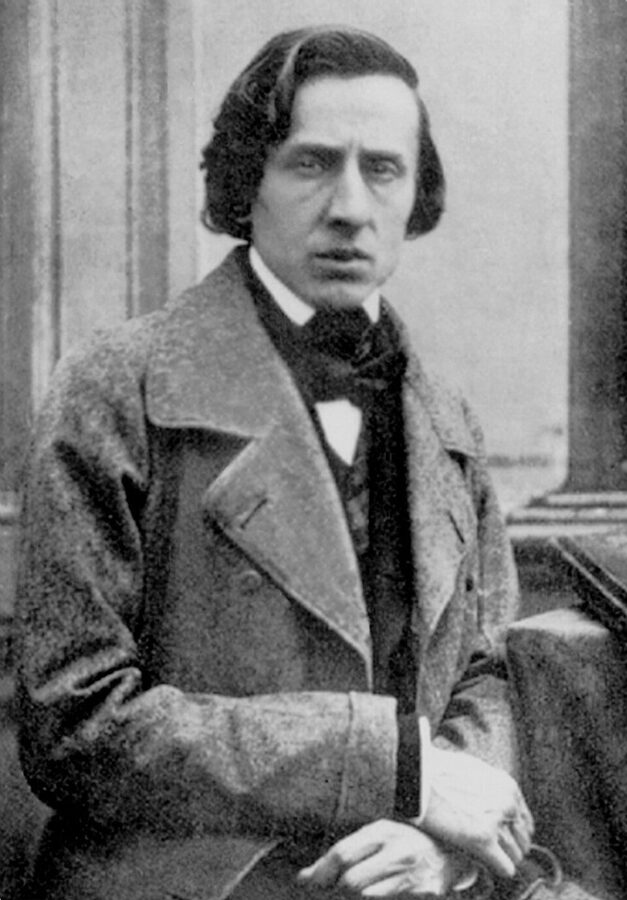
Fryderyk Chopin was born in 1810 in Żelazowa Wola, about 50km west of Warsaw. The family moved into the city when he was a baby. He grew up in the Kazimierz Palace on Krakowskie Przedmieście, which is now part of the University of Warsaw, and he gave his first public concert at age seven. He left Poland at twenty, mostly for Paris, and he never came back. The November Uprising of 1830 broke out while he was in Vienna, the partition that followed turned Warsaw into a Russian-controlled city, and Chopin spent the rest of his life as an exile composing music that was, by his own admission, full of homesickness.
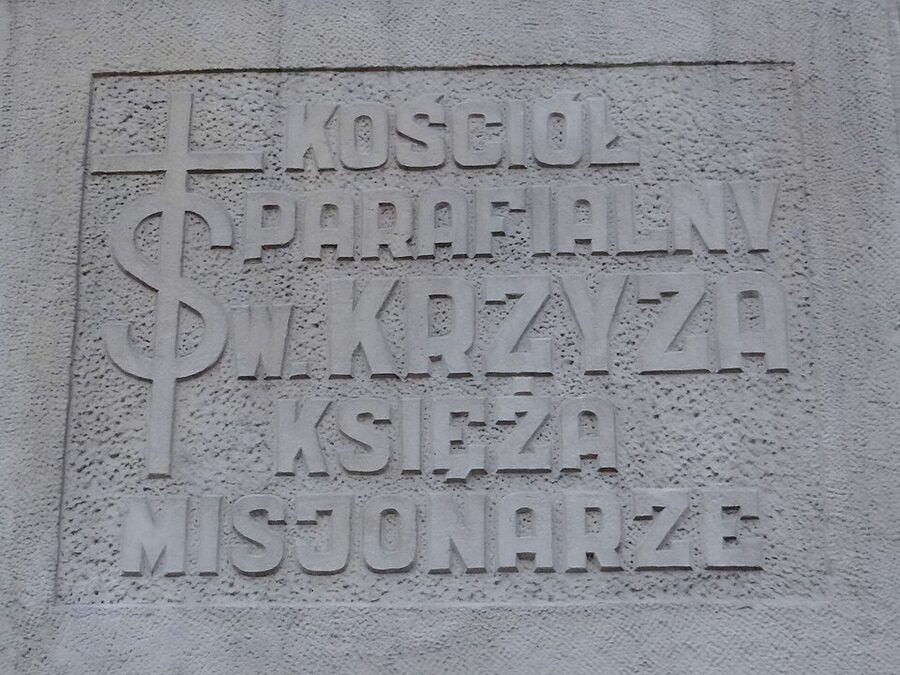
So the city’s grip on him is partly geographical and partly something else. His sister Ludwika smuggled his heart back to Warsaw in a jar of cognac after he died in 1849. It’s still here. You can visit it at Holy Cross Church on Krakowskie Przedmieście, set into a pillar on the left side of the nave. That’s the kind of devotion you don’t see anywhere else.

The concert scene comes from this. There are at least eight venues running daily Chopin recitals in the Old Town and immediately around it, plus Sunday outdoor concerts at the Chopin Monument in Łazienki Park from May to September. Krakow has its own Chopin recital scene and it’s good, but it’s a satellite. Warsaw is the source.
The Three Tours Worth Booking
I’ve narrowed it down to three. There are more options on the booking platforms but most are repackaged versions of these or smaller venues with thinner programs. The three below run year-round, finish in about an hour (which is the right length, anything longer and the format starts to drag), and each has a clearly different feel.
1. Chopin Concert in the Old Town at the Royal Castle: from $26
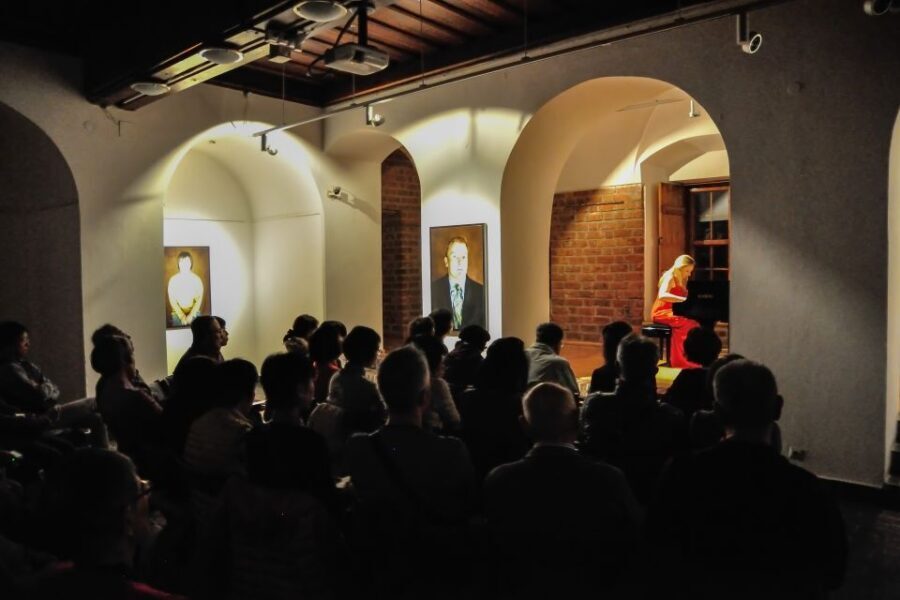
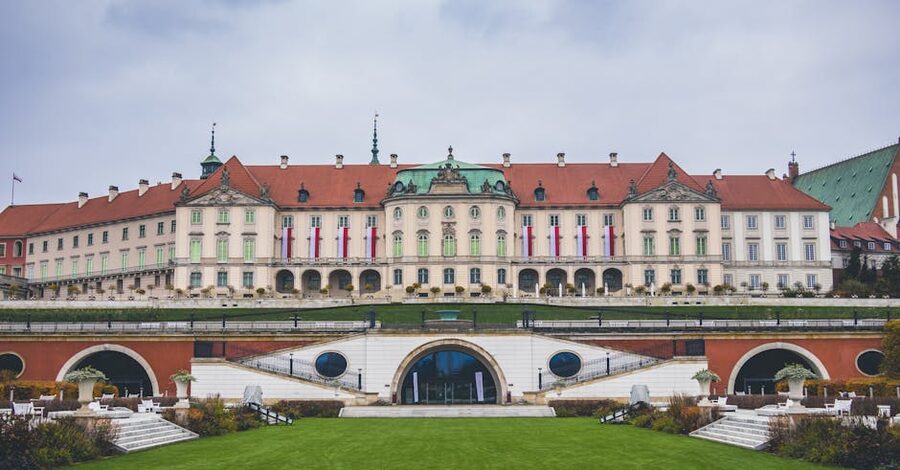
This is the one I’d send a first-time visitor to. Held in the Gothic interior of the Royal Castle’s left wing, it’s part of the long-running “Time for Chopin” series, runs daily, and the post-concert honey mead tasting (when included on the date you book) is a nicer touch than it sounds. Our full review of the Royal Castle concert goes into the rotating pianists and which evenings tend to be busiest. The audience leans 60% tourists, 40% Varsovians, which is unusual for an Old Town event and tells you something about the program quality.
2. Chopin Painted by Candlelight with Wine: from $25
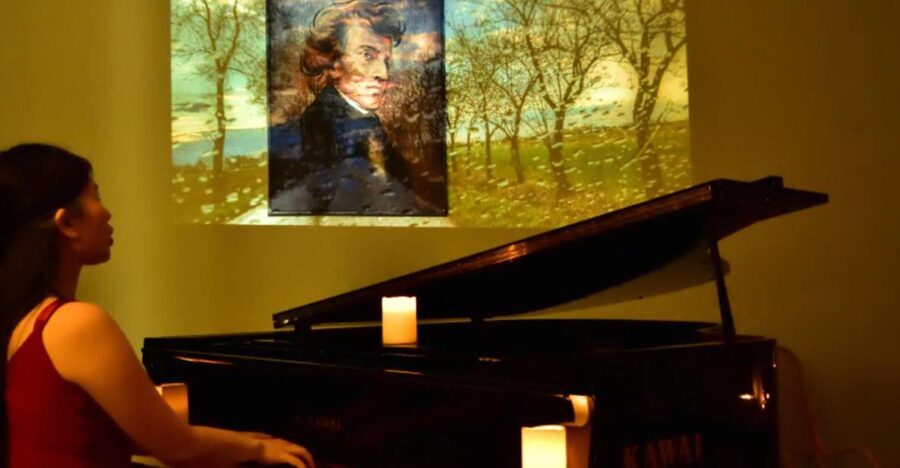
Pick this one if the date-night atmosphere matters to you. The venue is a restored pre-war Warsaw drawing room, the room is candlelit (no overhead lighting at all during the recital), and a glass of wine and a small dessert come with the ticket. Our full review covers which guest musicians make it more than just a candlelight gimmick. About a third of nights run with a violinist or cellist joining the pianist for the second half, which is when the program opens up beyond the solo piano repertoire.
3. Chopin Concerts at Fryderyk Concert Hall: from $26
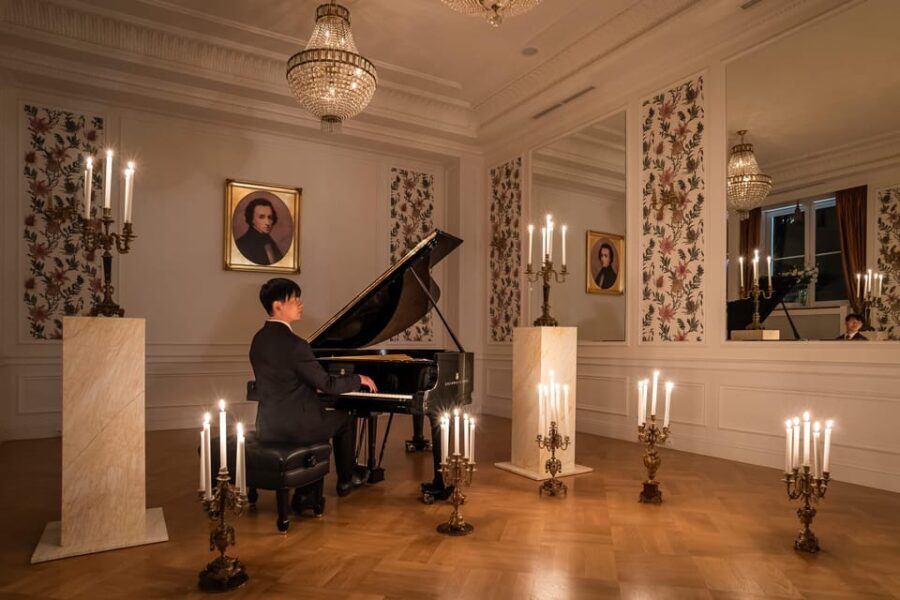
This is the serious-listeners pick. The hall runs a strict two-part recital format with a short interval, modeled on the 19th-century intimate concerts Chopin himself attended in Warsaw before he left for Paris. Our review walks through the way the program builds across the two halves. Pianists rotate but the booking team has a good ear, and the playing is consistently the strongest of the three I’ve listed. Less candlelight, less honey mead, more music.
How to Choose Between Them
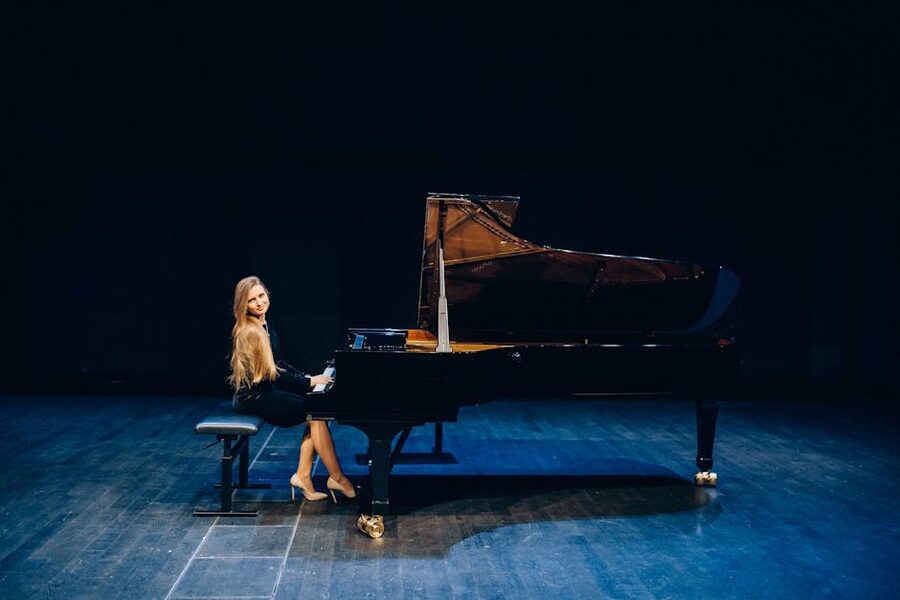
If this is your only Chopin concert in Warsaw and you want the strongest first impression, go with the Royal Castle one. The Gothic chamber, the location, and the honey mead tasting do most of the work for you, and the program is solid.
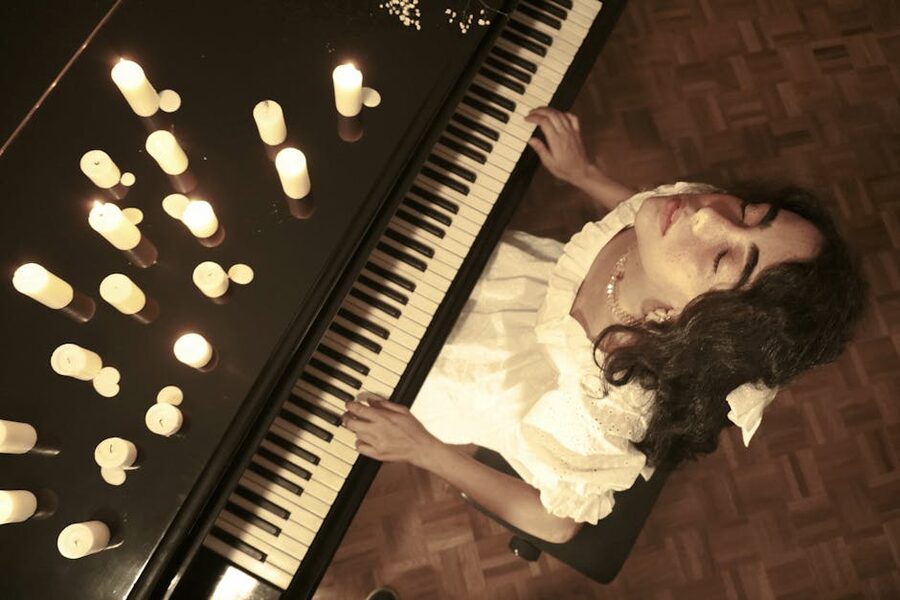
If you’re with a partner and you want the evening to be more about the room than the music, the Candlelight with Wine concert wins. Real candles, no overhead light, a glass of wine in your hand. Some nights you get a guest violinist or cellist sitting in for the second half. It’s not the venue I’d pick for the playing alone, but the playing is good enough that the whole thing holds together.
If you actually know the repertoire and want the music to do the work, book the Fryderyk Concert Hall. The two-part recital structure is closer to what Chopin himself sat through in the 1820s, the program builds properly, and the pianists they book tend to be the ones with the most thought-out interpretations. It’s also the cheapest seat in the house if you sit toward the back of the hall.
One thing all three share: they’re priced the same within a couple of dollars, they all run year-round, and they all hover around the one-hour mark. So you’re really choosing on atmosphere and program structure, not price.
The Booking Mechanics
Book online through GetYourGuide or Viator if you want the simplest path. The on-site box offices at the venues do exist, but they’re often only open an hour before the concert, and the popular nights (Friday and Saturday in summer, plus the entire week in late August during the International Chopin Music Festival) sell out by mid-afternoon.
Lead time. In high season, book at least 48 hours ahead for a weekend slot. Mid-week shoulder season (October through April excluding Christmas), 12 hours ahead is usually fine. Tickets are e-tickets, you show the QR code on your phone at the door, and seating in all three venues is general admission within the room.
Cancellation. All three offer free cancellation up to 24 hours before the concert when booked through GetYourGuide. That matters because Warsaw weather in summer can flip from clear to thunderstorm in an hour, and walking back from a concert in a downpour is the kind of detail you’d plan around if you’d been once.
What to Expect on the Night
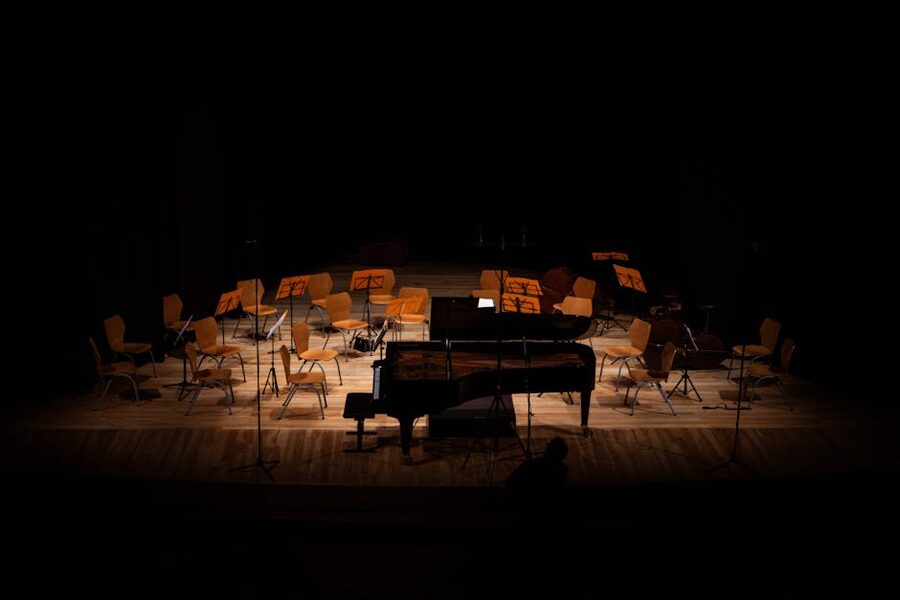
Doors open about 20 minutes before the concert. Get there at the start of that window if you want a centre-front seat. None of these venues have assigned seating, so the first ten people in get the best acoustics and the rest sit toward the back walls.
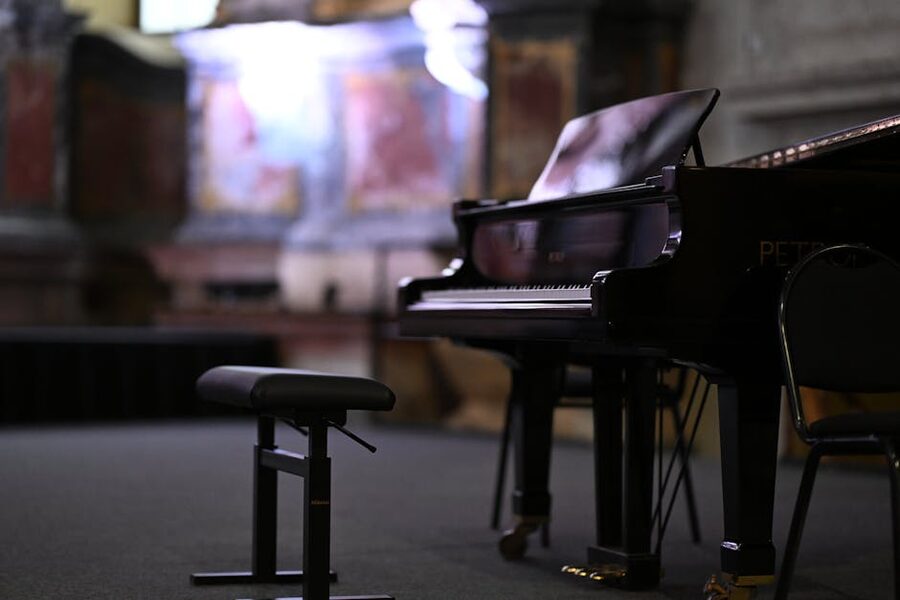
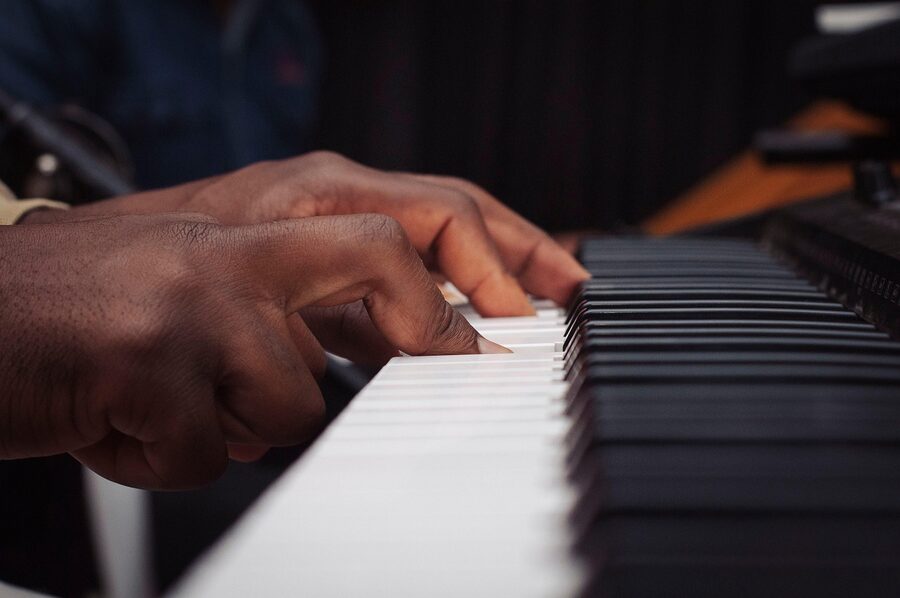
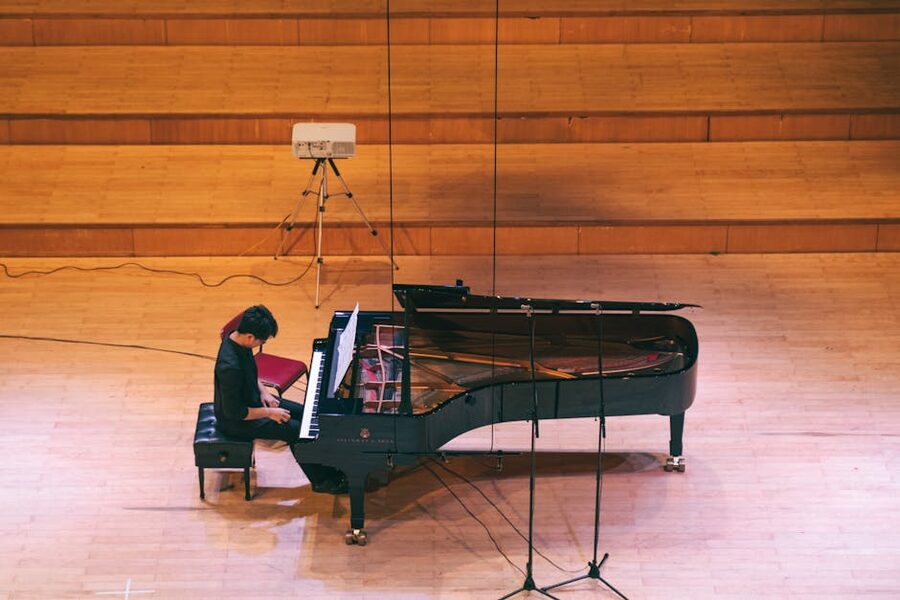
The pianist usually walks on without an introduction, takes a quick bow, and starts. No spoken program notes, no microphone, no warm-up piece. The first half is typically nocturnes, mazurkas, and waltzes (the small-form pieces Chopin is most known for), the second half is one or two ballades or scherzi. At Fryderyk Concert Hall there’s a 10-minute interval between halves where you can step into the foyer.
Applause convention. Don’t clap between movements of a multi-part piece, and don’t clap during the very brief silence after a nocturne ends, even if the pianist’s hands are still on the keys. Wait for them to lower their hands and look up. This is the one thing tourists tend to get wrong, and it’s a small thing the regulars notice.
Length. Almost exactly an hour, which is the right length for this kind of programme. Some venues run 70 minutes if there’s a guest musician. Nothing runs over 90.
The Other Chopin Sites You Should Tie Into the Trip

Three other Chopin spots in Warsaw are worth a stop on the same trip. None of them require booking.
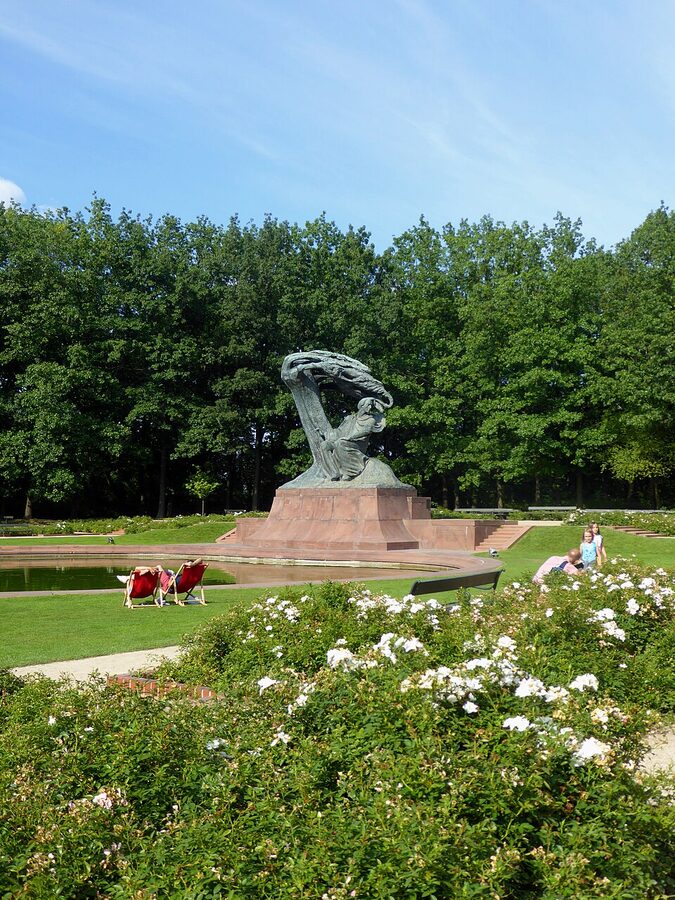
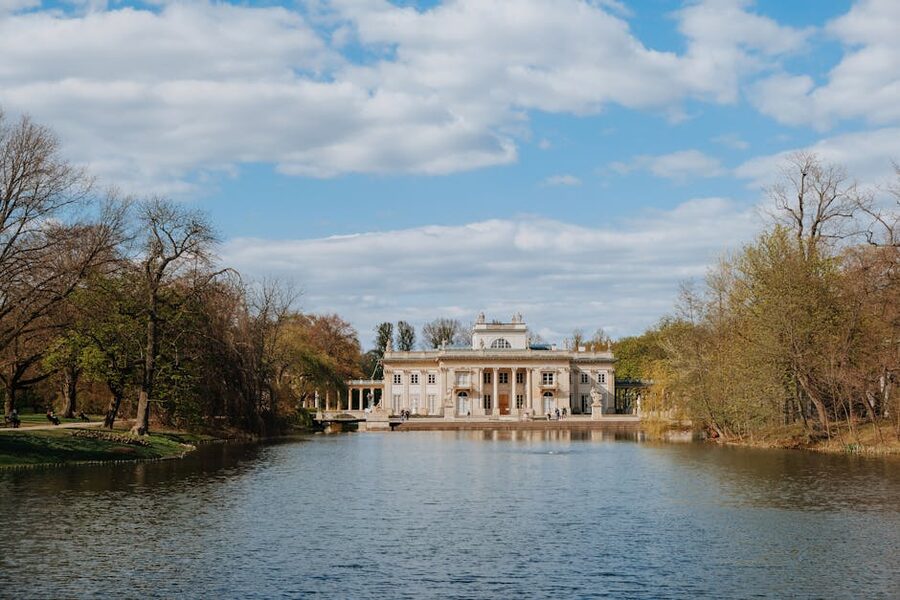
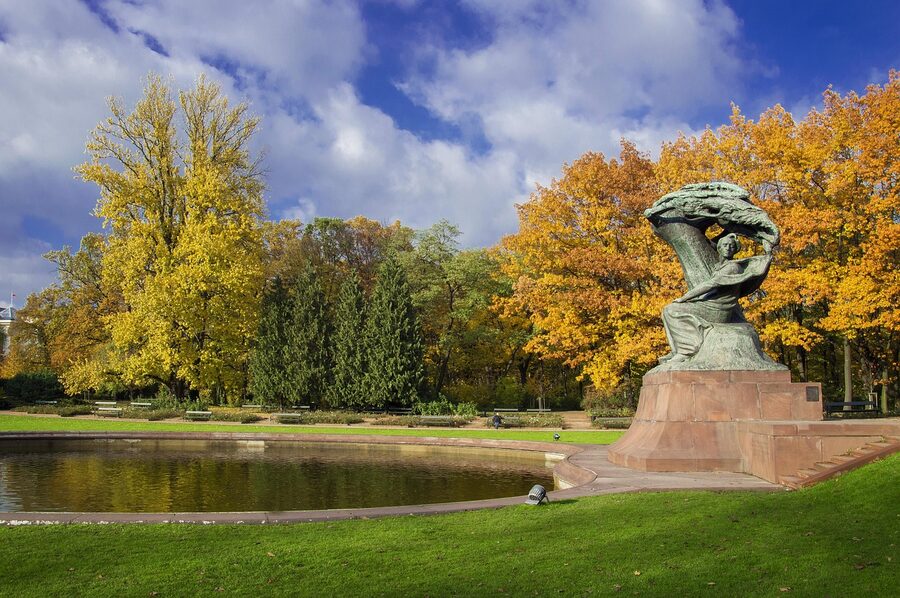
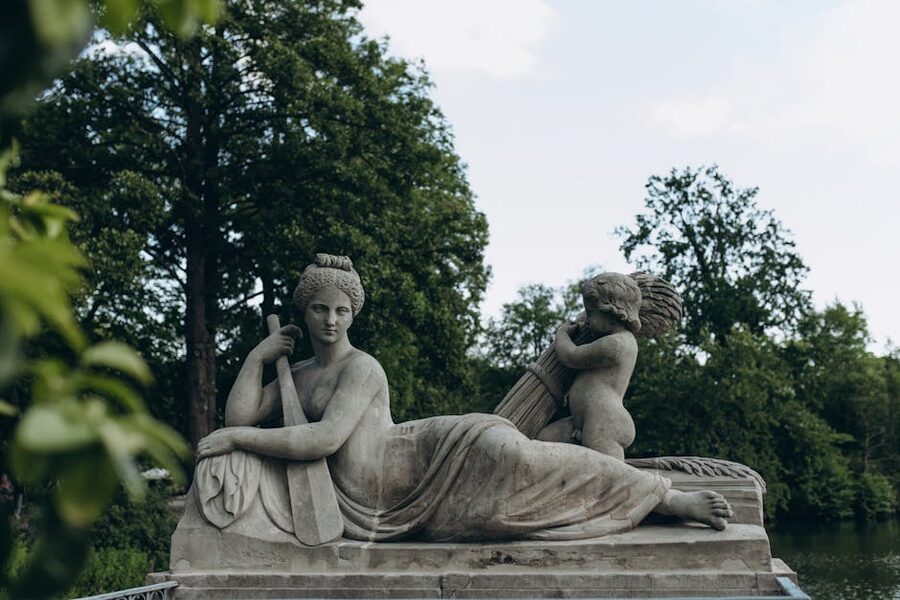
The Chopin Monument in Łazienki Park. About 4km south of the Old Town. The bronze monument sits beside an ornamental pond, and from the first Sunday in May through the last Sunday in September there’s a free open-air piano recital at noon and 4pm. The 2026 season is the 67th edition of the series. Bring a thermos and an hour. The Sunday afternoon slot is the more atmospheric of the two, especially mid-summer when the light cuts through the willows behind the statue.
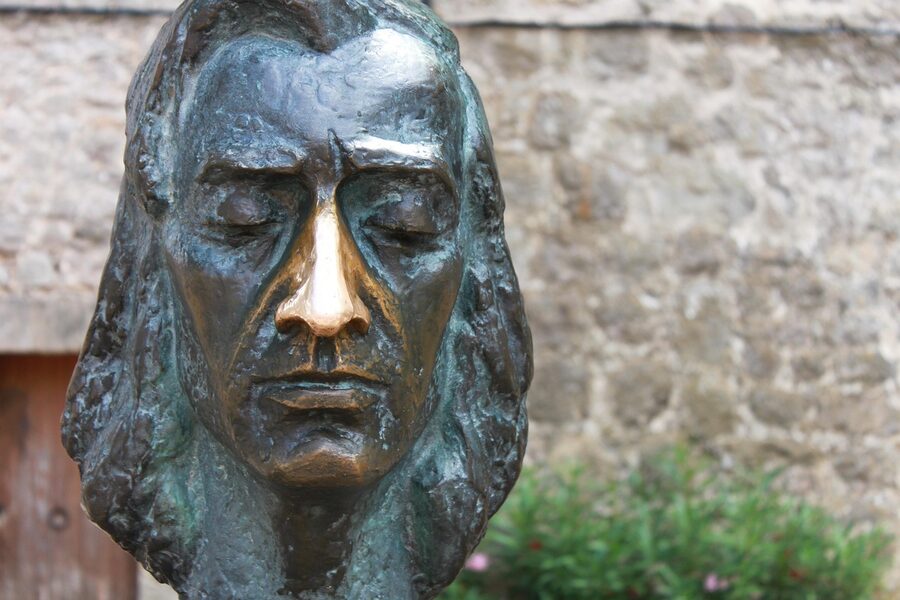
Holy Cross Church. Chopin’s heart, in a pillar inside the church, on Krakowskie Przedmieście. Free to enter, takes ten minutes, and it’s one of the more affecting moments of any Warsaw trip. There’s no signage in English on the pillar itself, but you’ll see the small Latin inscription “Ubi thesaurus tuus, ibi cor tuum” (Where your treasure is, there will your heart be also) on the plaque just below.
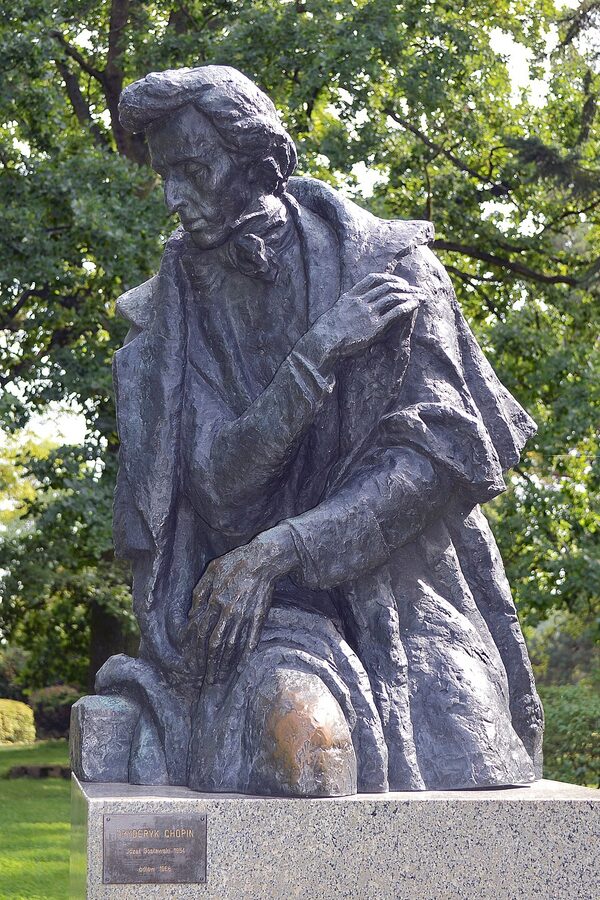

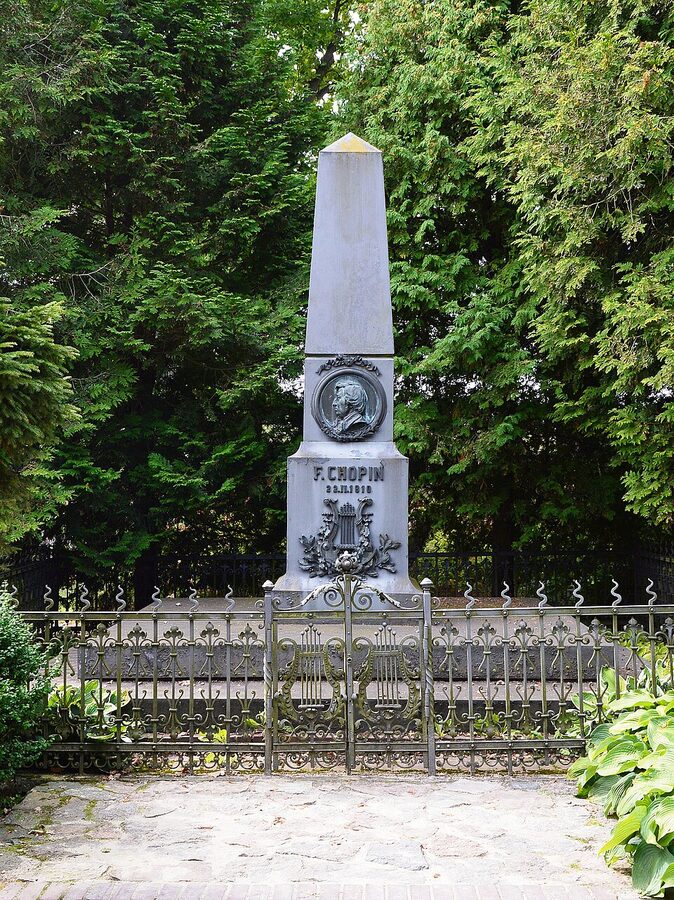
Żelazowa Wola. Chopin’s birthplace, 50km west of Warsaw. It’s a small house in a landscape park, now run as a museum. Sunday afternoon recitals on the lawn run all summer, free with general admission. Easiest way out is a one-hour drive or the dedicated tour buses that run from Warsaw on Sunday mornings in the high season. Honestly, unless you’re a serious enthusiast, you can skip the day trip and stick with the in-city venues. The visit is more about pilgrimage than music. The recital quality at the Old Town venues is often higher than what you’ll catch on a Żelazowa Wola lawn.

When to Visit, Season by Season
Late August. The International Fryderyk Chopin Piano Competition is held every five years (next: 2030), but the smaller annual Chopin and His Europe Festival runs every August. During the festival weeks the Old Town venues stack their programmes with festival pianists. Best playing of the year, hardest tickets to get. Book three to four weeks ahead if you’re in town for the festival.
May through September. Outdoor recitals at the Łazienki Park monument run every Sunday at noon and 4pm. Pair a Sunday afternoon there with a weeknight Old Town concert and you’ve got both formats covered.
October through April. Fewer crowds, easier walk-up bookings, slightly more intimate audiences. The candlelight format works better in a dark October evening than it does in the summer, when it doesn’t really get dark until 9pm. If you’re picking between the same trip in May or November, November is the better choice for these specific concerts.
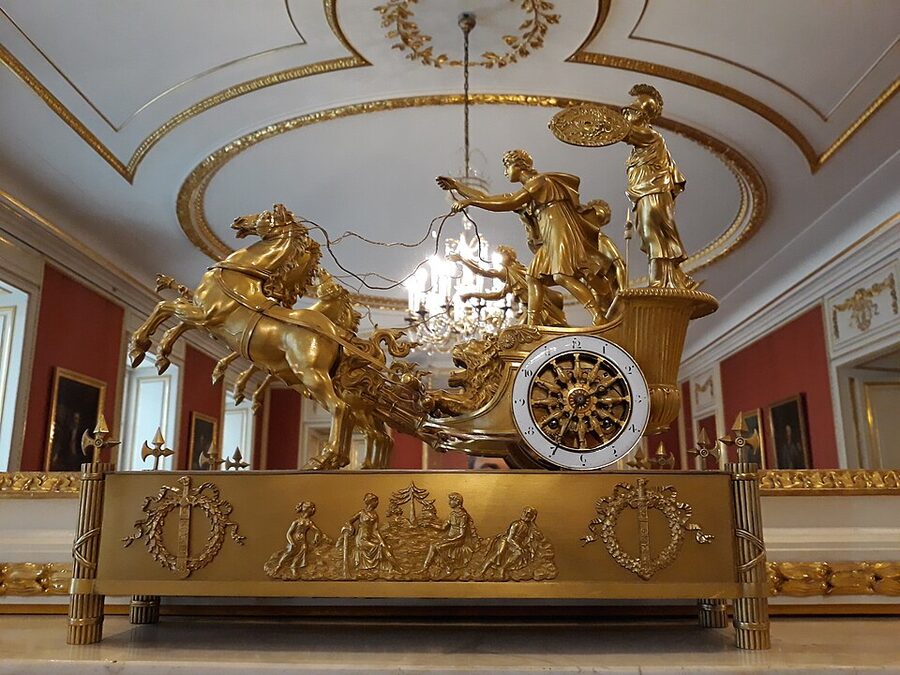
Christmas season. Special programmes from mid-December through New Year’s Eve. The Royal Castle venue in particular runs a Chopin and Christmas Carols evening that’s worth catching if you happen to be in town.
Where the Three Venues Actually Are
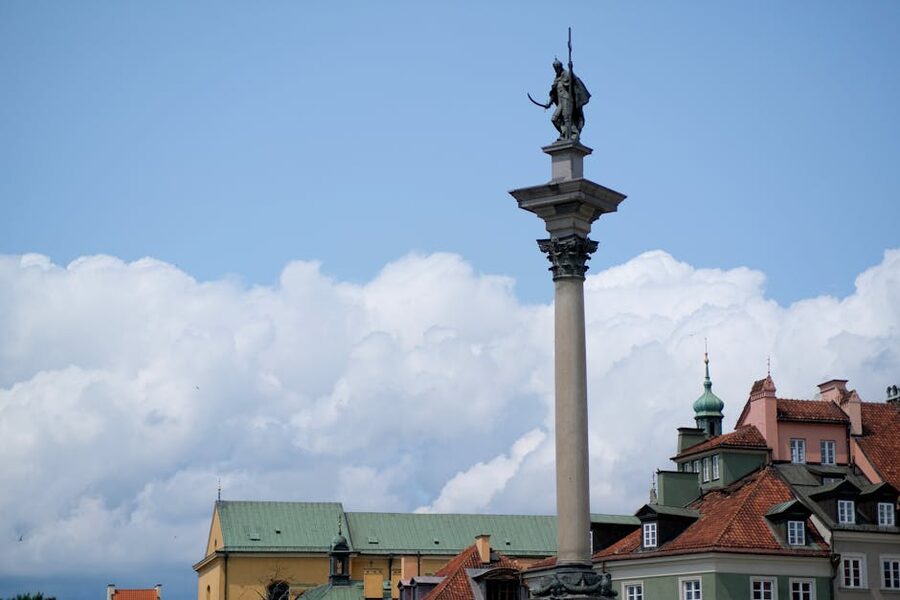
All three venues are within a 10-minute walk of each other in or just south of the Old Town.
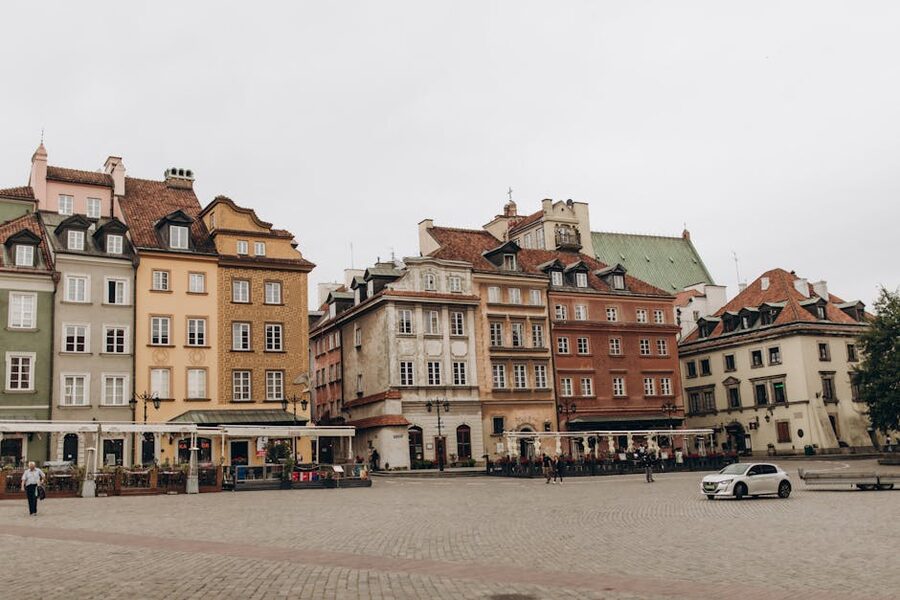
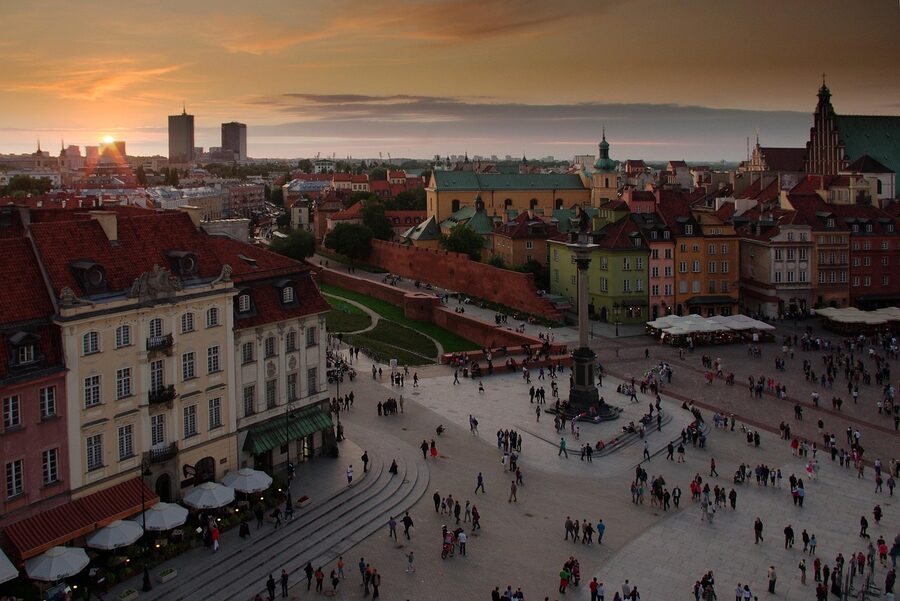
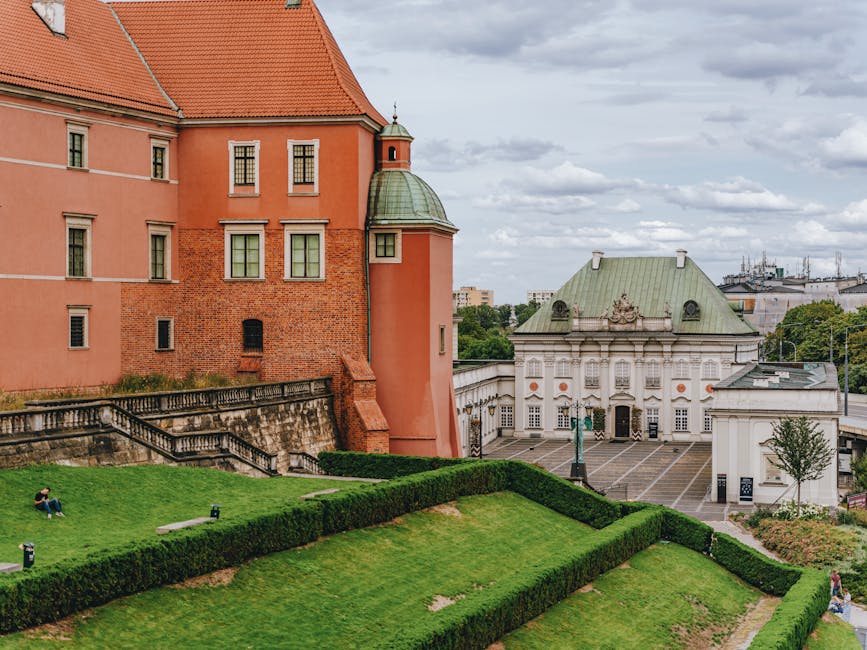
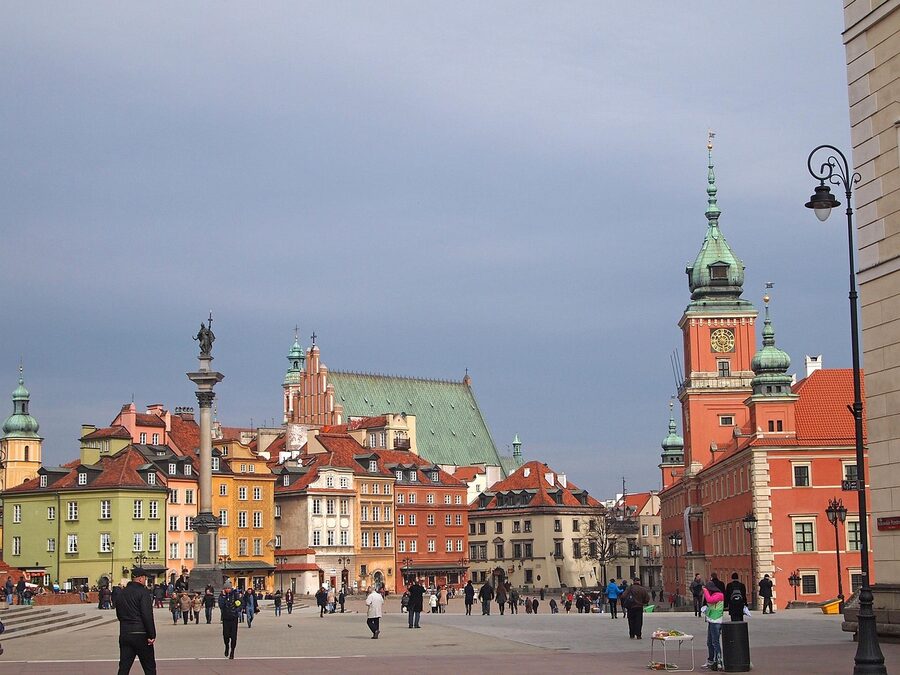
The Royal Castle sits on Castle Square (Plac Zamkowy). The concert venue is in the left wing as you face the main facade. Tram and metro connect the area but you’ll most likely be coming from the Old Town Market Square, which is about a five-minute walk north.
The Candlelight venue (the salon used by the Painted by Candlelight series) is on Krakowskie Przedmieście, near the National Museum. About 12 minutes’ walk south of Castle Square, or take the 116 bus three stops.
Fryderyk Concert Hall is also on Krakowskie Przedmieście, slightly closer to the Old Town than the candlelight venue. Maybe a five-minute walk from Castle Square.
None of them are hard to find, but Old Town addresses can read confusingly because the street numbering jumps around. Use the venue’s official map link, not Google Maps, when you’re navigating the final two blocks. I’ve watched too many people circle the same alley in the dark.
Practical Tips That Aren’t Obvious
Dress code is smart-casual at all three venues. Nobody will refuse you if you turn up in jeans, but you’ll feel underdressed at the Royal Castle in particular. A button-up shirt or a dress is enough. No tuxedos required, ignore anyone who tells you otherwise.
Bring a small bottle of water. The candlelight venue gets warm in summer, and there’s no service inside the room once the concert starts.
Photography is allowed before the music starts and during applause, but not while the pianist is playing. The Royal Castle venue is strict about this. The candlelight venue is more relaxed but you’ll annoy the audience if you try.
Don’t book back-to-back nights at different venues. The format and length are similar enough that you’ll feel diminishing returns even though the programme changes. Better to space them out: Royal Castle on day one, candlelight three nights later, Fryderyk on day five.
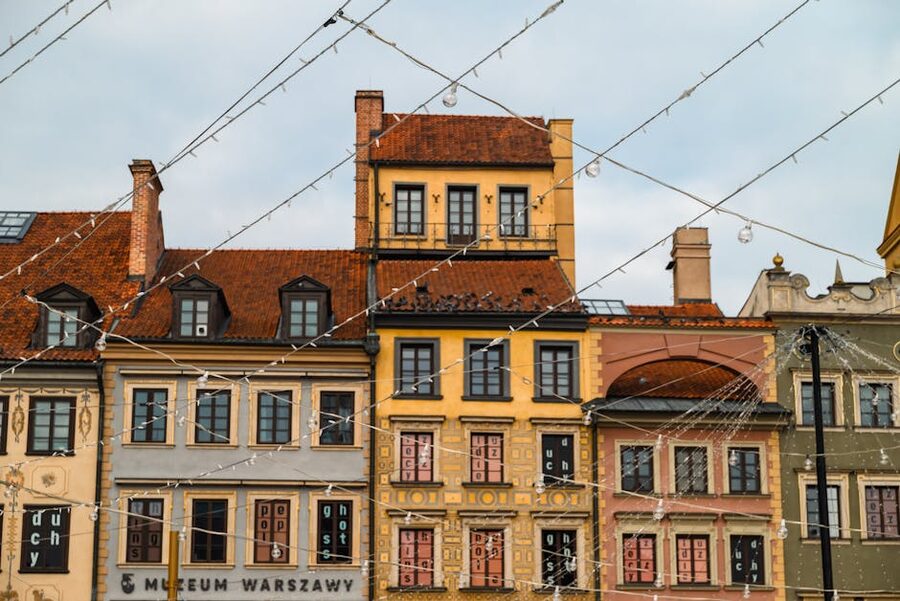
Combine with dinner intelligently. None of the venues serve food. The Old Town Market Square is the obvious choice but it’s the tourist-priced option. Walk one block off the square to U Fukiera or to one of the smaller bars on Świętojańska for a better meal at half the price. Our Warsaw Old Town walking tour guide covers the off-square restaurants in more detail.
Where the Music Came From

A short bit of history that puts the concerts in context.
Chopin grew up in a Warsaw squeezed between Russia, Prussia, and Austria but culturally booming. His father was a French-born teacher at the Warsaw Lyceum, his mother was Polish nobility. The Chopin household held salon-style concerts where the young Fryderyk played for visiting writers and military officers. That intimate-room format, somewhere between a recital and a dinner party, is what the Old Town concerts now try to recreate. It’s not just a marketing line. The 19th-century salon concert was a real format and Warsaw was one of the centres for it.
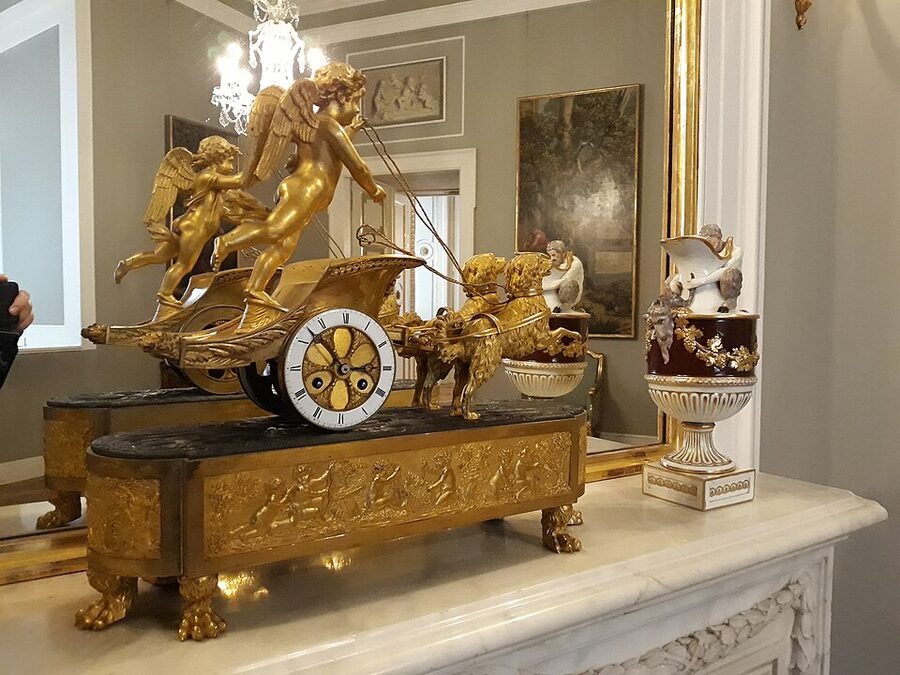

When Chopin left Poland in 1830, he was twenty. He gave a farewell concert at the Warsaw National Theatre, then took a coach east. Within weeks of his arrival in Vienna, news came that the November Uprising had broken out at home. He never returned. The bulk of his most-played work, the nocturnes, the ballades, the polonaises, was written in Paris and on summer escapes in Nohant with George Sand. But the music looks back at Warsaw constantly. The mazurkas, in particular, are folk-dance forms from the Polish countryside that Chopin would have heard as a child, refracted through Parisian harmony. That’s why these Old Town concerts work. The music was always partly about a Warsaw that was being torn down around it. Hearing it played here, in a city that was very nearly torn down for good in 1944 and rebuilt from photographs, gives the music a layer it doesn’t have anywhere else.
The Outdoor Sundays at Łazienki
If you’re in town between May and September on a Sunday, work the outdoor concerts at the Chopin Monument into the day. They’re free, no booking, you sit on the grass or on one of the benches set out around the monument. The 12pm slot is the bigger crowd, the 4pm slot is the better atmosphere when the light is starting to drop.
The pianists are usually emerging Polish or international competition winners, sometimes a name from the Warsaw Philharmonic. The programme is always all-Chopin. An hour, give or take. The acoustics outdoors aren’t like a concert hall, but the willow trees behind the monument make a natural sound shell that surprises people the first time. Bring a coffee, sit halfway down the slope to the right of the monument, and you’ve got the closest thing to a perfect free Warsaw afternoon.
Get to Łazienki via tram (14, 18) or walk down Aleje Ujazdowskie, about 30 minutes from the Old Town. The park itself is worth a couple of hours after the concert.
Krakow Comparison (If You’re Doing Both Cities)
Some travellers do both Warsaw and Krakow on the same trip and ask whether to do a Chopin concert in both cities. My quick take. The Krakow Chopin recital scene is excellent in its own right, the venues there are smaller and the format is even more intimate than Warsaw’s, but the music has a different weight in Krakow. Krakow is the medieval royal capital, Chopin barely lived there, and the recitals lean more on the chamber-music tradition than on Chopin specifically.
If you’re doing both cities, do the concert in Warsaw, not Krakow. If you’re only doing Krakow, the recital there is still worth a night out. Both are good, but only one of them is in Chopin’s actual city.
Common Mistakes I See Tourists Make
Booking too late and ending up at the back. The acoustic spread in these small rooms is significant. Book a few days ahead and arrive 20 minutes before doors open.
Skipping the rest of the Chopin trail. If you’re going to a concert, you should also see the heart at Holy Cross Church. It’s a 15-minute side trip, free, and it’s the thing that recontextualises the whole rest of the experience.
Booking Żelazowa Wola as a half-day before you’ve done a single Old Town concert. The birthplace is more meaningful if you’ve already heard the music played in the city he grew up in.
Booking a “Chopin dinner experience” instead of a proper concert. The Old Town restaurants that bill themselves as Chopin-themed dinners with live piano are restaurants first and concerts second. The playing is background music, not a programme. If you want music, book the actual concert.
What to Do With the Rest of the Evening
Concerts run roughly 7pm to 8pm. That leaves the rest of the evening open. The Old Town is at its best between 9pm and 11pm in summer, after the day-trip crowd has cleared and before the bars on Nowy Świat get loud.
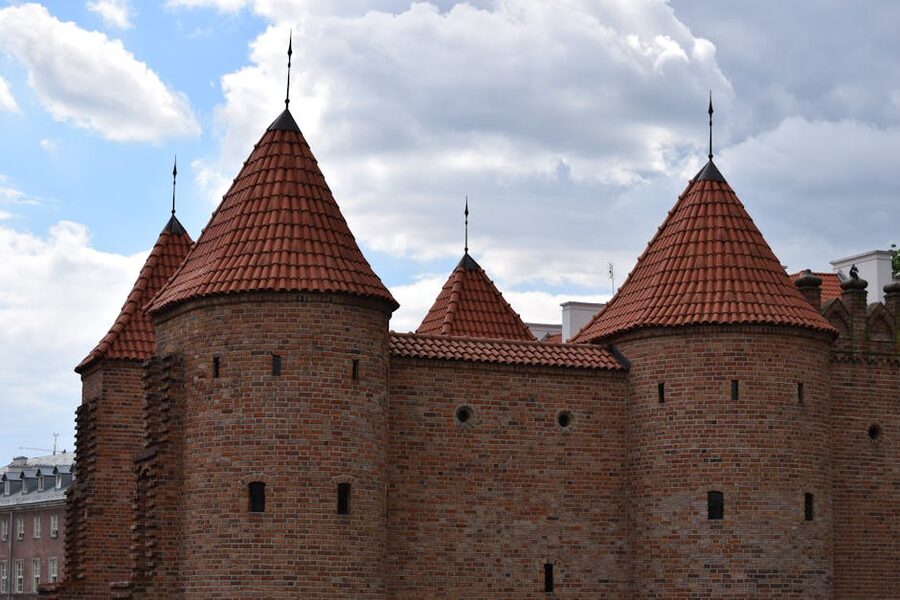
Walk back through the Barbican toward the New Town for a quieter version of the same architecture. Stop at Bambino on Krucza for late milk-bar food, the closest thing to a real local meal at a tourist’s price. If you want a drink, the bars in the rebuilt cellars under the Old Town Market Square get going around 9pm.
For something completely different the morning after, try a daytime walking tour to balance out the evening’s classical music. Our Warsaw Old Town walking tour guide covers the rebuilt-city story in detail, which makes a lot more sense after you’ve seen the rooms inside the Royal Castle. Or get out on the river with a Galar cruise on the Vistula for a slow, quiet morning, or cover the wider city with the hop-on hop-off bus if you’ve only got a day.
Other Warsaw and Polish Music Pieces Worth Reading
If you’ve got a few days in Warsaw and you’re filling out the rest of the trip, look at our Old Town walking tour guide for the rebuilt-after-1944 story (which the Royal Castle interior makes vivid in a way nothing else does), and the Vistula galar cruise for an unhurried afternoon on the river. The hop-on hop-off bus covers the longer cross-city distances if you’re working on a tight schedule.
If you’re combining Warsaw with Krakow, the concert pairing question is covered in the Krakow piece I linked above. For other Krakow ideas at a similar price point, the Krakow Old Town walking tour is the natural daytime equivalent of an evening Chopin concert, and the Krakow pub crawl is the late-night counterpoint if you want a bigger night out. For something completely off the music thread, Wieliczka Salt Mine and Auschwitz from Krakow cover the heaviest day-trip options from that side of the country.
One last thought. The Warsaw Chopin scene runs year-round, but the playing peaks in late August when the festival pianists are in town and in the first two weeks of October during the Chopin Competition cycle (every five years, next 2030). If your trip is flexible, those are the dates I’d target. Otherwise, any week of the year you’re in town, there’s a recital somewhere within a 10-minute walk of Castle Square. Book one. The first crescendo of the first nocturne will pay back the price of the ticket inside the first ten minutes.
Affiliate disclosure: Some links in this guide are affiliate links. If you book through them, we may earn a small commission at no extra cost to you. We only recommend tours and venues we’d send a friend to.