
So the question every guidebook dances around: is Cofete actually worth the two-hour off-road slog each way? You’re going to have a sandy backside, a sore neck from the bouncing, and zero phone signal for most of the drive. The short answer is yes, but only if you go in with the right expectations and the right vehicle. Read on before you decide.
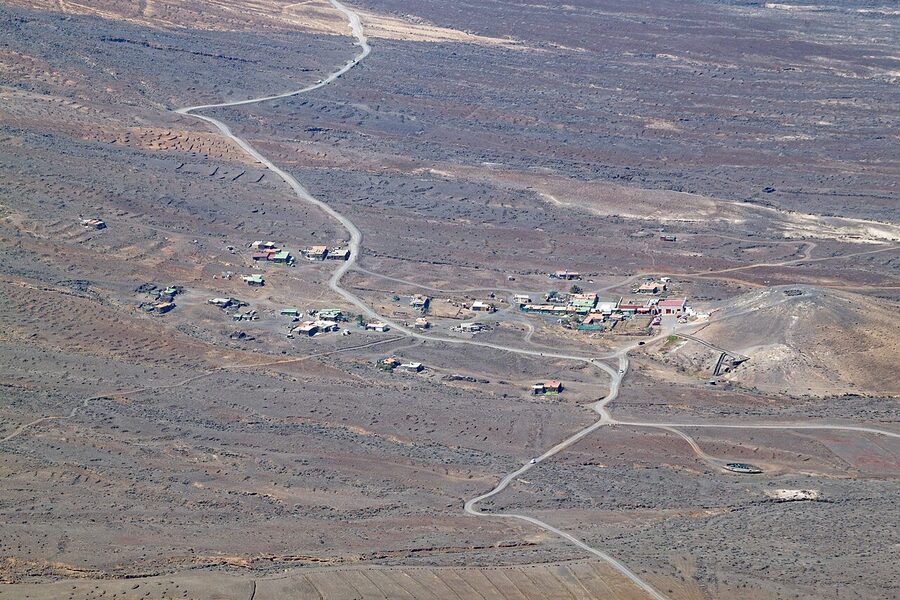

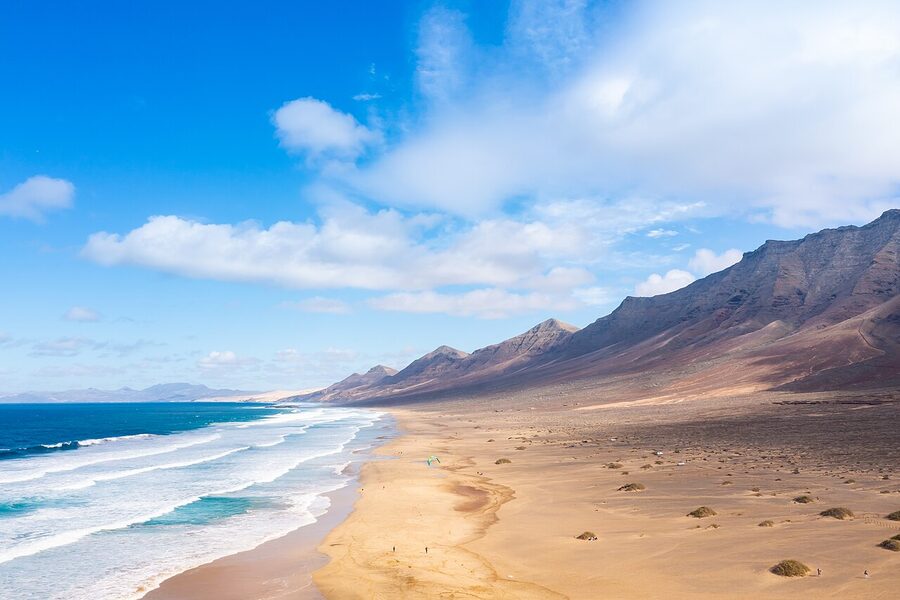

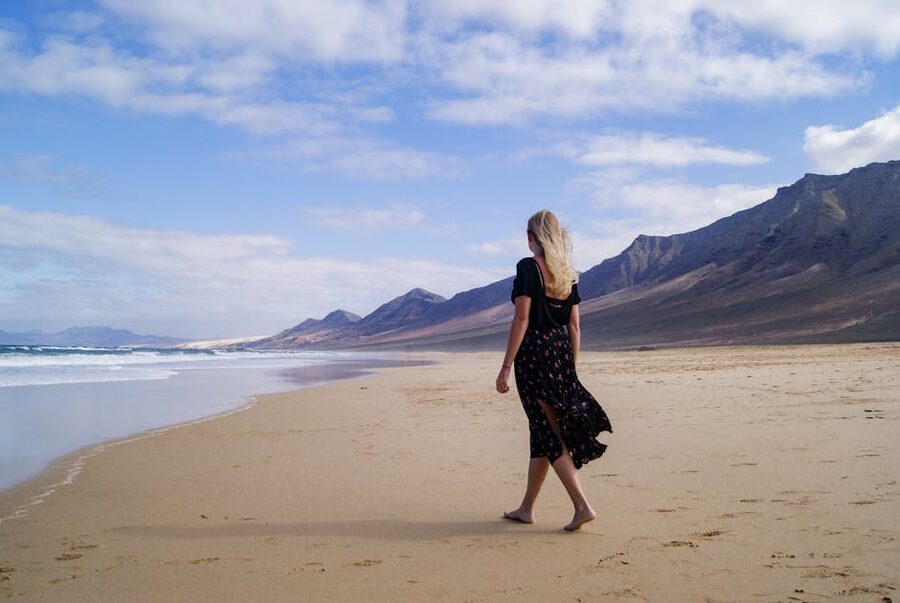
Best for sea drama: Kingdom Jandia: Cofete Beach & Roque Del Moro, $69. Adds the Roque Del Moro sea stack and a longer beach stop, runs four hours, picks up from the south.
Pick if you’re staying north: Las Palmas: Cofete Beach & Desert Safari, $100. Five hours, a full island desert traverse on top of Cofete itself.
- Why Cofete is the wild beach everyone whispers about
- Booking the safari: what’s actually on offer
- 1. Cofete Beach Open-Air Jeep Adventure: from around 60 euros
- 2. Kingdom Jandia: Cofete Beach & Roque Del Moro:
- 3. Las Palmas: Cofete Beach & Desert Safari: 0
- What the day actually feels like
- The Casa Winter rumour, briefly and accurately
- Pico de la Zarza: the longer alternative
- What to bring (and what not to)
- When to go, and when to skip
- The Punta de Jandia lighthouse and the fishing villages
- The off-road question, answered properly
- Pairing it with the rest of Fuerteventura
- Cofete versus Loro Parque: the day-trip dilemma
- Booking practicalities
- One caveat worth flagging
- Where this trip fits in your week
- Other Fuerteventura and Canary Islands guides
Why Cofete is the wild beach everyone whispers about
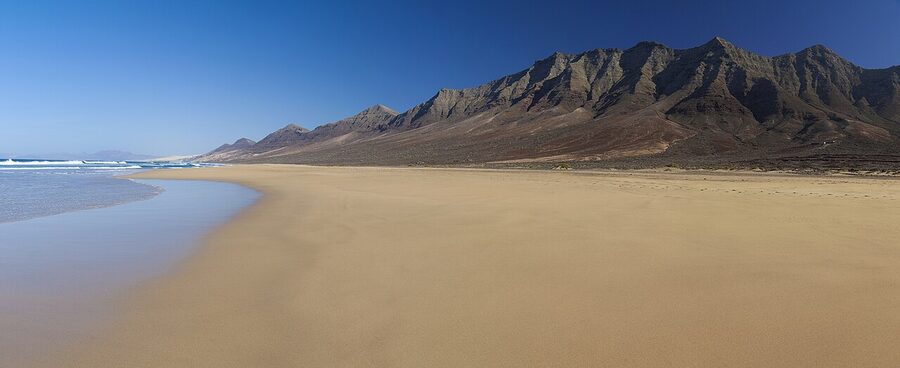

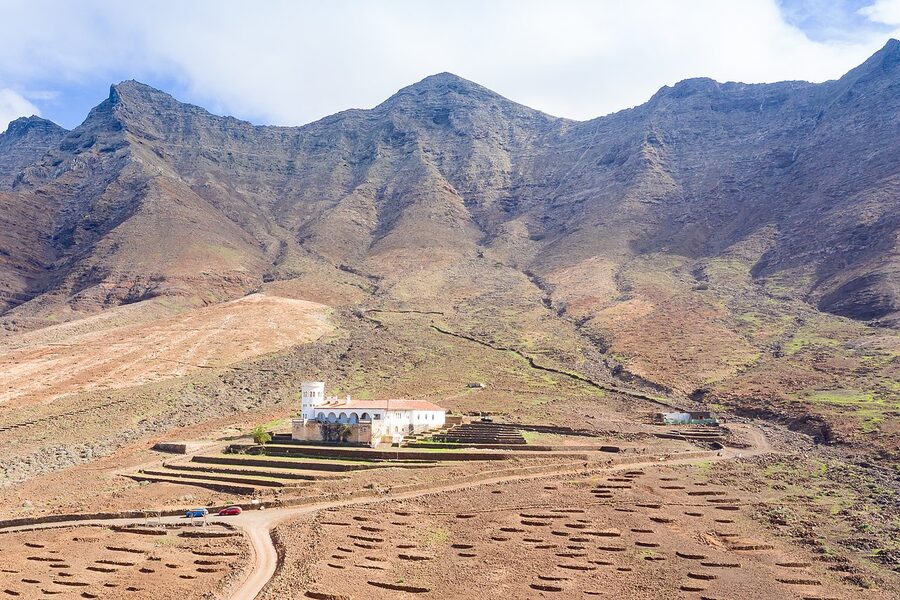
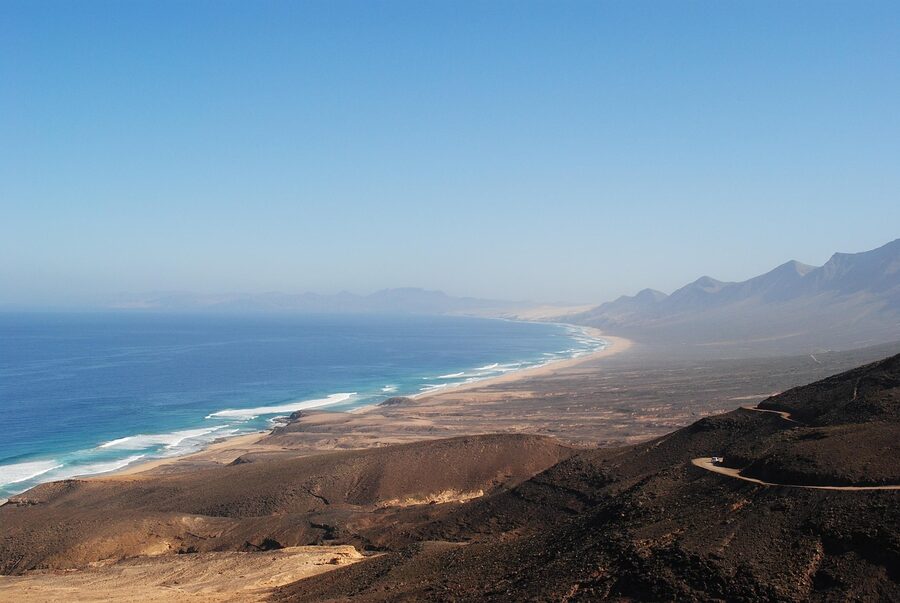
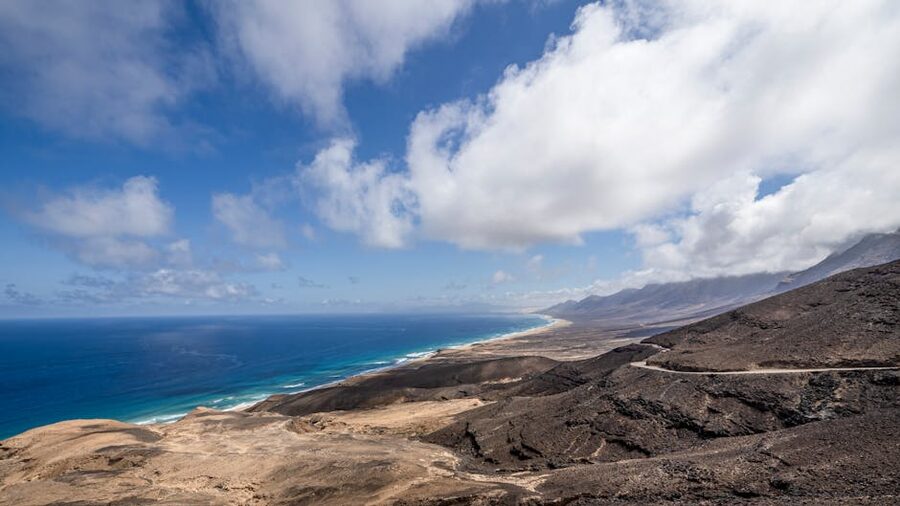
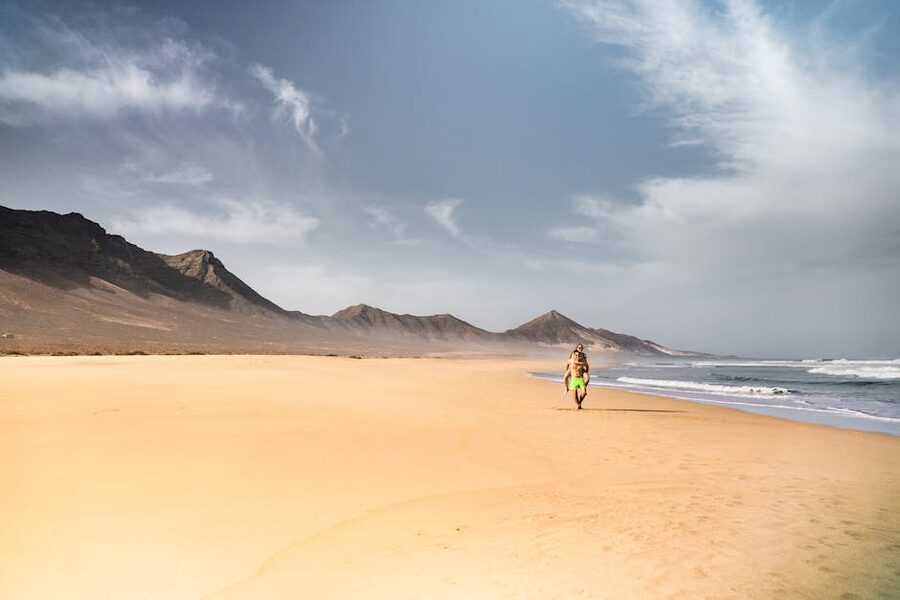
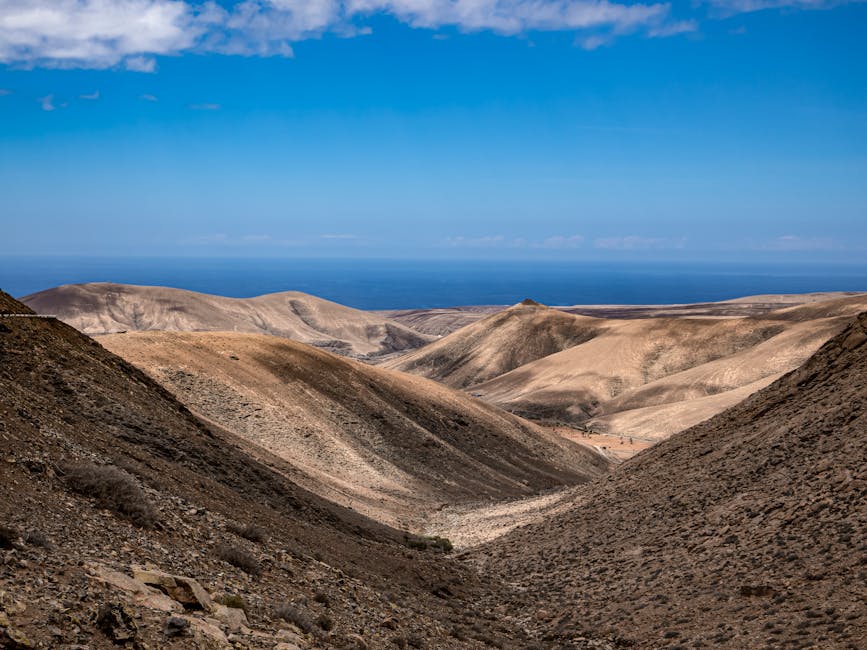
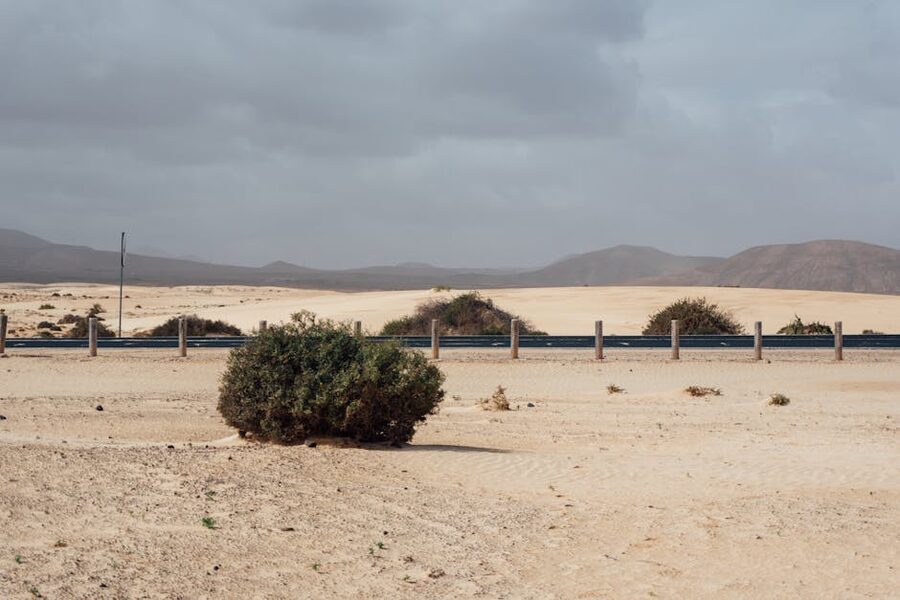
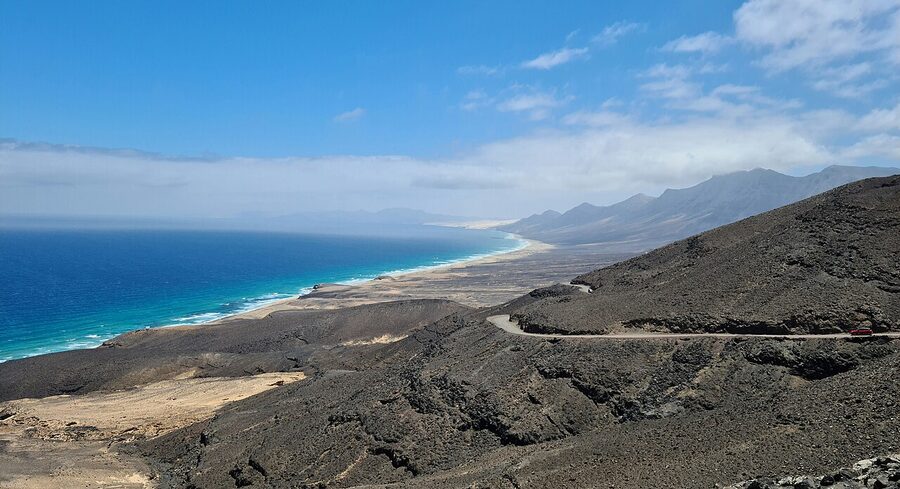
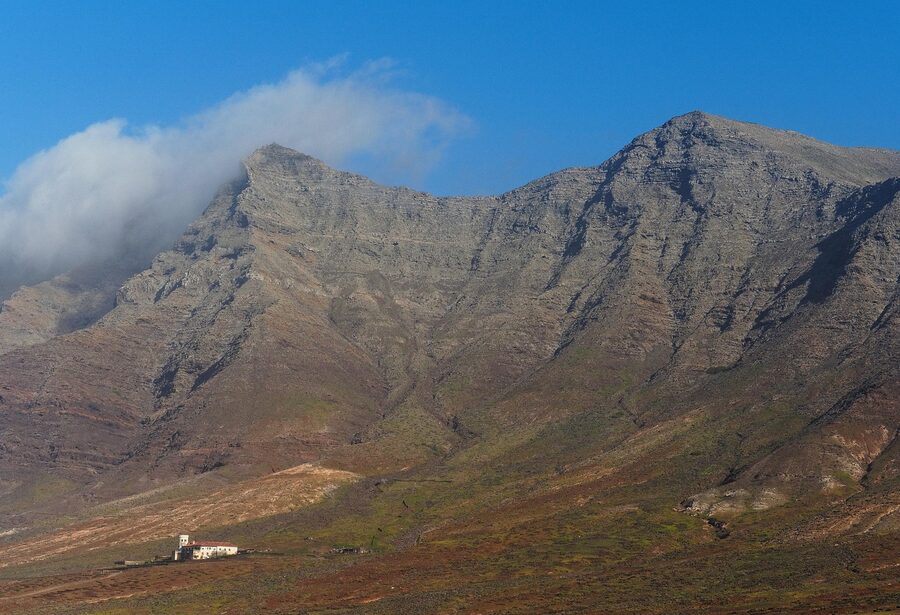
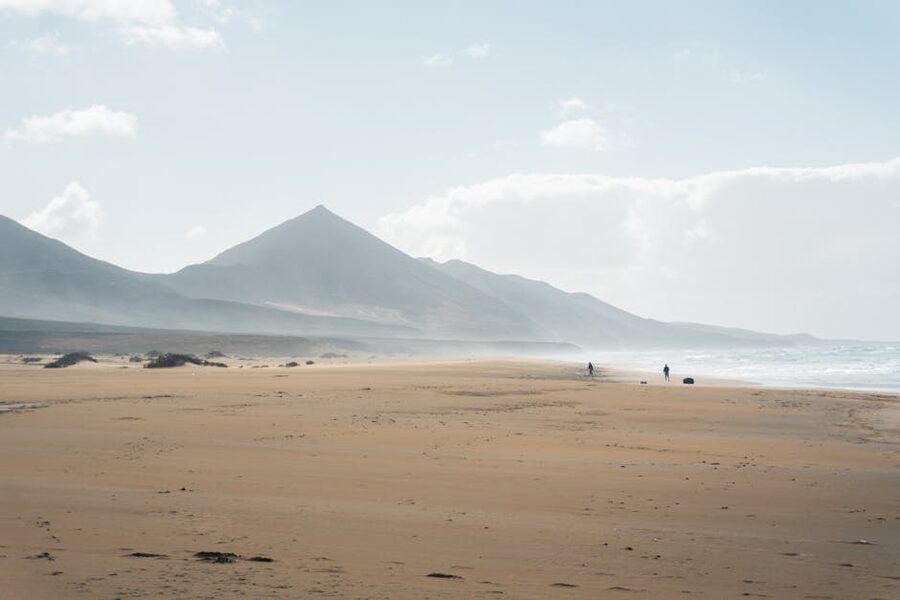
Cofete sits on the south-west tip of Fuerteventura, on a stretch called the Jandia Peninsula. Twelve kilometres of light-cream sand. A wall of 800m cliffs behind you. The Atlantic in front, often rough, often empty of swimmers. And almost nobody around, even in August, because the only road in is a 20km unpaved dirt track from Morro Jable and you cannot do it in a normal hire car. Most people give up at the first big rut and turn back.
That’s the entire point. Fuerteventura’s tourist coast is built for sun loungers and parasail boats. The south-east beaches are heaving from June to October. Cross the spine of the Jandia mountains and the island flips on its head: no hotels, no bars, one small village down by the beach with a population in the dozens, and a wind that can knock you sideways if you stand still.
The other reason it pulls travellers: the Casa Winter mansion. Built in 1937 by a German engineer named Gustav Winter, and the subject of a long-running rumour that it was a Nazi U-boat refuelling post during WWII. The historical evidence is thin and most serious researchers say no, but the building itself looks like it was airlifted from a Cormac McCarthy novel and the legend persists. You can hike up to it from the beach. The interior tours are sporadic.

Booking the safari: what’s actually on offer
Three product shapes, with a few variations underneath each one. Pick based on where you’re staying and how much extra ground you want to cover.
The standard Cofete safari is a half-day, four hours door to door, in an open-roof Land Rover from Morro Jable on the south coast. You stop at a clifftop viewpoint above the beach, then drop down to the sand for a 30 to 45-minute walk, then maybe Casa Winter from the outside, then back. This is the cheapest and most common shape, and it’s what the headline tour below covers.
The longer version stretches to five or six hours and adds a Punta de Jandia lighthouse stop, a fishing village lunch (usually Puertito de la Cruz, sometimes Las Salinas), and occasionally the Roque del Moro sea stack at the far end of the beach. You pay roughly twenty to forty euros more and get a more complete day on the peninsula.
The premium shape is a full-island combo that picks up from the north (Caleta de Fuste, Las Palmas) and treats Cofete as the highlight of a longer desert-traverse day. Eight or more hours, much more driving, but logistically the only viable choice if you’re not staying anywhere near Morro Jable.
1. Cofete Beach Open-Air Jeep Adventure: from around 60 euros
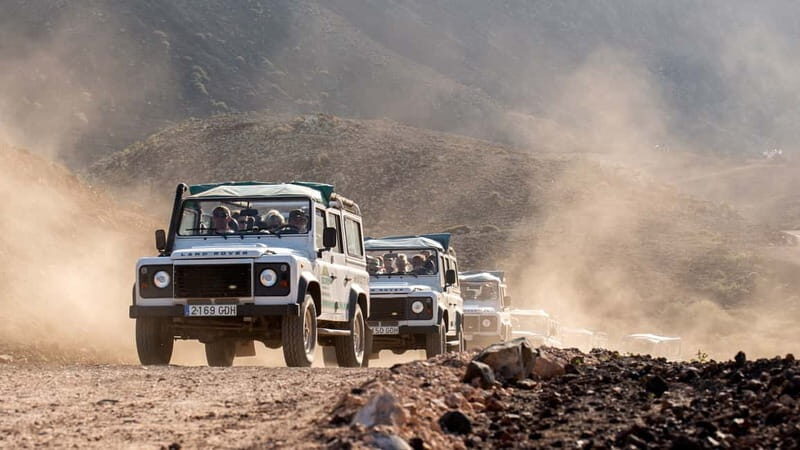
This is the headline tour, the most-booked Cofete product on the island, and the one I’d point most people at first. Pickups from anywhere south of Costa Calma, English-speaking guides on every vehicle, and a photo stop at the top of the pass before you descend to the beach. The full review walks through the dust, the cold at altitude, and what to bring.
Check Availability
Read our full review
2. Kingdom Jandia: Cofete Beach & Roque Del Moro: $69
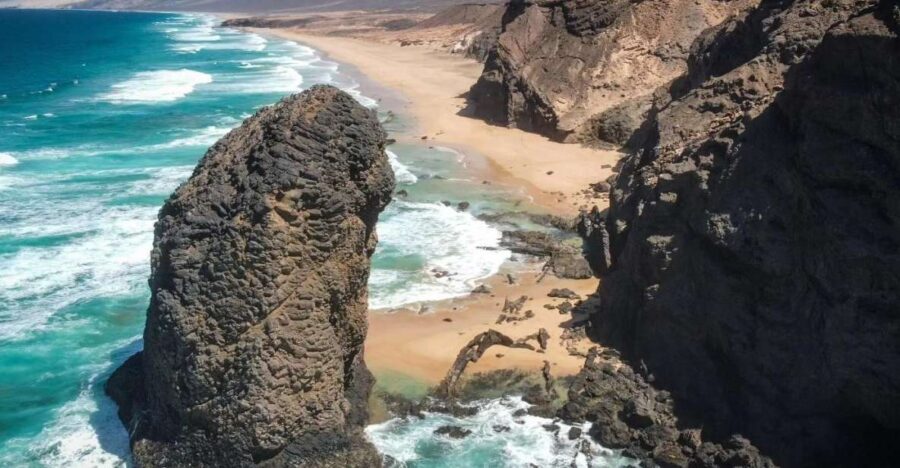
Four hours, slightly more time on the sand, and the vehicle pushes further west to take in Roque Del Moro before turning back. Slightly newer fleet than the headline tour, smaller groups, and the guides tend to lean more into the geology. Our Kingdom Jandia review covers the difference in detail.
Check Availability
Read our full review
3. Las Palmas: Cofete Beach & Desert Safari: $100
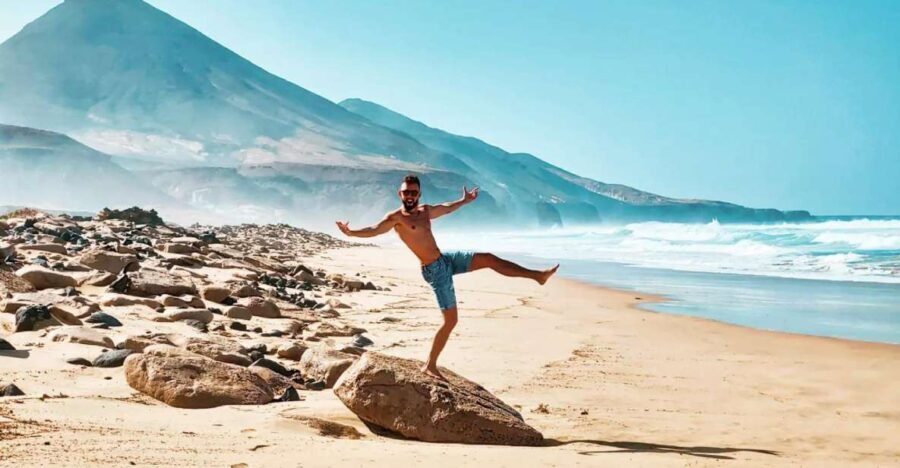
If your hotel is at the north end of the island, this is logistically the only sensible booking. Five hours of driving and walking, a different vehicle (slightly more cushioned 4×4), and a quick Punta de Jandia lighthouse stop. Read our north-pickup safari review for the full pickup list.
Check Availability
Read our full review
What the day actually feels like
The pickup is usually 8.30am or 9am from outside your hotel. You’re driven to the meeting point in Morro Jable, where the Land Rovers gather and the various pickups consolidate. There’s normally a coffee and bathroom stop at this point because there are no facilities for the next four hours.
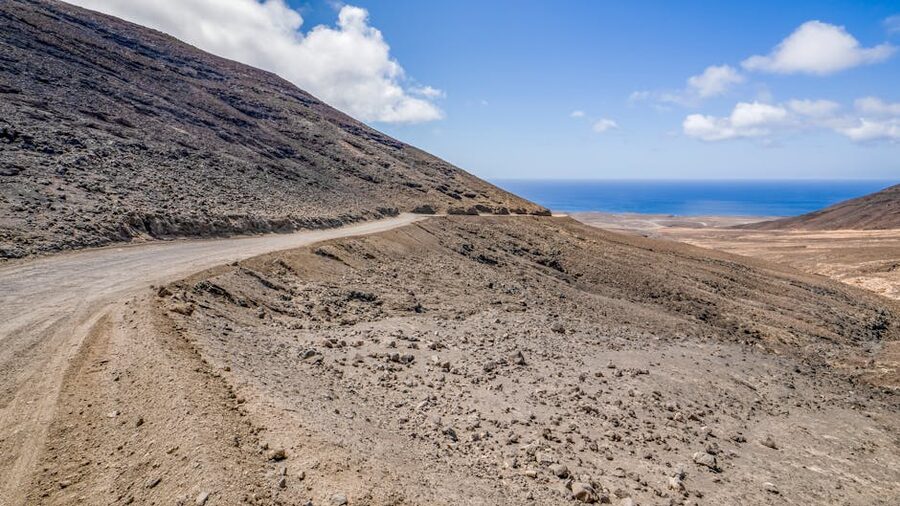
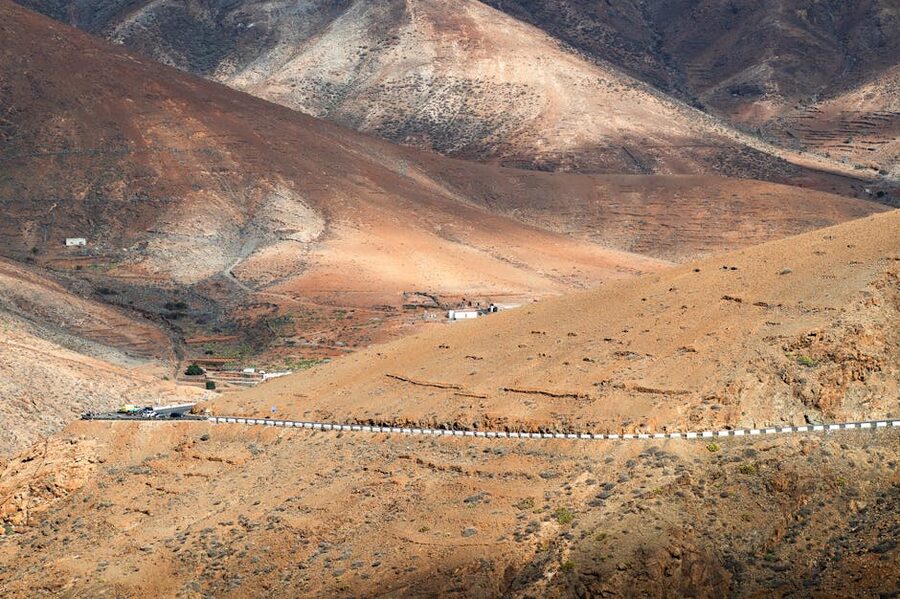
From Morro Jable the tarmac runs out almost immediately. The track climbs up the side of the Jandia massif on switchbacks, and the open roof becomes a feature rather than a gimmick. You’re not in a tour-bus bubble, you’re feeling every gust. Most guides stop at the top of the pass at a viewpoint called the Mirador de Cofete, and this is where the photo on the brochure was taken.
Then the descent. This is the bumpiest part. Loose surface, narrow track, sheer drop on one side that’s not entirely fenced off. If you have back issues this is where you’ll feel them. Tour drivers on this route are skilled in a way that the queue of people trying it in hire cars are not, which is why you see breakdown trucks on this section more often than seems reasonable.
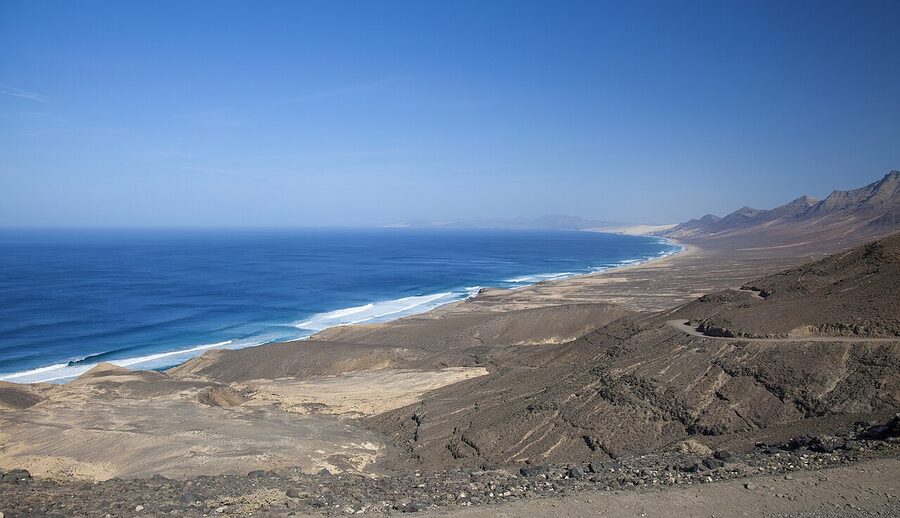

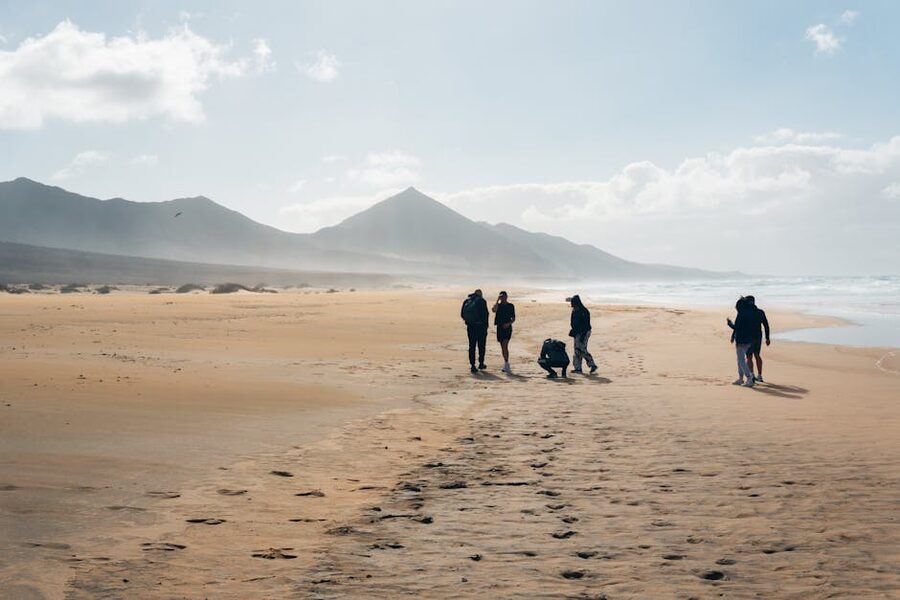
The beach stop is the longest single piece of the day. You usually get 30 to 45 minutes on the sand, occasionally a full hour if the weather’s calm and the group’s into it. The wind is intense most days. People who plan to swim mostly don’t, after the first 30 seconds in the water. The undertow here is genuinely dangerous, there’s no lifeguard, and a few drownings happen most years. Walk and look. Don’t swim out past your knees unless you really know what you’re doing.
Casa Winter sits on a small hill behind the beach. Most tours park near the bottom of the hill and you walk up. The interior is sometimes open, sometimes locked depending on the day and the unofficial caretaker situation. The view from the rooftop terrace, when it’s open, takes in the whole 12km of beach and the cliffs behind. That’s worth the climb on its own.
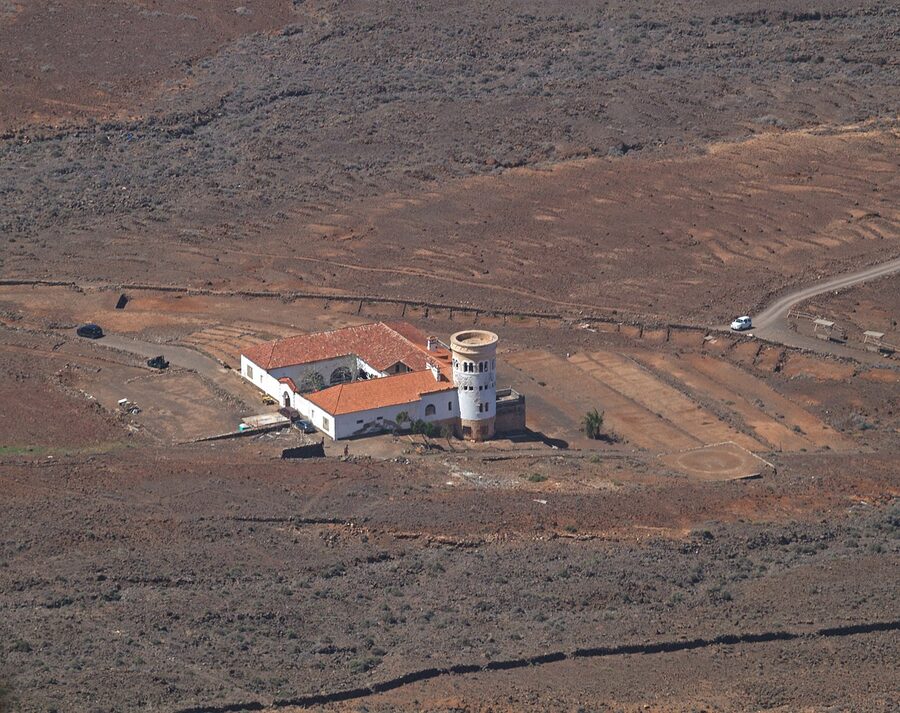

The Casa Winter rumour, briefly and accurately
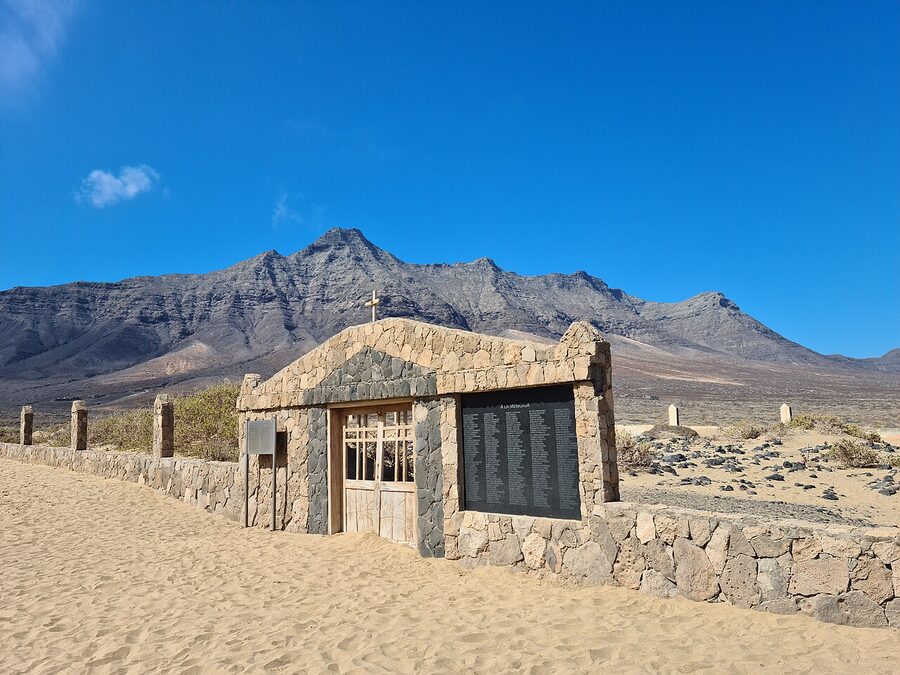

You’ll hear the same story from every guide. Gustav Winter, German engineer, builds an oddly large mansion in 1937 in the most isolated spot on the most isolated tip of a Spanish island. The road in has gun emplacements. There’s a tower. Local fishermen claim they used to see lights at night during the war. Some say submarines.
The serious historical work, including a Spanish documentary that interviewed the surviving family members, finds no hard evidence of U-boat refuelling. Winter was a German national living in Franco’s Spain, building a country house at a time when wealthy Europeans built country houses in surprising places. The “tower” is more like a turret. The “gun emplacements” are mostly stone walls. The story is much better than the truth.
It still adds atmosphere to the day, which is why I bring it up. Standing on the beach looking up at the silhouette on the ridge, even the most rational person feels the pull of the legend. Just don’t write home telling people you visited a Nazi sub base. You probably didn’t.
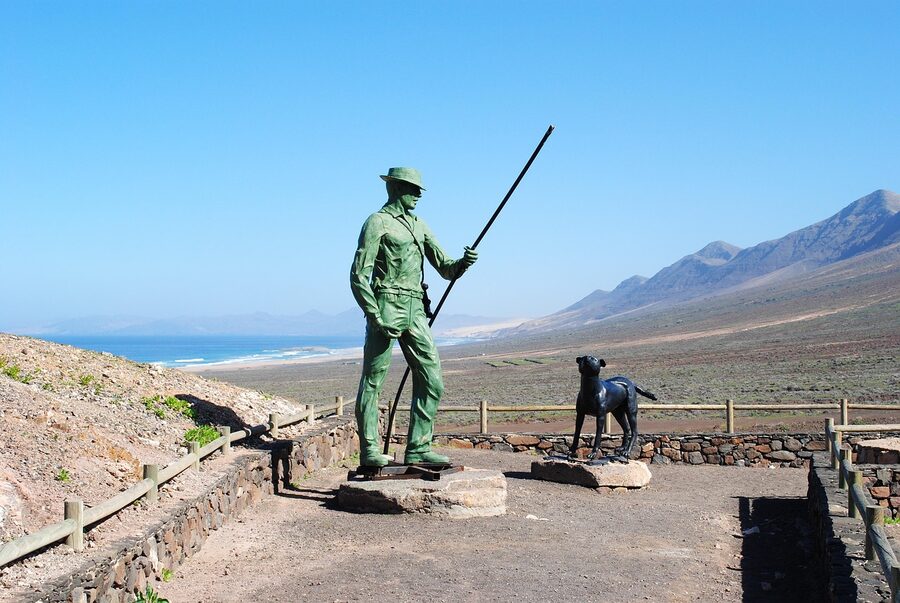
Pico de la Zarza: the longer alternative
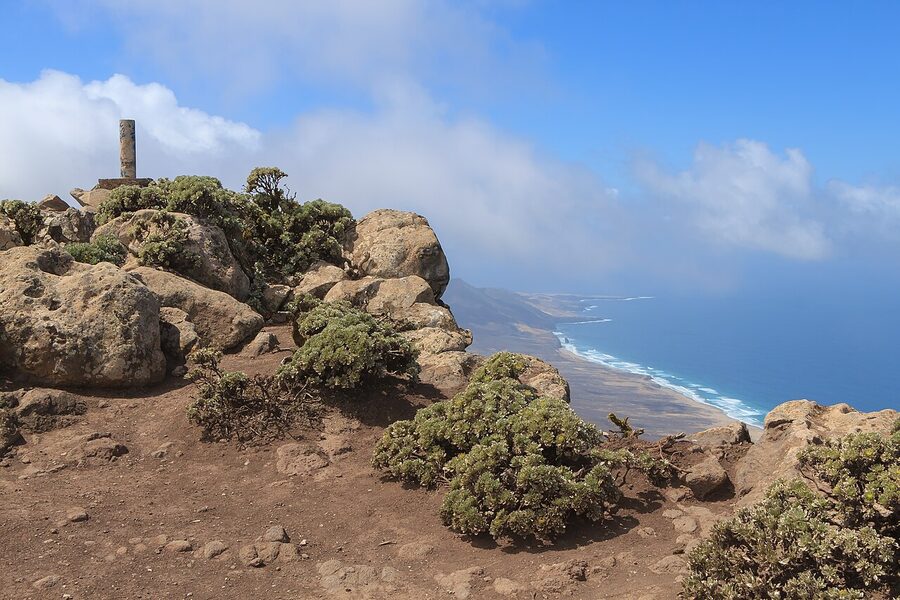

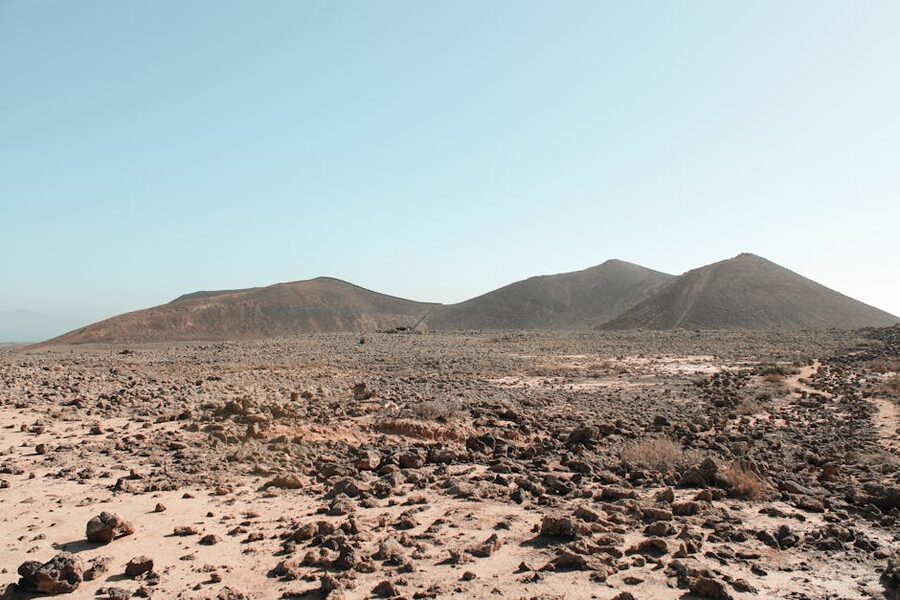
If you don’t want to deal with the dirt road at all, there’s a hiking option. The trail to the summit of Pico de la Zarza, the highest point on the peninsula at 807m, starts from Morro Jable and climbs directly above Cofete. You don’t reach the beach this way, but you get the same view from much higher up. About six hours round trip, mostly bare rock and scree, no shade.
The catch is that the hike is genuinely demanding. The first half climbs steadily, the upper section gets exposed, and the wind on the ridge can be unsettling. Take more water than you think.
The jeep safari and the Pico hike actually complement each other. If you have time on the island for both, do the hike first to understand the geography from above, then the safari to feel the scale from the beach. They’re not redundant.
What to bring (and what not to)
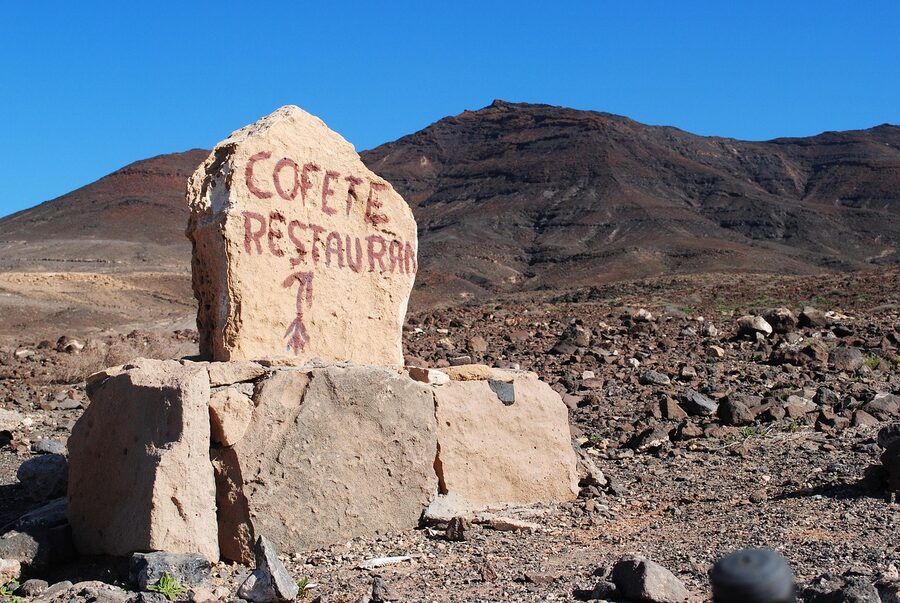
The single most useful thing to bring is something to cover your face on the climb. A buff, a shemagh, even a bandana. The track raises a lot of dust and you’re sitting in an open vehicle. By the second switchback you’ll be glad you have one. The guides don’t always supply them.
Sunglasses are not optional. The sunscreen most people apply at the hotel is not enough; the wind dries it off and you’ll need to top up at the beach stop. Layers, because the temperature drops noticeably at the pass, especially November to March. Closed shoes; sandals are a bad idea because the sand at Cofete blows constantly and you’ll have grit between your toes within minutes.
What not to bring: anything that needs to stay clean, expensive cameras you mind getting dusty, or large bags. The vehicle has limited space and most operators ask you to keep luggage at the meeting point. If you want to swim, the beach is genuinely not the place for it. Save your beach day for Sotavento or Esquinzo on the south side, and use this trip for the landscape.
When to go, and when to skip
March, April, May and October are the sweet spot. The days are long, the wind is bearable, the cliffs hold late-afternoon light without the haze that builds up by August. June through September the sun is brutal at the beach stop and the wind can make the open-roof drive borderline unpleasant.
Calima dust storms (Saharan dust drifting across) hit Fuerteventura a few times a year, mostly January to April. If a calima is in the forecast, postpone. You won’t see the cliffs, the photos will all be orange-grey, and the dust on the dirt road becomes genuinely difficult to breathe.
Skip the trip if any of the following apply: you have serious back or neck problems, you get carsick on winding mountain roads, you’re traveling with kids under about six (the bumpy stretches are not pleasant for small children), or your only beach goal is swimming. The drive eats people who don’t enjoy four-wheel-drive bouncing.
The Punta de Jandia lighthouse and the fishing villages
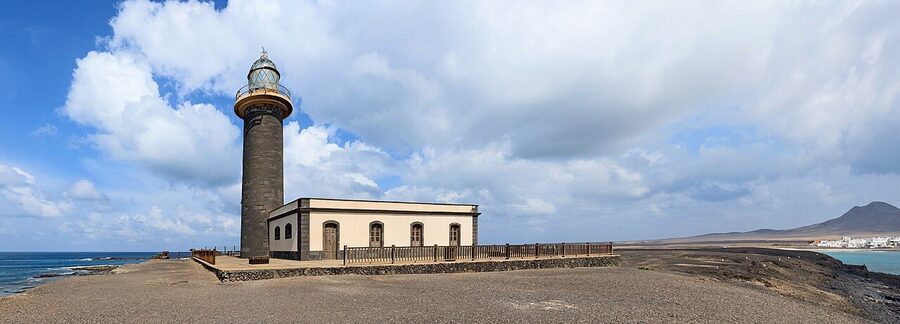

The longer safaris add a Punta de Jandia leg. After the Cofete beach stop, instead of turning back, the vehicle continues west to the lighthouse at the tip of the island. The road gets even worse for this section. If your driver makes the call to skip it because of conditions, listen to them.
From Punta de Jandia you can usually loop back via Puertito de la Cruz or Las Salinas, two tiny fishing villages on the south coast of the peninsula. Lunch is grilled fish, almost always whatever came up that morning, plus the wrinkly Canarian potatoes (papas arrugadas) with the green and red mojo sauces. Twenty euros gets you a substantial plate. Cash only at most of these places, and the village wifi is essentially theoretical.
The off-road question, answered properly
Plenty of travellers ask whether they can just rent a regular car and drive down themselves. Technically the road is a public track, so yes, you can attempt it. Practically, no, and here’s why.
Almost every Fuerteventura rental contract specifically excludes off-road driving. If you damage the underside of the car, the insurance won’t cover you, and the rental company has a fairly standard inspection routine that catches it. People have lost their entire deposit and more on this drive.
The track also gets washed out after even modest rain, and the sections above 200m can be gusted hard enough to push a small car. The day-trippers I’ve watched come back to Morro Jable looking shaken aren’t telling stories about the views. They’re telling stories about reversing for half a mile to let a tour vehicle past on a single-track descent. The safari fixes all of that for around the price of a one-way taxi from Frankfurt to Munich.
Pairing it with the rest of Fuerteventura
,_Strand_%2D%2D_2025_%2D%2D_2487.jpg)
The Cofete safari is a half-day if you’re lucky and a full day if you do the longer version. Either way you can split it with sea-time the next day. The Fuerteventura boat tour options work as the natural counterweight: water vs land, calm vs bumpy, swimmable vs strictly look-and-walk.
If you’ve already done Cofete and want more wildlife, the dolphin watching trips from Morro Jable run most days and most have a reasonable success rate, especially on the early-morning departures. Different pace entirely; sit on a boat, look down for fins, no dust.
For travellers who plan to island-hop, Cofete pairs well with the day trips you’d already book on Lanzarote and Gran Canaria. The Lanzarote highlights combo covers Timanfaya, Jameos del Agua and the Cueva de los Verdes, which is the same kind of nature-as-headline structure but with volcanic theatre instead of cliffs and beach. The Teide stargazing experience on Tenerife is a sensory match, the same scale of empty space but at altitude, and at night.
And if you’re hopping to Gran Canaria for the off-road parallel, the Gran Canaria buggy tour and the Lanzarote volcano buggy tour are the closer-to-home versions of the same desert-driving impulse.
Cofete versus Loro Parque: the day-trip dilemma
Most travellers planning a Canary Islands trip wonder whether to spend a free day on Cofete or on the bigger island attractions. They’re not the same kind of day. Cofete is wild, slow-paced, and ends with you covered in sand. Loro Parque on Tenerife is a polished theme park with set show times and air-conditioned shops. Different demographics, different mood.
If you’re choosing between them on a one-week Canaries trip and you’ve already had your beach lounger fix, do Cofete. If your trip is family-oriented with kids who’d be miserable on the dirt road, Loro Parque or Siam Park is the smarter call. There’s no reason both can’t be on the itinerary if you have a longer trip.
Booking practicalities
Most operators run daily from October through April, then drop to four or five days a week through the hotter months. Pickups consolidate from a wide range of hotels along the south coast, so you’re not booking by hotel name but by general area: Costa Calma, Esquinzo, Jandia, Morro Jable. Confirm the pickup time the night before, because operators sometimes shift it 15 to 30 minutes either way depending on group size.
Cancellation policies vary. The standard tour usually allows free cancellation up to 24 hours before. The premium five-hour tour often locks in earlier (48 hours). If the weather forecast looks marginal, book the longer-cancellation option and decide on the day; refunds for genuinely bad calima or storm days are usually given without a fuss, but not always automatically.
Group size matters. Single Land Rovers carry six to eight passengers; larger fleet days run with three to five vehicles in convoy. The mid-week morning departures tend to be smaller and quieter. Saturdays in season are full convoys. Pick your day with that in mind if you’d rather have more space at the beach stop.

One caveat worth flagging
The single most common complaint I hear about this trip isn’t the dust or the bumpy ride or the wind. It’s the brevity of the beach stop. People go expecting hours on the sand, get 30 to 45 minutes, and feel a bit short-changed. Manage that expectation now and you’ll enjoy the day a lot more. The point of the trip is the journey down and back, the cliffs, the scale, the empty road. The beach is the destination but it’s not where you spend most of your time.
If your priority is genuinely a long day on remote sand, hire a 4×4 yourself (the few rental companies that actually permit it run convoys with radios; ask), or take the local 4×4 transfer minibus that runs from Morro Jable a couple of times a week and just stays there until the afternoon return. Then you’re working with the geography rather than the tour clock.
Where this trip fits in your week
If you only have one full day to spend off the resort coast, this is the day to spend it. The contrast between resort-strip Fuerteventura and the wild south-west is dramatic enough that you’ll think about it after you fly home. Pair it with a quieter day before (a slow morning at Sotavento, a long lunch) and a recovery day after (the dust will catch up with you).
For a longer Canary Islands trip with multiple islands, slot it into the Fuerteventura leg early. That way if the weather turns bad mid-week, you have time to rebook before you fly out. If it turns out you love it, you might even fit in the Pico de la Zarza hike on a separate day for the upper-elevation perspective.
Other Fuerteventura and Canary Islands guides
If you’re putting together the rest of your Fuerteventura week, the boat tour and catamaran options are the natural complement to a sand-and-cliffs day, and the dolphin watching trips work especially well for a slower morning. Across the channel, the Lanzarote island highlights combo covers Timanfaya, Jameos del Agua and Cueva de los Verdes in one day, and the Teide stargazing experience on Tenerife is the night-sky version of the same big-empty-landscape feeling. For the off-road parallel on a different island, look at the Gran Canaria buggy tour and the Lanzarote volcano buggy tour. And if your trip starts in Tenerife, the Loro Parque tickets guide and the Timanfaya deep-dive sit alongside a Cofete day for the broader Canaries shape.
Some links on this page are affiliate links. If you book through them we earn a small commission at no extra cost to you. We only recommend tours we’d take ourselves.