
My friend Nadia called from a tasting-table bar in Kazimierz, mid-mouthful, to inform me she had just eaten the best sandwich of her life. 11pm on a Tuesday in October. The sandwich, she explained slowly so I would understand its full importance, was half a meter of toasted baguette covered in mushrooms, mozzarella, raw red onion, and a snowdrift of grated cheese. 18 zloty. She was halfway through her food tour and on a fourth shot of cherry vodka. Of all the things she had eaten in Krakow that day, the zapiekanka, that absurd open-faced melt sold from a ring of tiny stalls in Plac Nowy, was the one she would still be talking about a year later.
This guide covers Krakow’s three most-booked food tours: Delicious Poland’s 3-hour Kazimierz tasting ($105), the cheaper Tipsy Polish Food Tour with vodka shots ($44), and the 90-minute Street Food Walking Tour ($35). They differ in price, format, and sit-down vs walking-and-snacking ratio.


In a Hurry? The Three Krakow Food Tour Options
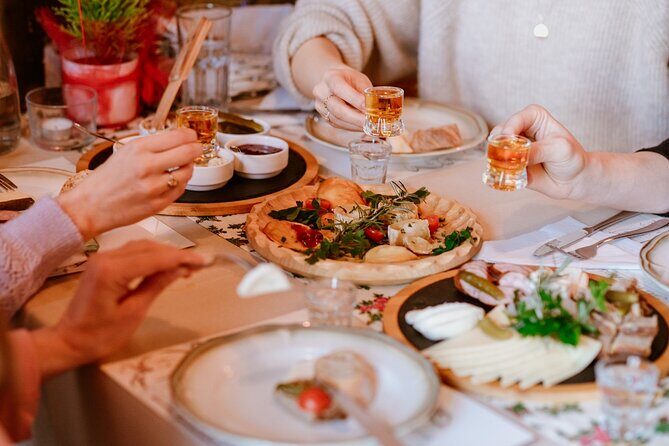
- Most-reviewed, full sit-down tasting: Delicious Poland Krakow Food Tasting Tour, around $105, 3 hours, 13-14 small plates plus vodka and beer pairings across Old Town and Kazimierz.
- Best value, vodka-and-pierogi focus: Tipsy Polish Food Tour With History, Pierogi & Shots, around $44, 3 hours, six tastings paired with cherry vodka shots and Polish history along the way.
- Cheapest, street food only: Krakow Street Food Walking Tour, around $35, 90 minutes, four to six standing tastings including obwarzanek, oscypek, and zapiekanka. No sit-down meal.

- In a Hurry? The Three Krakow Food Tour Options
- What Krakow Food Tours Actually Cover
- Old Town vs Kazimierz: Why Most Tours Hit Both
- The Three Tours, Compared
- 1. Delicious Poland Krakow Food Tasting Tour: 5
- 2. Tipsy Polish Food Tour With History, Pierogi & Shots:
- 3. Krakow Street Food Walking Tour:
- The Eight Foods You Will Actually Try
- Obwarzanek krakowski
- Pierogi
- Oscypek
- Zurek
- Bigos
- Kielbasa
- Zapiekanka
- Polish Vodka
- Szarlotka
- What It Costs in Practice
- Booking, Timing, and Group Size
- Dietary Restrictions: What Actually Works
- Krakow’s Food Markets, If You Want to Skip the Tour
- Specialty Tours and What to Wear
- Where Food Tours Fit in a Krakow Itinerary
- Tips, Quirks, and What Nobody Tells You
- Other Krakow Experiences Worth Booking
What Krakow Food Tours Actually Cover
The Polish food canon is narrower than people expect. Maybe 15 dishes show up on every tour. Differences between operators come down to which 8-10 they pick, what the venues are like, and how heavy the vodka pour is. The menu in rough order of frequency:
- Obwarzanek krakowski, the braided bread ring you’ve already seen on every street corner. Boiled, baked, and eaten plain. The street price is 4-5 zloty.
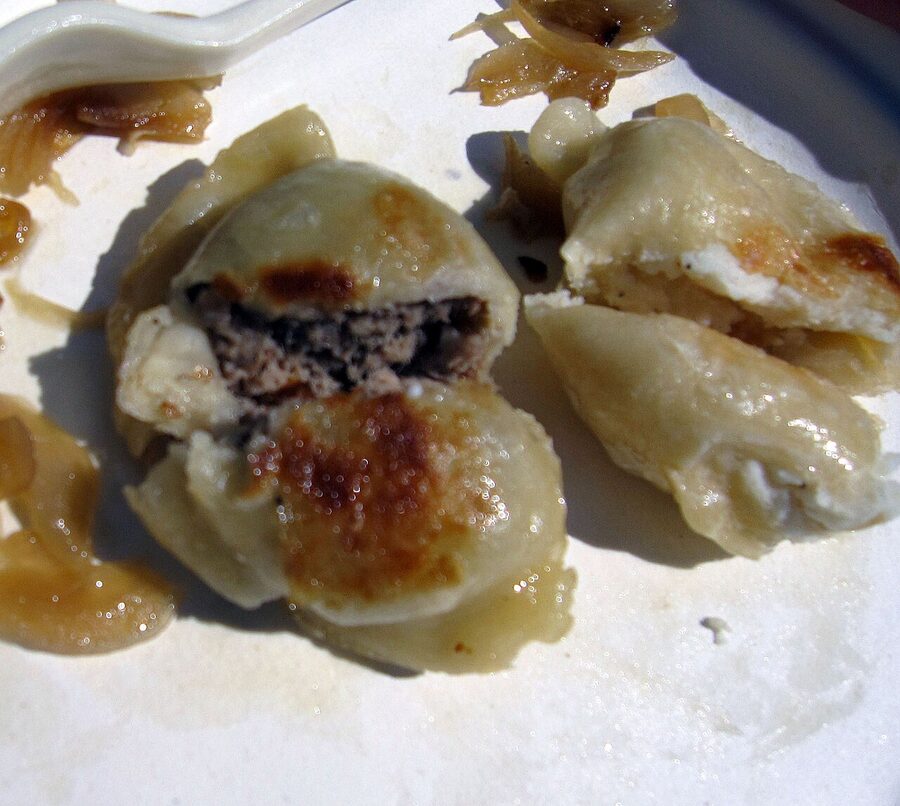
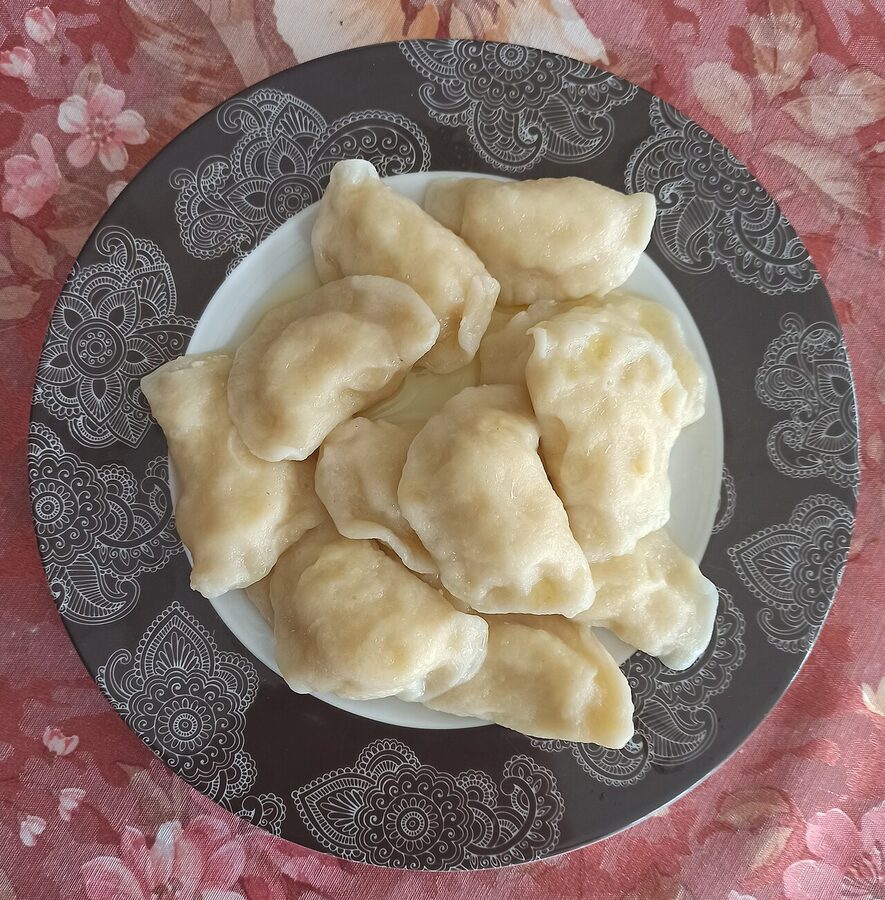
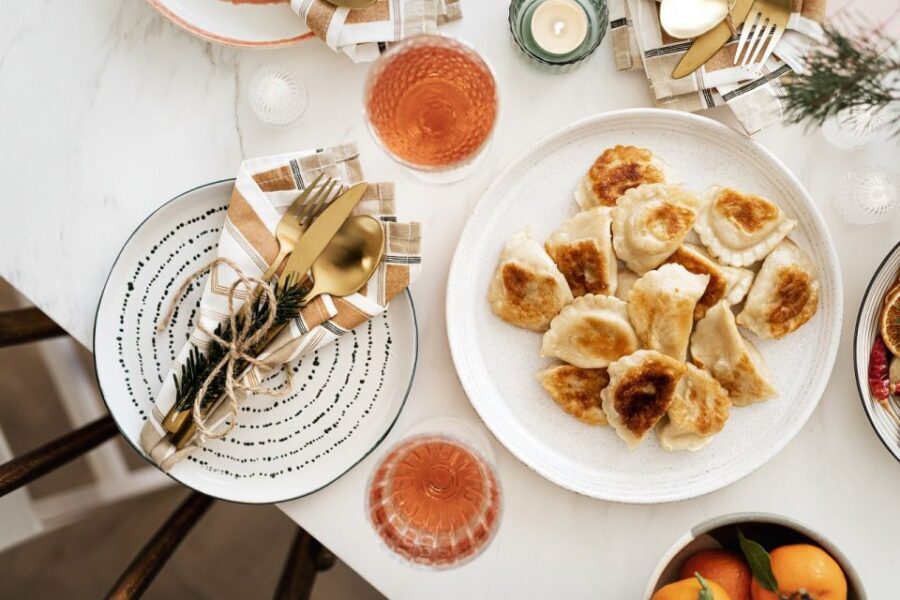
- Pierogi, plural, in two or three fillings. Ruskie (potato and tvarog cheese) is the standard. Meat, mushroom-and-cabbage, or sweet seasonal fillings (strawberry, blueberry) round it out.
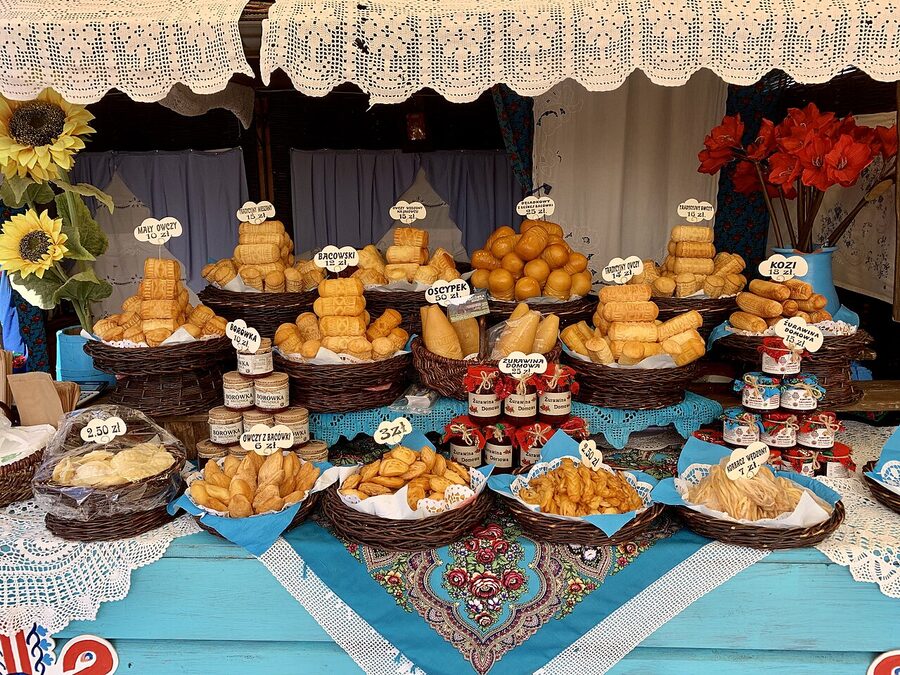
- Oscypek, smoked sheep cheese from the Tatra mountains. Often served grilled and warm with cranberry jam.
- Zurek, the sour rye soup, sometimes served in a hollow bread bowl. Includes white sausage and a hard-boiled egg.
- Bigos, the so-called hunter’s stew of cabbage, sauerkraut, and several different cuts of meat. Cooked for days; tastes better reheated.
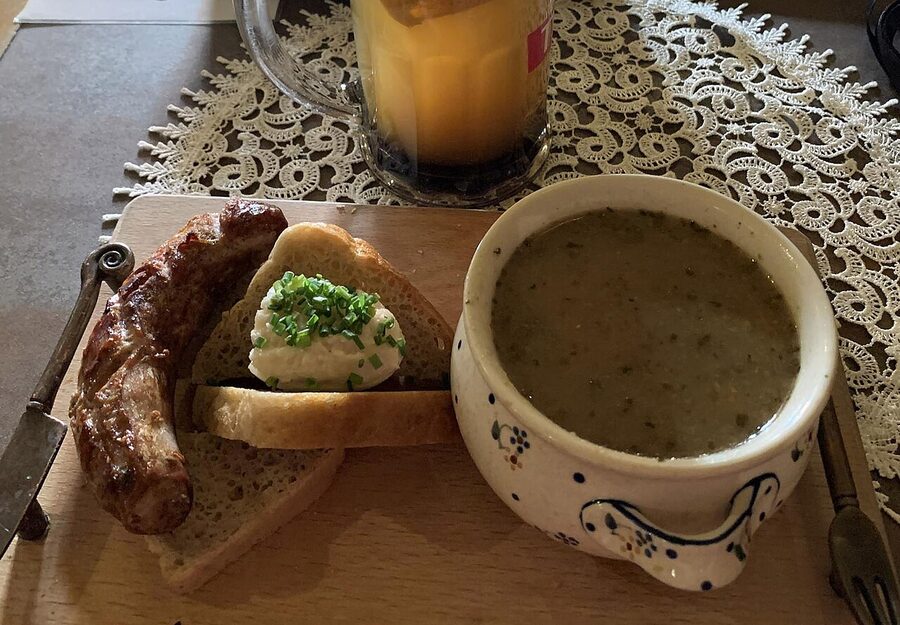
- Kielbasa, Polish sausage. Usually grilled and sliced, served with mustard and a piece of rye bread.
- Zapiekanka, the half-baguette open-faced melt from Plac Nowy. Practically every tour ends here.
- Szarlotka, Polish apple pie, dense and tart. The dessert course on the longer tours.
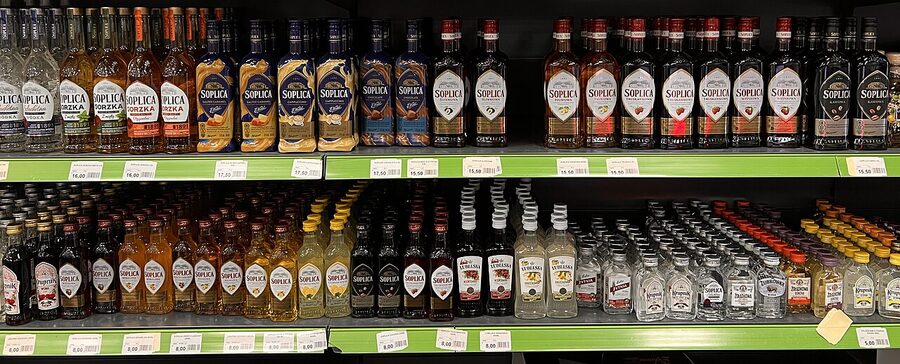
- Polish vodka, two to four shots: clear (Zubrowka or Wyborowa), flavoured (Soplica cherry, hazelnut, plum), and sometimes a herbal Goldwasser-style.
- A craft beer, one pour, usually a Polish pilsner or unfiltered wheat beer at one of the sit-down stops.


Longer tours layer in extras: a sweet pastry stop (kremowka or paczki), a cured meat board, and regional dishes like maczanka po krakowsku, the Krakow pulled pork sandwich nobody outside the city eats. The street-food tour skips the soup course and uses the time for an extra vodka stop.
Old Town vs Kazimierz: Why Most Tours Hit Both
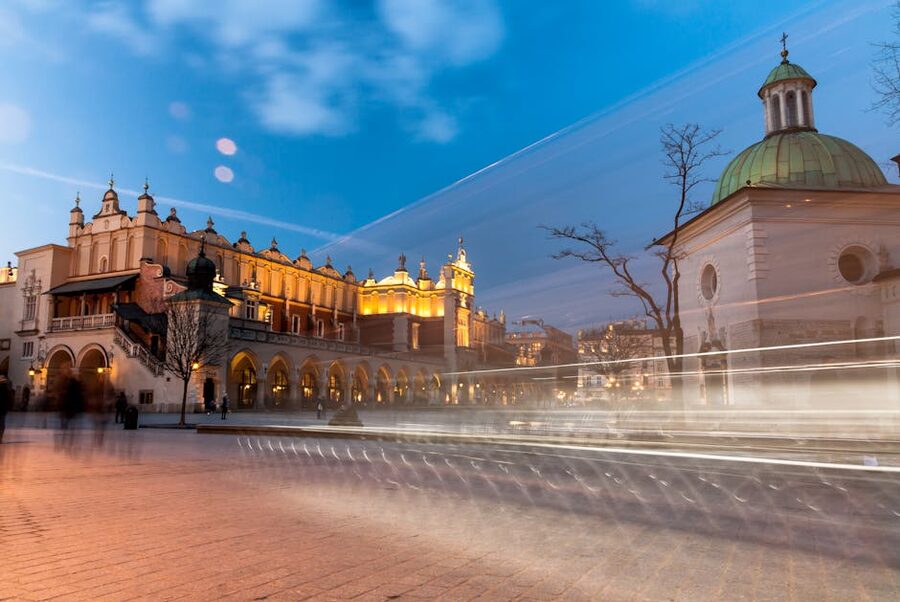
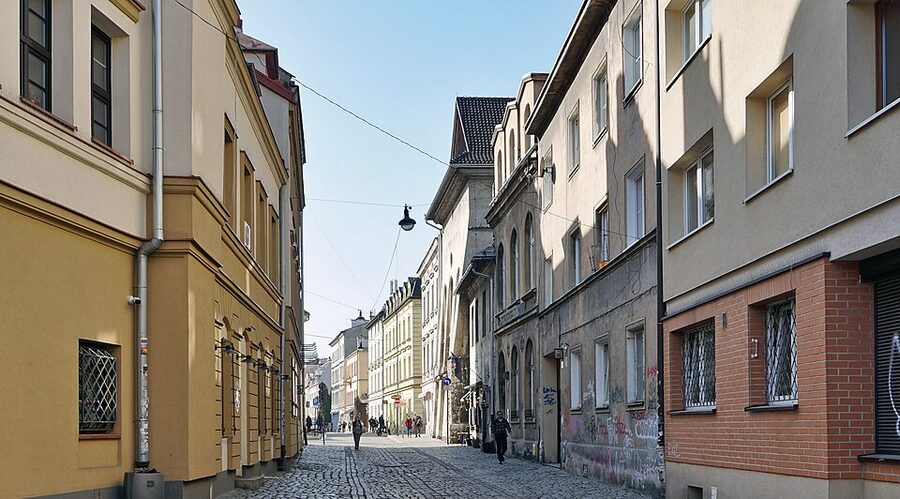
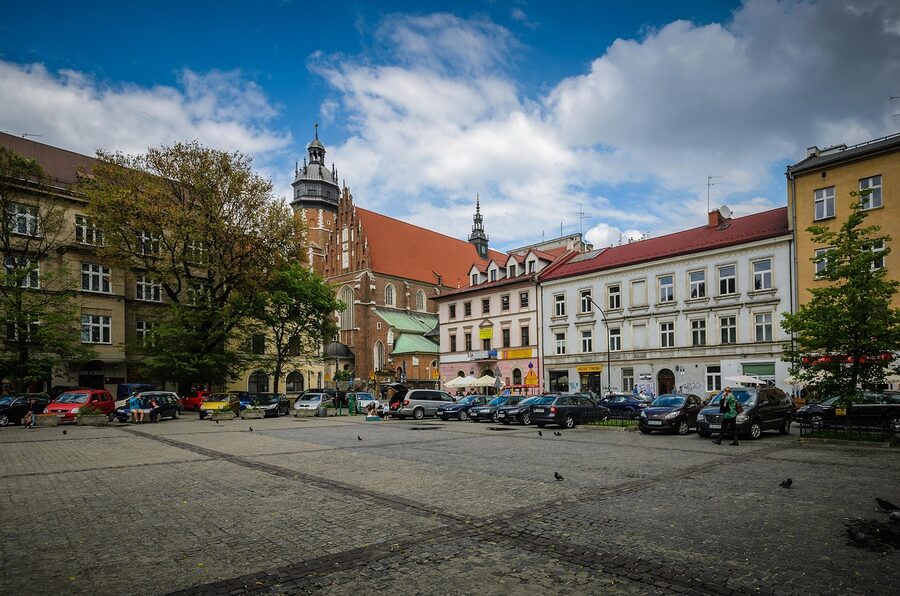
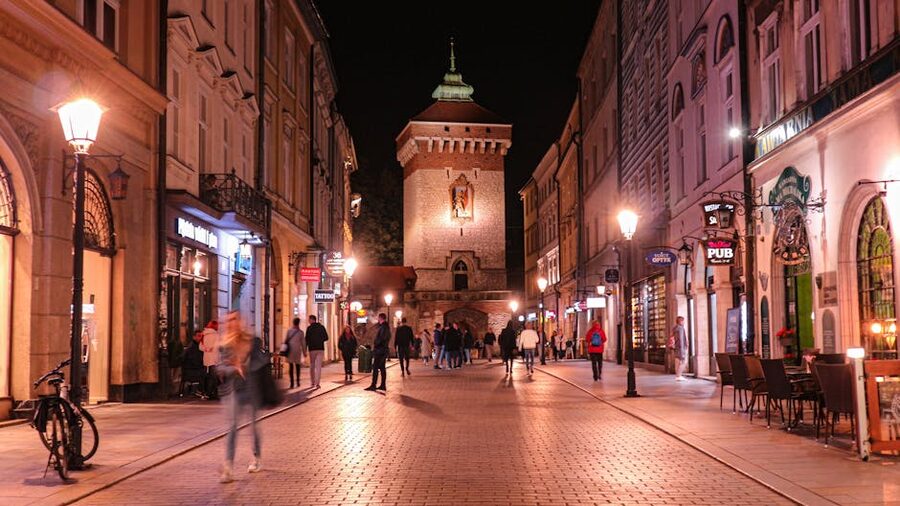
Krakow’s two food districts run on different clocks. Old Town, inside the medieval walls, holds the older tradition: meat-heavy, soup-heavy, cellar restaurants under tenement houses, milk-bar holdovers from the communist period, obwarzanek carts, and the Sukiennice market in the middle of Rynek Glowny. Kazimierz, the former Jewish quarter ten minutes south, is where modern Krakow food happens: zapiekanka stalls in Plac Nowy, Israeli and Mediterranean small-plate places on Jozefa Street, craft beer bars, and the late-night market.
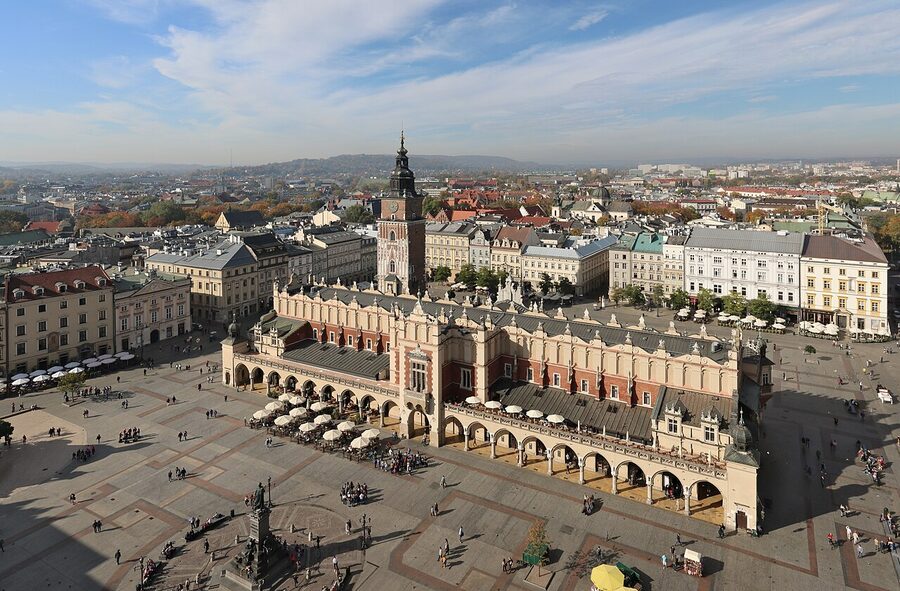

A good tour walks both. Most start in Old Town for the obwarzanek and a soup course, then walk south down Stradomska to Kazimierz for pierogi, zapiekanka, and late tastings. The walk is twenty minutes through working streets, not a tourist route; you pass synagogues, the old Jewish cemetery, and three of the bars from the Krakow pub crawl circuit. Tours that stay only in Old Town are cheaper and shorter; the Kazimierz ones are the more interesting evening.
The Three Tours, Compared
Picking between the three is a question of how much you want to eat and drink.
1. Delicious Poland Krakow Food Tasting Tour: $105

2. Tipsy Polish Food Tour With History, Pierogi & Shots: $44
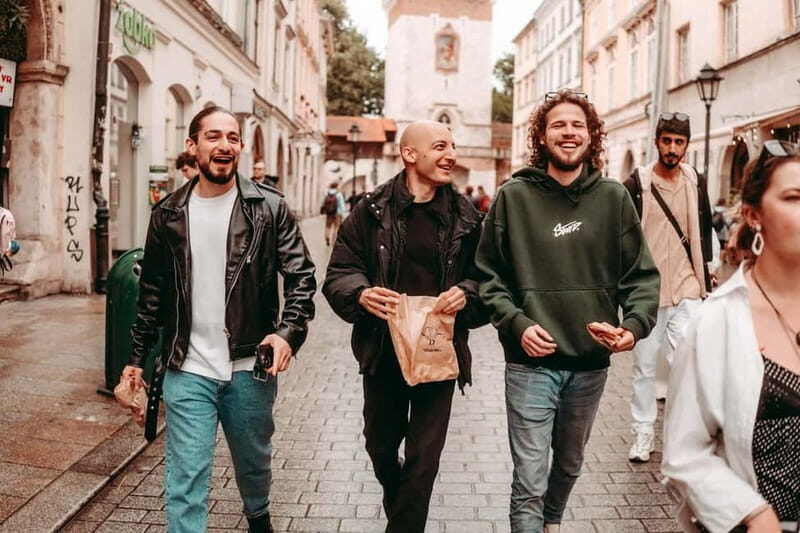
3. Krakow Street Food Walking Tour: $35

The Eight Foods You Will Actually Try
Obwarzanek krakowski
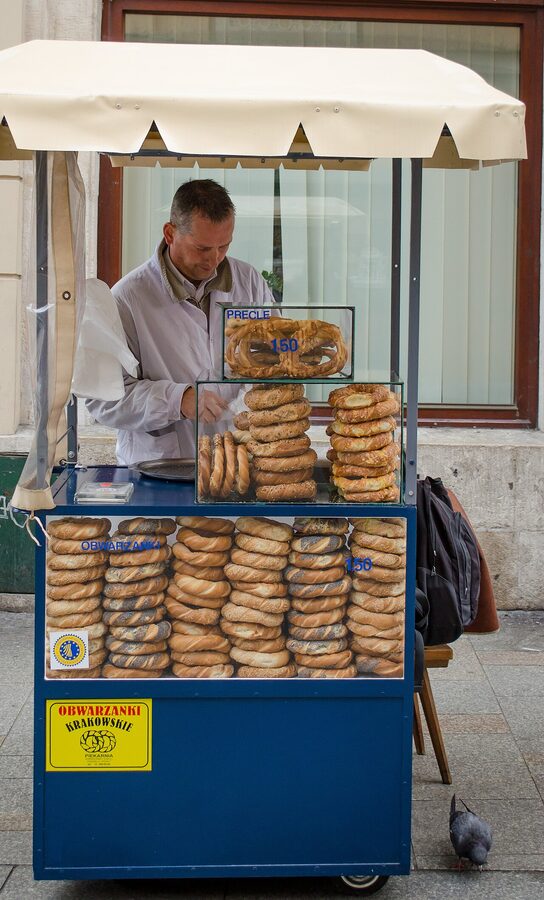
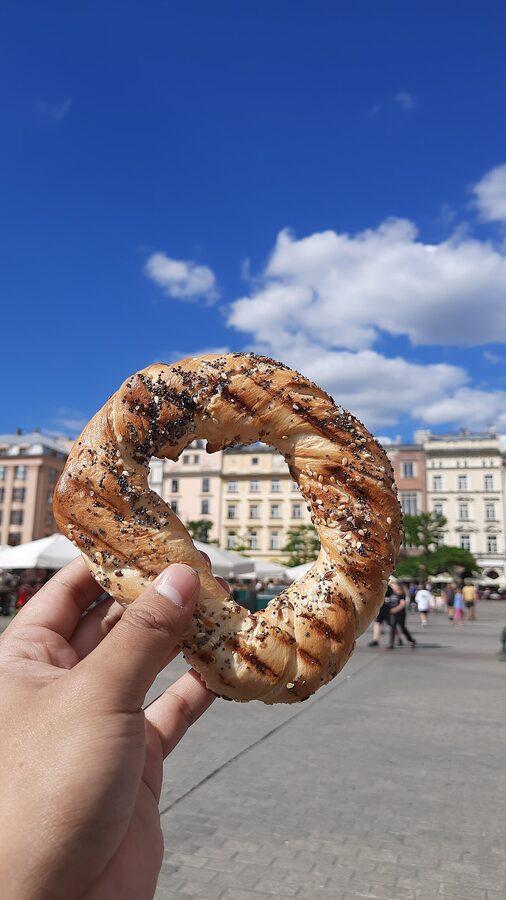
Looks like a bagel; isn’t. Obwarzanek (plural: obwarzanki) is a 700-year-old Krakow specialty: a thin braided ring of yeasted dough, boiled then baked, sold from blue carts at every major intersection in the Old Town. The word means “boiled around” (the technique, not the shape). About 170 carts in the city centre, each selling about 200 a day. Sesame, poppy, and salt are the classic toppings; cheese and onion are modern additions you can ignore.

Pierogi
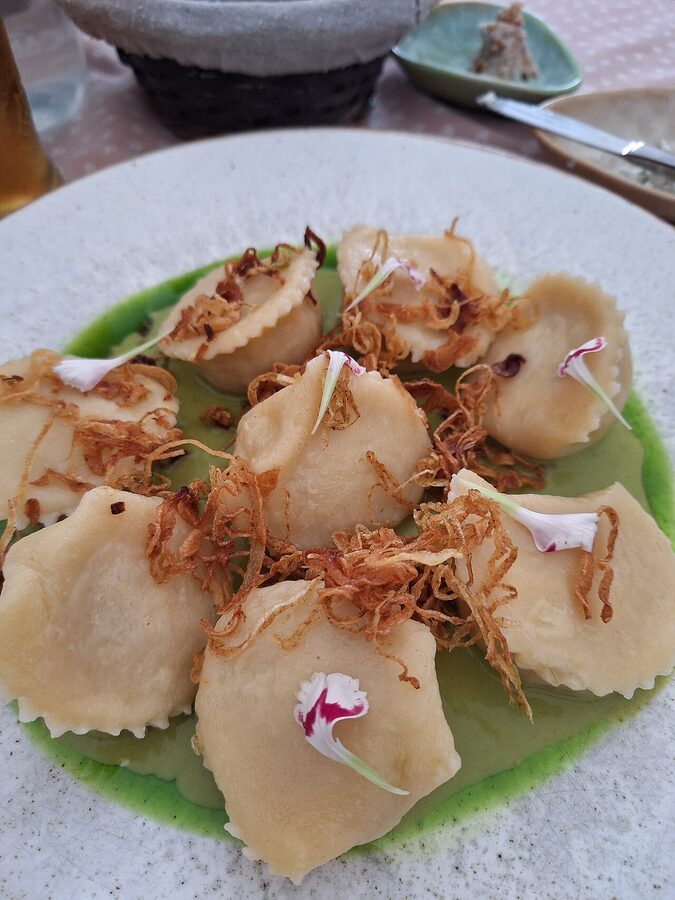
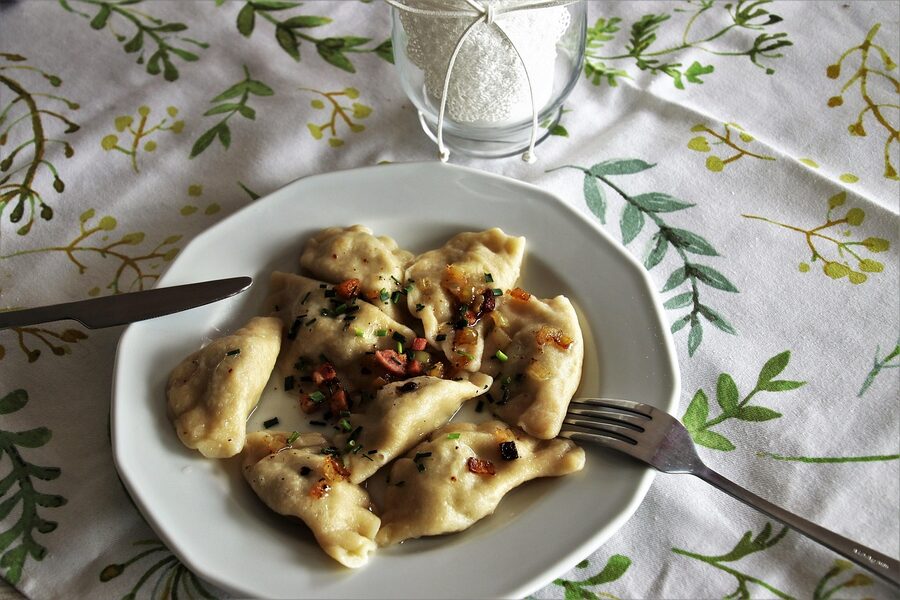
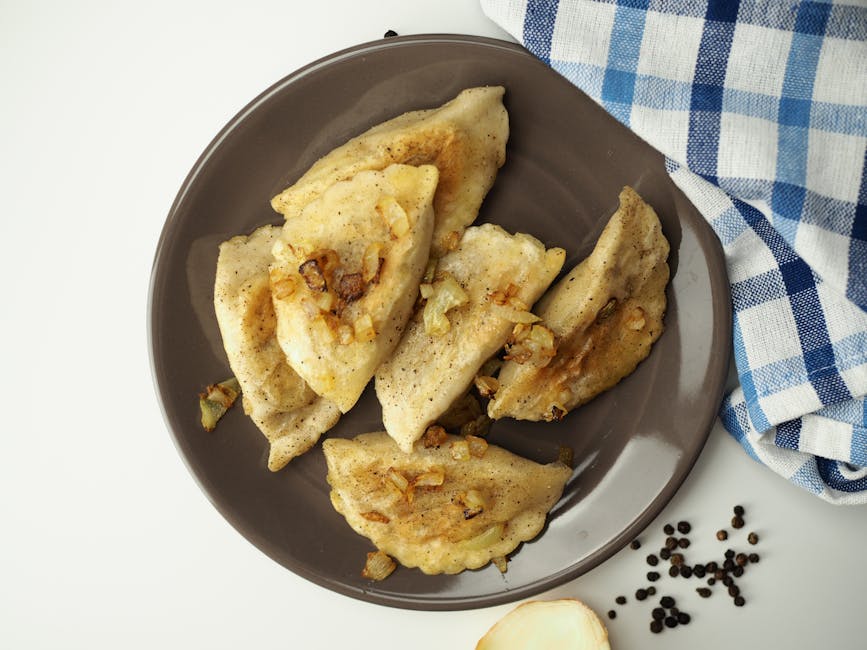
Polish dumplings. Half-moons, boiled, sometimes pan-fried after, served with sour cream and bacon bits or fried onions. Every tour serves at least two fillings:
- Pierogi ruskie: potato and tvarog (Polish cottage cheese). The original. “Ruskie” means Galician, not Russian.
- Pierogi z miesem: minced pork or pork-and-beef. Often the second filling on tour menus.
- Pierogi z kapusta i grzybami: cabbage and mushroom. Standard Christmas filling, year-round in Krakow.
- Sweet pierogi: cottage cheese with sugar, or strawberry, blueberry, plum in summer.
Benchmark tour-quality pierogi: Polskie Smaki and Pierogarnia Krakowiacy, both on the Delicious Poland rotation. Avoid frozen pierogi: thick gummy dough, watery filling.
Oscypek
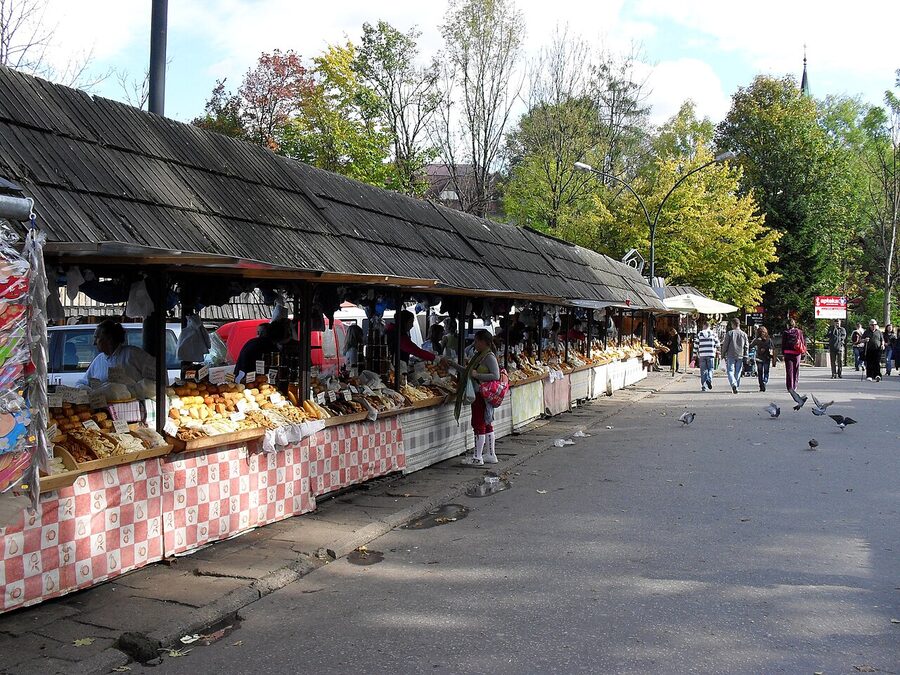
Smoked sheep cheese from the Tatra mountains south of Krakow. Hard, salty, hand-pressed by Goral highlanders into decorative cylinders, brined, then smoked over beech wood. The food-tour version is grilled until the surface bubbles and served with sweet cranberry jam. EU-protected name; only cheeses from 200-odd villages around Zakopane qualify.
The first time you taste it grilled with cranberry jam is when people stop being polite about Polish food. Salt-meets-fruit; nothing else on the tour matches the contrast. If you make it to Zakopane on a day trip, the same cheese costs half.
Zurek
The Polish sour rye soup. Rye flour ferments in water for 5-7 days to create the zakwas (sour starter), then cooks with smoked pork, white sausage, and a hard-boiled egg. Sometimes served in a hollowed-out round of bread. Sour, smoky, and salty; closest analogue is a thick miso with bacon in it.
Bigos
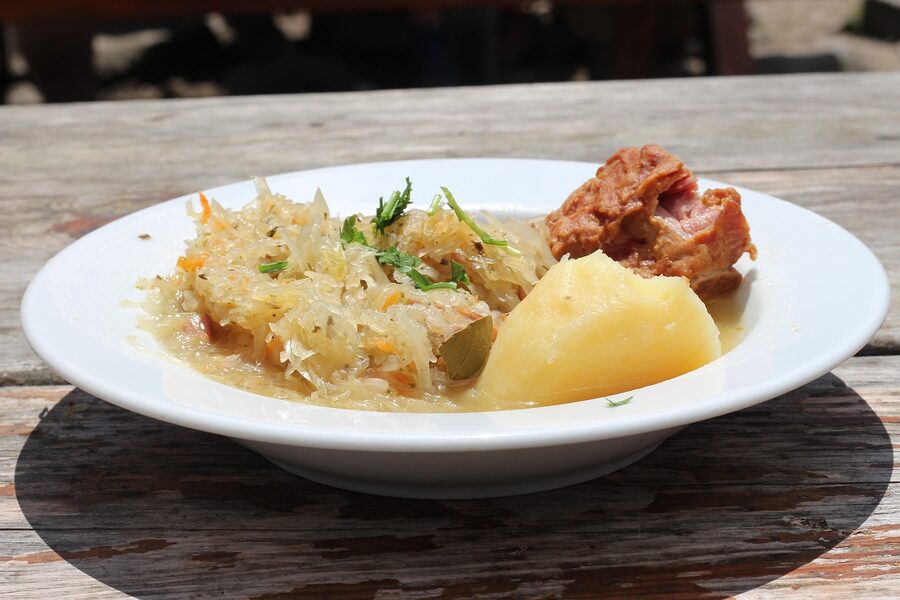
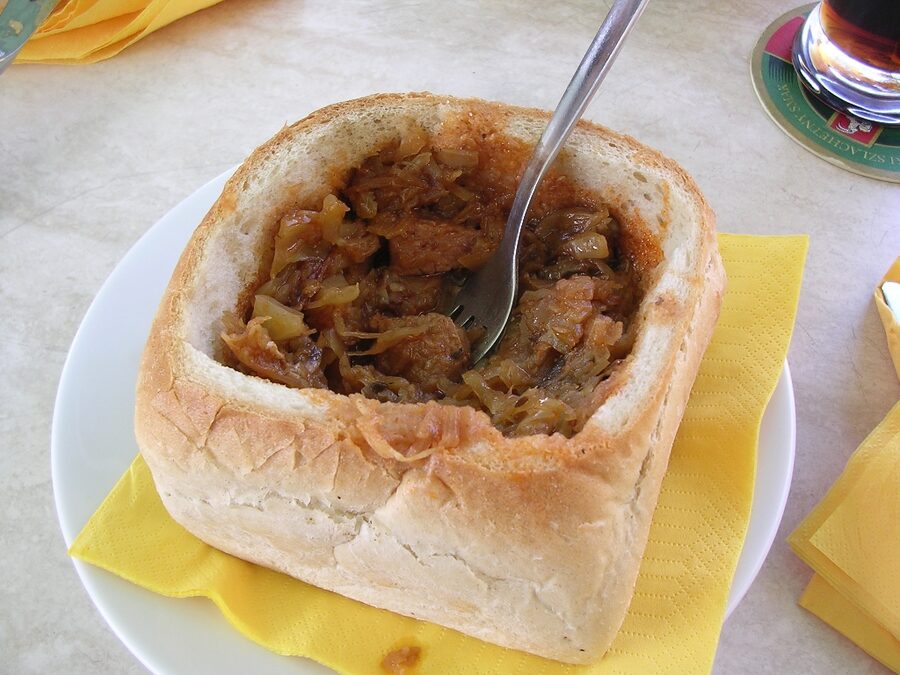
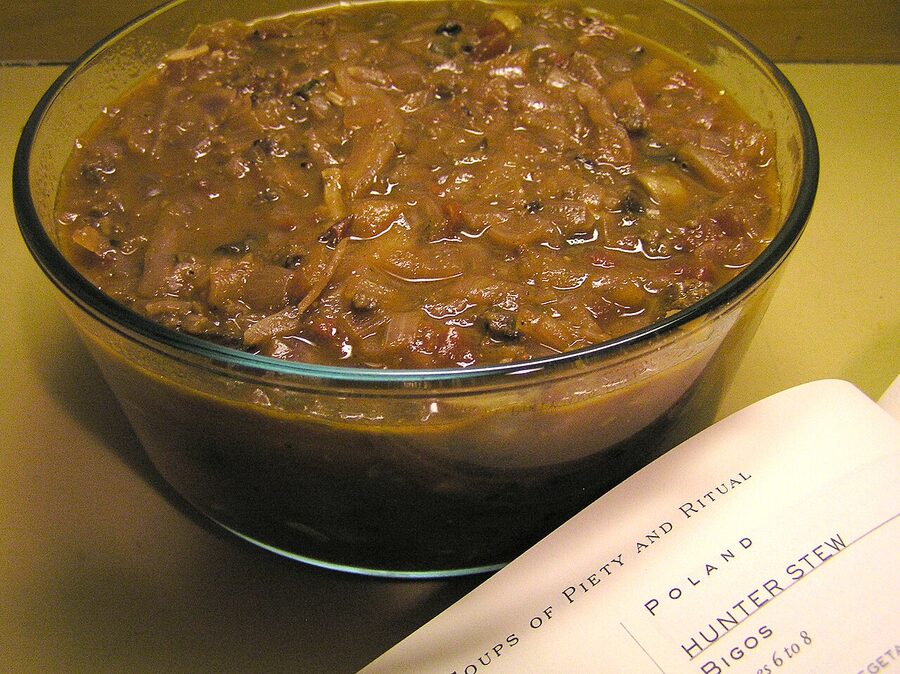
The Polish answer to a French cassoulet: cabbage, sauerkraut, and three or more cuts of meat (pork shoulder, kielbasa, bacon, sometimes game), with juniper, bay, allspice, and dried mushrooms. Cooked over multiple days; reheated bigos is better than fresh. Most food tours serve a small bowl as a fourth or fifth course.
.jpg)
Kielbasa
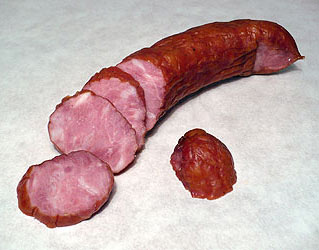
Polish smoked sausage. Tour version is usually kielbasa krakowska or kielbasa wiejska (country sausage), grilled until the casing splits, served with mustard and dark rye. Dozens of regional variants exist; food-tour guides know maybe four. Don’t expect a single specimen to represent the category.

Zapiekanka
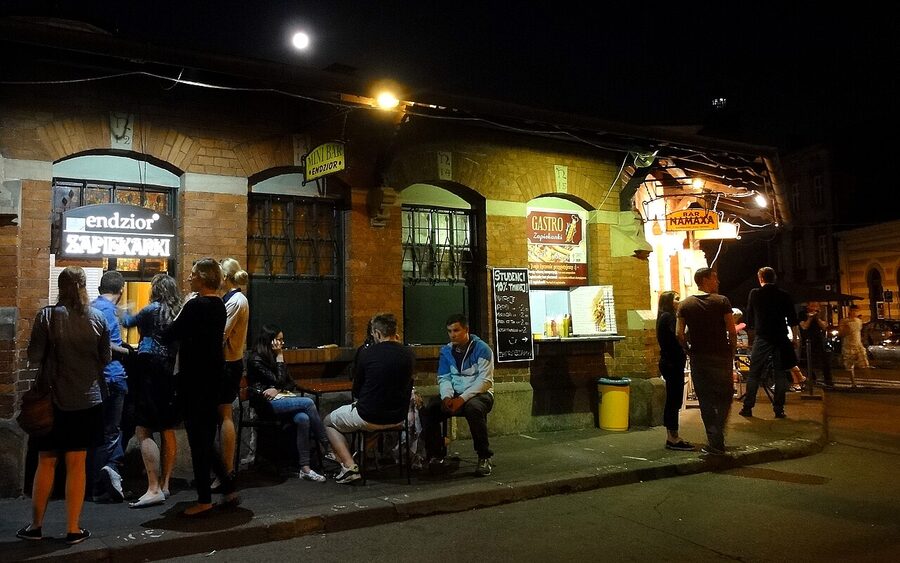
The half-baguette open-faced melt that ends every food tour worth taking. A 30-cm length of crusty white bread, split lengthways, topped with sauteed mushrooms and cheese, finished under a salamander grill. Then ketchup, garlic mayo, or “amerykanski” (mustard and ketchup) on top. Eaten standing up at Plac Nowy.
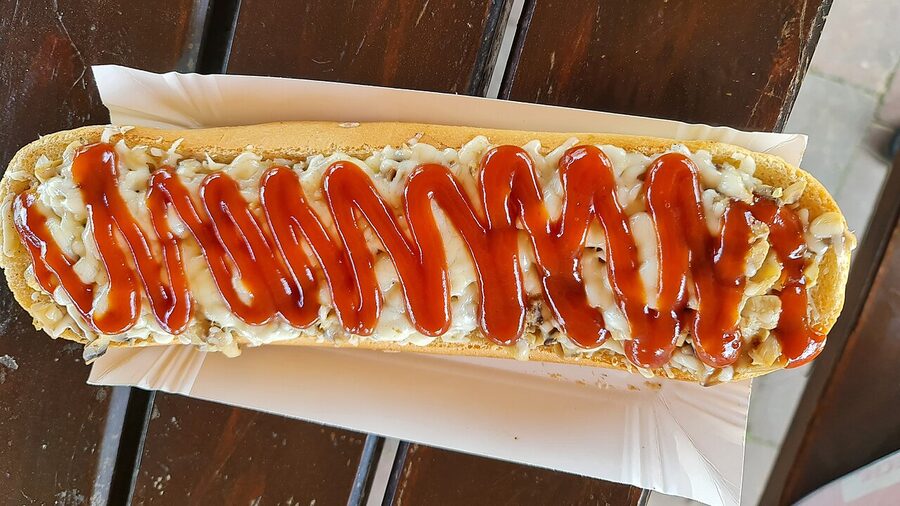

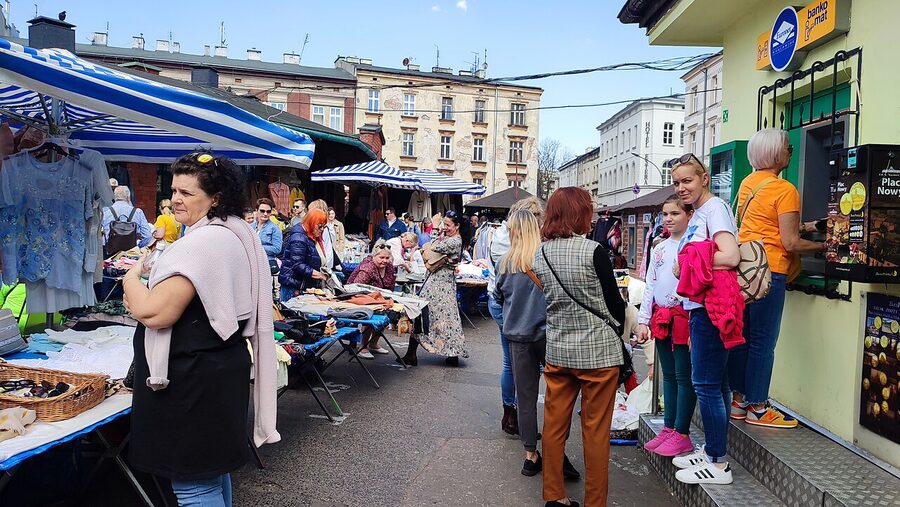

The ritual is part of the food. You order through a hatch, carry the half-meter sandwich to a curb seat, and eat it standing in the square with everyone else who just left a bar. Polish people will tell you it’s not really Polish food (invented in the 1970s by a single restaurant chain). They’ll still finish theirs.
Polish Vodka
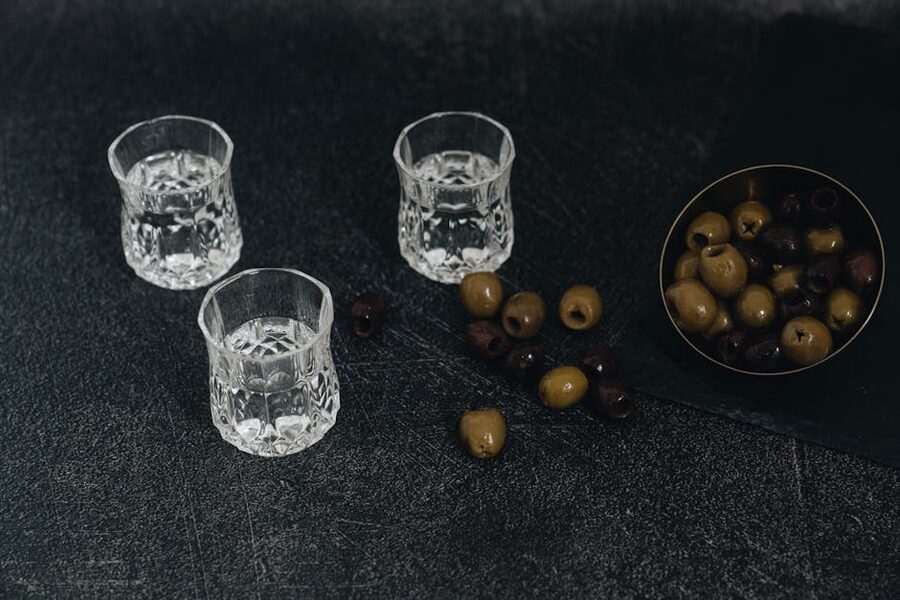
Two types matter: clear (czysta) and flavored (smakowa). Clear vodkas are Wyborowa, Belvedere, Chopin; flavored ones run Soplica (cherry, hazelnut, plum, walnut), Zoladkowa Gorzka (herbal, dark amber), and Zubrowka (bison grass, with the actual blade in the bottle). Tours pour 50ml chilled shots between courses, never with food. The Tipsy tour serves four shots; Delicious Poland serves two; the street food tour serves zero.

Szarlotka
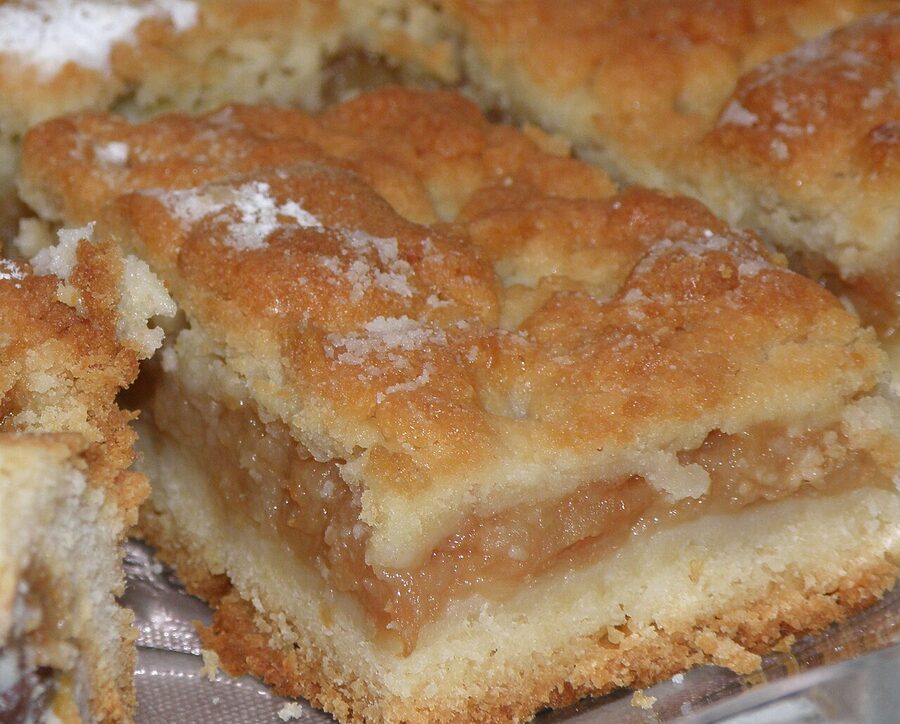
Polish apple pie. Dense, lightly spiced, served warm with whipped cream or vanilla ice cream. Krakow’s signature version (szarlotka krakowska) uses a lattice top and apples cooked down to almost-jam before baking. Eat it hot; it goes leaden as it cools.

What It Costs in Practice
- $35: the 90-minute street food walk. Four to six tastings, no alcohol, no sit-down stops. Good if you want a snack tour, not a meal.
- $44: the Tipsy Polish Food Tour. Six tastings, four vodka shots, history walk, groups of 10-12. Best value of the three.
- $105-115: Delicious Poland Kazimierz. 13-14 tastings, beer and vodka pairings, three to four sit-down stops, small groups (6-8). Highest food quality, most established venues.
A sit-down meal at a tourist-grade Polish restaurant runs 80-120 zloty per person without drinks ($20-30). The $35 street food tour is about double the unguided cost; the $105 Delicious Poland tour sits at three times unguided. Defensible if you don’t speak Polish and want someone explaining the history.
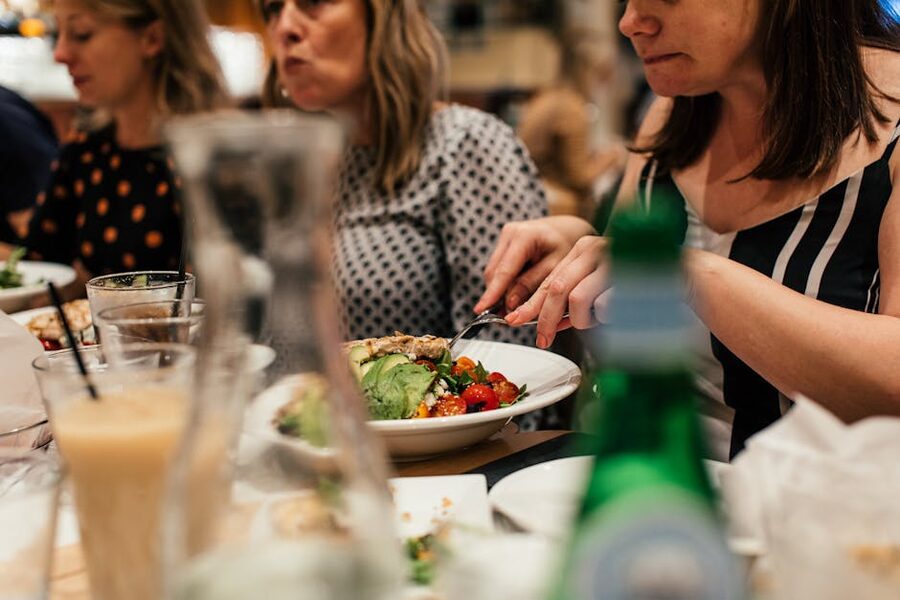
Tips for the guide (10% on the ticket price), extra drinks (beer 12-15 zl, vodka shot 8-12 zl), and a winter coat-check fee (4-5 zl per place) aren’t included. Budget about $15 over the ticket price.
Booking, Timing, and Group Size
Krakow food tours run year-round. The street food tour starts at 11am or 4pm; the Tipsy tour at 5pm; Delicious Poland at 1pm or 5pm. The 5pm slot is the move on all three: you finish in Kazimierz around 8pm, exactly when bars start filling up and the zapiekanka stalls hit peak flow.
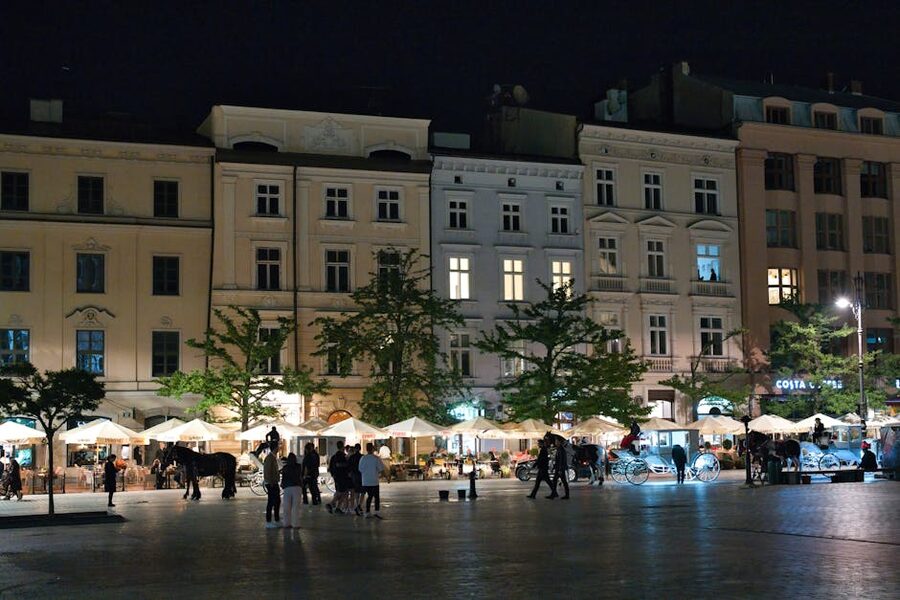
Between June and September, the Delicious Poland 5pm tour books out 5-7 days ahead; cheaper tours 2-3 days. November to March, same-day spots are usually available. Avoid the week between Christmas and New Year, when prices spike 20-30%.
Group sizes: Delicious Poland 6-8 typical (12 max), Tipsy 10-12 (16 max), Street Food 8-10 (14 max). Below 8, the guide talks to you individually. Above 12, you’re a class field-trip and eat in shifts. Book Delicious Poland if you can stretch the budget; it’s the only one that keeps groups small.
Dietary Restrictions: What Actually Works
Polish cuisine is meat- and dairy-heavy, which makes food tours awkward for vegetarians and tough for vegans without notice. All three tours can adapt, but email the operator at least 48 hours ahead.
- Vegetarian: easy. Pierogi ruskie are cheese-and-potato, oscypek is cheese, zapiekanka has a meatless version, szarlotka is vegetarian. You skip the kielbasa course and lose maybe one tasting overall.
- Vegan: hard. Polish cooking runs on butter, sour cream, and cheese. The Tipsy tour has the strongest vegan adaptation; the Delicious Poland tour does it with two days’ notice; the street food tour can’t.
- Gluten-free: very hard. Pierogi, zapiekanka, and obwarzanek are all wheat. Only the Delicious Poland tour offers GF pierogi with notice.
- Kosher: not viable on these group tours. Klezmer Hois and Hamsa in Kazimierz do kosher-style food, but arrange a private guide instead.
- Pork allergies: workable. The Tipsy and Delicious Poland tours sub beef kielbasa and use the chicken-based zurek.
Don’t show up on the day expecting them to improvise; venues source ingredients in advance.
Krakow’s Food Markets, If You Want to Skip the Tour
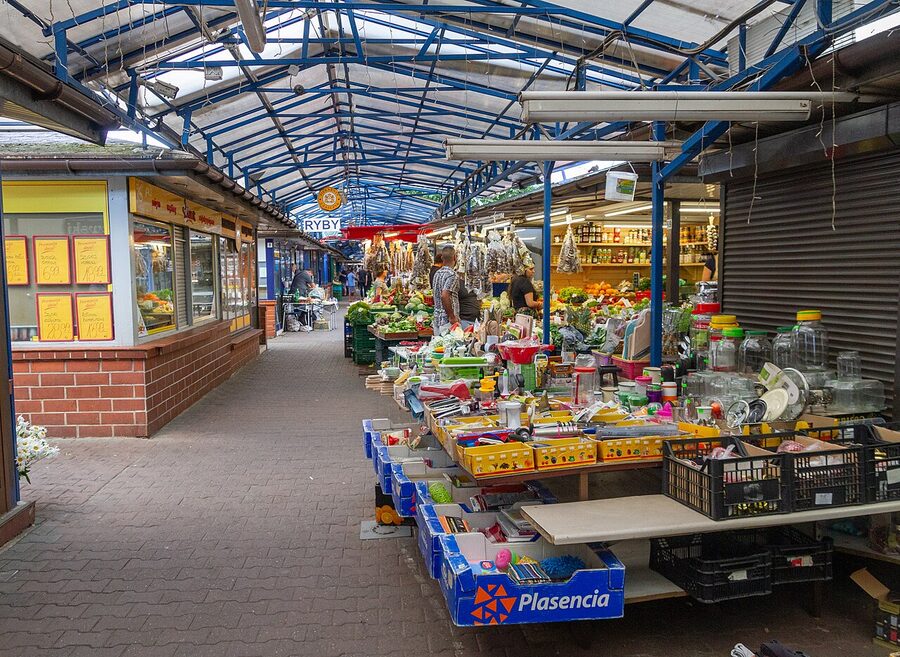
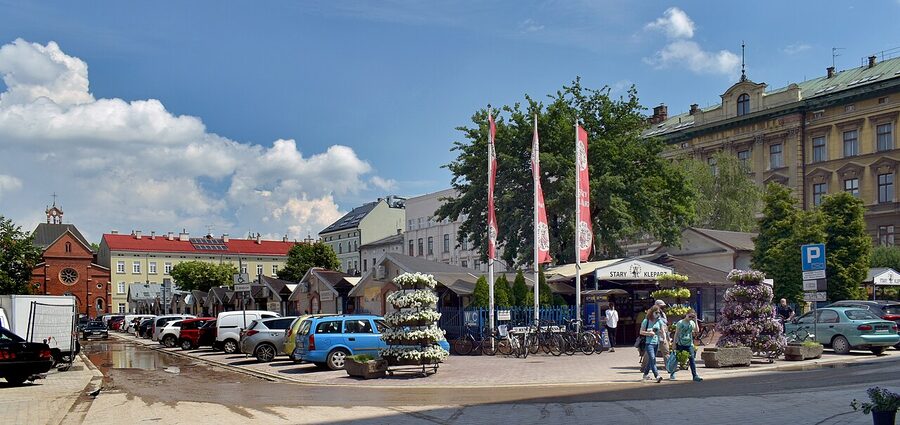
There’s a real case for skipping the tour and doing it yourself. Two markets every food tour bypasses or uses briefly: Stary Kleparz, ten minutes north of the Main Square, and Hala Targowa, the Wednesday-Friday morning market east of the Old Town wall. Both predate the food-tour industry and are where actual Krakow people buy food.

,_Krak%C3%B3w,_Poland.jpg)
A self-guided food day for 80 zloty: obwarzanek from a Florianska cart (5 zl), oscypek from Stary Kleparz (10 zl), pierogi at Pierogarnia Krakowiacy on Szewska (28 zl for nine), zurek at Polskie Smaki on Slawkowska (16 zl), zapiekanka at Plac Nowy (16 zl), vodka shot (8-12 zl). Same route, save $25-90.
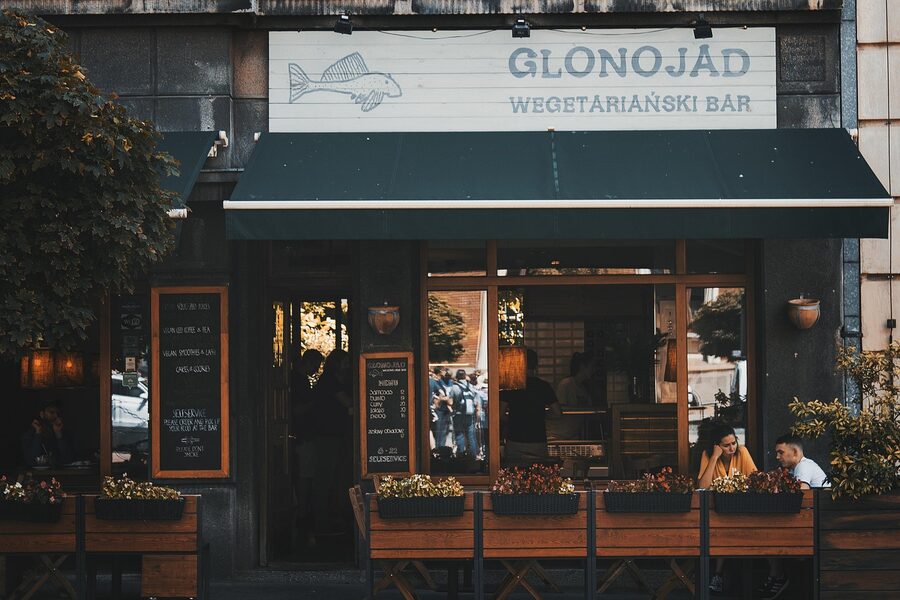
The argument for the tour is what you can’t get yourself: history from a guide who’s read the books, a working list of which stalls and restaurants are doing it well this year (Krakow’s restaurant scene churns), and the social side of eating with strangers.
Specialty Tours and What to Wear
Beyond the three main walking tours, two specialty options are worth knowing about: a pierogi cooking class (about $45-55, 3 hours, you make and eat your own) and a vodka tasting tour (about $39, 2 hours, six different Polish vodkas, no walking). If you have time for two food experiences, pair the Delicious Poland walking tour for breadth with the cooking class for depth; they don’t overlap much.
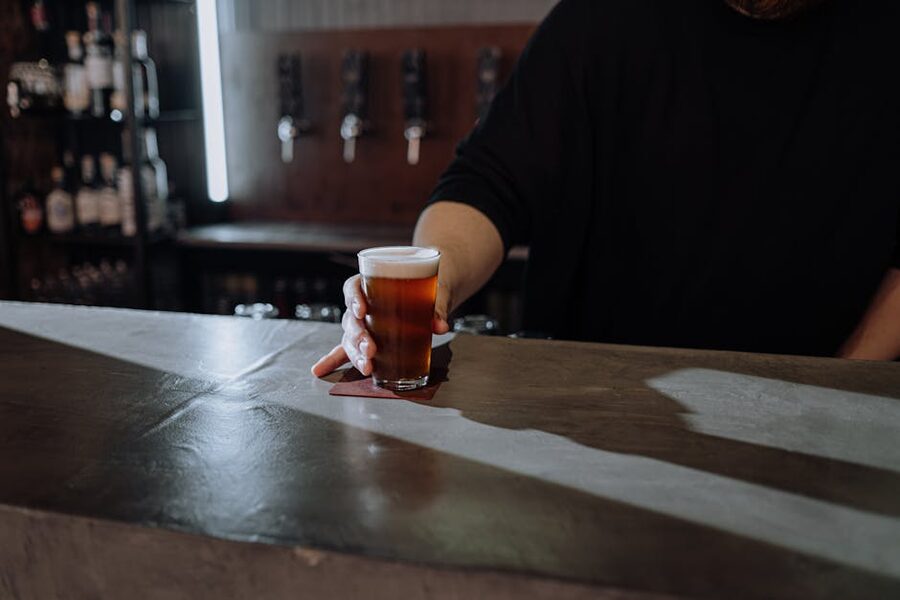
Walking food tours cover 2-3 km on cobblestone over 2-3 hours, with multiple seated stops. Wear flat shoes; high heels are a bad idea on Krakow’s stone streets, especially in the rain. Layers in spring and autumn, a proper coat in winter (-10°C in January). All three tours run rain or shine; only the Tipsy tour provides umbrellas.
Don’t eat heavily 4-5 hours before your tour. The Delicious Poland tour serves the equivalent of a full dinner. A piece of toast in the morning, a light lunch around noon, then the 5pm tour is the right rhythm.
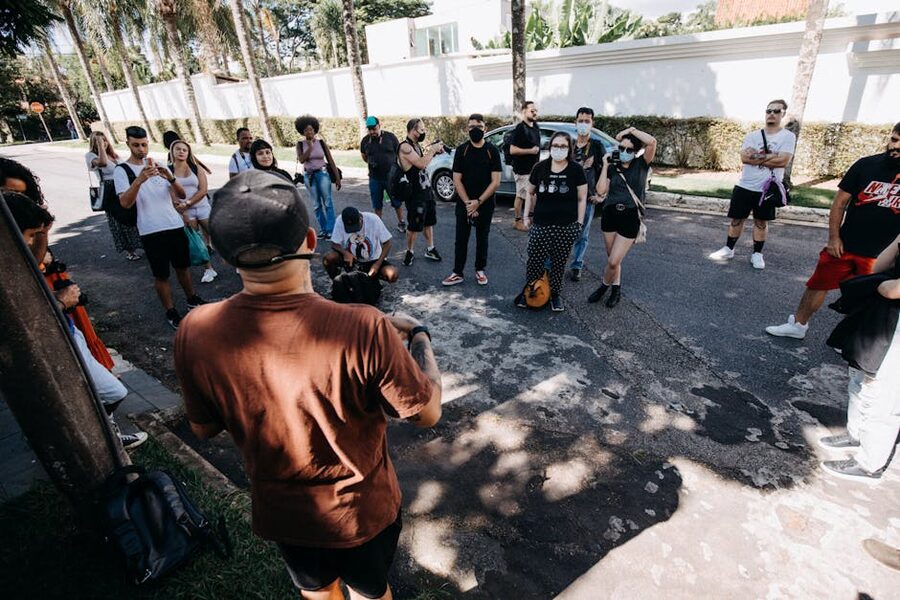
Bring cash. About 100 zloty covers tips, extras (a bottled water, an extra zapiekanka after the tour ends), and any drinks beyond what’s poured. Card terminals work in 80% of Krakow bars but obwarzanek vendors and most Plac Nowy stalls are still cash-only.
Where Food Tours Fit in a Krakow Itinerary
The food tour works best on day two, after the Old Town walking tour has given you the geography. By then you know Rynek Glowny, you’ve found the obwarzanek carts, and the food stops sit in space. Day one works too but is more disorienting; you eat in places you can’t yet identify.
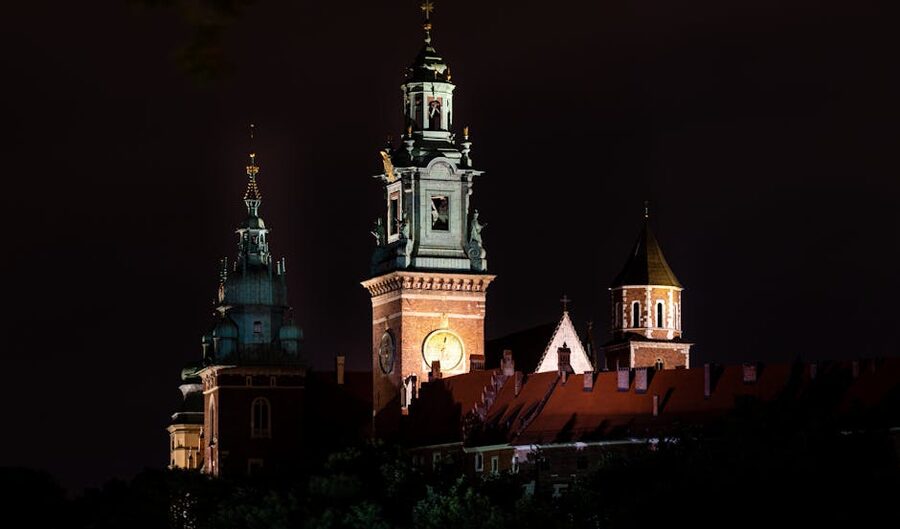
If you have four days, add the combined Auschwitz and Wieliczka day trip on day three. You’ll come back with the appetite the 5pm food tour can absorb. Don’t eat on the bus.
Tips, Quirks, and What Nobody Tells You
- Tip the guide. Polish norm is 10% on the ticket price, cash at the end. None of the operators tell you this on the booking page.
- “Vodka” varies a lot between operators. Some pour Soplica (cheap, sweet); others pour Wyborowa or Belvedere (proper clear vodka, more burn). Ask in advance if you have a preference.
- The food keeps coming. By tasting 9 you’re stuffed; that’s normal. Don’t try to finish every plate.
- Plac Nowy is the universal end stop. If your tour ends inside a restaurant, you got a bad version.
- Street food in winter is rough. No sit-down stops means you eat outside. Pick the 11am slot in winter, not 4pm.
- Sundays run slow. Many small restaurants close at 4-5pm. Afternoon slots get cancelled more often than weekday ones.
- The Tipsy tour’s history is genuinely good. Wiktoria, the lead guide, weaves 16th-century Krakow into the tasting stops.
- Allergies flag at booking, not on the day. Venues source small portions in advance.

Other Krakow Experiences Worth Booking
If you’ve enjoyed eating your way through Krakow, the natural next move is the Jewish Quarter tour, which retraces Kazimierz in daylight with the historical context food tours skip. A morning bike tour covers more ground and lets you scout restaurants for the second night. For the boozier counterpart to the Tipsy Polish Food Tour, the Krakow pub crawl walks the same Kazimierz streets in the opposite direction. To compare Krakow’s food culture, the Prague food tour is the closest cousin (Habsburg roots, hearty meat dishes), while the Porto food tour sits at the opposite end (cured fish, pastel de nata, port wine). The Vistula river cruise at golden hour is the right way to walk off a 14-tasting evening.
Affiliate disclosure: links to GetYourGuide and Viator. Booking costs you nothing extra; we earn a small commission that funds the writing.