
The Porto Card starts at €6 for 24 hours. Roughly half the people who buy it never break even — because most tourists use the card the wrong way, or pick the wrong duration for their itinerary.
Here is how the two versions actually differ, when each one saves you money, and when you should skip the card entirely and just buy tickets as you go.



In a Hurry? Your Two Porto Card Choices
- Best value: Porto Card with Transport 1-4 days — from €17. Metro + bus + urban train + museums + discounts. The one most people should get.
- Walking only: Porto Card Walker 1-4 days — from €8. Museums + discounts, no transport. Only worth it if you’re staying inside the old town the whole trip.

- In a Hurry? Your Two Porto Card Choices
- What the Porto Card Actually Is
- The Transport Version’s Hidden Win
- What’s Included — The Real List
- What Is NOT Free (The Disappointment List)
- The Break-Even Math — Three Real Scenarios
- Transport Version vs Walker — Which to Actually Pick
- Where Actually to Buy It
- Activation
- A 2-Day Porto Itinerary That Maximises the Card
- The Card Vs The Alternatives
- Common Mistakes to Avoid
- When Porto Card Is Just Not Worth It
- Is It Worth It? The Short Answer
- The Recommended Porto Card Options
- 1. Porto Card with Transport 1-4 Days — from €17
- 2. Porto Card Walker (Pedonal) 1-4 Days — from €8
- A Quick Note on Porto Vs Lisbon Cards
- When to Visit Porto
- A Few Questions People Always Ask
- Other Porto Guides Worth Reading
What the Porto Card Actually Is

The Porto Card is the city’s official tourist pass, sold by Porto’s tourism board. It comes in two versions:
Porto Card Walker (Pedonal): Museums + discounts only. €8 for 1 day, €13 for 2 days, €17 for 3 days, €21 for 4 days. No public transport.
Porto Card with Transport: Everything above PLUS unlimited metro, bus, and urban train (CP Porto suburban lines) across zone 2 of the city. €17 for 1 day, €29 for 2 days, €37 for 3 days, €44 for 4 days.
Both versions are valid for the same calendar duration — not 24 rolling hours. A 1-day card bought at 10am on Monday expires at midnight Monday night. Worth knowing if you land in the evening.

The Transport Version’s Hidden Win
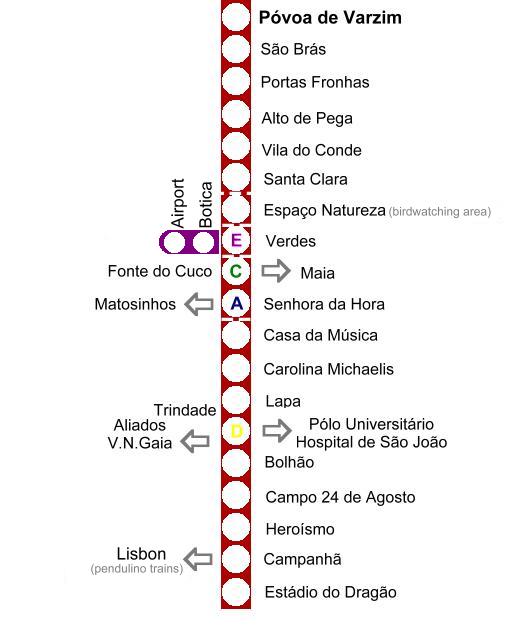
Here’s the thing nobody tells you upfront: the airport is on metro Line E, one stop inside zone 4. The 1-day transport card is sold as zone 2 but works on Line E to the airport. That single airport-to-city trip is about €2.60 one way with a normal ticket. Buy the card at the airport, take Line E into town, and the transport portion has already paid for itself.
Most other Porto Card reviews skip this. It’s the reason I’d always pick transport over walker for a 1-day card.
What’s Included — The Real List

The card is split into three value layers.
Free entry (you pay zero):
- Casa do Infante — Henry the Navigator’s supposed birthplace (normal entry €2.20)
- Museu Nacional Soares dos Reis — Portugal’s oldest public museum, excellent 19th-century Portuguese art (€5)
- Romantic Museum at Quinta da Macieirinha (€2.50)
- Museu do Transporte e Comunicações — Customs House, quirky transport collection (€7.50)
- Museu da Água — the city’s water museum in a restored pumping station (€2)
- Museu Militar do Porto (€3)
- World of Discoveries — theme-park-meets-history for the age of exploration, normally €16 for adults. This one alone gets you most of the way to break-even.
That is about €38 of free museum entries if you hit all of them. Realistically you won’t — World of Discoveries, Soares dos Reis, and Casa do Infante are the three most people actually visit.

50% discount attractions:
- Clerigos Tower — €8 becomes €4. Worth it if you want the best viewpoint in the centre. Our full tower guide has timing tips.
- Sao Francisco Church — €9 down to €4.50. Gilded gothic interior, genuinely worth seeing.
- Guided tours of Palacio da Bolsa — €12 down to €10 (so more like 17% off than 50%)
- Museu Romantico guided tours
- Several smaller galleries
Variable discount partners (10-25%):
- Port wine cellars in Vila Nova de Gaia — most major ones (Sandeman, Cálem, Graham’s, Taylor’s) offer 10-20% off. Full list at the tourism offices. Our port cellar guide covers which houses are worth the upgrade tours.
- Douro River 6 Bridges cruises — usually 20% off the €18 ticket. Six Bridges cruise breakdown here.
- Some fado shows and food tours — Porto fado show guide lists which ones accept the card.
- Restaurants in the tourist areas — 10-15% off bills at partner restaurants. Almost never worth choosing a restaurant based on this.
What Is NOT Free (The Disappointment List)
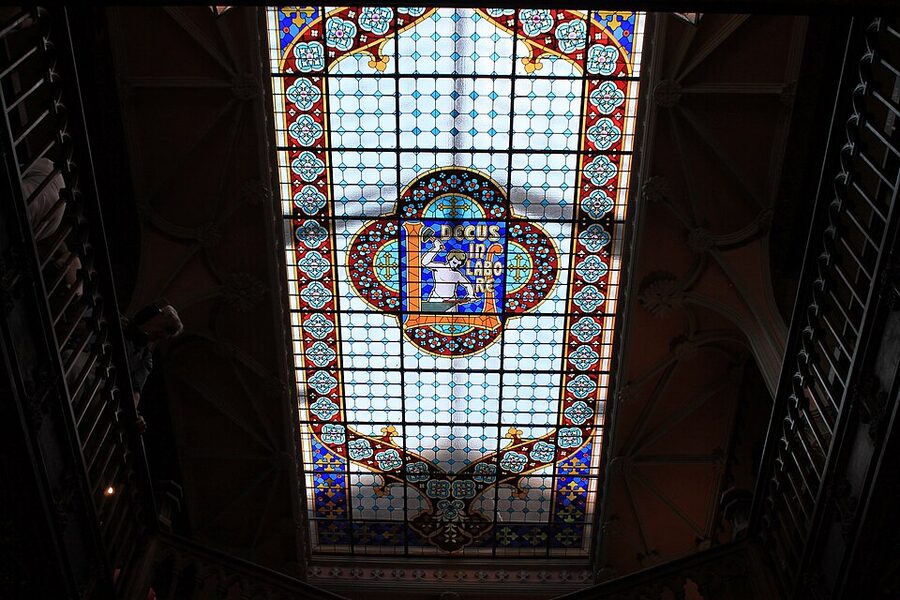

Here is where most buyers get caught out. The Porto Card does NOT include:
Livraria Lello bookstore: This is the attraction most tourists want to visit. The card offers no useful benefit here — you still pay €8 for the entry voucher (which becomes a credit towards a book purchase). If Lello is your main goal, the card doesn’t help.
Port wine cellar tours: Despite the discount, you still pay €20-35 per person for the actual tasting experience. A Porto Card does not replace cellar tickets.
FC Porto Stadium Tour: Only a small 10% discount available, not free. Our stadium tour guide explains the ticket types.
Douro Valley day trips: Zero — these are outside Porto’s urban zone and use private tour operators who don’t accept the card.
Hop-on Hop-off bus: Small discount (usually 10%) but you still pay €18-22 for the ticket.
Restaurants, cafes, food, drinks: Nothing.
Airport transfers that aren’t Metro Line E: Taxis and private transfers are not covered.
The Break-Even Math — Three Real Scenarios

.jpg)
Let’s run the actual numbers. Prices as of early 2026.
Scenario 1: Airport arrival, 1-day card (€17 transport version).
- Airport → centre on Line E: €2.60
- Three metro rides during the day: €4.20
- World of Discoveries entry: €16
- Casa do Infante entry: €2.20
- Clerigos Tower 50% off: €4 (saves €4)
- 6 Bridges cruise 20% off: €14.40 (saves €3.60)
Without card total: €42.40. With card total: €17 + €14.40 = €31.40. Saves about €11. Worth it.
Scenario 2: One day, staying in centre, walking everywhere (walker card €8).
- Clerigos Tower 50% off: saves €4
- Casa do Infante: saves €2.20
- Soares dos Reis museum: saves €5
Three attractions = saves €11.20 against an €8 card. Saves about €3. Break-even almost exactly at three attractions. If you only hit two, you lose money.
Scenario 3: Two days, both centre-focused, hit four museums + one tower + one cellar (transport card €29).
- Airport arrival Line E + departure Line E: €5.20
- 10-12 metro/bus rides over two days: €16
- World of Discoveries: €16
- Soares dos Reis: €5
- Casa do Infante: €2.20
- Museu do Transporte: €7.50
- Clerigos Tower: €4 (saved)
- 6 Bridges cruise: €3.60 (saved)
- Sandeman cellar tour 15% off: €4 (saved)
Without card: €63.50. With card: €29 + €14 (cellar) = €43. Saves €20+. Strong case.
When it loses money: If you buy the €37 transport 3-day card but only hit one museum, ride the metro three times, and eat at Ribeira restaurants, you probably spent €37 to save €6 of transport. Net loss about €10.
Transport Version vs Walker — Which to Actually Pick
Pick walker if:
- You’re staying one night or less near Sao Bento / Ribeira / Baixa
- You don’t care about the airport metro connection
- You want to hit Casa do Infante + one or two other small museums
- You walk comfortably with Porto’s hills (and they are serious hills)
Pick transport if:
- You’re using Porto airport (Line E saves you a taxi)
- Your hotel is outside the centre (Boavista, Campanha, suburban zones)
- You plan to visit Foz do Douro, the beach, or Vila Nova de Gaia across the river
- You want to hop between neighbourhoods without walking the hills both ways
- You’re visiting for 2+ days
For anything longer than a single centre-based afternoon, the transport version is the right answer. The walker version only makes sense for people with genuinely compact itineraries.
Where Actually to Buy It


There are four realistic places to buy the Porto Card.
1. Online via GetYourGuide or Viator (easiest): Book in advance, get a voucher by email, redeem at any Porto Tourism office for a physical card. You can also redeem at the airport tourism counter. Saves queue time. Same price as in-person.
2. Porto Airport Tourism Office: In the arrivals hall, to the left after baggage claim. Staff speak English. Open until about 23:00. Card activates when you scan it, so you can buy here and walk to Line E metro platform immediately.
3. Porto Welcome Center (Loja Interativa de Turismo): Two main central locations — Rua Clérigos (near the tower) and Praça Almeida Garrett (near Sao Bento station). Both open 9am to 7pm. Physical cards, same-day activation.
4. Your hotel reception (sometimes): A handful of central hotels sell them with no markup. Others add €1-2 fee. Mostly not worth the hunt — go to a tourism office.
My preference: book online, redeem at the airport. You skip the walk to a Welcome Center and your card is ready before you even reach the centre.
Activation
The card activates on first use — either first metro/bus swipe, or first museum entry scan. The calendar day(s) run from that moment. So you can buy a 1-day card at 6pm, activate it the next morning, and use it all of the next day. Don’t let anyone activate it early at the sales desk by mistake.
A 2-Day Porto Itinerary That Maximises the Card
This is what I’d do with a 48-hour transport card (€29).
Day 1 (from airport):
Morning: Land, buy card at airport tourism office, take Line E to Trindade (40 min, included).
Morning 2: Walk 10 min to Clerigos Tower — climb it with 50% discount (€4). Look out over the rooftops.
Lunch: Tascas near Rua das Flores. Card does nothing for food.
Afternoon: Casa do Infante (free) + Bolsa Palace guided tour (€10 with discount) + Sao Francisco church (50% off, €4.50).
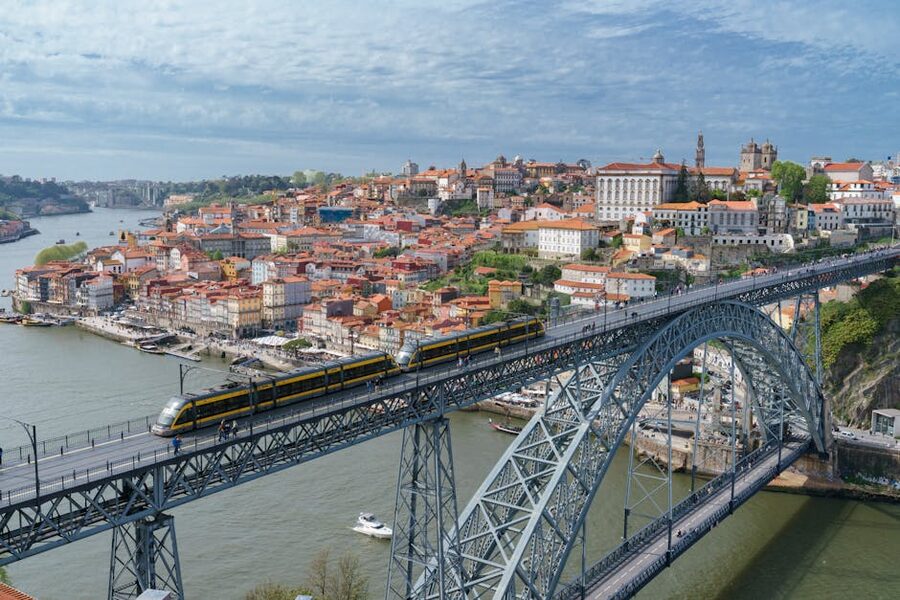
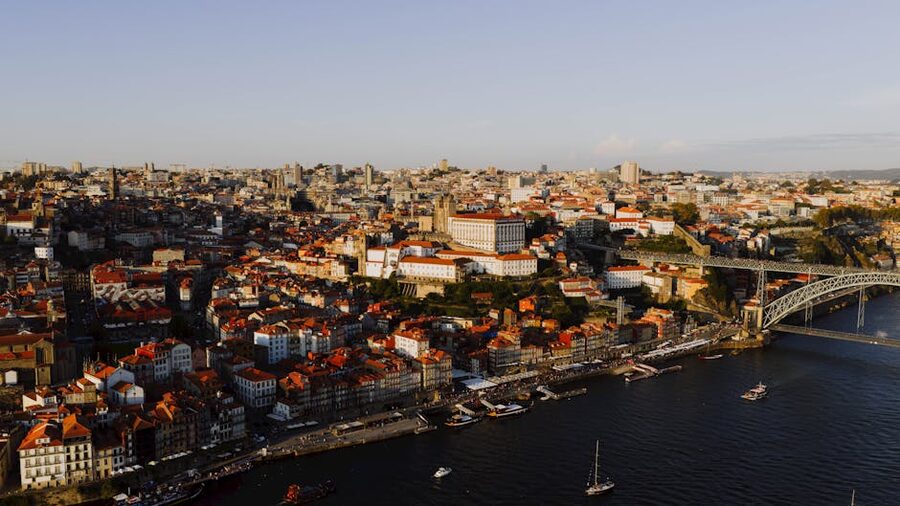
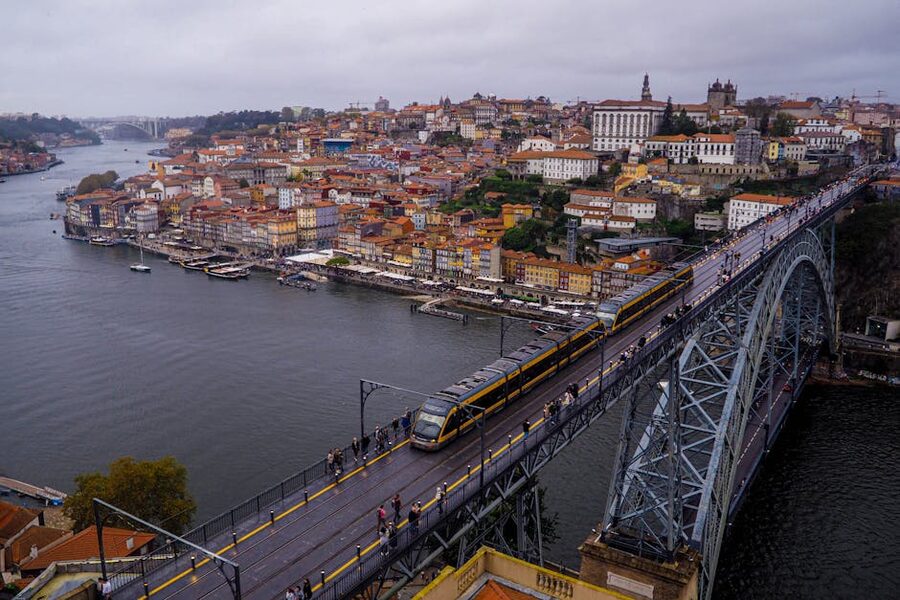
Late afternoon: Metro Line D across Dom Luis Bridge upper deck to Jardim do Morro. Free ride, best view.
Evening: Walk down to Gaia, pick a port cellar (use card discount, €18-25). Our river cruise guide covers the sunset cruise option if you want to swap cellar for boat.
Day 2:
Morning: Metro to Aliados, walk to Soares dos Reis museum (free). 90 minutes is enough.
Late morning: Walking tour in Porto’s old town, then lunch in Ribeira.
Afternoon: World of Discoveries (free with card, €16 normally). Kid-friendly, and more interesting than its theme-park packaging suggests.
Late afternoon: 6 Bridges Douro cruise with 20% card discount. Full cruise booking guide.
Evening: Porto fado show — get the card discount if the venue is a partner.
Day 2 end: Metro back to airport on Line E (free).
Card savings across two days: transport (~€16) + free museums (~€24) + discounts (~€15) = about €55. Card cost: €29. Net save: €26+.
The Card Vs The Alternatives
Andante (normal transport card): €0.60 for the reusable card + €1.40 per zone 2 ride. For a full day of unlimited zone 2 travel, Andante Tour costs €7 for 24 hours or €15 for 72 hours. If you don’t care about museums, Andante Tour 72h beats the Porto Card transport 3-day version on transport alone.
Individual tickets: Pay at the door for the 2-3 museums you actually visit. Good if you’re in Porto for just an evening or a lazy half-day.
Hop-on Hop-off bus: Around €20 for 24 hours. Pure tourist-bus experience, includes commentary. The Porto Card gives 10% off this, not inclusion. If the narrated bus tour is your main goal, buy HOHO; if you want real museum access, buy Porto Card.
Do nothing, just walk: Legitimate in Porto. The centre is about 2km across, mostly walkable if you don’t mind the hills. If you’re only here for a half-day of churches and tastings, you might not need any card at all.
Common Mistakes to Avoid
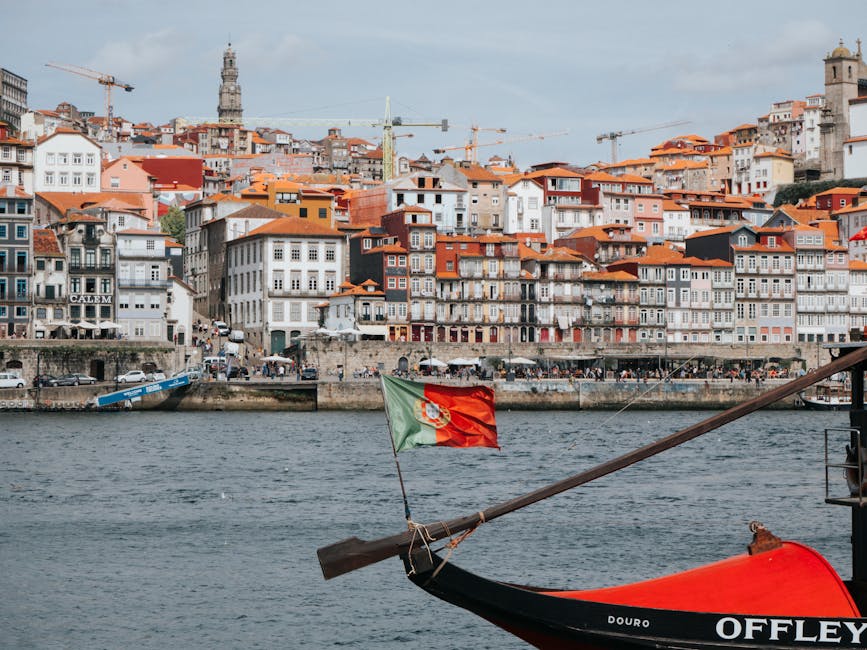
A few things I’ve seen people get wrong.
Buying the wrong version: Someone staying in Ribeira who plans to walk everywhere buys the transport card and only uses 3 zone 2 trips. Net loss of about €10 vs buying walker. Match the version to your hotel location.
Buying too many days: The 3-day transport card (€37) is only better than 2x 1-day (€34) if you’re really using the transport all 3 days. For a trip arriving Friday evening and leaving Sunday lunchtime, the 1-day or 2-day card is usually plenty.
Expecting Livraria Lello to be free: It isn’t. If Lello is your top priority, budget for it separately. See the Lello ticket guide for current prices.
Missing the zone 2 / zone 4 distinction: The card covers zone 2. The airport is technically zone 4 on Line E but the card works anyway — just don’t try to extend this to Aveiro (zone 10) or similar. For Aveiro, buy a separate regional train ticket.
Activating it at the wrong time: Do NOT let the sales agent swipe/activate it immediately if you’re not going to use it that day. Have them hand it to you unactivated, activate on your first metro ride or museum scan.
When Porto Card Is Just Not Worth It
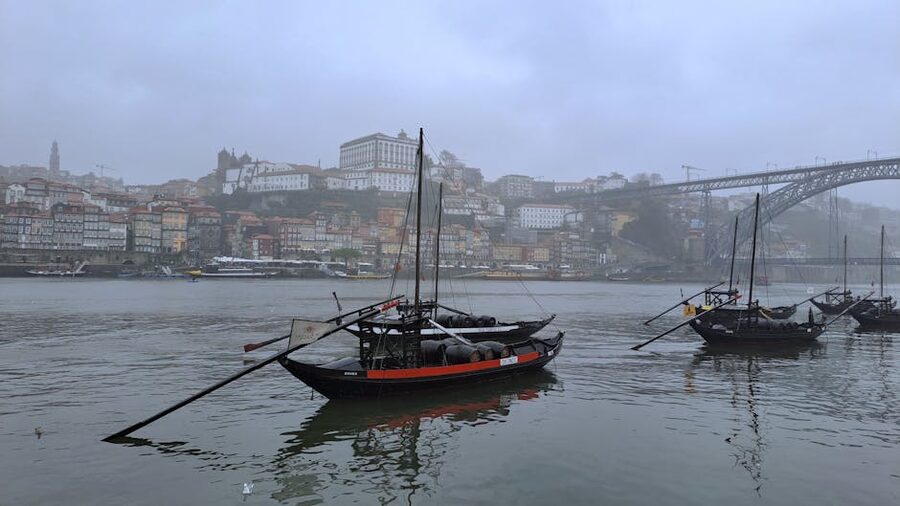
Skip the card if:
You are just here for food and wine: Tascas, petiscos, Ribeira lunch, port cellar tasting. None of those benefit from the card’s museum free list. Use that budget on an extra cellar tour instead.
Lello is your only priority: Card doesn’t help. Just book Lello directly.
You’re on a layover or 4-hour stop: Not enough time to break even on museum visits. Use Andante Tour for transport, skip the card.
You’re doing day trips (Douro Valley, Aveiro, Guimarães): The card doesn’t cover these, and it expires on consecutive calendar days. If 2 of your 3 days are day trips, you’re wasting 2 days of card.
You hate museums: Fair enough. The free museum list is the main value. Without museums you’re paying for small discounts and transport — use Andante Tour instead.
Is It Worth It? The Short Answer

The Porto Card pays off cleanly for one type of traveller: somebody flying into Porto airport, staying 1-2 days, hitting 3+ museums, and using metro/tram enough to make the transport pay for itself. For that person the 48-hour transport version at €29 is genuinely worthwhile, saving €20-30.
It breaks even for the average tourist doing 1-2 museums plus transport.
It’s a loss for anyone who is mostly eating, drinking, walking, or day-tripping outside zone 2.
If you’re not sure which category you’re in, work out what you’d actually visit. Three free museums + a couple of 50% discounts usually beats the walker card cost. The transport version needs at least the airport ride plus 2-3 metro trips OR three free museums to come out ahead.
And if your Porto plans are 80% port wine tastings and Ribeira restaurants — just skip the card. Spend that €17-29 on one better cellar tour and a Douro cruise instead. The Douro river cruise guide has the options ranked by value.
The Recommended Porto Card Options
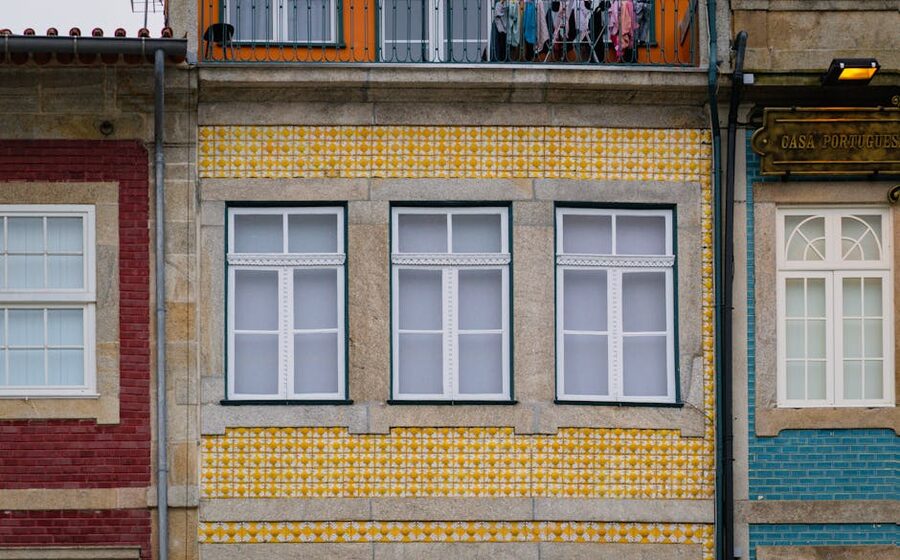
1. Porto Card with Transport 1-4 Days — from €17
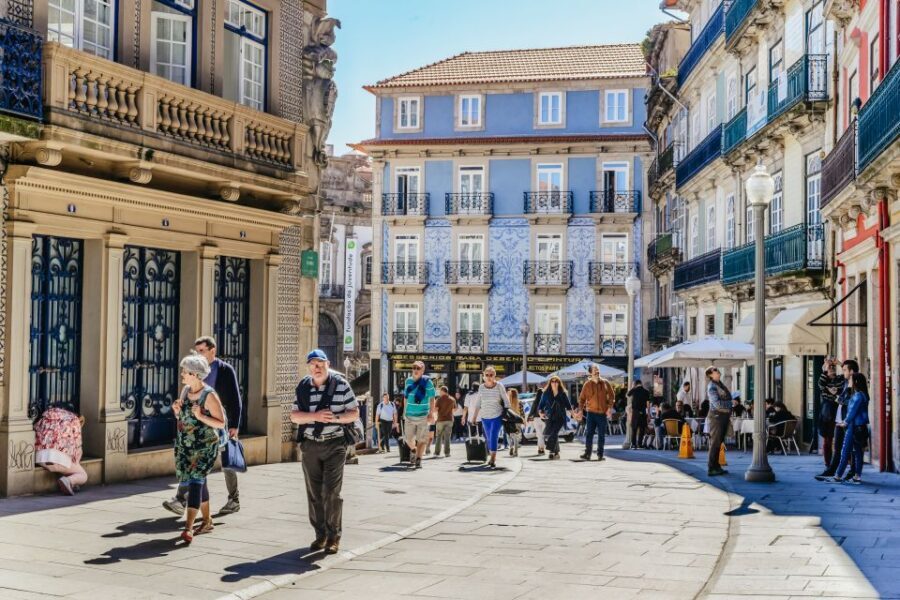
The Porto Card most people should actually buy. One-day version is €17, 2-day is €29, 3-day is €37, 4-day is €44. The airport-to-city metro ride alone covers about €2.60 of it, and the free museum pool adds up fast for anyone planning to see more than one. Our full review covers the activation timing and which durations are worth the extra days.
2. Porto Card Walker (Pedonal) 1-4 Days — from €8
The walker card is a niche product. It breaks even at about 3 paid attractions and no more, assuming you never take a metro. €8 for 1 day, €13 for 2, €17 for 3, €21 for 4. If your hotel is central and you hate transport, this works. For anyone else the transport version is a better deal. Our Walker-version review lays out the narrow cases where it wins.
A Quick Note on Porto Vs Lisbon Cards

If you’re hitting both cities on one trip, note that the Lisbon Card is genuinely the better deal of the two. Lisbon has more free-entry attractions worth hitting (Jerónimos, Belém Tower, Coach Museum), and the transport there is much more useful given the size. Porto Card is fine; Lisbon Card is excellent. Budget accordingly.
For walking tours specifically, our Lisbon walking tour guide compares guided options that work well with either card.
When to Visit Porto

Best card value comes from shoulder season — April-May and September-October — when you’re most likely to actually do a full museum + cruise + tour itinerary in comfortable weather. Summer is crowded enough that you’ll spend more time queuing than visiting, which means you use fewer of the card’s free entries. Winter is quiet and cheap but rainy, so plans shift to mostly food and port cellars (which the card doesn’t really help with).
Card price stays identical across the seasons. Your hit rate doesn’t.
A Few Questions People Always Ask
Does the Porto Card cover Gaia? Yes for transport (metro D crosses into Gaia), and discounts apply to most port cellars on the Gaia side. But you still pay for each cellar tour — usually €15-30.
Is the card transferable? No. Each card is tied to one person, though nobody ever seems to check photo IDs at museums.
Can I refund an unused card? Refund policies vary by vendor. GetYourGuide typically allows cancellation up to 24 hours before activation. Once activated, no refund.
Does it cover the funicular to the Bolsa? The Guindais Funicular connects Ribeira to the Batalha area — it runs about €4 round trip, 25% off with the Porto Card. Worth it if your knees hate Porto’s hills.
Children? Under 4 are free on public transport anyway. Ages 4-12 get a cheaper “junior” Porto Card. Most of the free museums also have children’s discounts, so the card’s child version is worth it if you’d take a kid through 3+ museums.
Other Porto Guides Worth Reading
If you’re deciding what else to pair with your Porto Card, our Porto coverage has the specific deep-dives. Start with the Porto walking tour guide since even cardholders should take one on day one — the city’s layers (Roman, medieval, baroque, modern) make a lot more sense with a guide. For the river, the 6 Bridges cruise or the full river cruise guide both benefit from the card’s 20% discount. Port wine cellars are where you’ll use the card discount most often. Tower visitors should read our Clerigos Tower guide for timing tips. Lello hopefuls need the Lello ticket walkthrough since the card doesn’t help there. Football fans: FC Porto stadium tour booking. And if you want atmosphere over sights, our Porto fado guide lists the shows that honour the card discount.
Some links in this article are affiliate links — if you book through them, we may earn a small commission at no extra cost to you. We only recommend products we’ve actually researched and would use ourselves.