
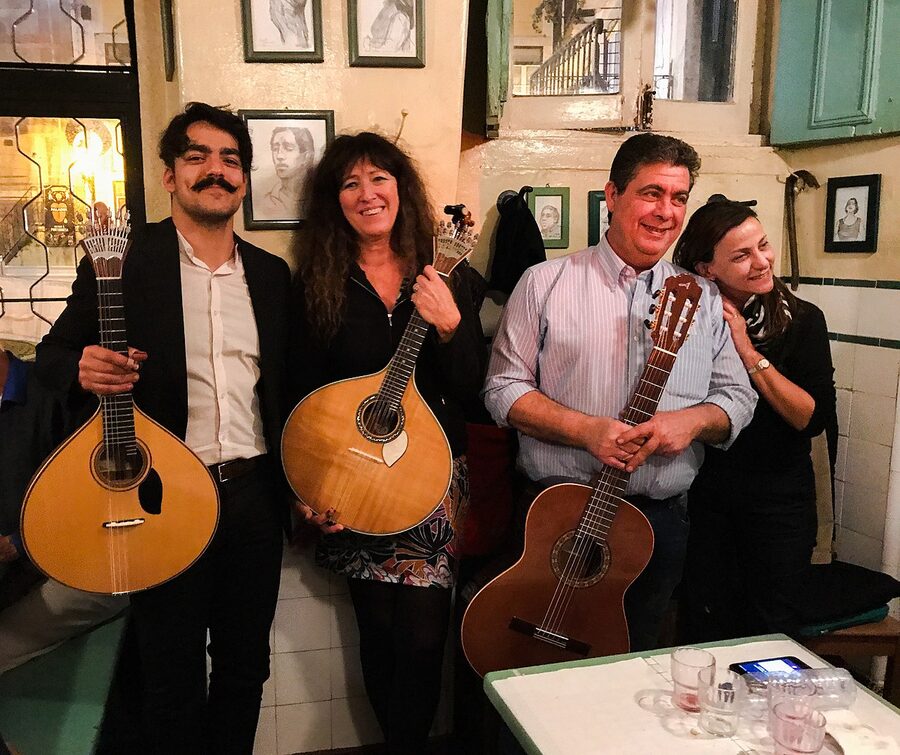
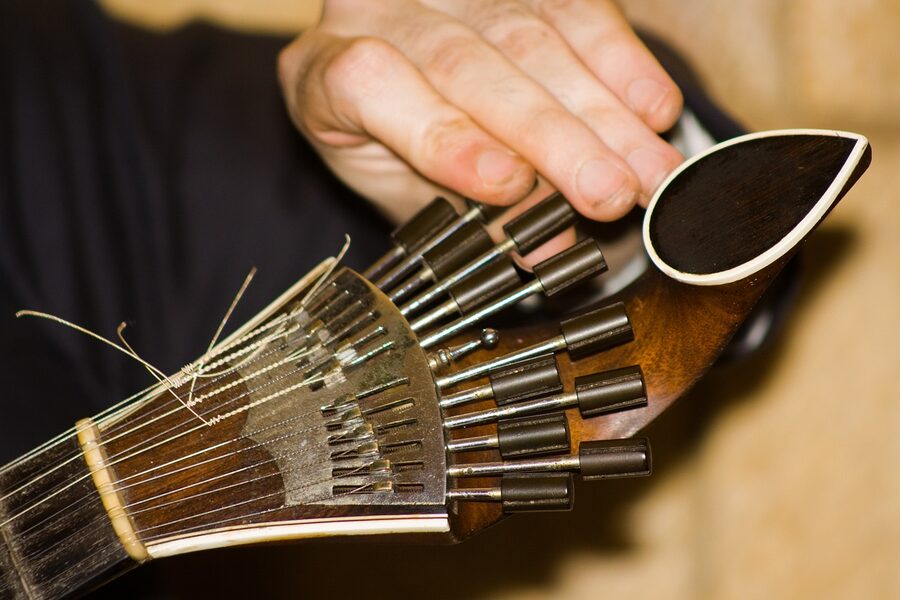
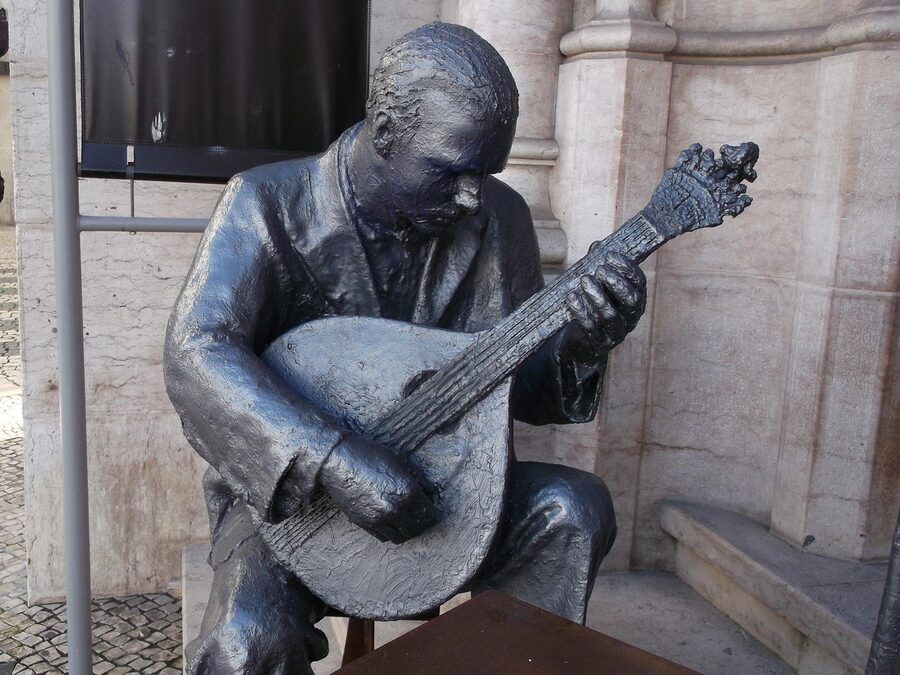
The lights dim, someone shuts the door to the street, and the whole room goes quiet. A woman in a black shawl steps forward. The Portuguese guitar — that pear-shaped twelve-string with the sharp metal ring — starts a slow run, and then she opens her mouth and the first note lands somewhere deep in your chest. That’s fado. And booking it in Lisbon is easier than most people think, once you know which type of show to go for.
.jpg)
In a Hurry? Best Fado Shows in Lisbon
Best value: Live Fado Show with Port Wine — $19, 50 minutes, unamplified concert in a small central venue.
Most atmospheric: Fado Inside Medieval Walls — $23, stone arches, medieval city wall, a glass of wine.
Easiest to book: Fado in Chiado Live Show — $27, longest-running fado show in Chiado, a visually engaging production.
- In a Hurry? Best Fado Shows in Lisbon
- Concert-only vs. dinner fado — pick this first
- The three shows I actually book
- 1. Live Fado Show & Port Wine in Historic Central Venue —
- 2. Fado Show and Wine Inside Medieval Walls —
- 3. Fado in Chiado Live Show —
- Where fado lives — Alfama vs. Mouraria vs. Bairro Alto
- How to actually book a show
- What fado actually is — a 90-second history
- Etiquette — the one rule you have to know
- What to wear and when to go
- Common questions
- Where this fits in a Lisbon trip
- What to do if the show isn’t for you
- One small thing that changes everything
Concert-only vs. dinner fado — pick this first
The biggest decision isn’t which venue. It’s which format. Lisbon has two very different fado experiences and booking the wrong one for your mood will ruin the night.
Concert-only shows run about 50 minutes to an hour. You sit down, a glass of wine or port appears, the lights drop, and for the next hour nothing else happens except the music. These cost around $18-$30. You’re not paying for food. You’re paying for a proper listening environment where nobody clinks cutlery during the slow bits.
Dinner fado runs two to three hours. You eat, you drink, sets of fado happen between courses, and the singers usually rotate — two fadistas and two guitarists sharing the night. These cost $60-$120 depending on the venue. The food is fine. Sometimes it’s good. It’s rarely the reason to go.
My take: if you’ve never seen fado before, book a concert-only show first. An hour of focused music gives you a much better feel for what fado actually is than four hours of distracted eating. If you love it, do a full dinner house on a second night.
The three shows I actually book
1. Live Fado Show & Port Wine in Historic Central Venue — $19
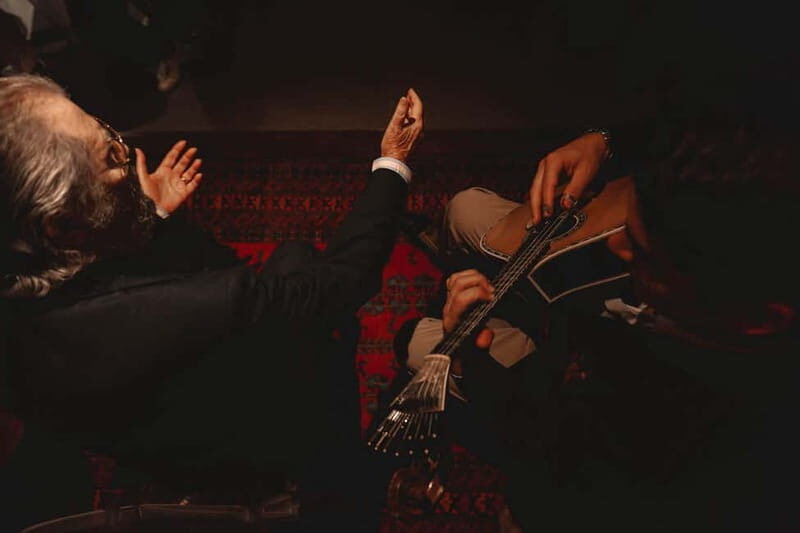
This is the one I send everyone to first. The venue is tiny — a handful of seats, no stage, award-winning singers working unamplified with Portuguese guitar accompaniment — and our full review covers why the intimacy matters so much. A multimedia segment between sets explains what each song is about, which helps if you don’t speak Portuguese. One warning: first-come first-served seating, so arrive fifteen minutes early.
2. Fado Show and Wine Inside Medieval Walls — $23
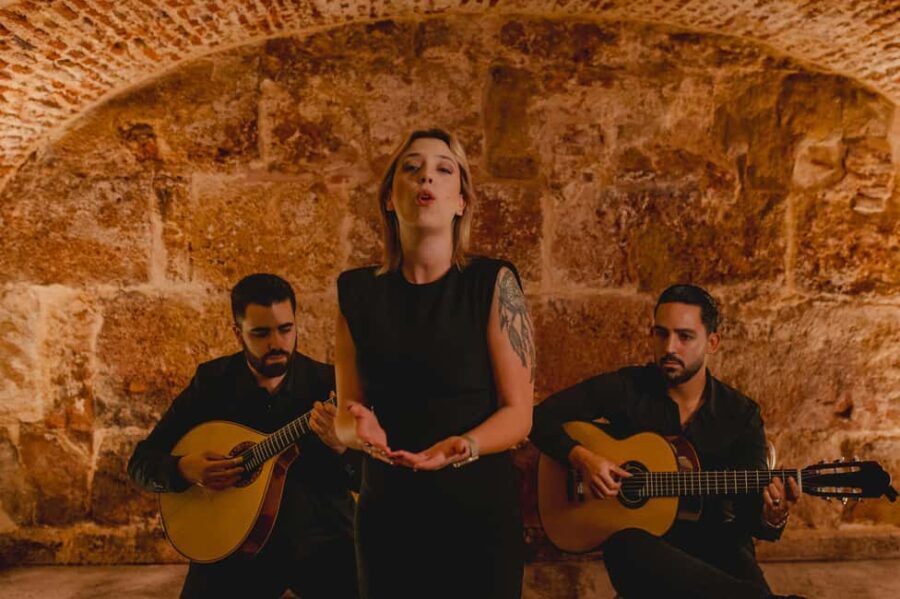
If the atmosphere matters more than the price, this is the pick. Stone arches, the remains of the medieval wall, ancient acoustics that make every note feel weightier — our deep-dive review goes into the educational element, where the musicians explain each song’s backstory. The venue can get stuffy when full, so dress in layers. The wine is sweet Portuguese white — if you prefer dry, ask at the door.
3. Fado in Chiado Live Show — $27
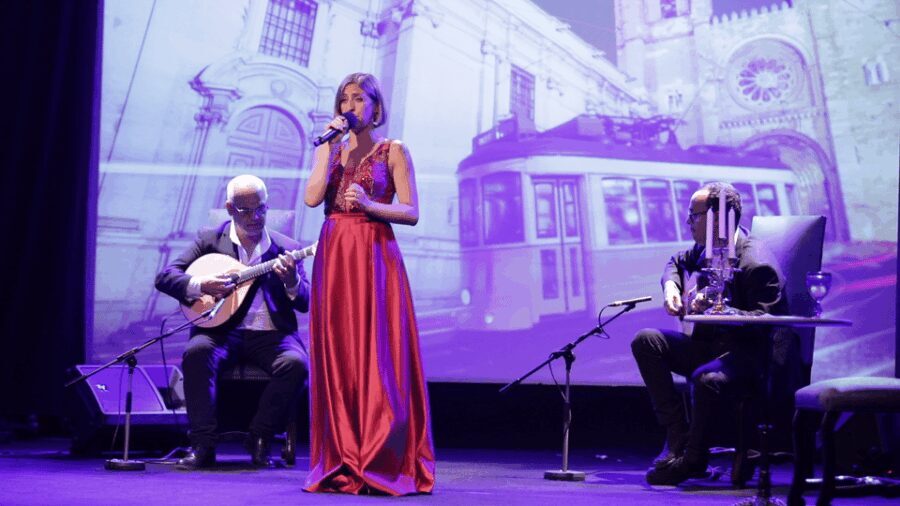
Chiado puts you a short walk from the restaurant district rather than up in the Alfama maze, which is the draw if you want dinner before or after without a hike. The show has been running over fifteen years and the musicianship is consistently strong. Our review notes the projected visuals tying songs to Lisbon landmarks — some people love this, others find it distracting. My view: the first two shows feel more like you’ve stumbled into someone’s living room. This one feels like a gig.
.jpg)
Where fado lives — Alfama vs. Mouraria vs. Bairro Alto
Fado isn’t spread evenly across Lisbon. Three neighbourhoods carry almost all of it, and each has a different vibe.
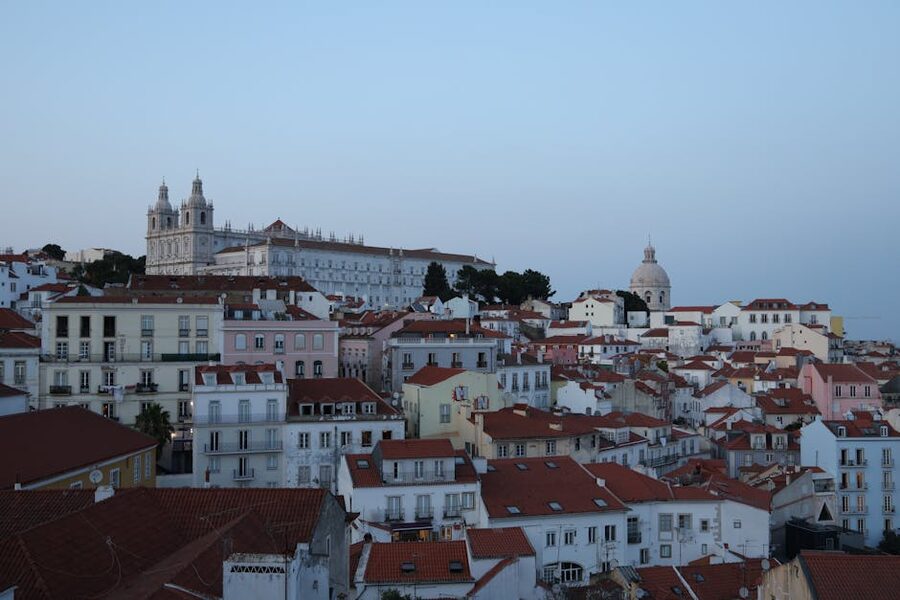
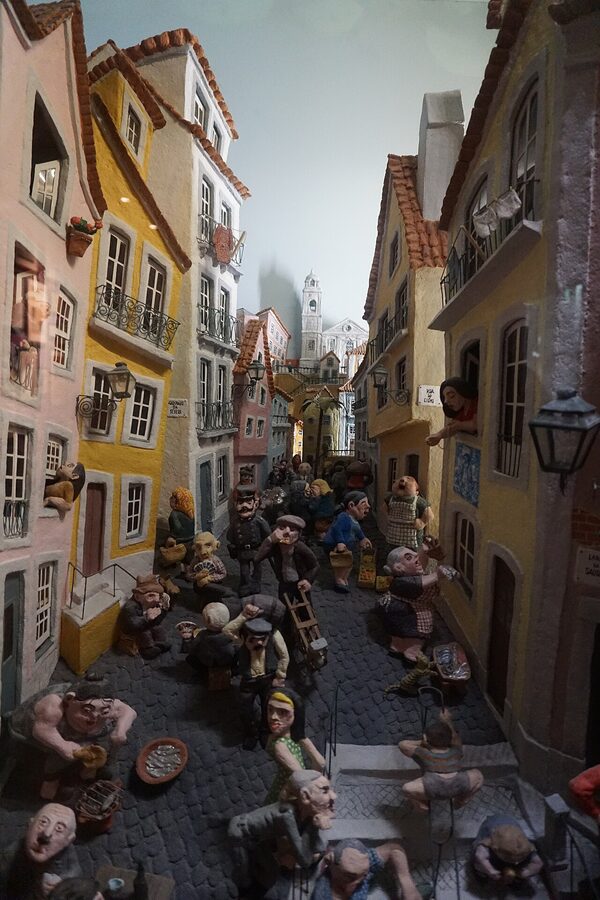
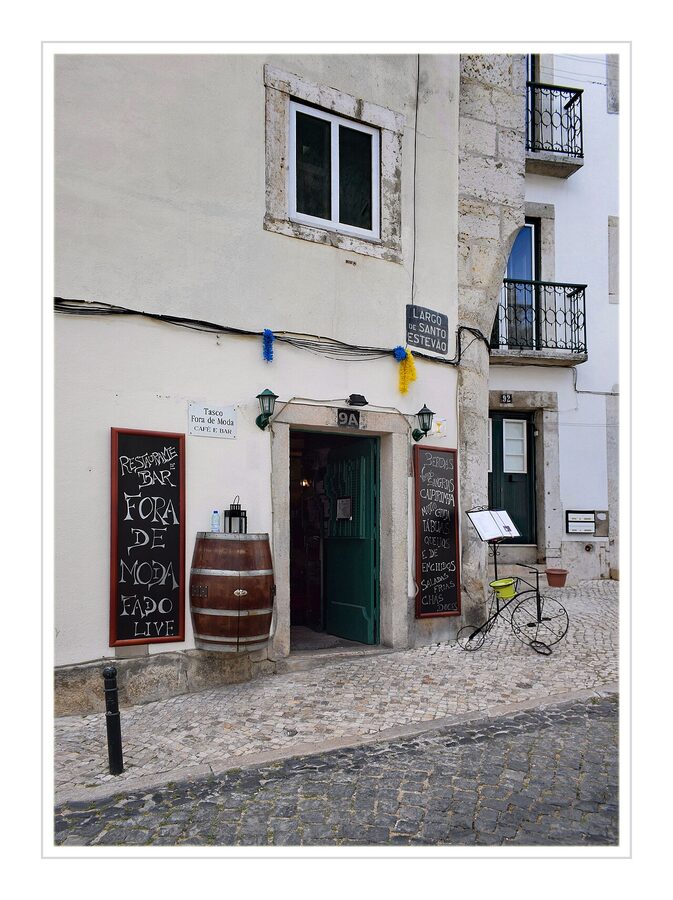
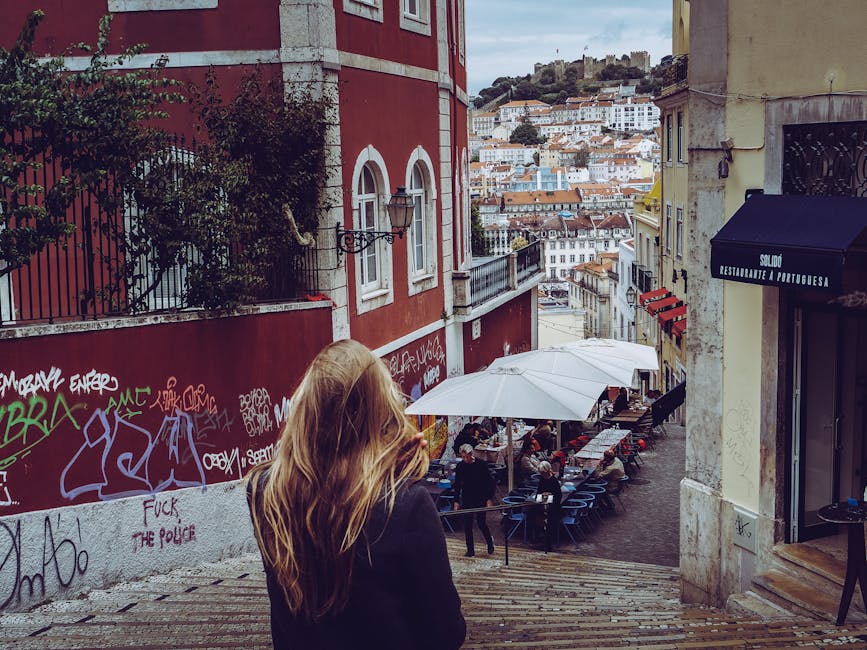
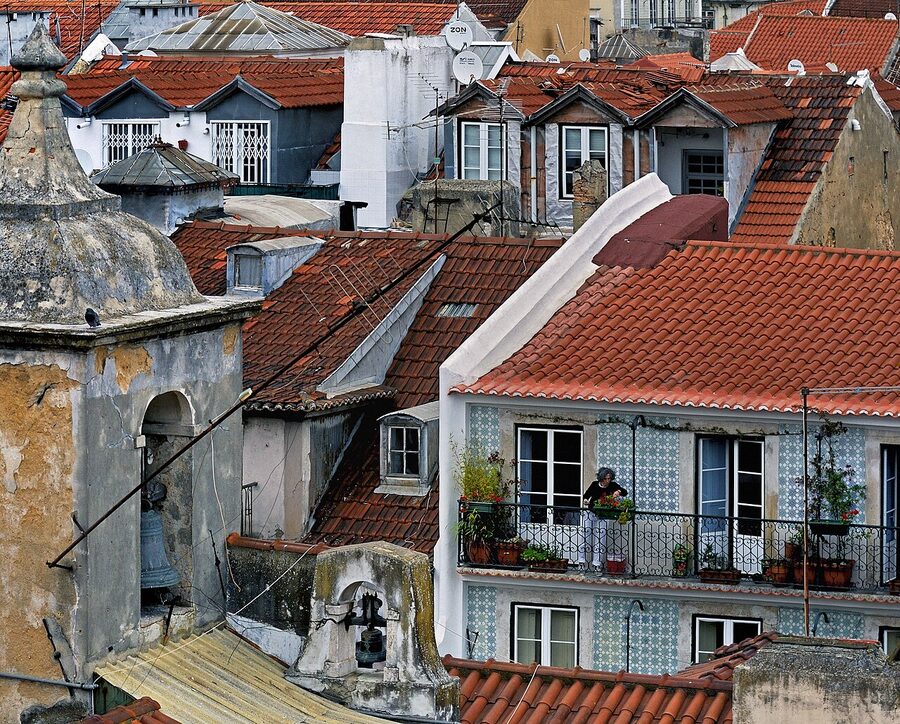
Alfama is the postcard version. Steep cobbled lanes, tiled houses, laundry strung between windows. This is where most of the famous fado houses cluster, and where the Museu do Fado sits. The downside: prices are a little higher here and the tourist concentration in summer is heavy. Walk up rather than taking a taxi — half the experience is winding through the streets at dusk hearing snatches of music through open windows.
.jpg)
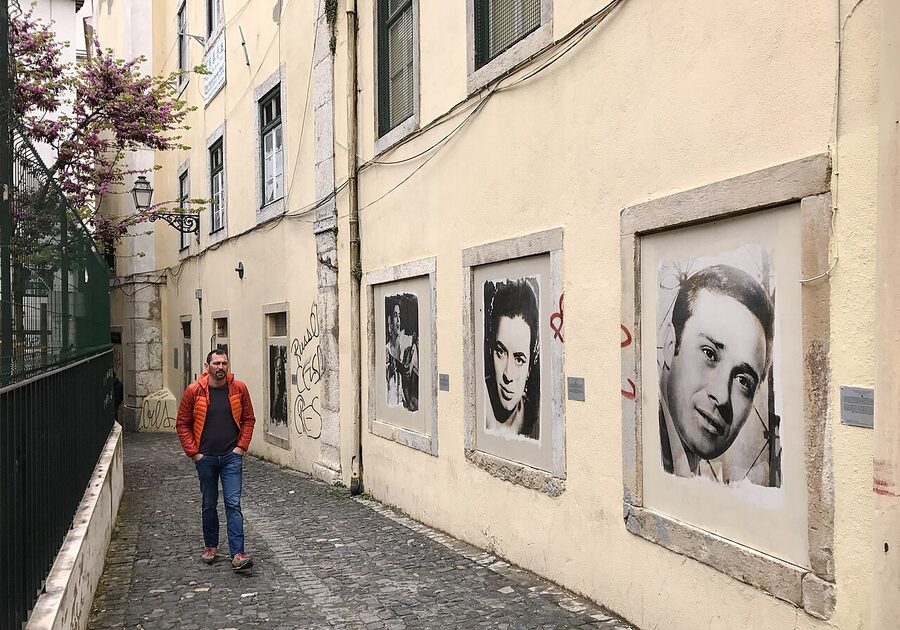
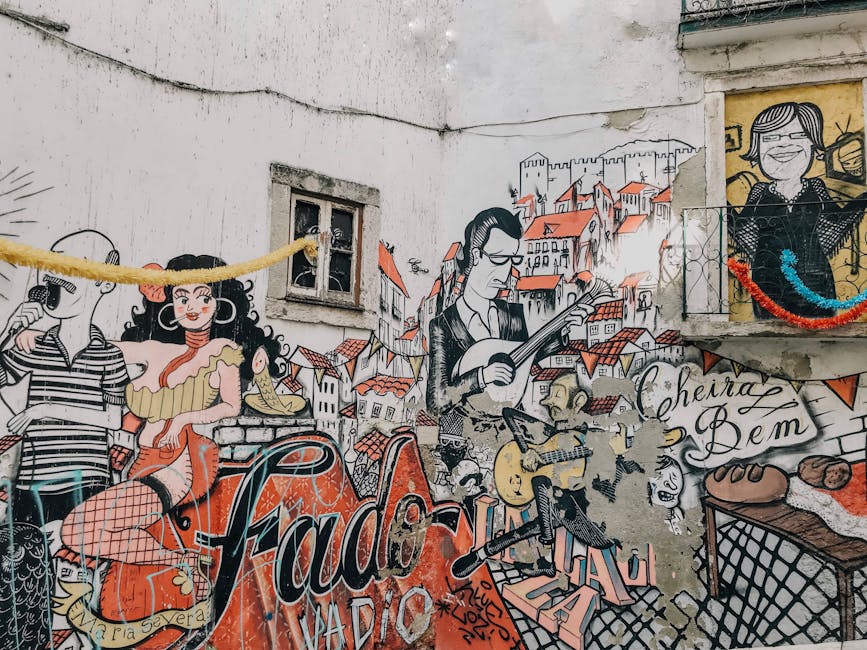
Mouraria is the birthplace. Fado started in the rough 19th-century taverns here, sung by the legendary Maria Severa, who is now memorialised on a mural wall. The neighbourhood is rougher around the edges than Alfama, less photogenic, and that’s the point. Venues here feel more like bars with music than theatres with dinner. If you want the raw version, come up here.
Bairro Alto and Chiado are the easier options. Flatter streets, closer to the main restaurant and bar scene, and the fado venues here tend to be more polished. Fado in Chiado is the obvious example. You sacrifice a little grit for a lot of convenience. That’s a fair trade if it’s your only night in Lisbon.

How to actually book a show
Three options, in order of how I’d rank them:
1. Book online through GetYourGuide or Viator. This is what I do for every first fado show in a new visit. The English-speaking booking flow, instant confirmation, and free cancellation up to 24 hours out all matter when you’re travel-planning from another country. Prices are the same as the venue box office in most cases — the venues pay GYG a commission rather than marking up the customer.
2. Walk up on the night. Most concert-only venues hold back some seats for walk-ins. If you’re already in Alfama at 7pm, you can try for the 9pm show. This works better in shoulder season (March-May, October-November). July and August you will not get in without a booking.
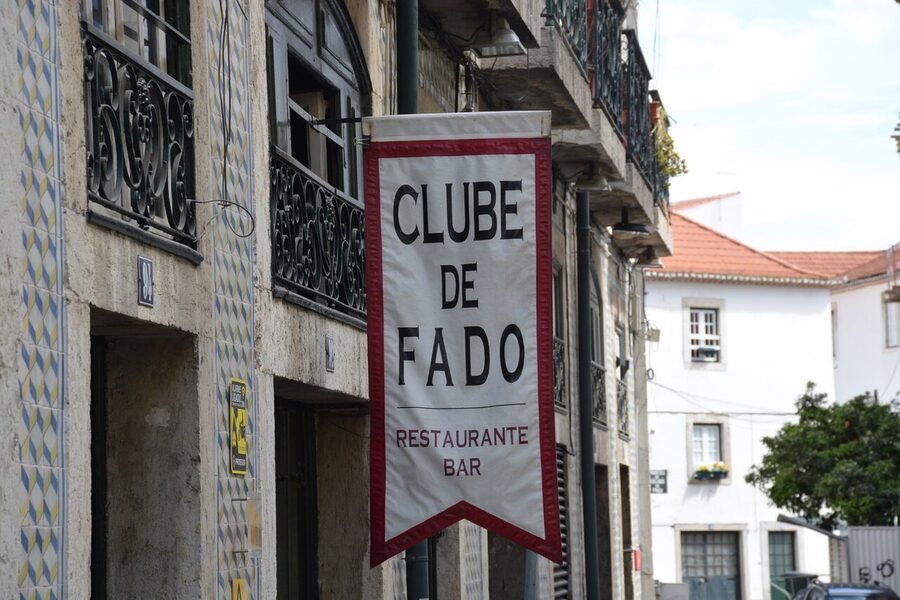
3. Book direct through the venue website. Some venues (particularly the traditional dinner houses like Clube de Fado, Mesa de Frades, Parreirinha de Alfama) only take reservations by phone or via their own websites. These are the most serious fado houses — they’re worth the effort if you’re serious about the genre.
_(25491133644).jpg)
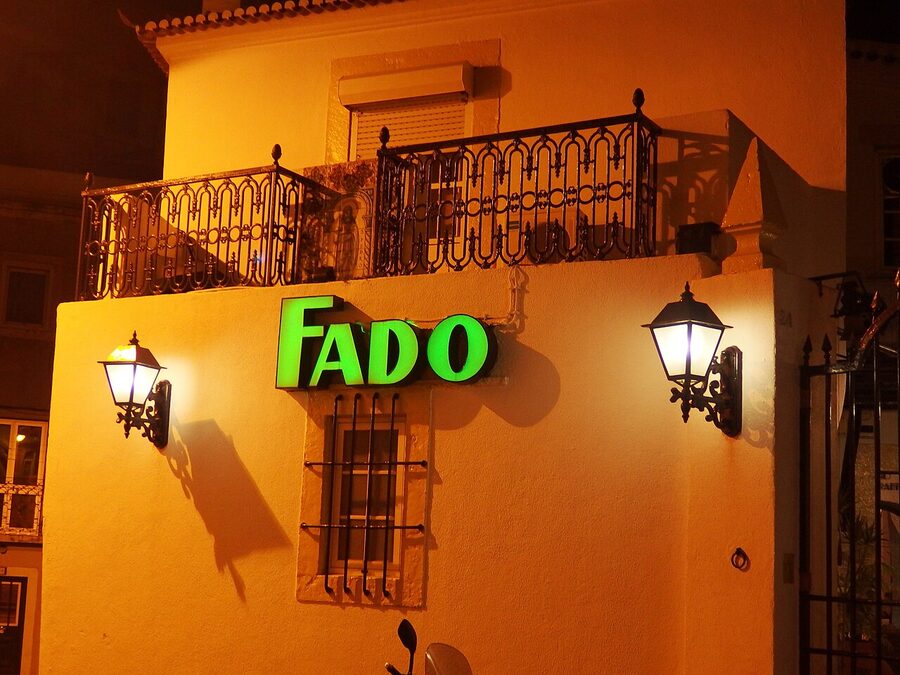

What fado actually is — a 90-second history
Fado is urban Portuguese folk music, born in Lisbon in the early 1800s. Nobody really knows where it came from. Theories point to Moorish laments, Brazilian dance rhythms brought back by colonial sailors, and the street songs of Lisbon’s dock workers and prostitutes. What’s clear is that by the 1820s, something recognisable as fado was being sung in the taverns of Mouraria.
The word fado comes from the Latin fatum — fate. The music is about destiny, longing, loss, and an emotion Portuguese has its own word for: saudade. Roughly, a bittersweet yearning for something that’s absent and might never return. It’s why fado sounds sad even when the lyrics are happy.
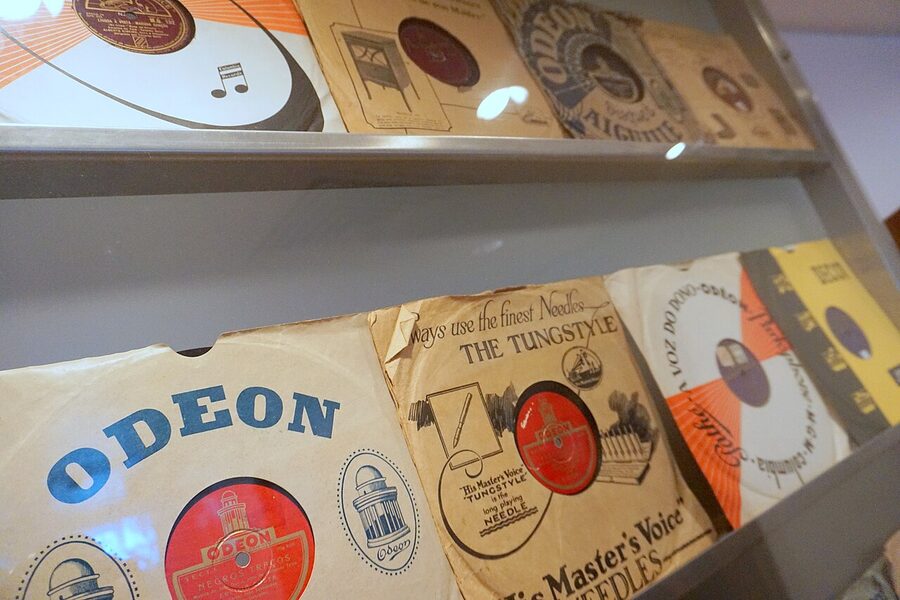

.jpg)
The queen of the genre was Amália Rodrigues, who died in 1999 and had a state funeral. Her voice still plays in most fado houses on quiet nights. The modern scene is healthy — Mariza, Ana Moura, Carminho, Gisela João — and UNESCO put fado on its Intangible Cultural Heritage list in 2011. This is not a dead museum genre. It’s the national music that still gets sung in small rooms five nights a week.
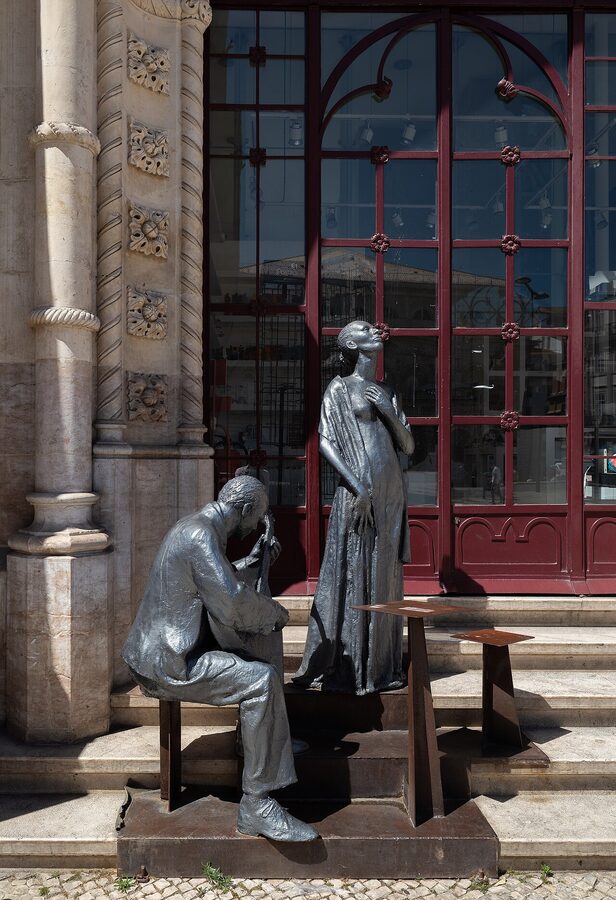

Etiquette — the one rule you have to know
Silence when the guitar starts. That’s the whole rule. The instant the Portuguese guitar plays its opening runs and the singer steps up, stop whatever conversation you’re in. Don’t clink your glass. Don’t whisper. Don’t take flash photos. Fado is performed at conversational volume — there are no microphones in most traditional venues — and even a quiet cough can puncture the moment.
You’ll see the staff shushing tables when a set begins. That’s normal and not aggressive. It’s a shared ritual, and once you’ve sat through one proper silent set you understand why it matters.
Other practical bits: you can clap between songs, but the traditional response at the end of a particularly moving piece is a murmured “Amália” — a nod to the great Rodrigues. You don’t have to do this. Nobody will think less of you if you just clap.
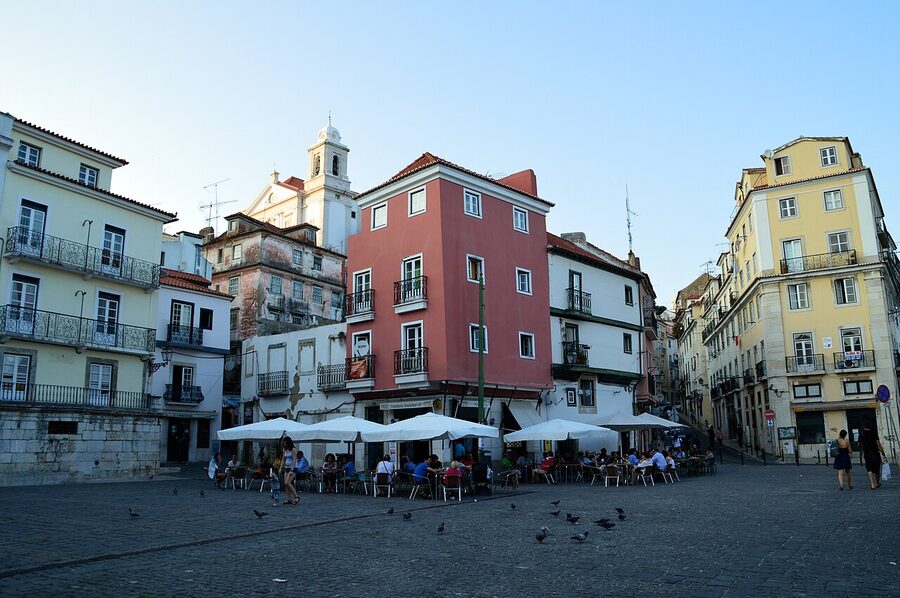
.jpg)
What to wear and when to go
Smart-casual works everywhere. Traditional dinner houses lean slightly dressier — a collared shirt, no shorts, no flip-flops. The concert-only venues are relaxed. Alfama streets are steep and cobbled, so whatever shoes you wear need to handle uphill.
Shows run later than you’d expect. Most concert shows start at 7pm, 8pm, or 9pm. Dinner houses usually have two seatings — 8pm and 10pm. The later seating is the better vibe if you can handle the late-night eating. Portugal runs on a Mediterranean clock.

Fado is a year-round thing. Winter is actually better than summer — the tourist crush eases, the venues feel properly small, and the weather outside matches the music. November through March you can walk up to most shows with a good chance of a seat.
Common questions
Do I need to understand Portuguese? No. The emotion carries. Most venues hand out or project a rough English summary of each song. Understanding the lyrics enhances the experience but isn’t necessary.
How long is a typical show? Concert-only is 50-60 minutes. Dinner shows run 2-3 hours with food between sets.
Is fado family-friendly? The music itself is fine for older kids. The venues are intimate and quiet — a restless child will be miserable and so will everyone around them. I’d say twelve-plus for a concert show, older for a dinner house.
Can I take photos? Between songs, yes, without flash. During a performance, no. Phones away. This is genuinely enforced.
Is there a tipping culture? Fado performers are paid by the venue. Tipping isn’t expected but is welcomed if a particular singer moves you. A few euros slipped to the house at the end is a nice gesture.
Where this fits in a Lisbon trip
A fado show slots neatly into most Lisbon itineraries because it takes an evening and nothing else. If you’ve spent the day on a Tagus river cruise watching the city from the water, or grinding up the steps of Sintra for Quinta da Regaleira, a fado concert is the slow-down counterpoint. You sit, you listen, you let your feet recover.
For first-timers I’d usually pair a fado show with an Alfama walking tour earlier the same day. The walking tour gives you the neighbourhood context — who lived here, what the azulejo tiles mean, why the streets twist the way they do — and then the evening fado lands with the whole backdrop already in your head.
Porto has its own fado scene that’s worth a look if you’re heading north. Smaller, less storied, often cheaper. Our Porto guide covers the best venues up there. And if you want to eat your way through Lisbon on a different night, the Lisbon food tour covers the same Alfama and Mouraria streets by day, with pastéis de nata stops along the route.
What to do if the show isn’t for you
Fado doesn’t land for everyone. The tempo is slow, the songs are mostly in Portuguese, the emotional register is heavy. If you get fifteen minutes into a show and it’s not clicking, that’s fine — you’re allowed to not love it. Don’t force a three-hour dinner set if your gut is already saying this isn’t your night.
In that case, Lisbon’s evenings have plenty of alternatives. A sunset cruise on the Tagus covers the “I want atmosphere without quiet listening” brief. A Lisbon boat tour works if you’d rather look at the city than listen to it. And a Lisbon hop-on hop-off bus with one of the night routes shows you the same neighbourhoods lit up instead of through the lens of a song.
If you’re building a longer Lisbon stay, a Lisbon Card pays for itself once you add up a couple of museum entries plus transport — the Museu do Fado is included.
One small thing that changes everything
Go to the Museu do Fado in the afternoon before your evening show. It’s ten euros including the audio guide and takes about 90 minutes. You’ll walk out knowing the difference between fado menor and fado corrido, knowing who Amália was, knowing what to listen for in the Portuguese guitar runs. Then you sit down at the show that night and the whole thing hits twice as hard. I’ve seen people who went in expecting “some Portuguese music” leave genuinely moved. That’s the power of a little context.
Book the show early. Walk up through Alfama at dusk. Shut your phone off when the door closes. Let the guitar do what it does. You’ll remember it longer than most things you do in Lisbon.
Some of the links in this article are affiliate links. If you book a tour through one of them we may earn a small commission at no extra cost to you. It helps us keep writing guides like this one.