
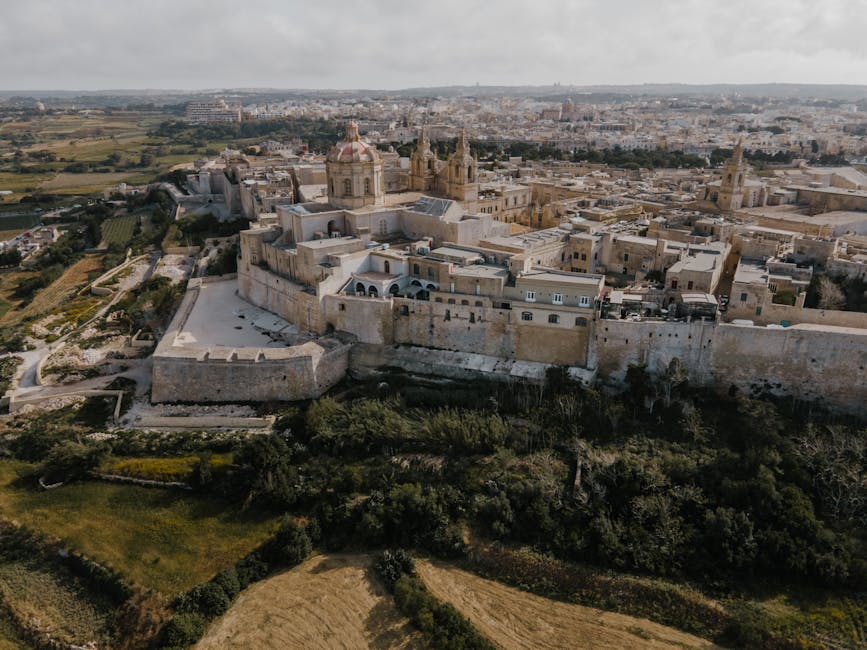
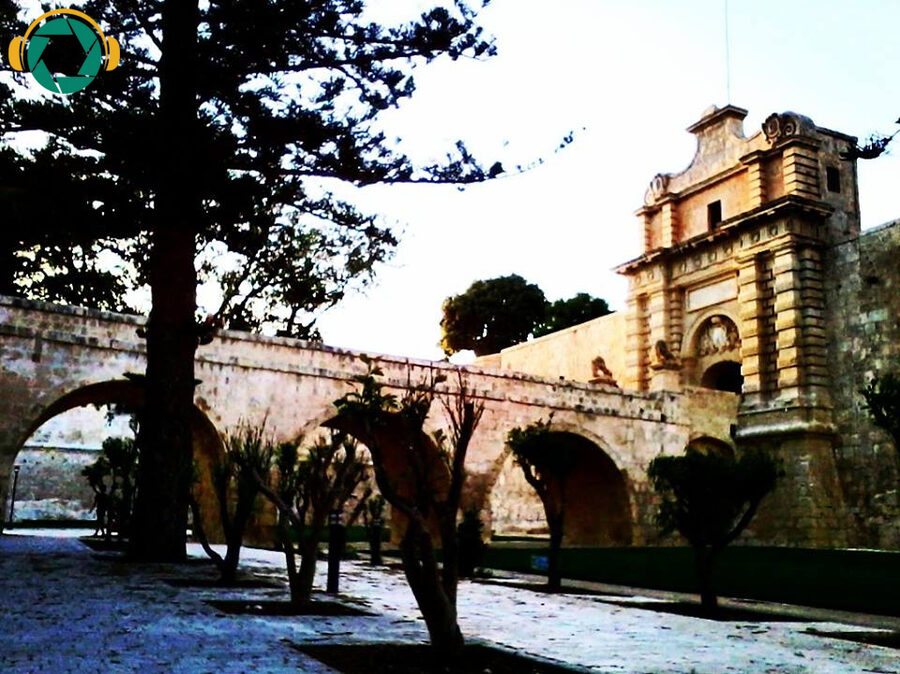
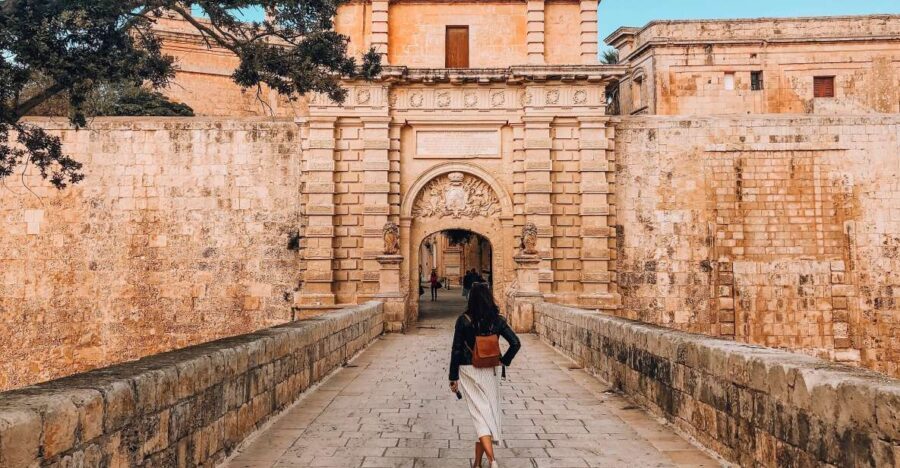
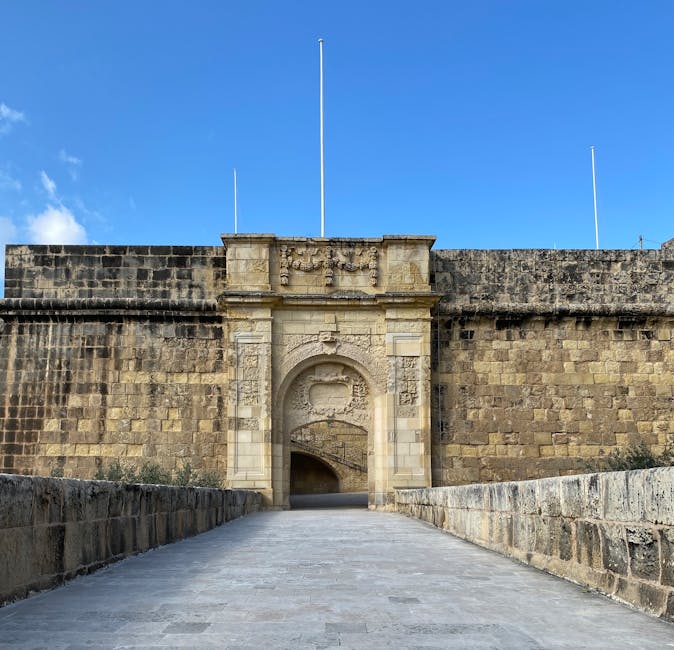
You step through Mdina Gate and the noise just stops. One second you’re at a kerb full of buses and tour groups in baseball caps; the next your footsteps are echoing off limestone, and the loudest sound in the city is somebody’s shutters creaking on the floor above. Mdina has roughly 250 residents, and apart from a few resident cars and the occasional taxi to a hotel inside, that’s it. The Maltese call it the Silent City, and the name lands the moment you cross that threshold.
This guide covers the most-booked Mdina-and-Malta-highlights day tours, what they actually cover, and how to book them without the usual pitfalls. If you only have a day or two on the main island and you want to see the medieval capital plus the big sights you keep reading about (Mosta dome, Dingli, San Anton, Rabat catacombs), one of the full-day tours below will do most of the work for you.

Best for Mdina depth: Mdina and Rabat Walking Tour with Catacombs, $29. Two and a half hours on foot inside the walls and into the underground.
Best for nature plus history: Mdina, Dingli Cliffs and San Anton Botanical Gardens, $41. Half-day, three sites, no lunch. The afternoon-only option.
- What a Mdina day tour actually covers
- The three best Mdina day tours to book
- 1. Highlights of Malta and Mdina Full Day Tour with Lunch:
- 2. Mdina and Rabat Walking Tour with Catacombs:
- 3. Mdina, Dingli Cliffs and San Anton Botanical Gardens:
- How booking actually works
- Inside Mdina: what you’ll actually see
- St Paul’s Cathedral and the Cathedral Museum
- Palazzo Falson
- Bastion Square and the views
- The little stuff: alleys, doors, knockers
- Outside the walls: Rabat
- St Paul’s Catacombs
- Walking the Mdina-Rabat boundary
- The other stops on a full-day tour
- Mosta and the dome
- Ta’ Qali Crafts Village
- Dingli Cliffs
- San Anton Botanical Gardens
- A short history, because the tour guides skip half of it
- The earthquake and the Baroque rebuild
- The aqueduct, in case you wondered why it’s everywhere
- When to go and how to time it
- Practical things tour guides forget to mention
- Getting there if you skip the tour
- Combining Mdina with the rest of Malta
- Other Malta guides worth a look
What a Mdina day tour actually covers
The phrase “Mdina day tour” is a slight con. Most full-day tours sold under that label spend roughly an hour to ninety minutes inside Mdina itself, then move on to four or five other sights elsewhere on the island. That’s not a problem, it’s the right call. Mdina is small, you can walk the entire walled city in twenty minutes, and the surrounding villages of Rabat, Mosta and Attard are where a lot of the day’s substance lives.
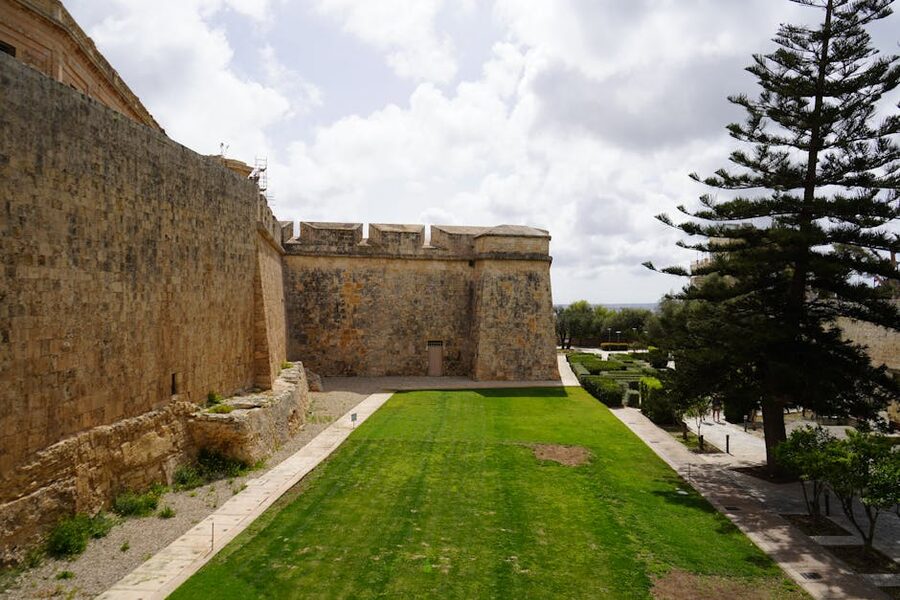
A typical full-day itinerary looks like this: pickup from your Sliema, St Julian’s or Valletta hotel around 8.30am, an hour on the Mdina bastions and through the cathedral square, a stop at the cliffs of Dingli (Malta’s highest point at about 250m) for the view down to the sea, lunch at a hotel restaurant somewhere in the centre of the island, then Rabat for the catacombs, Mosta for the famous dome, and Ta’ Qali Crafts Village for filigree silver and glassblowing demonstrations. Drop-off back at your hotel between 5 and 6pm.
The half-day tours skip lunch and one or two of the secondary stops. Walking tours stay inside Mdina and Rabat without leaving on a coach at all.
The three best Mdina day tours to book
I’ve ranked these by how well they match what most people actually want from this kind of trip. They’re three different shapes of day, and the right one depends on whether you want lunch included, whether you want to walk inside Mdina at length or just glance at it, and whether you care about the natural-cliffs-and-gardens angle or the history-and-catacombs one.
1. Highlights of Malta and Mdina Full Day Tour with Lunch: $79
If you’re only on the main island for two or three days and you want to see Mdina, Mosta, the Dingli cliffs, the catacombs and Ta’ Qali in one go, this is the right tool. Pickup from most central hotels, an experienced guide on the coach, lunch at a Maltese restaurant in the centre of the island, and you’re back by early evening. Our full review goes into the lunch details and which seasons get the most squeeze on the schedule.
Check Availability
Read our full review
2. Mdina and Rabat Walking Tour with Catacombs: $29
This is the pick if Mdina itself is what you came for, and the surrounding Malta sights matter less. The walking-tour format means you actually go inside places, including Rabat’s WWII shelters and the catacombs, instead of just hearing about them through a coach window. Our review covers what to wear (the catacombs get cold) and which start times have the smaller groups.
Check Availability
Read our full review
3. Mdina, Dingli Cliffs and San Anton Botanical Gardens: $41
San Anton Gardens are a lovely 17th-century walled garden in Attard, and the Dingli view is genuinely the best non-coastal one on the island. You skip Mosta and the catacombs on this tour, so don’t pick it if those are on your list. Our review notes which afternoon departures get the best Dingli light for photos.
Check Availability
Read our full review
How booking actually works
All three tours above are bookable on GetYourGuide with free cancellation up to 24 hours before. Pay-on-arrival isn’t an option for any of them, you pay at the time of booking by card. The advantage of GetYourGuide over the operator’s own site is the cancellation window and the unified app, not the price (the prices are the same).
Pickup is from a hotel in the central tourist strip (Sliema, St Julian’s, Bugibba, Qawra) for the full-day coach tours. The walking tour meets at Mdina Gate at the start time. If your hotel is in Valletta or Mdina itself, you’ll usually have to make your way to the central pickup point in Sliema, since coaches struggle to get into Valletta’s narrow streets.
Most full-day operators run multiple coaches simultaneously in peak season (April through October). That means even if your tour is sold out on one date, the same operator might be running a second coach you haven’t seen yet. Search the operator name directly on GetYourGuide if your preferred date shows full.
Inside Mdina: what you’ll actually see
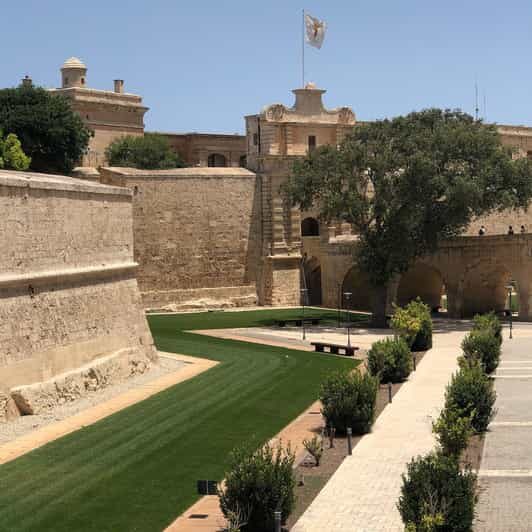
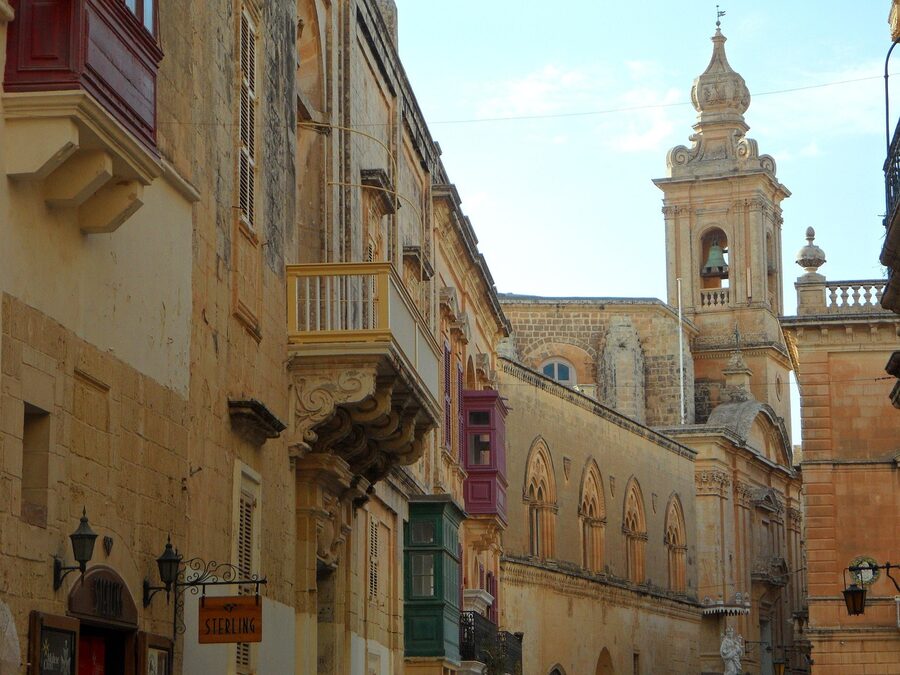
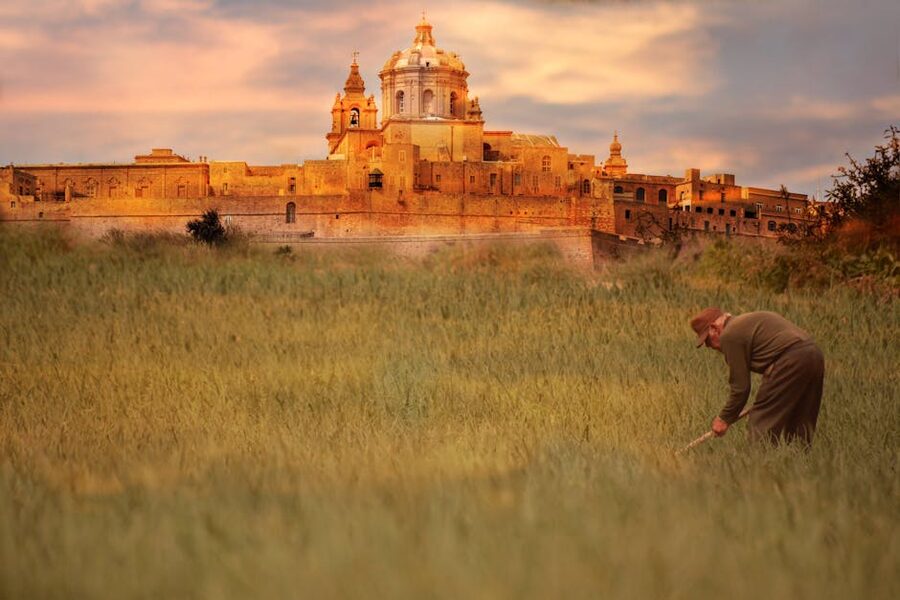
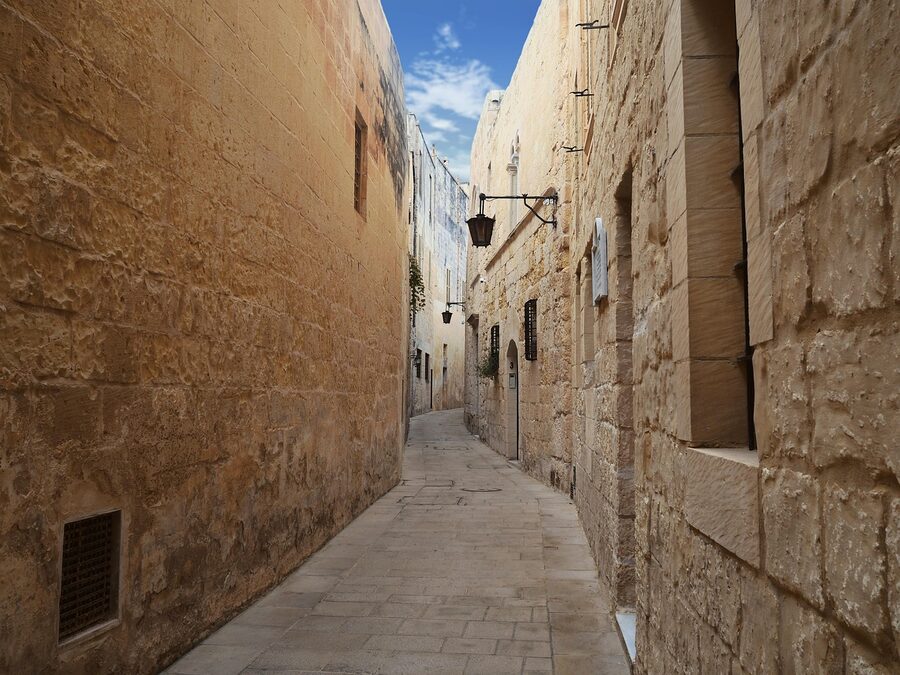
Once you’re through the gate, you’re in a city that’s basically been frozen since the 18th-century Baroque rebuild. The Knights of St John used Mdina as their formal capital from 1530 until they moved everything down to Birgu and then Valletta on the Grand Harbour, more interested in defending against Ottoman fleets than babysitting an inland hill town. After they left, Mdina settled into a kind of slow aristocratic decline that turned out to be the best thing for it. Nothing got modernised. Nothing got bulldozed.
St Paul’s Cathedral and the Cathedral Museum
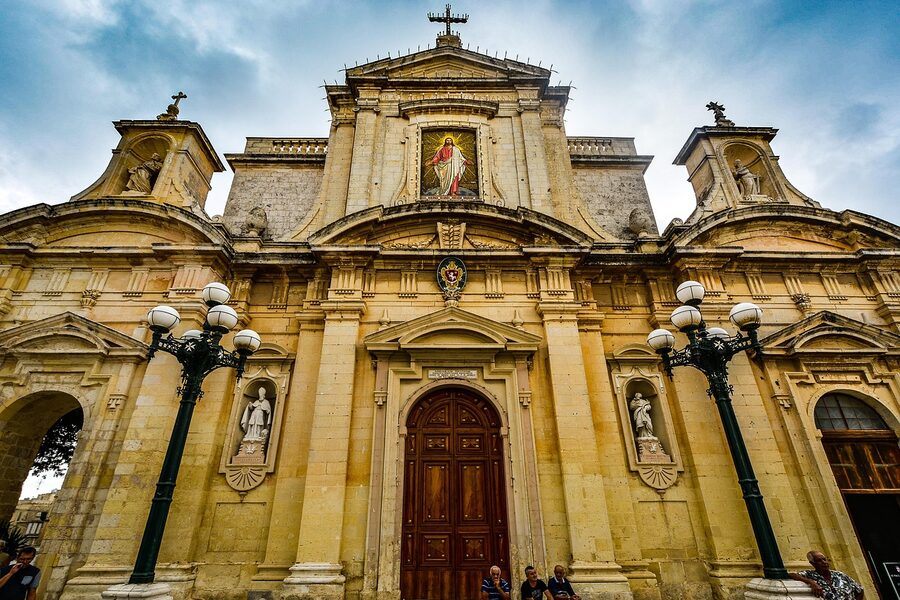
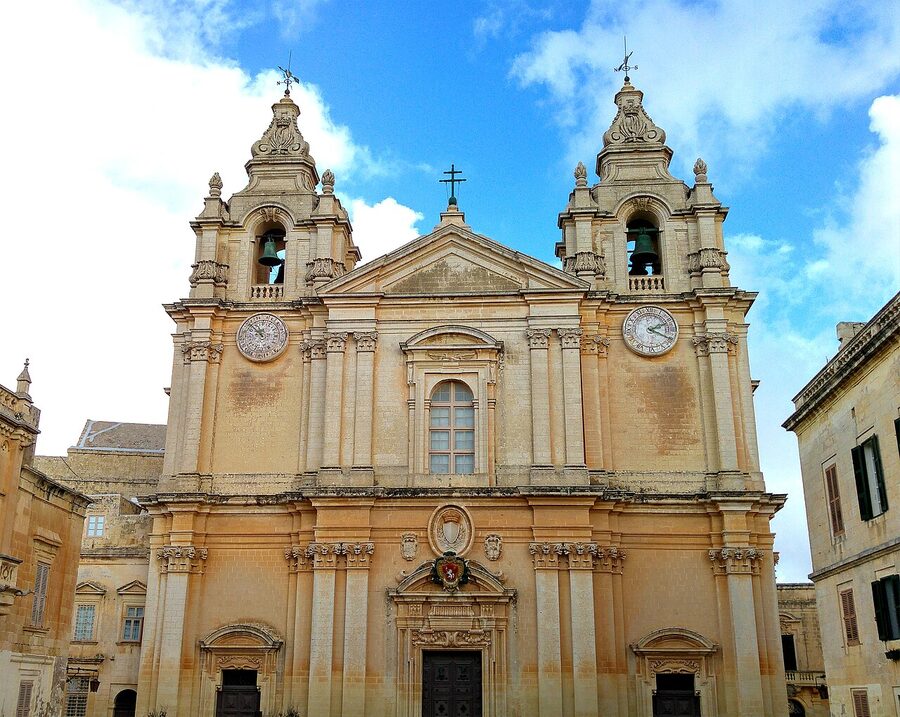
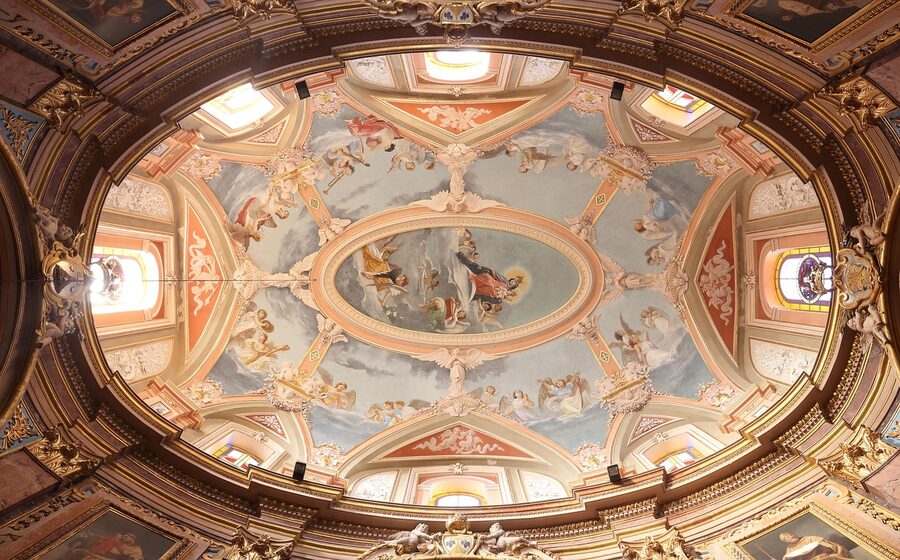
The cathedral square is the obvious centrepiece, and the cathedral itself is the most impressive building inside the walls. The first cathedral on this site went up in the 13th century, but the one you walk into today was rebuilt by Maltese architect Lorenzo Gafa between 1697 and 1703 after the 1693 earthquake destroyed the original. Gafa also designed the cathedral in Victoria on Gozo, which you might recognise if you’ve already done a day on Gozo.

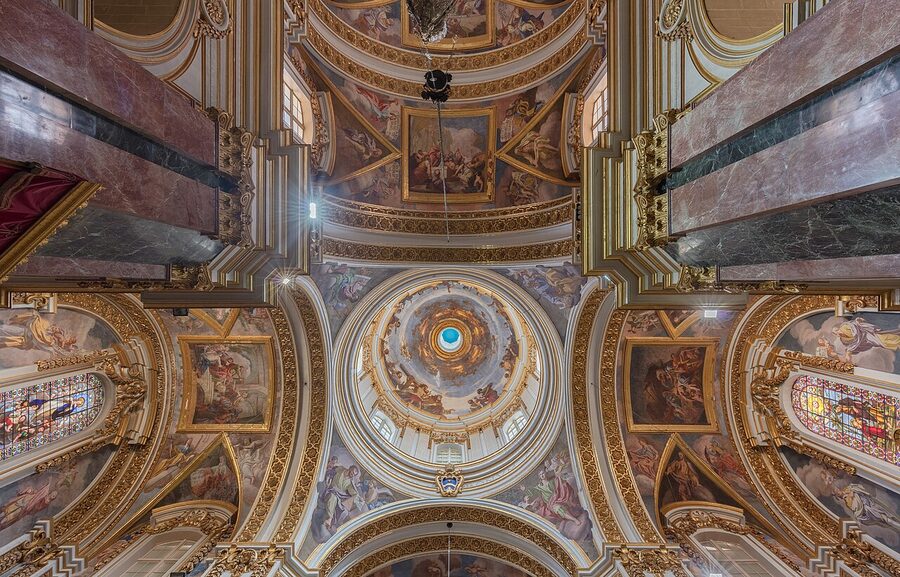

Tickets to the cathedral and the adjoining Cathedral Museum are sold together, so you may as well do both. The museum’s Albrecht Durer woodcut collection is genuinely good, and almost no-one on the coach tours bothers to go inside; you’ll often have a room to yourself. Allow 45 minutes for the pair if you’re solo, and budget the same time minimum on a guided tour.
Palazzo Falson
One street north of the cathedral, Palazzo Falson is a 13th-century merchant’s house that became the home of an eccentric 20th-century collector named Olof Gollcher. He filled it with armour, manuscripts, paintings and Oriental rugs, then willed the lot to a foundation. The house and collections opened to the public in 2007. It’s quiet, the courtyard is one of the best photo spots in the city, and the rooftop terrace gives you a different angle on the bastions.
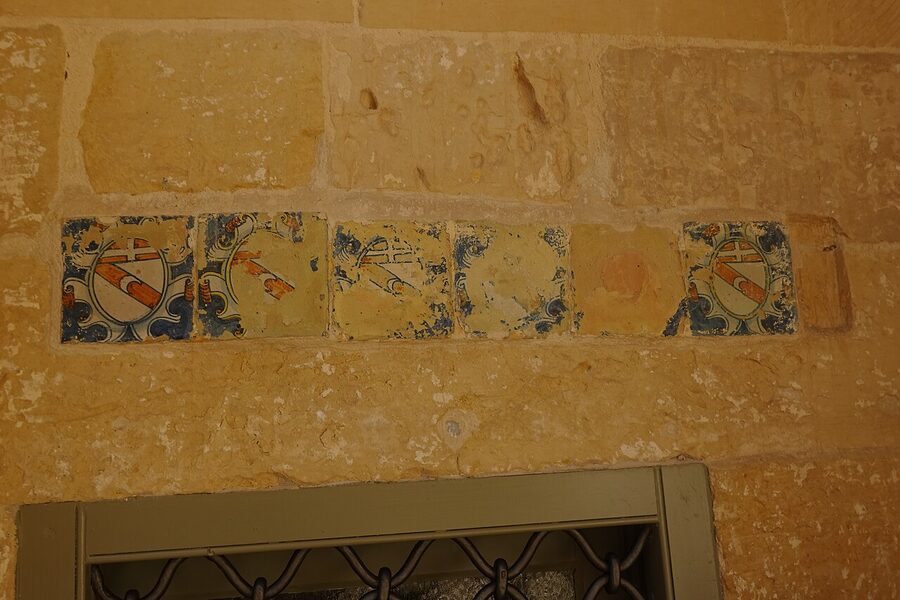
Most coach tours don’t include Palazzo Falson, so if you specifically want to see inside one of the noble houses, the walking tour is the better pick, or budget time before or after a coach tour to slot it in.
Bastion Square and the views
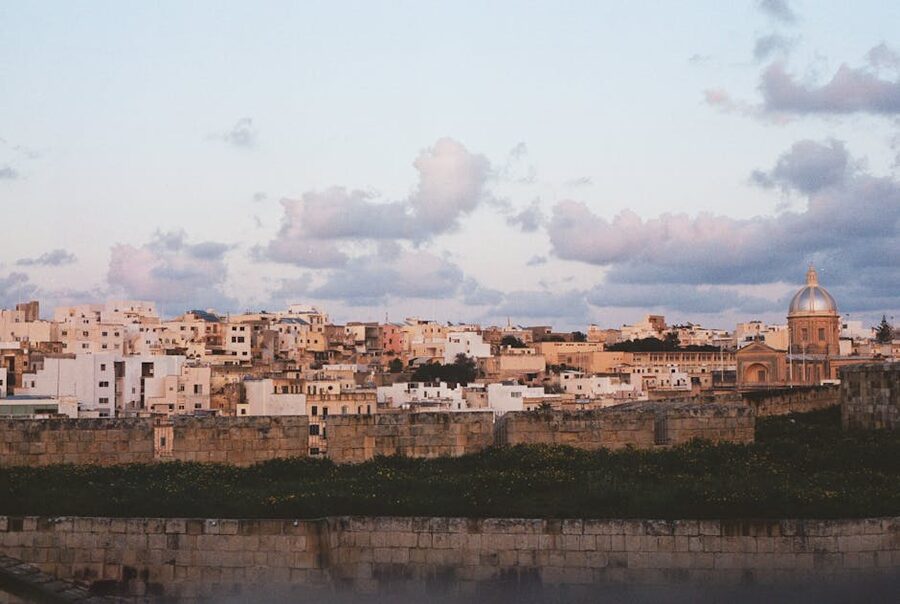
The bastions on the north side of the city look out over central Malta toward Mosta and the sea beyond. On a clear morning you can see all the way to the eastern coast around St Paul’s Bay. There’s a small cafe in the square with overpriced coffee and the best view, but locals prefer the bench section a few steps further east, where the wall cuts a notch and you get the same view without the espresso markup.
The little stuff: alleys, doors, knockers
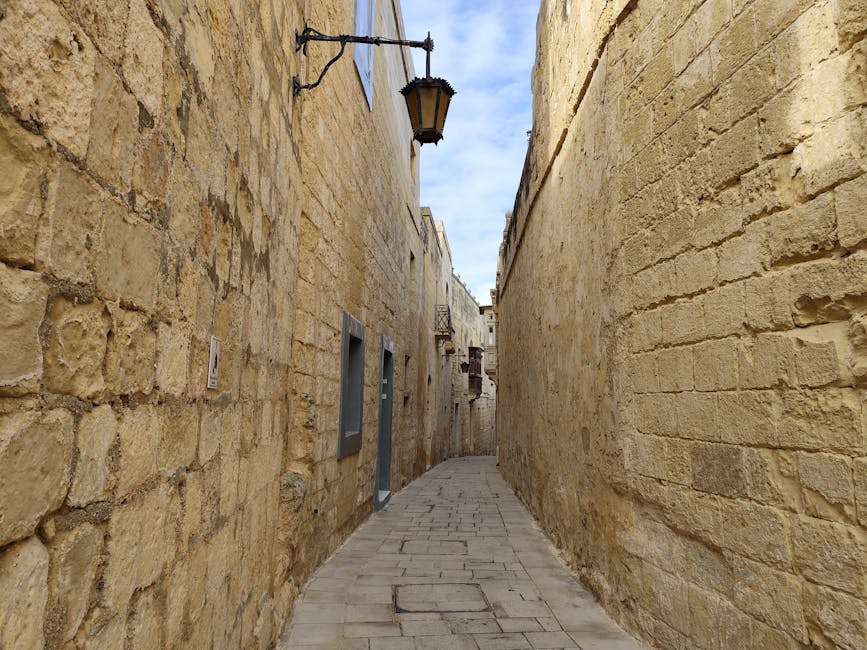
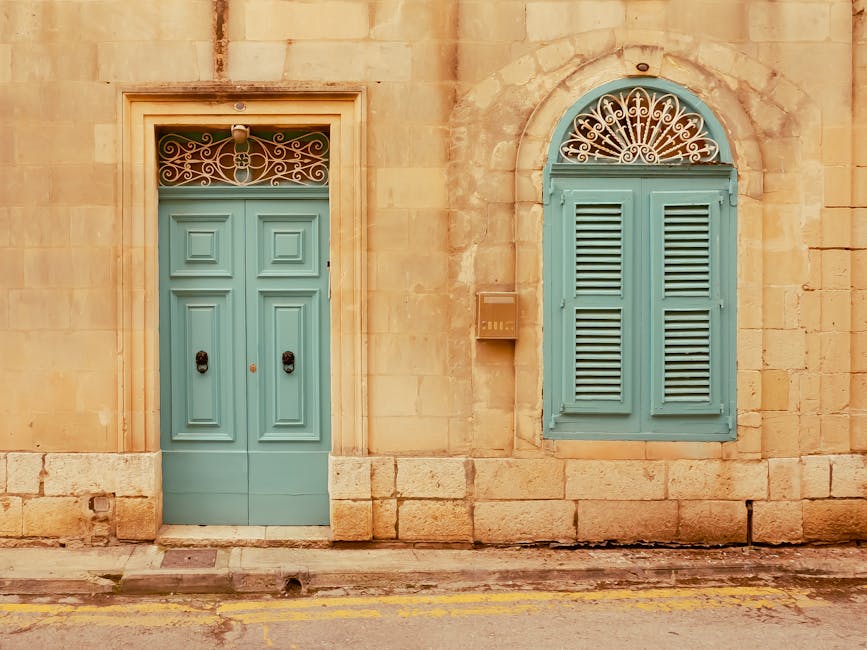
Mdina rewards aimless walking more than ticking off attractions. The painted door knockers are a thing, and the brass dolphins, lions and gargoyles on the older houses each meant something specific to the noble family that lived there. The Maltese word for knocker is “habbata”, which is also the word for “she who knocks”, and traditionally each household kept a custom design. They’re decorative now, but they’re also a kind of historical fingerprint of which family owned which palazzo.
Outside the walls: Rabat
Right outside Mdina Gate, across the small parking square, is Rabat. The two used to be one city. Roman Melite covered both. After Arab rule shrank the walled town in the 11th century, what was left outside the new walls became Rabat, which is just the Arabic word for suburb or fortified town. So when a tour says “Mdina and Rabat”, they’re really saying “Mdina and the rest of what used to be Mdina.” It’s a five-minute walk between the two, and most walking tours treat them as a single experience.
St Paul’s Catacombs
The headline Rabat sight, and the reason most full-day tours stop here. The catacombs are an early Christian and Jewish underground burial complex spread across about 2,000 square metres, with chambers, agape tables (where mourners ate funeral meals together) and inscribed tombs going back to roughly the 4th century CE. They’re cool in summer and cold in winter; bring a layer.
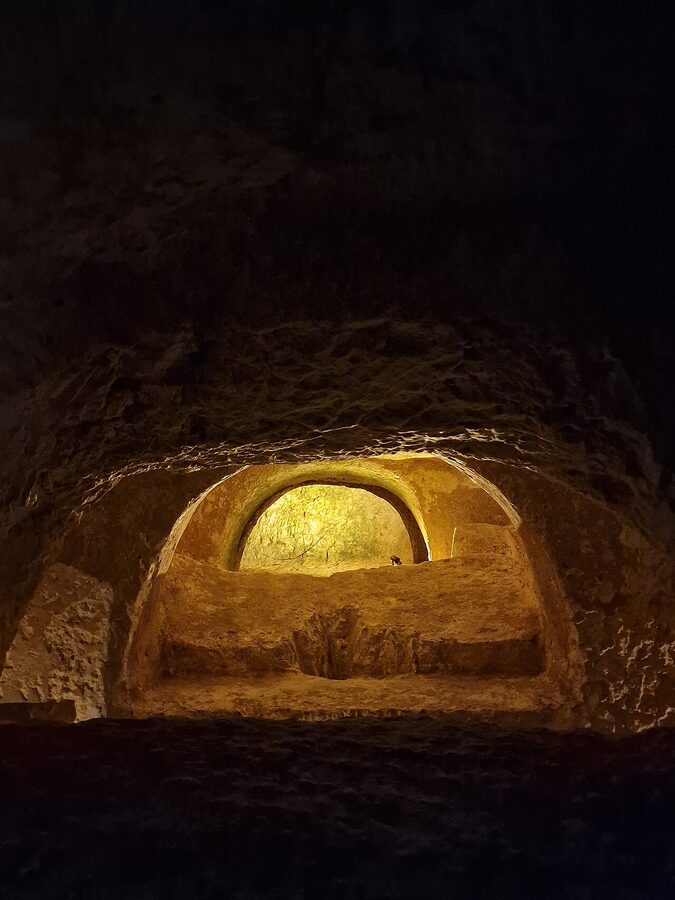

The site is named for St Paul because it’s near the grotto where Maltese tradition says the apostle stayed after the shipwreck of 60 CE. The grotto itself is in a separate building (the Wignacourt Museum complex) on the other side of Rabat. Some tours include both, some only the catacombs. Check the inclusions list before booking if the grotto matters to you.
Walking the Mdina-Rabat boundary
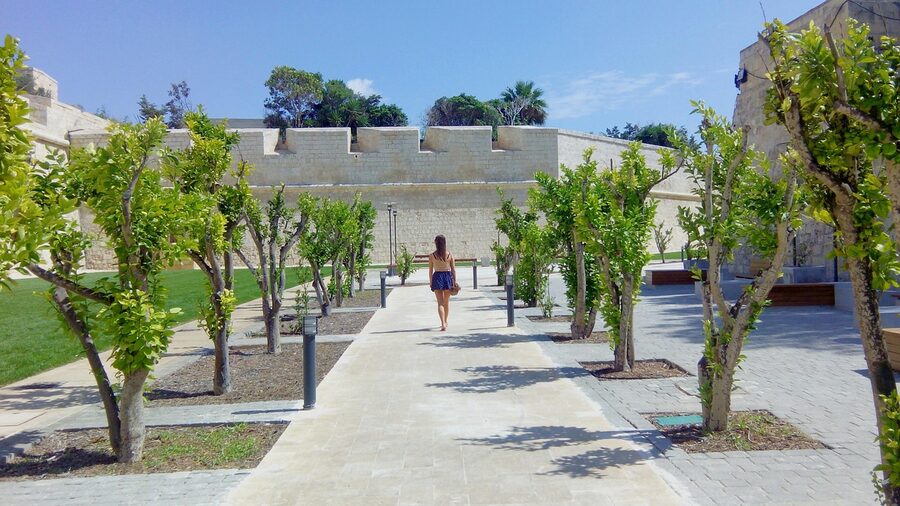
If you’re on a self-guided day, the walk from Mdina Gate to St Paul’s Catacombs is about seven minutes through the Rabat backstreets. The route takes you past the Wignacourt Aqueduct’s terminus and a few small bakeries that do pastizzi (the flaky cheese-and-pea pastries that are basically the Maltese national snack). One pastizzo is roughly 0.50 euros, fills you up, and beats whatever the lunch on the coach tour serves.
The other stops on a full-day tour
Here’s where the day tours genuinely earn their keep. Two of the headline stops, Mosta and Dingli, would each be a separate trip to organise on your own; getting them on one ticket is a real saving on faff.
Mosta and the dome
Mosta is a small town five kilometres east of Mdina, and the Rotunda of Mosta (officially the Basilica of the Assumption of Our Lady) is the third-largest unsupported church dome in Europe by some measures. The dome is 37 metres across on the inside. The story everyone tells is the wartime one: on 9 April 1942, a German bomb pierced the dome during Mass, slid across the floor, and didn’t explode. Three hundred people were inside. The unexploded bomb is on display in the sacristy as a reminder, although the original was disposed of by Royal Navy bomb disposal and what’s there now is a replica.
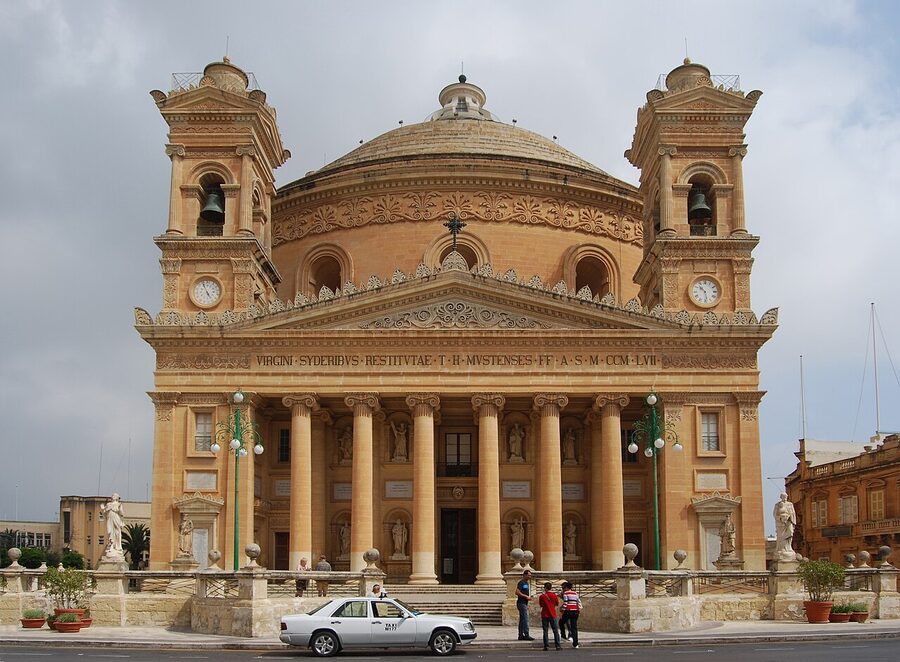

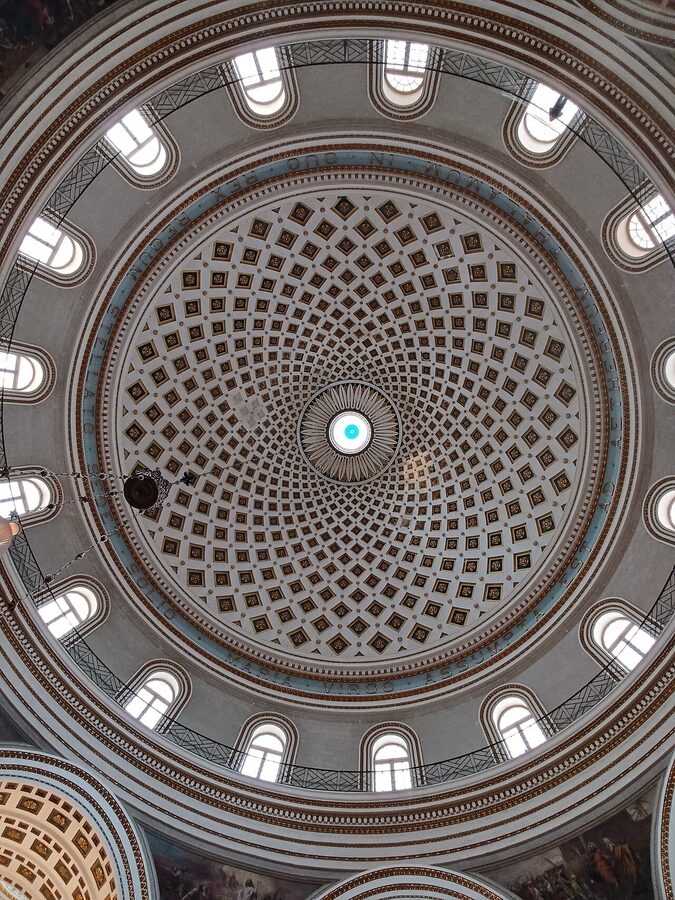

Coach tours give you about 30 minutes here, which is enough for the church and the bomb display but not for the small museum upstairs. If you’ve got a deeper interest, the walking-only tour skips Mosta entirely; this one’s a coach-tour exclusive in practice.
Ta’ Qali Crafts Village
Ta’ Qali sits between Mdina and Mosta on the site of a former WWII airfield. After the war the Maltese government converted the airbase huts into workshops for traditional crafts: filigree silver, blown glass, ceramic, lace and leather. It’s now a rambling village of small studios where you can watch people actually make things, then buy them. The glassblowing demos are the big draw; there’s usually one in progress when coach tours arrive.
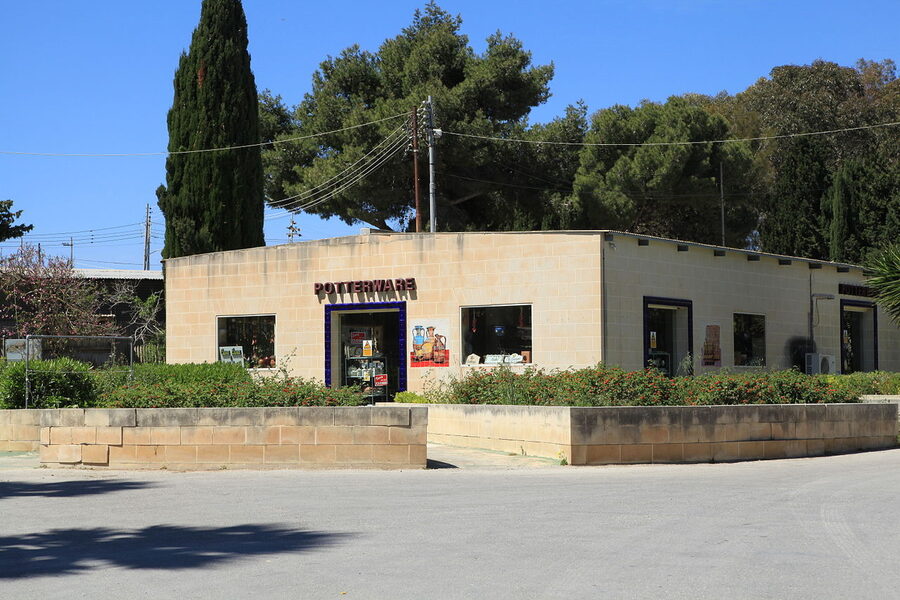

The Maltese filigree silver work is the genuine local craft to buy if you want a souvenir with substance. Prices in the workshops are cheaper than in Valletta’s tourist boutiques, and you watch them being made.
Dingli Cliffs
The cliffs at Dingli rise about 250m straight out of the sea on the south-west side of the island. They’re Malta’s highest point, and the view stretches across the open Mediterranean toward the small uninhabited island of Filfla in the middle distance. Most coach tours stop for 20 to 30 minutes here; long enough for photos and a walk along the cliff path, not long enough to actually hike anywhere.
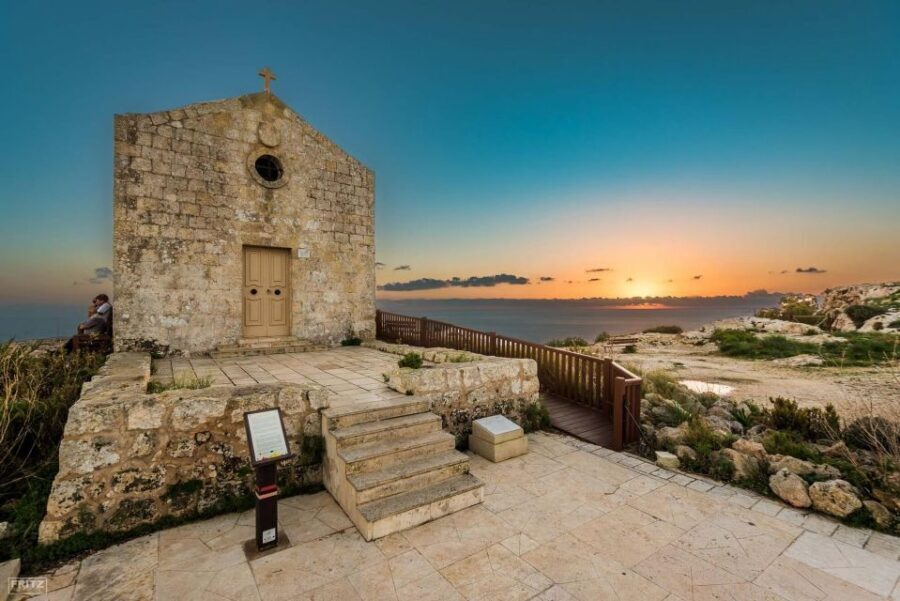
The chapel of St Mary Magdalene at the cliff edge is closed except on its festa day, but the small viewpoint just past it is the best photo spot. The wind up here can be serious; hold onto hats.
San Anton Botanical Gardens
San Anton in Attard is a 17th-century walled garden, originally laid out for the country residence of Grand Master Antonio de Paule. The presidential residence is still on the grounds (closed to the public), but the gardens are free to walk. There are mature ficus trees, a small aviary, and orange and lemon groves that produce edible fruit in winter. Twenty minutes is enough; it’s a stretch-your-legs stop, not a destination.
A short history, because the tour guides skip half of it
The bones of the Mdina story go back at least 4,000 years. Bronze Age silos in the bedrock under the cathedral square were already old when the Phoenicians arrived around the 8th century BC and called the place Maleth. The Romans took over in 218 BC, expanded the town, and renamed it Melite; their version was about three times the size of today’s walled city, and what’s now Rabat lay inside the original Roman wall. Some of the Roman remains survive at the Domvs Romana on the boundary, including a famous mosaic floor.
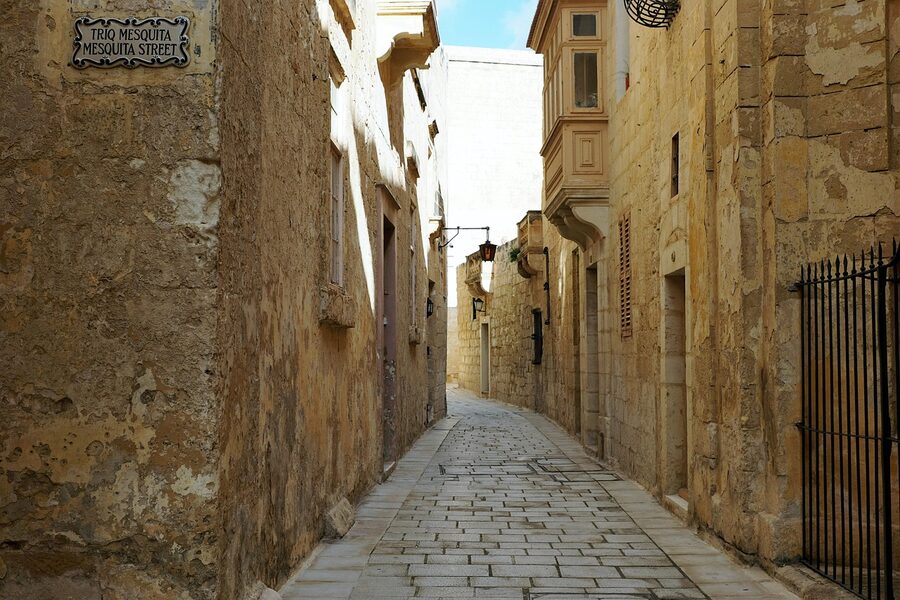
Byzantine and then Arab rule from the 9th century shrank the city to the smaller defensible footprint we have today. The Arabs renamed it Madinah, the Arabic word for “city”, which is where the modern name comes from. They also gave it the street plan you walk through now: deliberately narrow alleys, sharp angles to disorient invaders, and the high walls.
The Knights of St John arrived in 1530 after losing Rhodes to the Ottomans, took Mdina as their capital initially, then moved everything to the Grand Harbour at Birgu and later Valletta. From 1571 onwards Mdina was the formal seat of the Maltese nobility and the bishop, but politically irrelevant. That’s actually why it survived intact; nobody bothered to modernise it.
The earthquake and the Baroque rebuild
On 11 January 1693, the Sicily earthquake (one of the largest seismic events ever recorded in the central Mediterranean) destroyed most of the cathedral and damaged buildings across the walled city. The rebuild commissioned in 1722 by Grand Master Antonio Manoel de Vilhena was led by French architect and military engineer Charles Francois de Mondion, who gave Mdina its Baroque facelift: the gate you walk through, the redesigned bastions, Palazzo Vilhena (now the Natural History Museum) and the cathedral’s facade. That’s the Mdina you walk into today.
The aqueduct, in case you wondered why it’s everywhere
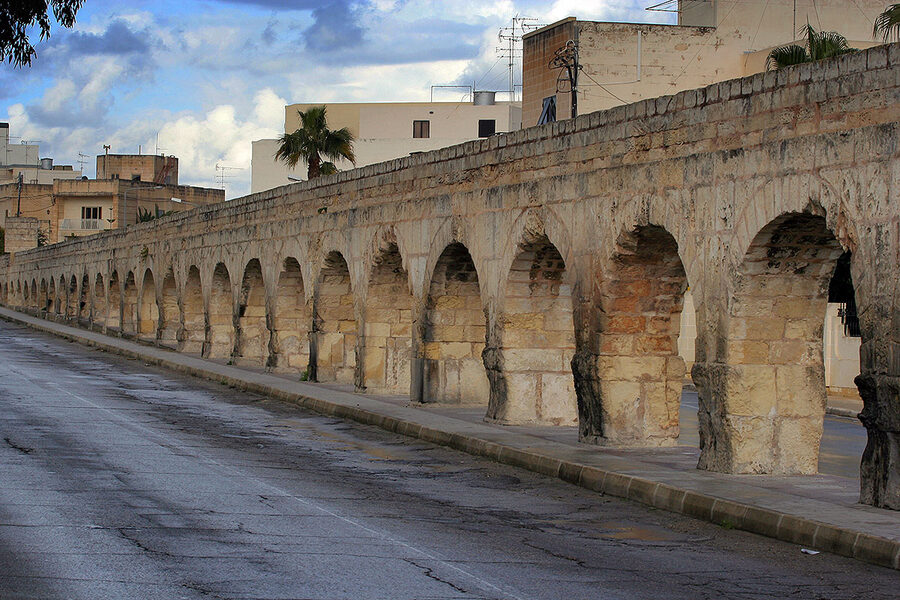
If you take the bus from Valletta to Mdina, you’ll spend the second half of the ride next to a long stone aqueduct. That’s the Wignacourt Aqueduct, built between 1610 and 1615 to bring spring water from the centre of the island to Valletta. It’s nearly 16km long and parts of it still survive, especially the stretch through Birkirkara and Attard. Coach tours don’t usually stop, but they often slow down for the photo op.

When to go and how to time it
Mdina is small, hilltop, and exposed. The temperature differences between summer and winter inside the walls are bigger than they are on the coast.
April to June is the best window. The wildflowers around the bastions are out, the temperatures sit between 18 and 25C, and the cruise ships haven’t quite hit peak volume. May is genuinely lovely, with long warm evenings and the walls glowing gold at sunset.
July and August are hot and crowded. Inside the walls you’ll get 32C plus radiating off the limestone; the alleys are mostly shaded but the cathedral square is exposed. Pickup times for coach tours move earlier in summer to dodge the worst of the heat, with some starting at 8am instead of 9am.
September and October are the second-best window: warm sea, smaller crowds than midsummer, and the autumn light is the best for photography.
November to March is mild but variable. The catacombs and cathedral interiors are cold (worth a fleece). Some smaller museums shorten their winter hours or close on Sundays. The upside is you’ll have most of Mdina to yourself, and the coach tours run with smaller groups.
Practical things tour guides forget to mention
Wear shoes you can grip in. The limestone paving inside Mdina has been polished by centuries of feet and is slippery when even slightly wet. Sandals are fine in the dry; flat-soled trainers are better in the rain.
Bring a small bag for the cathedral. Anything bigger than a daypack has to be left in a locker (1 euro) at the entrance. Avoid the queue by carrying small.
Public toilets inside the walls are limited. The cathedral has paid loos, the small cafe on the bastion has loos for customers, and that’s basically it. Use the facilities at the meeting point before you go in.
Mdina is a working town with about 250 residents. Some of the doors in the back lanes are private homes, not photo opportunities. Don’t peer through windows or knock for fun. It makes the locals testy and the next time you visit there’ll be one more “no entry” sign.
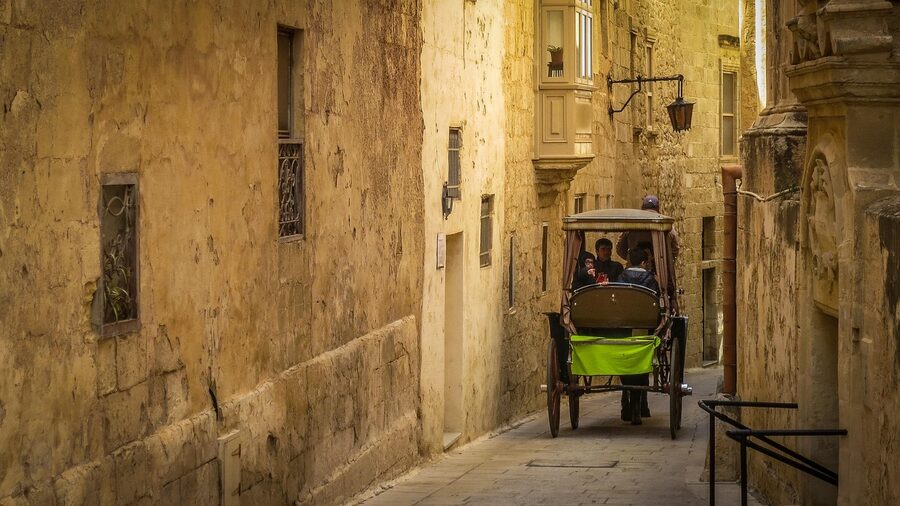
The horse-drawn carriages outside Mdina Gate cost about 40 euros for a half-hour loop. They’re touristy and the routes are short, but if you’ve got kids and you’re already on a coach day, it’s not a bad way to break up the morning.
Drones are banned inside the walls and over the bastions without a Civil Aviation Directorate permit. Coach tours sometimes brush past this, but Malta’s drone enforcement got tighter recently and the fines are now in the four-figure range. Don’t.
Getting there if you skip the tour
If you’d rather do Mdina without a guided day, the bus from Valletta takes 30 minutes for 2 euros (cash on board, or use the Tallinja card). The route is the X3 or X5 from the main bus station in Floriana. From Sliema, it’s a 40-minute ride on the 202. From Bugibba and Qawra, the 186 takes about an hour.
By car: parking is free in the small lots outside Mdina Gate, but they fill by 10am in summer. There’s a larger lot a five-minute walk away on the Rabat side. No private cars are allowed inside the walls; only resident vehicles and emergency services.
Combining Mdina with the rest of Malta
Most travelers spend three to five days on the main island, and Mdina is one stop in a wider plan. The walled city is the right call for a half-day or full-day; trying to fit it in alongside Valletta and Comino on the same day is too much, and you’ll arrive at Mdina exhausted.
A sensible four-day rhythm: day one for Valletta and the Grand Harbour, day two for the Comino Blue Lagoon (most operators leave from Sliema or Bugibba), day three for Mdina with a full-day Highlights tour, and day four for either Gozo or the Three Cities. If you’re tighter on time, the half-day Mdina/Dingli/San Anton tour pairs neatly with a morning of Valletta on the same day. The walking-only Mdina-and-Rabat tour can be done in an afternoon after a Valletta morning, leaving evenings free.
Other Malta guides worth a look
The Comino Blue Lagoon trip is the obvious pairing for a Mdina day; one is the headline natural sight on the island, the other the headline historical one, and between them you’ve covered the two big things first-timers come to Malta for. Take a look at the Blue Lagoon boat trip guide for what to expect at the Crystal Lagoon and the sea caves. If you’re spending more than three days here, Gozo is the natural extension; the same Lorenzo Gafa who rebuilt Mdina’s cathedral also designed the one in Victoria, so there’s a nice architectural through-line. For Valletta itself, our guide to the Valletta walking tour is the right starting point. And if you’ve got kids in tow or want a half-day off your feet, the Malta National Aquarium in Qawra is a low-effort filler that the sub-12s will thank you for.
Looking at film-set day trips? The closest thing to Mdina’s “wandering inside something historic” energy on the island is Popeye Village in Mellieha, which is the actual 1980 movie set rebuilt as a walk-through attraction. Not the same vibe (one’s medieval, one’s a wooden filmset) but they pair well as contrast on the same trip.
If day-trips with lunch and a coach are your travel style and you’re heading elsewhere in Europe, our Segovia, Avila and Toledo guide from Madrid covers the same shape of day in central Spain, and the Windsor, Stonehenge and Bath day trip from London is the British equivalent for travelers who like ticking three sites off in a single coach run.
Affiliate disclosure: some of the booking links on this page earn us a small commission if you book a tour through them. The price you pay is the same. We only recommend tours we’ve used or vetted ourselves.