
Is the Malta National Aquarium worth a half day if you’ve already booked the Comino boat trip and a Mdina day tour? That’s the question every visitor planning a Malta week eventually asks, and it’s worth pausing on. The answer turns on what kind of trip you’re running, who’s with you, and how much you actually want to see Maltese marine life properly labelled rather than glimpsed for two seconds while snorkelling.
Quick Viator option: Aquarium Entrance Ticket, $20. Same building, different platform, useful if you already collect Viator points.
Walk-up: Adult tickets at the door run €16.90 (around $18) and the online price drops to €13.95. Buy direct from the aquarium’s site only if you’re certain of your date.
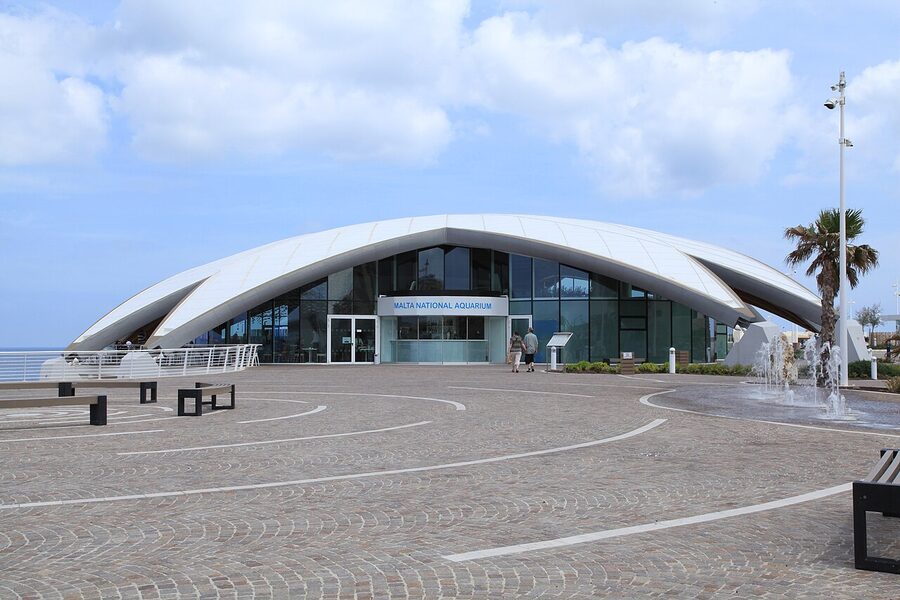

Here’s what nudges the answer toward yes for most travellers, especially anyone with kids: this is a focused Mediterranean aquarium. About 175 species across 51 tanks, with the headline being a 12-metre central tank you walk under via a short tunnel. The lighting is good, the labels are bilingual, and the building is right on the Qawra seafront so you can pair it with a beach hour or a coffee on the promenade.


- What you actually see inside
- The three tickets actually worth booking
- 1. Malta National Aquarium Entry Ticket (GetYourGuide):
- 2. Malta National Aquarium Entrance Ticket (Viator):
- Best time of day to actually go
- Getting there from where you’re staying
- Who actually enjoys this place
- What’s actually on display: Mediterranean focus
- A short history of how this got built
- What to do before or after
- Practical bits worth knowing
- Putting it on the map of your Malta trip
- A Mediterranean aquarium worth the entry
- Other Malta tickets and tours we’d book
What you actually see inside
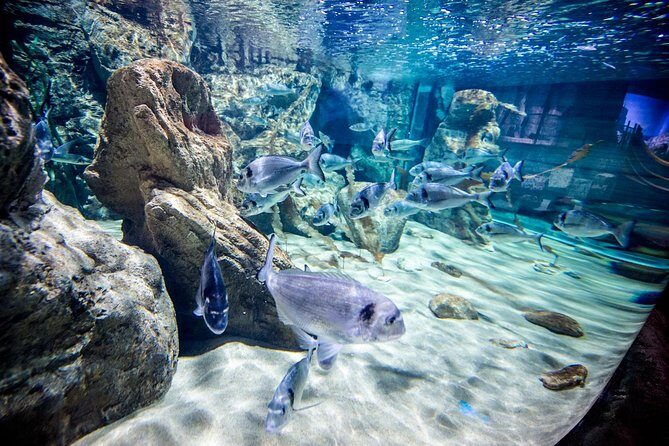
Walk in and the route loops you through six themed zones in roughly 90 minutes if you read the labels and stop for the bigger tanks. Speed-walking with bored teenagers, more like 45 minutes. The opening rooms are Mediterranean: rocky reef tanks with the same fish you’d see snorkelling at Comino or off the Sliema coast, but at proper photographable scale and labelled with both the English and Maltese names. That’s actually the strongest feature here. You learn what you’ve been swimming with.

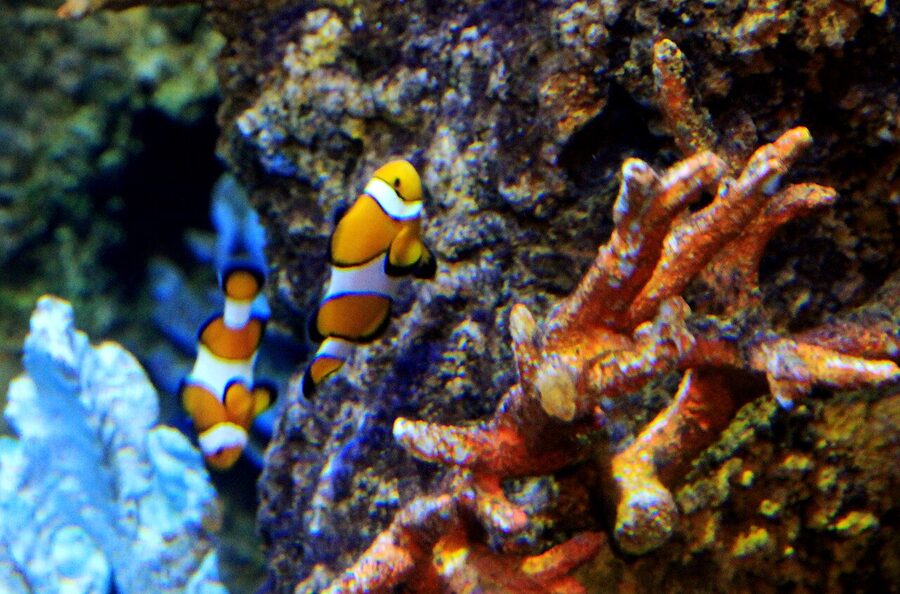
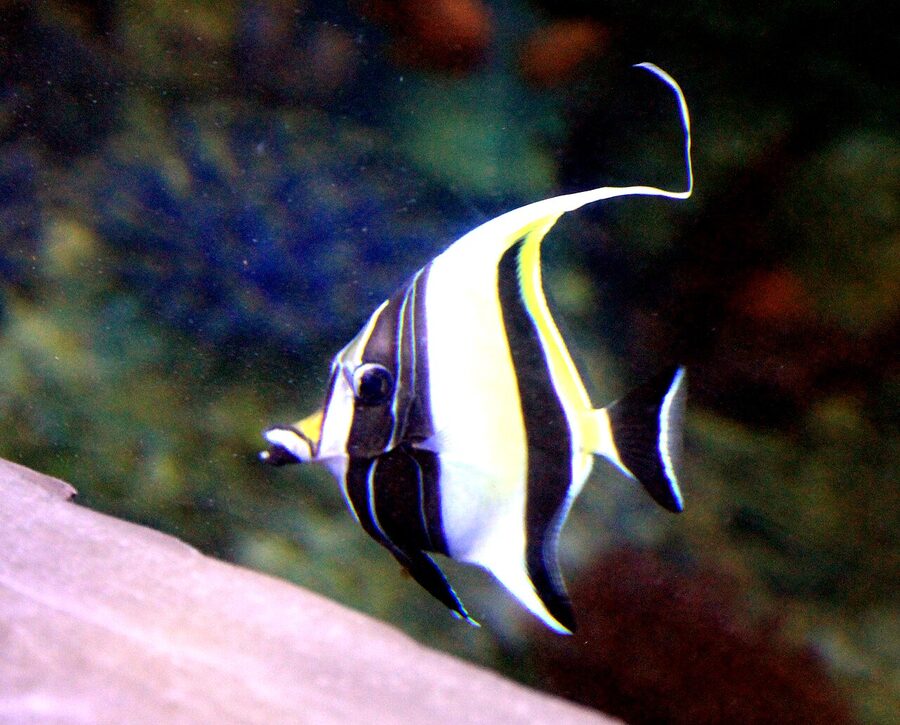
After the Mediterranean rooms you cross into the tropical and reef section. This is where the colours arrive: clownfish in anemones, Moorish idols, surgeonfish, and a couple of small reef tanks that hold up well against any mid-sized aquarium in Europe. Smaller in scale than Loro Parque or the Lisbon Oceanário, but tighter and easier on the legs.


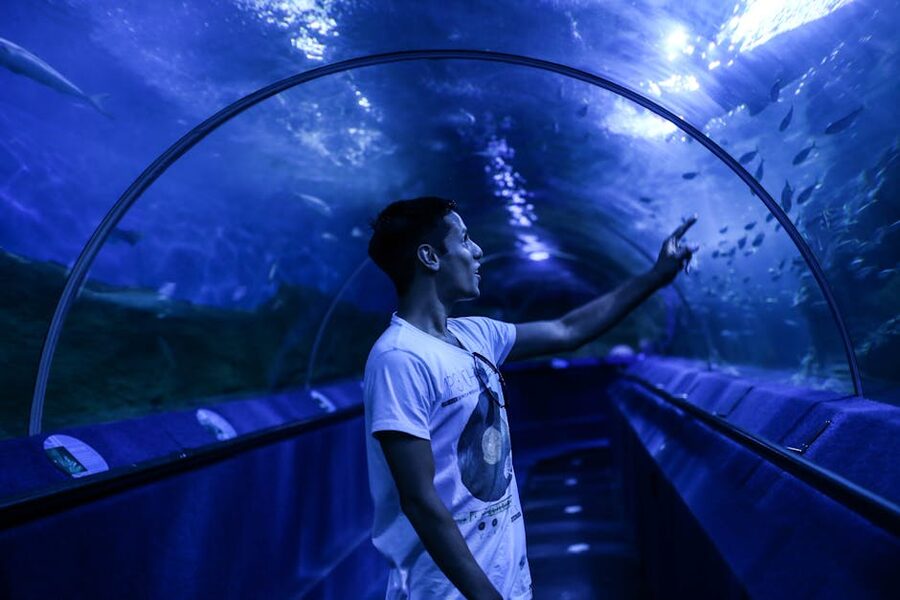
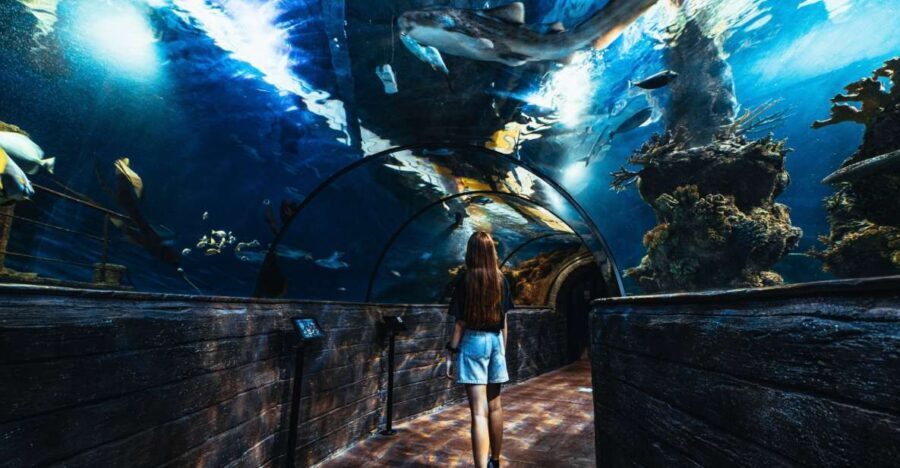
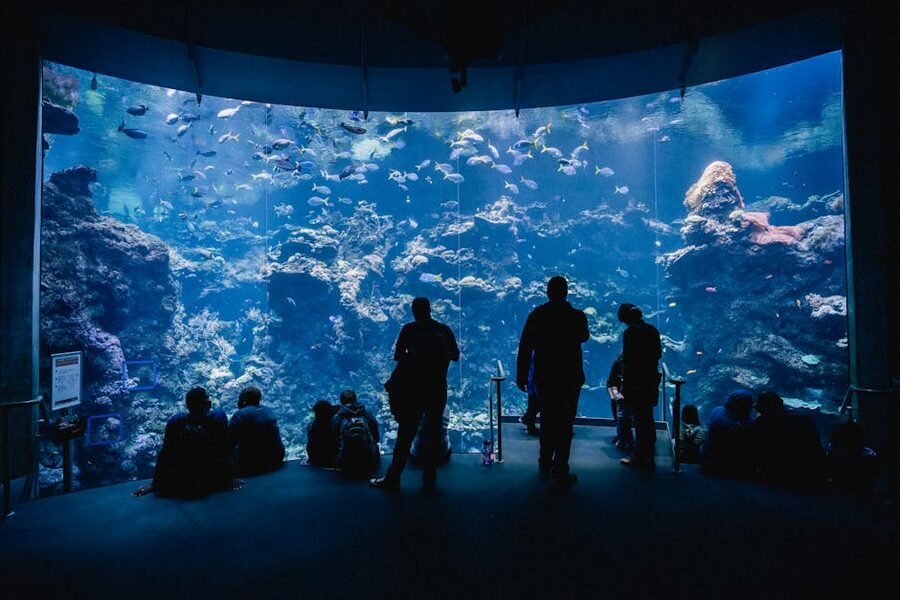
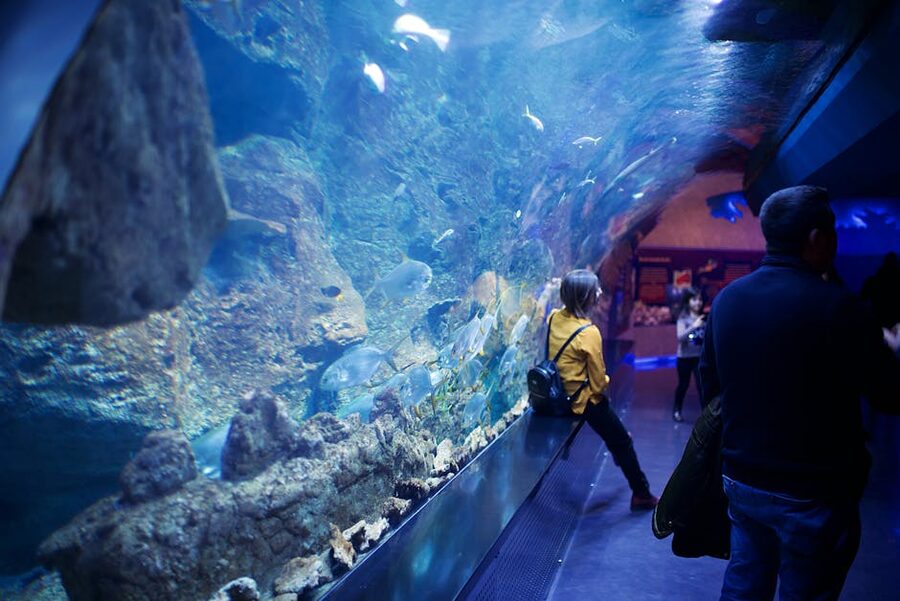
Then the route delivers its single biggest moment: the walk-through under the central tank. The tank is 12 metres in diameter and holds the largest of the resident sharks and rays, plus shoals of bigger Mediterranean species. The tunnel is shorter than the tunnels at the Barcelona Aquarium or the Lisbon Oceanário, but the angle is good. You can stop in the middle and have rays glide directly overhead. Try to time it for a quieter hour because school groups can clog the tunnel for ten minutes at a stretch.
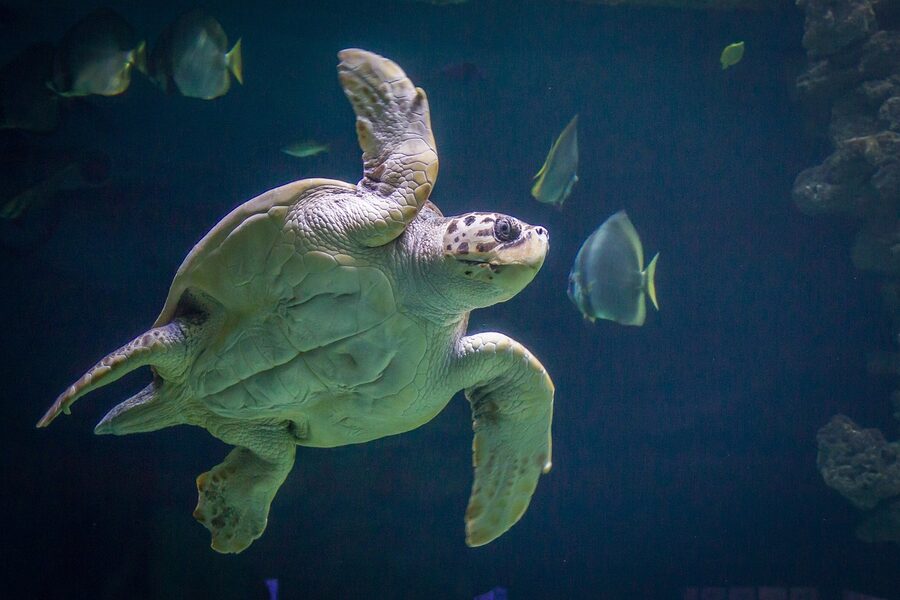
Past the central tank, the route shifts again. There’s a freshwater section with Amazon biotopes, a Lake Malawi cichlid tank, and a few Asian river setups that frankly feel like filler if you’re an aquarium nerd. Useful for kids who want a break from blue. After that comes the reptile and amphibian zone: tortoises, chameleons, snakes, and the occasional terrarium with land crabs or stick insects. This zone gets less attention than it deserves because most visitors are aquarium-focused, but it’s the only part of Malta where you’ll see chameleons in a proper enclosure.
The last full room is themed loosely on shipwrecks and historical seafaring, with one tank set up around a model wreck and another decorated with amphora replicas. It’s a cute idea given Malta’s actual underwater archaeology, but the execution is less impressive than the Mediterranean rooms at the start.
The three tickets actually worth booking
You’ve got two genuine ticket products plus the walk-up option. The two we’d actually book are the GetYourGuide e-ticket and the Viator entry ticket. They both deliver the same physical product (entry through the same turnstiles), so the choice comes down to platform preference and price on the day. Below are the two cards plus a sentence on the walk-up.
1. Malta National Aquarium Entry Ticket (GetYourGuide): $20
The GetYourGuide product is the cleanest of the lot. You get a mobile e-ticket that’s valid for 180 days from your selected date, free cancellation up to 24 hours out, and skip-the-line entry at the door. Our full review of the GetYourGuide ticket goes deeper on the cancellation terms, but for a normal trip the appeal is the long validity. Buy ahead, decide on the day.
Check Availability
Read our full review
2. Malta National Aquarium Entrance Ticket (Viator): $20
The Viator entrance ticket is an essentially identical product on a different platform. Same price, same in-person experience, slightly less generous validity window in our experience. We’ve covered the differences in our Viator ticket review: pick this one only if you’re consolidating bookings on Viator for points or if the price drops below the GetYourGuide listing on your dates.
Check Availability
Read our full review
The third option is to walk up at the door. Adult tickets at the box office cost €16.90, and the official aquarium website discounts that to €13.95 if you book direct online. That’s the cheapest paper price, but you lose the cancellation window and you’re locking yourself to a date. Worth it only if you’re already in Qawra and the weather has just turned.

Best time of day to actually go
Mid-morning is when school groups roll in. If you can hit opening (10am) you’ll have the central tunnel almost to yourself for the first 30 minutes. Late afternoon is also quiet because most visitors have moved on to the beach by then. The hour you want to avoid is roughly 11am to 1pm in school season, which is October through June, when groups of forty kids in matching t-shirts work through the building.
July and August are the busiest months overall. The aquarium has air conditioning that the beach doesn’t, so on a 35°C day half of Bugibba seems to remember the building exists at the same time. Plan for early or late on summer days. Winter and shoulder season visits, especially weekday mornings, are often quiet enough that you’ll have entire rooms to yourself for a few minutes.
Getting there from where you’re staying
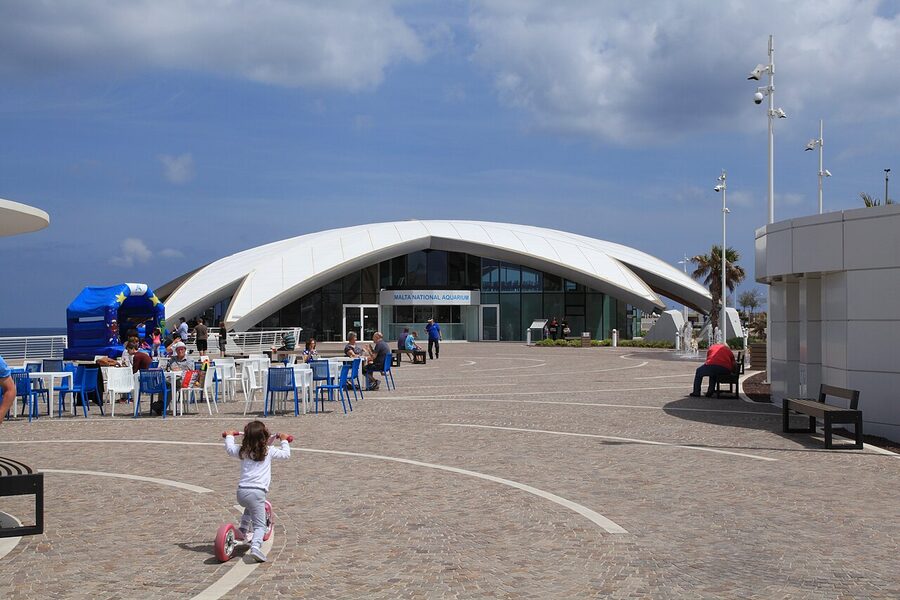
The aquarium sits on the Qawra waterfront, at Triq it-Trunciera. If you’re in Bugibba or Qawra (and many Malta package holidays put you here) it’s a 10 to 15-minute walk along the promenade. From St Paul’s Bay village proper, allow 25 to 30 minutes on foot or a 5-minute bus.
From Sliema or St Julian’s, the easiest is the Malta Public Transport bus 222 or 212, both of which run along the coast road and stop at the Pinto stop, a 4-minute walk from the aquarium entrance. Allow 45 to 60 minutes door to door from St Julian’s; longer in summer when the buses get stuck behind cruise traffic. From Valletta, take any bus heading to Bugibba (the 41, 42, 43, X1, or X3) and change at the Bugibba terminus. Total time from Valletta is usually around 70 minutes.

Driving works because there’s a public multi-storey car park built into the aquarium structure. Rates are €1 per hour roughly, and even on a hot August Sunday we’ve found space. If you’re using a hop-on hop-off bus, both Citysightseeing’s North and South routes stop within a couple of minutes’ walk. The Citysightseeing North route is the one you want; it loops through Mosta, Mellieha, and the aquarium.
Who actually enjoys this place
Families with kids 4 to 12 are the core audience. The place is sized right: big enough to be a proper outing, small enough that nobody melts down before the end. Couples doing a Malta culture trip often skip it, and that’s fair. If you’ve already done Lisbon or Barcelona’s mega-aquariums you’ll find this one modest. If you haven’t been to a Mediterranean-focused aquarium before, the species labelling alone makes it worth the entry price.

The under-fours rule worth knowing: kids 0-3 are free. The 4-12 child rate is €10.90 at the door, dropping to about €8 online. A family of four pays around €50 if you book the website’s family bundle. A group of teenagers who’ve already done a Comino boat trip will probably get less out of this than a family with primary-schoolers; the appeal isn’t the rare species, it’s the educational structure.
One caveat to flag: the building is small enough that if you’re hoping for a full-day rainy-weather plan, this won’t fill it. Pair it with the seafront promenade, lunch in Qawra, and maybe Mosta Rotunda or Mdina afterwards if you’re motorised.
What’s actually on display: Mediterranean focus
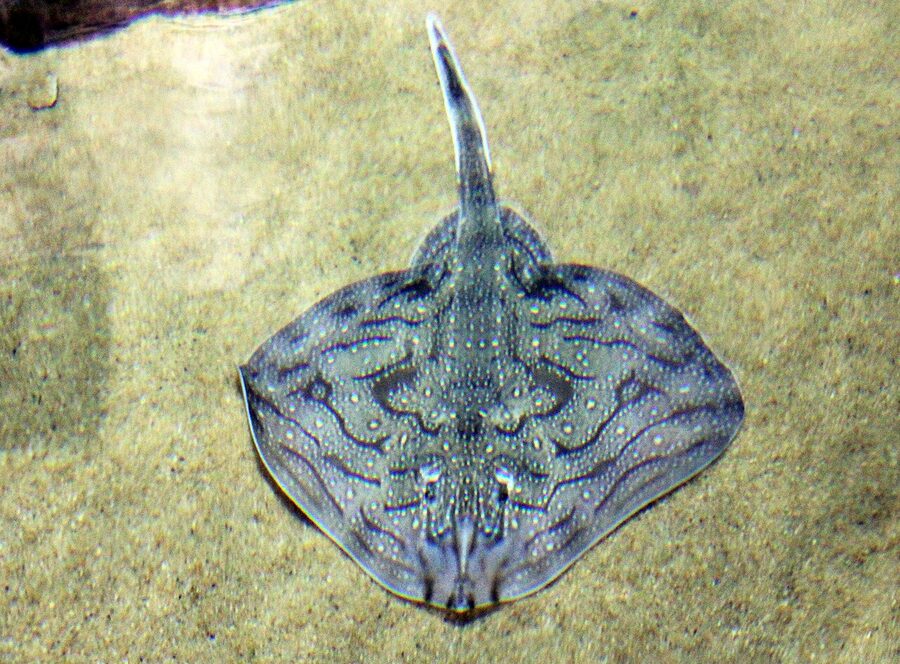
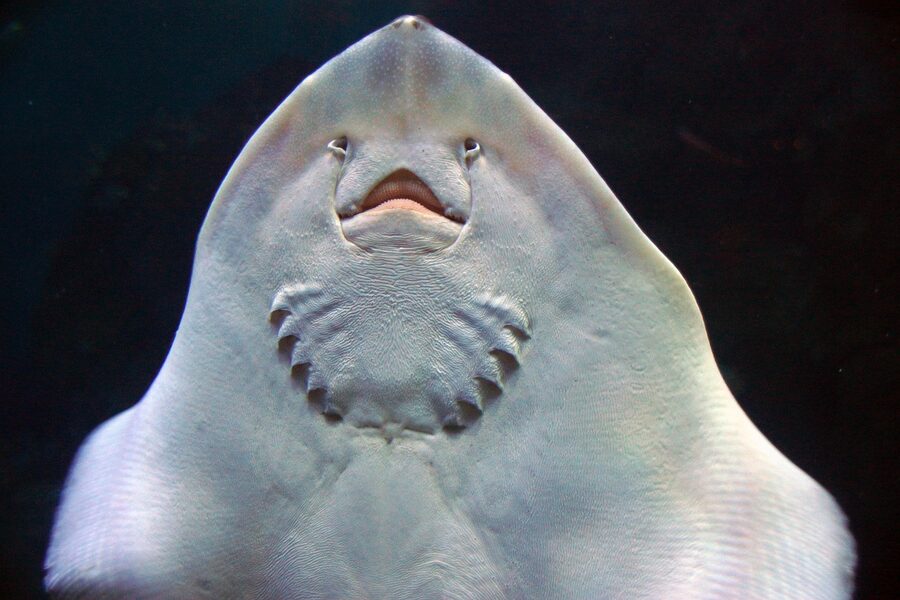
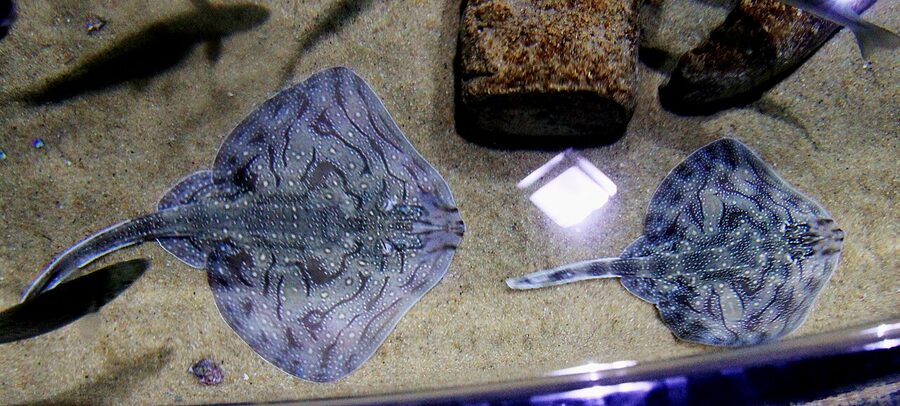
This is the real pitch and where Malta’s aquarium beats most of its size peers. The collection leans hard into Mediterranean species, the ones you’d actually meet snorkelling around the Maltese coast. Combers, sea bream, wrasse, octopus, moray eels, undulate rays, common stingrays, and small sharks (mostly catshark and smoothhound). The labelling tells you what you might see if you snorkelled at Ghar Lapsi versus St Peter’s Pool versus Mgarr ix-Xini. That’s a useful framing for anyone building a snorkelling itinerary.

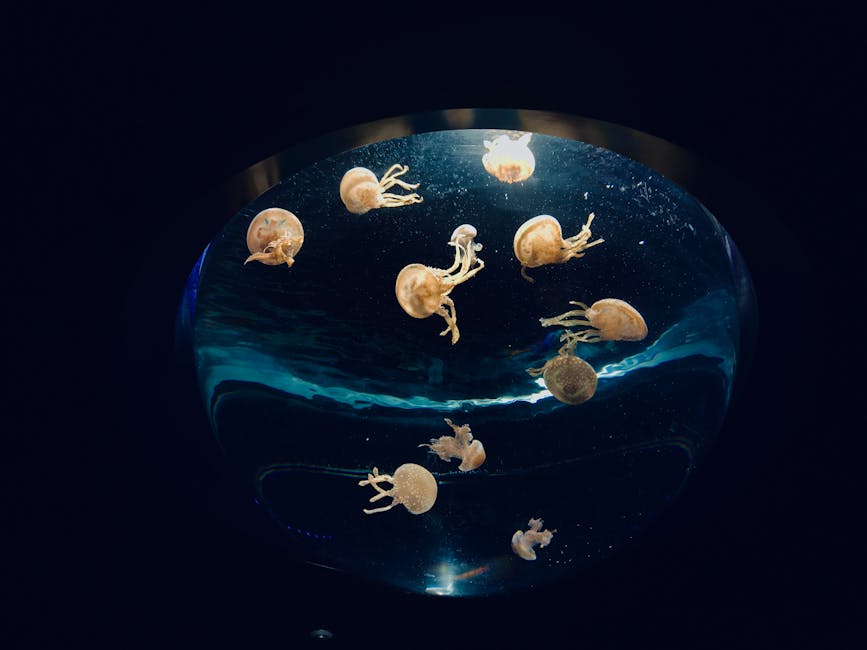
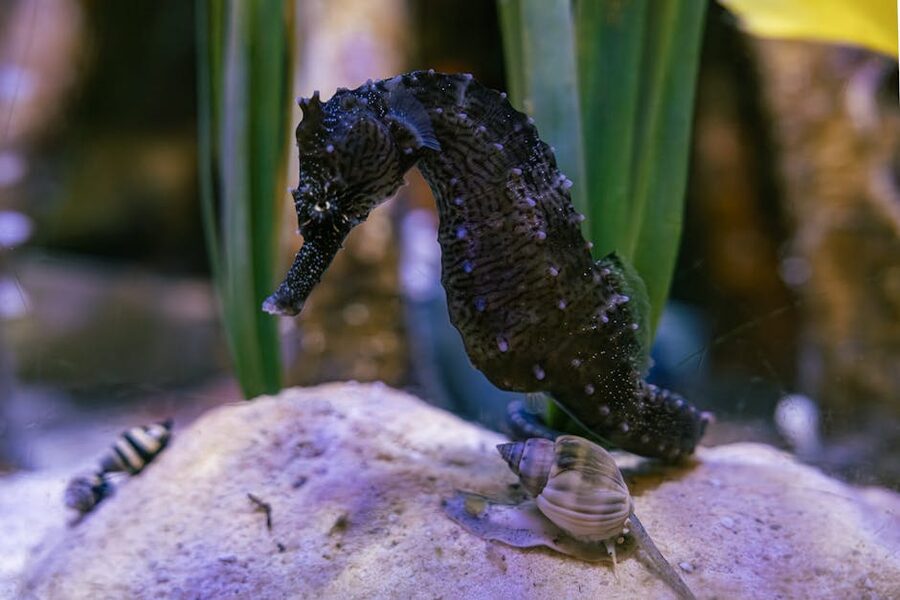
Beyond the Mediterranean rooms, the tropical reef section, the freshwater rooms, and the reptile zone round out the visit. There are also seahorse tanks (they tend to be quiet because the animals barely move), a small jellyfish display, and the wreck-themed section near the exit. Total species count sits at around 175 across 51 tanks, which is on the small side for a national aquarium but pitched well for a 90-minute visit.
A short history of how this got built
The idea for a Maltese national aquarium dates to 1993, when the Maltese government proposed a project initially planned for Marsascala on the southeast coast. Qawra eventually won out because it was already a tourist hub, with hotels and restaurants nearby and good road access from Valletta and the airport.
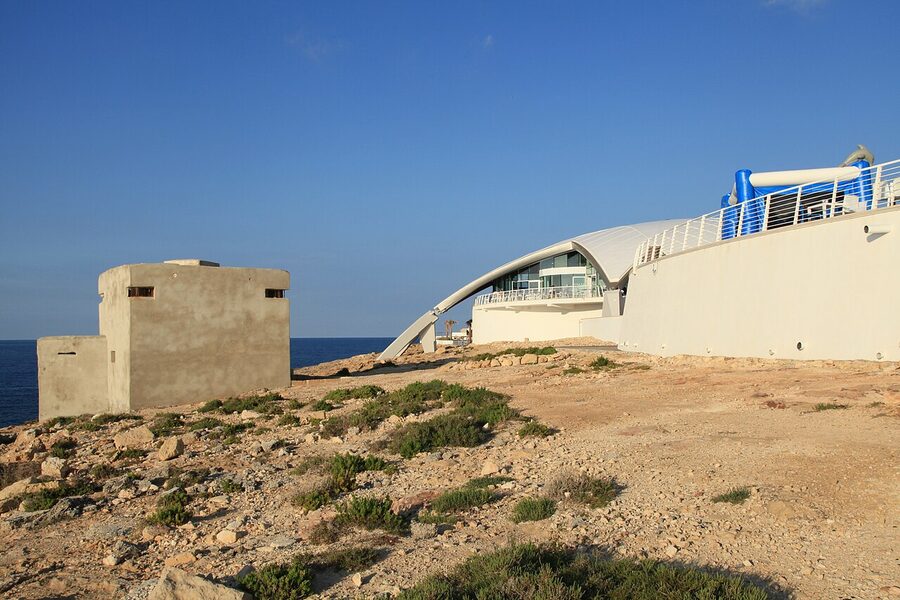

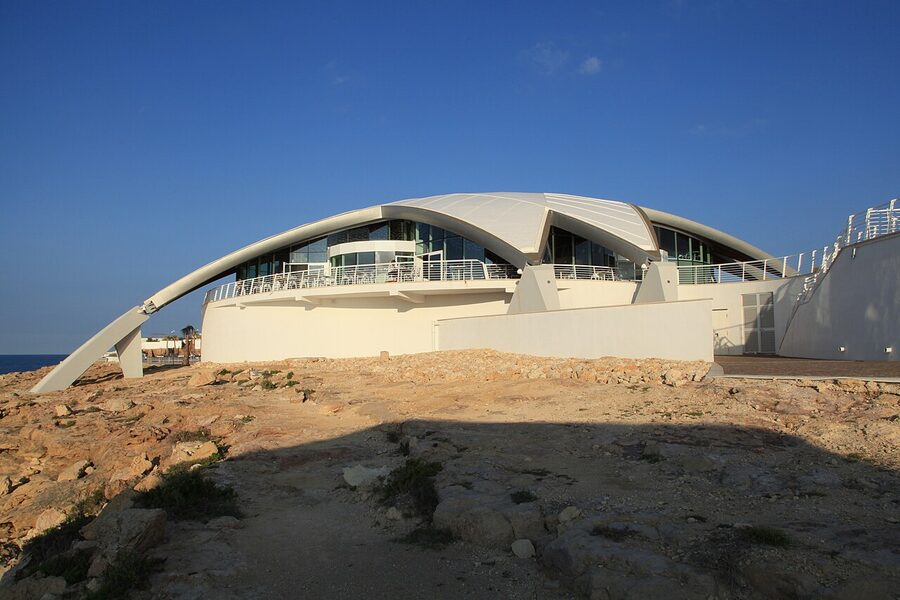
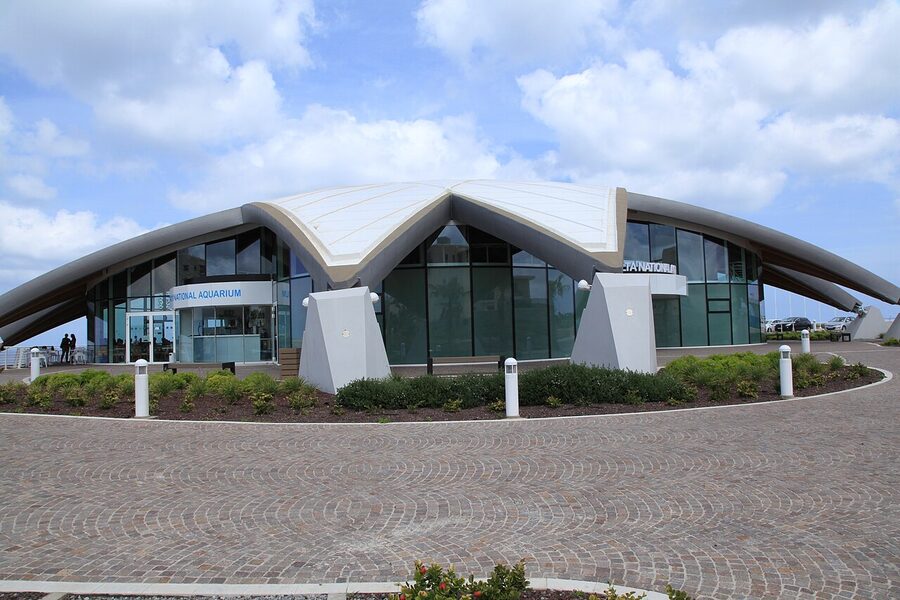
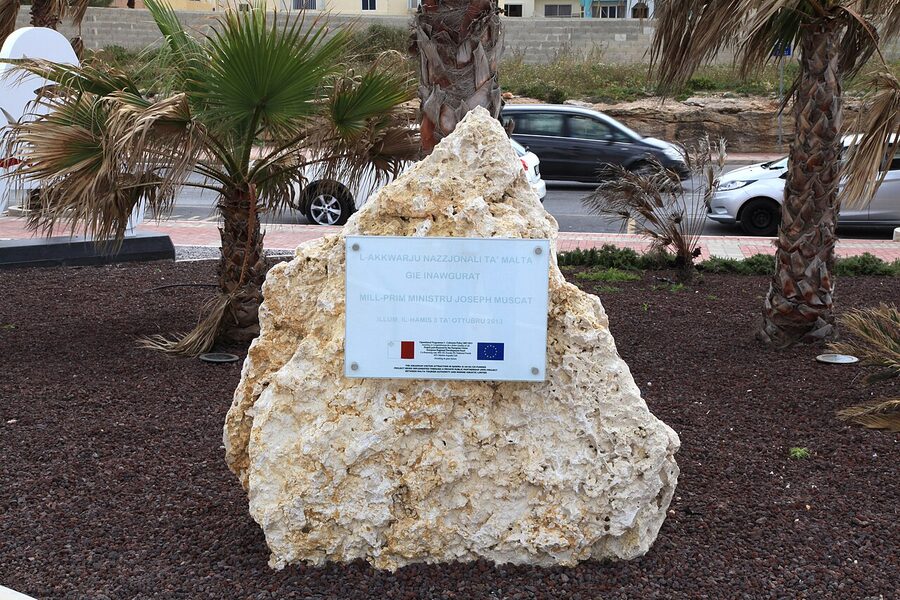
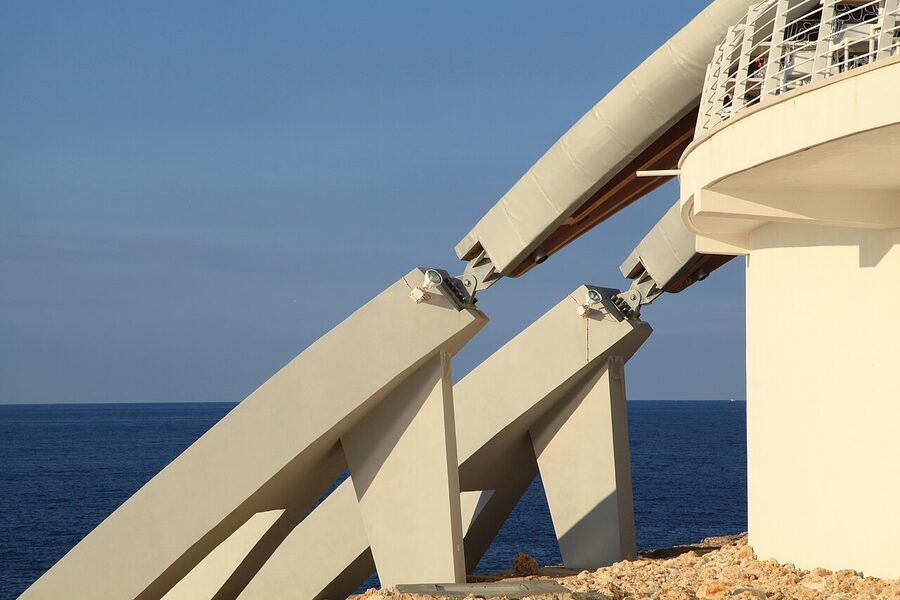
Construction began in 2011 and the building opened on 1 October 2013, after about two years of work. The 20,000 square metre site cost roughly €18 million, with the European Union covering about 49% of the bill. The Malta Tourism Authority retained ownership and contracts the operation out, which is why the entry feels more like a private commercial attraction than a museum. The starfish-shaped roof was deliberate, a nod to the marine life housed inside, though it really only reads from the air.

The site has settled into one of the more visited family attractions on the islands, sitting comfortably alongside Popeye Village in Mellieha as a wet-weather backup or a gentler alternative to the longer tour days. It’s now thirteen years old and showing some wear in places (a few signage panels have faded, a couple of side tanks were closed for maintenance during our last visit), but the core route is well kept.
What to do before or after
The aquarium fits cleanly into a Qawra and St Paul’s Bay half-day. Combine it with a coffee on the promenade, a swim at Qawra Point, and lunch at one of the seafront restaurants. The whole package runs four to five hours including travel from elsewhere on the island.

If you’ve got a rental car, push north to Mellieha for the afternoon. Popeye Village in Anchor Bay is a 20-minute drive and works well as a children-friendly second stop because the format is so different (outdoor walk-through filmset versus indoor tanks). Together they make a strong family day. Adults travelling alone might prefer pivoting south to Mdina instead; a Mdina and Malta highlights tour typically picks up from St Paul’s Bay area in the morning, so you could fit the aquarium in afterwards.
And if you’re spending more than three days on the islands, the aquarium pairs particularly well with a Comino Blue Lagoon boat trip on a separate day. The aquarium prepares your eye for what you’ll see free-swimming around Comino and Cominotto. Hit the aquarium first, then go snorkelling. Several of our readers have called this the single best one-two for a Malta family week.
Practical bits worth knowing
Opening hours run 10am to 7pm in summer (June to September) and 10am to 6pm the rest of the year. Last admission is roughly an hour before closing, so don’t arrive at 5:30pm in winter and expect a leisurely walk-through. The on-site café is fine for drinks and snacks but pricey for full meals; the Qawra promenade has better and cheaper options within five minutes.

Photography is allowed throughout, including flash for the tropical rooms (though staff will ask you to switch flash off near sensitive species). Buggies and wheelchairs roll through the entire route on the same level (no stairs). There’s a small kids’ play area on the ground floor near the exit, useful if you’ve finished the route and someone in your group wants more time.
One thing to skip: the upsell photo at the entrance. They take a green-screen souvenir photo of you with a fake aquarium background, then offer to print it for €15 at the exit. If you don’t want it, just say no when they ask at the door. It’s not pushy and there’s no pressure to buy.

There’s a back-of-house tour available on weekends if you book ahead through the official site. It runs about 45 minutes, takes you behind the tanks to the filtration and quarantine systems, and costs an extra €15 on top of the standard ticket. Worth doing once if you’re an aquarium nerd; not necessary for a normal visit.
Putting it on the map of your Malta trip
If you’re building a five to seven day Malta itinerary, the aquarium fits as a half-day in the north of the island. Pair it with the Mellieha area in summer or with Mdina and the central towns in cooler months. It’s not a flagship sight; it’s a strong supporting cast member.
If you’re starting your trip with the Valletta walking tour (which most readers should), the aquarium is a useful quieter day after the busier capital. And if you’re planning a longer Mediterranean island circuit, both a Gozo island day trip and the Comino boat trip pair naturally with the aquarium as the educational anchor that contextualises what you’ve seen at sea.
A Mediterranean aquarium worth the entry
The Malta National Aquarium isn’t going to win any “best in Europe” awards. It won’t compete with the Lisbon Oceanário or Barcelona Aquarium on scale, and it doesn’t try to. What it does well is focus: a tightly themed Mediterranean collection, in a small building, with good labelling, in a town that already has hotels, restaurants, and beach access within walking distance.
For a family with primary-school kids, it’s a genuinely fun half-day. For an adult on a culture-focused trip, it’s optional but rewarding if you’re going to swim or snorkel afterwards. For a group of teenagers, it’s probably skippable unless the weather’s bad. The €13.95 online price is fair for what you get; the GetYourGuide e-ticket at $20 is the safest pick because of the long validity window.
Other Malta tickets and tours we’d book
If the aquarium is on your shortlist, you’re probably planning a wider Malta week. Worth pairing it with the Comino Blue Lagoon boat trip for the actual sea-life context, a Mdina and Malta highlights tour for the country’s medieval heart, and Popeye Village tickets if you’ve got kids who’d appreciate a contrast between indoor tanks and outdoor filmset. A Valletta walking tour covers the capital in a couple of hours, and a Gozo day trip closes out the islands for anyone planning more than four days.
If you’ve got time for European parallels, the Mediterranean aquarium genre runs deep. Barcelona’s aquarium is the obvious comparison, with a longer tunnel and a much bigger collection. Poema del Mar in Gran Canaria opened more recently and pushes the same Atlantic-Mediterranean focus. Loro Parque in Tenerife is a different scale entirely, more theme-park than aquarium. And the Seville aquarium works similarly to Malta’s: small, Mediterranean-focused, family-aimed.
Affiliate disclosure: some links in this article go to GetYourGuide and Viator. If you book through them we earn a small commission at no extra cost to you. It helps keep the site running. We only recommend products we’d actually book ourselves.