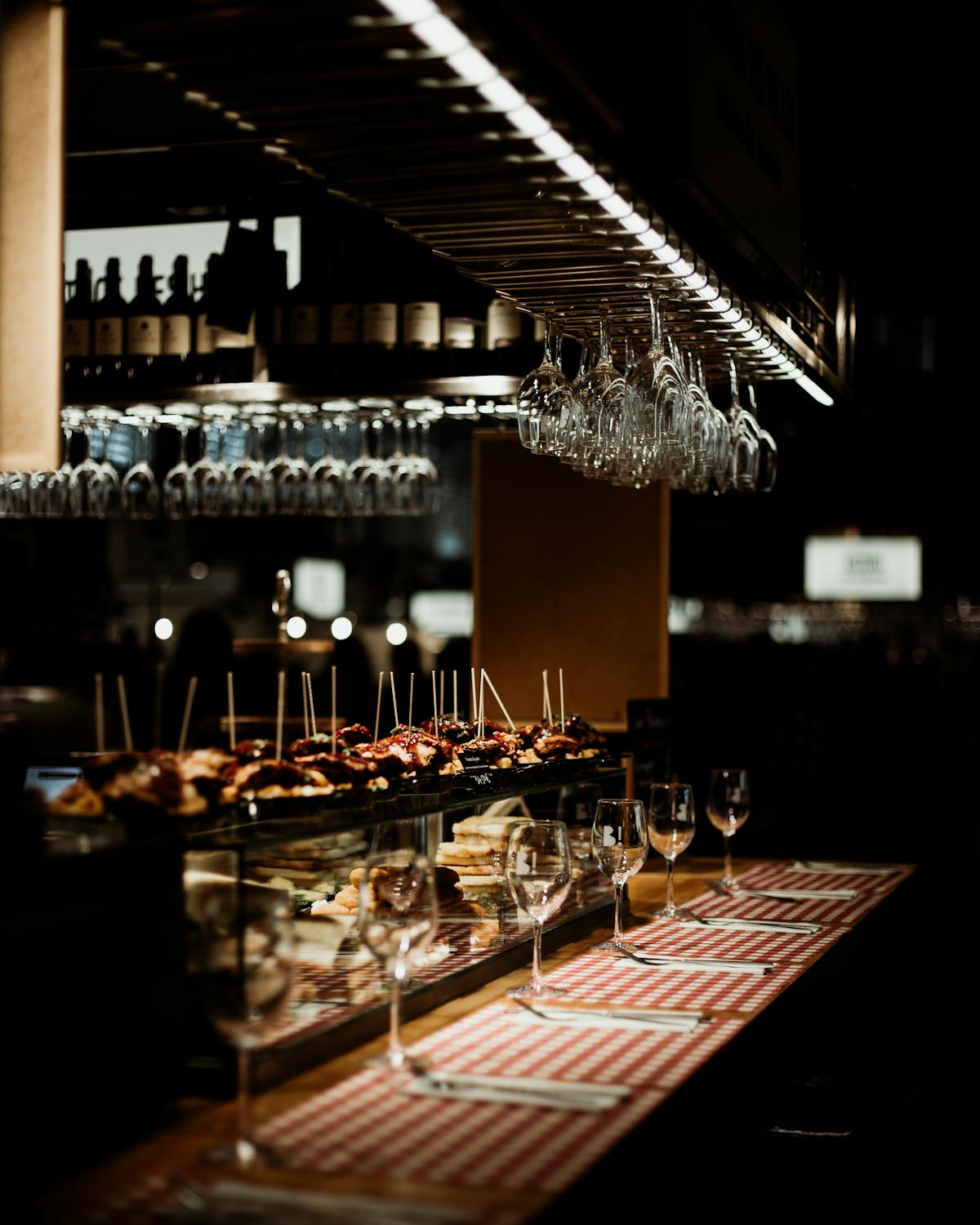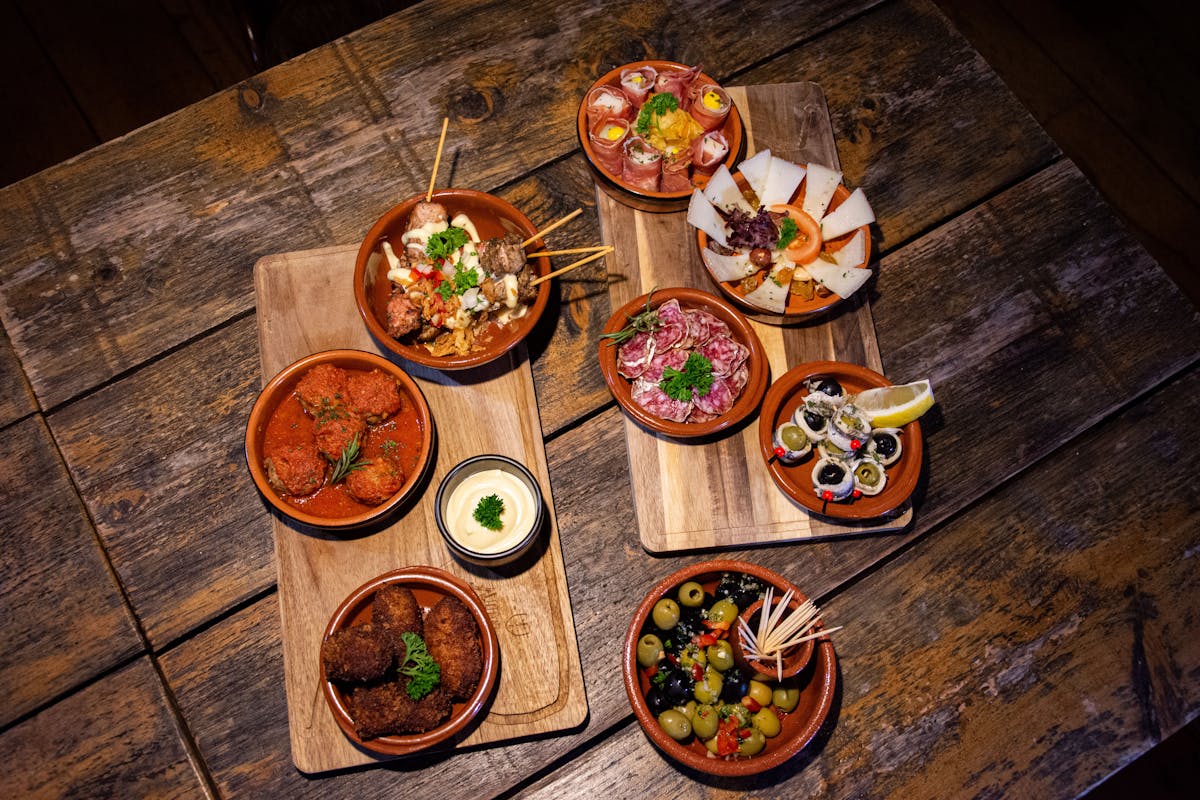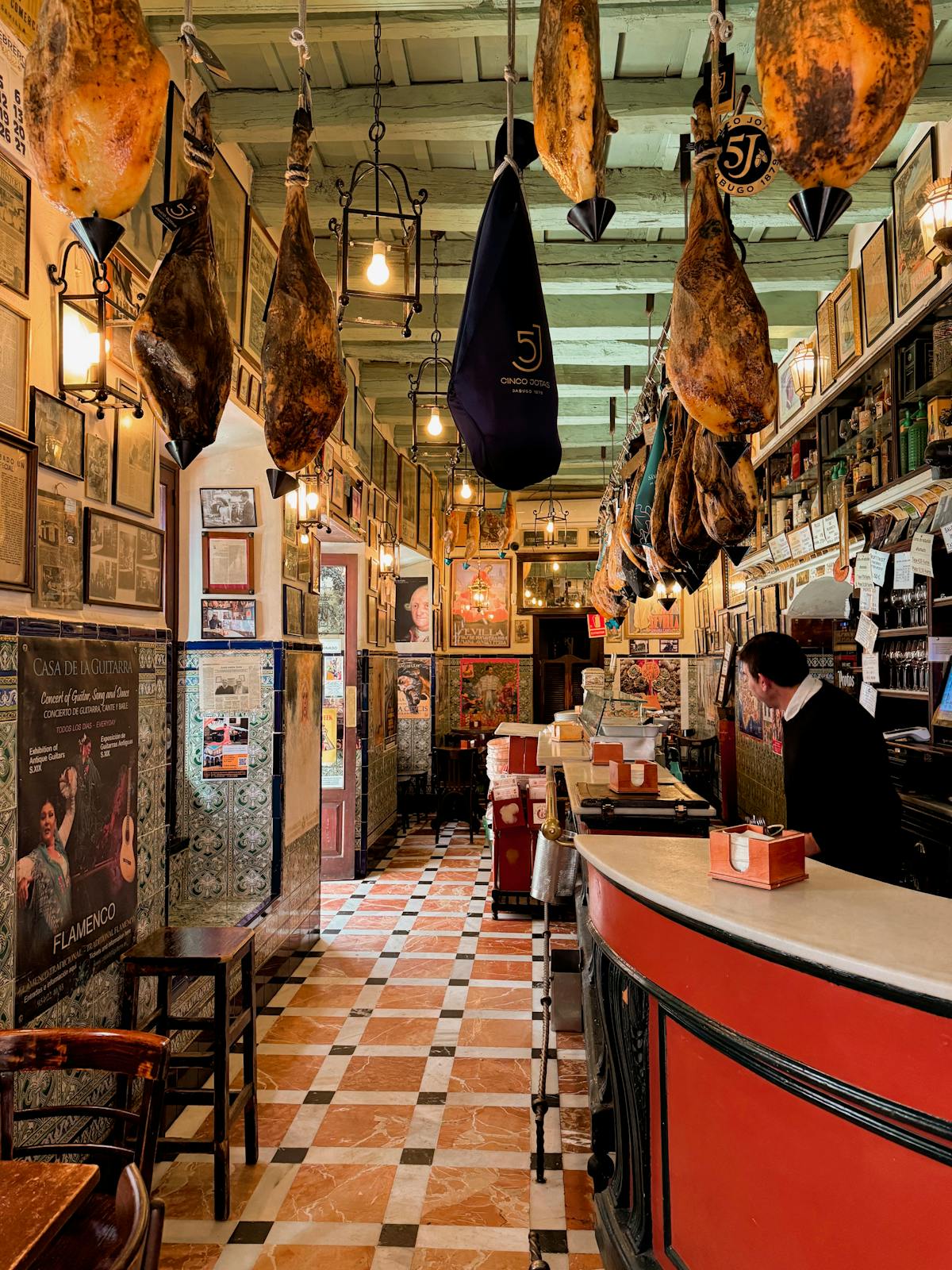
Seville did not invent tapas by committee. The story goes that a king — Alfonso X, recovering from illness — was told by his doctors to eat small bites of food between sips of wine. He liked the idea so much he made it law: every tavern in Castile had to serve a small plate of food with each drink. Whether that is historically true or just a good bar story, the result is real. In Seville, eating and drinking are the same activity. You do not go to a restaurant and order a meal. You go to a bar, you order a drink, and food appears. Then you walk to the next bar and do it again. That is a tapas crawl.
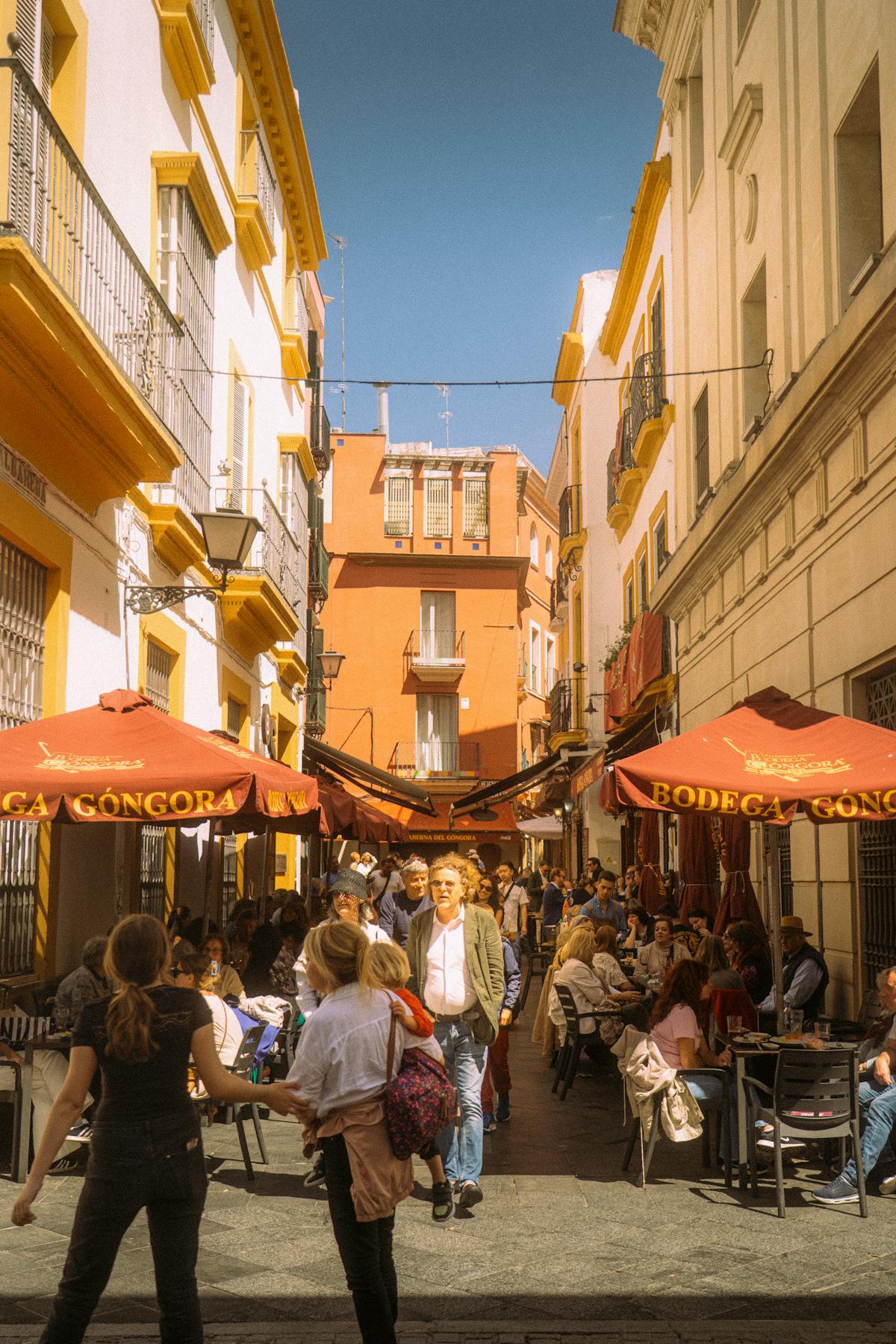
The problem for visitors is knowing where to go. There are thousands of tapas bars in this city. Some of them have been here for a century. Some opened last month. The difference between a tourist trap near the Cathedral and a family-run place two streets away can be the difference between reheated croquetas and the best bite of your trip. A guided tapas tour solves that problem. A local walks you through four or five bars, orders for you, tells you what you are eating and why it matters, and introduces you to the bartenders. Three hours later you have eaten more than any single restaurant could serve you and you know the neighborhood well enough to come back on your own.
This guide covers what tapas tours in Seville actually include, the different types available, the best-reviewed options on Viator and GetYourGuide, and the practical details about when to book and what to expect.
In a Hurry? My Top Picks
- Most popular overall: Ultimate Seville Tapas, Wine & History Small Group Tour — $102 per person, 3 to 3.5 hours. The one with the biggest reputation and the most bookings. Small group, local guide, wine pairings at every stop, and a route through the old Jewish Quarter that covers history alongside the food. Book this tour
- Best value tapas crawl: Seville: Tapas Crawl — $86 per person, 3 hours. Straightforward, well-organized, and priced lower than most competitors. You visit local bars, eat at each one, and the guide does the ordering and explaining. No wine pairing, but drinks are included. Book this tour
- Budget-friendly option: Seville: Flavors of Andalucia Guided Food Tour — $35 per person, 2.5 hours. The most affordable way to do a guided food tour in Seville. Shorter than the others but covers the essentials and includes enough tastings that you will not need dinner afterward. Book this tour
- In a Hurry? My Top Picks
- What Tapas Tours in Seville Include
- Types of Tapas Tours
- Best Seville Tapas Tours
- 1. Ultimate Seville Tapas, Wine & History Small Group Tour — 2
- 2. Seville: Tapas Crawl —
- 3. The Seville Tapas Crawl Tour by Food Lover Tour —
- 4. Tapas & Traditions of Seville Guided Food Tour —
- 5. Seville: Flavors of Andalucia Guided Food Tour with Tastings —
- When to Book a Tapas Tour
- Tips for Your Tapas Tour
- More Seville Guides
What Tapas Tours in Seville Include
Every tapas tour in Seville follows roughly the same format. A local guide meets your group at a central meeting point — usually near the Cathedral, the Alcazar, or somewhere in the Santa Cruz neighborhood. From there, you walk to four to six tapas bars over the course of three hours, eating at each one. The guide handles the ordering, the introductions with the bar owners, and fills in the gaps between stops with history and food context.
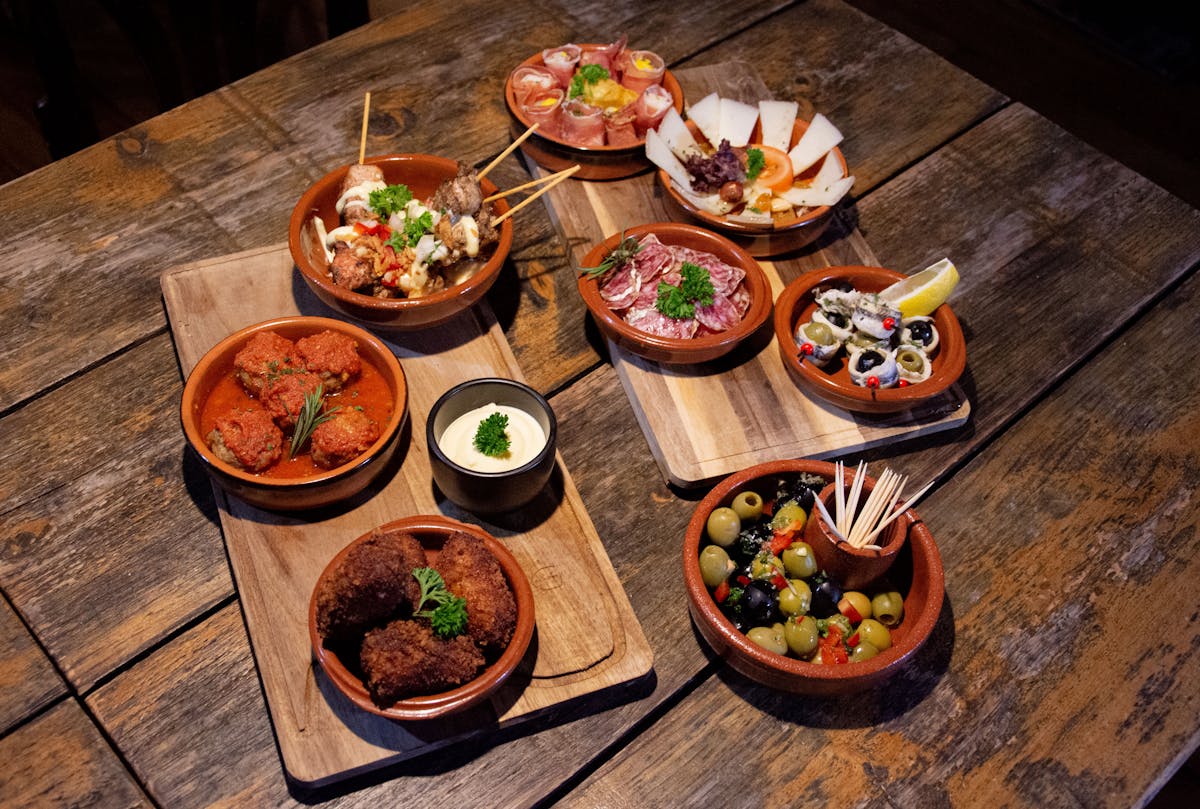
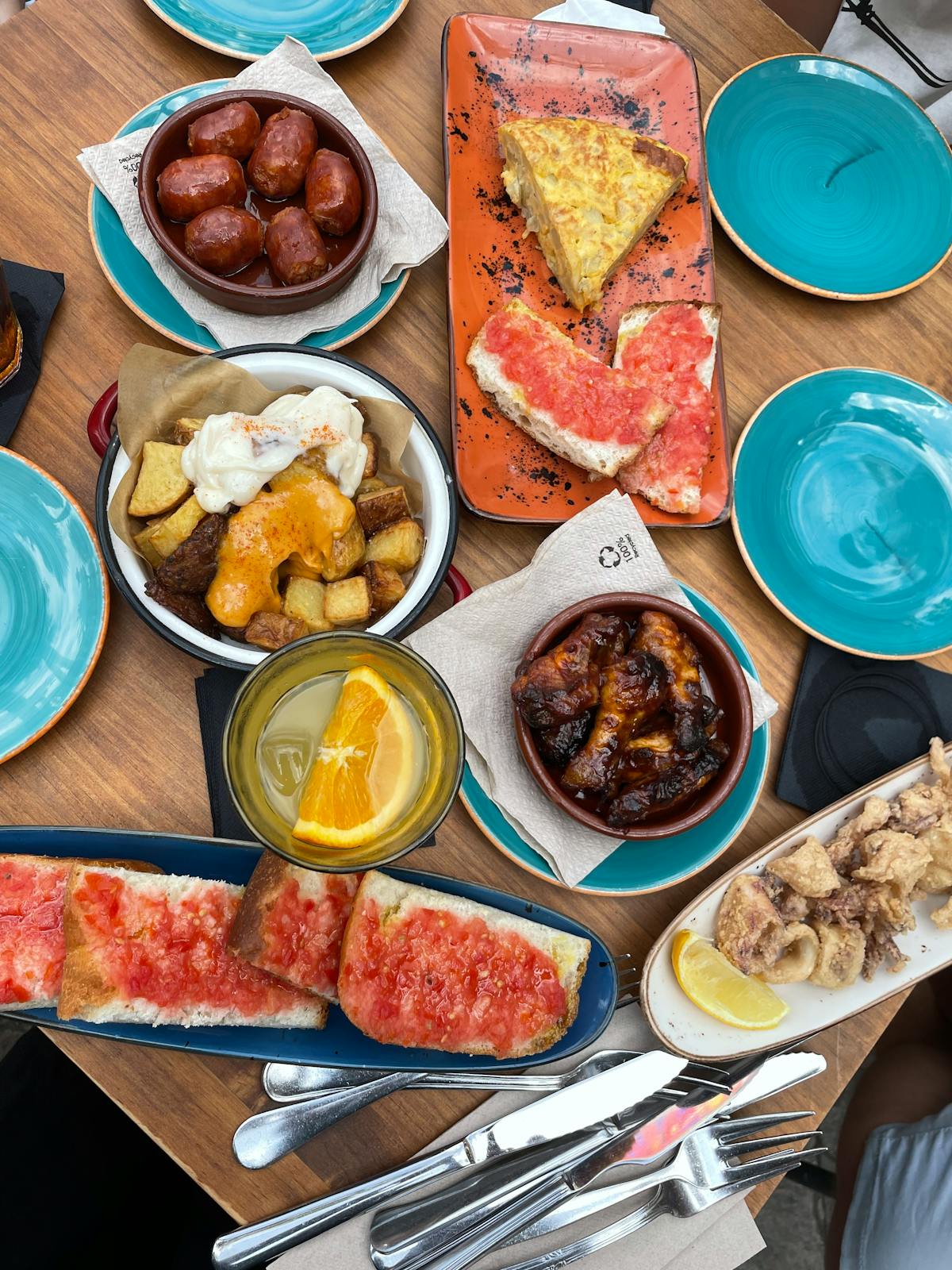
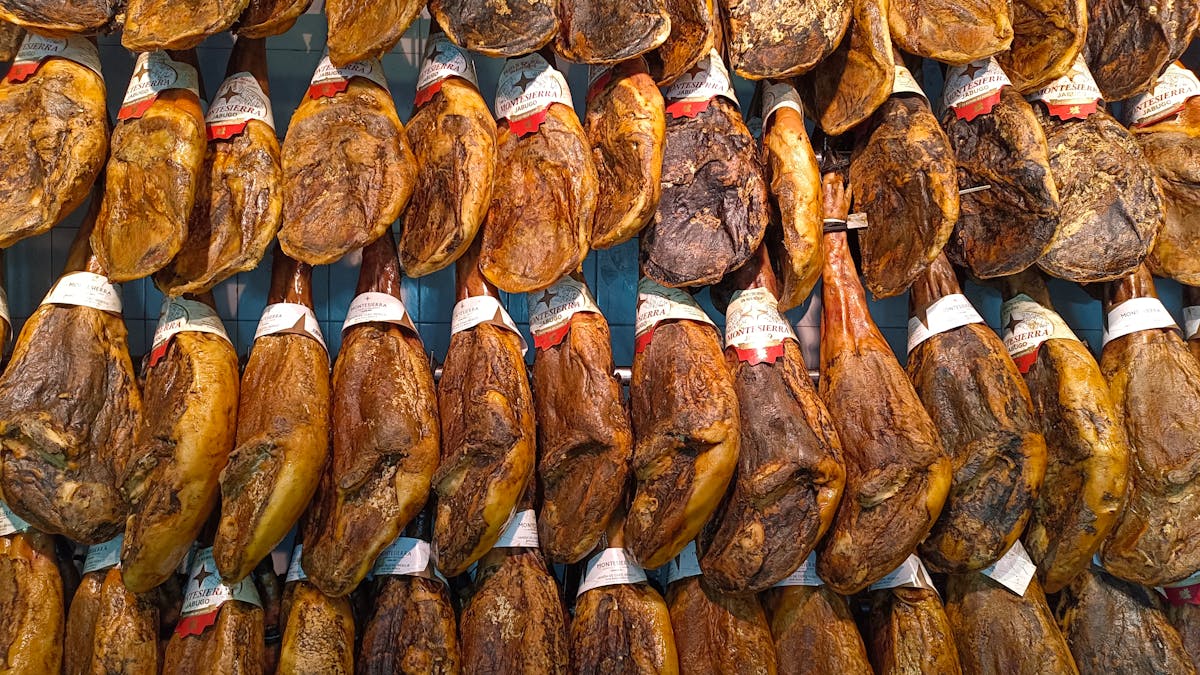
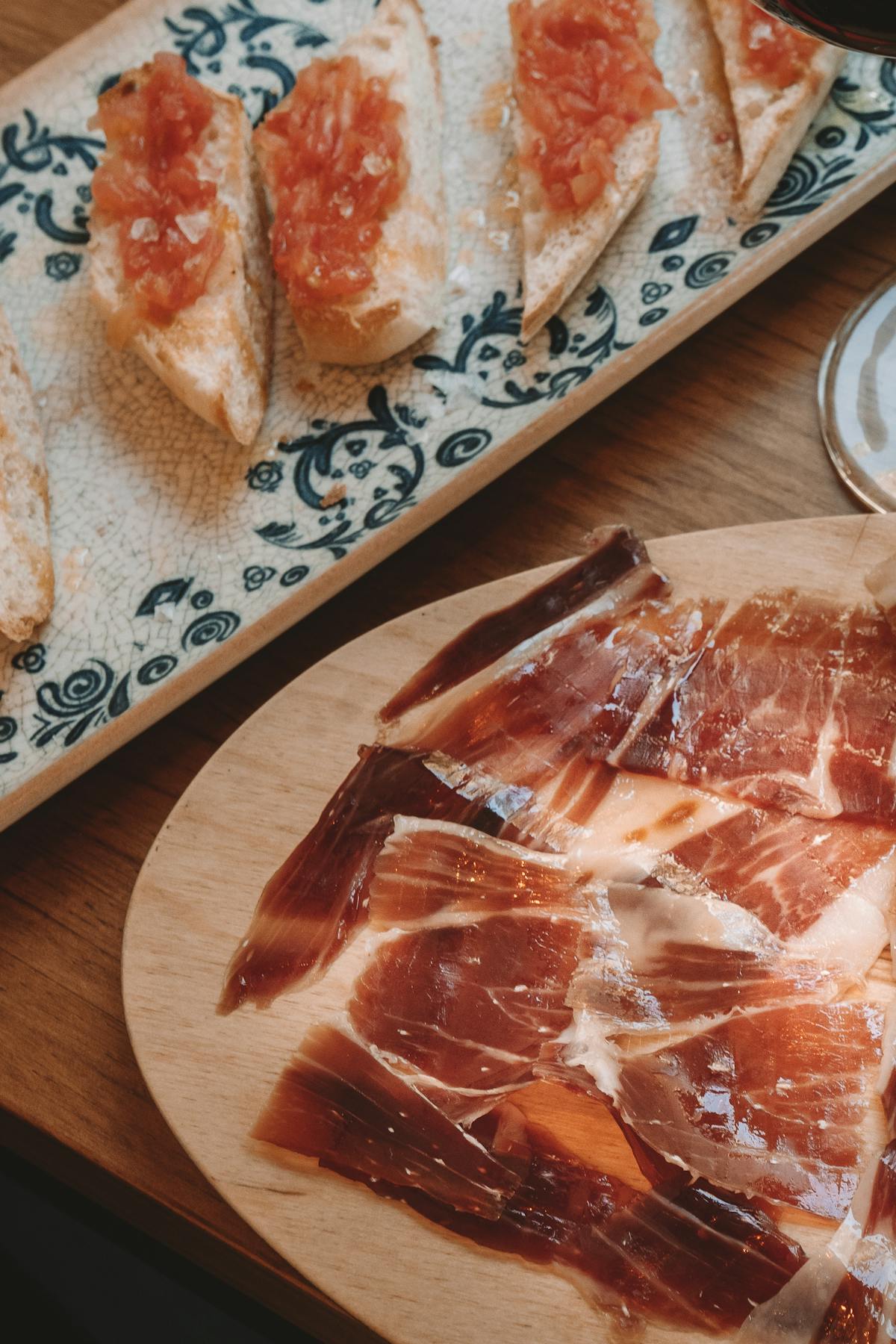
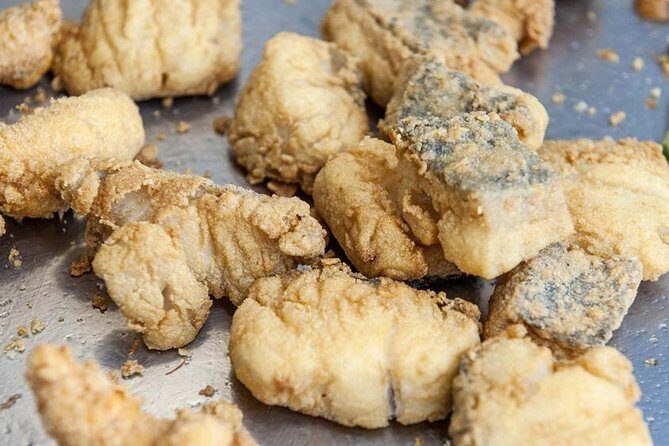
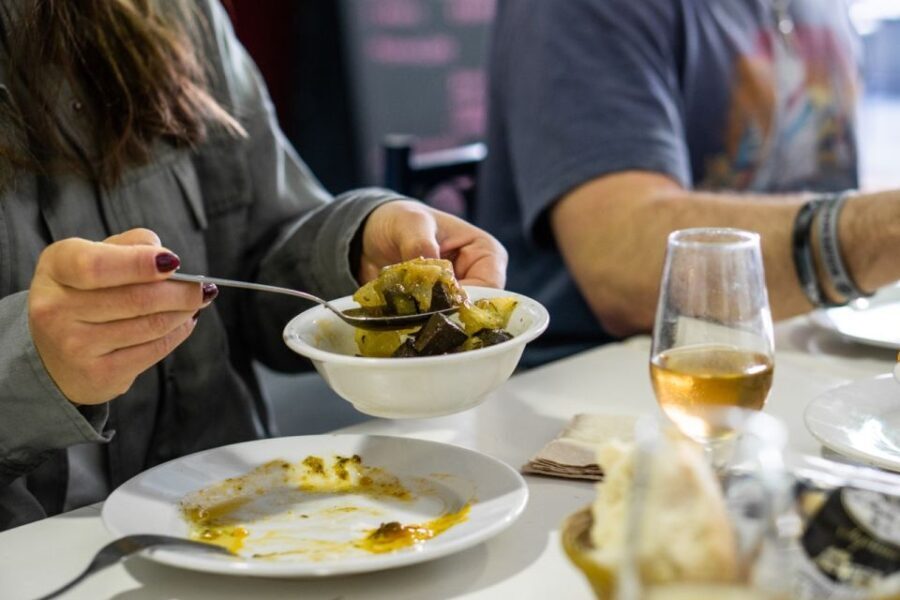
The food itself varies by tour and by season, but certain dishes show up on almost every one: jamon iberico (the cured ham that Spain would go to war over), croquetas (bechamel-filled and deep-fried, usually stuffed with ham or cod), salmorejo (a thick cold tomato soup that makes gazpacho look watery), espinacas con garbanzos (spinach and chickpeas, the Moorish legacy dish), and some form of fried fish — cazón en adobo, a marinated dogfish, is the Seville specialty.
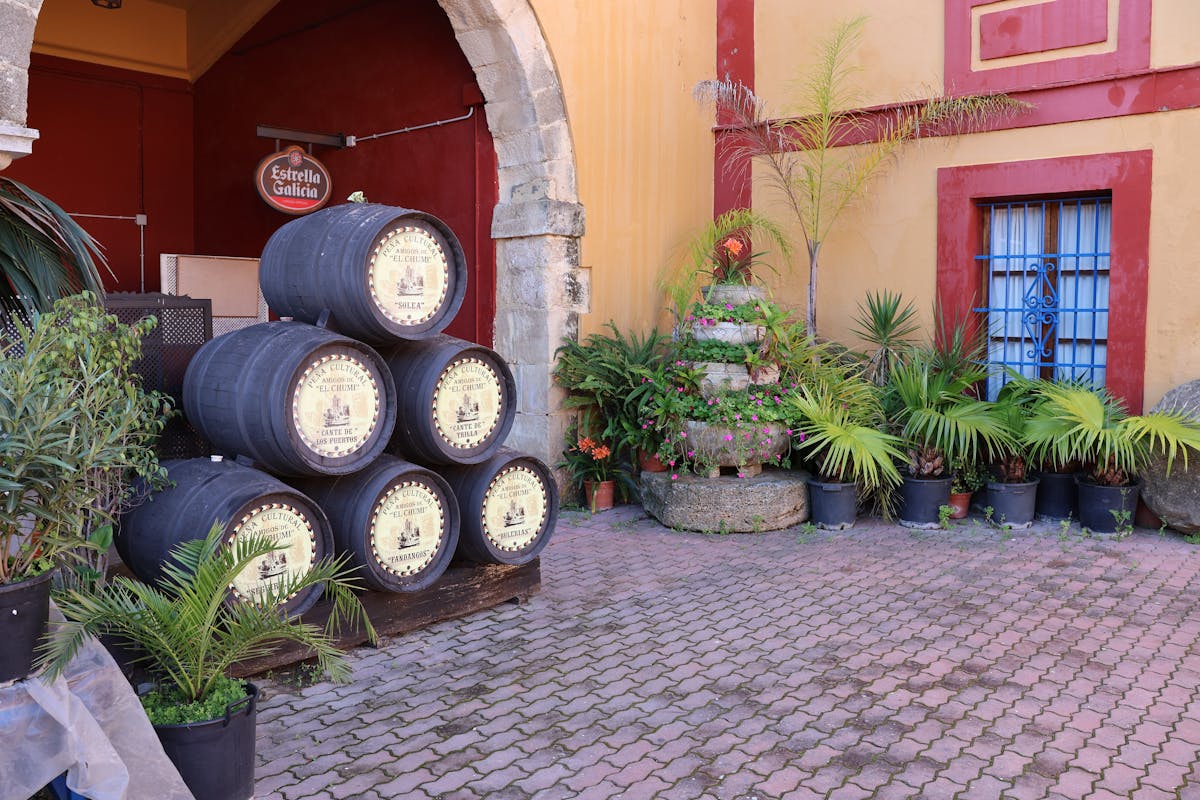
Drinks are included on most tours. Some pair specific wines at each stop — manzanilla sherry from Sanlúcar de Barrameda with the seafood, a local Andalusian red with the meat, a cold beer with the fried fish. Others let you choose between wine, beer, or a soft drink. The booze is not an afterthought. In Seville, the drink and the food are married. A plate of jamon without a glass of fino sherry is like a sentence without an ending.
Group sizes range from 8 to 15 depending on the operator. Smaller is better — not because the food changes, but because the bars are small. A group of 15 in a traditional Seville tapas bar takes up the entire place. Eight people fit at the bar or at a couple of tables and the experience feels more like eating with friends than following a tour leader with a clipboard.
Types of Tapas Tours
Not all tapas tours are the same experience. They split into a few distinct categories, and picking the right one depends on what you want from the evening.
Classic tapas crawl (3 hours, $80-100): The standard format. You walk, you eat, you drink, your guide talks. Four to five stops in the old town or Santa Cruz neighborhood. This is the one that most people book and the one that works best as a first-night activity. You come away knowing the neighborhood, understanding the food, and with a list of bars to revisit on your own.
Tapas and history tour (3-3.5 hours, $85-105): Same food, but the walking sections between bars are longer and packed with historical context. Your guide talks about the Inquisition, the Jewish Quarter, the Moorish influence on the food, why Seville became the richest city in Europe for a century. If you want your eating to come with education, this is the one. The trade-off is that you spend slightly more time walking and slightly less time eating.
Tapas and flamenco (4 hours, $115-140): Combines a tapas crawl with a flamenco show, usually at a small venue or peña (a flamenco club). The food portion is slightly shorter to make room for the performance. Worth it if you were going to book a flamenco show separately anyway — bundling them saves money and the venues on these combo tours tend to be more authentic than the big tourist tablaos.
Budget food tours (2-2.5 hours, $35-80): Shorter, fewer stops, sometimes smaller portions. But the guides are usually just as good and the bars just as local. The $35 price point on some of these is remarkable for what you get — it would cost you more to eat at two random restaurants on your own, and you would not learn anything in the process.
Triana neighborhood tours (3 hours, $88-100): Cross the river to Triana and eat where the locals actually eat. Triana is less touristy than Santa Cruz, the bars are more working-class, the seafood is fresher (the market is right there), and the atmosphere is grittier in the best way. If you have already walked around the Cathedral area and want something different, book a Triana tour.
Best Seville Tapas Tours
Five tours from the database, selected for a mix of price points, tour styles, and neighborhoods covered.
1. Ultimate Seville Tapas, Wine & History Small Group Tour — $102
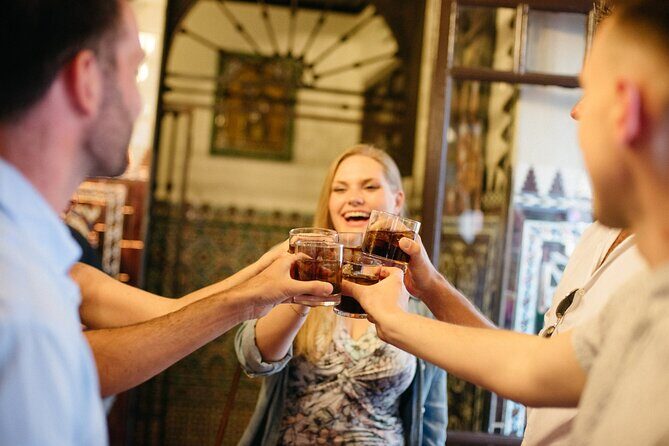
Duration: 3 to 3.5 hours | Price: $102 per person | Type: Tapas crawl with wine pairings and historical walking tour
This is the tapas tour with the highest number of bookings and the longest track record in Seville. The format: a local guide meets your small group in the evening, walks you through the historic center, and stops at four to five tapas bars where the food and wine are pre-arranged. At each stop, the guide explains what you are eating, how it connects to Andalusian food culture, and pairs it with a specific wine — usually manzanilla sherry, a local tinto, or a crisp white from the Condado de Huelva.
The historical content between stops is not filler. The route passes through the former Jewish Quarter, past buildings that date to the Moorish period, and the guide weaves the food into the history. Why do Sevillanos eat espinacas con garbanzos? Because the Moors brought chickpeas and spinach to Andalusia a thousand years ago. Why is the jamon so good here? Because the dehesa — the oak forests where the pigs roam — is just north of the city.
The wine pairings are what sets this apart from cheaper options. Instead of a generic glass of whatever the bar is pouring, each stop has a specific wine chosen to match the food. The manzanilla with seafood stop is the one people remember most — the bone-dry sherry with a plate of fried fish and a wedge of lemon is one of those combinations that makes you wonder why the rest of the world ever drinks anything else.
Group sizes stay small, usually under 12. The extra half hour compared to the three-hour tours means the pace is relaxed. No rushing between stops, no eating standing up because there is no time to find a seat.
At $102, this is not the cheapest option. But the wine pairings alone would cost $20-30 if you ordered them separately, and the historical content is genuinely good. If you are only doing one tapas tour in Seville, this is the safe choice.
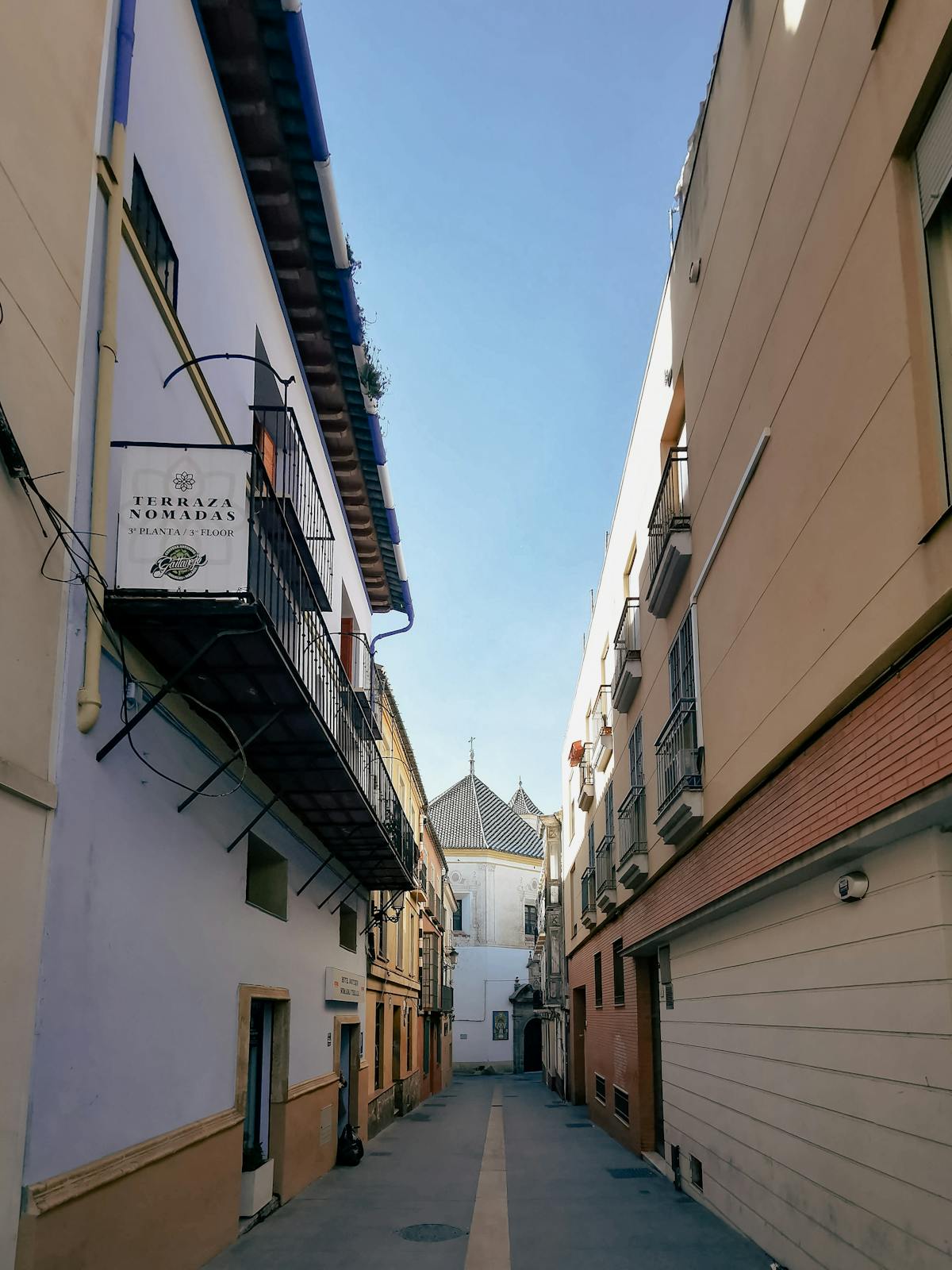
2. Seville: Tapas Crawl — $86
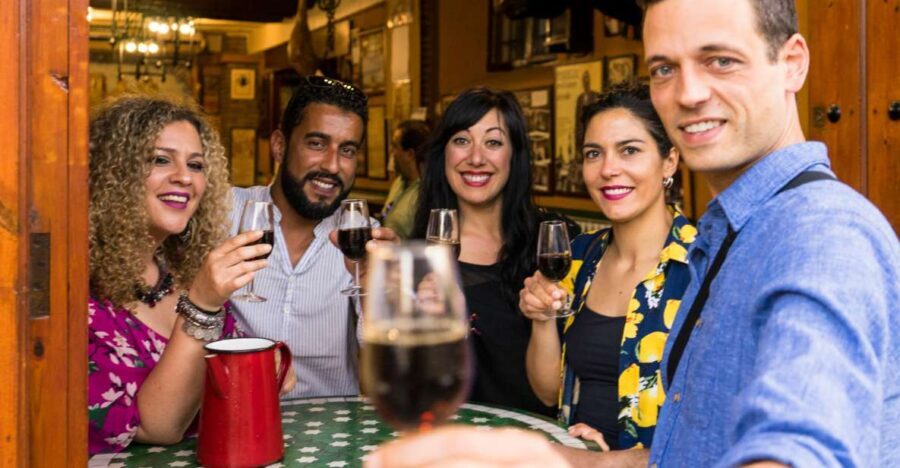
Duration: 3 hours | Price: $86 per person | Type: Tapas crawl with drinks included
This one cuts the historical walking to a minimum and spends more time in the bars. The guide takes you to four or five spots, orders a spread of tapas at each, and explains what everything is. Drinks — wine, beer, or soft drinks — are included at every stop.
The advantage here is pace. You spend less time walking and listening, more time sitting and eating. For people who care about the food first and the history second, this is the better format. The guide still shares context about the dishes and the neighborhood, but it comes naturally while you are eating rather than as a structured lecture while you stand on a street corner.
The bars on this tour tend to be local favorites rather than the polished spots that cater to international tour groups. Expect standing-room-only counters, walls covered in faded bullfighting posters, and bartenders who look like they have been pouring drinks since before you were born. The food is straightforward: jamón, croquetas, salmorejo, fried fish, tortilla, whatever the kitchen has that day. No molecular gastronomy. No Instagram plating. Just honest Andalusian food in the places where locals actually eat it.
At $86, it undercuts the history-focused tours by $15-20 while delivering roughly the same volume of food and drink. If your priority is eating well and getting a feel for local bar culture, this delivers.
3. The Seville Tapas Crawl Tour by Food Lover Tour — $88
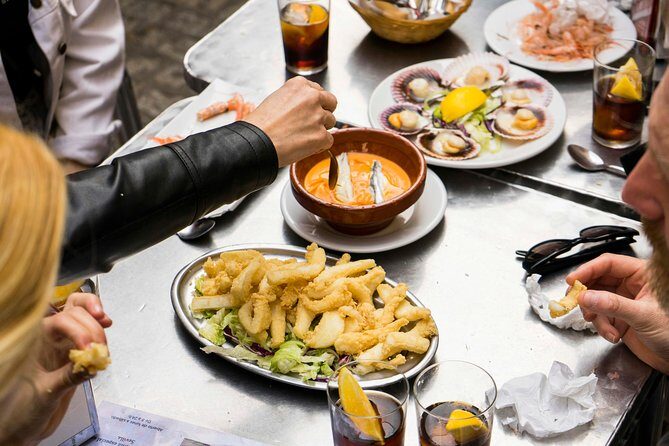
Duration: 3 hours | Price: $88 per person | Type: Guided tapas crawl with food-focused commentary
Food Lover Tour is one of the established operators in Seville, and this is their core product. Three hours, multiple stops, and a guide whose entire job is to help you understand Andalusian food culture through the things you are putting in your mouth.
What makes this one different from the generic crawls is the guide quality. Food Lover Tour recruits locals who are genuinely passionate about the culinary side — not just history buffs who happen to eat. The commentary is about the olive oil you are tasting (where it comes from, why this variety works with this dish), the difference between iberico and serrano ham (it is not just price), and why Seville’s fried fish tradition exists (the Cadiz coastline is two hours away and the fish markets have been running since the Roman period).
The bar selection tends to be slightly more curated than the cheapest crawls. Not fancy — still very much neighborhood spots — but chosen specifically because the kitchen does something well rather than because the bar has a deal with the tour company. The food quality shows in the details: the croquetas are made in-house, the jamón is carved to order rather than pre-sliced, the wine is poured from a bottle rather than a box.
At $88, it splits the difference between the budget crawls and the premium wine-paired tours. You get better food commentary than the bare-bones options without paying for the full wine-pairing experience. A solid middle ground.
4. Tapas & Traditions of Seville Guided Food Tour — $83
Duration: 3 hours | Price: $83 per person | Type: Daytime tapas tour with cultural context
This is the daytime counterpart to the evening-focused tours, run by the same team behind the Ultimate Seville Tapas, Wine & History tour. The format is nearly identical — small group, local guide, four to five bar stops with food and drinks — but the timing changes the experience in ways that matter.
Afternoon tapas in Seville is a different animal from evening tapas. The bars are less crowded, which means you can actually sit down at most stops. The guide has more room to talk without shouting over the noise. The food tends to lean lighter — more salmorejo and seafood, less heavy stewed meat — because the kitchen adjusts for the heat. And the neighborhood looks different under daylight. You can actually see the ceramic tile work on the buildings, the orange trees in the courtyards, the details that disappear after dark.
The cultural context on this tour goes deeper than most. The guide does not just tell you what espinacas con garbanzos is — they talk about the Moorish agricultural revolution that brought irrigation to Andalusia, the trade routes that brought spices from North Africa, and how Seville’s position as the gateway to the Americas changed what people ate and drank for the next five centuries.
At $83, this is the cheapest of the premium tours — nearly $20 less than the evening version from the same operator. The food quality is comparable; you are just eating it under sunlight instead of streetlights. For early risers, families, or anyone who wants their evenings free for flamenco or a self-guided tapas crawl, this is a smart pick.
5. Seville: Flavors of Andalucia Guided Food Tour with Tastings — $35
Duration: 2.5 hours | Price: $35 per person | Type: Budget-friendly guided food tour with tastings
At $35, this is by far the most affordable tapas tour in Seville. The catch? There is no real catch. The tour is half an hour shorter than the standard three-hour crawls, and you visit slightly fewer stops. But the food is still local, the guide is still a Sevillano who knows the neighborhood, and you still eat enough that dinner afterward feels optional.
The route focuses on the flavors of the broader Andalucia region, not just Seville. That means you might taste olive oil from Jaen, cheese from Cadiz, or cured meat from the Sierra de Aracena alongside the expected Sevillano dishes. It is a slightly broader lens than a pure tapas crawl, and that can be an advantage if you want to understand the regional food culture beyond just one city.
The group sizes can be slightly larger than the premium tours, and the bars visited may rotate more frequently. But the fundamental experience — walking, eating, drinking, learning — is the same. The guide handles the ordering, explains each dish, and makes sure nobody goes hungry.
Who should book this: budget travelers, families who would rather spend their money on four separate food experiences than one premium one, and anyone who wants a quick introduction to Seville’s food scene without committing to a full evening. At this price, you could do this tour on your first day and then book one of the fancier evening crawls later in the week. That is actually not a bad strategy.
When to Book a Tapas Tour
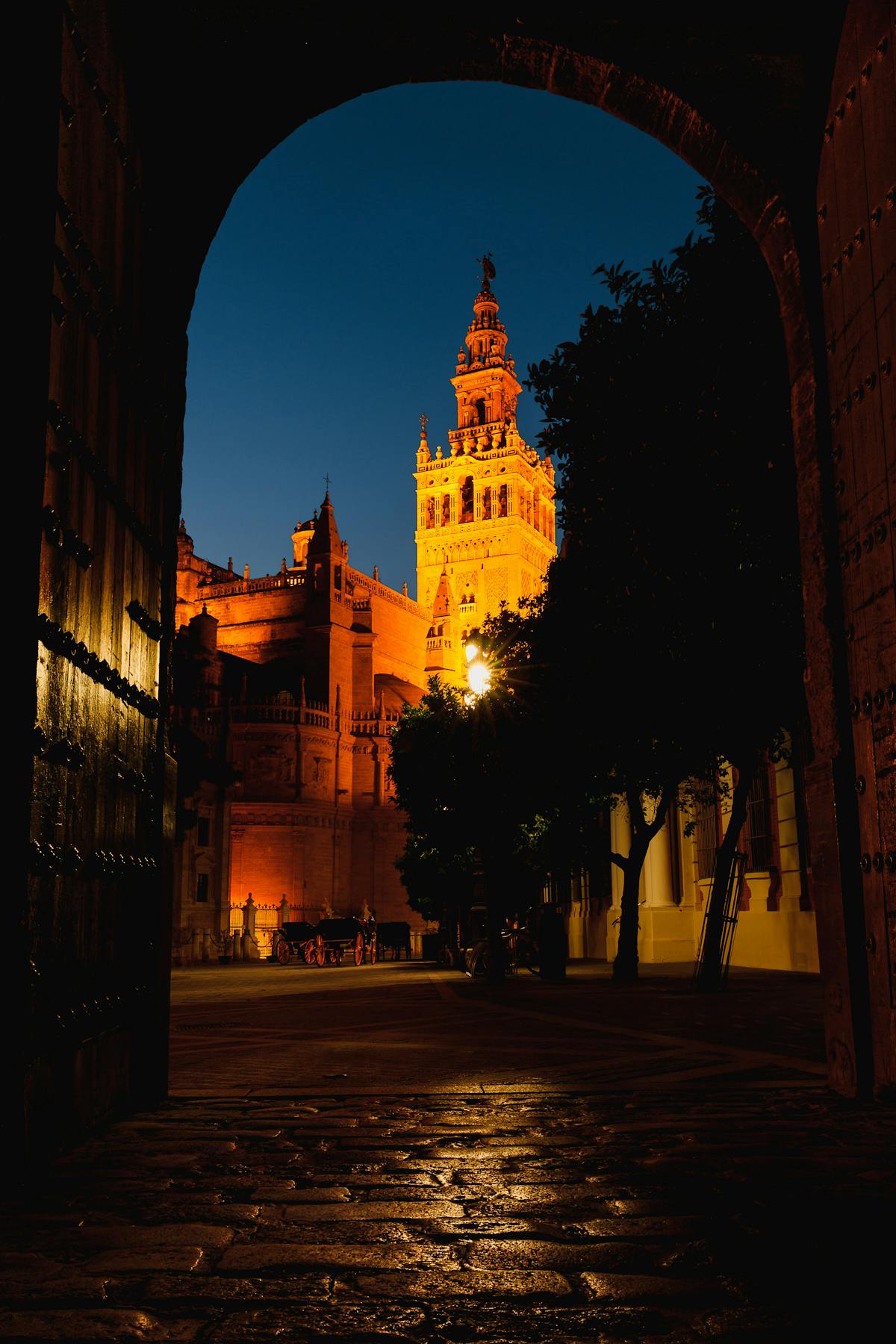
Best months: March, April, May, October, November. These are the sweet spot. The temperature is warm enough to eat outside but not so hot that you are sweating through your shirt between bars. The bars have their full menus available, the produce is good, and the city is lively without being completely overwhelmed by travelers.
Semana Santa (Holy Week) and Feria de Abril: Seville during Holy Week is a different city. The streets are packed, the bars are packed, everything is packed. Tapas tours still run, but booking far in advance is essential — sometimes a month or more. The Feria in late April is similar. Both events are spectacular, but if you are specifically planning around a food tour, the week before or after these festivals is easier.
Summer (June to September): Seville is one of the hottest cities in Europe. July and August routinely hit 40 degrees Celsius, and walking between bars at 8 PM still feels like standing inside an oven. Evening tours work because the temperature drops enough to be bearable, and the bars are air-conditioned. But daytime tours in summer are miserable. If you are visiting in high summer, book the latest evening departure you can find and drink lots of water between the wine.
Winter (December to February): Mild and pleasant. Temperatures sit around 12-18 degrees, the crowds thin out, and the bars shift to heartier fare — stews, braised meats, thicker soups. The atmosphere in the old quarter is different in winter: fewer travelers, more locals, and the tapas bars feel like neighborhood living rooms rather than performance spaces. This is actually a great time to do a food tour if you do not need sunshine for the experience.
Evening vs. afternoon: Most people book evening tours, and for good reason — tapas culture in Seville peaks after sunset. The bars fill up, the energy rises, and eating at 9 PM feels natural instead of strange. But afternoon tours have their own appeal: quieter bars, better photography light, and a more relaxed pace. If you want the full social experience of Seville at night, book the evening. If you want to actually taste the food without shouting over the crowd, try the afternoon.
How far ahead to book: In peak season (March-May, October), book at least a week in advance. Popular tours sell out, especially on weekends. In the off-season, two to three days is usually enough. Same-day availability exists but you will be left with whatever time slots nobody else wanted.
Tips for Your Tapas Tour
Come hungry. The portions at each stop are small individually, but four or five stops add up. Skip lunch, or at least eat light. You will be eating the equivalent of a full meal spread across three hours and several bars. Arriving full means missing the best part.
Wear comfortable shoes. You will walk two to four kilometers between stops, and the streets in the old quarter are cobblestone. Nobody cares what your shoes look like in a tapas bar. They do care whether you can keep up with the group without limping.
Tell the guide about allergies and restrictions immediately. Most tours can accommodate vegetarians, gluten-free, and common allergies, but the guide needs to know before you arrive at the first bar, not after. Seville’s tapas culture is heavily meat and gluten-forward — the guide has to plan ahead to make sure you actually eat at every stop.
Bring cash for extra drinks. Most tours include one drink per stop. If you want a second glass of that manzanilla sherry because it was genuinely life-changing, you will need a few euros. Some bars are card-only now, but the old-school ones still prefer cash.
Do not eat at the tourist restaurants beforehand. The streets near the Cathedral are lined with restaurants that put photos of paella on their menus and charge double for half the quality. Your tapas tour exists precisely to avoid those places. Trust the process. The guide knows better than TripAdvisor.
Ask questions. The guides are locals who eat this food every day. They know which olive oil brand to buy at the supermarket, which sherry to order at a bar, and which neighborhood has the best Sunday morning tapas. The three hours you spend with them is a crash course in eating like a Sevillano. Use it.