
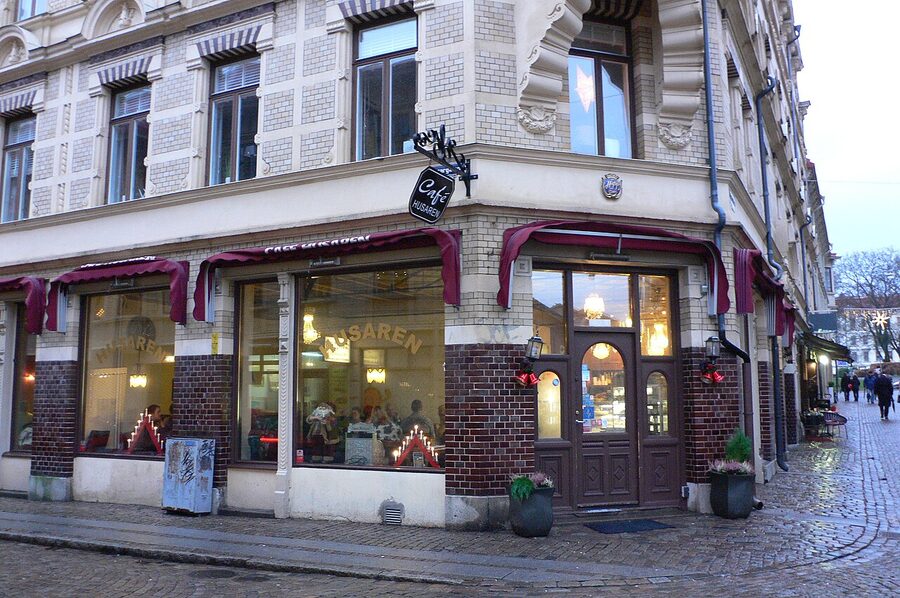
The first time I tried Haga, I got it spectacularly wrong. Sunday afternoon, 4pm, December cold, and I walked the length of Haga Nygata expecting a bun and got a row of locked doors. Café Husaren had closed at 4. The antique shop I had circled on a map shut at 3. I left thinking the neighbourhood was overrated, and only came back two years later, with a guide, on a weekday morning, and finally understood what people had been talking about.
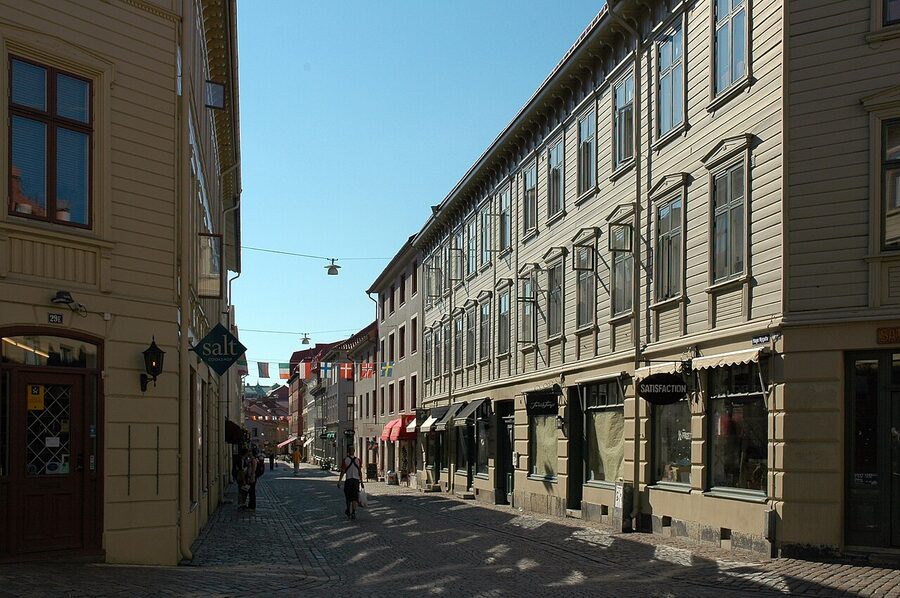
Haga is the kind of place that reveals itself slowly. A walking tour fixes that, partly because the guide knows which doors to push on, and partly because they get you to the parts of the neighbourhood that the obvious cafés on Haga Nygata are actively distracting you from.
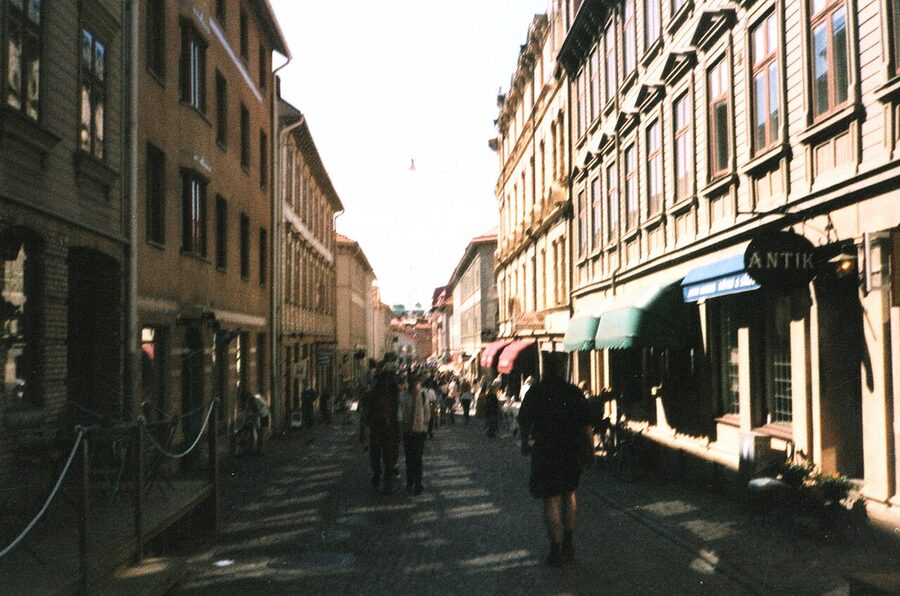

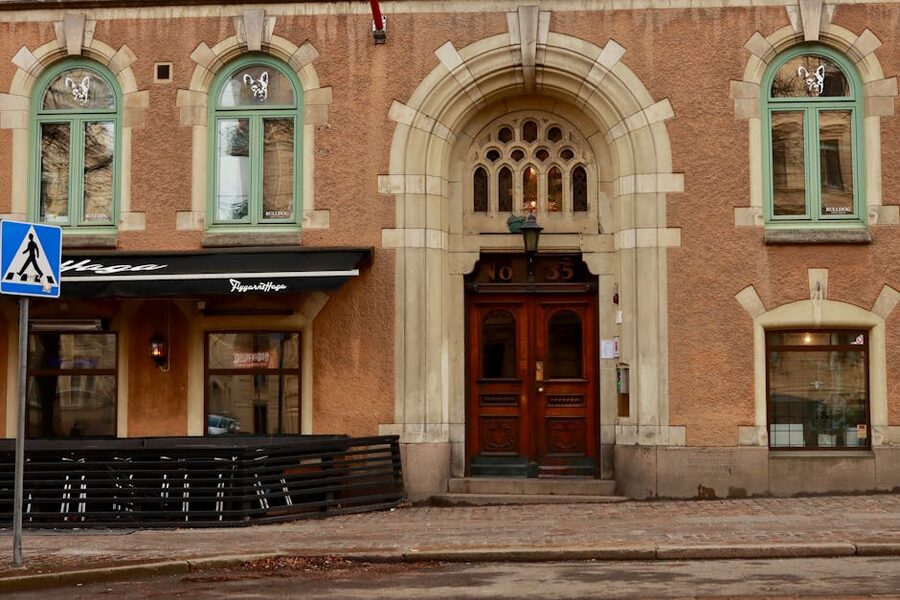
Best with fika: Guided Walking and Swedish Fika Tour, $99. Two hours plus actual coffee and bun stops, small group, the one you book if Haga is mostly an excuse to eat.
Best for context: Historical Walking Tour in Central City, $50. Wider sweep through the historic centre with Haga as one stop on a 17-sight loop.
- What you’ll actually walk
- The three tours worth booking
- 1. Haga Old Town Walking Tour:
- 2. Guided Walking and Swedish Fika Tour:
- 3. Historical Walking Tour in Central City:
- The mistake I made (and how a guide fixes it)
- Café Husaren and the bun
- Why Haga looks the way it does
- Skansen Kronan and the climb up
- When to do the tour (and what to skip)
- How to actually get to Haga
- Haga and the rest of the city
- Booking practicalities
- If you’re pairing Haga with the rest of Gothenburg
What you’ll actually walk
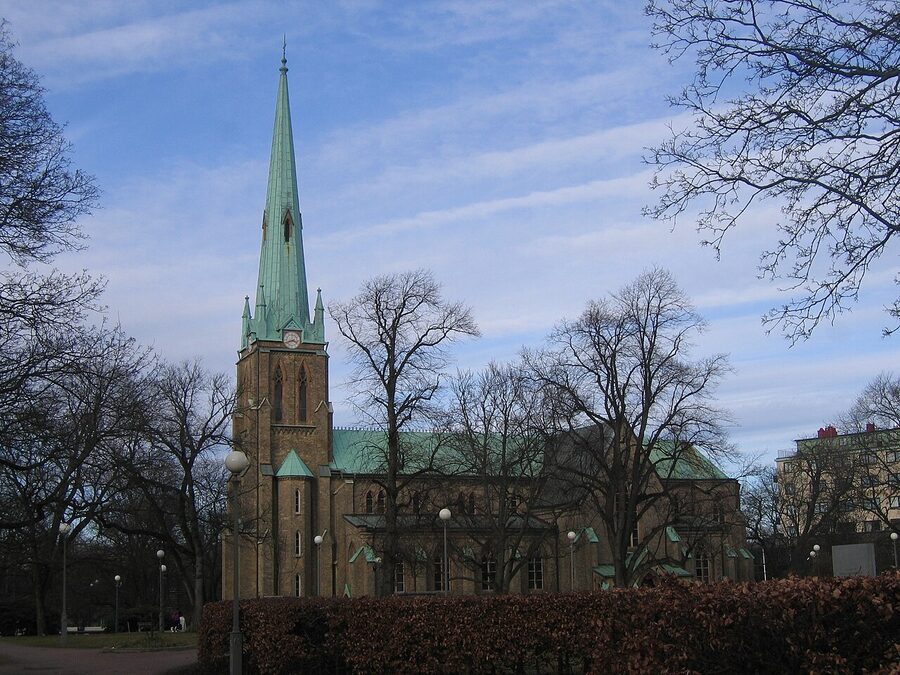
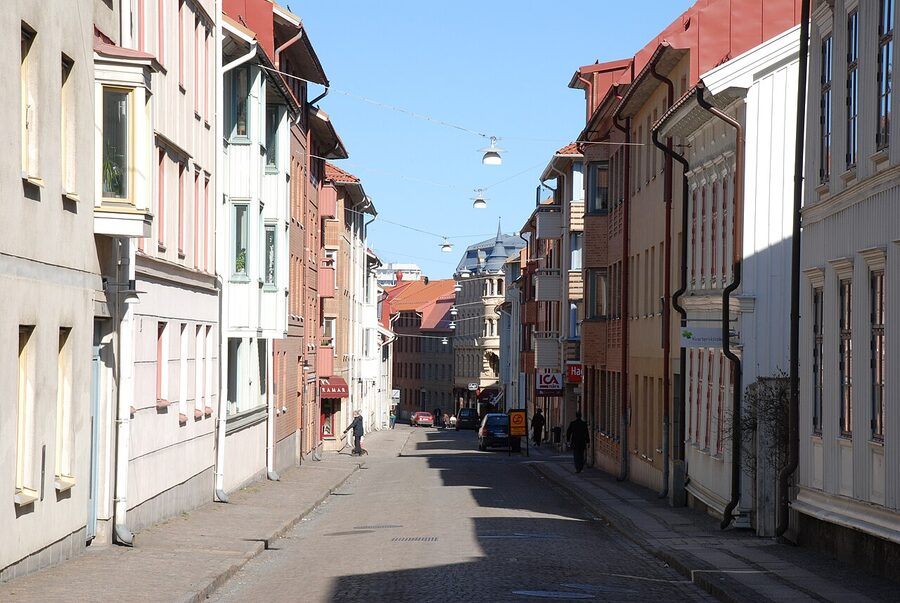
Most Haga walking tours start somewhere on the eastern edge, near Hagakyrkan or the Järntorget tram stop, and finish either at the café strip on Haga Nygata or up at Skansen Kronan. The whole neighbourhood is small, about four blocks deep and six blocks long, so you’re never on your feet for long. Two hours is the standard length and feels right.

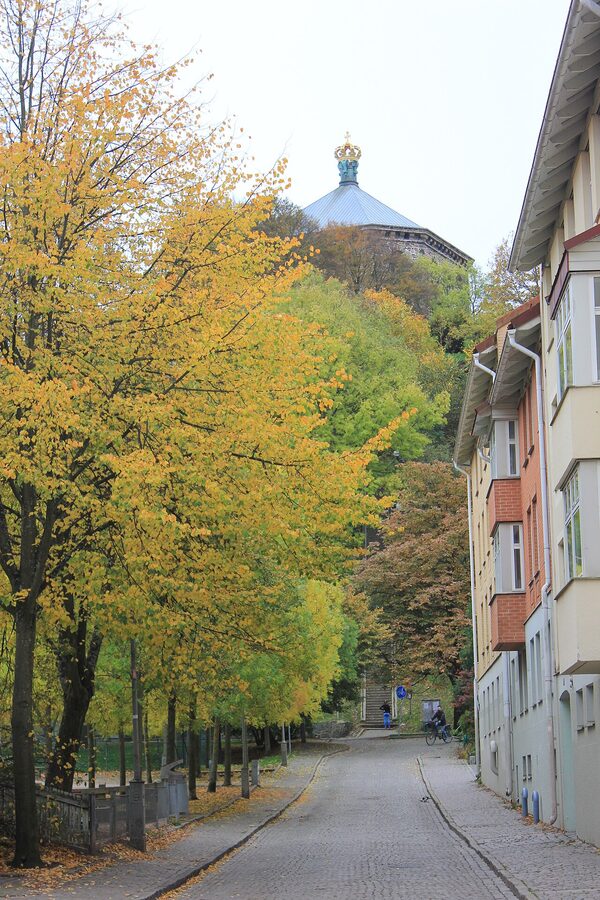
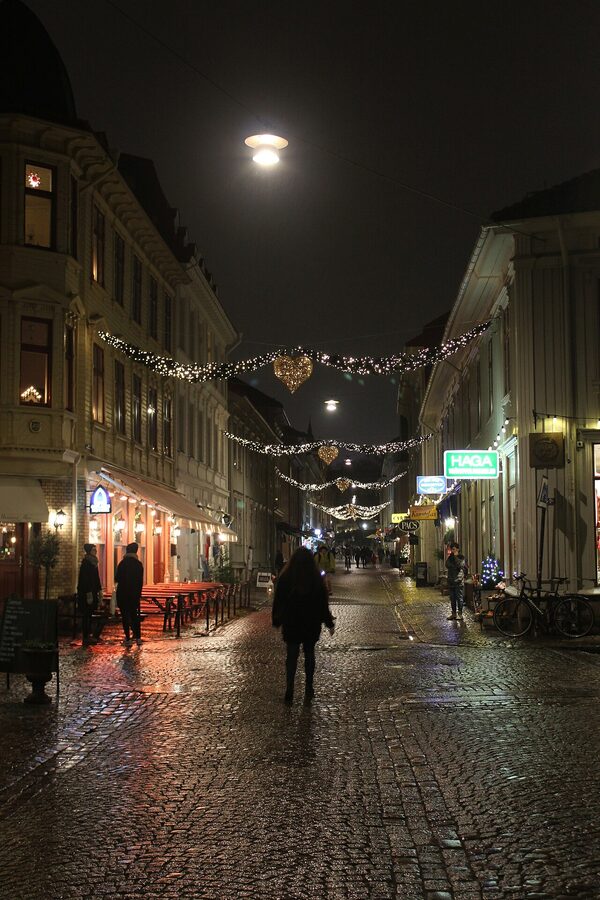
The route usually moves west along Haga Nygata, the pedestrianised cobbled street that does most of the postcard work. Then it climbs five minutes south up to Skansen Kronan, the squat round fortress that sits on a rocky knoll above the neighbourhood. The view from up there is the payoff most guides save for last.

The three tours worth booking
I tried a handful before settling on the three below. The cluster I would actually recommend covers three different reasons you might book in the first place: the standard guided overview, the food angle, and the wider city walk that uses Haga as one of several stops.
1. Haga Old Town Walking Tour: $55
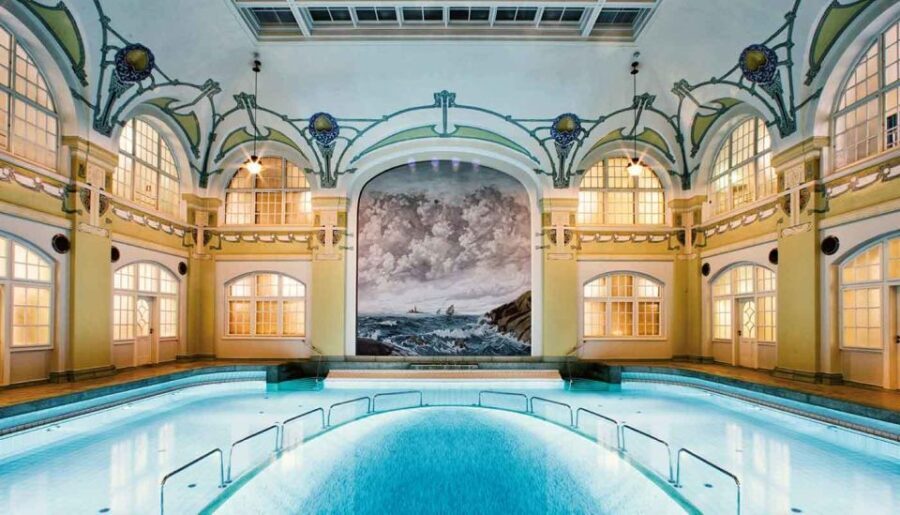
This is the one I send people to first. It’s 1.5 hours, focused entirely on Haga, and the guides on this particular run tend to know the demolition-and-protest history in real detail (which is the bit that actually makes Haga interesting). Our full review of the Haga Old Town tour goes into how the smaller group size compares to the bigger marketplace listings.
Check Availability
Read our full review
2. Guided Walking and Swedish Fika Tour: $99

This costs almost double the standard Haga tour and it’s worth it if you care about the food side. You stop at multiple cafés rather than one, the guide explains why fika is treated as a daily ritual rather than just a coffee break, and the small-group cap (around 8) means you actually get a seat at each spot. Our review of the fika tour covers which cafés it usually hits and the dietary options.
Check Availability
Read our full review
3. Historical Walking Tour in Central City: $50
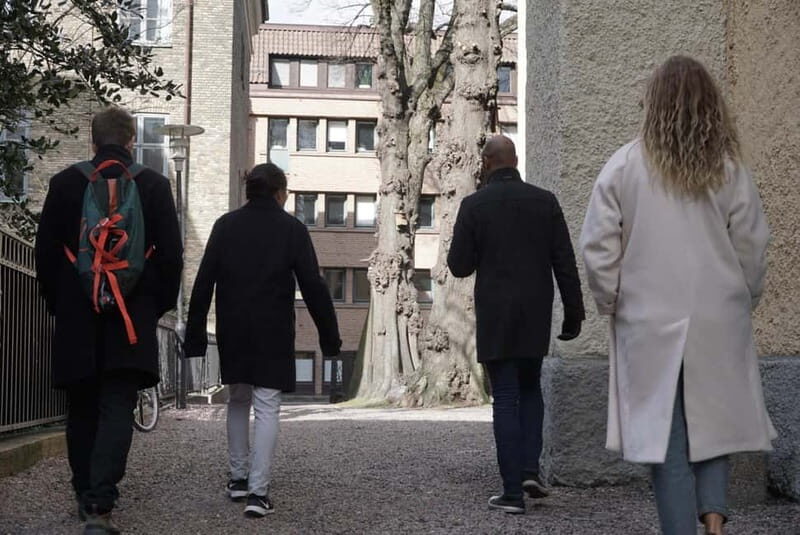
This one is run by a lifelong Gothenburg resident and the route takes in the original 17th-century city plan, the canal system, the market halls, and finishes near Haga. It’s the better choice if it’s your first day in town and you want the wider picture before you decide whether to come back to Haga properly. Our take on the historical central city tour compares it to the hop-on-hop-off bus.
Check Availability
Read our full review
If none of those three suit, you can also build a Haga visit into a bigger Gothenburg loop with the Land & Water Amphibious Bus, which drives past Haga as part of its city-centre route before splashing down into the river. It’s not a Haga tour, but it gives you the orientation you need before walking the neighbourhood on your own.
The mistake I made (and how a guide fixes it)
The reason a guided tour beats walking Haga alone isn’t really the buildings. You can read a plaque. The reason is the timing.
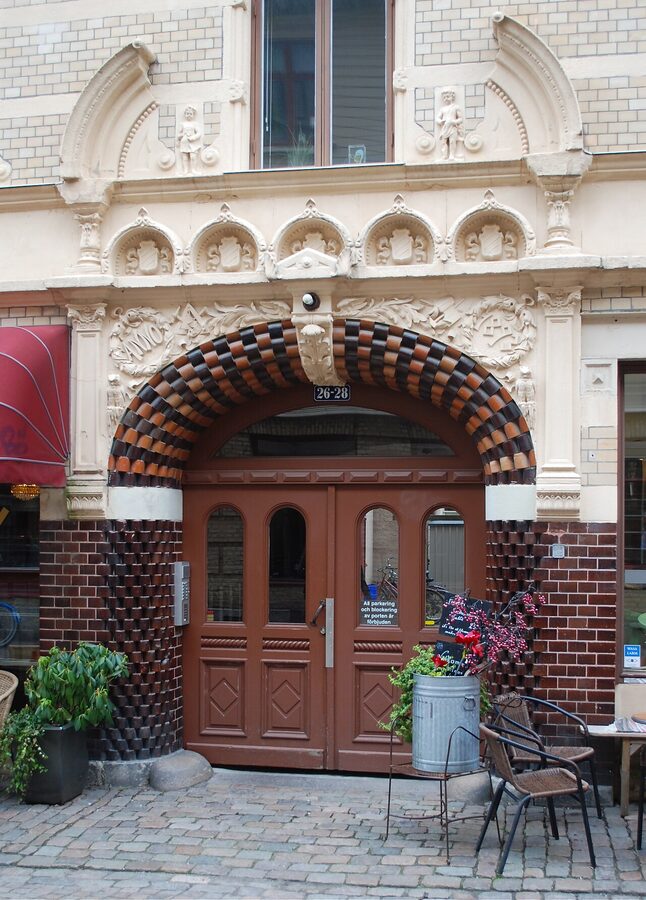

Half the cafés on Haga Nygata close earlier than you’d expect. Café Husaren shuts at 4pm on Sundays. Some antique shops keep banker’s hours and don’t open at all on Mondays. Walk through at the wrong time and Haga is a pretty but quiet stretch of cobbles. Walk through at 10am on a Tuesday and the whole street is humming.
The other thing a guide does is point out things that aren’t obvious. The cinnamon-roll-shaped sign tucked into a doorway. The reason one block of buildings is taller than the rest (those are the originals, the others are 1980s reconstructions). The Skansen Kronan climb that you would otherwise miss because the steps are tucked behind a row of houses on Mellangatan and don’t look like a route anyone takes.
Café Husaren and the bun
.jpg)
Every Haga tour ends or includes a stop at Café Husaren because it’s where the giant cinnamon bun was invented. Locals call it the hagabulle and it’s the size of a side plate. One bun is genuinely a meal. Don’t order anything else with it the first time, just see how far you get.
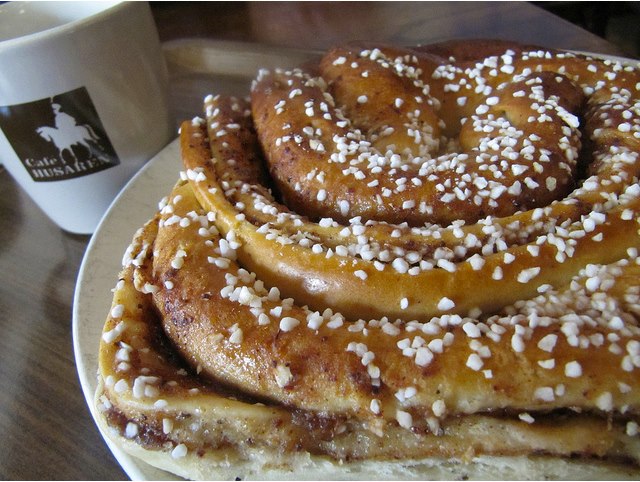

Most fika-focused tours take you to Husaren plus one or two of the smaller cafés further down the street. That second stop is the one to pay attention to. Husaren is famous and you can find it on your own. The smaller cafés (Hem i Haga, Café Kringlan, the bakery on Mellangatan) are where the locals actually go. A guide knows which one is open the day you’re there and which one isn’t worth the queue.


Why Haga looks the way it does
Haga was Gothenburg’s first suburb. Founded in 1648 just outside the city walls, it grew into a working-class district through the 19th century, mostly housing dockworkers and their families. By the early 20th century it was one of the densest, poorest parts of the city.
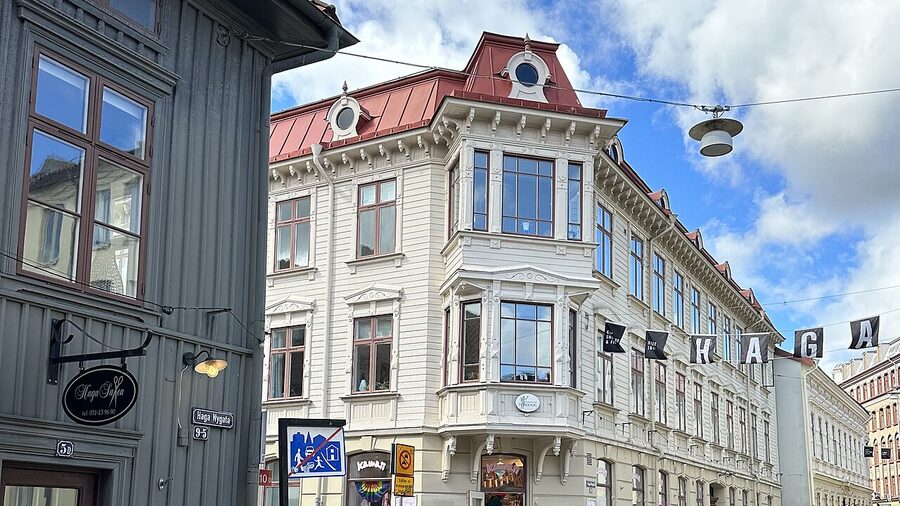

The plan in the 1960s and 70s was to demolish almost all of it and replace it with Modernist apartment blocks. Bulldozers actually started work and a few of the original buildings came down before residents and preservationists pushed back hard enough to stop the clearance. What you see today is a mix: roughly half the buildings are originals saved from demolition, the other half are 1980s reconstructions built in the same landshövdingehus style.
The landshövdingehus, literally “governor’s house”, is Gothenburg’s signature building type. The ground floor is brick or stone, the upper two storeys are wooden. The design came out of an 1875 city ordinance that limited wooden buildings to two storeys for fire safety reasons, and the brick ground floor was the workaround that let builders add a third level.
Skansen Kronan and the climb up
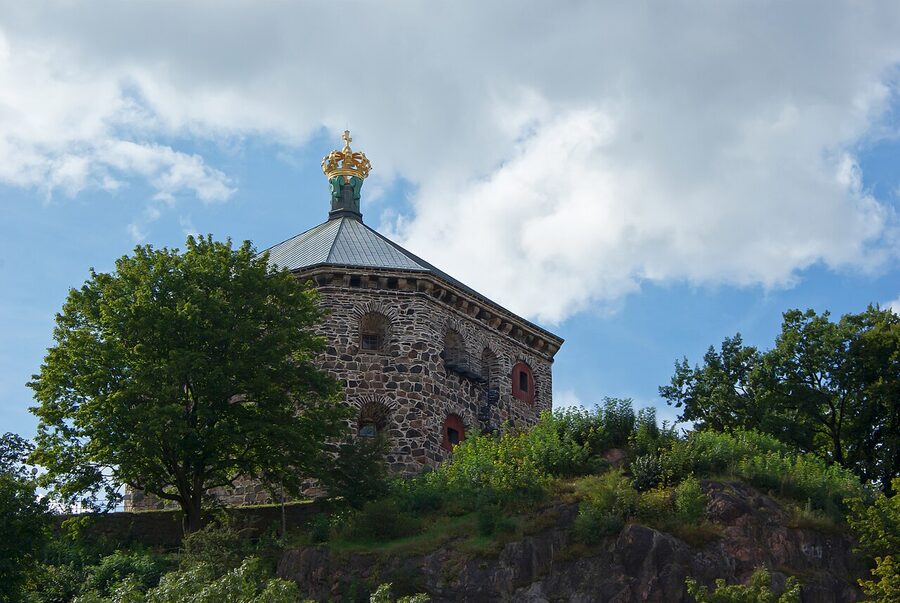

This is the bit most independent visitors miss. Skansen Kronan is a 17th-century fortress built to defend Gothenburg from the Danes, and it sits on a steep rocky outcrop directly above Haga. The fortress itself is mostly closed to the public these days (occasionally opens for events) but the terrace at the top is free to walk onto and gives you the best view of central Gothenburg you can get without paying for a pass.
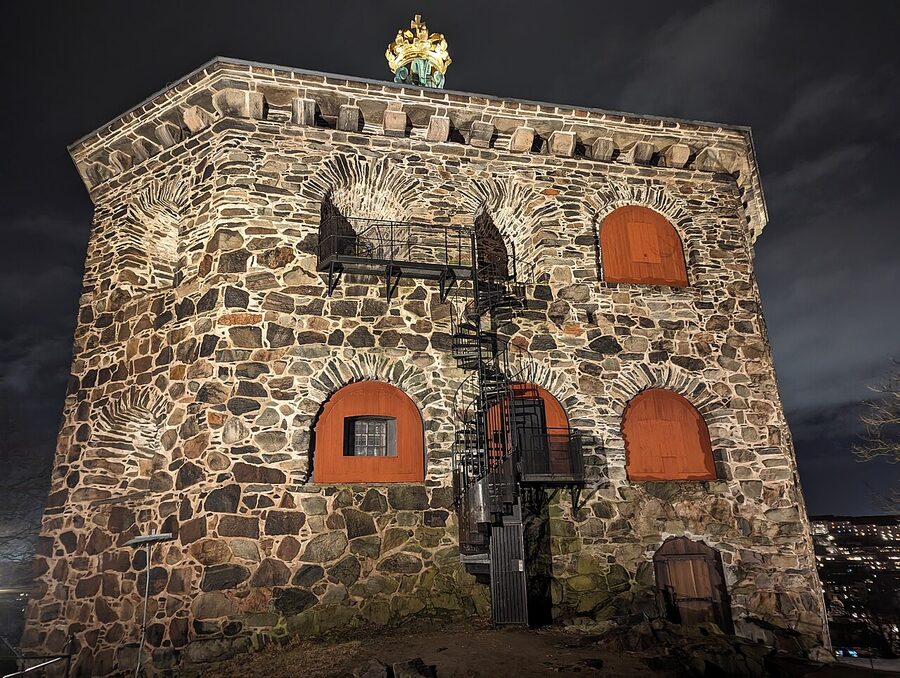
The climb takes about five minutes from Haga Nygata if you go via the steps on Mellangatan, longer and steeper if you come up from Linnégatan. A guided tour will route you the easy way, which is reason enough on its own to book one if you’re not steady on stairs.
When to do the tour (and what to skip)
Weekday mornings between 10am and noon are the sweet spot. The cafés are open, the shops are open, the cobbles aren’t full of tour groups, and the light is on Haga Nygata’s east-facing façades. By 2pm on a summer Saturday the street is wall-to-wall and the bigger café queues stretch out the door.

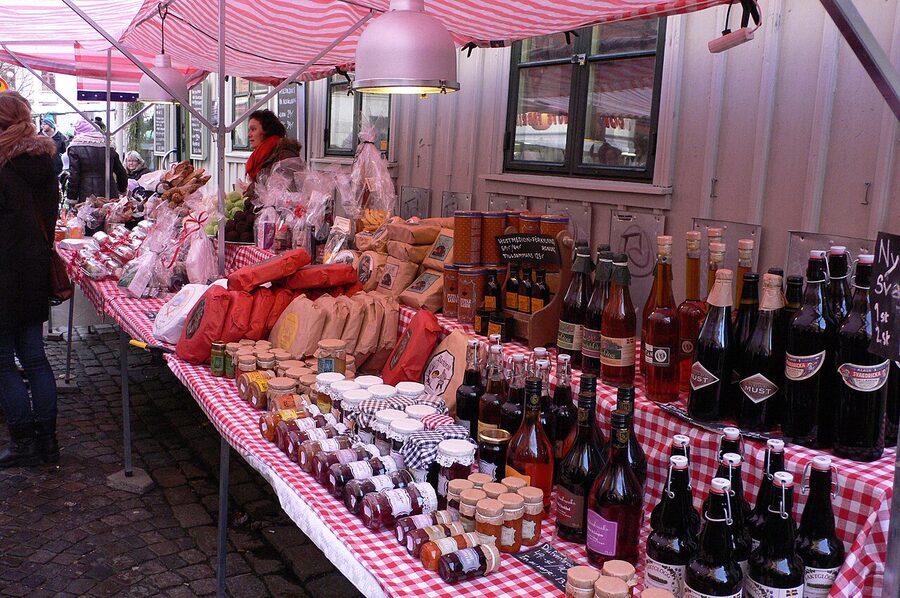
December has its own argument. The annual Haga Christmas market runs through most of the month and the whole length of Haga Nygata fills with stalls selling glögg, knäckebröd, and reindeer hide. A guided tour during the market period costs the same and you get the bonus of being shown which stalls are run by actual local makers and which are imported tat.
.jpg)
What to skip: late afternoon Sundays (the closure problem I learned the hard way), and rainy days in winter unless you’re committed. The cobbles get slick. The Mellangatan steps up to Skansen Kronan get genuinely treacherous. If the forecast looks miserable, push the tour back a day rather than gritting it out.
How to actually get to Haga
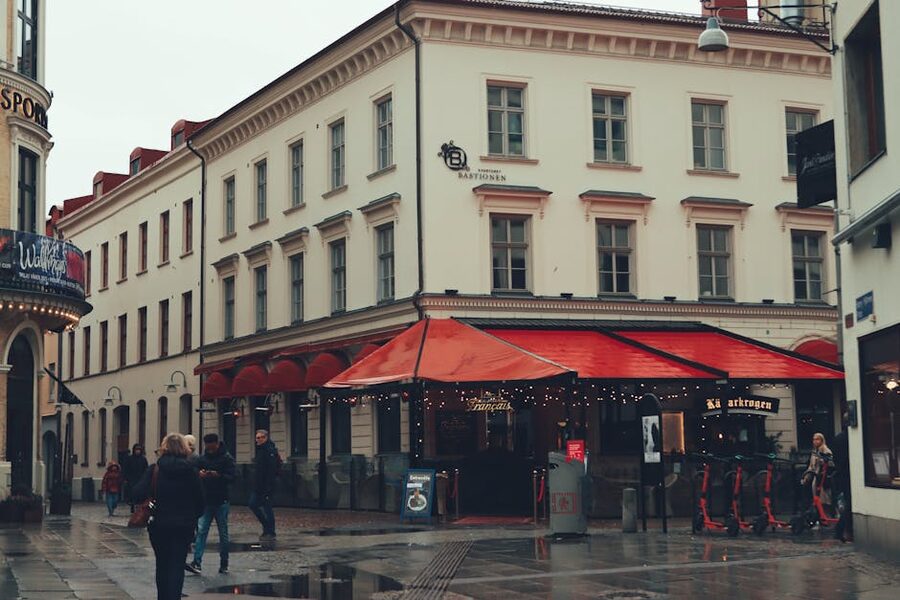
Trams 1, 6, and 11 all stop at Hagakyrkan, which is the official tram stop right on the eastern edge of the neighbourhood. Five minutes from the central station. Tickets cost 36 SEK on the Västtrafik app, slightly more if you buy from the kiosk at the stop.
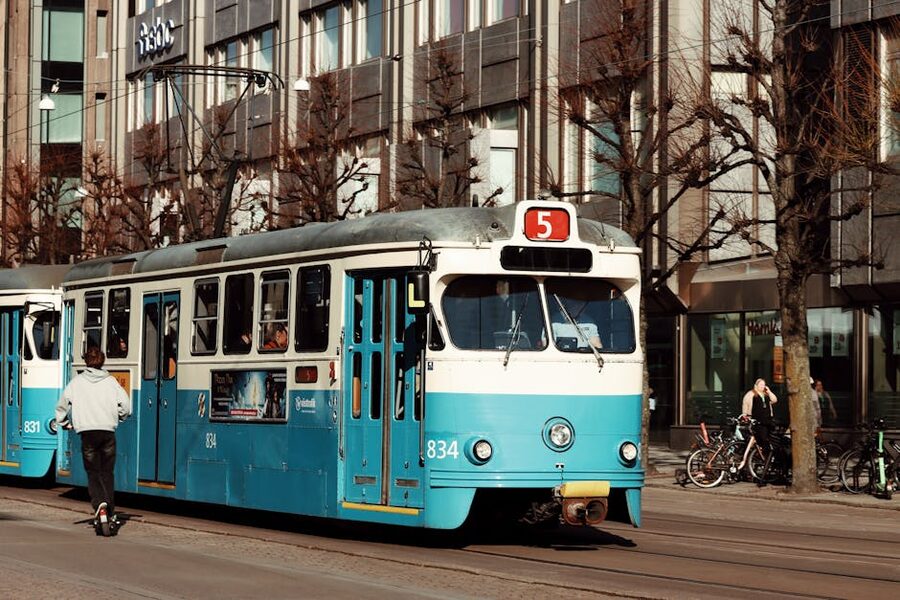
Walking from the central station takes about 20 minutes through the city centre, which is honestly not a bad route if you have time. You pass the canal, the market halls, and the Avenyn end of town, all of which give you context for what you’re about to see in Haga. Most guided tours that are Haga-focused will meet you at the Hagakyrkan tram stop or the small park in front of the church.
Haga and the rest of the city
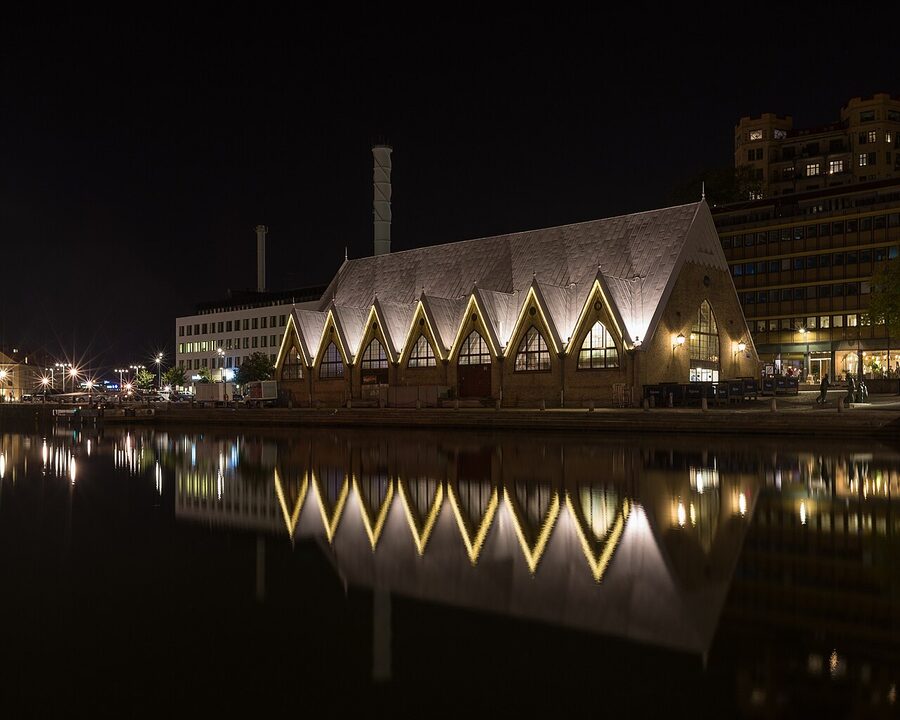

Haga is small. A Haga-only tour will keep you busy for two hours, and you’ll have most of an afternoon left over. The good news is that the rest of central Gothenburg is right there. Feskekôrka is five minutes north. Linnégatan and the Linné neighbourhood are five minutes west and worth a wander for the second-hand shops. The river is fifteen minutes’ walk north if you want to do a harbour cruise.
If you’ve got a full day, the natural pairing is Haga in the morning and a Gothenburg archipelago cruise in the afternoon. The cruises depart from Stenpiren or Saltholmen, both of which you can reach from Haga in twenty minutes by tram. With kids in tow, swap the cruise for Universeum, the science centre with the indoor rainforest. It’s a fifteen-minute tram ride east of Haga.

Booking practicalities
All three of the tours I’d recommend run daily in summer (May through September) and most days in winter, with the standard cancellation window of 24 hours for a full refund. Pay in your home currency at checkout, the GetYourGuide rates are usually within a percent of the bank exchange rate. Group sizes are capped at around 10 to 15 depending on the tour, so they tend to sell out a day or two in advance during peak summer.
If you’re picking between the three: book the standard Haga Old Town tour if it’s your only Haga visit and you want it focused; book the fika tour if you’ve already wandered Haga once and want the food angle; book the central city historical tour on day one and skip a separate Haga tour entirely if your time is tight.
If you’re pairing Haga with the rest of Gothenburg
A Haga tour pairs naturally with the rest of central Gothenburg’s cluster of bookable experiences. The most obvious chain is morning walking tour, lunch in Haga, then either water (the archipelago cruise) or wheels (the amphibious bus) in the afternoon. Families with kids tend to swap the cruise for Universeum, which sits a fifteen-minute tram ride east near Liseberg and gives you indoor cover for a wet afternoon.
If you’re comparing Gothenburg’s walking tours to other Scandinavian cities, the closest equivalent is probably the Stockholm walking tour scene, which is bigger and more touristy. Haga has more in common with Copenhagen’s grittier neighbourhood walks, which we covered in our piece on alternative walking tours of Copenhagen: same idea of a guide showing you a working-class district that became fashionable. The Stockholm equivalent of Gothenburg’s Haga is probably Södermalm, which the standard Stockholm walking tour tends to cover. If you’re doing both Swedish cities, do the Stockholm one first, then Haga, so you can see how the same regeneration story played out in two different places.
Affiliate disclosure: links to GetYourGuide are affiliate links. If you book through them we earn a small commission at no extra cost to you, which helps keep the site running.