
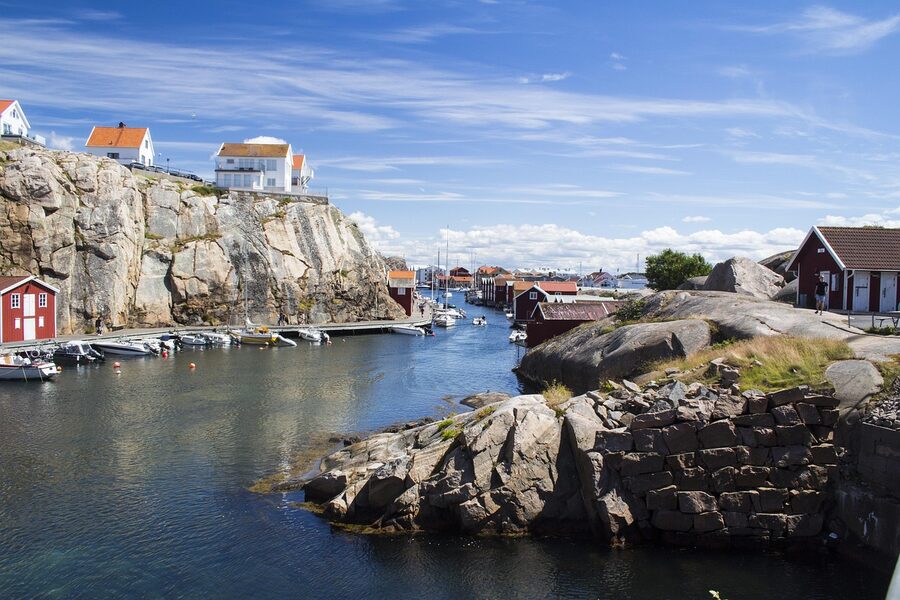
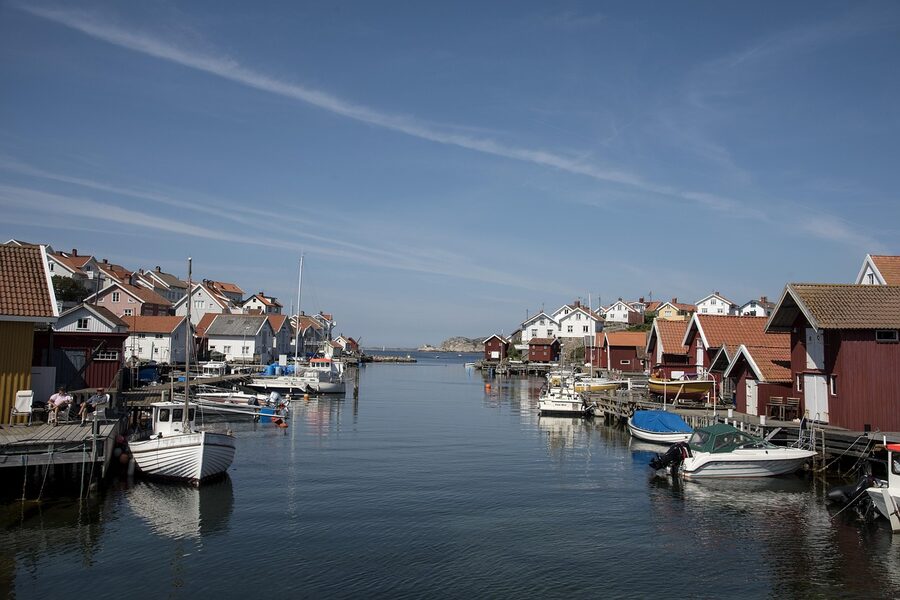
The captain throttles back, the diesel goes from a low growl to a hum, and for about ten seconds the boat just glides between two slabs of bare pink granite. There’s a guy on the upper deck pointing at something low on the rocks. A harbour seal, dark and slick, watching us pass without bothering to slide off. Then we’re through the gap and Vrångö opens up ahead, white wooden houses scattered above a fishing harbour.
That’s the moment most people remember from a Gothenburg archipelago cruise. Not the photos, not the snack bar, not even the sunshine. The bit where the engine drops and the islands get close.
Best for a full day out: Guided Boat Tour to Vinga, $39. Sails to the westernmost island in the archipelago, with an hour ashore at the lighthouse.
Best Viator alternative: Archipelago Tour with Guide, $51. Same boat, same route, useful if you book everything else through Viator.
- What the cruise actually does
- The three cruises worth booking
- 1. Gothenburg Archipelago Cruise with Guide:
- 2. Guided Boat Tour to Vinga:
- 3. Archipelago Tour with Guide (Viator):
- Lilla Bommen, the departure dock
- What you actually see
- Asperö
- Brännö
- Styrsö
- Donsö
- Vrångö
- Nya Älvsborg, the fortress mid-harbour
- What it’s like in different seasons
- Stockholm vs Gothenburg, briefly
- What to bring
- Combining the cruise with the rest of Gothenburg
- The public ferry, if you’d rather self-guide
- How to actually book
- Other Gothenburg tickets and tours
What the cruise actually does
Almost every guided cruise from central Gothenburg follows the same general route, with small variations between operators. You leave from Lilla Bommen, on the river side of the Opera House. The boat heads downstream along the Göta älv, past the old Eriksberg shipyard cranes on the Hisingen bank, then under the Älvsborg Bridge.
That’s about 25 minutes of harbour. It’s industrial, working, slightly grimy in the best way, and completely different from what you’d expect a Swedish cruise to look like. The Port of Gothenburg is the largest in the Nordics. Container ships from Felixstowe and Bremerhaven sit at anchor while you motor past.
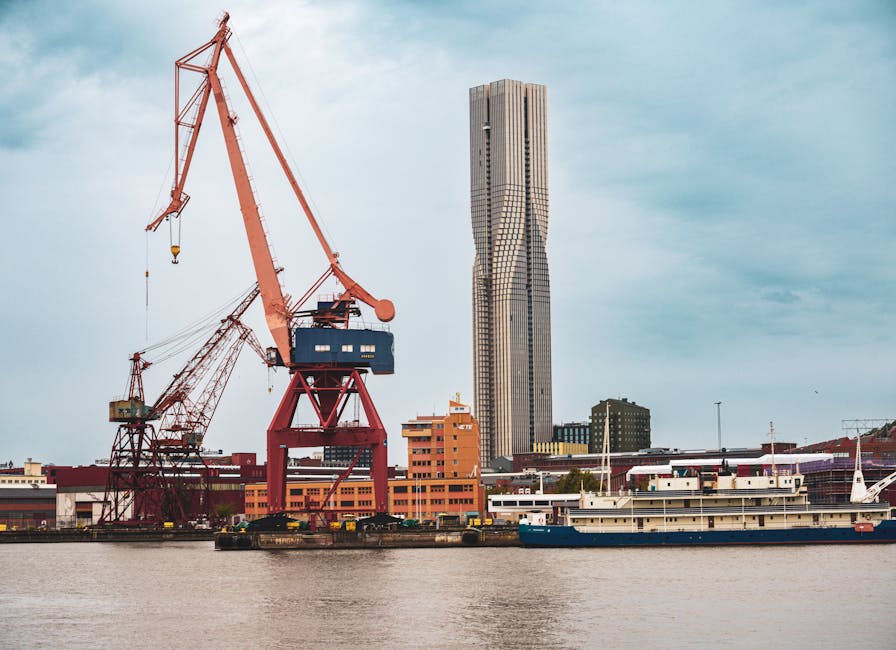
Once you’re past the bridge, the city falls away surprisingly fast. Within ten minutes you’re in proper open water with low islands on both sides. The boat threads through the southern archipelago, looping around or between islands like Asperö, Brännö, Styrsö, Donsö and Vrångö depending on conditions and wind. Live commentary in English and Swedish runs throughout, mostly history and geography rather than dad jokes, which I appreciated.
Total time on the water is around 2.5 hours, all of it on the boat. There are no island stops on the standard cruise. If you want to actually walk around an island, you need either the public ferry from Saltholmen (more flexible, no commentary) or one of the longer trips like the Vinga day-tour I cover further down.
The three cruises worth booking
I sorted through every Gothenburg archipelago option on the market and three actually justify booking ahead. The rest are either overpriced private charters or operators with mixed reliability. These are the ones I’d put a credit card on.
1. Gothenburg Archipelago Cruise with Guide: $47
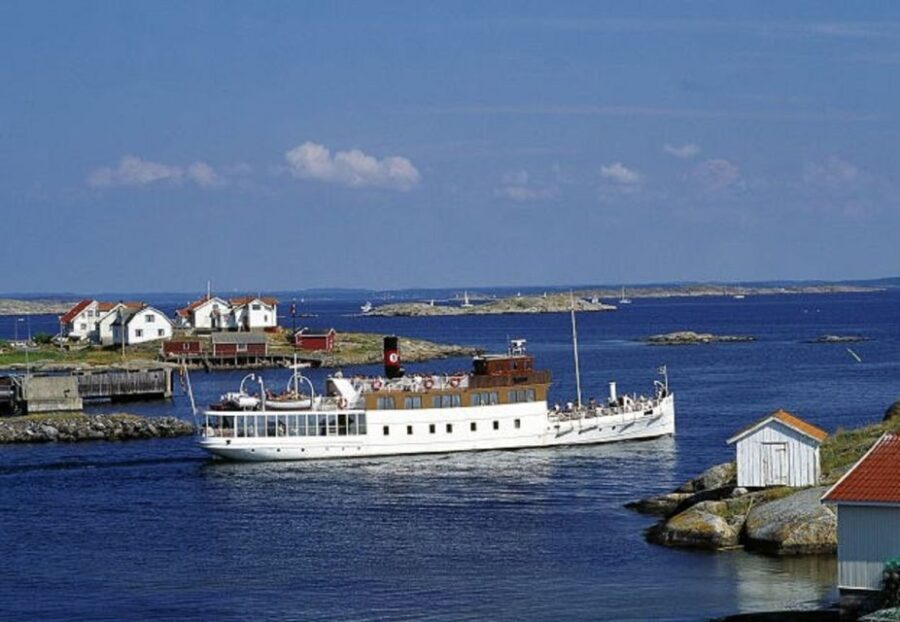
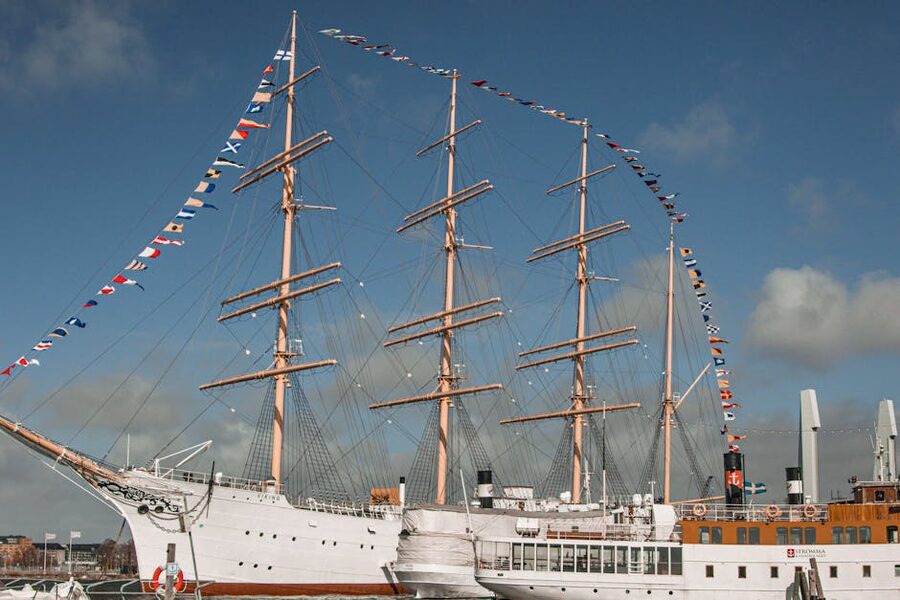
This is the one to book if you only do one cruise. Stromma run the M/S S:t Erik out of Lilla Bommen on a 2.5 hour loop around the southern islands, with English and Swedish commentary throughout. Our full review of the Stromma cruise gets into how the boat is laid out and what to expect from the onboard café. Best value on the market and the easiest to fit into a half-day in Gothenburg.
Check Availability
Read our full review
2. Guided Boat Tour to Vinga: $39
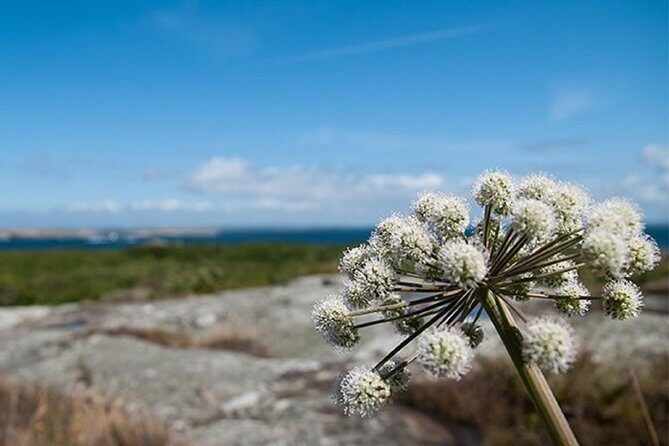
If you have a free day rather than a free afternoon, this is the better choice. Vinga is the westernmost point of the Gothenburg archipelago, marked by the same lighthouse Evert Taube grew up at. The hour ashore is enough to climb to the lighthouse, walk the rocks, and have a coffee at the small café. Conditions can get bumpy on the open-sea leg, see our Vinga tour breakdown for the seasickness specifics. Book a morning departure if the wind forecast looks shifty.
Check Availability
Read our full review
3. Archipelago Tour with Guide (Viator): $51
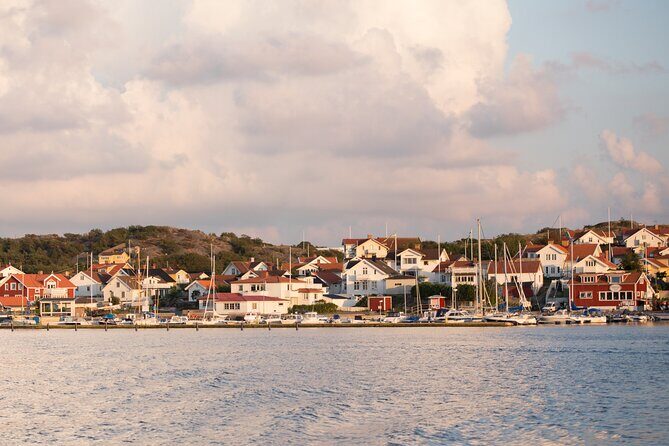
The route is identical to option 1, including the M/S S:t Erik departure from Lilla Bommen. The only reason to pick this one is platform preference, the price is a few dollars higher because of Viator’s commission split. Read the small print on cancellation, it’s stricter than the GetYourGuide version. Our Viator listing review covers the differences in detail.
Check Availability
Read our full review
Lilla Bommen, the departure dock
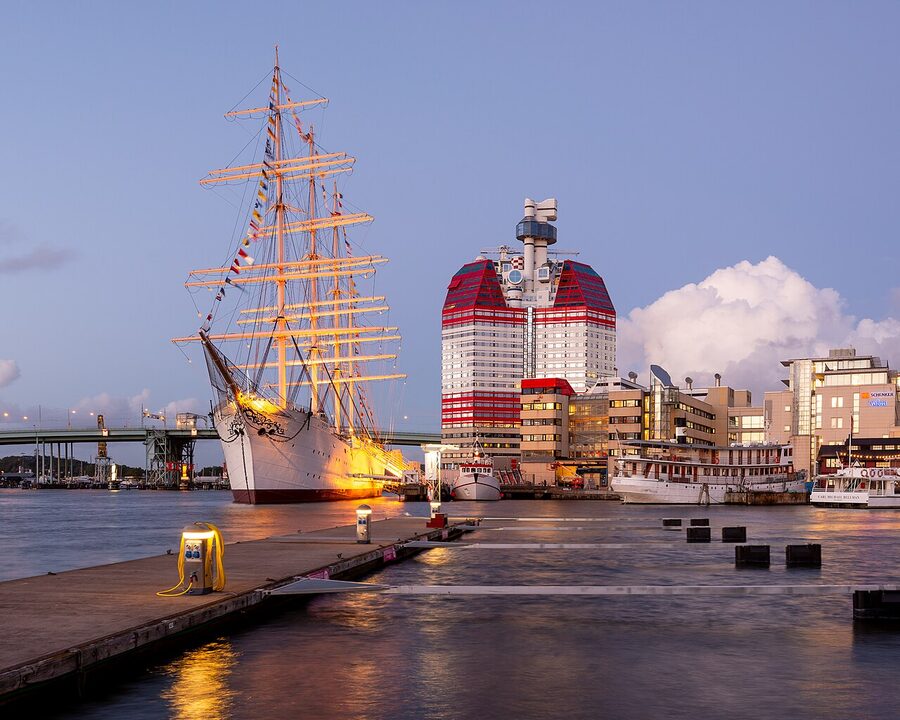

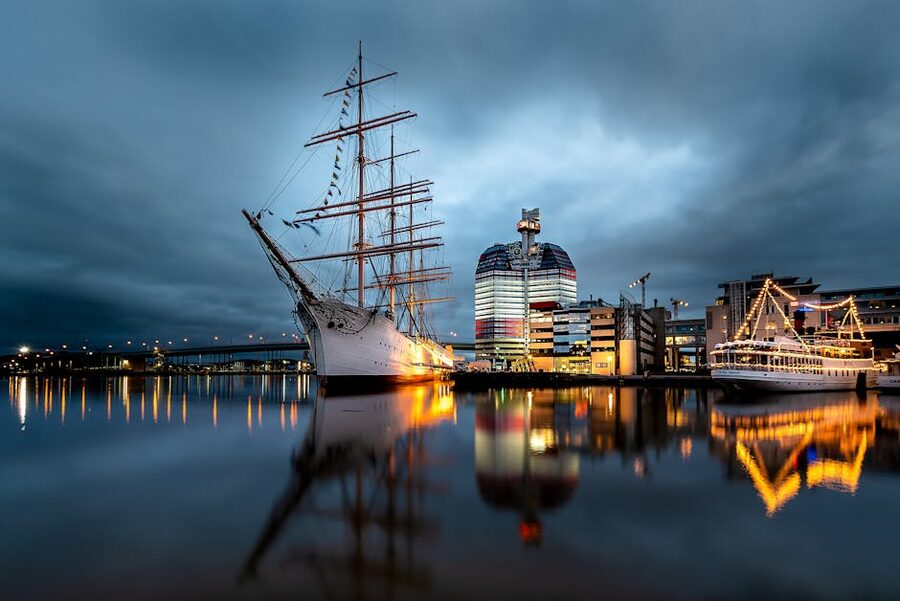
Lilla Bommen is a 12-minute walk from Gothenburg Central Station, or one stop on tram 6 to Lilla Bommen Terminal. The dock is on the river side of the Opera House (Göteborgsoperan), tucked behind the red four-masted barque Barken Viking which now houses a hotel. If you find yourself standing at the Opera House looking confused, walk around the river side and you’ll see the cruise pontoons.
Practical tip that nobody tells you: the public toilets at Lilla Bommen are inside the small ferry terminal building, not on the open dock. There’s a single toilet on the M/S S:t Erik but it gets a queue once you’re underway, so use the one on land first.
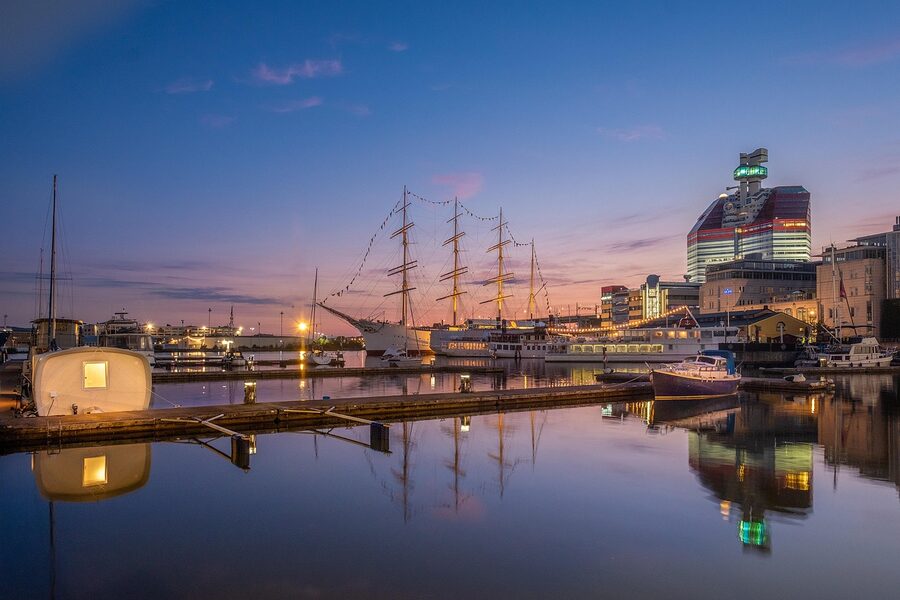
Parking is rough at Lilla Bommen and expensive. If you’re driving in for the day, park at Heden or use the Hisingen-side lots and tram across. The closest paid garage is Nordstan, about 8 minutes’ walk and €4-5 for the duration of a 2.5 hour cruise plus buffer.
What you actually see
The southern archipelago has eight named inhabited islands plus a tangle of unnamed skerries. A 2.5 hour cruise can’t visit them all, but the standard route gives you a clear look at five.
Asperö
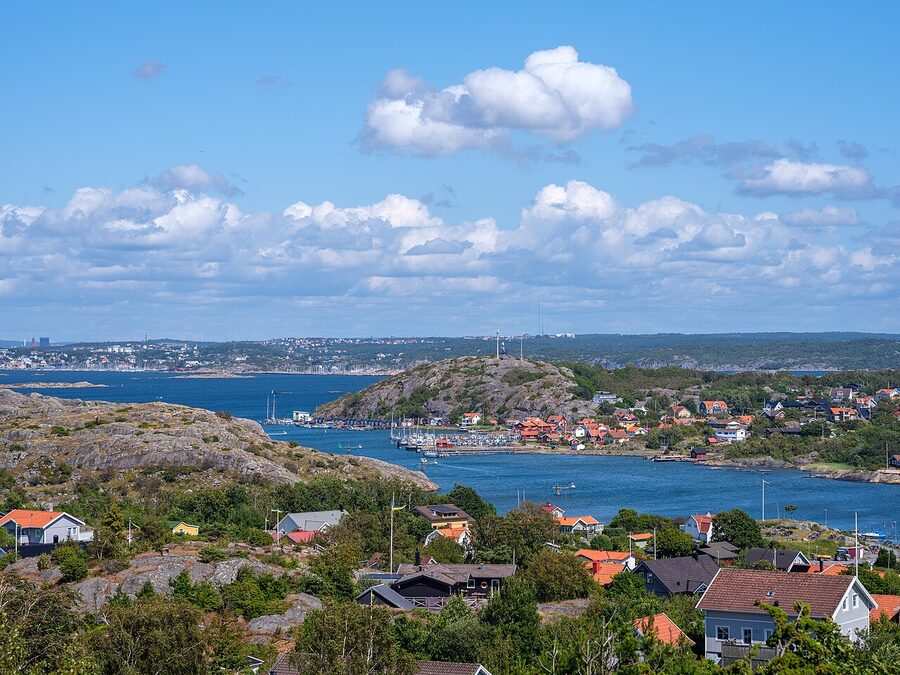

Closest island to the city, the first one you pass after leaving the harbour. Mostly residential, a few hundred year-round residents who commute by ferry to work in Gothenburg. From the boat you mostly see the small ferry quay and a row of red-brick houses on the slope behind it.
Brännö
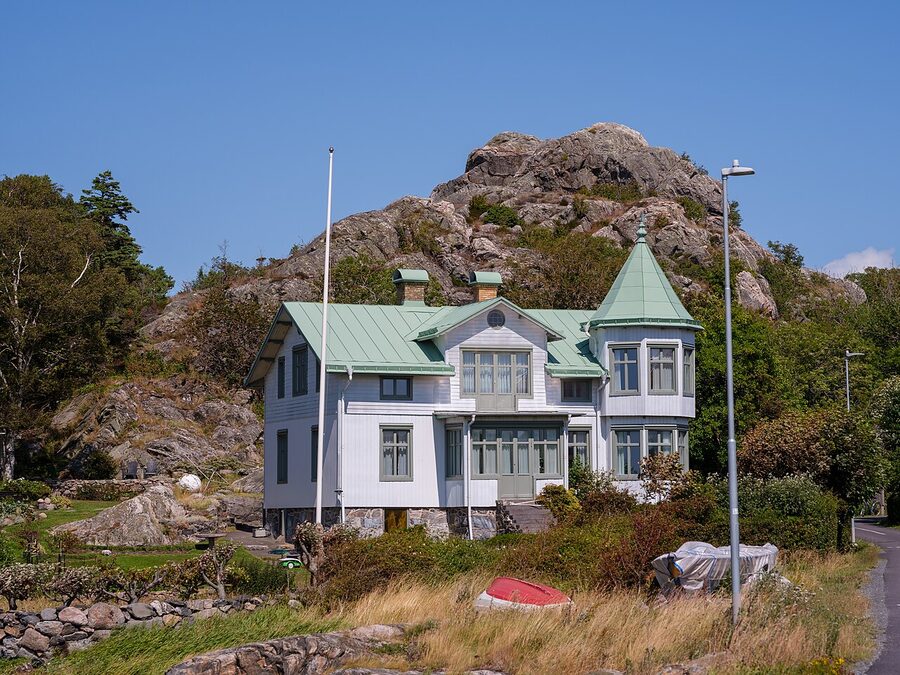

The bigger of the inner southern islands. Around 700 year-round residents, a small grocery shop, a bakery that’s open in summer only, and the dance pier. If you want to come back and stay overnight on an island, Brännö is the most accessible option from central Gothenburg.
Styrsö
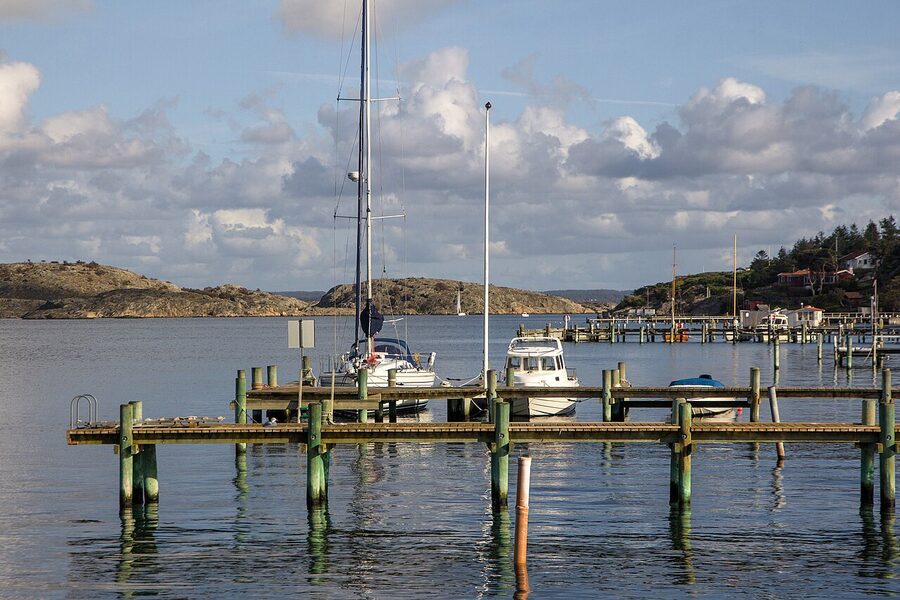

Donsö
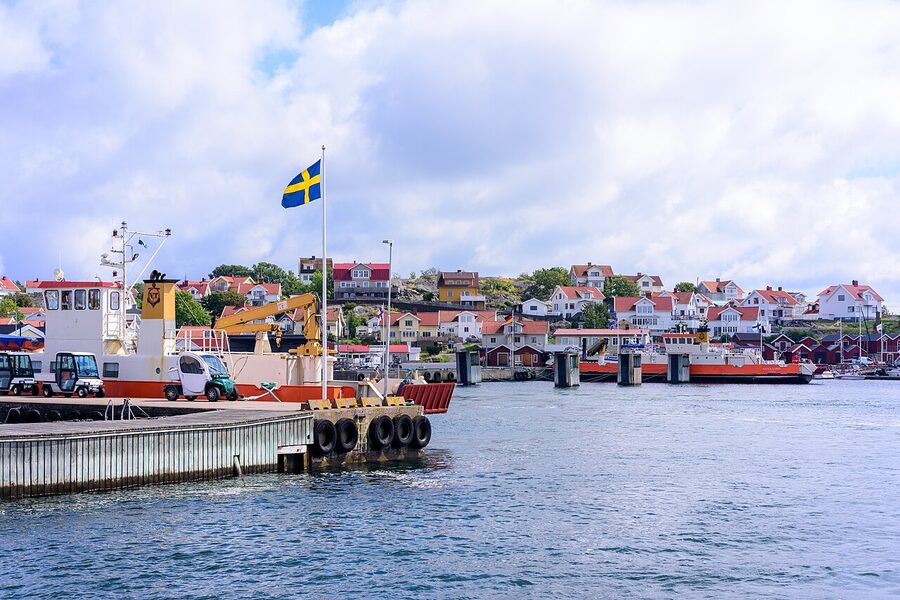

Vrångö
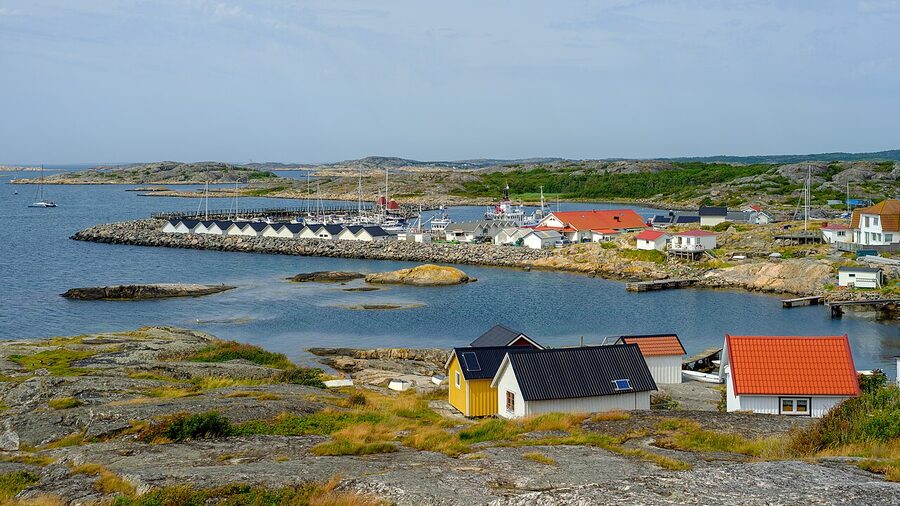

Nya Älvsborg, the fortress mid-harbour
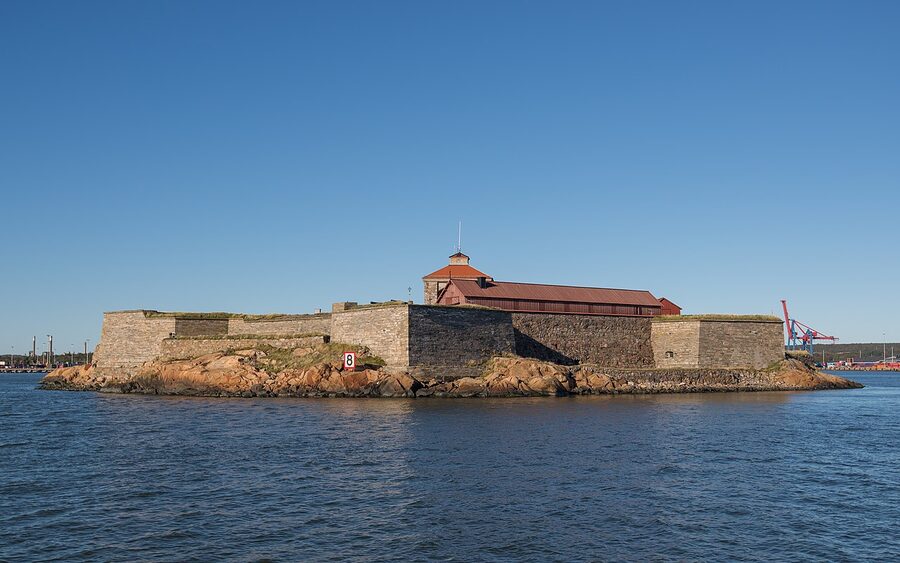

You don’t stop at the fortress on the standard archipelago cruise, but you pass it close enough that the guide gets a full anecdote in. Nya Älvsborg replaced the older Älvsborg fortress in the 1660s after Sweden lost the original to the Danes. Twice. The new one held off a Danish siege in 1719 (the daughter of the commander reportedly sold ammunition to the defenders out of her own purse) and the bastion walls still bear the scuffs.
If you want to actually visit the fortress, it has its own dedicated boat trip from Lilla Bommen in summer (June through August). It runs roughly four times a day and includes a guided tour of the casemates. Worth doing on a separate half-day if forts are your thing.
What it’s like in different seasons
Cruises run from late April through to October, with the main season being May to September. The boat’s the same, the route’s the same, but what you see and how comfortable you are vary a lot.
May to mid-June. Cool, often cold on the upper deck once you’re past the harbour. Bring a windproof jacket. Light is glorious by Swedish standards, the long northern evenings start kicking in by the end of May. Cruises rarely sell out, you can almost always book day-of.
Late June to mid-August. Peak season, peak heat, peak everything. Sweden’s high summer rarely cracks 25°C in Gothenburg but it can. The water out in the archipelago stays cool, the breeze on the upper deck is often what you’ll want even on hot days. Book a day or two ahead, especially around Midsommar (the third weekend of June) and the first two weeks of July when most of Sweden is on holiday.
Late August to September. The locals’ favourite. Crowds drop, light goes amber, the boat is quiet enough to actually hear the commentary. Mornings can be foggy on the harbour, which makes the first half of the cruise atmospheric and the second half clearer once you’re past Älvsborg Bridge. My pick if you can choose your dates.
October. Reduced schedule, often only weekend departures. Cold and frequently wet. The upper deck is essentially unusable except for the brief sprints to take photos. If you only have an October week in Gothenburg, take the cruise anyway, but pack thermals.
Cruises don’t run November to April. The water freezes in the inner archipelago some winters and the harbour ice cuts schedules off entirely.
Stockholm vs Gothenburg, briefly
Plenty of people visit both. The two archipelagos look almost nothing alike, even though they’re both Swedish coastal cruises.
Stockholm’s archipelago is forested. Skerries with pines and birch growing right down to the water, shallow inlets, classic red-painted summer cottages tucked among the trees. The cruises tend to be longer, the islands further apart, the route more about the journey than what you see along the way. If that sounds like your thing, our Stockholm archipelago guide walks through the options.
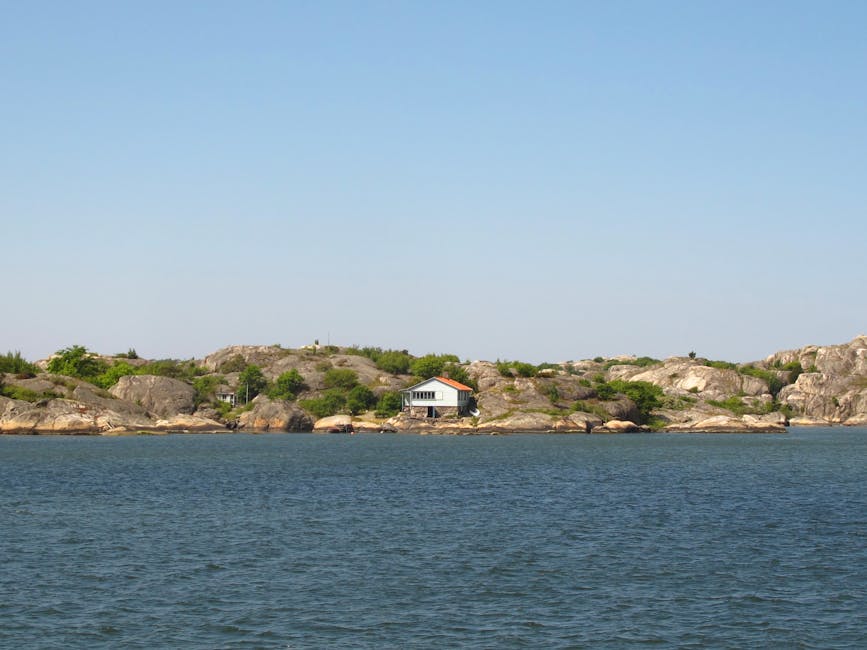
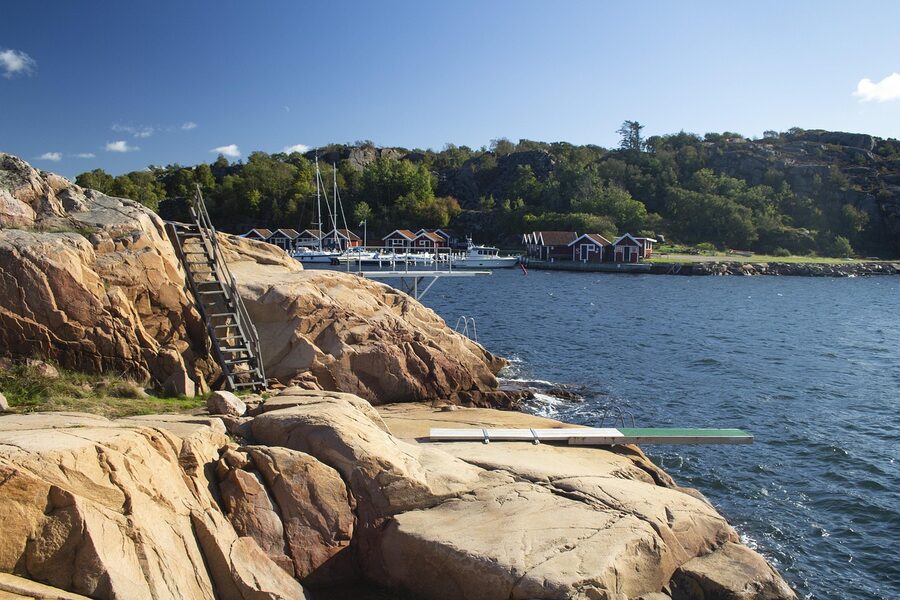
Gothenburg is bare granite, no trees, no cover. The islands are smaller and closer together so the boat is constantly threading between them. The water is saltier (this is the open North Sea, not the Baltic) and the colour is closer to teal than the Baltic green-grey. The Gothenburg version is more visually striking on a clear day, the rock and the water just have more contrast.
If you’re in Gothenburg first and considering both, also have a look at how the Stockholm boat tours work for the city-canal angle, those are basically the equivalent of Gothenburg’s Paddan trip rather than a true archipelago cruise. Stockholm itself rewards a few extra bookings if you’re already there, the Vasa Museum tickets walkthrough and the Skansen open-air museum guide are the two we send people to first.
What to bring
The cruise sells coffee, beer, soft drinks, sandwiches and basic snacks on board. Prices are tour-boat prices, expect about 50 SEK for a coffee and 90 SEK for a sandwich, no discount. You can bring your own food and drink (no rule against it, plenty of locals do).
What to actually pack:
- A jacket or fleece, even on warm days. The wind picks up once you’re past the harbour and the upper deck gets cold fast.
- Sunglasses. The granite reflects light back at you, more than you’d expect.
- Sunscreen if you’re sitting up top for the whole loop. The sea breeze masks how strong the sun is.
- Phone with charged battery. The 2.5 hour trip drains a phone fast if you’re filming.
- A water bottle, the onboard café charges 35 SEK for a small bottle.
- If you get seasick easily, take a tablet 30 minutes before boarding. The southern archipelago is mostly sheltered but the open stretch past Asperö can roll a bit on a westerly wind.
What you don’t need: swim gear (no stops on the standard cruise), hiking boots (you stay on the boat), or cash (everything’s card-only including the bar).
Combining the cruise with the rest of Gothenburg
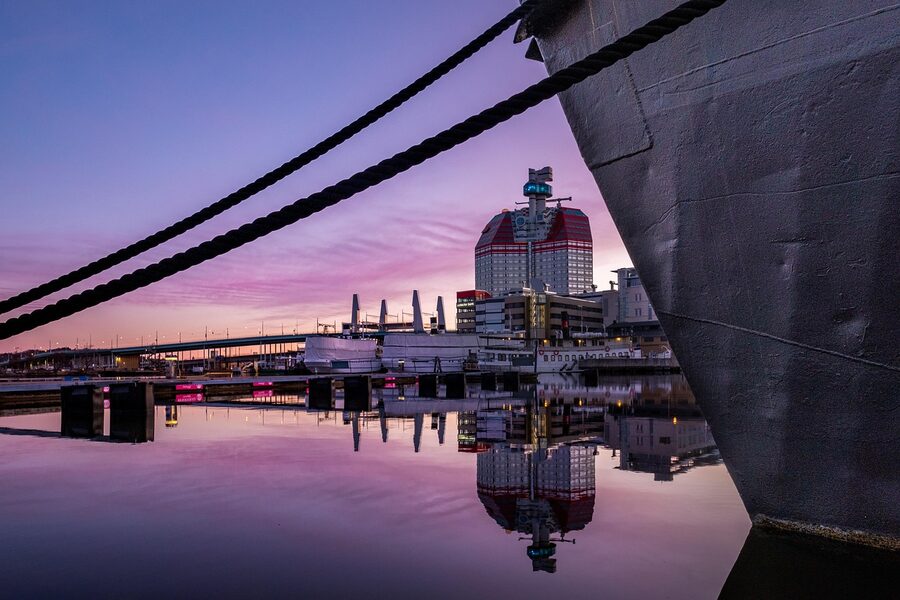
The cruise eats your afternoon (boarding at, say, 1pm gets you back by 3:45pm). What works well around it:
Walk Haga before lunch. The old wooden neighbourhood is 15 minutes from the dock by foot or one tram stop. Get a giant cinnamon bun at Café Husaren on Haga Nygata, eat half, save half for the boat. Our Haga walking tour guide covers what to see if you want a guided version.
If you’ve got kids, swap the morning Haga walk for Universeum, the science centre with the indoor rainforest dome. Kids tire from a 2.5 hour boat ride faster than adults so save the cruise for after lunch when they’ve burned off the morning’s energy. Booking Universeum tickets is straightforward, but the rainforest section can get hot, plan a layered outfit.
For another way to see the city by water, the amphibious bus is the obvious pair. It does a 75-minute land-then-water loop, mostly inside the river itself rather than out into the archipelago, so the two trips don’t overlap much. The amphibious bus tour is the unserious sibling to the cruise, more of a novelty, fun for an hour.
The public ferry, if you’d rather self-guide
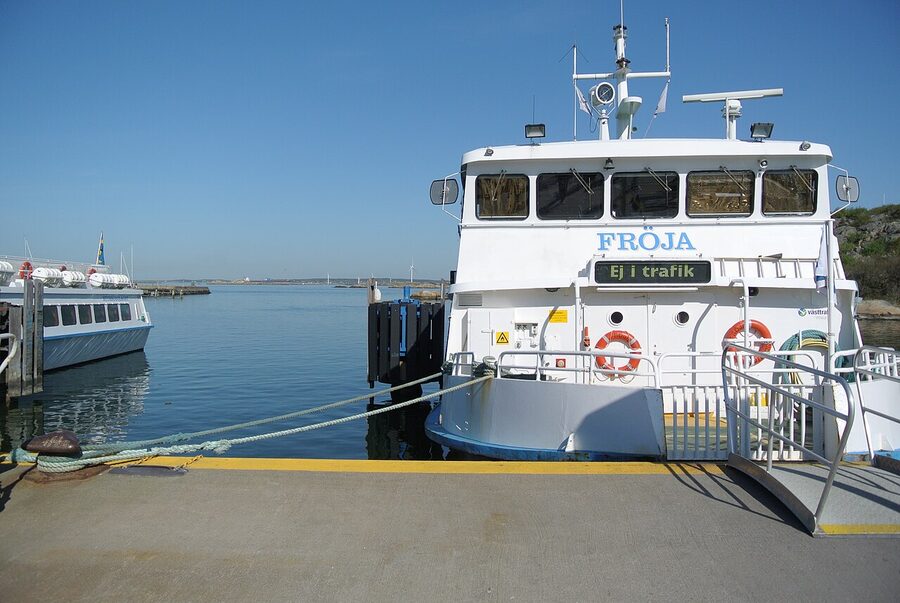

If you’d rather have flexibility than a guide, take tram 11 to Saltholmen and use the public archipelago ferries. They run year-round, every 30-60 minutes in summer, and stop at Asperö, Brännö, Köpstadsö, Styrsö, Donsö and Vrångö. A standard Västtrafik ticket covers the whole network. You don’t get the harbour stretch (the ferries leave from the south side, not the city centre) but you can actually walk on the islands.
If you go this route, also grab a Gothenburg City Pass equivalent if you want bundled museum entries (the Stockholm pass guide we wrote covers the principle, the Gothenburg version works the same way). And if you’re heading to Stockholm afterwards, the guided walking tours of Stockholm are the equivalent of Haga walks here.
How to actually book
For the standard 2.5 hour cruise, book through GetYourGuide. It’s the operator’s main reseller, prices are the same as the official Stromma site, and the cancellation window is more generous (24 hours vs 48 hours). Free cancellation up to a day before, no card charge until the booking confirms.
For the Vinga day-trip, book through Viator. The operator’s own website is in Swedish only and the booking flow is rough on mobile. Viator handles the English booking smoothly and confirms within an hour.
If you arrive in Gothenburg without a booking, walk down to Lilla Bommen and ask at the Stromma kiosk. They sell same-day tickets in person, usually with availability except on the busiest summer Saturdays. Walk-up price is the same as online.
One thing to watch: a lot of OTAs list “Gothenburg archipelago cruise” with vague descriptions and you can end up booking the canal Paddan trip by accident. The canal trip stays inside the city under the bridges. The archipelago cruise leaves the harbour entirely. Check the duration in the listing. Anything under 90 minutes is the canal version, not the archipelago.
Other Gothenburg tickets and tours
If you’ve used this cruise to get your bearings on the city, three more bookings round out a strong long-weekend. The amphibious bus tour covers the central river and main streets in 75 minutes, fun with kids, less serious than the archipelago cruise. Universeum tickets get you into Scandinavia’s largest science centre, with a full indoor rainforest and a shark tunnel, which sounds like marketing fluff and isn’t. And if you want a proper feel for old Gothenburg as opposed to the modern harbour, the guided walking tour of Haga is the right way to see the wooden landshövdingehus before they get prettier than they should. The walk also gets you up to Skansen Kronan fortress for the best free view in the city.
For the Stockholm equivalents, the Stockholm archipelago boat trips are the obvious counterpart, completely different geology, longer trips, more island stops. Stockholm’s amphibious bus compares directly to the Gothenburg version. Both cities are small enough to do in a weekend each, and the archipelagos are different enough to justify both visits.
This post contains affiliate links. We earn a small commission if you book through them, at no extra cost to you. We only recommend tours we’d book ourselves.