
So you’re in Gothenburg with kids in tow (or just curious yourself), and someone keeps mentioning Universeum. Is a science centre really worth half a day when there’s an archipelago, a Volvo museum, and a giant amusement park within walking distance?
Short answer: yes, and the rainforest dome plus the shark tunnel are why. The longer answer, including which ticket to buy and how to time it, is below.
For multi-day visitors: Gothenburg Go City Pass, from $47. Bundles Universeum with the hop-on-hop-off bus, the Paddan canal cruise, and 20+ other things. Pays for itself if you do three attractions.
If you’ve got a car-loving kid: World of Volvo, $20. Add it on for a half-day after Universeum. The two together make a full Gothenburg family day.


- What Universeum Actually Is
- The Three Tickets Worth Buying
- 1. Gothenburg Universeum Entry Ticket:
- 2. Gothenburg Go City All-Inclusive Pass: from
- 3. World of Volvo Exhibition Entry:
- The Rainforest Is the Reason People Come Back
- The Shark Tunnel and the Ocean Floor
- The Nordic Exhibit That Surprises People
- How to Get There
- When to Go (and When to Avoid)
- What’s Not Worth Your Time
- Combining Universeum With Liseberg, Volvo, or the Archipelago
- Practical Bits People Forget
- How Universeum Compares to Stockholm’s Science Stops
- Other Gothenburg Tickets and Tours Worth Bookmarking
What Universeum Actually Is
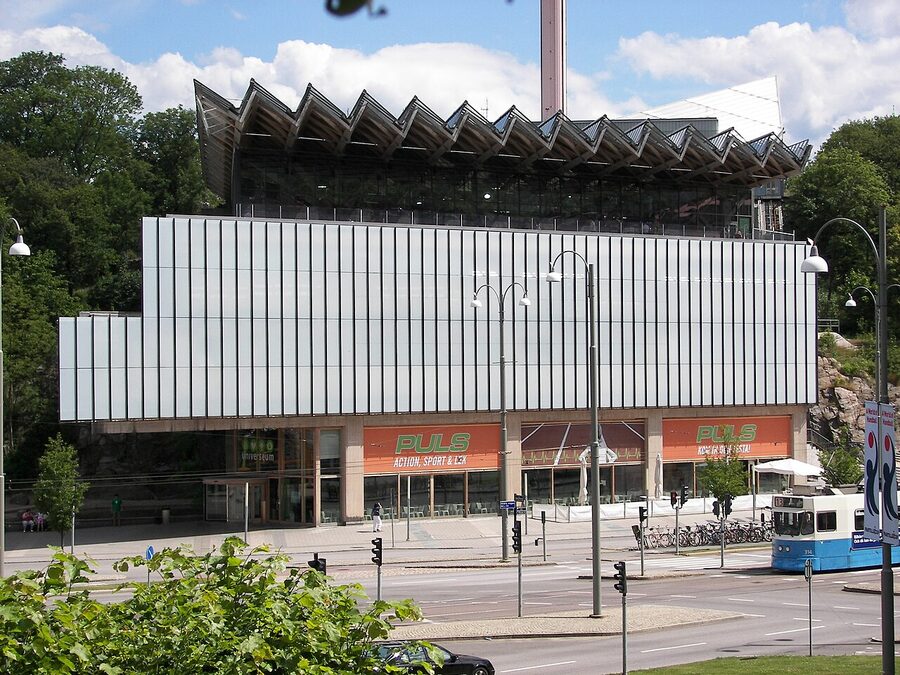
It’s Scandinavia’s largest science centre. Seven floors, around 10,000 square metres, built into the hill behind Liseberg. The main exhibits are:
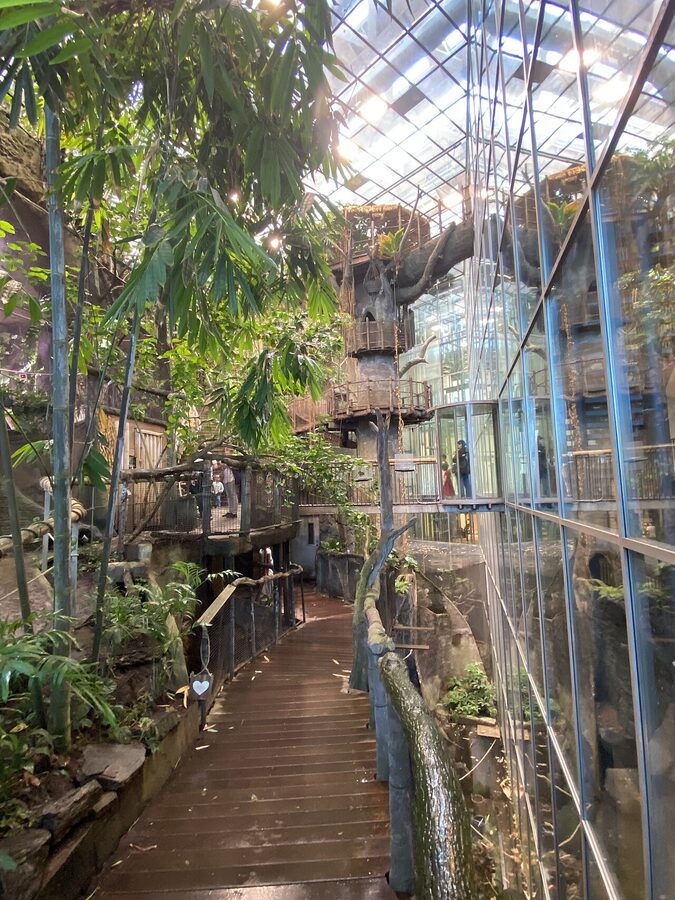
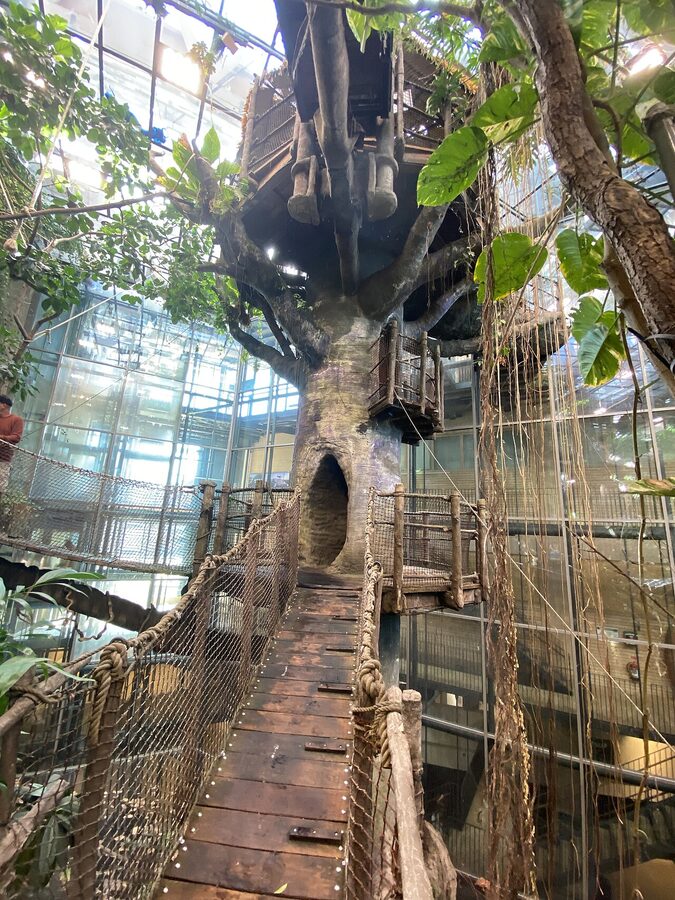
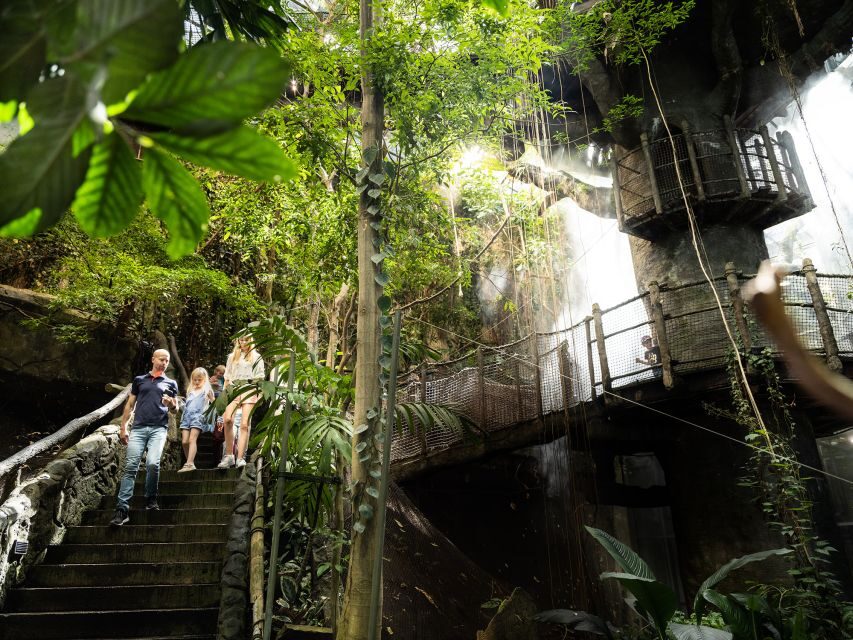
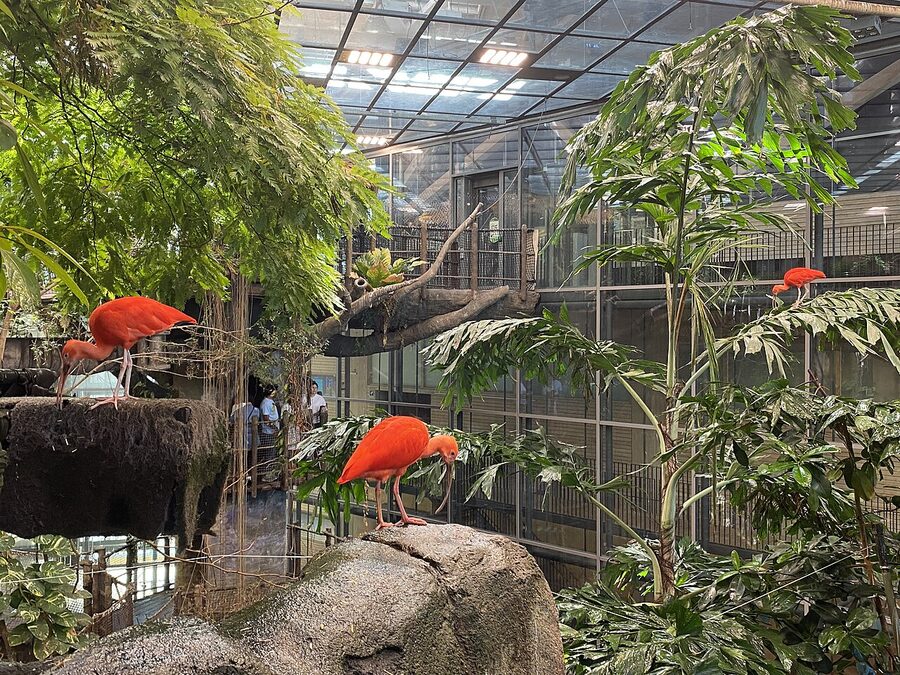
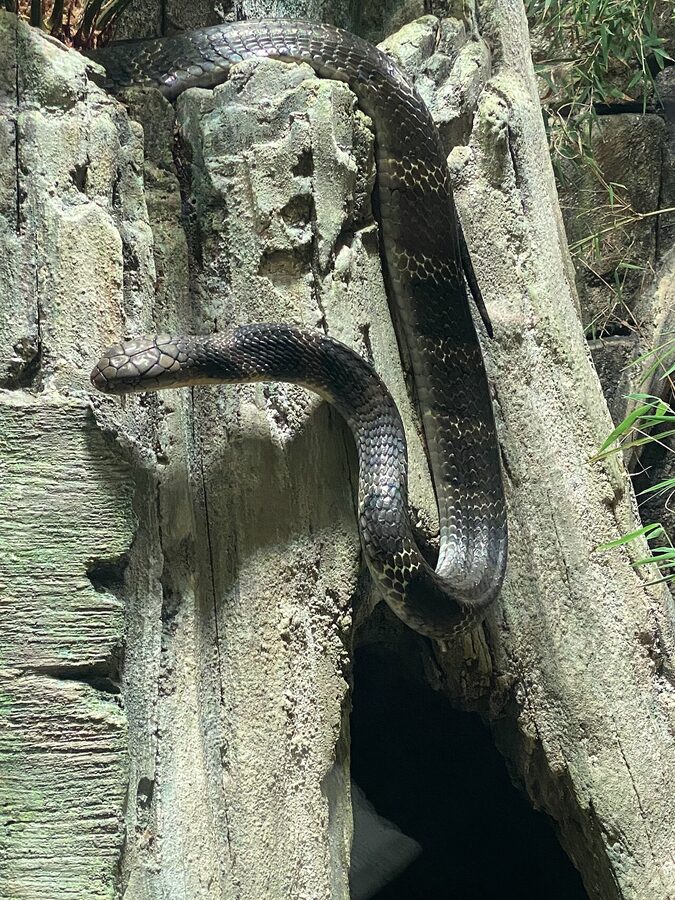
- A 40-metre-tall indoor rainforest dome with free-flying tropical birds, caymans in a pool, and snake terrariums
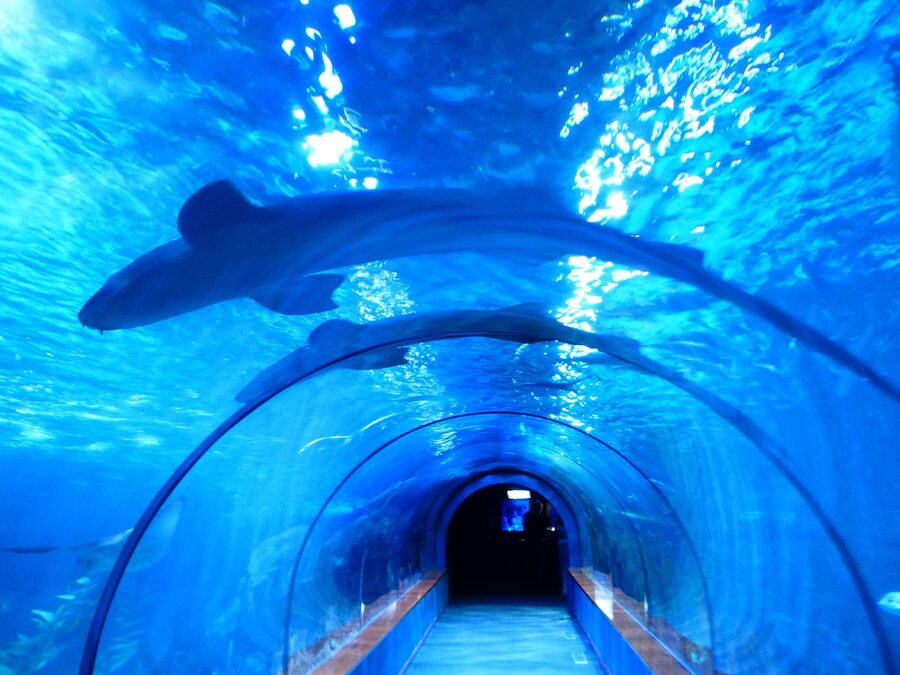
- A 16-metre-long shark tunnel in the Atlantic Ocean aquarium, with tawny nurse sharks, rays, and shoals of pelagics overhead
- A Nordic exhibit following a river system from mountain stream to coast, with otters, salmon, and Scandinavian freshwater fish you’ll never see in another aquarium
- A space exhibit that’s more digital and less hands-on (kids under 10 sometimes lose interest here)
- Rotating seasonal labs where you can do real chemistry experiments, dissect fish, or program robots, depending on the month
It opened in 2001 and has been steadily expanded since. The shark tunnel arrived in 2014. The Nordic exhibit was renovated in 2022. So if you went 10 years ago and weren’t sold, the place has changed enough to be worth a fresh look.
The Three Tickets Worth Buying
Universeum sells the standard adult ticket and a few combo passes. The choice mostly depends on how many days you’re in Gothenburg and what else you want to see.
1. Gothenburg Universeum Entry Ticket: $27
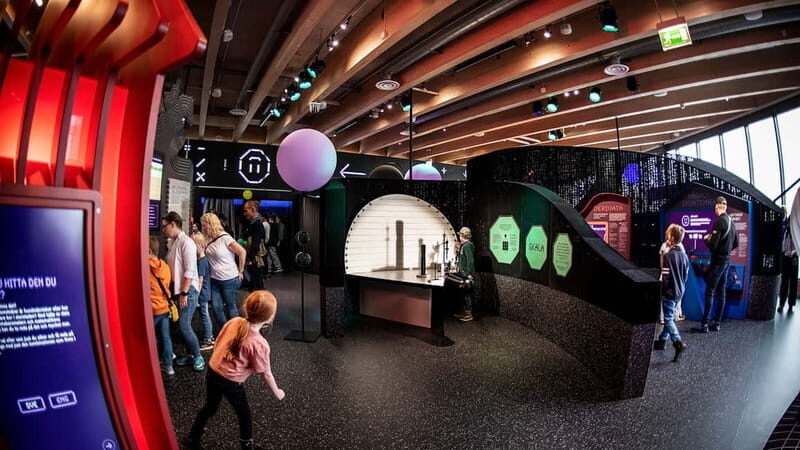
This is the one to buy if you’re spending a single day at Universeum and nothing else. Our full Universeum review covers what’s included floor by floor, but the short version: one ticket gets you everything inside, no upcharges for the rainforest, no separate aquarium fee. Plan four to six hours if you’ve got kids; three is enough if you’re solo and skim-reading exhibits.
Check Availability
Read our full review
2. Gothenburg Go City All-Inclusive Pass: from $47
Universeum is one of the headline attractions on this pass. If you’re also planning to do the Volvo Museum, the Paddan canal cruise, or the hop-on-hop-off bus, the maths flips fast in your favour. Read our Go City Pass breakdown for which attractions actually save money and which are tourist filler.
Check Availability
Read our full review
3. World of Volvo Exhibition Entry: $20

If you’ve got a kid who’s into cars or you want a contrasting half-day, the World of Volvo opened in 2024 in a striking Scandinavian-timber building near the harbour. You can sit in heritage cars, try a driving simulator, and see the original 1927 OV4. Our World of Volvo review covers whether it’s worth the trip if no one in your group is a car person (mostly yes, but only just).
Check Availability
Read our full review
The Rainforest Is the Reason People Come Back

It’s the reason most adults remember Universeum. You ride the lift to the top floor, push through a heavy door, and land in what looks and smells like a real tropical forest. The temperature jumps about 8 degrees. There’s water running underneath the bridges. Birds you can hear before you see.
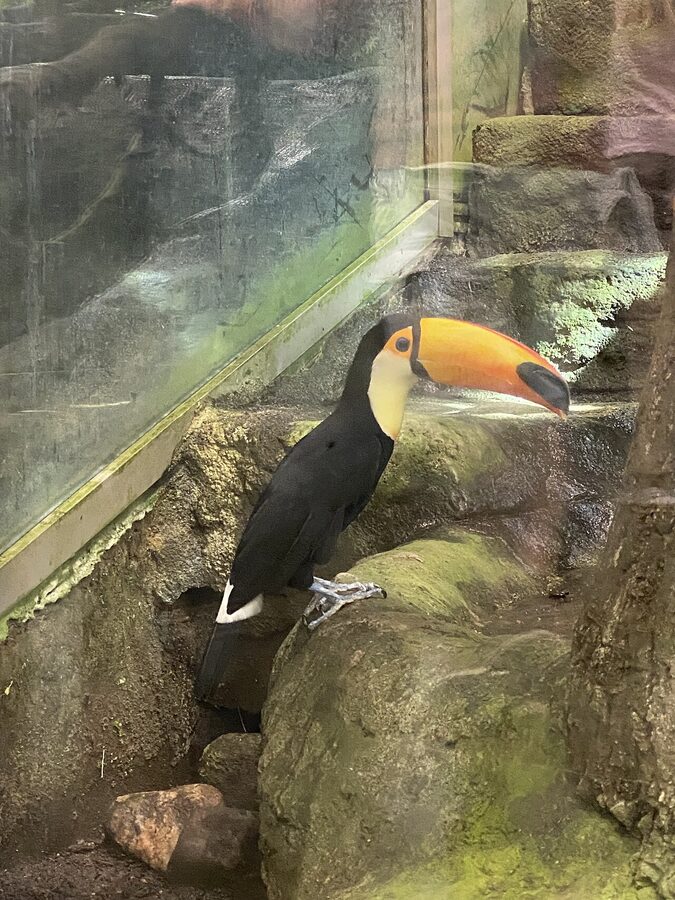
The walking route spirals down through three levels. You start at the canopy with the toucans and ibises, drop to a middle layer where most of the snakes and frogs live, and end at ground level beside the cayman pool and the leaf-cutter ant colony. It’s not a quick loop. Forty-five minutes is realistic if you actually look. Kids can stretch it to an hour and a half.


The Shark Tunnel and the Ocean Floor

If the rainforest is the headline, the Atlantic Ocean exhibit is the closer. The walkway drops down into a 16-metre acrylic tunnel and you stand under tawny nurse sharks, sting rays, and a shoal of pelagic fish that move in unison overhead. It’s not the size of Sea Life Berlin or Lisbon’s Oceanario, but the lighting and the curve of the tunnel make it feel close.



The Nordic Exhibit That Surprises People
This is the floor most tourists undersell. It’s a recreation of a Scandinavian river system, top to bottom: mountain stream, deep forest pool, lowland river, brackish coast. You move through following the water. The animals are local: salmon, char, trout, otters in the lower section, plus interpretive signs about the Swedish landscape.
It’s quiet by design. After the rainforest noise and the Atlantic tunnel crowd, walking into the Nordic floor is like stepping outside on a frosty morning. Plan it as your last stop before the gift shop; it leaves you in a calmer mood for the rest of your day.


How to Get There
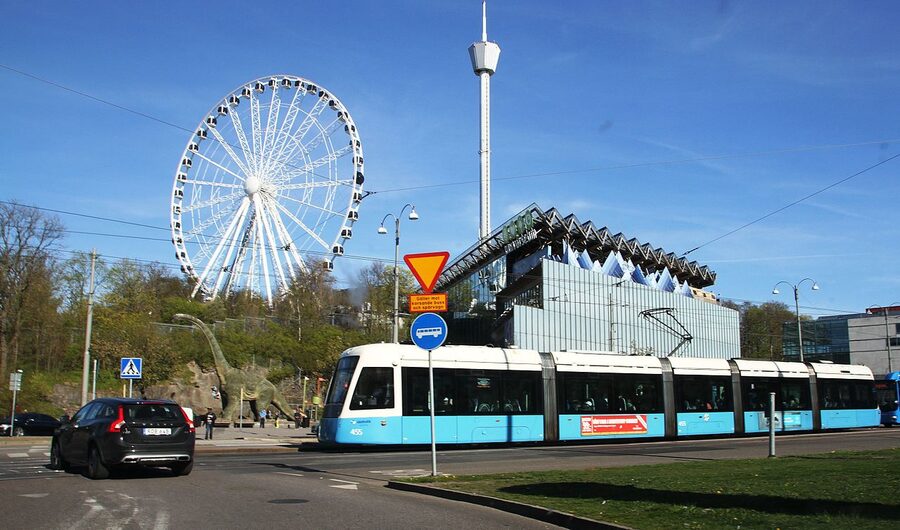
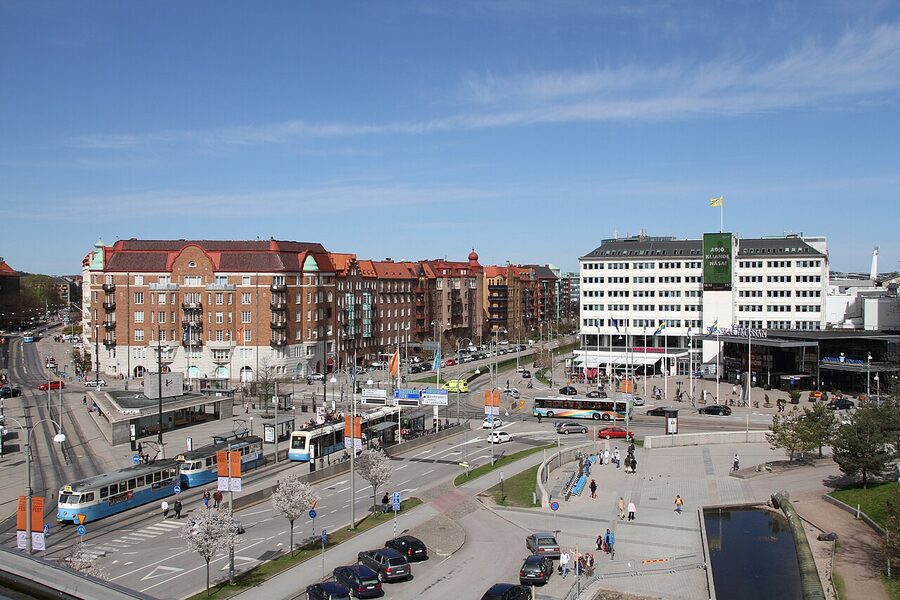
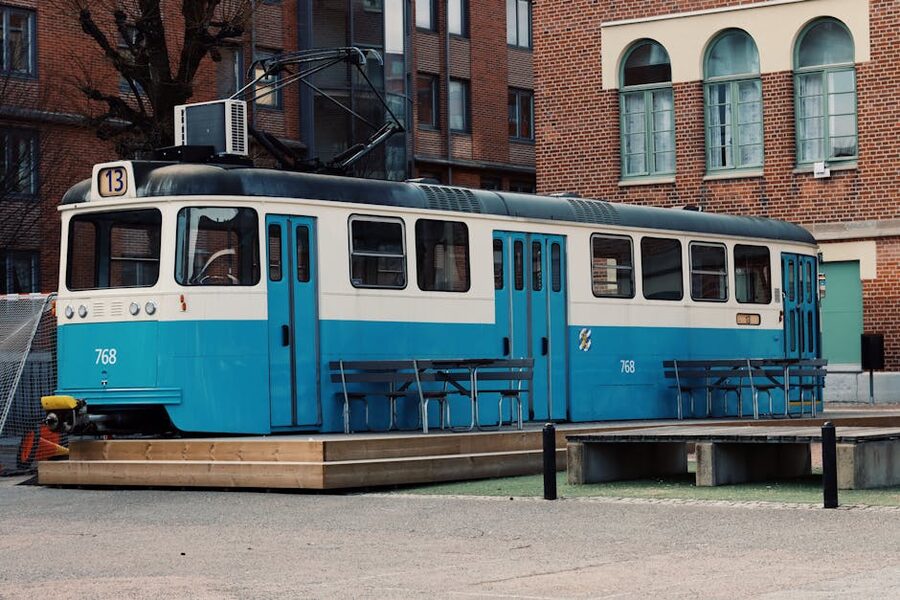
Universeum sits at Korsvägen, the main southern transport node. Trams 2, 4, 5, 6, 8, and 13 stop here. From the central station (Centralstationen) it’s three stops, around 10 minutes. From the Liseberg main entrance it’s literally a two-minute walk; you can see Universeum from the Liseberg ticket gate.

If you’re driving, the Heden parking deck is the closest large car park, around eight minutes on foot. Parking in central Gothenburg is genuinely expensive (around 40 SEK per hour). Most locals use the tram even when they have a car.
When to Go (and When to Avoid)
The quietest times are weekday mornings outside Swedish school holidays. Get there at 10 am, head straight up to the rainforest before the school groups arrive, and you’ll have the upper canopy almost to yourself for the first 30 minutes.
The busiest times are wet weekends and Swedish school holidays (autumn break in late October, winter break around mid-February, sportlov in week 8 or 9, summer holidays late June through mid-August). On a wet Saturday in February, the queue at the entrance can hit 30 minutes and the rainforest path becomes a slow shuffle.
If you’re stuck visiting on a busy day, the workaround is the Go City Pass or a pre-purchased mobile ticket. Both let you walk past the cashier line and go straight to the turnstile.

What’s Not Worth Your Time
I’d skip the space exhibit if you’ve got under 90 minutes left. It’s mostly digital displays and short films. Kids who’ve been to a planetarium in another city often find it underwhelming. The chemistry lab is hit-or-miss depending on whether a session is running; if the lab is dark, just walk past.
The on-site cafe is fine but uninspired and not cheap. Around 130 SEK for a basic lunch. If your kids will tolerate a 10-minute walk, the food court at Focus House across Korsvägen is better and quieter. Or pack a lunch; there’s no rule against eating in the building if you find a quiet corner near the Nordic exhibit.
Combining Universeum With Liseberg, Volvo, or the Archipelago
Most people pair Universeum with one other thing for a full Gothenburg day. The natural pairings:
Universeum + Liseberg is the family default. They share the Korsvägen tram stop. Do Universeum in the morning when energy is high, then Liseberg in the afternoon when the kids want to run. Liseberg’s main season runs late April through October; combo passes that bundle both are sold during the open months.
Universeum + World of Volvo works if you’ve got an older child or a car-curious adult. Volvo opens at 10 am and is quieter in the afternoon, so save it for after lunch. The walk between the two takes about 15 minutes.
Universeum + a Gothenburg archipelago cruise is the option for non-museum days. Do Universeum in the morning (it’s covered, so good if the weather’s bad), then take the afternoon archipelago boat from the central harbour. The Southern Archipelago boats are car-free and run hourly in season.
If your group is split between attractions, the Go City Pass usually wins; it covers Universeum, the canal cruise, and the hop-on-hop-off bus on a single QR code.
Practical Bits People Forget
- Strollers work everywhere except the steepest rainforest bridges (there’s a lift bypass, but it’s slow at peak times)
- Baby change is on every floor, no queues
- Lockers are by the main entrance; bring a 10 SEK coin or use the app
- Photography is fine without flash. The shark tunnel and rainforest are both on the dark side, so a phone with night mode helps
- Average visit length is four to five hours for families, two and a half to three hours for adults without kids
- Re-entry isn’t allowed on a single ticket, so don’t leave for lunch and come back unless you’ve bought the day pass
- Wheelchair access is good throughout; lifts cover all seven floors and the rainforest has a ramped alternative to the bridges
How Universeum Compares to Stockholm’s Science Stops
If you’re doing both Swedish cities and wondering whether Universeum is duplicative, the answer is no. Stockholm’s family attractions skew historical: the Vasa Museum with the recovered 17th-century warship, Skansen open-air museum with Nordic animals, the ABBA Museum for the music side. Universeum is the working-science complement: live animals, current research, hands-on labs.
The genuine overlap is the aquarium element; Skansen Aquarium in Stockholm has a similar shark touch pool. But Skansen is much smaller and Universeum’s full ocean exhibit beats it on scale. If you’re choosing one, do Universeum in Gothenburg and skip Skansen Aquarium in Stockholm.
Other Gothenburg Tickets and Tours Worth Bookmarking
Universeum is the rainy-day anchor, but Gothenburg’s other big-ticket experiences are mostly outdoors. The amphibious bus tour drives a city loop and then splashes into the Göta älv river for a harbour stretch; it’s the most-booked single experience in the city and a fun first-day overview. The archipelago cruise takes you out to the car-free granite islands south of the city, a different world from Stockholm’s forested skerries. And the Haga walking tour covers the old wooden working-class district turned cafe quarter, including the famous giant cinnamon buns at Husaren. If you’re using the Go City Pass, all three of those plus Universeum slot onto the same digital ticket. For Stockholm comparisons, our Stockholm amphibious bus guide covers the capital’s harbour version, and the Stockholm archipelago guide explains how the two coastlines differ.
Affiliate disclosure: We earn a commission if you book through the links above, at no extra cost to you. It helps keep the lights on; thanks.