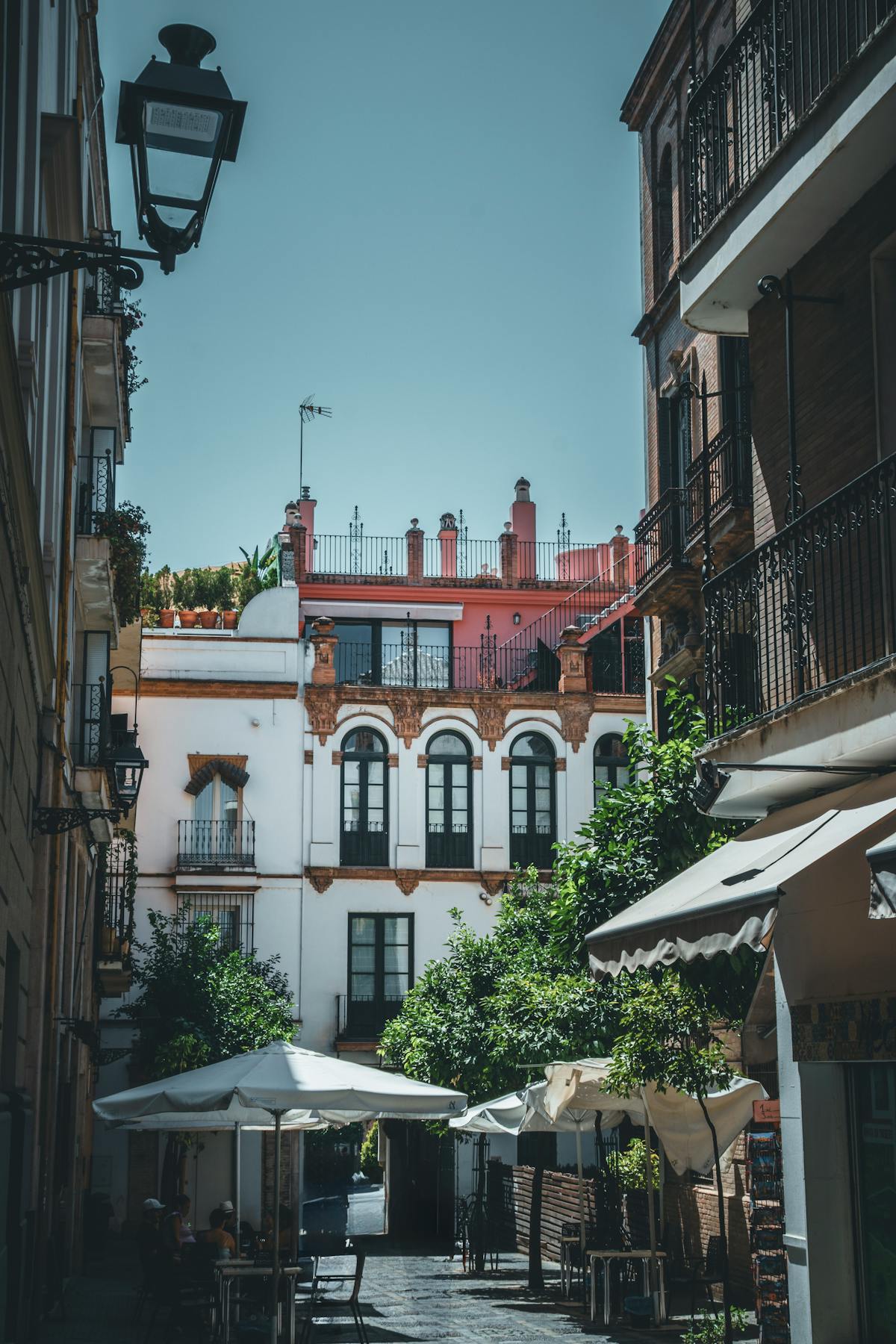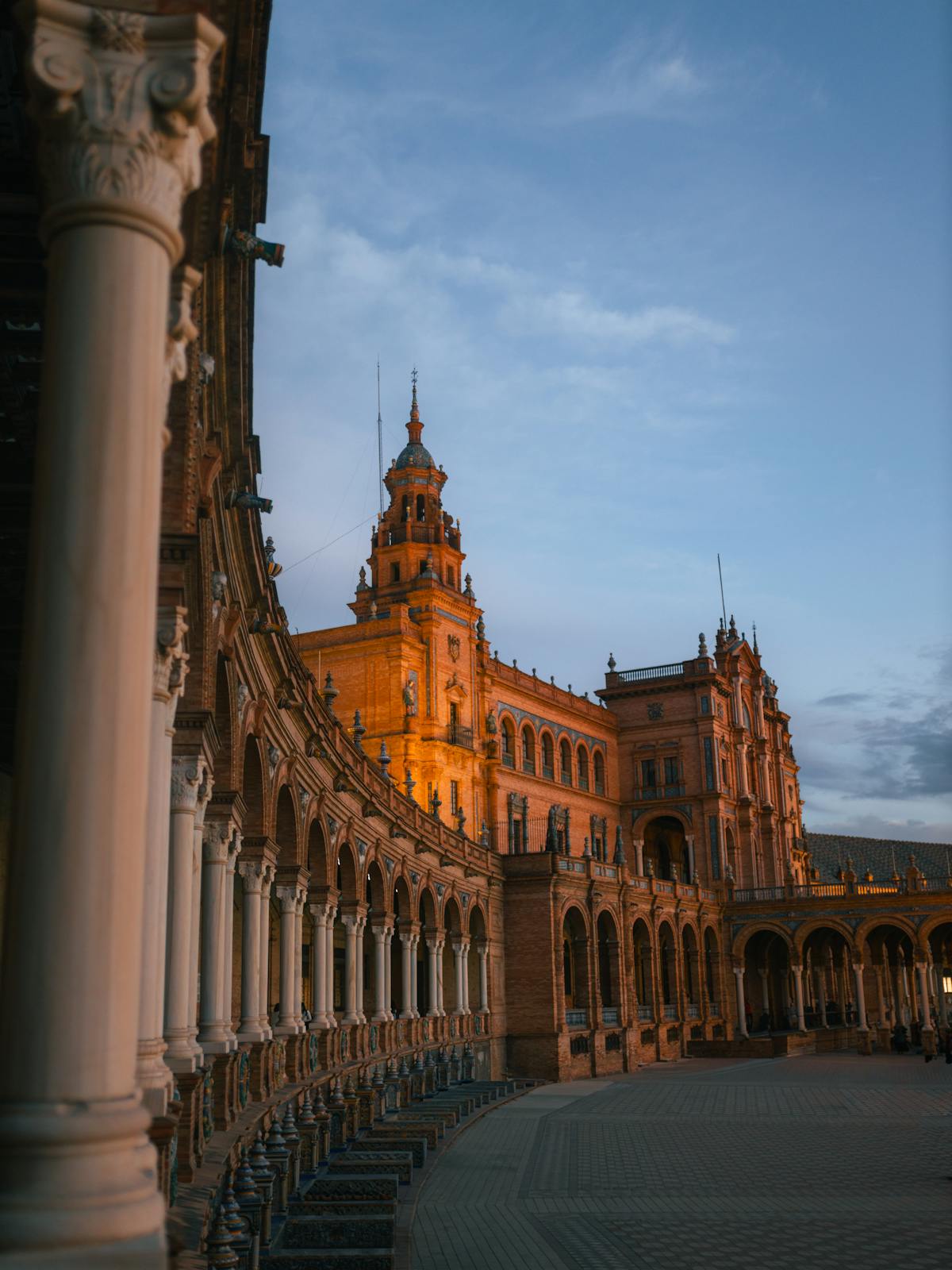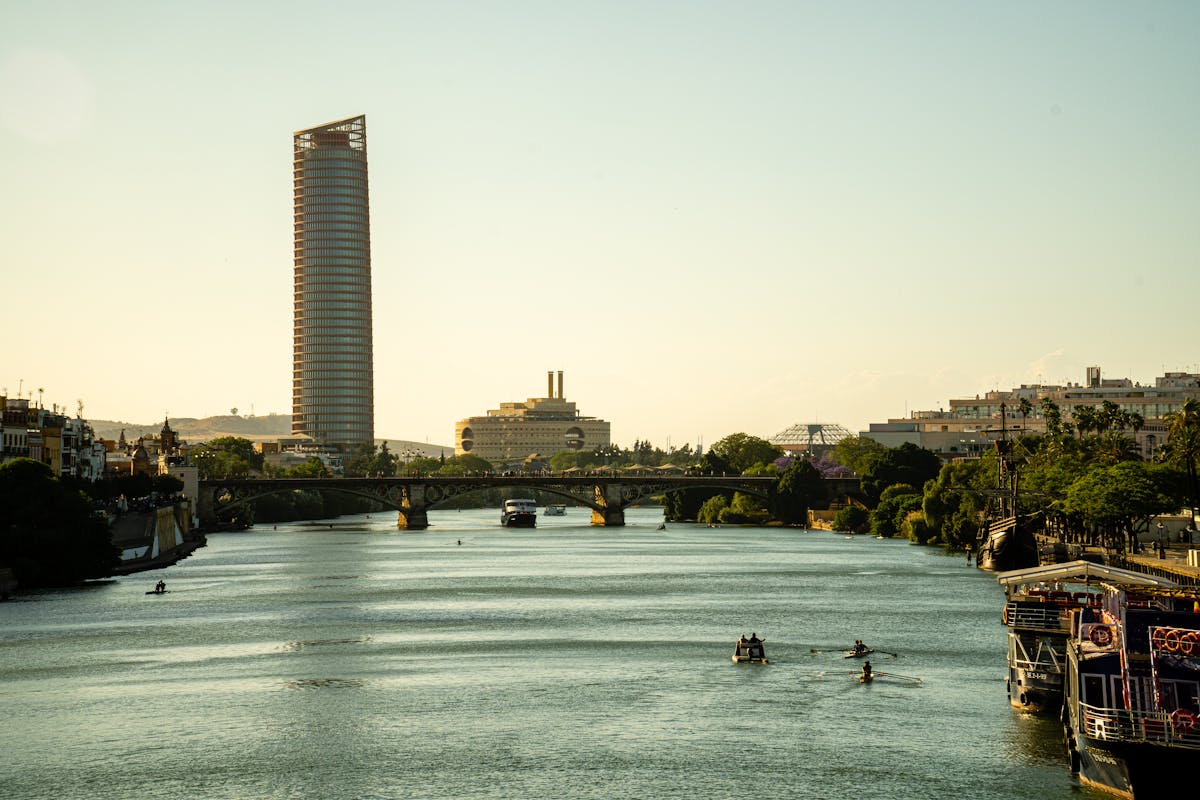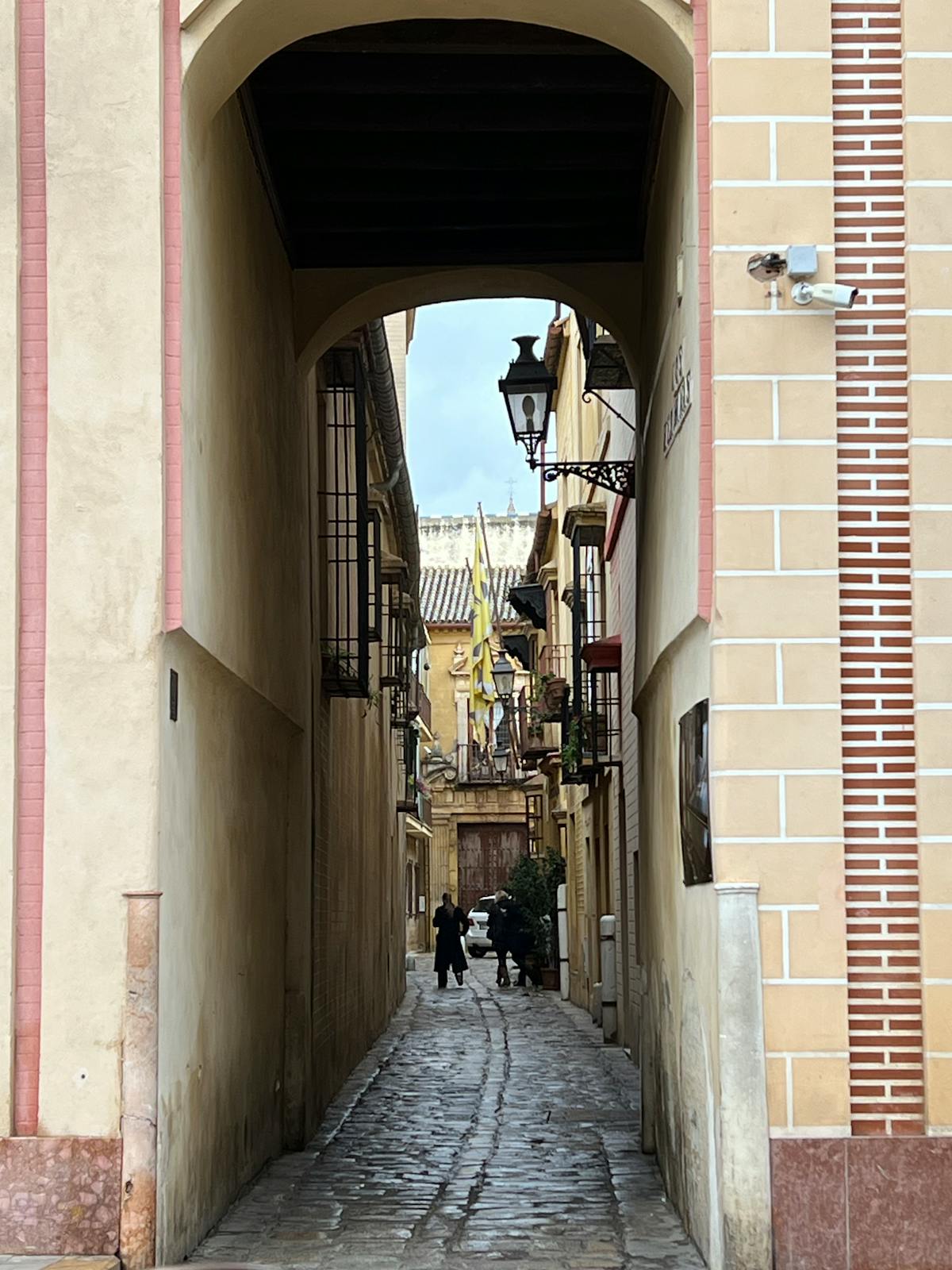
Seville is a city that punishes you for trying to see it from behind a bus window. The distances between the big sights are short enough to walk, but the interesting parts — the tiled courtyards hidden behind iron gates, the flamenco rehearsal leaking out of a second-floor window, the old man selling roasted chestnuts on a corner that has probably looked the same since the 1940s — are things you walk past, not drive past. A walking tour in Seville is not really about covering ground. It is about slowing down enough to notice what the city is actually doing.
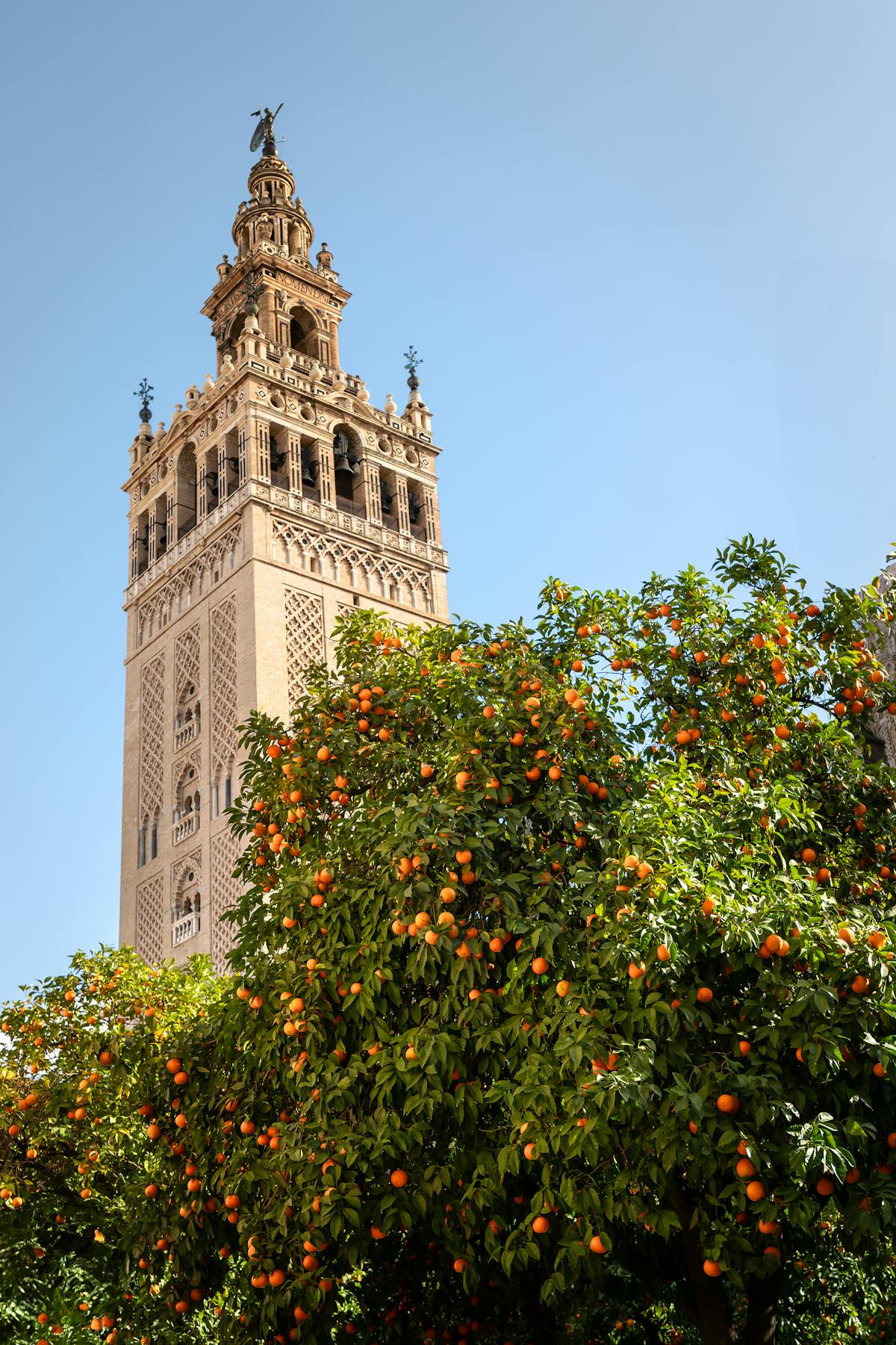
The thing about Seville is that the layers go deep. Three civilizations built on top of each other here — Roman, Moorish, Christian — and then the gold from the Americas poured in and the city rebuilt itself again. A good walking tour guide peels those layers back while you stand in front of the buildings where it happened. You can read about the Alcazar in a guidebook. But standing in the Patio de las Doncellas while someone explains how the Moorish craftsmen who built it were working for a Christian king who wanted his palace to look Islamic because he thought it was more beautiful — that is a different kind of understanding.
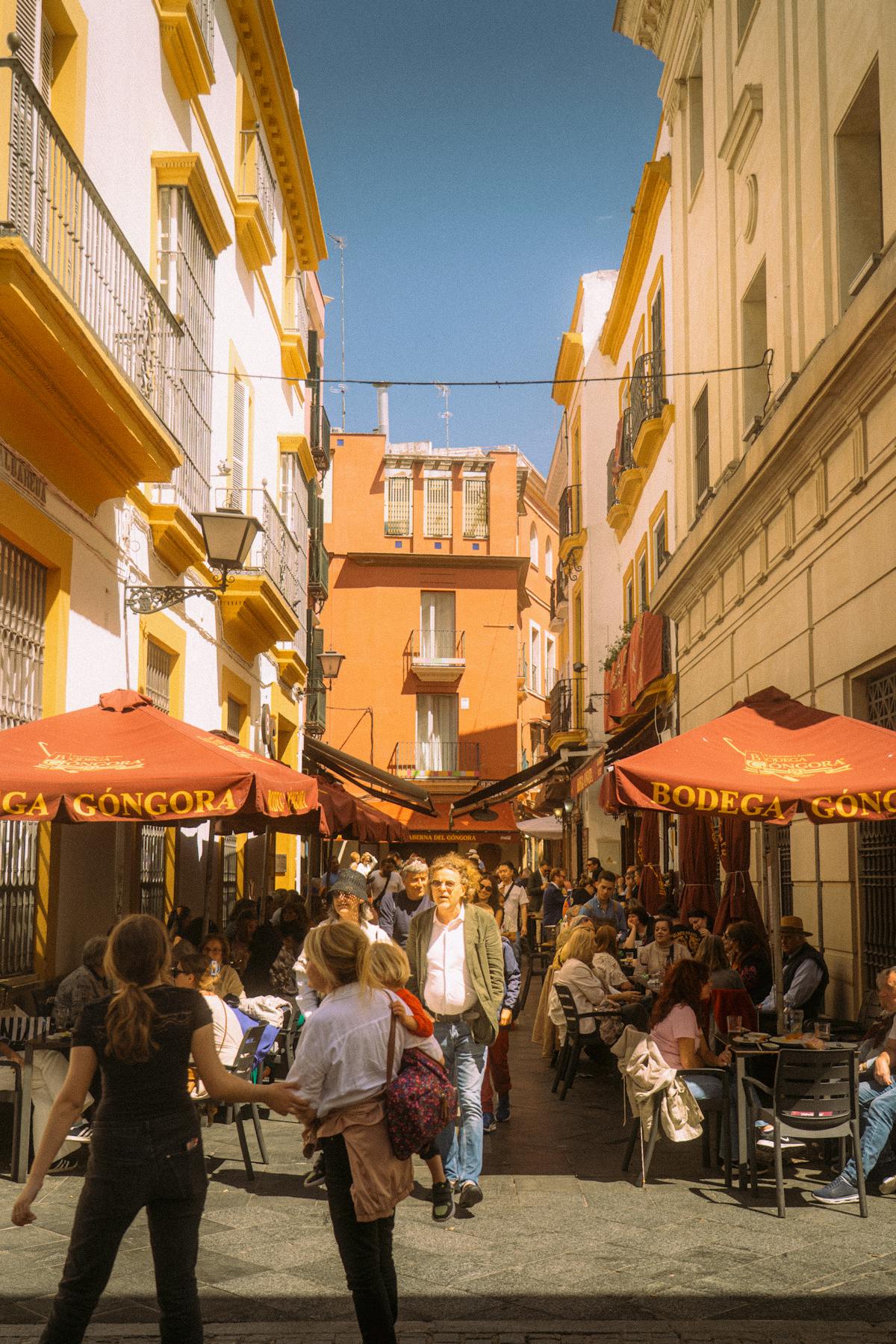
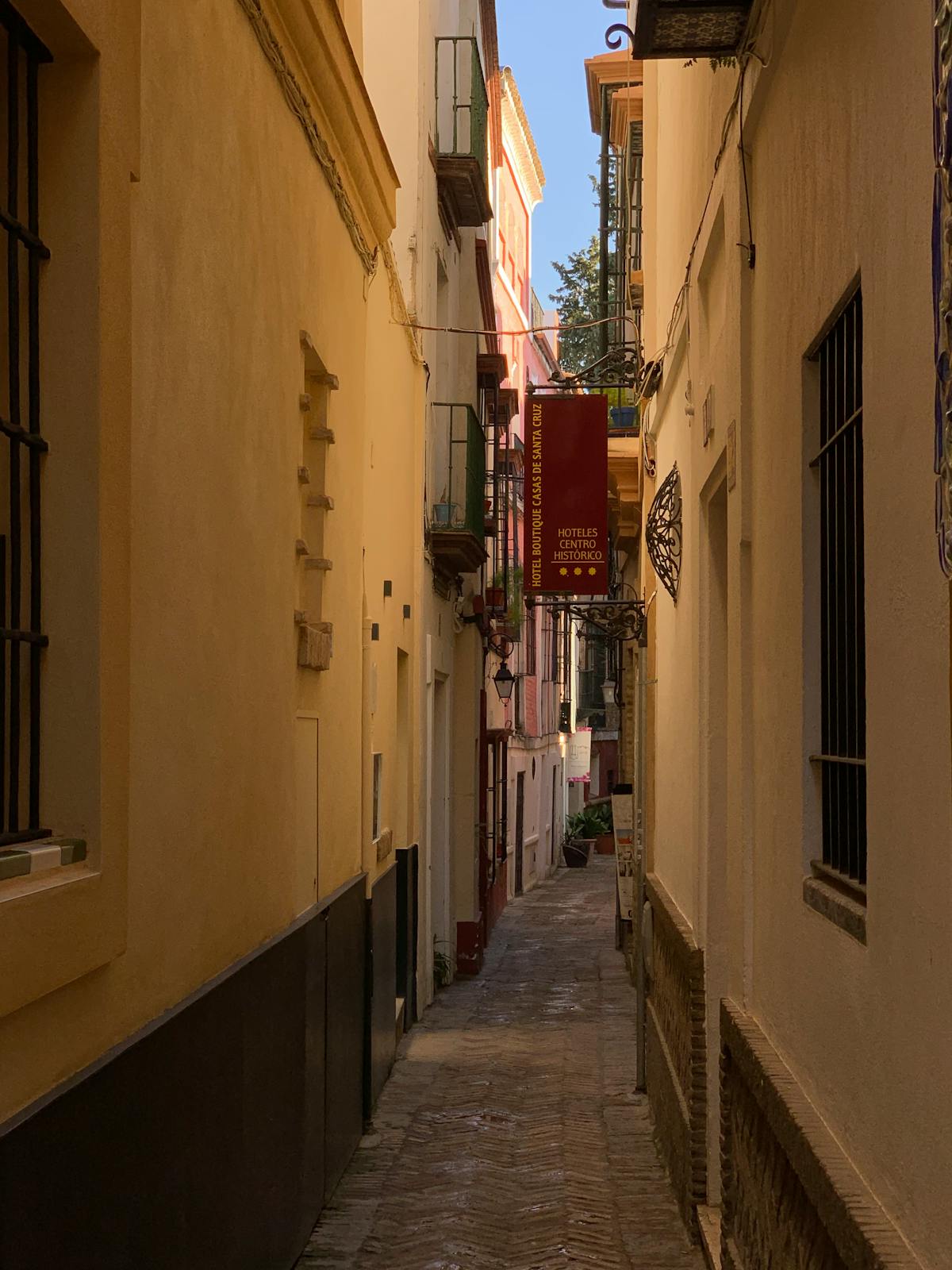
And the heat. If you visit between June and September, you will understand why the siesta exists. Seville regularly hits 42 or 43 degrees in July. The Moors built the narrow streets to keep the sun out, and walking through the Santa Cruz quarter on a summer afternoon you can feel the temperature drop by several degrees just by turning a corner into shade. A guided walk times these things for you. A self-guided walk at 2 PM in August is an endurance test.
This guide covers the different types of walking tours available, the best-reviewed options from Viator and GetYourGuide, when to book, and the practical details that make the difference between a great walk and a sweaty slog.
In a Hurry? My Top Picks
- Best overall: Small-Group City Highlights Walking Tour — $27 per person, 2 hours. Covers all the major landmarks with a small group and a local guide who knows the back streets. The price-to-quality ratio here is hard to beat. Book this tour
- Best budget pick: Cultural Walking Tour of Seville Monumental — $8.45 per person, 2 hours. Under nine dollars for a two-hour guided walk through monumental Seville. The price is almost suspicious, but the reviews back it up. Book this tour
- Most unique experience: Paranormal and Legends Guided Walking Tour — $15 per person, 1.5 hours. An evening tour through Seville’s darker history — Inquisition stories, local legends, and places where things allegedly happened that nobody can explain. Different from every other walking tour in the city. Book this tour
- In a Hurry? My Top Picks
- Why Walk Seville
- Types of Walking Tours
- Best Walking Tours in Seville
- 1. Small-Group City Highlights Walking Tour —
- 2. Cultural Walking Tour of Seville Monumental — .45
- 3. Small-Group Jewish Quarter Discovery Walking Tour —
- 4. Seville Guided Small-Group Walking Tour — .78
- 5. Paranormal and Legends Guided Walking Tour —
- When to Walk
- Tips for Your Walk
- More Seville Guides
Why Walk Seville
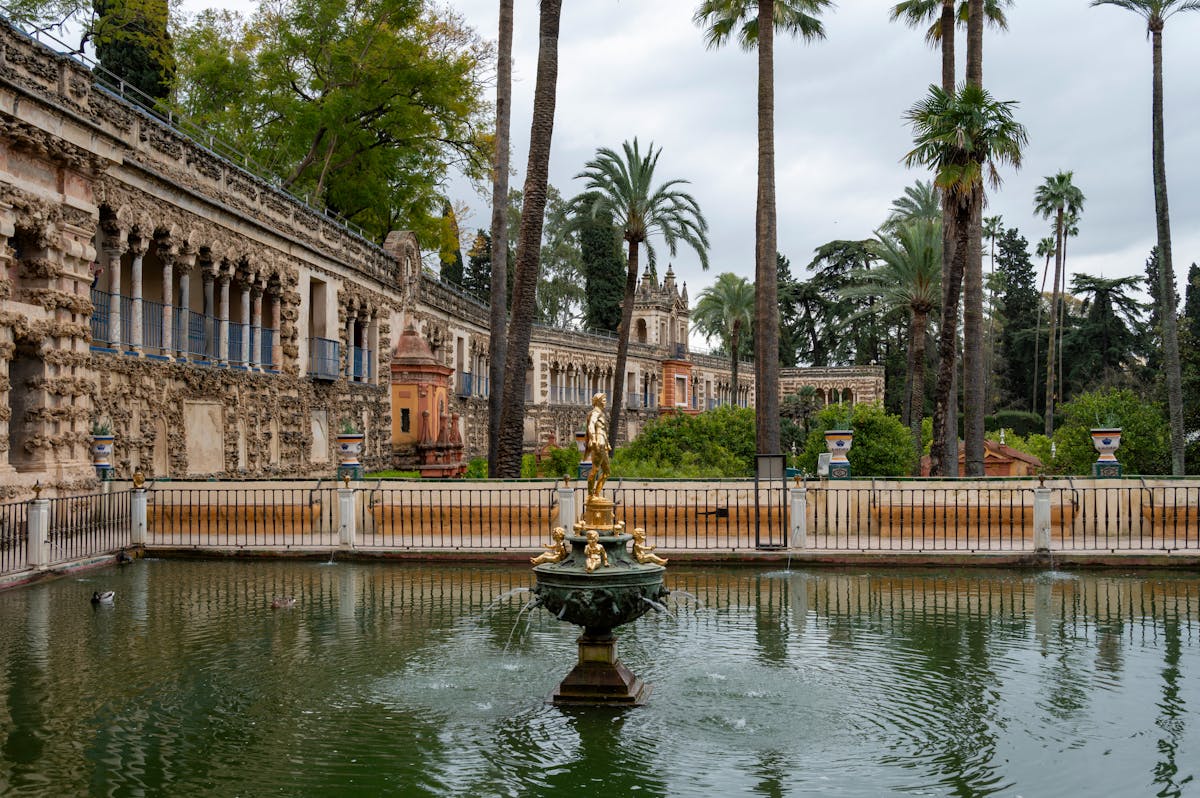
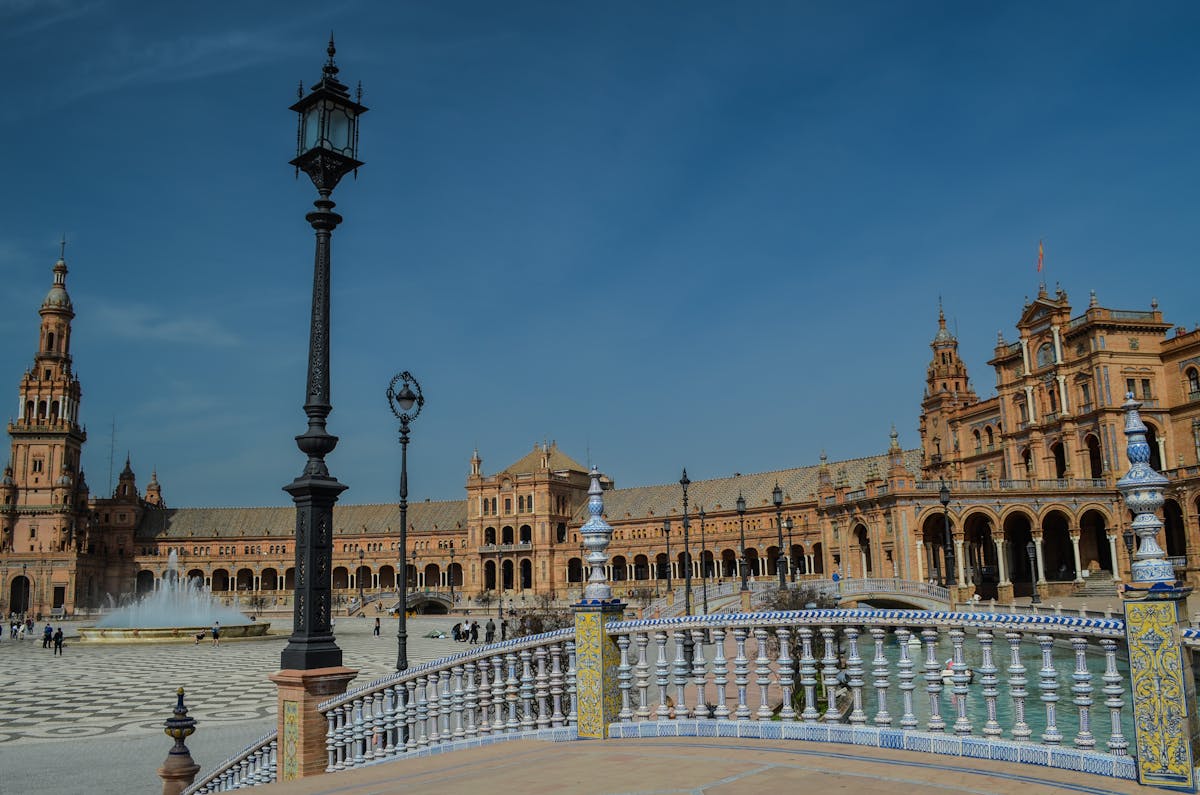
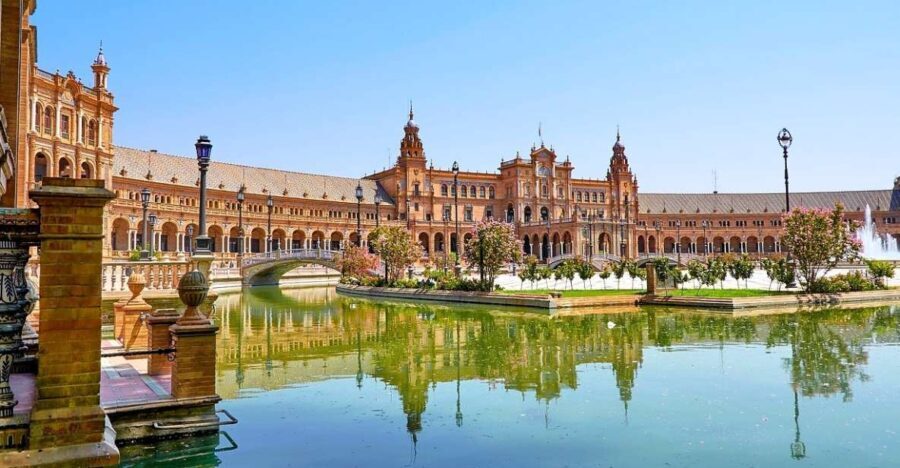
The practical argument for a walking tour in Seville is simple: the city center is compact and most of the major sights sit within a 20-minute walk of each other. The Cathedral, the Alcazar, the Plaza de Espana, the Santa Cruz quarter, the Triana bridge — you can hit all of them on foot in a morning. Buses and taxis exist, but they are slower than walking through the pedestrian streets and they miss the point entirely.
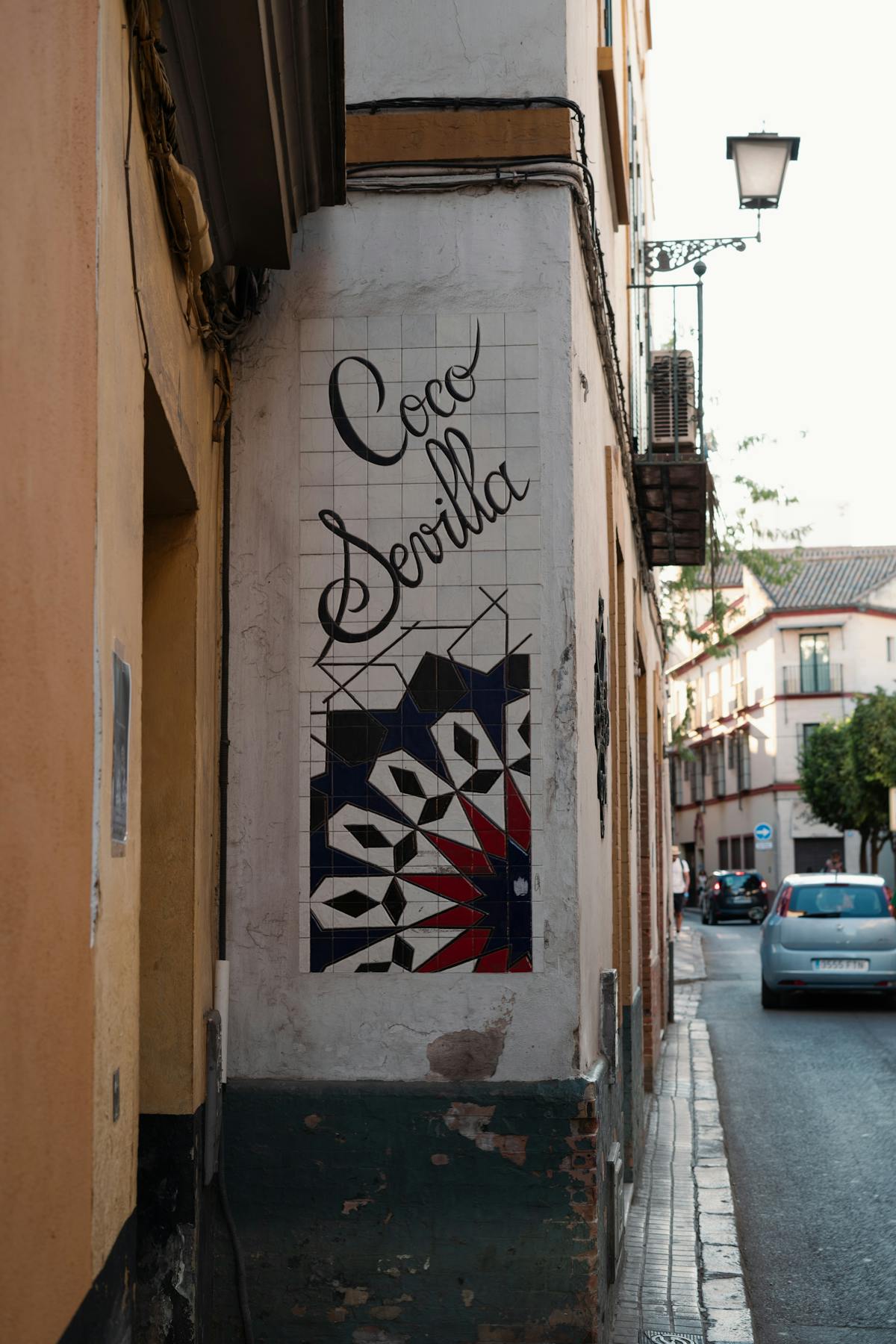
But the real argument goes beyond logistics. Seville is a city of details. The azulejo tiles on the walls of ordinary apartment buildings. The iron balconies where someone has hung laundry next to a pot of geraniums. The sound of a guitar coming from a courtyard you cannot see into. These are not on any map and no bus stops for them. A guide who grew up in the city knows where they are, and more importantly, knows the stories behind them.
The historical depth is the other factor. Walk down any street in the old quarter and you are walking on top of Roman ruins, Moorish foundations, and medieval Christian construction — sometimes all three in the same block. Without context, it is pretty architecture. With a guide, it becomes a story that spans two thousand years and connects the building you are standing in front of to trade routes, religious conflicts, and the discovery of the Americas.
Self-guided walking is free and perfectly viable. Seville has enough English signage and landmark visibility that you will not get lost for long. But you will miss things. The Inquisition court that is now a restaurant. The wall where Columbus’s crew scratched their names before sailing west. The reason why one side of a street has Moorish arches and the other side has Gothic windows. A two-hour guided walk fills in gaps that would take you days of reading to find on your own.
Types of Walking Tours
Walking tours in Seville fall into several categories, and the differences matter more than you might expect.
City highlights (1.5-2 hours, $8-30): The standard option. These cover the greatest hits — Cathedral exterior, Giralda tower, Alcazar walls, Santa Cruz quarter, sometimes the Plaza de Espana if the route is long enough. The guide provides historical and cultural context at each stop. These are best for first-time visitors who want an orientation. The price range is wide because some operators subsidize with tips and upsells while others charge a fair rate upfront.
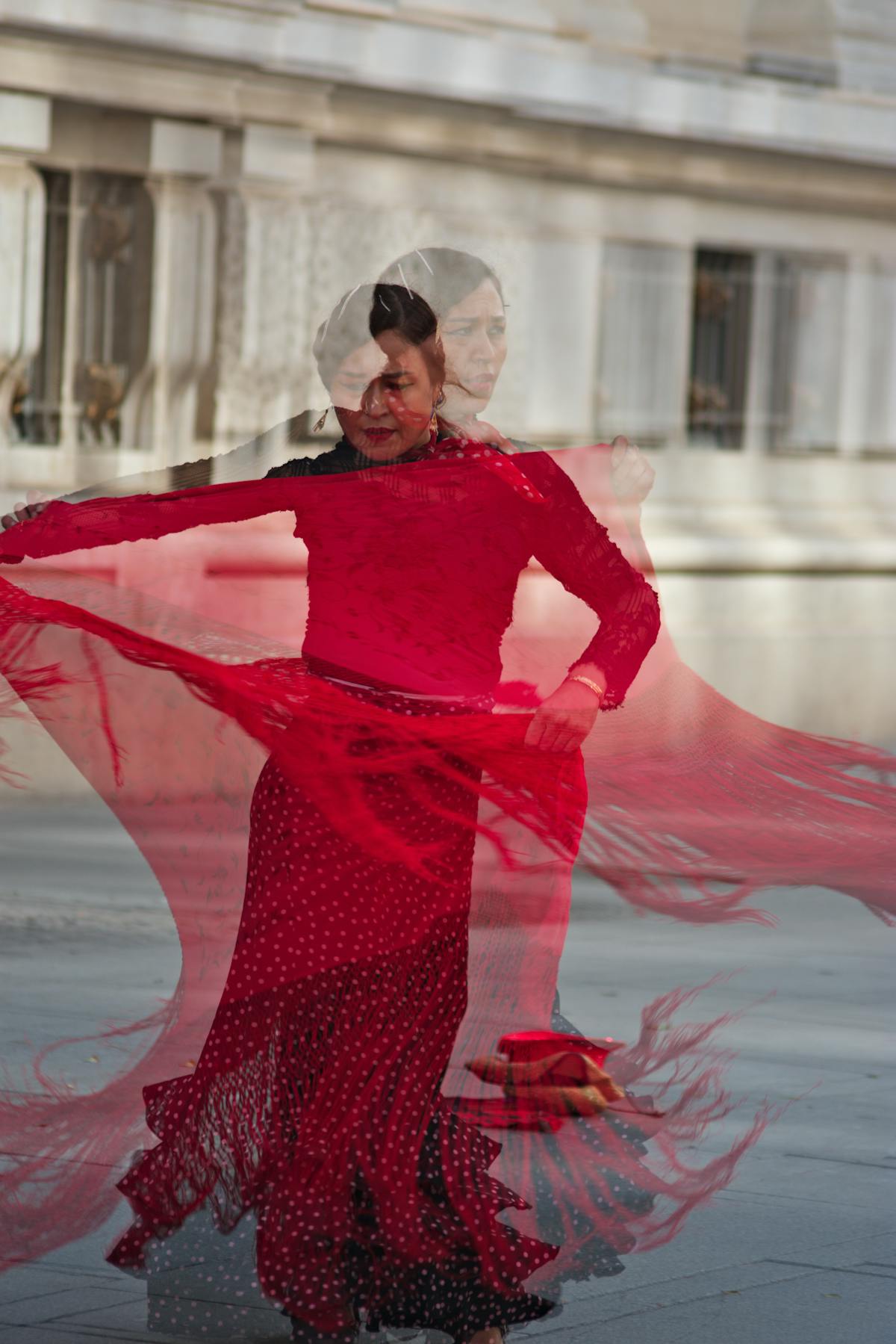
Neighborhood-focused tours (1.5-2 hours, $15-30): Instead of hitting every landmark, these go deep into one area. The Jewish Quarter (Santa Cruz) tours explore the narrow streets where Seville’s Jewish community lived before the expulsion in 1492. Triana tours cross the river and focus on the flamenco, ceramics, and working-class culture of Seville’s most distinctive barrio. These are better for second-time visitors or anyone who wants depth over breadth.
Themed tours (1.5-2 hours, $15-30): Paranormal walks, legends tours, architecture-focused routes, literary walks. Seville has enough history to support a dozen niche angles, and the themed tours tend to attract more passionate guides. The paranormal tours in particular are popular — Seville was an Inquisition stronghold, and the stories that come out of that period are genuinely chilling.
Private tours (2-4 hours, $115-280): Same content as the group tours but with a dedicated guide who adjusts the route and pace to your interests. Worth it for families with children (who get bored waiting for 15 strangers to take photos), for anyone with accessibility concerns, or if you simply want to ask more questions than a group format allows. The per-person cost drops fast once you have three or four people splitting the price.
Combo tours (3-4 hours, $45-105): Walking combined with another experience — usually a river cruise, a hop-on-hop-off bus, or entrance tickets to a specific monument. The value depends on whether you were going to do the second activity anyway. If you wanted both a walking tour and a Guadalquivir cruise, the combo saves money. If you only wanted the walk, the combo is padding.
Best Walking Tours in Seville
Five tours from the database, chosen for different styles, price points, and neighborhoods.
1. Small-Group City Highlights Walking Tour — $27
Duration: 2 hours | Price: $27 per person | Type: Small-group city highlights
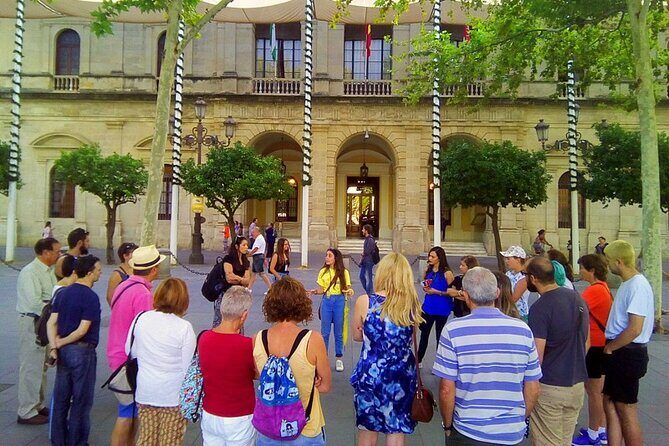
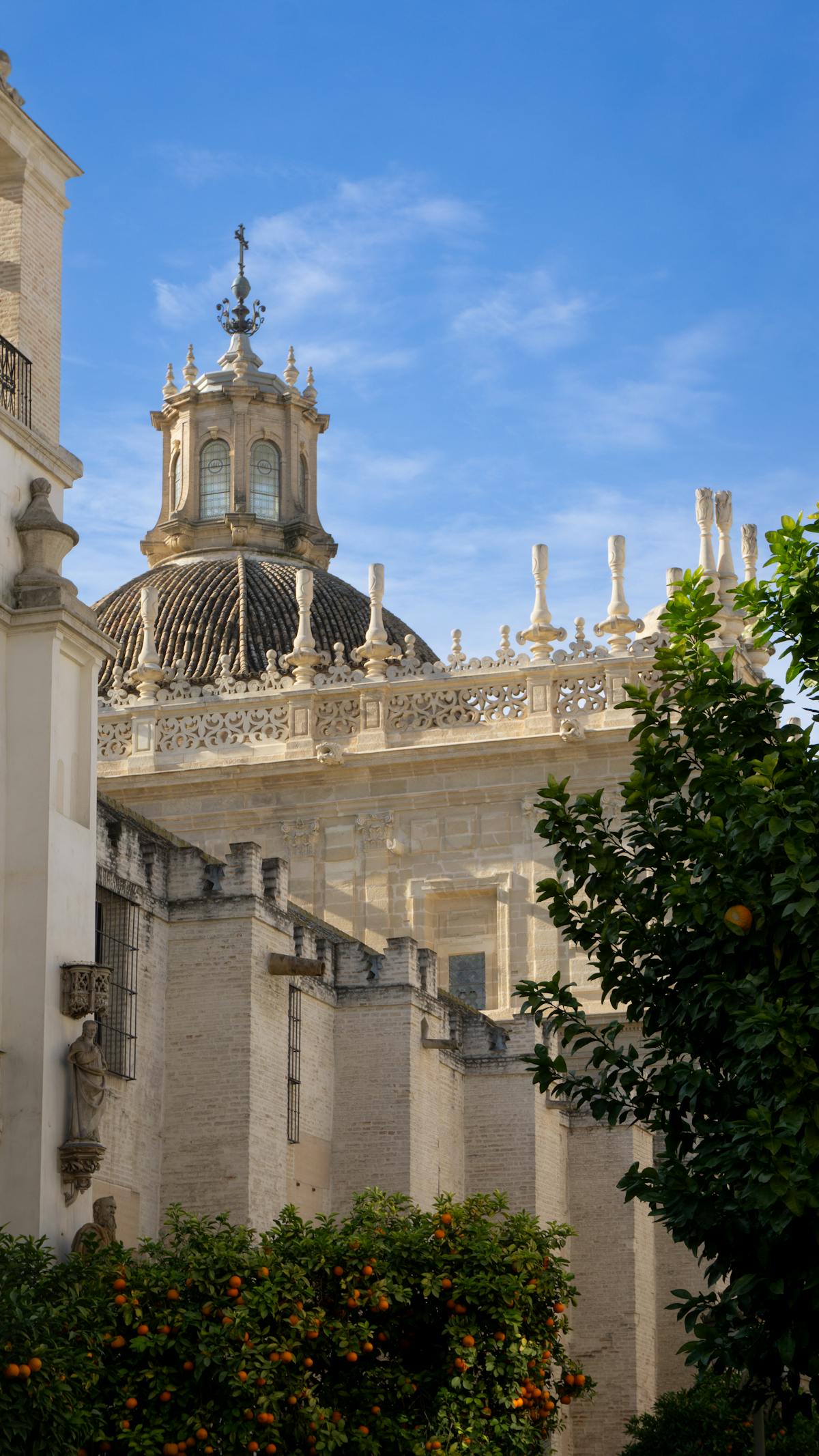
This is the walking tour with the largest number of bookings in Seville, and looking at what you get for $27, it is easy to see why. A local guide meets your group — kept small, typically under 15 people — and walks you through the historic center for two hours, covering the Cathedral and Giralda exterior, the Alcazar walls, the Santa Cruz quarter, and the major plazas.
The guide quality is what separates this from a free walking tour or a self-guided map route. The commentary covers the three civilizations that built this city — Roman, Moorish, Christian — and connects each building to the larger story. You learn why the Giralda was originally a minaret, why the Cathedral was built on the site of the old mosque, and what happened to the Jewish population that once filled the Santa Cruz streets. The guide does not just recite dates. They tell stories, point out details you would walk past on your own, and answer questions that only a local would know the answer to.
At $27, there is almost no reason to skip this. A comparable private guide would cost five to ten times more. The two-hour format is tight — you cover a lot of ground without the mid-tour fatigue that hits on three-hour walks. And the small group means you can actually hear the guide and ask follow-up questions without raising your hand.
The only real limitation is that this is an exterior tour. You do not enter the Cathedral, the Alcazar, or any ticketed sites. The guide explains what is inside and how to visit on your own, but if you want interior access, you need separate tickets or a different tour that includes entry.
For a first morning or afternoon in Seville, this is the smartest starting point.
2. Cultural Walking Tour of Seville Monumental — $8.45
Duration: 2 hours | Price: $8.45 per person | Type: Budget cultural walking tour
At $8.45, this is not a free walking tour dressed up with a token fee. It is a structured, guided walk through monumental Seville that costs less than a coffee and a pastry at most cafes near the Cathedral. The route covers the same landmarks as the pricier competitors — Cathedral, Giralda, Alcazar exterior, Santa Cruz — and the guides are local, knowledgeable, and accustomed to keeping groups engaged.
The catch, if you can call it one, is the group size. Budget tours attract more people, and you may find yourself in a group of 20 or more during peak season. That means less one-on-one time with the guide, more waiting for everyone to take photos, and a slightly faster pace at each stop to keep the schedule. During the off-season, the groups shrink and the experience improves significantly.
The cultural depth is genuinely good. The “Monumental” in the name means the tour focuses on Seville’s major monuments and the history behind them. The Moorish-to-Christian transition, the role of the Guadalquivir River in making Seville the richest city in Europe, the Columbus connection — it is all covered. The guides are not reading from a script. They grew up here.
Who should book this: budget travelers, backpackers, anyone who wants an orientation walk without committing $30 or more. The money you save on this tour is the money you spend on a better lunch afterward. And honestly, the quality gap between an $8 tour and a $27 tour is smaller than you would think. You lose some intimacy. You do not lose the information.
3. Small-Group Jewish Quarter Discovery Walking Tour — $29
Duration: 1.5 hours | Price: $29 per person | Type: Neighborhood-focused small group tour
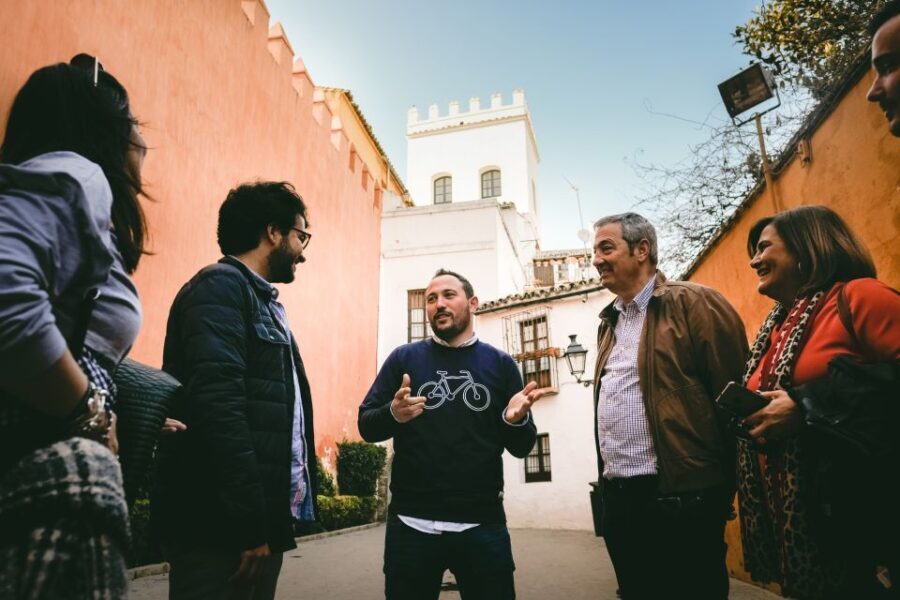
This is the walking tour for people who have already done the big-picture highlights walk and want to go deeper into one specific neighborhood. The Jewish Quarter — now called the Barrio de Santa Cruz — is the most atmospheric part of Seville’s old town, and its history is more complex and more troubling than what the highlight tours have time to cover.
The guide takes your small group through the narrow streets that once housed one of the largest Jewish communities in medieval Spain. The synagogues are gone — converted to churches after 1492 — but the urban layout remains. The streets are deliberately narrow and maze-like, the courtyards hidden behind heavy wooden doors, the plazas small and tucked away. The guide explains why: the Jewish community built for privacy and protection, and those architectural decisions outlived the community by five centuries.
The story of the Jewish Quarter is not a comfortable one. The Inquisition, the 1391 pogroms, the 1492 expulsion — these are part of Seville’s history that the big-picture tours mention in passing but rarely have time to explore. This tour gives those stories room to breathe. You stand in the places where it happened, and the guide takes time to explain not just what occurred but why, and what traces remain.
At 1.5 hours, it is shorter than the city highlight walks, but the focus makes it feel denser. Every stop has a story and the stories connect. The small group format means the guide can adapt — if someone asks a question that leads somewhere interesting, the route adjusts.
$29 is fair for what you get. The guides on this tour tend to be particularly passionate about the subject, and the Santa Cruz quarter is a place that rewards slow, careful looking.
4. Seville Guided Small-Group Walking Tour — $21.78
Duration: 2 hours | Price: $21.78 per person | Type: Small-group general walking tour
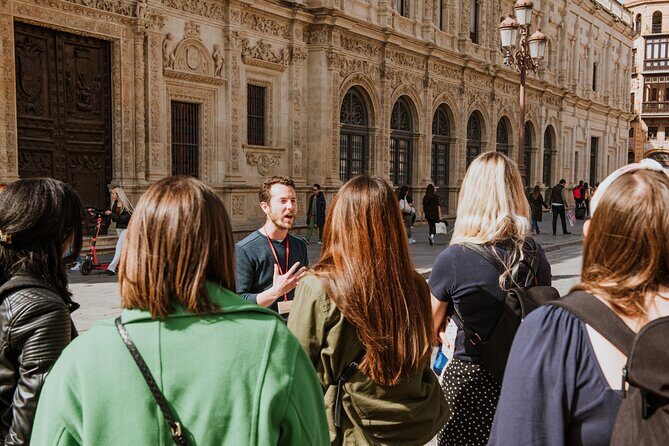
This tour sits in the sweet spot between the $8 budget options and the $27-30 premium small-group walks. You get the small-group format — typically 10-12 people — the local guide, and the standard route through the Cathedral area, the Alcazar, and the Santa Cruz quarter. The price is modest enough that it does not feel like a commitment and the quality is high enough that you do not feel shortchanged.
The Viator listing describes it as a general sightseeing walk, and that is accurate. The guide hits the major historical points — the Moorish influence, the Age of Discovery, the gold trade that made Seville temporarily the richest city on earth — while walking you through the streets where all of it played out. The commentary is informative without being academic. You come away understanding why Seville looks the way it does and why it matters, without feeling like you sat through a lecture.
The two-hour format keeps the pace comfortable. You stop at the major sights long enough to hear the story and take photos, then move on before the standing-in-one-spot fatigue sets in. The route includes a few less-obvious spots — quiet plazas, side streets with interesting doorways, the kind of places that do not appear in guidebooks but tell you something about the city.
At $21.78, this undercuts the top-rated highlight tours by five or six dollars while delivering a similar experience. The trade-off is subtle — slightly less polished meeting point logistics, slightly less curated guide roster — but for most visitors, the difference between a $22 walking tour and a $27 walking tour is invisible.
5. Paranormal and Legends Guided Walking Tour — $15

Duration: 1.5 hours | Price: $15 per person | Type: Evening legends and paranormal walking tour
Every city has a ghost tour. Most of them are corny. This one is not — or at least, it is not only corny. Seville was the headquarters of the Spanish Inquisition for centuries, and the stories that come out of that era are the kind that make you look over your shoulder. The guide walks your group through the old quarter after dark, stopping at sites connected to local legends, unexplained events, and the darker chapters of the city’s history.
The Inquisition content alone would fill the 90 minutes. The auto-da-fe ceremonies in the Plaza de San Francisco. The prisons beneath the Alcazar. The conversos — Jewish families forced to convert — who practiced their faith in secret behind the doors you walk past. The guide tells these stories at the locations where they happened, and at night, standing in a narrow street with medieval walls on both sides, the atmosphere does the rest.
Beyond the Inquisition, the tour covers local legends — the ghost stories and folk tales that Sevillanos grew up hearing. Some are gruesome, some are romantic, and a few are genuinely strange. The guide separates the historical facts from the local mythology and lets you decide what you believe. It is a walking tour that works even if you do not believe in ghosts, because the history underneath the legends is real and fascinating.
At $15, this is excellent value. The evening timing means you can do a standard walking tour during the day and this one after dinner, and the two experiences complement each other perfectly. The daytime tour gives you the architecture and the history. This one gives you the stories the daytime tours do not tell.
Not recommended for young children. The Inquisition material is not sanitized and some of the legends are genuinely unsettling. For adults and older teenagers, though, this is one of the most memorable walks available in Seville.
When to Walk
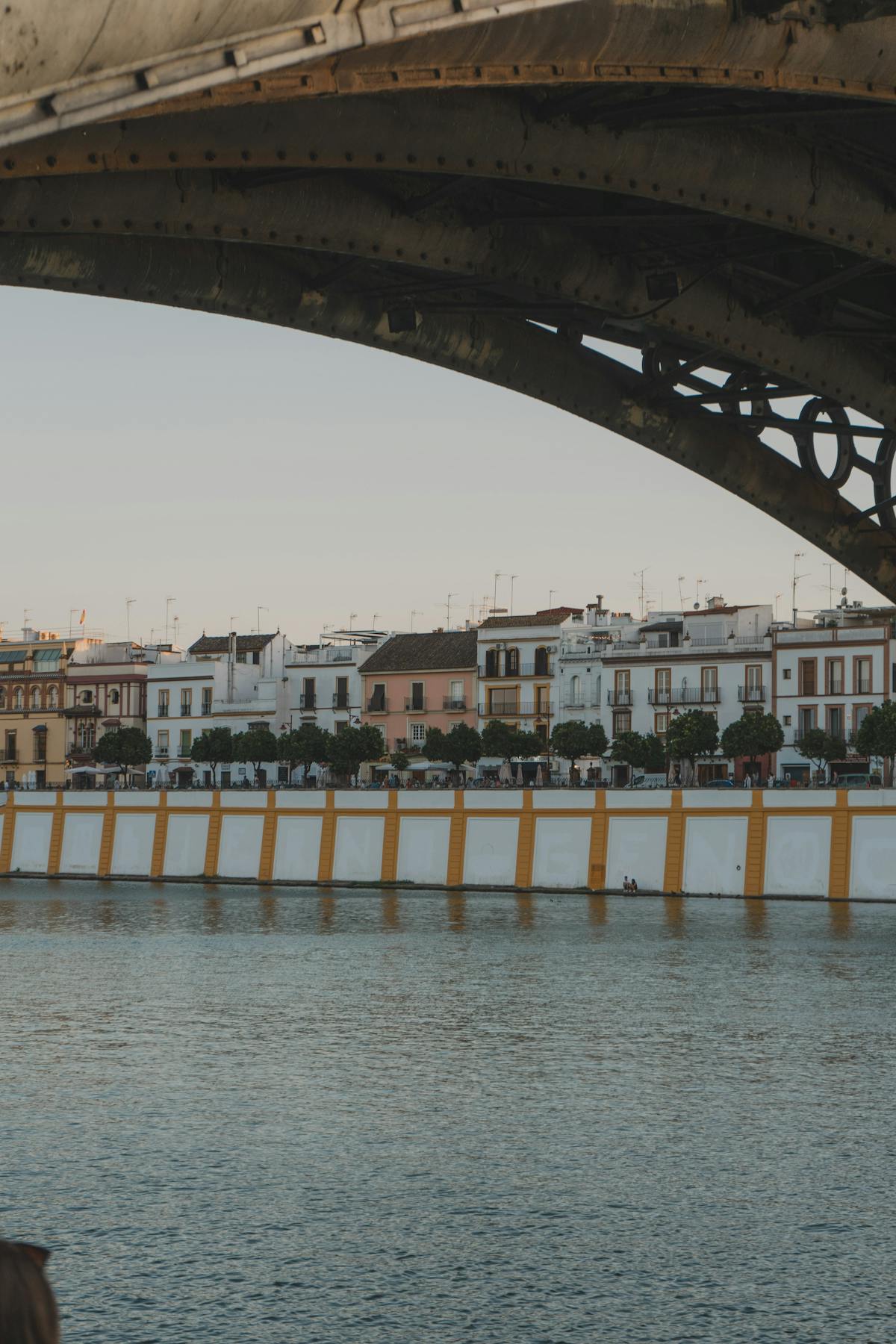
Best months: March, April, October, November. The temperature sits between 18 and 28 degrees, the rain is infrequent, and the light is perfect for walking. These are also the busiest months for tourism, so book tours at least a few days ahead. The first two weeks of April are particularly hectic due to Semana Santa and the Feria — incredible to witness but exhausting if your plan was a relaxed morning walk.
May and early June: Still good, trending warmer. May can hit 32 degrees in the afternoon, which is manageable for a morning walk but uncomfortable for anything starting after noon. By mid-June, the heat becomes the dominant factor in planning your day.
Summer (late June through September): Seville is one of the hottest cities in Europe. Daytime temperatures reach 40-45 degrees with regularity. Walking tours still run, but they shift to early morning or evening slots. An 8 AM or 7 PM tour is fine. Anything between 11 AM and 6 PM is a bad idea. If you are visiting in August and insist on a walking tour, book the earliest morning departure and bring water. The city itself half-shuts down in July and August — many locals leave.
Winter (December to February): Mild, often sunny, and considerably less crowded. Temperatures hover between 10 and 18 degrees, which is perfect walking weather if you bring a light jacket. The Christmas decorations in December add another dimension to the evening walks. January is the quietest month and the guides tend to be more talkative with smaller groups.
Morning vs. evening: Morning tours (9-11 AM) work best in spring and autumn when the light is soft and the streets are not yet packed. Evening tours (6-8 PM, or later in summer) are better for atmosphere — the buildings look different under golden light, and the bars and restaurants are coming alive as you walk past them. The paranormal/legends tours only make sense after dark.
How far ahead to book: In peak season (March-May, October), book three to five days ahead. Weekends sell out faster than weekdays. In summer and winter, one to two days is usually enough. Same-day booking is possible but you will get whatever time slot is left.
Tips for Your Walk
Shoes matter more than anything else you bring. The streets are cobblestone, uneven, and occasionally slippery. Two hours on your feet on these surfaces will punish bad shoes faster than any hiking trail. Wear something with grip and support. Sandals are fine if they are the kind you can actually walk in — flip-flops are not.
Water. Carry it. Drink it. Even in mild weather, two hours of walking in the sun dehydrates you. In summer, bring at least a liter per person. Some tours include a water stop; most do not. There are fountains scattered through the old quarter — the guides will point them out — but do not count on finding one exactly when you need it.
Sunscreen and a hat in any month except December and January. The Seville sun is not gentle. Even in March, you can burn on a two-hour walk if you are not prepared. The narrow streets provide some shade, but the plazas are wide open and the stops at the Cathedral and Alcazar exteriors are fully exposed.
Ask your guide for restaurant recommendations. This is the most underused benefit of a guided walking tour. Your guide eats in this city every day. They know which tapas bars near the Cathedral are worth visiting and which ones charge double for half the food. They know the lunch spots that do not appear on Google Maps. Ask before the tour ends, because getting a local’s dinner recommendation is worth more than anything else you will learn that day.
Combine your walking tour with a tapas experience. Do the walking tour in the morning to learn the layout and the history, then explore on foot through the afternoon, and finish with a tapas crawl in the evening. The walking tour gives you the context to appreciate what you see and eat for the rest of your trip.
Photography tip: morning light is better than afternoon. The Cathedral and Alcazar face roughly south, so morning light hits the facades directly while afternoon creates harsh shadows. If your tour is in the afternoon, save the serious photography for the plazas and side streets where the light is more even.