
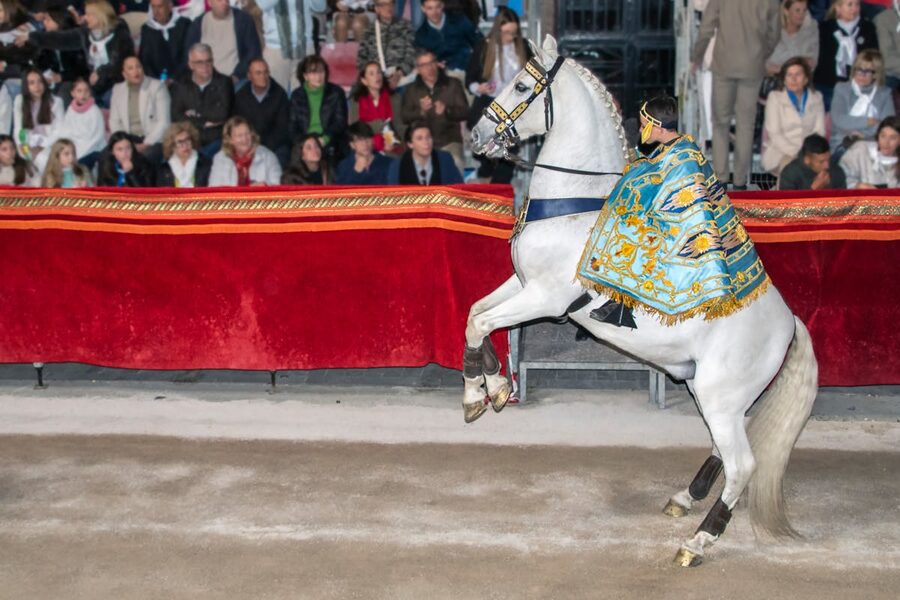
The horse reared up on its hind legs, held the position for what felt like an impossible length of time, then dropped back down without a sound. No whip, no visible command. The rider’s hands barely moved. The entire audience went silent for a beat before the applause started. I’d seen dressage before on television, but this was something else entirely — the Spanish call it an equestrian ballet, and that’s not marketing. It’s accurate.
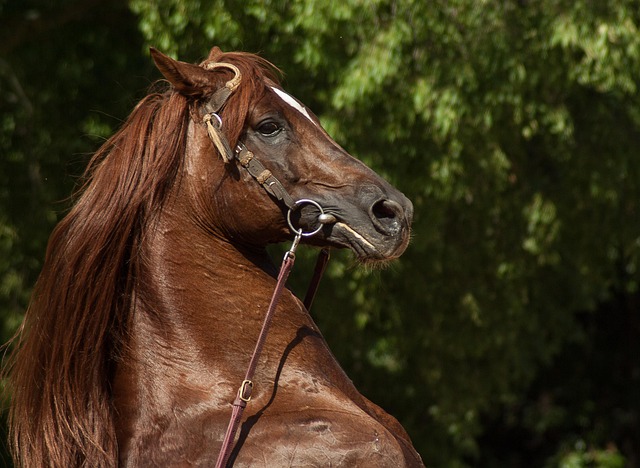
The Royal Andalusian School of Equestrian Art in Jerez de la Frontera performs a show called “How the Andalusian Horses Dance.” It sounds touristy. It’s not. This is a working school that trains riders and horses in classical Spanish dressage, and the weekly public performance is their way of demonstrating what they do. Carthusian horses — a bloodline that traces back 15,000 years, based on cave paintings found in Andalusia showing horses with the same distinctive profile — performing choreographed routines to classical Spanish music.
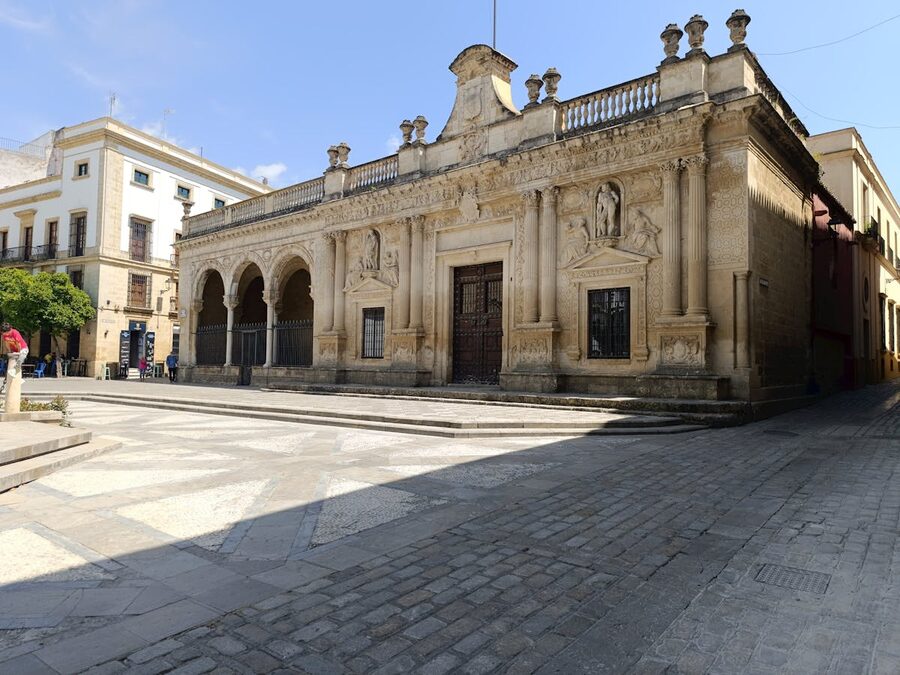
The school was founded in 1973 specifically to preserve the classical Spanish riding tradition, which was at risk of dying out. Jerez was the obvious location — this is sherry country, flamenco guitar country, and horse country, all at once. The word “sherry” is actually an English corruption of “Jerez.” And the same families who’ve been making sherry for centuries have also been breeding these horses.
Best overall: How the Andalusian Horses Dance — $31. The signature show at the Royal School. 90 minutes of pure theatre. This is the one everyone comes for.
Best premium: Horse Dance and Museums — $38. The show plus full museum and grounds access. An extra $7 for 3.5 hours of content instead of 90 minutes.
Best budget / unique: Yeguada de la Cartuja Carthusian Horses Tour — $22. A completely different experience — visit the actual breeding farm where these horses are raised. Includes a mini show.
- How the Show Schedule and Tickets Work
- The Main Show vs Training Sessions vs Farm Tour
- The Best Tours to Book
- 1. How the Andalusian Horses Dance —
- 2. Andalusian Horse Dance and Museums —
- 3. Yeguada de la Cartuja Carthusian Horses Tour —
- When to Visit
- How to Get to Jerez
- Tips That Will Save You Time
- What You’ll Actually See at the Show
- Beyond the Horse Show
How the Show Schedule and Tickets Work
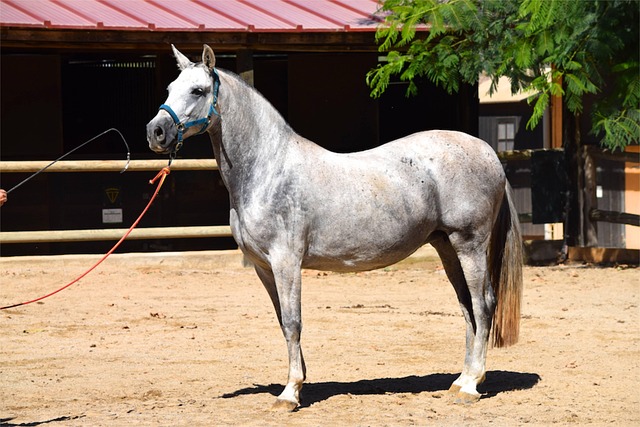
The “How the Andalusian Horses Dance” show typically runs on Tuesdays and Thursdays at noon, though the schedule can vary by season. During peak months (spring and early autumn), they sometimes add extra performances. The show lasts about 90 minutes and takes place in the school’s covered arena, so weather isn’t a factor.
Ticket prices start around EUR 21-27 depending on seat category. The arena isn’t massive, so there isn’t really a bad seat — but the front rows obviously give you a closer view of the horses’ movements and the riders’ technique. Online booking through platforms like GetYourGuide typically runs $31-38, which includes the convenience of confirmed entry and cancellation flexibility.
Training sessions are another option if the show dates don’t work with your schedule. The school opens for public viewing of training on most weekday mornings (usually 11 AM to 1 PM). Tickets are cheaper (around EUR 11-14) and you see the behind-the-scenes process rather than the polished performance. Some people actually prefer this — it’s less theatrical but you learn more about how the movements are taught.
Photography is not allowed during the main show. This is actually enforced, and honestly, it makes the experience better. When nobody’s holding up phones, everyone — audience and performers — is more present. Save the camera for the grounds and stables afterwards.
The Main Show vs Training Sessions vs Farm Tour
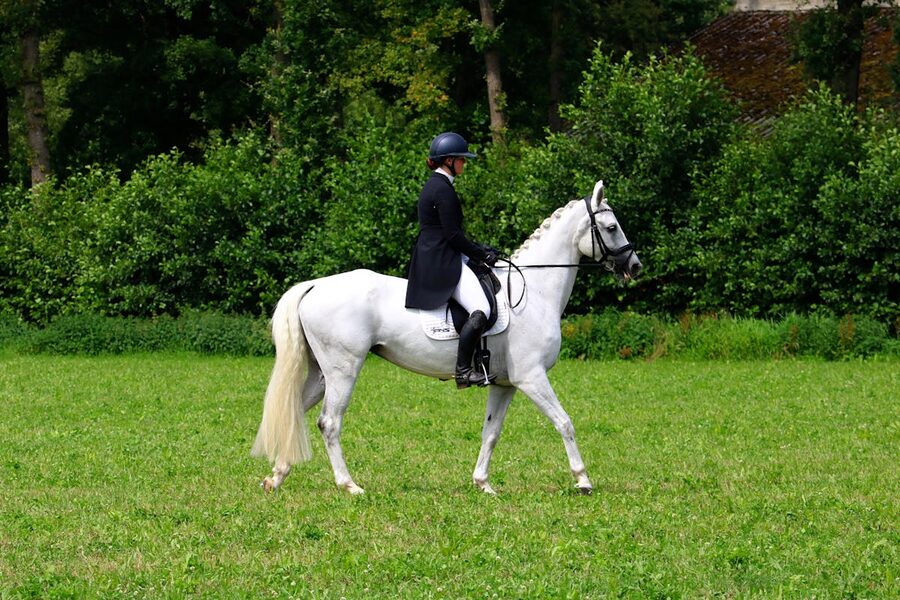
Three different ways to experience the Andalusian horse tradition in Jerez. They’re not interchangeable.
The main show (“How the Andalusian Horses Dance”): This is the headline experience. Full costumes, classical Spanish music, choreographed group routines, individual displays of haute ecole (high school) movements like the levade, courbette, and capriole. The production values are high. Think of it as the concert — rehearsed, polished, emotional.
Training sessions: Open mornings where you watch riders working with their horses in the arena. No costumes, no music, no choreography. Just the daily reality of classical dressage training. You’ll see mistakes, corrections, patience. It’s fascinating if you’re genuinely interested in horsemanship rather than just the spectacle. And it’s half the price.
The Carthusian Horse Farm (Yeguada de la Cartuja): A separate venue outside Jerez where the Carthusian monk tradition of horse breeding continues. This is where foals are born, young horses are started, and the genetic legacy is maintained. The tour includes a mini dressage demonstration, but the real draw is seeing the horses in their natural environment — mares with foals, stallions in paddocks, the breeding operation itself. Completely different vibe from the school.
The Best Tours to Book
1. How the Andalusian Horses Dance — $31
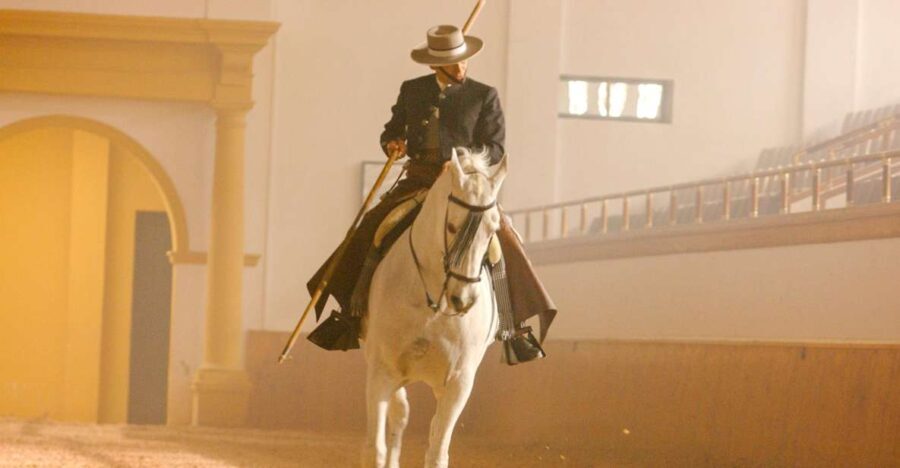
This is the main event and the reason most people come to Jerez. At $31 for a 90-minute performance, it’s remarkably good value for what you get — you’d pay three or four times that for an equivalent cultural performance in most European cities. The full review goes deeper into what to expect, but the short version: it’s one of those experiences that genuinely surprises people. Even visitors who aren’t particularly interested in horses come away impressed by the artistry.
Booking online in advance is strongly recommended. The arena has limited capacity and popular dates (Tuesdays and Thursdays, especially in spring) do sell out. The confirmed booking means you’re guaranteed entry rather than hoping for availability at the door. Senior discounts are available and the pricing is reasonable across all categories.
2. Andalusian Horse Dance and Museums — $38
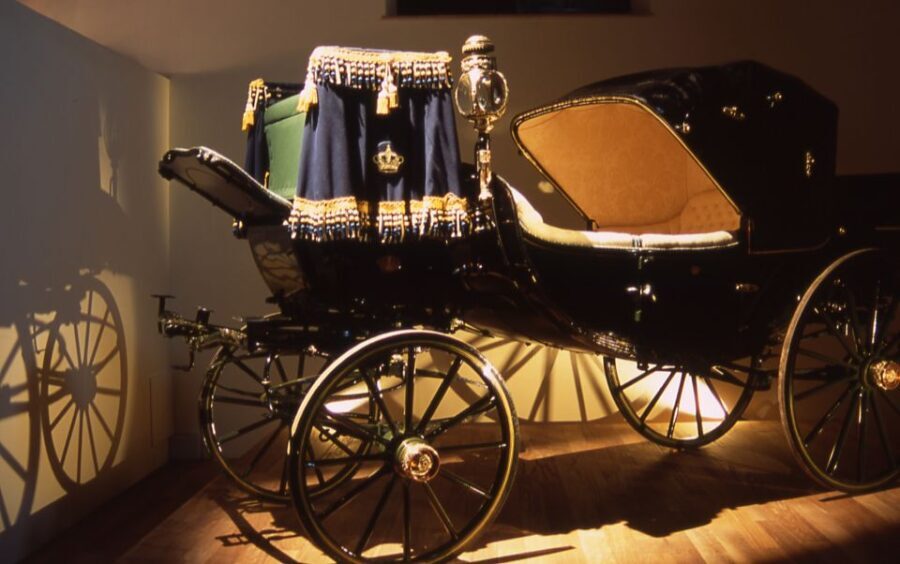
Same show, but with full access to the school’s museums and grounds — the carriage museum, the saddlery collection, the gardens, and the stables. At $38 for 3.5 hours, the extra $7 over the show-only ticket is a genuine bargain. The museum collection includes historical carriages, ornate saddles from different centuries, and an equestrian art collection that puts the tradition into context. One visitor compared it to the Sistine Chapel of horsemanship, which is a stretch — but captures the reverence people feel.
The grounds are well maintained and the stables let you get close to the horses outside of performance time. Staff across the facility are multilingual and happy to answer questions. If you’re spending a full day in Jerez anyway (and you should — there’s sherry to taste), this gives you the most complete experience of the equestrian school without the time commitment of the farm tour.
3. Yeguada de la Cartuja Carthusian Horses Tour — $22
This is my personal favourite and I almost didn’t book it. At $22 for 2.5 hours, the Yeguada de la Cartuja is a working Carthusian horse breeding farm a short drive from Jerez. The Carthusian monks started breeding these horses five centuries ago, and the farm continues that tradition. You see the entire operation — broodmares, foals (if you visit in spring, there will be baby horses everywhere), young horses in early training, and the prized stallions.
The tour ends with a small dressage demonstration that’s more intimate than the main school show — fewer horses, closer seating, and a guide who explains what each movement requires from the horse. Visitors consistently rate this higher than they expected. One described it as educational in the best sense — learning about breeding, training, and the sheer amount of patience required to produce a classical dressage horse. This is the one to book if you want substance over spectacle.
When to Visit
Show schedule: The main show typically runs Tuesdays and Thursdays at noon. Occasionally additional shows on Fridays during peak season (March through June). Training sessions are available most weekday mornings. The Carthusian farm tour runs on Saturdays, usually at 11 AM.
Best months: March through June. Spring in Jerez is spectacular — the Feria del Caballo (Horse Fair) in May is when the entire city celebrates its equestrian heritage. Streets are full of riders in traditional dress, horses parade through the town centre, and the atmosphere is electric. If you can time your visit for the Feria, do it.
Avoid: July and August are brutally hot in Jerez (regularly over 40°C). The shows still run, but walking around the grounds and exploring the city afterwards is miserable in that heat. The school also takes breaks at various points — check the calendar before booking.
Booking lead time: A few days ahead is usually fine for most of the year. During the Feria del Caballo and Easter week, book at least 2-3 weeks in advance. The Carthusian farm tour has limited capacity and tends to fill up faster than the main show.
How to Get to Jerez
From Seville: This is the most common approach. Direct trains run roughly hourly and take about 1 hour 15 minutes. The Royal School is a 15-minute walk from Jerez train station, or a 5-minute taxi. A Seville day trip to Jerez is completely doable — morning show, afternoon sherry bodegas, evening train back.
From Cadiz: Even closer. Trains take about 30-45 minutes. Cadiz and Jerez make a natural pair if you’re spending time on the southern coast.
Jerez Airport: Yes, Jerez has its own airport with budget airline connections to several European cities. If your main reason for visiting Andalusia is the horse show plus sherry country, flying directly into Jerez saves the transfer from Seville or Malaga.
By car: Straightforward from anywhere in Andalusia. Free parking is available near the school, which is more than you can say for most Andalusian attractions. The A-4 motorway connects Jerez to Seville (1 hour) and the AP-4 runs south to Cadiz (30 minutes).
Tips That Will Save You Time
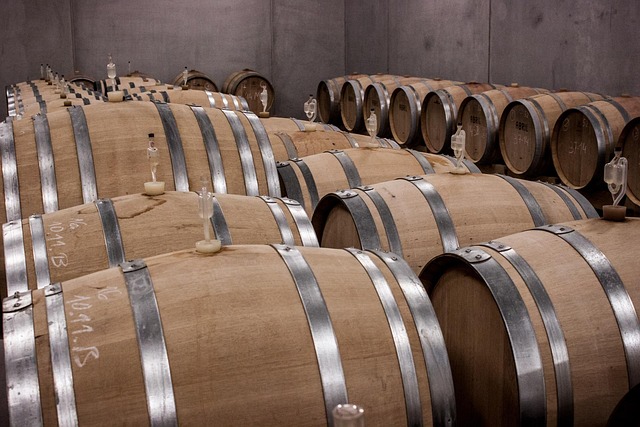
- Combine the show with a sherry bodega tour. Jerez is literally where sherry comes from. The Tio Pepe (Gonzalez Byass), Lustau, and Sandeman bodegas are all within walking distance of the school. Do the noon horse show, lunch, then a 3 PM or 4 PM bodega tour. Perfect day.
- Arrive 20-30 minutes early. The school opens before showtime and you can walk the grounds, visit the stables, and get settled in good seats. The arena is general seating within your ticket category.
- No photography during the show. They enforce this. Leave the phone in your pocket and just watch. The grounds and stables before/after are fair game.
- The Feria del Caballo in May is worth planning your entire trip around. It’s one of Andalusia’s best festivals and it centres entirely on horses. The town transforms for a week.
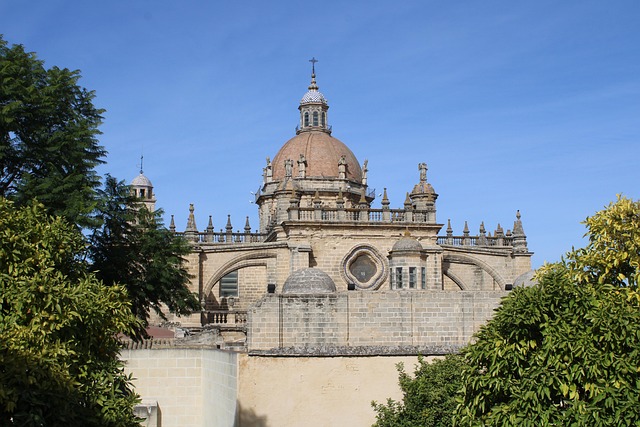
- Eat at a tapas bar near the cathedral after the show. The area around Plaza del Arenal has excellent, inexpensive places. Jerez hasn’t been gentrified for travelers the way Seville has — prices are genuinely local.
- If you’re a horse person, book both the main show AND the Carthusian farm tour on separate days. They’re completely different experiences and both are worth it.
What You’ll Actually See at the Show
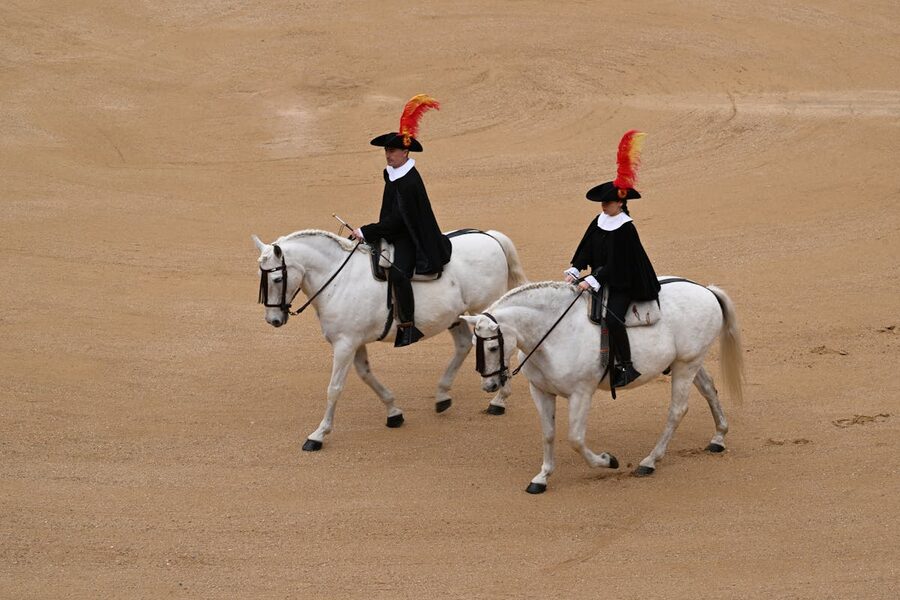
The performance has several sections, each showcasing different aspects of classical Spanish dressage. It opens with group formations — horses moving in synchronised patterns, crossing paths with millimetre precision. The coordination required is mind-boggling when you think about it — these are living animals with their own opinions, not machines following a programme.
Individual displays follow, where single horse-and-rider pairs demonstrate the high school movements. The levade (rising on hind legs), the courbette (hopping on hind legs — yes, hopping), and occasionally the capriole (leaping into the air with all four feet off the ground, kicking the hind legs back at the peak). The capriole is the most dramatic movement in classical dressage and not every horse can do it.
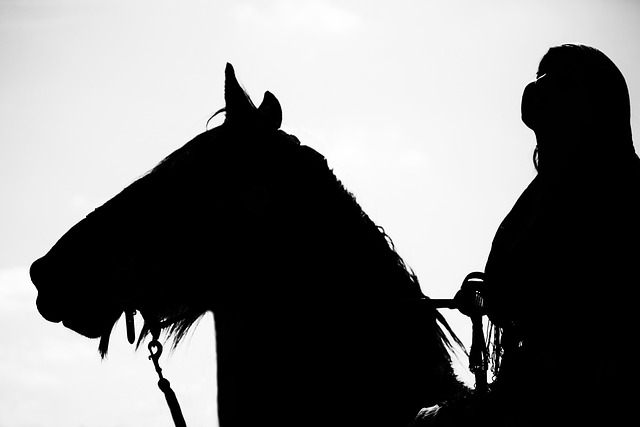
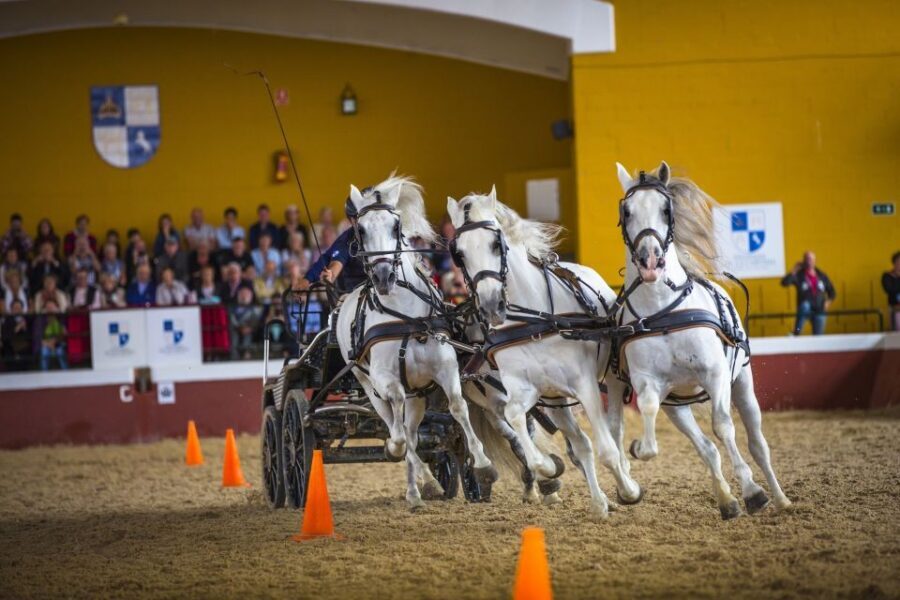
There’s usually a section featuring Spanish harness driving — horses pulling traditional carriages through precise patterns. And a section with the famous garrocha (long pole) work, where riders demonstrate the techniques originally used by cattle herders in the Andalusian marshlands. The whole performance is set to Spanish classical and flamenco music, which sounds like it might be cheesy but works brilliantly in context.
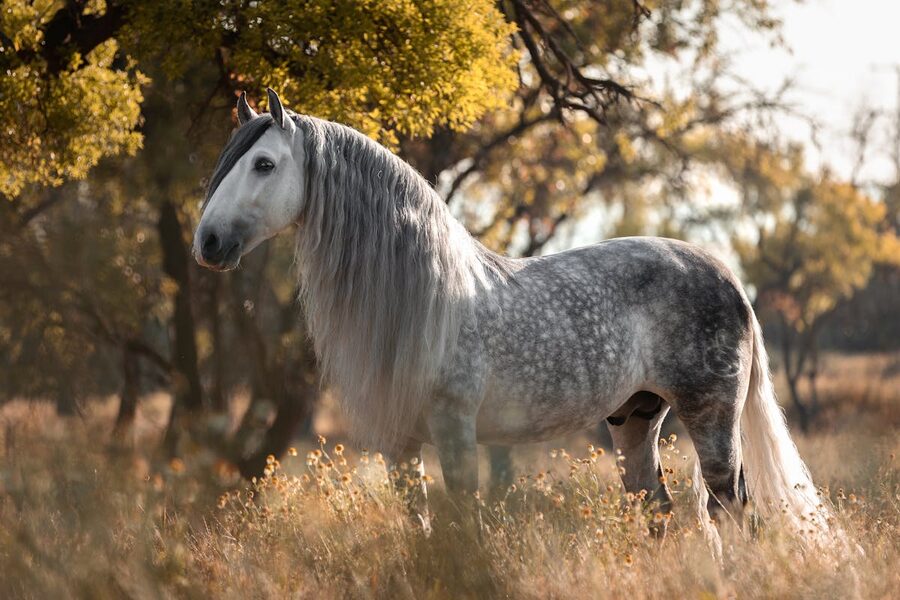
The Andalusian horse breed itself deserves mention. Cave paintings in southern Spain dating back 15,000 years show horses with the same arched neck, compact body, and flowing mane. When people say this is one of the oldest horse breeds in the world, they’re not exaggerating. The Carthusian monks at the nearby Jerez monastery kept the bloodline pure for centuries, breeding for temperament and intelligence as much as physical beauty. That’s why these horses can perform movements that other breeds simply can’t — it’s been bred into them for millennia.
Beyond the Horse Show
Jerez is criminally underrated as a destination. Most people pass through on their way between Seville and Cadiz without stopping, which is a mistake. Beyond the equestrian school, the sherry bodegas are world-class (Gonzalez Byass, Lustau, and Williams & Humbert all offer tours with tastings), the old town has a Moorish fortress (Alcazar de Jerez) and a cathedral, and the flamenco scene is more authentic here than in Seville — this is where the art form’s guitar tradition began.
If you’re building an Andalusia itinerary, Jerez fits naturally between Seville and Malaga’s coast. A Seville tapas tour one day, the horse show in Jerez the next, then south to Ronda for the dramatic gorge. The Seville Cathedral and Guadalquivir river cruise round out the Seville side of that trip. For something off the beaten path, Caminito del Rey is a spectacular cliffside walk that’s completely different from everything else in Andalusia.
This article contains affiliate links. If you book through our links, we earn a small commission at no extra cost to you. It’s how we keep this site running.