
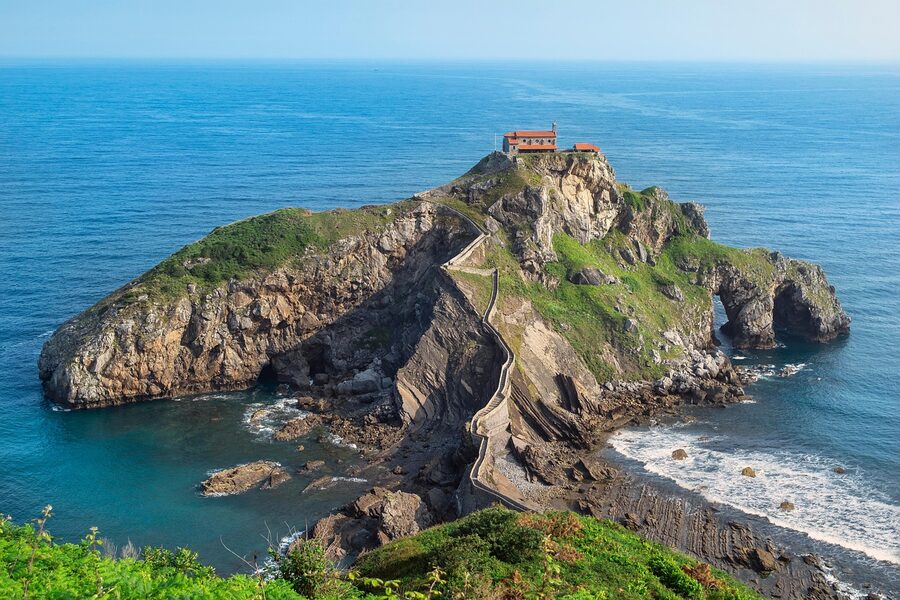
There are 241 steps between you and the hermitage on San Juan de Gaztelugatxe. I know because I counted the first 80, lost count, and just kept climbing.
The wind was relentless. It came off the Bay of Biscay in bursts that made the stone path feel half as wide as it actually is. And the whole time, the tiny chapel at the top just sat there, looking impossibly far away.
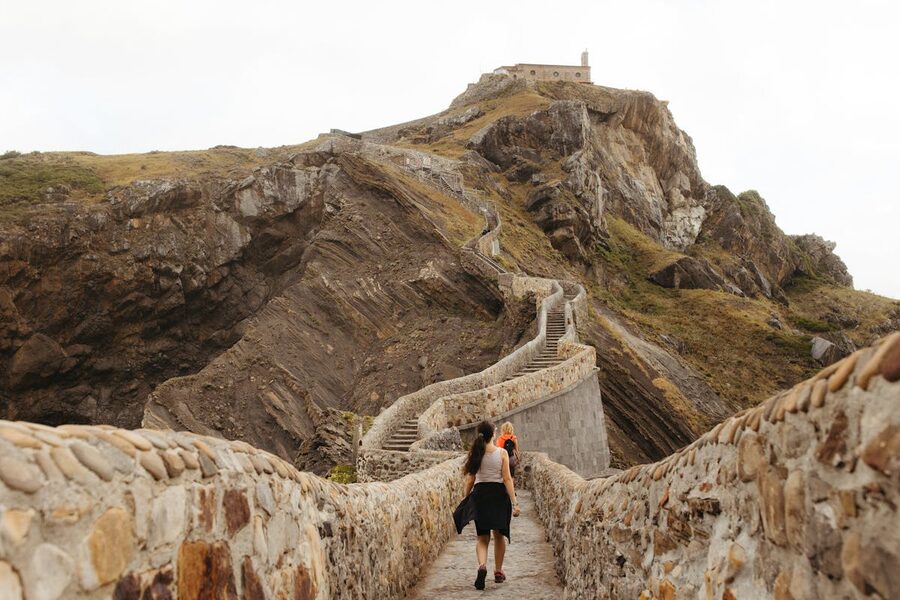
But then you get there. You ring the bell three times (tradition says your wish comes true). You look out over the Atlantic and the Basque coastline stretching in both directions. And you understand why Game of Thrones picked this exact spot for Dragonstone.
Getting to Gaztelugatxe from Bilbao on your own is possible but annoying — the bus connections are slow and infrequent, and you need to book a free entry permit in advance during summer months. A guided tour handles all of that and usually adds stops at Bermeo, Gernika, and sometimes Mundaka, which honestly makes for a better day than the hermitage alone.
Best overall: Gaztelugatxe, Bermeo, Mundaka, Gernika & Wine Tour — $58. Full-day tour with a wine tasting thrown in at the end. Ten hours, five stops, and a guide who actually knows the history.
Best for half a day: Gaztelugatxe, Gernika, and Mundaka Guided Tour — $61. Six hours with the three essential stops. Back in Bilbao by mid-afternoon.
Best with lunch included: Gaztelugatxe, Mundaka and Gernika Tour — $83. Small group with a sit-down lunch in Mundaka. Worth the extra cost if you don’t want to worry about finding food.
- How to Visit Gaztelugatxe Independently
- Why a Guided Tour Makes More Sense
- The Best Gaztelugatxe Tours from Bilbao
- 1. Gaztelugatxe, Bermeo, Mundaka, Gernika & Wine Tour —
- 2. Gaztelugatxe, Gernika, and Mundaka Guided Tour —
- 3. Gaztelugatxe, Mundaka and Gernika Tour with Lunch —
- What You’ll Actually See
- San Juan de Gaztelugatxe
- Bermeo
- Gernika (Guernica)
- Mundaka
- When to Visit Gaztelugatxe
- Getting from Bilbao to Gaztelugatxe
- Tips That Will Save You Time
- The Basque Coast Beyond Gaztelugatxe
- Bilbao Itself
- Planning the Rest of Your Spain Trip
How to Visit Gaztelugatxe Independently
You can visit Gaztelugatxe without a tour. But it takes some planning, and the logistics are less straightforward than you might expect.
The free entry permit: Between June and September, you need a free reservation from the Basque Government’s booking system (online at gaztelugatxekodonea.eus). Slots open about two weeks in advance and popular time slots — especially mornings — fill up quickly. Outside those months, no reservation is needed. Just show up.
Getting there by car: Drive from Bilbao takes about 40 minutes via the BI-631. There is a car park near the San Pelaio viewpoint (about a 20-minute walk from the start of the steps). In summer it fills by 10am. A second overflow lot is further back. Parking costs around 5 euros.
Getting there by bus: Bizkaibus line A3527 runs from Bilbao to Bakio. From Bakio, it is a 3.5km walk to the start of the path. The bus runs roughly every hour, and the full journey takes about 50 minutes plus the walk. Not ideal if you want to combine it with other stops.
The walk itself: From the car park, count on about 20 minutes downhill to the stone bridge, then another 20-30 minutes up the 241 steps to the hermitage. The path is well-maintained but exposed — no shade, no railings in some sections, and genuinely slippery when wet. Wear proper shoes, not sandals.
Why a Guided Tour Makes More Sense
Here is the honest comparison. Going independently saves you maybe 40-50 euros per person, but it costs you flexibility and time.
With a tour, someone else handles the entry permit booking, the driving, and the parking headache. You also get commentary on the Basque Country’s history — which is genuinely fascinating if your guide knows what they are talking about. The Basque language, Euskara, is the oldest in Europe with no known relatives. It has been spoken here for at least 5,000 years, and understanding even a little of that context changes how you see the landscape.
More importantly, most tours add Bermeo, Gernika, and Mundaka to the itinerary. These are not filler stops. Bermeo is a proper working fishing town with excellent seafood. Gernika has the Peace Museum covering the 1937 bombing (the one that inspired Picasso’s painting). And Mundaka has one of the best left-hand surf breaks in Europe — even if you don’t surf, watching from the harbour wall is worth the detour.
The downside? Tour groups move on a schedule. You get about 60-90 minutes at Gaztelugatxe, which is enough to do the climb and ring the bell, but not enough to linger. If you want to sit at the top for an hour with a book, drive yourself.
The Best Gaztelugatxe Tours from Bilbao
I went through every Gaztelugatxe tour available from Bilbao, compared the itineraries, read what actual visitors had to say, and narrowed it down to these three. They cover different budgets and time commitments, but all three are solid.
1. Gaztelugatxe, Bermeo, Mundaka, Gernika & Wine Tour — $58
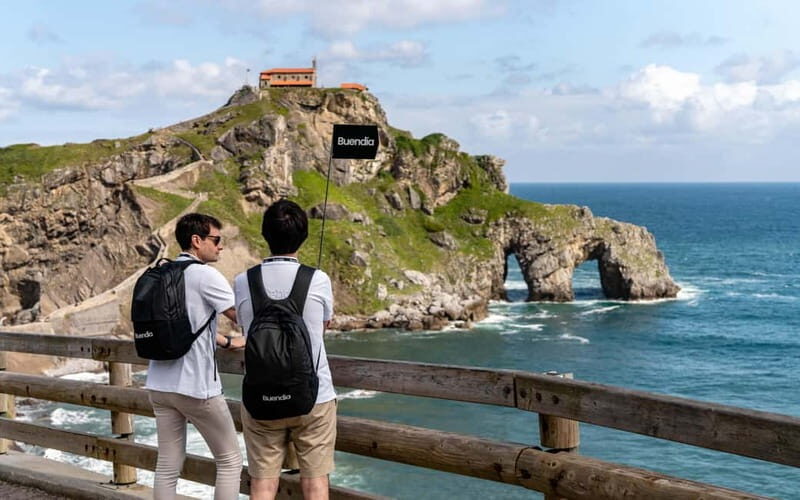
This is the one I’d pick if you only have one day to see the Basque coast. Ten hours sounds long, but you are covering five different stops and a wine tasting at a local bodega. At $58 per person, it is also the cheapest full-day option, which almost feels like a mistake on their part.
The guide Aitor gets mentioned repeatedly by name in visitor feedback — he apparently does not stop talking the entire bus ride, in a good way. Bilingual commentary in English and Spanish, with deep knowledge of Basque history and culture. The itinerary hits Gaztelugatxe, Bermeo’s old port, Mundaka (where you can watch the surfers), Gernika’s Peace Museum, and finishes with a txakoli wine tasting at a hilltop winery.
The catch: ten hours is a full commitment. You won’t be doing anything else that day. But honestly, by the time you get back to Bilbao, you won’t want to.
2. Gaztelugatxe, Gernika, and Mundaka Guided Tour — $61
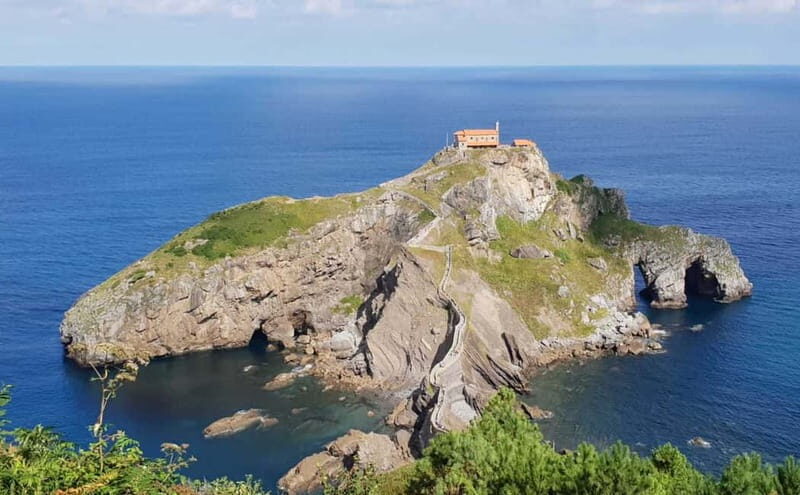
If ten hours feels like too much, this six-hour version at $61 strips the itinerary down to the essentials: Gaztelugatxe, Gernika, and Mundaka. No wine tasting, no Bermeo stop, but you are back in Bilbao by early afternoon.
Guide Adur is the standout here — visitors describe him as having the kind of deep local knowledge that turns a sightseeing trip into something you actually remember. The feedback is consistently strong, with people specifically recommending him by name.
This is the better choice if you want to spend the evening in Bilbao itself. The Guggenheim stays open until 8pm most days, and the pintxos bars in Casco Viejo really get going after 7pm.
3. Gaztelugatxe, Mundaka and Gernika Tour with Lunch — $83
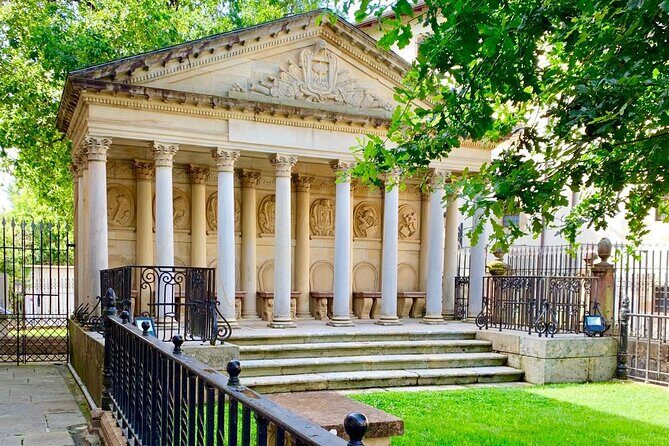
The $83 price tag is higher than the other two, but this is a small-group tour with lunch included at a restaurant in Mundaka. Not a packed lunch, not a voucher — an actual sit-down meal with Basque food.
Six hours total, same core itinerary as tour #2 (Gaztelugatxe, Gernika, Mundaka), but the smaller group size means less waiting around and more time for questions. Guide Nora gets praised for her humor and knowledge.
If you’re traveling with someone who cares about food — or if you just don’t want to deal with finding lunch on your own in a town where you don’t speak Basque — this is the one. The included lunch at a local spot in Mundaka is exactly what you’d want after climbing 241 steps.
What You’ll Actually See
San Juan de Gaztelugatxe
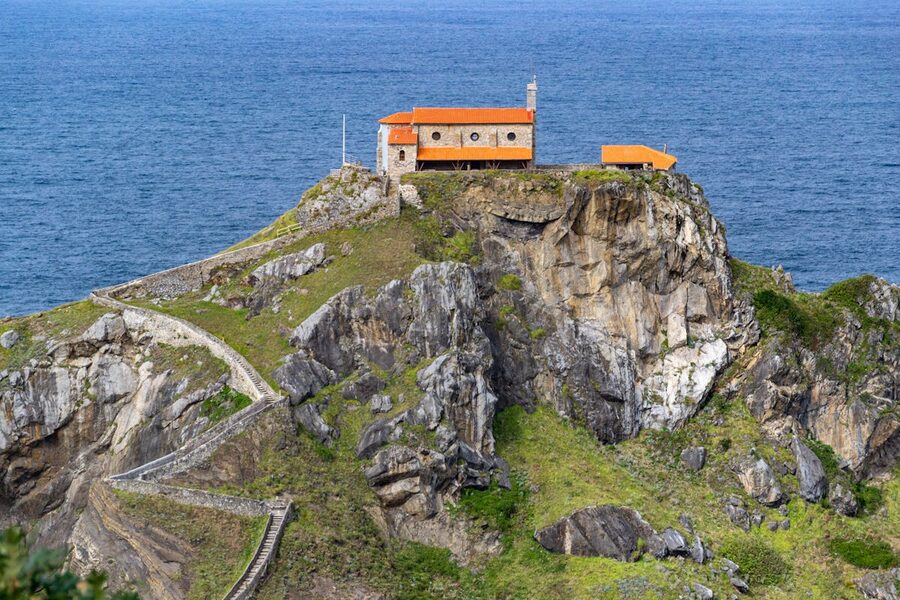
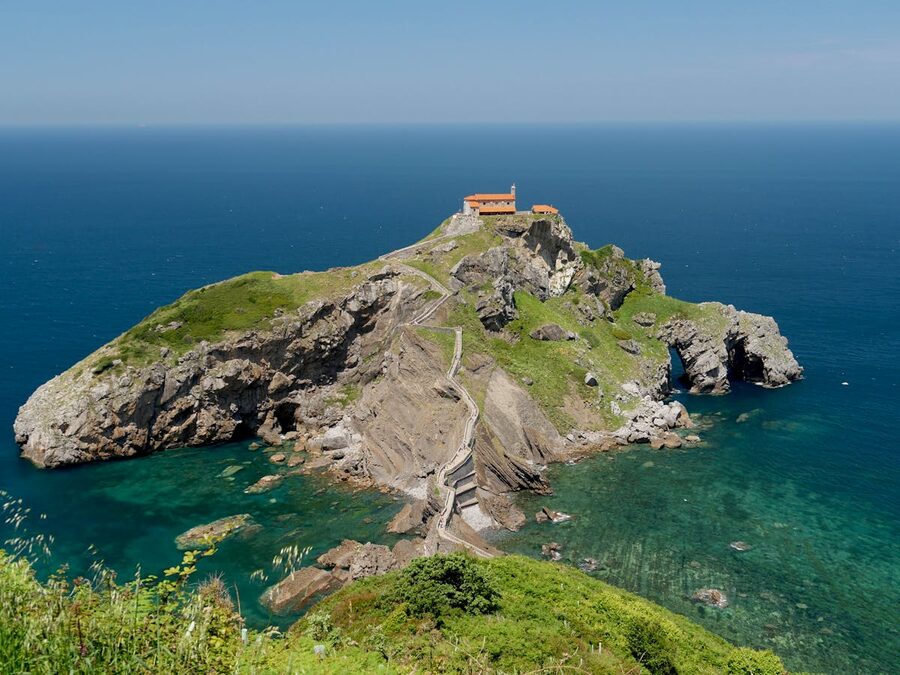
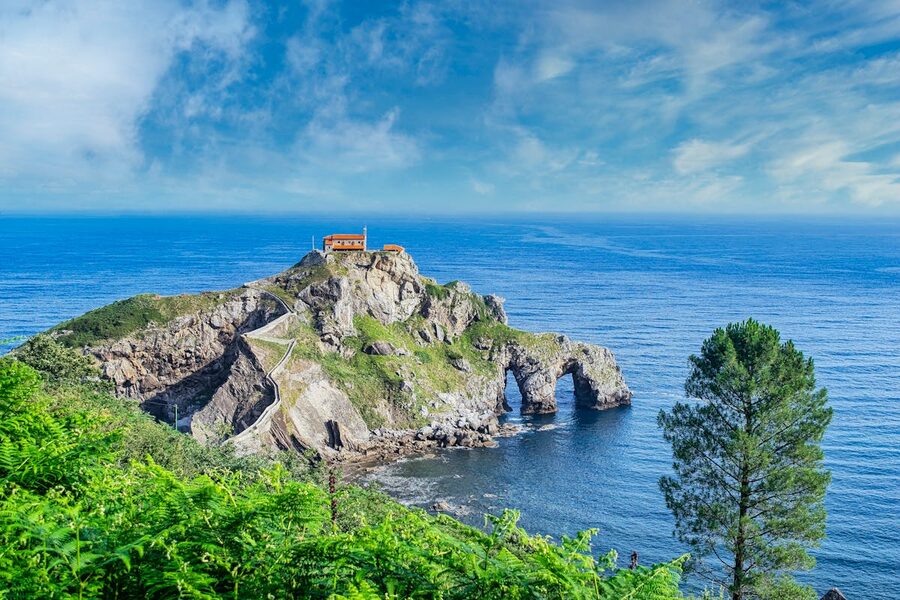
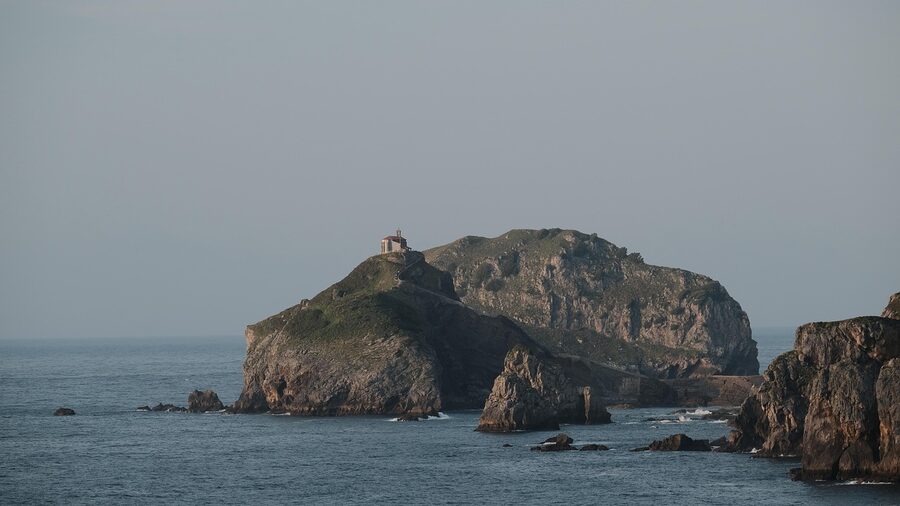
The hermitage itself is tiny — a single room dedicated to John the Baptist, dating back to the 10th century. It has been rebuilt several times after fires, raids by English pirates (yes, really), and general Atlantic weather damage. The building is not the point. The point is the walk, the views, and the feeling of being at the edge of something.
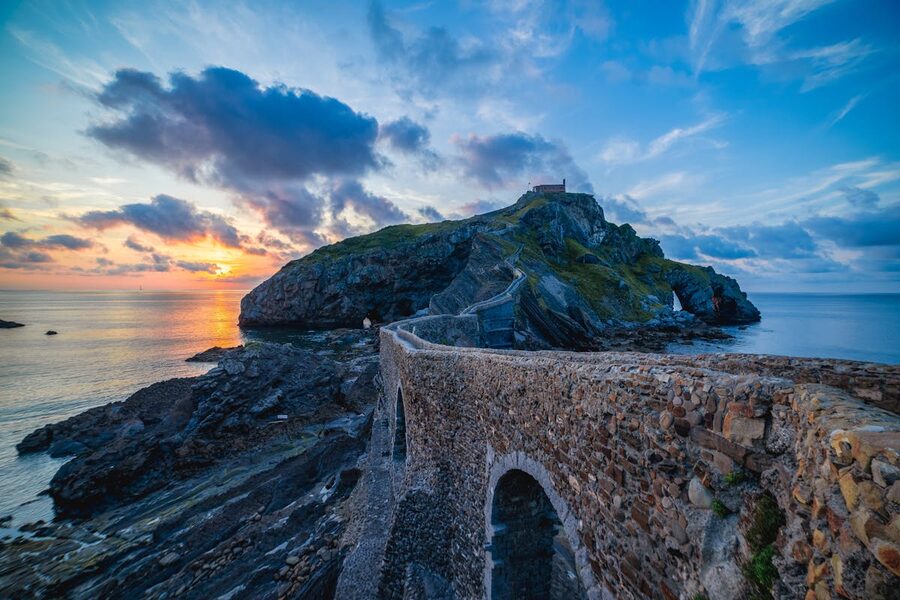
The islet connects to the mainland via a dramatic stone bridge. The 241 steps zigzag up the rock face. It is not a difficult hike by any measure, but it is exposed and there is no shade. On a hot day, bring water. On a windy day, hold onto your hat.
Game of Thrones used this location for Dragonstone in Seasons 7 and 8. The production team added some CGI castle elements, but the path, the bridge, and the rock are all real. If you’ve seen the show, you’ll recognize it instantly.
Bermeo
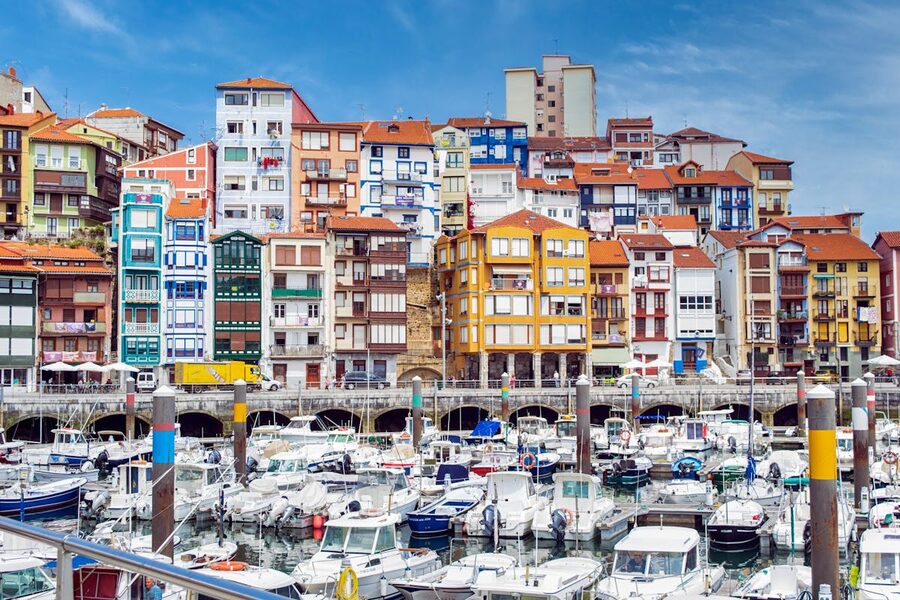
Bermeo doesn’t try to be charming for travelers. It just is. The old port is ringed with colorful houses, fishing boats are tied up along the quay, and the restaurants serve whatever came in that morning. Order the grilled hake or the marmitako (Basque tuna stew) and skip anything that looks like it was designed for visitors.
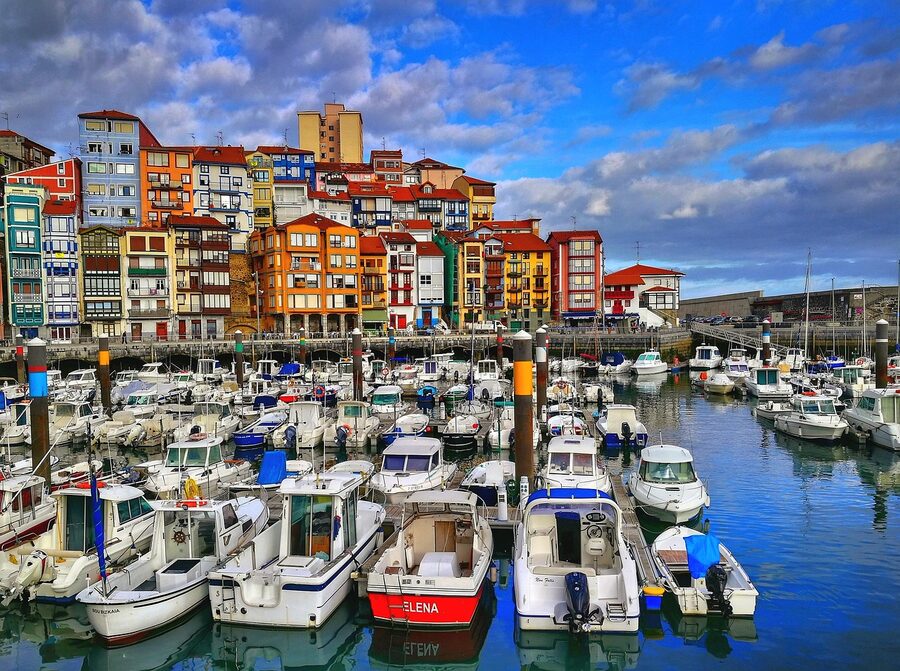
The Fishermen’s Museum is small but worth a look if your tour schedule allows it. It covers Bermeo’s history as one of the most important whaling ports in the Bay of Biscay — Basque whalers were hunting as far as Newfoundland by the 1500s.
Gernika (Guernica)
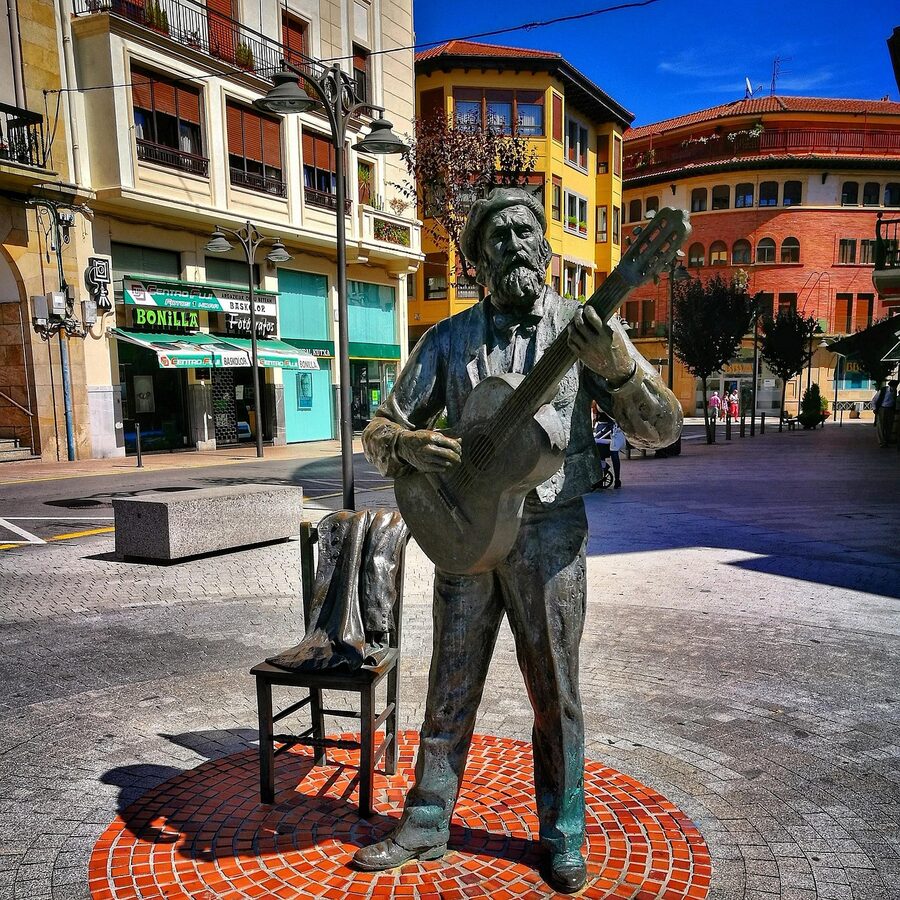
On April 26, 1937 — a Monday market day — the German Luftwaffe bombed Gernika at the request of Franco’s Nationalist forces. The attack on a civilian population was unprecedented at the time and killed an estimated 150-300 people (exact numbers are still debated). It was effectively a rehearsal for the blitzkrieg tactics that would define World War II.
Picasso painted his response within weeks. The original Guernica hangs in the Reina Sofia in Madrid, but there is a full-scale reproduction in the town itself, along with the Gernika Peace Museum. Most tours give you about 45 minutes here, which is enough for the museum but not much else.
The town also has the Assembly House of Gernika and the ancient oak tree where Basque laws were traditionally proclaimed. The current tree is relatively young, but the tradition is centuries old — it represents Basque self-governance and remains politically significant today.
Mundaka
Mundaka is a small village at the mouth of the Urdaibai estuary. It is famous in surfing circles for having one of the best left-hand wave breaks in Europe, and on a good swell day, you can watch surfers from the harbour wall.
Even without waves, Mundaka is a pleasant stop. The village is compact and walkable, the estuary views are excellent, and the restaurants do good seafood at prices lower than Bermeo or Bilbao. Several tours use Mundaka as the lunch stop.
When to Visit Gaztelugatxe
Best months: April to June and September to October. The weather is warm enough for comfort, the crowds are manageable, and you don’t need the summer reservation system (which runs June through September).
Summer (July-August): Hot, crowded, and you’ll need a free reservation permit booked in advance online. Morning slots fill fast. If you are visiting in peak summer, book your tour well ahead — they sell out.
Winter: The hermitage is technically accessible year-round, but the path can be dangerous in wet or stormy weather. Tours sometimes cancel due to conditions. The Atlantic gets serious here in winter — beautiful to watch from a distance, less fun to be caught in.
Time of day: Morning tours arrive when the light is flat and the crowds are building. Afternoon visits get better light for photos and fewer people, but you need to watch the clock for last entry times. If you’re going independently, aim for late afternoon on a weekday.
Getting from Bilbao to Gaztelugatxe
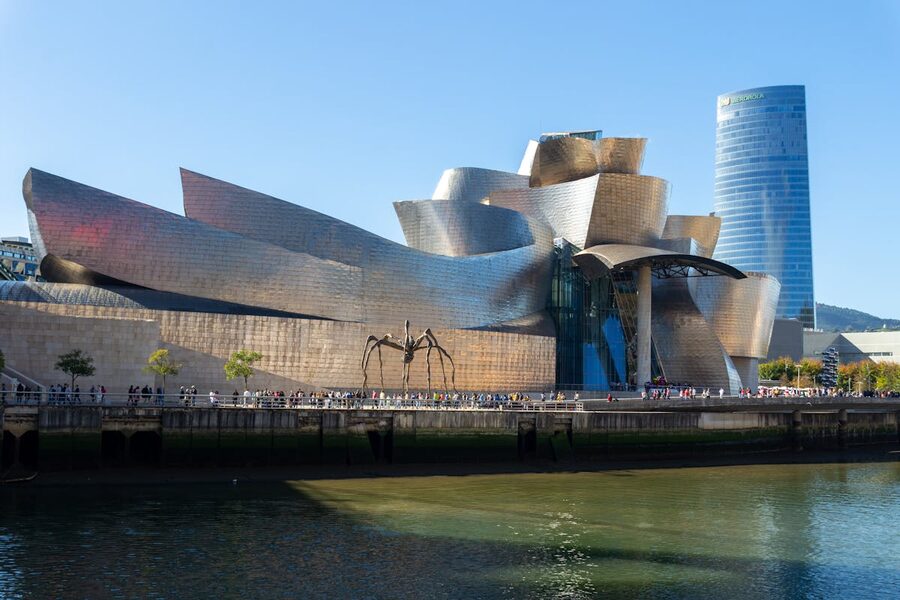
By tour: All three tours listed above depart from central Bilbao, typically near the Guggenheim Museum area or Plaza Moyua. They include round-trip transport. This is by far the easiest option.
By car: Take the BI-631 north from Bilbao toward Bakio. The drive is about 35-40 minutes without traffic. Follow signs to San Juan de Gaztelugatxe from Bakio. Parking is ~5 euros at the main lot near the San Pelaio viewpoint. From the car park, it’s about a 20-minute walk downhill to where the stone bridge starts.
By bus: Bizkaibus line A3527 from Bilbao’s Termibus station to Bakio (about 50 minutes, runs roughly hourly). From the Bakio bus stop, it is a 3.5km walk (40-45 minutes on foot) to the Gaztelugatxe car park. Not the most convenient option, and you won’t be able to combine it with Bermeo or Gernika without a car.
Tips That Will Save You Time
- Book the summer reservation early. June through September, the free entry permits go fast. Check gaztelugatxekodonea.eus about two weeks before your visit.
- Wear proper shoes. The stone steps are uneven and can be slippery, especially after rain or morning dew. Trainers minimum, hiking shoes preferred.
- Bring water and sunscreen. There is zero shade on the path or at the top. On a clear summer day, the reflection off the stone adds to the heat.
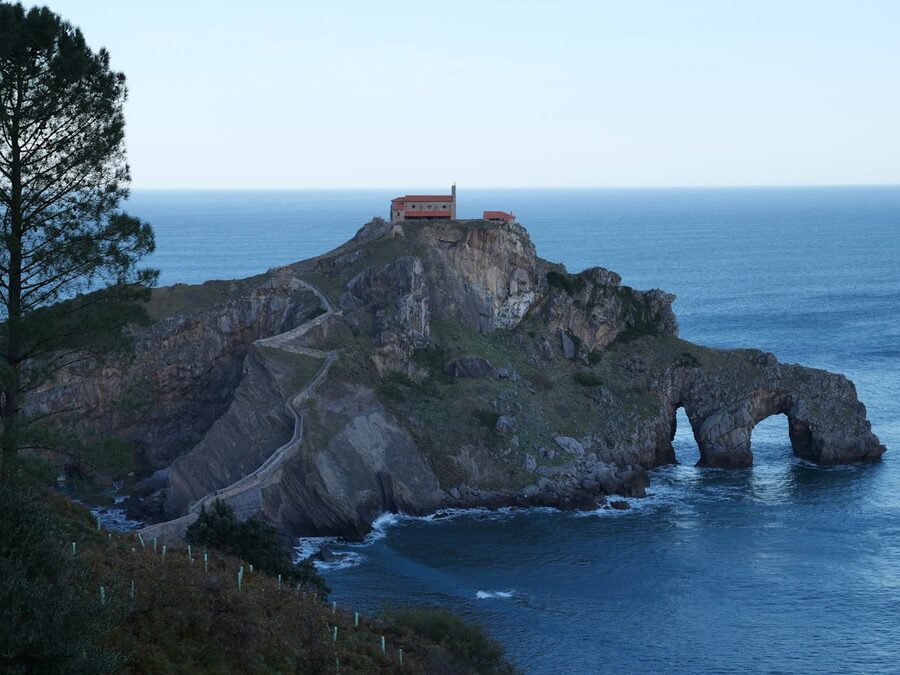
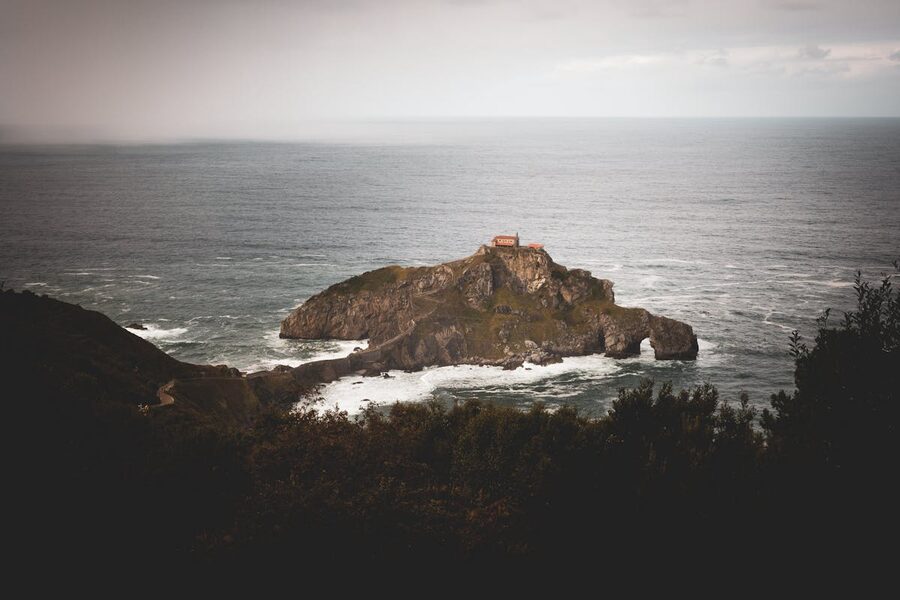
- Don’t skip the viewpoint. The mirador at San Pelaio (near the car park) gives you a spectacular view of the islet before you even start walking. Some people prefer this view to the one from the top.
- Budget 90 minutes for the walk. That’s 20 minutes down to the bridge, 20-30 minutes up the steps, 10-15 minutes at the top, and 20-25 minutes back up to the car park. Tours usually give you 60-90 minutes total.
- The bell at the top: ring it three times and make a wish. It is the tradition. Skip it and the other visitors will look at you funny.
- Photography: Early morning and late afternoon give the best light. Midday is harsh and flat. If you care about photos, factor this into your timing.
The Basque Coast Beyond Gaztelugatxe
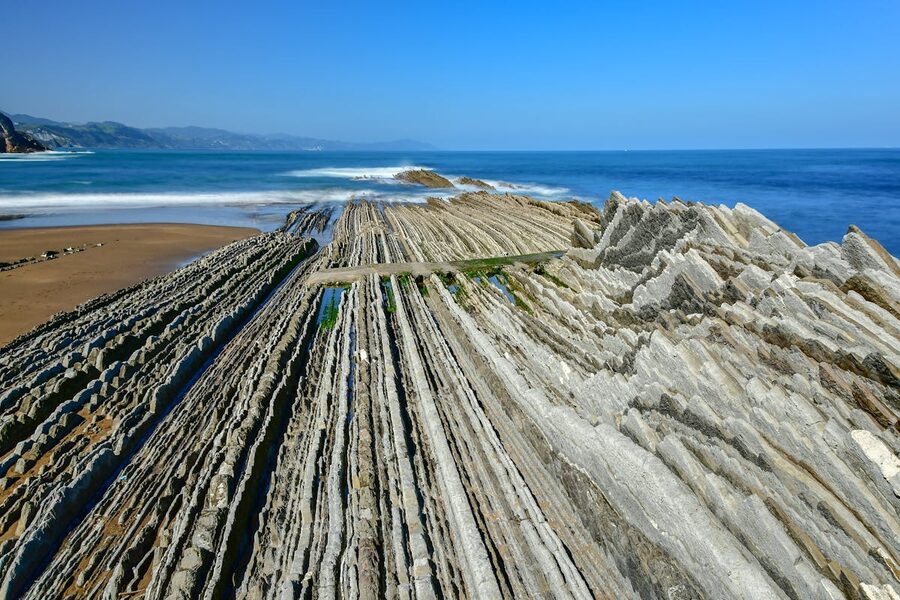
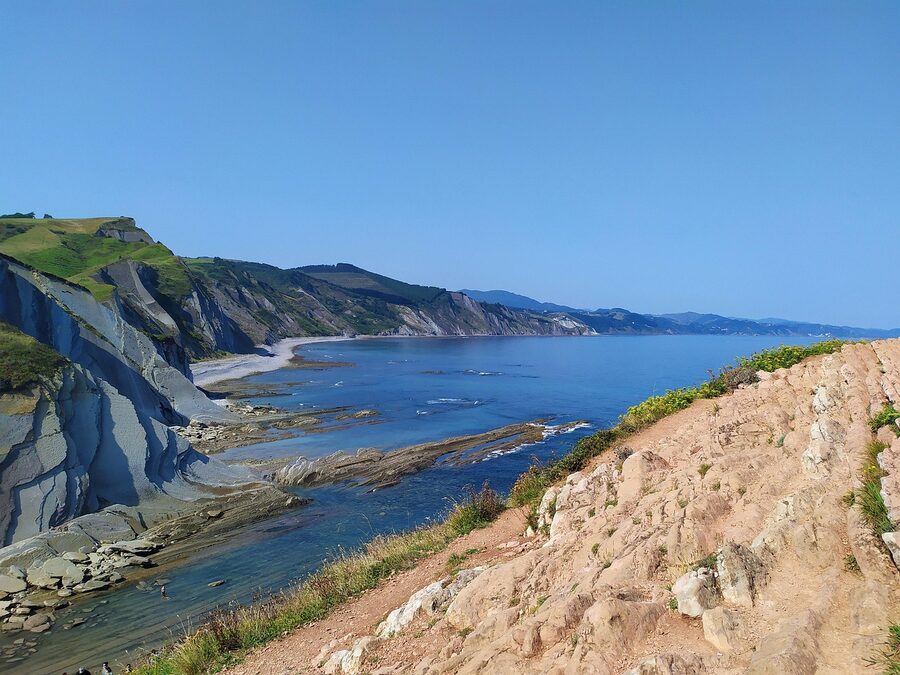
If the Gaztelugatxe visit gives you a taste for the Basque coastline, the Flysch Route near Zumaia is the natural next step. The geological formations there are 60 million years old — layers of rock tilted almost vertical, each one representing a different geological era. The dinosaur-killing asteroid impact? There is a thin dark line in the rock that marks exactly that moment. You can walk right up and touch it.
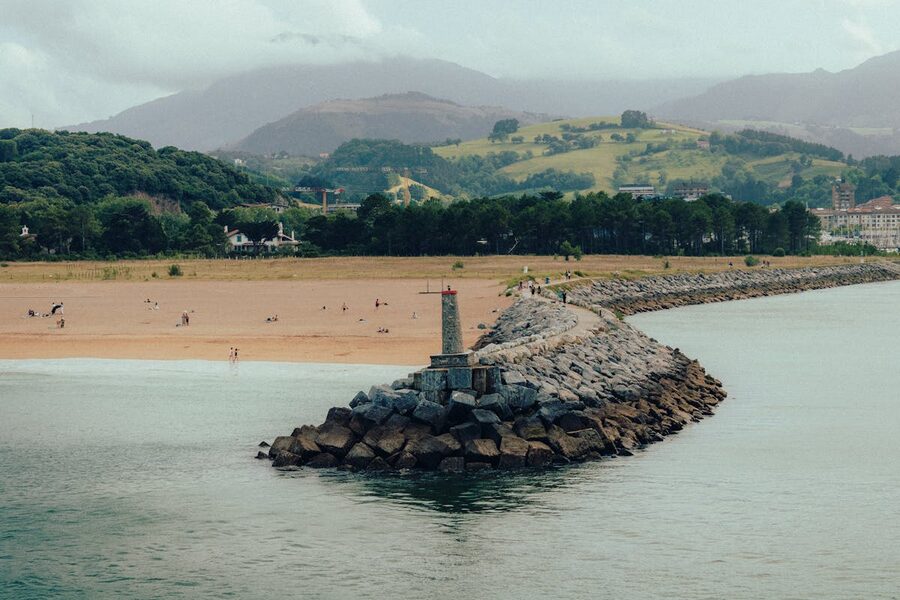
The beach at Itzurun in Zumaia was also used in Game of Thrones — it doubled as Dragonstone Beach in Season 7. So if you’re doing a Thrones pilgrimage, the Basque Country actually has two major filming locations within an hour of each other.
Bilbao Itself
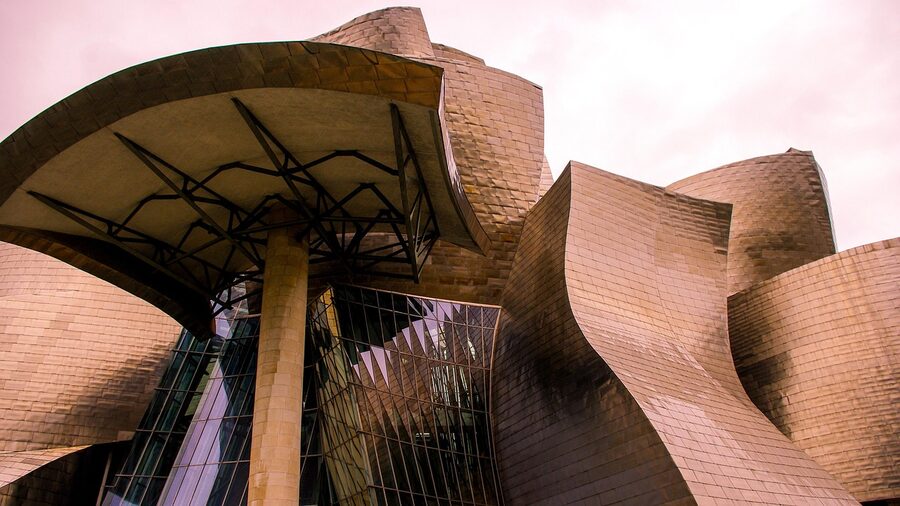
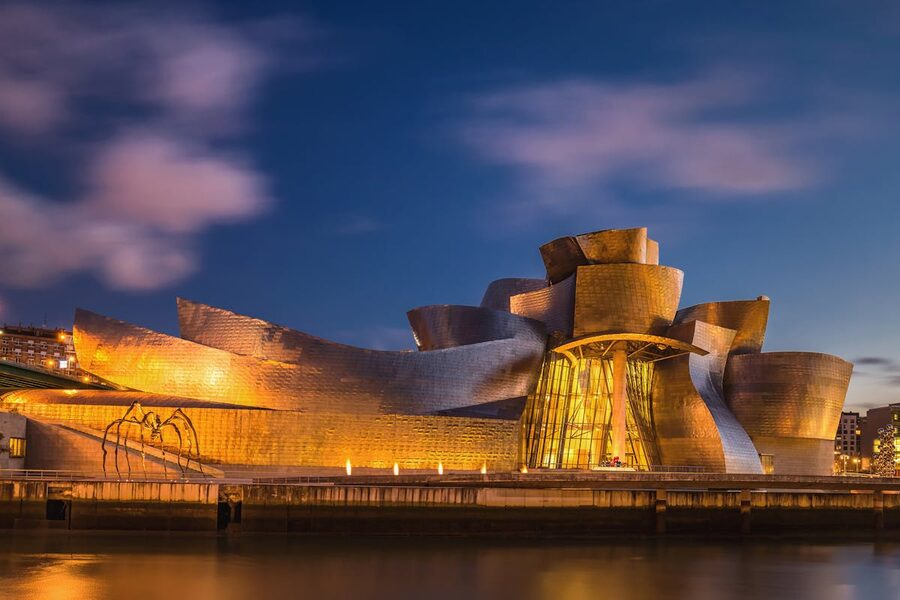
Most visitors use Bilbao as a base for the Gaztelugatxe trip, and it is worth spending at least a day in the city itself. The Guggenheim Museum alone justifies the stop — not just the art inside, but the building itself and the sculptures around it (the giant spider, the puppy made of flowers, Jeff Koons’ metallic tulips).
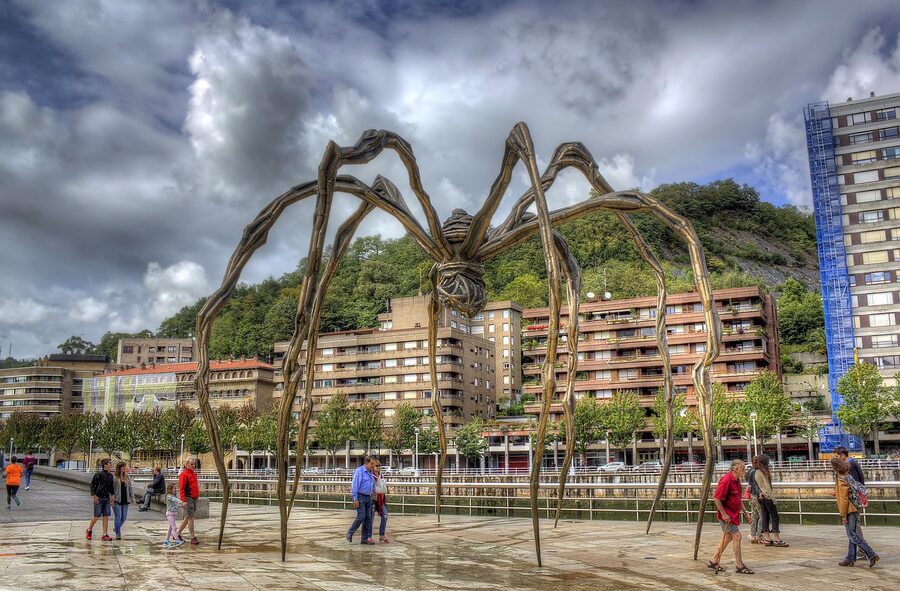
The Casco Viejo (old town) is where you eat. The pintxos bars along Calle Ledesma and around Plaza Nueva are some of the best in Spain. Order by pointing, eat standing up, keep the toothpicks (they count them at the end to calculate your bill), and drink txakoli — the slightly sparkling local white wine that gets poured from a height.
Planning the Rest of Your Spain Trip
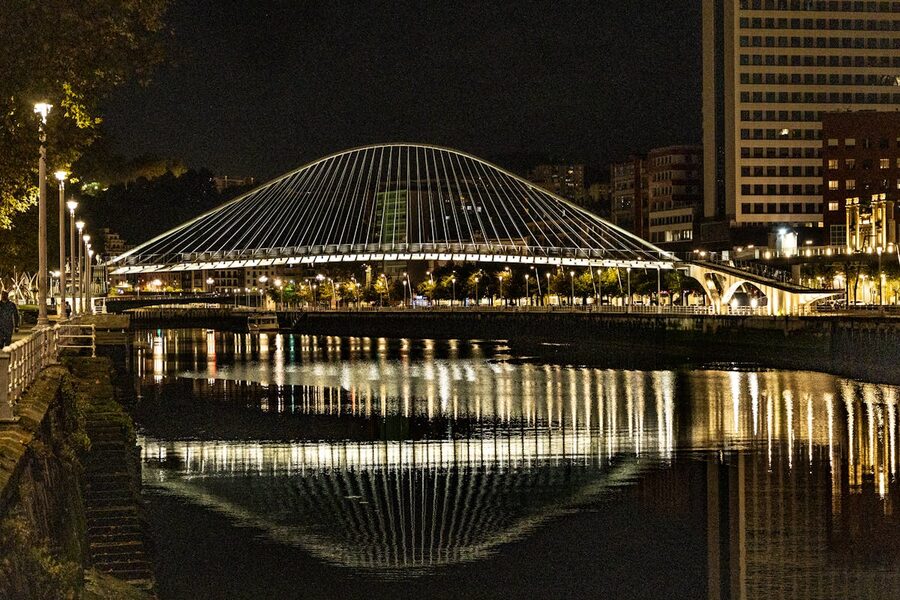
If you’re exploring the Basque Country, Bilbao makes a solid base for 3-4 days. The Gaztelugatxe day trip covers the coast, and you’ll want at least one full day in the city for the Guggenheim, the old town pintxos circuit, and a walk along the Nervion River. From Bilbao, it is also easy to reach San Sebastian (about 90 minutes by bus) for a day of beaches and what many people consider the best food city in Spain.
Further afield, if you’re heading south to Madrid, the El Escorial day trip covers a very different side of Spanish history. For Andalusia, our guides to booking flamenco in Seville, flamenco in Granada, and the Albaicin sunset walk in Granada are all worth a look. And if Barcelona is on your list, the paella cooking class guide and three countries tour from Barcelona cover two of the best bookable experiences there.
This article contains affiliate links. If you book a tour through one of our links, we earn a small commission at no extra cost to you. This supports our site and helps us keep writing independent travel guides.