This experience made our article of 12 Best Brewery Tours In Tokyo.
- An Authentic Day Trip Through Ibaraki’s Hidden Treasures
- Key Points
- An In-Depth Look at the Tour Experience
- Starting Point and Transportation
- Visiting Japan’s Largest Stone Quarry
- Sake Brewery Tour and Tasting
- Matcha Tea Ceremony at the Museum
- Lunch in Kasama — Japan’s Chestnut Capital
- Flexibility and Potential Changes
- The Practical Side: What You Need to Know
- Cost and Value
- Group Size and Language
- Accessibility and Logistics
- Timing and Duration
- Who Will Enjoy This Tour?
- Final Thoughts: Who Should Consider This Tour?
- Frequently Asked Questions
- The Best Of Tokyo!
- More Food & Drink Experiences in Tokyo
- More Tours in Tokyo
- More Tour Reviews in Tokyo
An Authentic Day Trip Through Ibaraki’s Hidden Treasures
If you’re looking for a day outside Tokyo that offers a blend of natural beauty, craftsmanship, and local flavor, the Ibaraki Stone Quarry & Sake Brewery Tour with Matcha Experience could be just the ticket. For around $162, you’ll spend about 11 hours exploring Ishikiri Mountains, home to Japan’s largest stone quarry, and enjoying traditional sake brewing at a 150-year-old brewery. The tour also includes a serene matcha tea ceremony at a museum and a flavorful chestnut lunch in Kasama, Japan’s top chestnut-producing region.
What we love most about this experience is how it balances visual marvels with cultural insights. The contrasting scenery of rugged quarry landscapes and peaceful ginkgo-lined tea rooms keeps the day interesting. Plus, tasting sake brewed with pure groundwater and learning the art of matcha preparation adds a hands-on touch that makes the whole trip feel authentic.
A potential drawback is that the tour relies on a Japanese-speaking guide using a translation app, which might limit in-depth explanations for some travelers. Also, if you’re expecting a guided tour with detailed historical commentary, this setup might seem a bit pragmatic. Still, for those eager to experience local industries and scenery without the hassle of planning, it’s a practical choice.
This tour suits travelers who enjoy learning about local craftsmanship, appreciate stunning natural views, and want a day trip that combines history, culture, and regional flavors without breaking the bank. It’s perfect for curious adventurers who are comfortable with a guided, group experience.
👉 See our pick of the Our Picks For The 11 Best Workshops & Classes In Tokyo
Key Points
- Authentic Experience: Visit Japan’s largest stone quarry and a historic sake brewery, gaining a genuine taste of local industry.
- Cultural Insights: Participate in a traditional matcha tea ceremony, surrounded by beautiful ginkgo trees.
- Scenic Diversity: Enjoy contrasting views from rugged quarry landscapes to peaceful tea rooms.
- Local Flavors: Savor seasonal chestnut rice in Kasama, a region famous for its chestnuts.
- Convenient Transportation: Round-trip bus service simplifies logistics, with a guide using translation app for effective communication.
- Value for Money: For $162, you get a full day of cultural and scenic exploration, including a seasonal lunch.
You can also read our reviews of more food & drink experiences in Tokyo


An In-Depth Look at the Tour Experience
Starting Point and Transportation
The adventure begins at Parks Ueno Store, a familiar and accessible meeting point in Tokyo’s Taito ward. From there, a comfortable bus whisks you away to Ibaraki, making the transit part of the experience rather than a hassle. The round-trip transport is included, which means you avoid the stress of navigating public transit or renting a car. The group size is capped at 30, ensuring a manageable and somewhat intimate atmosphere.
Visiting Japan’s Largest Stone Quarry
The first highlight is the Ishikiri Mountains and their massive stone quarry, where Inada stone, called the “white lady,” is mined. This vast outdoor space offers a fascinating glimpse into Japan’s construction materials and a chance to see imposing quarry machinery and stone-cutting operations. The landscape itself is quite striking — a rugged, open environment that contrasts sharply with Tokyo’s urban sprawl.
What we appreciate here is the opportunity to learn about the quarry’s significance, not just as a source of building material but as part of Japan’s ongoing craftsmanship. One reviewer remarked, “We loved the way the quarry was both impressive and peaceful, with a strange beauty in the raw stone and open sky.”
Sake Brewery Tour and Tasting
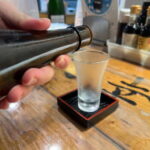
Next, the tour visits Isokura Sake Brewery, which has been operating for over 150 years. Here, you’ll witness the sake brewing process, particularly how Ishitsusui groundwater is used — a key ingredient that’s said to give the sake its pure flavor. You’ll also get to sample several varieties of sake, which is a delightful way to understand Japan’s traditional brewing techniques.
While the guide isn’t a licensed sake expert, their explanation — aided by a translation app — still provides interesting insights. Expect to learn about the history of the brewery and the importance of water quality in sake making. Many visitors comment on the historic atmosphere of the brewery, which adds depth to the tasting experience. One visitor said, “The sake was surprisingly smooth, and I loved hearing about the long history behind it.”
You can also read our reviews of more drinking tours in Tokyo



Matcha Tea Ceremony at the Museum
A peaceful highlight is the matcha tea experience at the Ibaraki Prefectural Museum of History. Surrounded by the golden hues of ginkgo trees, you’ll observe or participate in a traditional matcha preparation. This isn’t just about drinking tea — it’s about understanding an art form that embodies patience and mindfulness.
Expect a small, contemplative ritual that offers a glimpse into Japanese tea culture. It’s a calming moment amid the day’s busier activities. Visitors often comment on how serene and authentic this part of the tour feels.
Lunch in Kasama — Japan’s Chestnut Capital
No regional tour would be complete without savoring local flavors. Lunch in Kasama features a seasonal chestnut rice dish, highlighting the region’s reputation for high-quality chestnuts. This simple but flavorful meal is included in the tour price and provides a satisfying break.
Kasama’s charm lies in its small-town atmosphere and attention to regional specialties. Many travelers find this lunch to be the perfect blend of tradition and taste, giving them a real sense of local life.
Flexibility and Potential Changes
It’s worth noting that the itinerary might shift depending on traffic or weather conditions, and the tour may visit attractions in a different order. Also, since it’s operated for both Japanese and foreign customers, some explanations are delivered via a translation app rather than in-depth guide commentary.
The Practical Side: What You Need to Know
Cost and Value
For $162, you receive round-trip transportation, a seasonal lunch, sake tastings, and unique access to sites not often visited by travelers. Considering the full day’s experience, it’s a fair value, especially if you’re interested in regional industry and natural scenery. The inclusion of a seasonal meal adds a local flavor that’s often missing in more generic tours.
Group Size and Language
With a maximum of 30 travelers, the group feels manageable. The Japanese-speaking guide uses a translation app to communicate, which works well enough for basic explanations. If you’re comfortable with this setup, it shouldn’t be a problem; if you prefer a licensed guide with fluent English, this might be a limitation.
Accessibility and Logistics
The meeting point at Ueno is central and easily reachable by public transport, making it straightforward to join. The tour doesn’t include hotel pickup or drop-off, so plan accordingly if your accommodation isn’t nearby.
Timing and Duration
The full day, at around 11 hours, means you’ll want to start early and be prepared for a full schedule. The tour’s pace is steady but not rushed, allowing enough time at each stop to appreciate the surroundings and participate fully.
Who Will Enjoy This Tour?
This experience is ideal for those who love off-the-beaten-path discoveries. Nature lovers will appreciate the quarry views and peaceful tea ritual, while culture buffs can enjoy the historic brewery and regional cuisine. It also suits travelers eager to see a different side of Japan beyond Tokyo’s busy streets.
If you’re someone who enjoys learning through hands-on experiences or are curious about traditional industries, you’ll find this tour rewarding. It’s less about guided commentary and more about participating in authentic local practices, which many find refreshing.
Final Thoughts: Who Should Consider This Tour?
This tour offers a genuine look at some of Ibaraki’s most unique features—its quarry landscape, historic sake brewery, and chestnut region. It’s perfect for travelers who appreciate visual drama, tasting local products, and cultural rituals in a relaxed setting. If you’re someone who prefers deep narratives or highly guided tours, you might find this experience a bit light on in-depth explanations; however, the authentic feel and scenic views make up for that.
The use of a translation app does mean the tour is accessible for non-Japanese speakers, but it also requires a little patience. For those interested in Japanese craftsmanship, scenic beauty, and regional flavors, this day trip offers a balanced, affordable, and memorable experience.
Ibaraki Stone Quarry & Sake Brewery Tour with Matcha Experience
Frequently Asked Questions
Is transportation included?
Yes, round-trip bus transportation from Ueno is included, making it easy and convenient to reach Ibaraki’s sights without extra planning.
Where does the tour start and end?
It begins at Parks Ueno Store and ends back in Ueno Station, both central locations in Tokyo.
What’s the best season for this tour?
The tour is designed to showcase autumn leaves, but the timing may vary based on weather and past years’ conditions. No refunds are given if the scenery isn’t as expected.
Is a guide with fluent English provided?
No, a Japanese-speaking guide uses a translation app to communicate, so explanations may be basic but sufficient for understanding key points.
How long is the tour?
The full experience lasts approximately 10 hours and 50 minutes, including transportation, sightseeing, and meals.
Are meals included?
Yes, a seasonal chestnut rice lunch is included, offering regional flavors and a break during the day.
Is the tour suitable for children or seniors?
Most travelers can participate, but consider mobility needs for walking around the quarry or brewery.
Can I customize the itinerary?
The schedule is fixed, but minor adjustments may occur depending on traffic or weather.
Is the scenery worth the visit?
Absolutely. The combination of natural quarry landscapes and tranquil tea ceremonies provides visually striking and culturally meaningful moments.
What should I bring?
Comfortable shoes, weather-appropriate clothing, and curiosity. Bringing a camera is recommended for capturing the scenic views.
In essence, this tour balances nature, tradition, and regional delicacies in a way that feels authentic and approachable. Whether you’re a seasoned traveler or new to Japan, it’s a well-rounded experience that showcases a different side of the country’s cultural tapestry.