
At the right moment in autumn, Obara’s pink shikizakura cherry blossoms flower beside red and gold leaves, a rare seasonal pairing that gives this Nagoya day trip its appeal. Add Eihoji Temple’s old ginkgo and Korankei’s maple-lined gorge, and you get three very different autumn scenes in one day.
I like that the route balances a temple visit with two outdoor foliage stops, and that the return ride from Nagoya is included. I also like the chance to see Korankei around dusk, when its foliage may be illuminated. The main catch is timing: bloom and leaf color shift from year to year, and traffic can shorten your time at the final stop.
- Key points before you book
- Three autumn sights, one long day
- Eihoji Temple: old trees and a garden pause
- Obara Shikizakura: cherry flowers in fall
- Korankei Gorge: the day’s main event
- Getting there, getting around and keeping on time
- What the price covers, and what it does not
- Who will get the most from this trip
- Should you book this autumn day trip?
- FAQ
- Where does the tour depart from?
- What time should I arrive at the meeting point?
- When is the Obara Shikizakura Festival scheduled?
- How long is the tour?
- How much time is spent at Korankei?
- Are meals included?
- What is included in the tour price?
- What languages does the guide speak?
- Can I bring luggage?
- Can I cancel for a refund?
- More Tours in Aichi
- More Tour Reviews in Aichi
Key points before you book
 1 / 7
 2 / 7
 3 / 7
 4 / 7
 5 / 7
 6 / 7
 7 / 7
- Obara’s unusual autumn blossoms: Around ten thousand shikizakura trees bloom alongside fall foliage, though the display depends on the season and weather.
- Three distinct stops: Visit Eihoji Temple in Tajimi, Shikizakura Park in Obara, and Korankei Gorge in Toyota.
- Korankei gets the most time: Plan for about two to three and a half hours there, depending on road conditions.
- A shared ride from Nagoya: Round-trip transport, tolls, parking and fuel are included; meals and personal costs are not.
- An early meeting matters: Meet at the Ministop near Nagoya Station’s Taikodori Exit at 10:00, and arrive ten minutes early.
- Timing is the big variable: Late-season trips can find the blossoms and leaves past their best, while festival traffic can affect the schedule.
Three autumn sights, one long day
This is a practical way to link three seasonal spots that would take more effort to reach independently. The first stop is a quiet temple garden, the second is known for cherry trees flowering in autumn, and the last is a well-known maple-viewing gorge. That change of pace is part of the day’s appeal: you are not simply moving between three similar photo stops.
The tour runs from Nagoya, with a scheduled 10:00 departure and an expected return around 20:00. The trip is shared, with group sizes listed from four to 49 people. The vehicle may be a car, minibus or bus, depending on the number of people booked, and seats are allocated on a first-come basis.
The guide provides information and departure instructions, then you explore each attraction on your own. That suits people who like clear logistics but want to walk at their own pace. It is less suited to anyone seeking a private guide who stays beside them throughout each site.
You can also read our reviews of more tours and experiences in Aichi.

Eihoji Temple: old trees and a garden pause
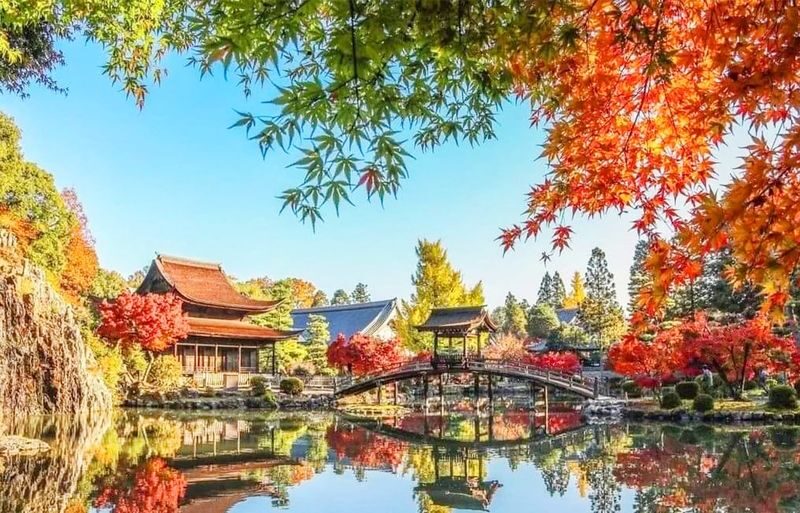
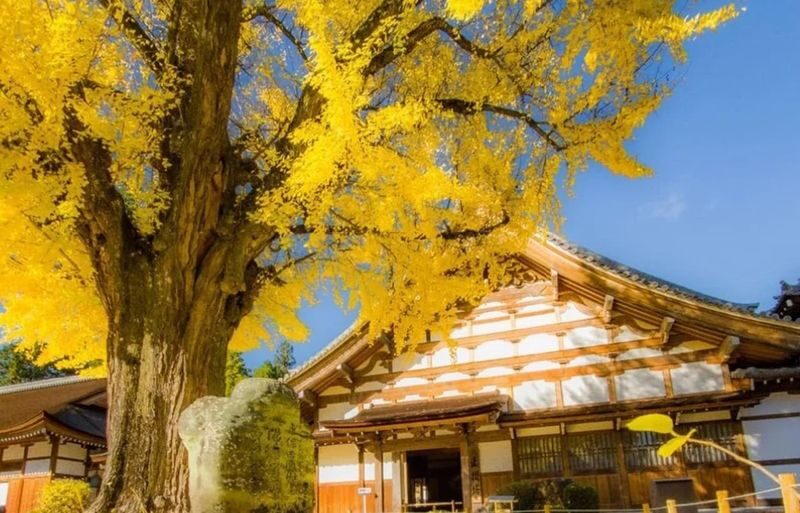
The first stop, Kokeizan Eihoji Temple in Tajimi, is scheduled for about 11:00, with an hour to explore. Its best-known autumn features are a ginkgo tree said to be more than 700 years old and red maples around the temple buildings and pond garden. The gold leaves and red foliage make a striking contrast, while the pond reflects the trees and traditional architecture.
I like the temple as the day’s opening stop because it offers a calmer setting before the crowds and festival atmosphere of the later attractions. The grounds bring nature and Buddhist architecture together, so the visit is more than a quick look at trees. But one hour is a tight allowance if you want to wander, take photographs and pause by the pond. Keep an eye on the departure time.
The stop is self-guided. Your tour leader should explain the meeting point and return time, but you should not count on a long, detailed guided walk through the grounds. A few visitors have found the explanations helpful and the timing well managed; others would have welcomed more information about each place. If you want context, read up on the temple before departure or ask the guide what time is available for questions.
Obara Shikizakura: cherry flowers in fall
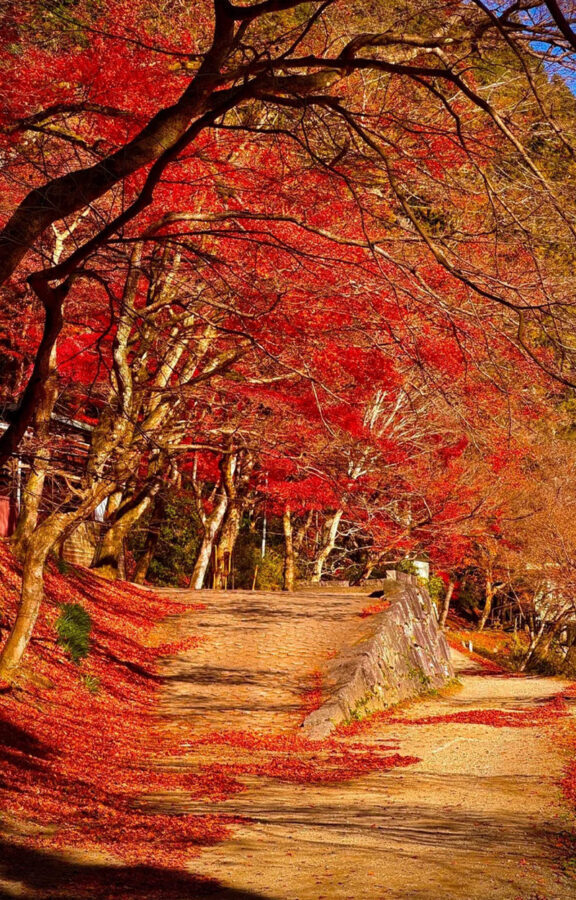
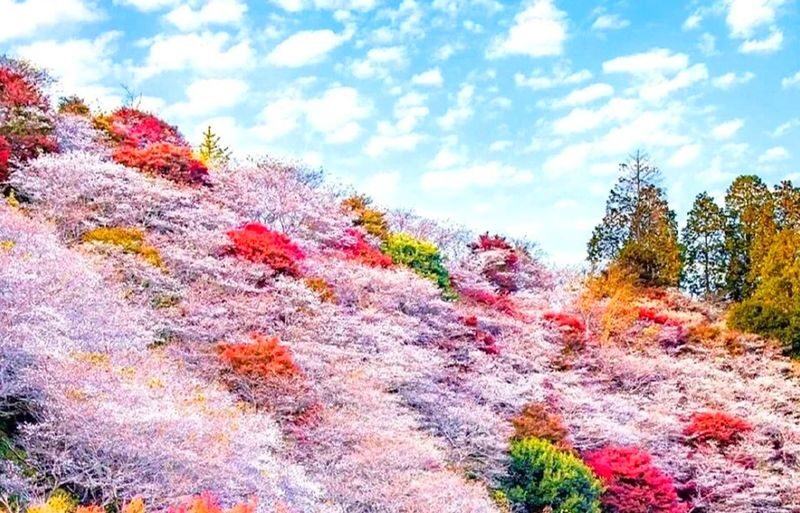
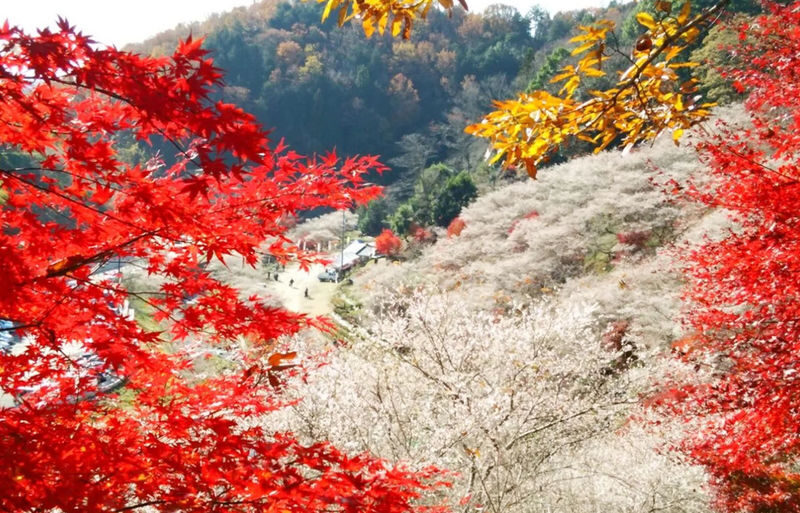
At about 13:15, the bus is due at Shikizakura Park for a roughly 30-minute visit. Obara’s shikizakura, or four-season cherry trees, are unusual because they bloom in autumn as well as at other times of year. During the festival, around ten thousand trees can flower among the red and yellow leaves, creating a mix of pale pink and fall color.
The short stop is enough for a walk and a few photographs if the flowers are out, but it is not a leisurely visit. Festival events and stalls run in the area, though what is open and available can vary. The tour information describes local food options at the attractions, but you should not rely on finding a full lunch at this stop. Bring something to eat or be ready to buy what is available.
The timing of the bloom is a real consideration. The festival is scheduled from November 16 to December 1, but a festival date does not guarantee peak blossoms. Some late-season departures have found the cherry branches gray and the maples past their best; on other days, the combination has been the highlight of the trip. If the flowers are your main reason for booking, check current seasonal updates close to your travel date and accept that nature does not follow the bus timetable.
Korankei Gorge: the day’s main event
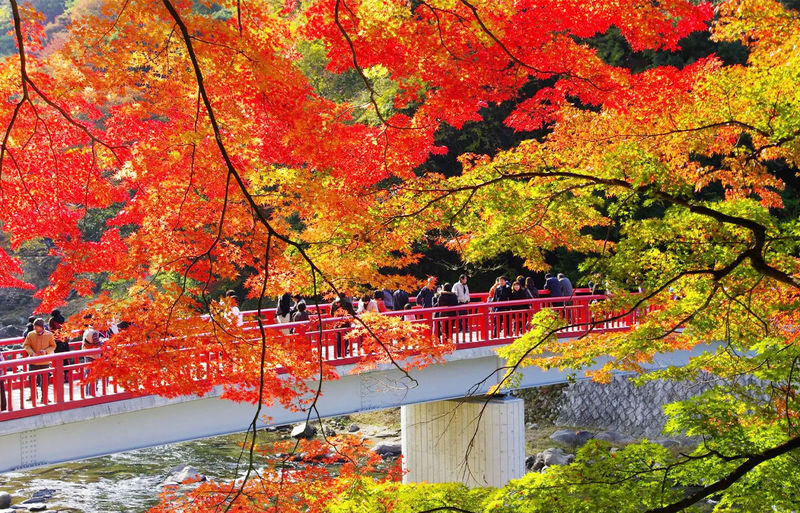
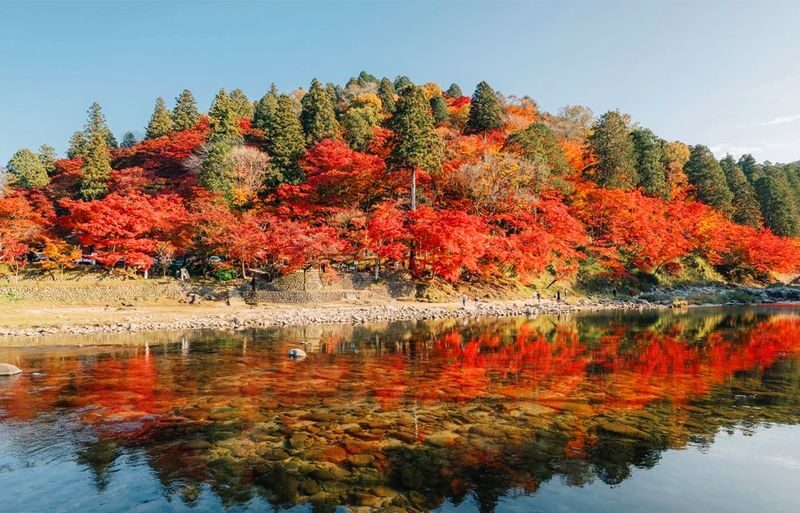
Korankei, in Asuke-cho in Toyota City, is the final stop and usually the longest. More than 4,000 maple trees, including 11 varieties, grow around the gorge and along the Tomoe River. In peak season, the hillsides turn red and gold, while the water catches the color. This is the stop most likely to reward a slow walk and a little time to look for changing views along the river.
The planned arrival is around 15:00. The actual stay can range from about 120 to 210 minutes, depending on traffic and the operator’s judgment about the return drive. If the bus reaches Korankei late, the stop may be cut to around two hours. If traffic is expected on the return, the group may leave earlier. The schedule lists a 18:30 departure and 20:00 return to Nagoya, but the actual arrival time can change.
A longer stay can allow you to see the gorge in daylight and, when the seasonal illumination is operating, after dark. The lights on the foliage are a treat, but they are not a reason to assume every visit will include a full evening there. Reviews of the trip describe both extended Korankei visits and earlier returns, so keep your evening plans flexible.
Korankei is also the best place to plan a meal, but do not leave lunch entirely to chance. Food stalls and local dining options may be open, and sweetfish udon has been recommended as a satisfying local choice. Still, festival crowds and opening hours can limit what you find. Bring cash and a snack, especially if you have dietary needs or prefer a proper lunch at a predictable time.
Getting there, getting around and keeping on time
The meeting point is the Ministop Tsubaki-cho Branch near Nagoya Station’s Taikodori Exit, at 5-10 Tsubakicho, Nakamura-ku. Be there at least ten minutes before the 10:00 departure. This is a shared tour, and late arrivals are not waited for or refunded, so allow time to find the correct exit and meeting spot.
The operator says it sends guide and vehicle details the evening before, usually between 18:00 and 21:00 Japan time. Check your inbox and spam folder, and use the latest message if more than one arrives. A few people have had trouble finding the tour leader at the meeting point when those details did not reach them, so save the contact information and meeting instructions as soon as they arrive.
The tour includes round-trip transfers, tolls, parking and fuel. You do not need to work out the connections between the three sites, which is a meaningful benefit during a busy foliage season. Driving yourself or coordinating public transport could make for a tiring day; on the bus, you can leave the route planning to the operator.
The trade-off is limited control. The route and stop lengths may change because of traffic, weather or site conditions, and the group must depart together. The tour does not allow you to leave midway and rejoin later. The driver’s legal working hours also limit how long the day can run, so a traffic delay may mean less time at a stop rather than a later return.
What the price covers, and what it does not
At a starting price of $56.85, the tour can be good value if you want to visit all three places in one day without arranging transport yourself. You pay for the ride and the essential road costs, while the schedule combines temple, cherry blossom and maple scenery. That is a lot of ground to cover for a day trip from Nagoya.
The price does not include meals, drinks, personal spending or entrance fees. The tour information says entrance fees, if applicable, are paid separately, so bring cash rather than assuming every cost is covered. There is no meal plan, and lunch is your responsibility. A packed snack can be useful even if you plan to buy food at a stop.
Guides are listed as Chinese, English and Japanese speaking, while the package is described as a Chinese- and English-speaking tour. The language balance can vary by guide and group. Some guide experiences have been particularly warm and organized: Nancy, Amy, Guo, Xiao Li and Li are among the names associated with helpful communication, clear departure instructions and practical assistance. These names are examples, not a promise of who will lead your trip. If you need English explanations throughout, ask the operator about language arrangements before booking.
Who will get the most from this trip
I would consider this tour if you have one day in Nagoya and want to see several autumn destinations without renting a car. It is a good fit for couples, families and solo visitors who are comfortable exploring independently at each stop and can keep plans flexible. The variety is especially appealing if you enjoy both temple grounds and seasonal scenery.
It may be a poor match if you need a fixed return time, want a long guided visit at each attraction or are visiting after the foliage and blossoms have faded. The bus may be full, and the vehicle type cannot be chosen. Children aged three and older pay the adult rate; children aged zero to two can join free if they do not need a separate seat. People aged 70 or older and pregnant participants must complete a liability waiver, according to the tour conditions.
Wear comfortable clothes and walking shoes, bring cash, and take a warm layer for Korankei. Temperatures can drop in the evening, and the return journey may be after dark. If you are bringing a standard piece of luggage, tell the operator when booking; space may be limited if luggage is not declared.
Should you book this autumn day trip?
Book it if the attraction of seeing three different seasonal settings in one day outweighs the loss of flexibility. The included transport makes the route manageable, and Korankei can be a memorable finish, especially when the foliage is strong and the evening lights are on.
Skip it if you are travelling late in the season and need peak color to justify the day, or if you cannot adapt to an early return or a shortened stop. The most useful booking advice is simple: aim for the festival period, check the current bloom and foliage conditions, pack lunch, and leave your evening schedule open. That gives you the best chance of enjoying the day for what it is: a convenient, weather-dependent autumn sampler.
Obara Shikizakura Festival & Korankei & Kokokusan Eihoji Temple Autumn Leaves Day Trip
“it's a very well planned and coordinated trip but I think our timing was a bit late in the season as the Ishizakura were all gray and the foliage w…”
FAQ
Where does the tour depart from?
It departs from the Ministop Tsubaki-cho Branch near Nagoya Station’s Taikodori Exit, at 5-10 Tsubakicho, Nakamura-ku.
What time should I arrive at the meeting point?
The scheduled departure is 10:00. Arrive at least ten minutes early. Late arrivals are not waited for and are not eligible for a refund.
When is the Obara Shikizakura Festival scheduled?
The festival is scheduled from November 16 to December 1. Flowering and foliage conditions vary with weather and season.
How long is the tour?
The planned day runs from 10:00 to about 20:00, though traffic and other conditions can change the schedule and return time.
How much time is spent at Korankei?
The stay is expected to be about 120 to 210 minutes, depending on traffic and the return schedule.
Are meals included?
No. Meals and drinks are not included, and you need to arrange your own lunch. Food may be available at the attractions, but availability can vary.
What is included in the tour price?
Round-trip transfers from the meeting point, tolls, parking fees and fuel are included. Meals, drinks, personal expenses and any entrance fees are not included.
What languages does the guide speak?
The activity information lists English, Chinese and Japanese-speaking guides. The package is described as a Chinese- and English-speaking tour, and language arrangements can vary.
Can I bring luggage?
One standard piece of luggage is allowed per person at no charge, but you need to note it when booking. Unannounced luggage may not fit in the vehicle.
Can I cancel for a refund?
A full refund is available if you cancel at least 24 hours before the activity date, in local time. Late arrivals and no-shows are not refunded.