Ise’s great shrine, pearl culture, and a pair of wave-lashed rocks make an appealing day out from Nagoya. I like the contrast between the quiet approach to Ise Grand Shrine and the lively food stalls of Okage Yokocho, and I like that the afternoon gives you a choice between pearl heritage and a full aquarium.
The trade-off is time. The shrine stop is only about two hours, and the afternoon is built around one paid attraction, not a leisurely visit to both. This is a useful ride-and-itinerary package, but plan to do some reading beforehand: the stops are self-guided, and the guide may focus more on timings than on detailed explanations.
Key points
- A small shared group: The tour runs with 4 to 9 people in a vehicle suited to the day’s group size.
- Ise’s Inner Shrine: Allow your two-hour stop for the shrine grounds and Okage Yokocho, where Akafuku mochi and Ise udon are local treats.
- Choose one afternoon visit: Mikimoto Pearl Island and Toba Aquarium are nearby, but the planned stop is for one attraction. Admission is extra.
- A short coastal finale: Futami Okitama Shrine’s Meoto Iwa, or Wedded Rocks, is a scenic place to finish the day.
- Transport is the main value: Round-trip travel from Nagoya saves you from arranging the long route yourself, while each destination remains largely independent.
- From Nagoya to Ise in a small group
- Ise Grand Shrine: a sacred walk, not a quick photo stop
- Okage Yokocho: make lunch part of the plan
- Choose pearls or marine life for the afternoon
- Meoto Iwa: a brief stop with a memorable view
- What the price buys, and what it does not
- Timing, weather, and a few useful cautions
- Should you book this Ise day trip?
- FAQ
- How long is the tour?
- Where does the meeting-point tour depart from?
- Is hotel pickup available?
- Which languages does the guide speak?
- Is admission to the afternoon attraction included?
- Do I visit both Mikimoto Pearl Island and Toba Aquarium?
- How many people are in the group?
- Can children join the tour?
- What is the cancellation policy?
- The Best Of Nagoya!
- More Tours in Nagoya
- More Tour Reviews in Nagoya
From Nagoya to Ise in a small group
The tour leaves Nagoya at 9:00 a.m. and is expected back around 6:30 p.m., though the return may be as late as 7:30 p.m. It is a long day, with the drive between Nagoya and Ise taking a substantial part of the schedule. Having transport arranged is the practical appeal: you can visit several places in one day without managing separate train, bus, and local transport connections.
The group is limited to 4 to 9 people. That usually means a smaller vehicle and a less crowded feel than a large coach, but the exact vehicle depends on the number of people booked. Seating is generally assigned on a first-come basis, and the operator cannot promise a particular vehicle or seat.
Think of the included guide as a Chinese- or Japanese-speaking guide, depending on the package, rather than assuming a full interpretive tour in English. The activity is largely self-guided at each stop. Some outings have had a driver who also gave brief explanations; the amount of commentary can vary, so a little advance reading will make the shrine and its customs more meaningful.
Guide assignments vary. Names used on different departures have included Mr. Wu, Ms. Liu Mei, Ms. Tao, Mie, Abu, and Mr. Lu. Do not book expecting a particular guide, but do expect to receive the guide and vehicle details by email the evening before. Check your spam folder, and arrive at the meeting point at least 10 minutes early. Late arrivals and no-shows are not refunded.

👉 See our pick of the 13 Best Workshops & Classes In Nagoya
Ise Grand Shrine: a sacred walk, not a quick photo stop
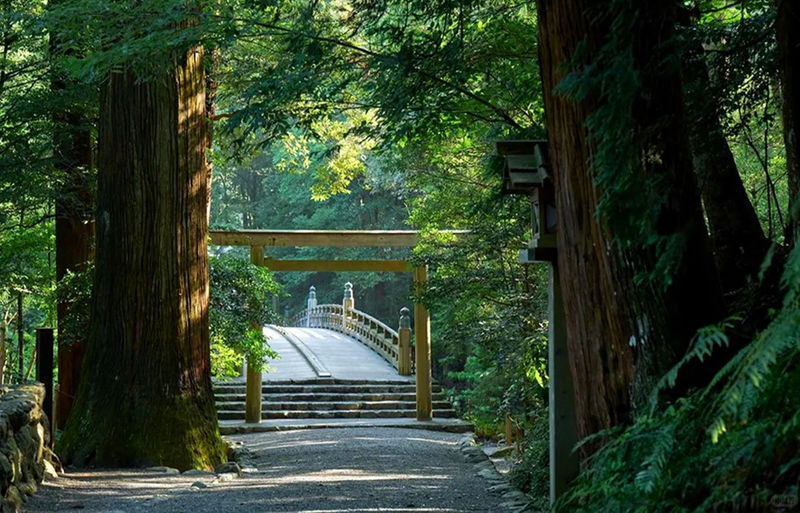
The first major stop is Naiku, the Inner Shrine of Ise Grand Shrine, dedicated to Amaterasu Omikami, the sun goddess. You enter across Uji Bridge and follow the approach into a large, wooded sacred precinct. The setting is restrained rather than showy. The walk itself, and the sense of ritual around the shrine, are central to the visit.
The schedule allows about two hours for the shrine and Okage Yokocho together. That is enough to see the main area at a steady pace and sample the nearby street, but it is not enough to explore every corner, spend a long time at lunch, and browse every shop. The grounds are extensive, and crowds on public holidays can slow your progress. If you have a particular shrine area or food stop in mind, decide before you arrive.
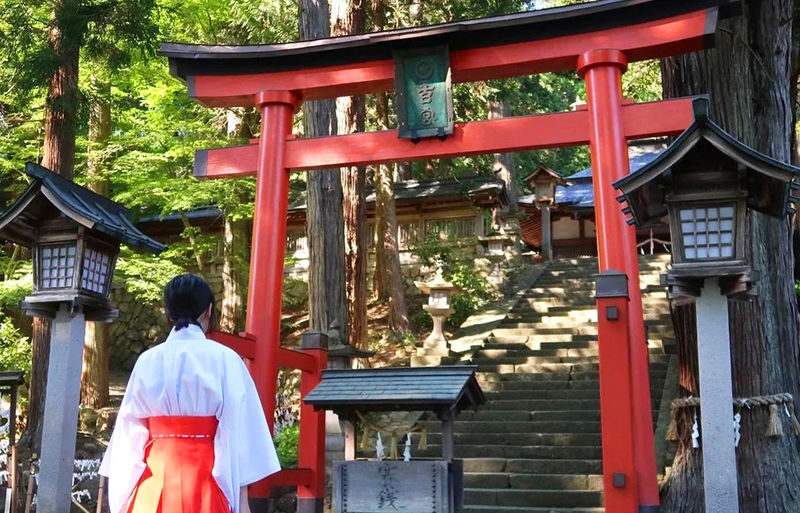
Shinto worship has customs worth observing. Approach the shrine respectfully, follow signs and instructions, and take cues from people around you. Since the stop is self-guided, the tour does not necessarily provide a detailed walk-through of the rituals. Reading a short introduction before the day helps you understand what you are seeing rather than simply moving through a beautiful setting.
You can also read our reviews of more tours and experiences in Nagoya.


Okage Yokocho: make lunch part of the plan
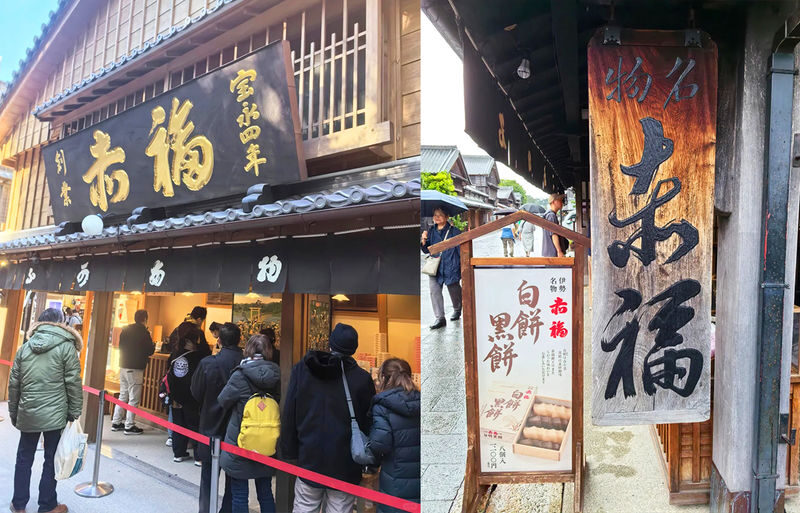
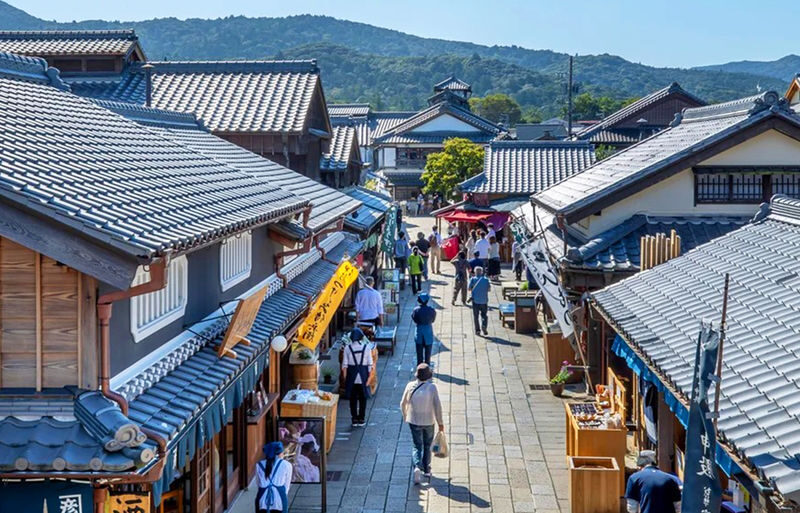
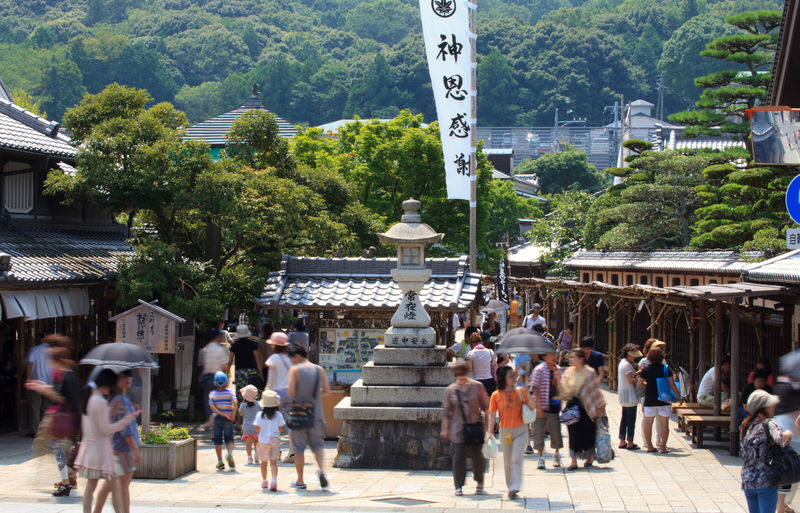
After the shrine, Okage Yokocho offers a change of pace. The old-style shopping street gathers food shops, small stores, and cultural attractions close to the shrine approach. It is a good place to try Ise specialties, but the two-hour combined stop means you will need to keep one eye on the clock.
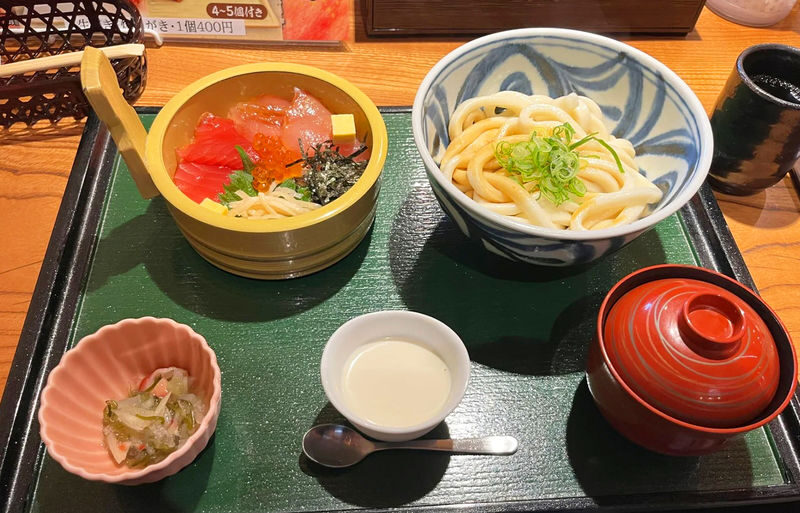
Akafuku mochi from the Akafuku main store is the classic sweet to look for. Ise udon is another local choice. You may also find other snacks that are easier to fit into a busy stop than a sit-down meal. Lines can eat into your time, especially on holidays or peak dates, so a quick lunch strategy is sensible.
If you want more context than the shopfronts provide, Okage-za presents three-dimensional images related to Japanese mythology and Ise culture. The Tokuriki Tomikichiro Print Museum is another option, with prints and souvenirs. These are appealing extras, but they compete with food, shopping, and the shrine walk for the same limited minutes.
Choose pearls or marine life for the afternoon
At about 1:30 p.m., the tour heads to the Toba area for roughly two hours. The scheduled choice is Mikimoto Pearl Island or Toba Aquarium. Admission is not included, and you pay for lunch and other personal purchases yourself. The two sites are close to one another, which can make visiting both seem tempting, but the official plan asks you to choose one. Treat both as a bonus only if the day’s timing and the guide explicitly allow it, not as something to count on.
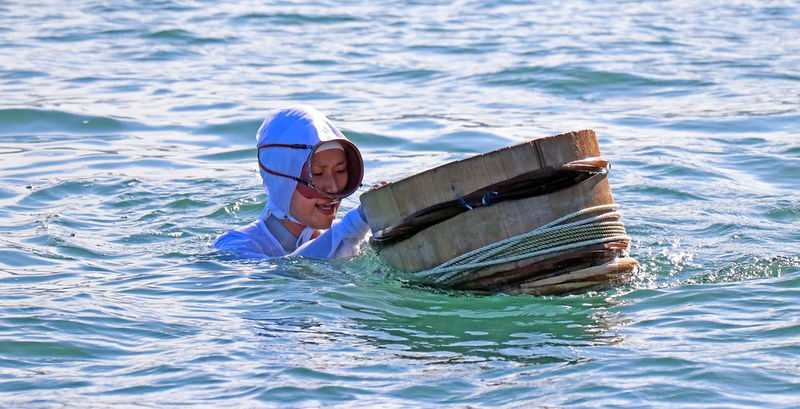
Mikimoto Pearl Island suits you if you are interested in pearl cultivation, local maritime tradition, or the story of Mikimoto Kokichi. You can visit the Pearl Museum and memorial hall, see pearl displays, and watch an ama pearl-harvesting demonstration. The performance follows a set schedule, so check its timing when you arrive and plan the rest of your visit around it.
The island is compact, and the demonstration is a central reason to go. You can also browse pearl jewelry, including Mikimoto pieces, but prices can be steep. Go for the cultural story and the demonstration first, and treat shopping as optional rather than the main event. The island’s Pearl Palace wishing well and heart-shaped Stone of Love offer photo stops, too.
Toba Aquarium is the stronger choice if you want a longer sequence of animal exhibits. It is described as the only aquarium in Asia where you can see dugongs, and its displays also include animals such as otters, penguins, and sea lions. Check the day’s show and feeding times as soon as you enter. A two-hour visit can pass quickly if you want to see several areas and settle in for a sea lion show.
Neither option is included in the tour price, so compare admission costs before booking. If you care most about the ama tradition and pearl history, choose the island. If you prefer a broader animal collection and scheduled performances, choose the aquarium. The tour’s small group and direct transport make either choice easier than arranging the Toba visit independently, but the limited stop means you should not expect a deep visit to both.
Meoto Iwa: a brief stop with a memorable view
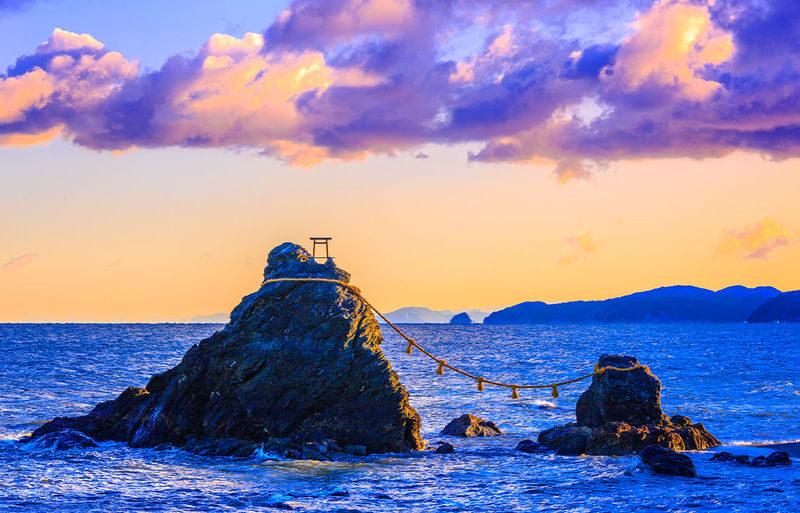
The final destination is Futami Okitama Shrine, scheduled for about 4:00 p.m. The shrine is known for Meoto Iwa, the Wedded Rocks, two offshore rocks linked by a large shimenawa rope. They symbolize a joined pair, and people come to pray for good relationships and traffic safety. The sea setting makes this a fitting change of mood after the shrine precinct and the indoor afternoon attraction.
The shrine grounds also contain many frog figures, regarded as messengers of Sarutahiko Okami and symbols of safe return. They make for easy photo stops as you walk through the area. The visit is scheduled for about an hour, though the shrine itself can be explored in less time if you want to linger by the water or browse nearby shops.
The coast can be windy, particularly in cooler months. Bring a layer, and wear shoes you can walk in comfortably. The parking area and approach may involve slopes, so this stop may be tiring if you have mobility or health concerns. The tour does not provide child seats, and it is worth checking directly with the operator about any specific mobility needs before booking.
What the price buys, and what it does not
The listed price starts at $79.65. For that fare, you get round-trip transfers from Nagoya and a small shared group, plus a guide who speaks Chinese or Japanese. The main value is the transport: reaching Ise and Toba, then connecting the shrine, coast, and afternoon attraction in one day, is simpler than piecing together the route yourself.
The price does not include admission to Mikimoto Pearl Island or Toba Aquarium, meals, drinks, or personal spending. Add the cost of whichever attraction you choose, plus lunch and snacks, when comparing the tour with other ways to make the trip. A hotel pickup and drop-off option is available, as well as the meeting-point package. Check the exact package and its language before booking.
This is not a private tour, even though the group is small. The schedule is shared, and the vehicle may be a minivan or another suitable type. One complimentary piece of luggage per person is allowed, but you need to tell the operator when booking. Extra luggage brought without notice may not fit safely in the vehicle.
Timing, weather, and a few useful cautions
The listed times are estimates. Traffic and weather can affect the journey, and Japanese law limits vehicle use to 10 hours, so the guide may adjust the schedule to fit conditions. The order of stops may change, and severe weather can alter outdoor activities or show schedules. Keep the evening open after the tour rather than booking a timed activity in Nagoya.
Summer heat can make the shrine walk and outdoor stops tiring. In winter or on a windy day, the coast at Meoto Iwa can feel cold. Water, comfortable walking shoes, and clothing suited to the forecast will help. If you are visiting on a public holiday or during a busy season, expect more people around the shrine and Okage Yokocho, and leave time for queues.
The tour works best if you are comfortable following a fixed group schedule and doing your own exploring. It is less suited to anyone hoping for long, unhurried time at every stop or detailed guiding throughout the day. Arrive promptly at the meeting point; the tour does not refund late arrivals. Free cancellation is available if you cancel at least 24 hours before the activity date, subject to the stated terms.
Should you book this Ise day trip?
Book it if you want to see Ise’s main sights in one day and value a direct ride from Nagoya more than having a dedicated guide at your side. The shrine, food street, one Toba attraction, and Wedded Rocks make a satisfying mix of sacred tradition, local flavors, and sea views.
Skip it if you want to visit both the pearl island and aquarium at an easy pace, spend several hours at the shrine, or need a guaranteed English-speaking guide. For most independent visitors who are happy to plan their own time at each stop, this small-group outing is a practical way to reach Ise without driving. Choose your afternoon stop in advance, set a realistic lunch plan, and leave your return evening free.
One-day tour of Nagoya Ise Grand Shrine and Mikimoto Pearl Island
“Small group tour, flexible arrangement. Driver contact one day in advance to confirm pick up time and location! They were even nice enough to pick…”
FAQ
How long is the tour?
The tour is scheduled from 9:00 a.m. to about 6:30 p.m. The estimated return window is 6:30 to 7:30 p.m., and traffic or weather may cause delays.
Where does the meeting-point tour depart from?
It departs from Nagoya Station, at the Mini Stop convenience store behind the back door of BIC CAMERA Nagoya West Exit, at 5-10 Tsubakicho, Nakamura-ku, Nagoya. Arrive 10 minutes before departure and look for the GOGODAY flag.
Is hotel pickup available?
Yes. A hotel pickup and drop-off package is offered. Wait outside the hotel lobby and use the pickup time sent by email.
Which languages does the guide speak?
The meeting-point package specifies a Mandarin-speaking guide. The activity information also describes Chinese- or Japanese-speaking guide services. Check the language for the exact package you select.
Is admission to the afternoon attraction included?
No. Admission to Mikimoto Pearl Island or Toba Aquarium is paid separately. Meals, drinks, and personal expenses are also not included.
Do I visit both Mikimoto Pearl Island and Toba Aquarium?
The planned afternoon visit is a choice of one attraction. Although the two sites are close together, do not assume there will be time to visit both.
How many people are in the group?
The group size is 4 to 9 people. The vehicle type depends on the number of people booked.
Can children join the tour?
Children aged 0 to 2 can join free if they do not use a separate seat. Children aged 3 and older pay the adult rate. Child seats are not available, and infants and children must be included in the passenger headcount.
What is the cancellation policy?
A full refund is available if you cancel at least 24 hours before the activity date, based on local time. Late arrivals and no-shows are not refunded.