- Exploring Tokyo’s Asakusa: A Walking Tour of Tradition and Culture
- Key Points
- Detailed Review of the Asakusa Walking Tour
- Starting Point and Initial Impressions
- Nakamise-dori: Japan’s Historic Shopping Street
- Sens-ji Temple: The Spiritual Heart of Asakusa
- Asakusa Shrine and Cultural Touches
- Shopping at Don Quijote and Final Insights
- Practicalities and What to Expect
- Value and Overall Impression
- Who Should Consider This Tour?
- FAQ Section
- Final Thoughts
- The Best Of Tokyo!
- More Walking Tours in Tokyo
- More Tours in Tokyo
- More Tour Reviews in Tokyo
- Not for you? Here's more nearby things to do in Tokyo we have reviewed
Exploring Tokyo’s Asakusa: A Walking Tour of Tradition and Culture
If you’re looking to see a slice of old Tokyo nestled within the modern metropolis, a walk through Asakusa is an excellent choice. For around $21, this 3-hour guided tour takes you from the serene Sumida Park to the bustling Nakamise-dori, and into the heart of the city’s spiritual heritage at Sens-ji and Asakusa Shrine. Led by a live Spanish-speaking guide, the experience offers a balanced mix of history, culture, and lively street scenes that give you a genuine feel for this neighborhood’s unique charm.
What we love most about this tour is how it seamlessly combines major landmarks with local flavor. Walking under the famous Kaminarimon Gate with its enormous red lantern feels like stepping into a postcard, and strolling down Nakamise-dori, lined with traditional shops and sweets, transports you right into Tokyo’s past. The visit to Sens-ji Temple offers a glimpse into Japan’s religious traditions, while the stop at the Asakusa Shrine provides insight into the syncretic spiritual practices that blend Shinto and Buddhism. A favorite aspect is the visit to the Sumo Club, which keeps a cherished Japanese tradition alive, and the chance to browse at Don Quijote, a quirky store that’s perfect for picking up souvenirs.
A consideration worth noting is that the tour’s success can depend on clear communication and punctual meeting. One reviewer mentioned difficulty in finding the guide, who was marked by a blue flag with a panda on it. If you’re not familiar with the area or don’t speak Japanese, it’s wise to arrive early and stay alert for this marker. Still, for those who enjoy a rich, guided experience and don’t mind a bit of coordination, this tour offers excellent value for the price.
This tour suits travelers who want an authentic, compact introduction to Asakusa without the hassle of planning every detail themselves. It’s especially appealing for first-timers eager to see Japan’s spiritual sites, street markets, and traditional shops in a short time, all with a knowledgeable guide to explain the significance behind each stop.
You can check availability for your dates here:
👉 See our pick of the Our Picks For The 11 Best Workshops & Classes In Tokyo
Key Points
- Affordable and Convenient: Priced at just $21 for three hours, it provides a lot of value for a quick deep dive into Asakusa.
- Authentic Cultural Experience: From temples to traditional shops, it offers a genuine taste of old Tokyo.
- Live Spanish Guide: For Spanish speakers, this adds a personal touch and easier understanding.
- Focus on Highlights: It emphasizes key landmarks like Kaminarimon Gate, Nakamise-dori, Sens-ji, and Asakusa Shrine.
- Limited Duration: Ideal for travelers with a tight schedule but still wanting a meaningful experience.
- Accessibility and Flexibility: Wheelchair accessible and options to reserve with pay later.
You can also read our reviews of more walking tours in Tokyo


Detailed Review of the Asakusa Walking Tour
Starting Point and Initial Impressions
The tour begins at Sumida Park, a peaceful spot offering views of the Tokyo Skytree and the Sumida River. Here, we appreciated how the tour organizer provided clear directions and the guide’s friendly approach, setting a relaxed tone. The park’s scenic backdrop makes it a perfect intro, especially if you enjoy watching boats drift by and getting a peek at Tokyo’s modern skyline.
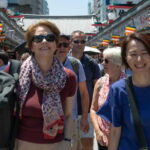
The guide, identifiable by a blue flag with a panda, leads you into the bustling streets of Asakusa. The first major highlight is crossing the Kaminarimon Gate, arguably Tokyo’s most recognizable entrance. The enormous red lantern and traditional decorative motifs make for a great photo op, and the guide explains its significance as a symbol of protection against evil spirits—a reminder of the area’s spiritual roots.
Nakamise-dori: Japan’s Historic Shopping Street
From the gate, you enter Nakamise-dori, a lively street lined with shops that have stood for generations. Here, traditional sweets like ningyo yaki (small cakes filled with red bean paste) and kaminari-okoshi (sweet rice crispy treats) tempt your taste buds. We loved the way the guide pointed out shops that have been family-run for over a century, giving us a sense of continuity and local pride.
The street is crowded but not overwhelming, and the vibrant atmosphere offers plenty of chances to browse souvenirs, traditional crafts, and snacks. It’s a slice of Tokyo’s commercial history, and you’ll get a feel for how locals and travelers alike enjoy this colorful shopping street.
More Great Tours NearbySens-ji Temple: The Spiritual Heart of Asakusa
Next, the tour visits Sens-ji, Tokyo’s oldest and most popular Buddhist temple. The approach through Hozomon Gate features massive complementary lanterns and intricate wooden carvings. The guide highlights the temple’s legendary origins—said to date back over 1,300 years—and explains some of the rituals, such as purifying yourself with water or making offerings.
Inside, the atmosphere is both bustling and contemplative. We appreciated the explanations of traditional practices and the significance of various statues and relics. The area around Sens-ji is often crowded, but this is part of the experience; it’s a lively place where spiritual tradition and tourism intersect.






Asakusa Shrine and Cultural Touches
Adjacent to Sens-ji is the Asakusa Shrine, dedicated to the founders of the temple. This Shinto shrine is smaller but offers a peaceful contrast to the busy temple grounds. The guide discusses how Shinto and Buddhism coexist here, reflecting Japan’s spiritual diversity.
We also briefly visited the Sumo Club, where a local sumo coach keeps this ancient sport alive. Though not a full match, seeing the wrestlers in training and hearing about their discipline adds a layer of cultural depth that many traditional experience tours overlook.
Shopping at Don Quijote and Final Insights
The tour concludes at Don Quijote, a colorful, multi-story discount store packed with quirky souvenirs, clothing, snacks, and oddities. It’s a great place to pick up unique gifts or just soak in the lively atmosphere. The guide can help you navigate the maze-like aisles and suggest items representing Japan.
Practicalities and What to Expect
The entire walk takes about three hours, making it suitable for those with limited time but a keen interest in authentic local sights. The group size is manageable, and the guide’s Spanish commentary adds clarity, especially for non-Japanese speakers. The route is wheelchair accessible, which broadens its appeal.
A couple of reviewers noted potential logistical issues—one mentioned difficulty in finding the guide, so arriving early and paying close attention to the meeting point (at the panda flag) is wise. The tour operates rain or shine; bringing an umbrella or raincoat is recommended.
Value and Overall Impression
At $21, this tour offers excellent value. It balances guided explanation with free time for wandering, shopping, and soaking up the atmosphere of Asakusa’s historic streets. Compared to other similar experiences, it’s straightforward, well-organized, and focused on core highlights rather than overloading you with too many stops.
Who Should Consider This Tour?
This walk is ideal for first-time visitors wanting a compact introduction to Tokyo’s traditional side. It’s perfect for history and culture buffs, or travelers looking for a guided, hassle-free way to see major landmarks. The emphasis on iconic sites and local shops makes it a practical choice for those who want an authentic experience without the stress of planning or navigating alone.
Travelers with mobility considerations will find the tour accessible, while those on a tight schedule will appreciate the short, enriching experience. However, do keep in mind that some participants have mentioned logistical hiccups, so a bit of patience and attentiveness will enhance the experience.
FAQ Section
Is this tour suitable for wheelchair users?
Yes, the tour is wheelchair accessible, making it suitable for travelers with mobility restrictions.
What is the meeting point?
The guide will be carrying a blue flag with a panda on it at the specified coordinates: 35.710792541503906, 139.7979736328125.
How long does the tour last?
It lasts approximately 3 hours, covering key highlights of Asakusa.
Do I need to prepare anything before the tour?
Comfortable shoes and clothes are recommended since you’ll be walking quite a bit.
Can I cancel the tour?
Yes, you can cancel up to 24 hours in advance for a full refund.
Is the tour available rain or shine?
Yes, the tour proceeds regardless of weather conditions, so bring appropriate rain gear if needed.
Is the guide fluent in English?
No, the guide speaks Spanish, so plan accordingly if you only speak English.
What’s included in the price?
The price covers the guided tour itself—there are no additional fees mentioned.
Can I stay longer at any of the stops?
While the tour is set to last 3 hours, you’re free to explore the sites or shops afterward on your own.
Is this tour good for kids?
While not specifically designed for children, the walk and sights are family-friendly, but keep in mind it involves walking and some crowds.
Final Thoughts
For travelers eager to experience traditional Tokyo in a manageable, guided format, this Asakusa walking tour offers real value. It balances cultural and historical sights with lively street scenes, providing a snapshot of local life that’s hard to beat for its authenticity and affordability. The inclusion of key landmarks like Sens-ji, Nakamise-dori, and the shrine, combined with visits to a sumo club and a quirky shop, makes it a well-rounded introduction to one of Tokyo’s most charming neighborhoods.
While logistical details require a bit of attention, such as arriving early and spotting the guide’s panda flag, the overall experience is rewarding. If you’re interested in Japan’s spiritual traditions, enjoy street markets, or simply want to walk through a neighborhood that feels like a step back in time, this tour can serve as an enriching highlight of your visit to Tokyo.
In the end, this outing is best suited for curious, culturally-minded travelers who want a taste of Tokyo’s past amid the busy modern city. It’s a practical, fun, and authentic way to get your bearings—and perhaps leave with a few souvenirs and stories to tell.
You can check availability for your dates here: