This experience made our article of Our Picks For The 11 Best Workshops & Classes In Tokyo.
- Experience the Art of Making Your Own Chopsticks in Tokyo’s Shinjuku
- Key Points
- Why This Chopstick-Making Class Stands Out
- A Closer Look at the Itinerary and Experience
- What Travelers Say About the Experience
- Practical Tips for Your Visit
- Who Will Enjoy This?
- The Sum Up
- FAQ
- The Best Of Tokyo!
- More Workshops & Classes in Tokyo
- More Tour Reviews in Tokyo
Experience the Art of Making Your Own Chopsticks in Tokyo’s Shinjuku
 1 / 4
1 / 4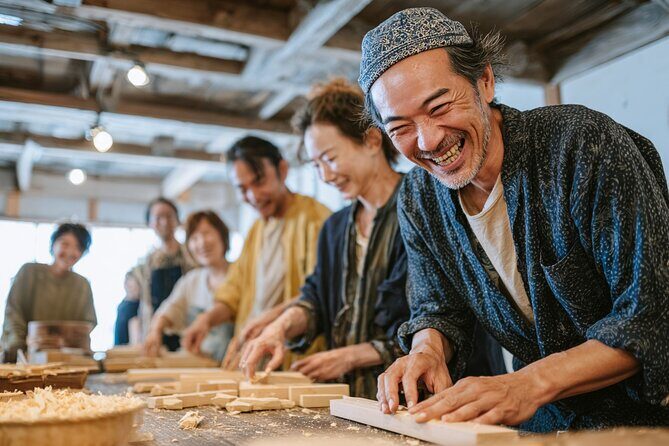 2 / 4
2 / 4 3 / 4
3 / 4 4 / 4
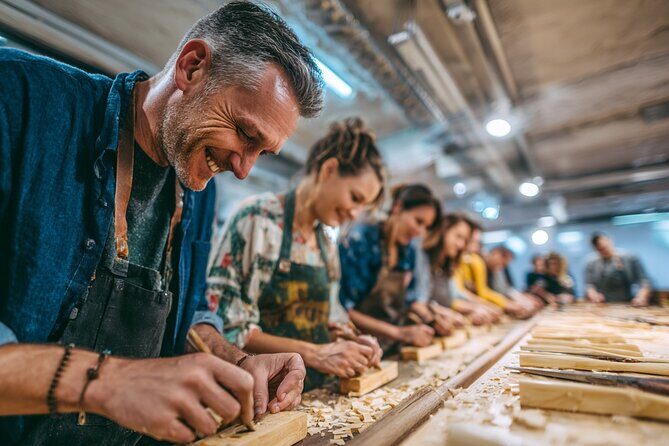
4 / 4Imagine spending about an hour in lively Shinjuku, Tokyo, learning a traditional craft — turning rough wooden sticks into elegant, usable chopsticks. This workshop, priced at just $33.60 per person, is a surprisingly affordable way to get a tangible connection to Japanese culture. Guided by friendly staff, you’ll use a traditional kanna (small hand plane) to shape and smooth your own pair of chopsticks, choosing from different types of native Japanese woods. The experience starts at roughly 7th-floor level in Nishishinjuku and ends right back where you began, which makes it convenient for city explorers.
Two things we particularly love about this experience are: the variety of woods available, which makes each pair uniquely personal, and the relaxed, beginner-friendly atmosphere that encourages even first-timers to get their hands dirty. We also appreciate the fact that you’ll walk away with a distinctive souvenir that’s both functional and meaningful. A potential challenge to consider is that the instructions and tools can be a bit basic, especially if the workshop is busy or staff are stretched thin, which some reviewers noted.
This activity suits travelers who enjoy hands-on cultural experiences or those looking for a memorable, crafty souvenir. It’s especially perfect for those who want to learn a bit about traditional Japanese woodworking without requiring prior skills or a long time commitment.
👉 See our pick of the Our Picks For The 11 Best Workshops & Classes In Tokyo
Key Points
- Authentic Craftsmanship: Learn how to craft chopsticks using traditional Japanese tools.
- Variety of Woods: Choose from different native Japanese woods, each with its own scent and texture.
- Beginner Friendly: No prior woodworking skills needed; guides are there to help.
- Compact Duration: About 1 hour, making it easy to slot into a busy Tokyo itinerary.
- Affordable for Value: At just over $30, it offers a meaningful cultural activity.
- Mixed Reviews on Organization: Some mention busy times and basic tools; good to manage expectations.
You can also read our reviews of more tours and experiences in Tokyo


Why This Chopstick-Making Class Stands Out
This workshop offers a rare chance to get hands-on with Japanese craftsmanship, and for a modest price, you’re truly creating something personal. We loved the way the staff guides beginners gently through each step, making the process accessible and enjoyable. You’ll start with rough wooden sticks and, with a traditional kanna, shape and smooth the surface, feeling the grain and scent of Japanese woods firsthand. The process is surprisingly satisfying — shaping your chopsticks, then polishing them into a sleek, usable pair.
The variety of Japanese woods adds a creative touch. You can select from two free types and upgrade to others for a small fee, which adds a layer of customization. Some reviews highlighted how the selection made the experience feel more personal — “the variety of wood options available because it made the experience feel personal and special,” as one traveler noted. The different textures and scents give each pair a story, making your souvenir truly one-of-a-kind.
What might trip some visitors up is the organization, especially during busy times. Several reviews mention that staff can be overwhelmed or tools may be blunt, which can slow down progress or lead to frustration. If you’re expecting a highly structured experience, you might find the reality a bit more casual, sometimes chaotic. Nonetheless, most guests find the fun outweighs these minor hiccups.
A Closer Look at the Itinerary and Experience
The workshop begins at a designated meeting point in Nishishinjuku, a major commercial and transport hub easily accessible by public transit. Once you arrive, staff will introduce you to the process and materials. The core of the activity involves shaping raw wood into the familiar form of chopsticks using a kanna, a traditional Japanese hand plane. You’ll learn how to feel the grain of the wood, remove rough edges, and achieve a smooth finish, guided step-by-step.
Throughout the process, you’ll work on your pair of chopsticks, which are often described as “fun” and “simple” but also “tricky” — especially for first-timers. One traveler said, “It was a little tricky to get right,” but with patience and guidance, you’ll see your work take shape. The guides are friendly and encouraging, ensuring you’re supported whether you’re a woodworking novice or just eager to try something new.
Once shaping is complete, you’ll have the opportunity to personalize your chopsticks, perhaps by choosing a finish or adding a small engraving. However, some reviews mention that the focus is on the shaping process rather than detailed decoration. The entire session wraps up with your finished pair — a practical, authentic souvenir that reflects Japanese craftsmanship and your own effort.
Because the class is limited to 32 participants, it tends to have a lively, social atmosphere, although during peak times, it can feel a bit hectic. Several reviews note that the tools and equipment—such as planers—may be worn or blunt, which can make shaping more challenging and slow down the process.
What Travelers Say About the Experience
The reviews reveal a broad spectrum of experiences. Many guests emphasize the friendly staff and fun atmosphere. One said, “All the staff were so friendly and patient, and they explained everything clearly,” which makes a big difference when learning a new skill. Several reviewers appreciated the simplicity and authenticity — “This was a fun activity in Shinjuku,” and “a great souvenir to bring home.”
However, not everyone shared the same glowing review. A few mention organizational issues or tool limitations. For example, a traveler noted, “The tools were not sharp enough for the wood, and the staff struggled to work with the tools,” which could diminish the fun if you’re expecting a highly professional setup.
Price-wise, most think it offers solid value. Compared to more expensive cultural activities, this workshop provides both a learning experience and a tangible keepsake for around thirty dollars. Some reviews highlight the optional upgrades to premium woods as a way to customize their souvenirs further, though with a modest additional cost.
Practical Tips for Your Visit
- Arrive on time: Many reviews mention confusion with the location or traffic issues. Confirm the meeting point in advance.
- Manage expectations during busy times: If the workshop is crowded, tools and instructions might be less effective. Patience is key.
- Choose your wood wisely: The free options are good, but the upgrades can make your chopsticks stand out.
- Be prepared for a bit of manual work: The shaping process, while guided, requires some effort.
- Bring your own enthusiasm: Even if you’re not a craftsperson, the staff’s friendly approach makes this accessible.
- Consider the age limit: The activity is suitable for adults and older children, but check with the provider if you’re bringing young kids.


Who Will Enjoy This?
This workshop is perfect for curious travelers who enjoy tactile, craft-based activities. If you’re looking for a unique, hands-on experience in Tokyo that results in a practical souvenir, this fits the bill. It also appeals to those who appreciate local traditions and want a break from more typical sightseeing.
However, if you’re expecting a highly organized or professional woodworking class, you might find the experience a bit more casual and imperfect. It’s well-suited for those who are open-minded, patient, and ready to have some fun shaping their own chopsticks.
The Sum Up
The Tokyo Shinjuku Chopsticks Making Class offers a warm, accessible look into Japanese craftsmanship. For just over thirty dollars, you can craft your own pair of personalized chopsticks with guidance from friendly staff. It’s a relaxed activity that provides a tangible connection to Japan’s woodworking traditions, making it a memorable addition to your Tokyo trip.
While some reviews point to organizational hiccups or basic tools, most guests find the experience rewarding and fun. The variety of woods, the chance to learn a traditional skill, and the opportunity to create a practical souvenir make this worthwhile — especially if you enjoy hands-on activities and culture.
If you’re seeking a relatively inexpensive, authentic, and creative activity that can fit into a busy city itinerary, this workshop is a strong choice. Just arrive prepared with patience, and you’ll leave with a unique piece of Japan crafted by your own hands.
Tokyo Shinjuku Chopsticks Making Class
FAQ
How long does the workshop last?
It lasts about 1 hour, making it a quick but meaningful cultural activity in your day.
Where does the workshop take place?
The meeting point is in Nishishinjuku, easily accessible by public transportation, specifically in a building near the post office.
Do I need prior woodworking experience?
No, the class is designed for beginners. Guides will teach you step-by-step, no experience necessary.
Can I choose different types of wood?
Yes, you can select from two free types of Japanese wood, with options to upgrade to premium woods for a small fee.
What should I expect during the shaping process?
You’ll use a kanna (hand plane) to shape and smooth your chopsticks, feeling the grain and working with your hands — it’s simple but requires patience.
Is the experience suitable for children?
It’s mainly geared towards adults, but older children might enjoy it; check with the provider if you’re bringing young ones.
What if I arrive late or have trouble finding the location?
Reviews suggest arriving early and confirming directions beforehand. Some travelers experienced difficulty locating the building, so plan accordingly.
Is the workshop worth the price?
Most reviews affirm that the experience offers good value, combining hands-on crafting with a memorable cultural activity for the cost.