- Exploring Tokyo’s Sumo Heritage in a Compact Tour
- Key Points
- A Deep Dive into the Sumo Experience
- Starting Point: Ryogoku Station
- Viewing the Kokugikan: Japan’s Sumo Arena
- Tracing the Roots at Eko-in Temple
- Exploring the Sumo Museum
- Standing beside the Sumo Ring
- Concluding with a Sumptuous Chanko-nabe Meal
- Analyzing the Value
- Who Should Consider This Tour?
- FAQs
- Final Words
- The Best Of Tokyo!
- More Historical Tours in Tokyo
- More Tours in Tokyo
- More Tour Reviews in Tokyo
- Not for you? Here's more nearby things to do in Tokyo we have reviewed
Exploring Tokyo’s Sumo Heritage in a Compact Tour

If you’ve ever wondered what it’s like to step into the ring of Japan’s national sport, this Tokyo Sumo History Tour with Chanko Nabe Lunch offers an authentic, behind-the-scenes look at sumo. Starting at Ryogoku Station, known as sumo town, the tour takes you through key sites like the Kokugikan arena, the site of Eko-in Temple, and a sumo museum, all packed into roughly three hours. For just over $90, you gain a well-rounded glimpse into the ritual, history, and daily life of sumo wrestlers, ending with a hearty hotpot meal that sumo wrestlers themselves enjoy.
What we really appreciate about this experience is its focus on storytelling and authenticity. It’s not just a quick photo op; you get to walk in the footsteps of sumo legends, learn about ceremonial traditions, and understand how this ancient sport has evolved into modern entertainment. Plus, the local guide’s knowledge adds a personal touch that makes the history come alive. A second highlight is the opportunity to try sumo poses beside a life-sized replica of the sumo ring, making the experience both fun and educational.
One possible consideration is the tour’s schedule; when the Sumo Museum is closed, the guide takes you to historic stables instead, which may vary day to day. While this keeps the experience flexible, it means some elements may change depending on the day you visit. This is a minor point, but worth noting if you’re keen on seeing certain artifacts or exhibitions.
This tour is best suited for those with a genuine interest in Japanese culture and sumo, whether you’re a casual fan or a curious beginner. It’s especially recommended if you want a meaningful, guided experience rather than just viewing the arena from afar.
👉 See our pick of the Our Picks For The 11 Best Workshops & Classes In Tokyo
Key Points
- Authentic insights into sumo rituals and history are woven throughout the tour.
- The guide’s knowledge makes the experience engaging and personal.
- Visiting historical sites like Eko-in Temple adds cultural depth.
- The chanko-nabe lunch offers a delicious, authentic conclusion.
- When the Sumo Museum is closed, the tour shifts to visiting sumo stables, providing a different perspective.
- The tour is beginners-friendly and suitable for all levels of familiarity with sumo.
You can also read our reviews of more historical tours in Tokyo


A Deep Dive into the Sumo Experience
Starting Point: Ryogoku Station
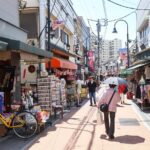
The tour kicks off right in Ryogoku, the heart of sumo culture in Tokyo. As we arrive, we’re greeted by vibrant portraits of famous sumo champions—a colorful introduction to Japan’s most iconic sport. Walking through this lively neighborhood, you immediately sense the passion and pride that sumo commands here.
This initial stop is more than just a photo-op; it sets the tone for understanding how deeply embedded sumo is in local identity. We loved the way the guide narrated stories of legendary wrestlers, making history feel alive and relevant. For those arriving early, wandering the streets of Ryogoku offers a glimpse into everyday life for sumo fans and locals alike.
Viewing the Kokugikan: Japan’s Sumo Arena
Next, we take a quick walk past the Kokugikan arena, the prestigious venue where Japan hosts three major sumo tournaments each year. Standing outside, you can appreciate the scale and grandeur of this historic stadium. Our guide explained how the banners and decorations reflect traditional rituals and seasonal celebrations.
While you don’t go inside during this tour, standing outside provides context and anticipation for when you attend a match in person. We appreciated hearing about how wrestlers prepare for bouts and the significance of salt-throwing rituals—a fascinating peek into the ceremonial aspect of sumo.
Tracing the Roots at Eko-in Temple
The next stop is the site of Eko-in Temple, renowned as the birthplace of organized sumo matches. As we pay respects at the Chikara-zuka Monument, it’s easy to imagine how sumo evolved from ancient ritual to modern sport. The historical significance of this site adds a layer of appreciation for the cultural roots of sumo.
Our guide shared stories of past wrestlers and officials, making the history tangible. This stop is especially meaningful for those interested in how tradition shapes contemporary practices. It’s a reminder that sumo’s past is woven into its present, enriching the viewing experience later in tournaments.
You can also read our reviews of more tours and experiences in Tokyo



Exploring the Sumo Museum
Next, we step into the Sumo Museum, a compact but compelling showcase of ceremonial aprons, trophies, and historic photographs. Here, exhibits are curated to illuminate the ritual, discipline, and artistry of sumo. We loved the way artifacts like ceremonial aprons and referee tools told stories beyond the wrestling mat.
However, the museum isn’t always open. When it’s closed, the guide takes us to two historic sumo stables, each with distinct architectural features. This shift offers a more personal look at a sumo wrestler’s daily life, giving a more intimate perspective on the sport. The stables are a highlight for those interested in the rigorous training routines of rikishi.
Standing beside the Sumo Ring
The tour’s fun moment is standing beside a life-sized replica of a sumo ring at Ryogoku Edo Noren. Here, you can try traditional sumo poses and learn about pre-bout rituals like salt-throwing. The guide explains how these rituals purify the ring and prepare wrestlers for combat, adding a layer of symbolism to the physical activity.
This part of the tour is interactive and memorable, perfect for photos that capture the spirit of sumo. It’s also a chance to feel the atmosphere of the sport firsthand, even if you’re not participating in a match.
Concluding with a Sumptuous Chanko-nabe Meal
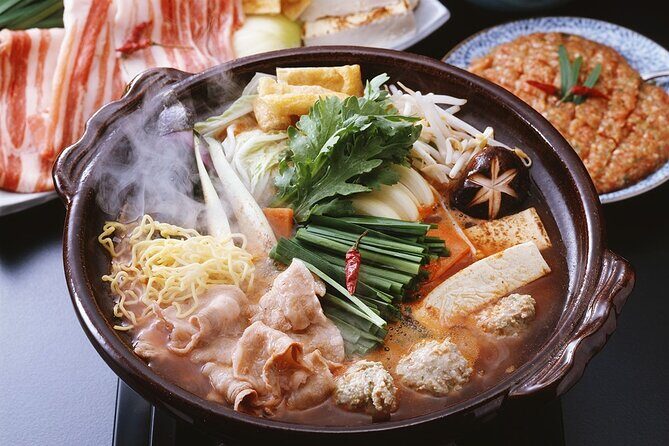
Finally, the tour wraps up at Chanko Edosawa, where you get to enjoy chanko-nabe, the hotpot meal traditionally eaten by sumo wrestlers. Each guest receives their own individual pot, bringing a sense of authenticity—imitating the diet of rikishi. The familiar flavors of the broth, combined with fresh vegetables and meats, make for a satisfying and culturally immersive ending.
The meal is more than just food; it’s a cultural ritual and a social experience that leaves you with a warm, full feeling—both physically and culturally.
Analyzing the Value
While the $91.67 price tag might seem steep for a three-hour tour, it offers excellent value when considering the depth of experience packed into that time. You’re not just observing; you’re gaining insights into traditions, history, and daily life. The inclusion of the chanko-nabe lunch enhances the experience, making it feel like a culinary journey into sumo culture.
The small group size (maximum 8 travelers) ensures a more personalized experience, and the guides’ knowledge adds richness that self-guided visits may lack. The flexibility of visiting either the museum or the stables depending on the day also keeps the experience varied and engaging.
Who Should Consider This Tour?
This experience suits culture enthusiasts, sports fans, and curious travelers who enjoy stories and traditions. It’s especially valuable for those who want a deeper understanding of sumo beyond the tournament mat and appreciate authentic, local experiences. If you’re interested in traditional Japanese rituals or want a personal insight into sumo life, this tour is a fantastic choice.
FAQs
Is this tour suitable for children or families?
Yes, the tour is generally accessible for most ages, especially since it includes interactive elements like trying sumo poses. However, very young children might find some sites less engaging.
How long does the tour last?
It lasts approximately 3 hours, starting at 10:00 am and ending back at the meeting point.
Are tickets included for the Kokugikan arena?
No, the tour only provides outside views and explanations. Access to the arena seating during tournaments requires separate tickets.
What happens if the Sumo Museum is closed?
When closed, the guide takes you to two historic sumo stables instead, offering a different but equally meaningful perspective.
Can I join the tour without prior knowledge of sumo?
Absolutely. The tour is beginner-friendly and designed to educate newcomers and fans alike.
Is the lunch included?
Yes, you’ll enjoy a hotpot meal of chanko-nabe, just like sumo wrestlers. Drinks and extra food are not included.
What’s the group size?
The maximum group size is 8 travelers, ensuring a more personalized experience.
Do I need to book in advance?
Yes, the tour is usually booked about 23 days in advance, reflecting its popularity.
Is transportation involved?
The tour begins at a designated meeting point near public transportation in Ryogoku. No additional transportation is provided during the tour.
Final Words

This Tokyo Sumo History Tour with Chanko Nabe Lunch offers a well-rounded, authentic journey into Japan’s revered sport. Its strength lies in knowledgeable guides, historic sites, and the chance to experience sumo rituals firsthand. It’s a perfect choice for those curious about Japanese traditions or anyone wanting to see beyond the arena.
For culture seekers and food lovers, the combination of history, ritual, and authentic cuisine makes this tour a worthwhile investment. While it’s not a ticket to a live match, it provides a deep understanding and appreciation for the sport’s enduring significance. Whether you’re a first-timer or a dedicated fan, this experience promises to be informative, engaging, and delicious.
(Note: Always check the tour provider’s current schedule and availability before booking, as some sites like the Sumo Museum may have closures.)