Exploring Tokyo’s Imperial Palace & Nihonbashi: A Deep Dive into Japan’s Heart
Starting at just over $110 per person, this 4-hour guided tour offers a well-rounded glimpse into Tokyo’s royal and commercial history. You’ll walk amidst the elegant East Gardens of the Imperial Palace, learn about Edo Castle’s ruins, and stroll through the bustling Nihonbashi district, famous for its centuries-old shops.
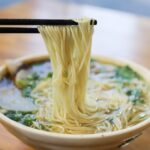
Guides are friendly and knowledgeable, and the itinerary includes several unique tasting experiences—think dashi soup stock and sake—making it a feast for both the eyes and the palate.
What we love most about this tour is the opportunity to see the iconic Nijubashi bridge, an instantly recognizable symbol of Tokyo, and enjoy the serene beauty of the East Gardens, especially in spring when cherry blossoms bloom.
The visit to Nihonbashi’s traditional shops, like the century-old Ninben dashi store and the Yamamoto Nori seaweed shop, offers authentic tastes and insights into Japan’s culinary craftsmanship.
A possible consideration is that the Imperial Palace itself is off-limits for interior visits, which can disappoint those expecting a full palace tour. Instead, the experience emphasizes the grounds and gardens, giving a peaceful yet informative experience.
This tour suits travelers who enjoy a mix of history, culture, and food, especially those eager to see Tokyo’s traditional shops and learn about Japanese crafts firsthand. It’s perfect for curious visitors who want to balance sightseeing with tasting and shopping.
Key Points
- Comprehensive experience combining cultural sights and food tastings
- Focus on the gardens and historic district, not the palace interior
- Knowledgeable guides enhance the experience with history and local tips
- Authentic shopping in Nihonbashi, with shops over 400 years old
- Tasty highlights include dashi, sake, seaweed, and Japanese paper
- Good value for the price, with many free tastings and entrance fees included
👉 See our pick of the Our Picks For The 11 Best Workshops & Classes In Tokyo
- Key Points
- A Balanced Exploration of Tokyo’s Imperial and Commercial Heart
- Nihonbashi: A Historic Market and Shopping District
- The Value of Guided Sightseeing and Tastings
- Practical Considerations and Tips
- Who Should Consider This Tour?
- The Sum Up
- FAQ
- The Best Of Tokyo!
- More Tours in Tokyo
- More Tour Reviews in Tokyo
A Balanced Exploration of Tokyo’s Imperial and Commercial Heart
When we think of Tokyo, images of towering skyscrapers and busy intersections come to mind. But to truly appreciate the city, it’s worth taking time to explore its royal grounds and traditional districts. This tour offers a well-structured way to do just that, balancing natural beauty, historical context, and authentic shopping.
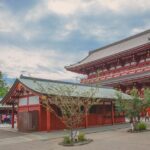
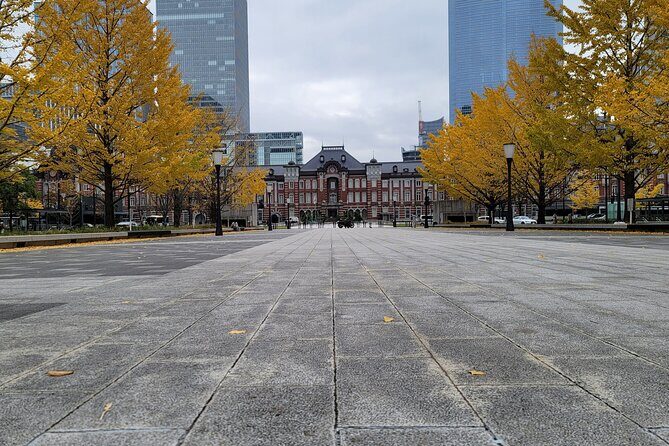
The walk to the Imperial Palace itself is a pleasure, lined by ginkgo trees that glow in autumn or bloom in spring, making the approach as scenic as the grounds. While the palace buildings are generally closed, the Nijubashi double bridge provides a picture-perfect moment, long celebrated as an icon of Tokyo. Our guide, Mari in reviews, was praised for her wealth of knowledge and her ability to keep the group engaged even in challenging weather, like wind and rain. Expect to hear stories about Edo Castle’s history, which served as the shogunate’s seat of power for over two centuries.
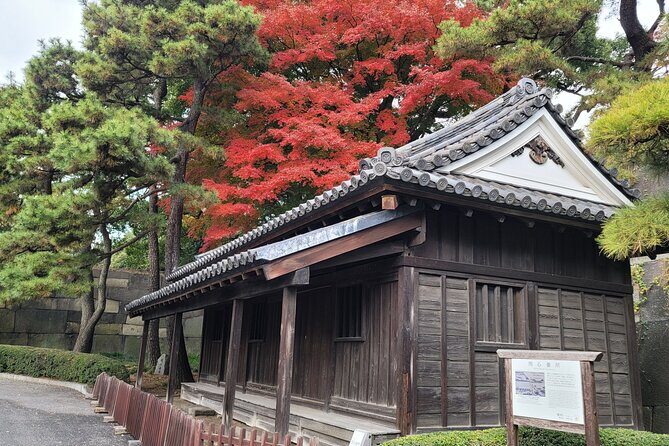
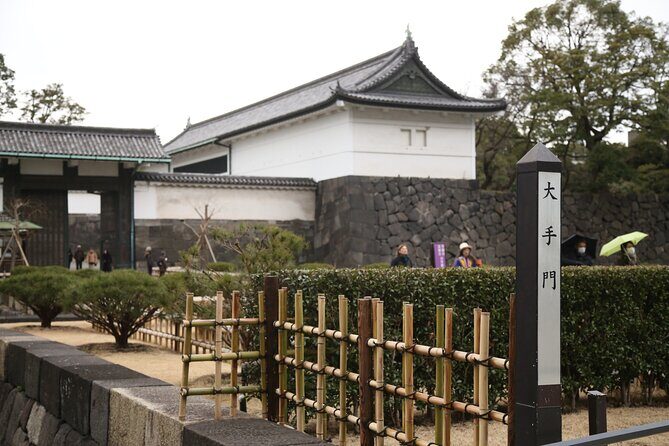
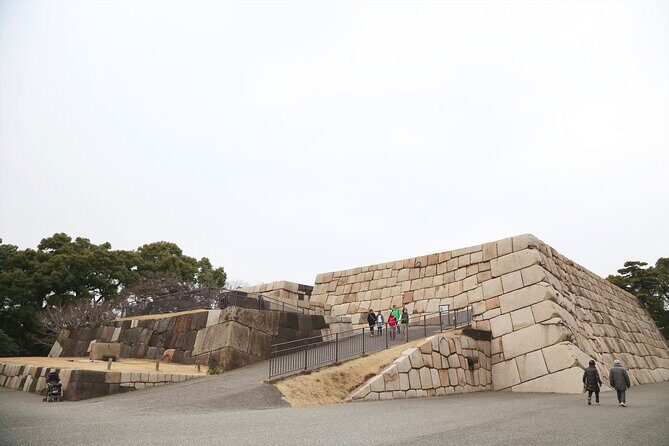
Entering the East Gardens, you’ll find remnants of Edo Castle’s foundations, along with a peaceful Japanese garden teeming with seasonal flowers. If you visit during cherry blossom season or early spring, you’ll understand why many travelers find this a highlight. The gardens are free for the public, but your guided visit provides context and access that you wouldn’t get wandering alone.
You can also read our reviews of more tours and experiences in Tokyo.


Nihonbashi: A Historic Market and Shopping District
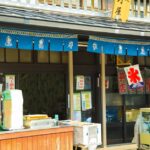
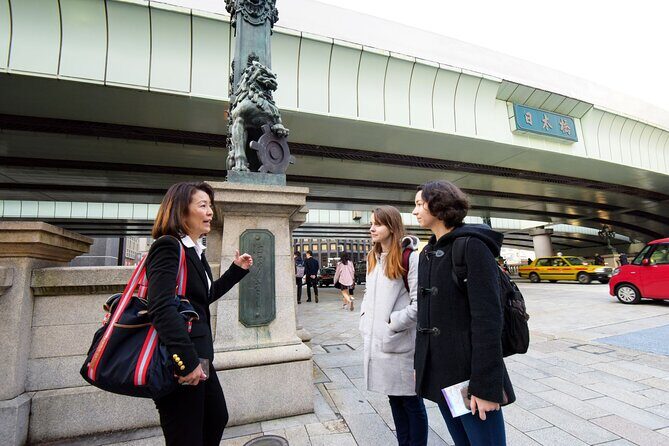
A short trip from the gardens takes you into Nihonbashi, a district that has been the heart of Japan’s commerce for over 400 years. The area’s cobblestone streets and traditional shops are a window into Japan’s trading past. As one reviewer noted, shopping in Nihonbashi is “great,” with luxury shops and long-standing businesses still thriving today.
Our tour includes several stops that reveal more than just shopping—they depict a living history. The Ninben dashi store, over 300 years old, offers a taste of dashi, the essential Japanese soup stock. Expect to learn about its preparation and even sample freshly made dashi, which is a treat for culinary enthusiasts. Moving on, the Yamamoto Nori shop gives a fascinating peek into seaweed roasting, a process that brings out Nori’s umami flavor, and allows you to see and smell the roasted sheets.
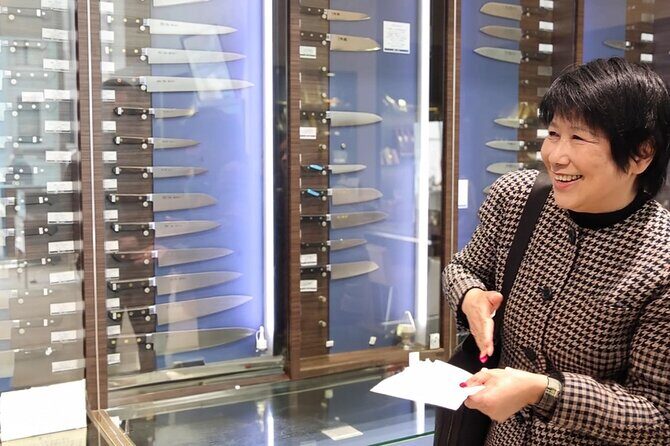
The Kiya knife shop, founded in 1792, introduces you to traditional Japanese cutlery, and many visitors enjoy watching knife sharpening demonstrations or even trying their hand at it. If you’re interested in traditional crafts, this stop alone is worth the visit.
The Ozu Washi store offers a hands-on experience—here, you can see Japanese paper made from mulberry fibers and even make your own sheet. Reviews highlight that this was a memorable highlight, especially for those interested in traditional arts.
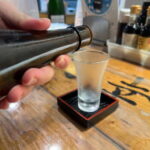
The tour wraps up with a visit to the Toyama Prefectural store, where you can sample local sake and enjoy a taste of Toyama, a coastal region on Japan’s Sea of Japan. This tasting is often praised as a relaxing way to end the experience and learn about regional specialties.
The Value of Guided Sightseeing and Tastings
At $110.46, the tour provides a solid value, especially considering the entrance fees to the gardens and the inclusion of food samples. The guided element is key—your guide enhances the experience with local stories and context that you wouldn’t get if exploring alone. Many reviews mention that knowledgeable guides like Mari, Michi, and Toyo made the day enjoyable and informative.
As several travelers noted, the tastings of sake and dashi, combined with the shop visits, turn sightseeing into an immersive experience. The small group size (max 28) ensures a more personal experience, giving you room to ask questions and interact comfortably.
Practical Considerations and Tips
One important note from reviews is that the Imperial Palace itself is not open for interior tours, which can disappoint if you’re expecting to see the palace’s inner rooms. The focus instead is on the grounds and gardens, which are equally beautiful and historically significant.
Transportation is minimal within the itinerary—most walking is around the gardens and Nihonbashi district. The tour begins at Tokyo Station and ends in Nihonbashi, both well-connected to public transportation.
Weather can impact the experience—some reviews mention rain and heat, which may make walking less comfortable. It’s advisable to wear comfortable shoes and bring a light umbrella just in case.
Who Should Consider This Tour?
This experience is perfect for history buffs, culinary enthusiasts, and shopping lovers alike. If you appreciate authentic traditional shops and enjoy learning on-site about Japanese crafts, you’ll find this tour highly rewarding. It’s also suitable for those who want a balanced mix of outdoor sightseeing and tasting, rather than a museum-heavy day.
Travelers looking for a comprehensive introduction to Tokyo’s historic districts without the hassle of planning separate visits will find this tour offers excellent value. It’s especially well-suited for people who enjoy small-group tours and appreciate guides who share local insights and stories.



The Sum Up
This Tokyo Imperial Palace & Nihonbashi Tour offers a charming blend of royal gardens, historic shops, and regional tastings. While it doesn’t include inside the palace (which is typical for most tours due to restrictions), the grounds and surrounding areas are more than enough to leave you with a sense of Japan’s imperial past and commercial vibrancy. The guided narration, with its mix of history and contemporary craft, makes it a rich experience, especially for those who love authentic local stories and tastes.
For travelers who want a half-day experience that combines beautiful scenery, traditional Japanese crafts, and regional flavors, this tour hits the mark. It’s particularly suitable if you enjoy small group atmospheres and appreciate guides who can make history lively and engaging.
If you’re after a well-rounded, authentic introduction to Tokyo’s historical districts with a side of culinary delights, this tour will give you plenty to remember—without breaking the bank.
Tokyo’s Imperial Palace & Nihonbashi Tour
FAQ
- Is the Imperial Palace interior included in this tour?
No, the palace buildings are generally off-limits for visitors, so the tour focuses on the grounds and East Gardens. - How long is the tour?
It lasts approximately 4 hours, making it a manageable half-day outing. - What’s included in the price?
Your tour includes a guide, entrance to the East Gardens, and tastings of dashi stock and sake. - Can I visit the shops after the tour?
Yes, most shops are open to the public, but the tour itinerary is structured to provide guided access and insights. - Are the guides knowledgeable?
Reviews consistently praise guides like Mari and Toyo for their expertise and friendly attitude. - Is this suitable for children or seniors?
Generally, yes, as it involves walking and tasting, but consider mobility limitations for longer walks. - What should I wear?
Comfortable shoes are recommended, as there is some walking involved. - Does the tour operate in bad weather?
Yes, but if weather cancels the experience, a full refund or rescheduling is offered. - What is the duration of the shopping stops?
Stops at shops like Ninben, Yamamoto Noriten, and Kiya typically last around 20 minutes each. - Is transportation included?
No, participants meet at Tokyo Station and walk to the sites; optional transportation is on your own.
This tour combines the best of Tokyo’s historic and culinary heritage in a friendly, engaging way that’s perfect for travelers eager to learn and taste their way through the city’s traditional side.