Imagine learning how to craft perfect onigiri — those iconic rice balls that are a staple of Japanese comfort food — in a setting that’s been serving Tokyo since 1782. For $52.57 per person, you get about an hour and a half of hands-on fun at Shimbashi Tamakiya, a place with roots stretching back over two centuries.
The experience includes making onigiri with traditional ingredients like tsukudani and furikake, tasting local sake, and even receiving a certificate to show off your newly acquired skill.
What we love about this tour is its blend of educational value and cultural authenticity. First, the chance to learn about the history of onigiri and how it’s intertwined with Japanese life makes the experience more meaningful. Second, the setting — a restaurant that has been around since the Edo period — isn’t just a backdrop but a vital part of the story, giving us a real taste of history.
A possible consideration is that the tour lasts about 90 minutes, which might feel a little rushed if you’re keen to take your time or enjoy more tasting options. Also, while the price covers most of what you need, an extra 1,000 yen for sake tasting is optional but worth considering if you want a true Japanese ritual pairing with your rice balls.
This experience suits travelers who enjoy hands-on cultural activities, food lovers eager to learn traditional methods, and those interested in authentic historical surroundings. If you’re after a quick, engaging dive into Japanese culinary tradition with a memorable keepsake, this workshop fits the bill.
Key Points
 1 / 5
1 / 5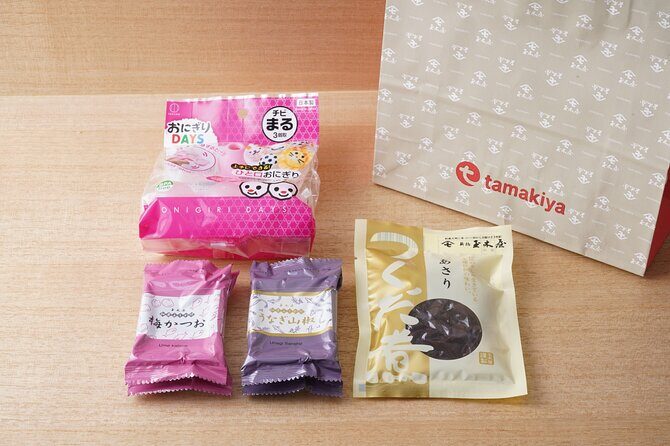 2 / 5
2 / 5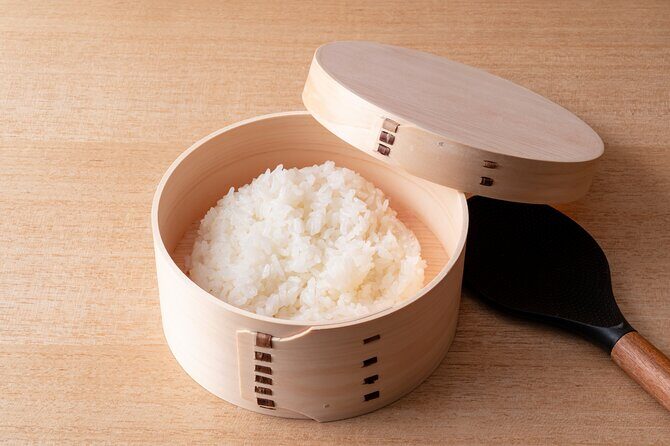 3 / 5
3 / 5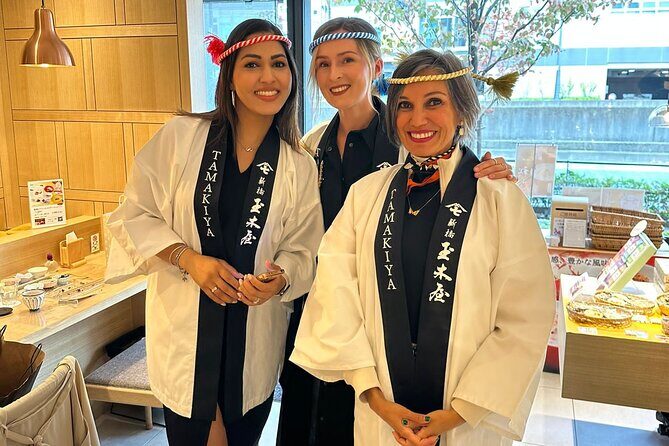 4 / 5
4 / 5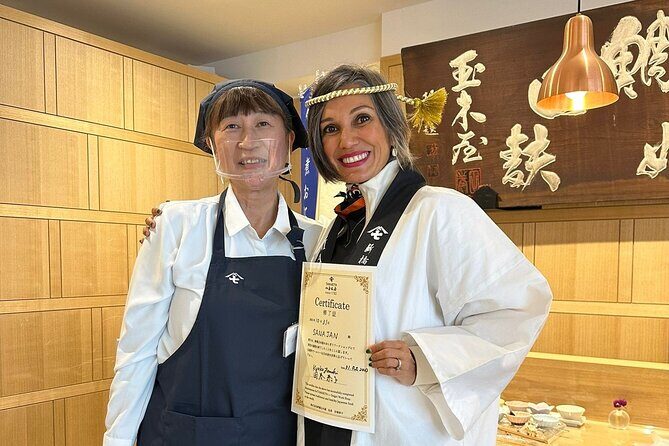 5 / 5
5 / 5- Authentic Setting: Held in a historic restaurant in Tokyo with roots back to 1782.
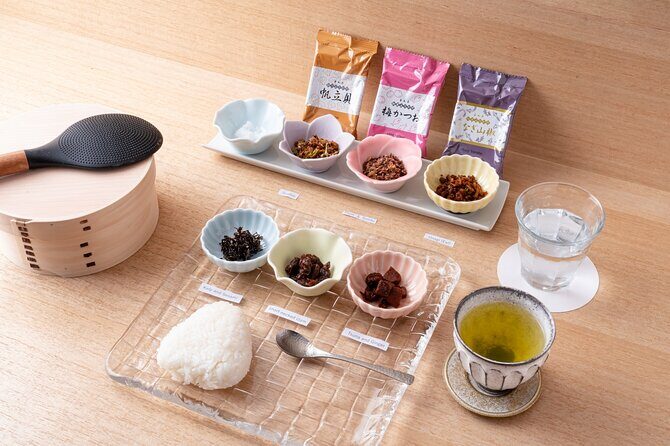
- Hands-On Learning: Make your own onigiri using traditional ingredients like tsukudani and furikake.
- Cultural Enrichment: Learn about the history of onigiri, a staple comfort food, in English or French.
- Additional Options: Sake tasting and a professional photograph wearing a traditional happi coat.
- Memorable Keepsake: Receive a souvenir rice ball kit and an onigiri master certificate.
- Ideal For: Food enthusiasts, culture seekers, and those wanting a tactile Japanese experience.
👉 See our pick of the Our Picks For The 11 Best Workshops & Classes In Tokyo
Exploring the Onigiri Workshop in Detail
Getting to Shimbashi Tamakiya:
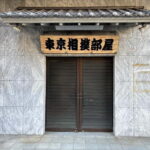
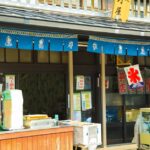
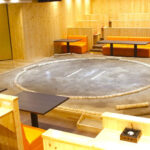
Located at 4-chome, Shinbashi, in Tokyo’s Minato ward, this restaurant is easily accessible via public transportation. Its long-standing history adds a layer of authenticity. The shop’s exterior and interior carry the aura of old Japan, making it more than just a cooking class — it’s a window into Tokyo’s shared culinary past.
What the Tour Includes:
The core of the experience is a live demonstration and hands-on making of rice balls. You’ll learn how to shape onigiri perfectly, paying attention to traditional techniques and ingredients. The focus on tsukudani (a preserved food made from simmered ingredients like fish or seaweed) and furikake (a dry seasoning sprinkled on rice) offers insight into Japanese flavoring methods that have been passed down since the Edo period.
The Making Process:
You’ll first get a brief history lesson, then move on to rice preparation, seasoning, and shaping. The instructor (Yuki, or another knowledgeable guide, if named) explains the significance of each ingredient and step, making sure everyone leaves with a greater appreciation for Japanese culinary culture.
Tasting and Cultural Add-ons:
Post-creation, you’ll get to taste around three rice balls — a chance to savor different styles or fillings, if available. For those interested, there’s an additional fee of 1,000 yen for a sake tasting featuring three varieties that pair well with rice. This elevates the workshop from a purely culinary activity to a full cultural experience.
Photo Opportunity and Souvenir:
A highlight is the chance to wear a happi coat — a traditional woven cloth often used during festivals — and take a memorable photo. Plus, you’ll receive a souvenir rice ball kit designed to help you replicate your newly learned skills at home, making the experience both practical and lasting.
The Certificate of Mastery:
At the end, you’re awarded a certificate confirming your onigiri-making prowess. It’s a fun keepsake and a conversation starter, especially if you share your new skills with friends and family.
Additional Considerations:
The workshop is private and intimate, ensuring personalized attention, and is limited to your group. The duration and structure keep it engaging without feeling rushed. Be aware, if you want to take home the rice balls you’ve made, you’ll need to do so outside of midsummer — the tour staff kindly clarify that you’ll be able to bring your creations home at other times.
You can also read our reviews of more tours and experiences in Tokyo.


The Cultural and Culinary Value
Why does this experience matter? Because it’s not just about making rice balls — it’s about understanding the cultural importance of onigiri in Japan. These simple yet versatile rice balls are a staple of Japanese life, whether as quick snacks, picnic fare, or comfort food. Learning how they’re made using traditional ingredients offers a glimpse into everyday Japanese customs, which are often hidden behind the tourist sights.
The setting—a restaurant with centuries of history— amplifies the authenticity. You’re not just in a modern cooking class; you’re sitting in a place that’s witnessed Tokyo’s evolution over generations. That’s a refreshing change from more generic, commercialized culinary experiences.
Taste and tradition go hand in hand here. The optional sake tasting is a wonderful way to complement the rice and deepen your appreciation for Japan’s beverage culture. The three types of sake serve as an engaging introduction or refresher, especially if you’re unfamiliar with sake varieties.
The souvenir kit and certificate are thoughtful touches that extend the value of this experience beyond your trip. Whether as a humorous keepsake or a practical tool, they remind you of the skills you’ve learned and the cultural insights gained.
Who Should Book This Tour?
This workshop is perfect for food lovers eager to get their hands dirty and learn authentic techniques. If you’re curious about Japanese ingredients like furikake and tsukudani or want a tangible connection to Japan’s culinary traditions, this experience suits you well. It’s also ideal for travelers who appreciate historic venues and want to combine a cultural lesson with a fun activity.
Those traveling with family or friends will enjoy the hands-on aspect, and it’s a great choice for solo travelers seeking an intimate, meaningful experience. Keep in mind, if you’re after a long, extensive cooking class, this may not be enough; but if you want a focused, authentic taste of Japanese rice ball-making, it hits the spot.
Final Thought: Is It Worth It?
Absolutely, especially if you’re looking for something interactive and memorable in Tokyo. At just over fifty dollars, you get more than just a demonstration — you get the chance to craft something iconic, learn about its cultural roots, and take home a souvenir kit and certificate. The setting enhances the experience, making you feel connected to Tokyo’s history through food.
While the optional sake tasting adds a layer of sophistication, the core activity remains accessible and engaging for all skill levels. It’s a genuine opportunity to connect with Japanese culinary traditions in a way that’s fun, educational, and deeply authentic.
If your ideal Tokyo experience involves hands-on cultural learning with a tasty reward, this onigiri workshop delivers in spades. It’s best suited for curious travelers, foodies, and anyone eager for a unique, meaningful souvenir of Japan’s culinary heritage.
Onigiri work shop Furikake and Tsukudani



Frequently Asked Questions
Is this tour suitable for vegetarians?
While the description doesn’t specify dietary restrictions, traditional tsukudani and furikake often contain fish or seafood, so it’s best to inquire directly if you have specific dietary needs.
Can I participate if I don’t speak French or English?
The workshop is conducted in either English or French, so it’s accessible for speakers of those languages. It’s advisable to confirm your language preference at booking.
How long does the workshop last?
The experience takes approximately 1 hour and 30 minutes — a manageable length for most travelers.
Are children allowed to join?
While not explicitly stated, the private nature of the tour suggests suitability for families; ask when booking for confirmation.
Can I take the rice balls home?
Outside of midsummer, you can bring home the rice balls you make; during midsummer, this might not be possible.
What’s the benefit of the certificate?
It’s a fun proof of your newfound skill, perfect for sharing or display, and adds a sense of accomplishment.
Is there an age limit?
The info doesn’t specify, but since it’s a hands-on activity, children with interest and guidance should be fine; check with the provider for restrictions.
How accessible is the venue?
Located near public transportation, the site is convenient, and service animals are allowed.
What’s included in the price?
You get a souvenir rice ball kit, hot tea, and approximately three rice balls. The sake tasting is optional and costs extra.
Can I cancel if my plans change?
Yes, free cancellation is available up to 24 hours before the experience, making it flexible for travelers’ schedules.
This onigiri workshop offers a delightful, authentic glimpse into Japan’s culinary heart — a perfect blend of history, hands-on fun, and cultural learning. Whether you’re a foodie, history buff, or just curious about Japanese traditions, it’s a memorable way to spend a morning or afternoon in Tokyo.