Experience the Heart of Colombia’s African Heritage: Visiting Palenque with Natives
Tour details: For around $102 per person, you’ll spend about 6.5 hours exploring San Basilio de Palenque, a community renowned for preserving its African roots, language, music, and traditions. Led by passionate local guides like Royman and Neudis, this tour takes you through nine thoughtfully curated stops—from historic monuments to traditional medicine and lively music sessions.
What we love most? First, the authentic storytelling that makes history come alive, especially at the Benkos Bioho Monument, where the community’s resistance and resilience are vividly explained. Second, the interactive experiences, like participating in a boxing class dedicated to local hero Kid Pambelé or playing traditional instruments, which bring the culture right into your hands.
On the flip side, keep in mind that the tour involves walking through hot, often uneven streets—so comfortable shoes and plenty of water are essential. Also, since it’s a private tour, it’s perfectly suited if you’re looking for a personalized, immersive cultural day rather than a large-group experience.
This tour is ideal for travelers who love history, cultural authenticity, and engaging, hands-on activities. Whether you’re a history buff, a music lover, or simply eager to see a different side of Colombia, Palenque offers a compelling glimpse into a proud, resilient community that has kept its African heritage alive.
- Key Points
- Why Visit Palenque? A Closer Look
- The Itinerary in Detail
- Stop 1: Community Welcome at the Parador
- Stop 2: Benkos Bioho Monument
- Stop 3: Simankongo House Museum
- Stop 4: Medicinal Patio
- Stop 5: Kombilesa Mi Musical Movement
- Stop 6: Murals of Palenque
- Stop 7: Religious Practices
- Stop 8: Kid Pambelé Monument and Boxing Class
- Stop 9: Traditional Lunch
- Transportation, Group Size, and Overall Value
- Considerations
- Who Should Take This Tour?
- Frequently Asked Questions
- The Best Of Cartagena!
- More Historical Tours in Cartagena
- More Tour Reviews in Cartagena
Key Points
- Authentic culture with local guides and residents.
- Deep historical context about Palenque’s resistance and legacy.
- Interactive activities like boxing, music, and medicinal plant learning.
- Tasty traditional cuisine to round out the experience.
- In-depth storytelling that makes history accessible and engaging.
- Comfortable transportation with a private, all-inclusive setup.

👉 See our pick of the 13 Top Tours In Cartagena (With Reviews & Prices)
Why Visit Palenque? A Closer Look
This tour provides more than just sightseeing. It offers a window into a community that has fought to preserve its identity against centuries of oppression and marginalization. You’ll get a chance to observe—and participate in—local traditions that have been handed down through generations, from singing and dancing to herbal medicine and boxing.
What makes this experience especially meaningful is the community-led approach. As one reviewer mentioned, “The residents of Palenque were all so kind and welcoming,” which amplifies the sense of connection and authenticity. The guides, like Royman and Neudis, are not just narrators but passionate storytellers who bring their community’s history into vivid focus.
The itinerary is thoughtfully designed to balance education and engagement. Starting with a warm welcome at the community’s tourist parador, the tour then explores the Benkos Bioho Monument, honoring the legendary leader who organized resistance against colonial powers.
From there, you’ll step into a Simankongo House Museum to see traditional architecture, then into the Medicinal Patio to learn about herbal healing practices.
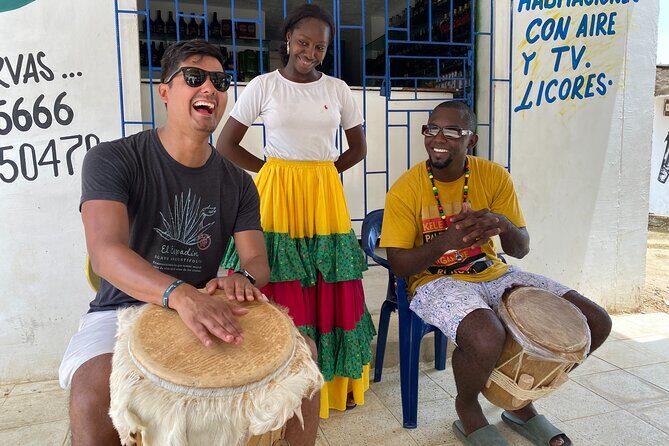
The musical segment with the Kombilesa Mi group offers a hands-on opportunity to understand community rhythms and instruments. The Murals Route allows for vibrant photos and stories behind each piece of street art, reflecting local identity. A visit to the Kid Pambelé Monument underscores the community’s pride in its boxing hero, culminating in a fun, small boxing class.
The culinary highlight? A generous, traditional lunch featuring fish cooked in coconut sumo, fried chicken, steak, and stewed pork, all served from the stove to the bijao leaf. Many reviews highlight the deliciousness of this meal, which provides a tasty taste of the community’s cuisine.
You can also read our reviews of more historical tours in Cartagena
The Itinerary in Detail
Stop 1: Community Welcome at the Parador
The tour begins with a warm greeting at the Tourist Parador, where you’ll receive a general overview of San Basilio de Palenque’s history and cultural significance.
This initial introduction sets the tone, giving you context about why this community is a living symbol of resistance and resilience. Expect a brief orientation, and prepare to feel welcomed into a community that’s deeply proud of its heritage.
Stop 2: Benkos Bioho Monument
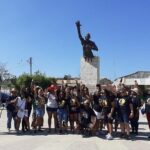
Next, you’ll visit the Monument of Benkos Bioho, a pivotal figure in Palenque’s story. The guide will narrate how Bioho organized Palenque as a refuge and a symbol of freedom—highlighting how he orchestrated military defenses and negotiated with colonial authorities.
The community sees Bioho as both a hero of resistance and a symbol of liberation, and understanding this helps you grasp the deep-rooted pride that fuels Palenque’s identity today.
Stop 3: Simankongo House Museum
This traditional ancestral house reflects the architecture and daily life of Palenque’s ancestors. Walking through it, you’ll see artifacts and traditional elements, gaining insight into their living conditions, customs, and craftsmanship. It’s a tangible connection to the past, illustrating how history is woven into their homes and daily routines.


Stop 4: Medicinal Patio
Here, you’ll meet traditional doctors who explain the importance of herbal medicine for the community. Expect to see and learn about local plants used for healing, giving you a look at indigenous medicinal practices that have persisted for generations. This stop underscores the community’s commitment to preserving their ancestral knowledge and using natural resources for health.
Stop 5: Kombilesa Mi Musical Movement
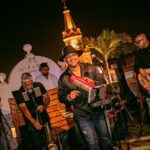
Music is the heartbeat of Palenque, and this stop allows you to participate in a traditional musical session with the renowned Kombilesa Mi group. You might try playing their instruments or singing along, which makes the experience both fun and meaningful. Many reviews praise the vibrant performances and the guide’s efforts to explain the significance of each rhythm and instrument.
Stop 6: Murals of Palenque
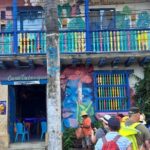
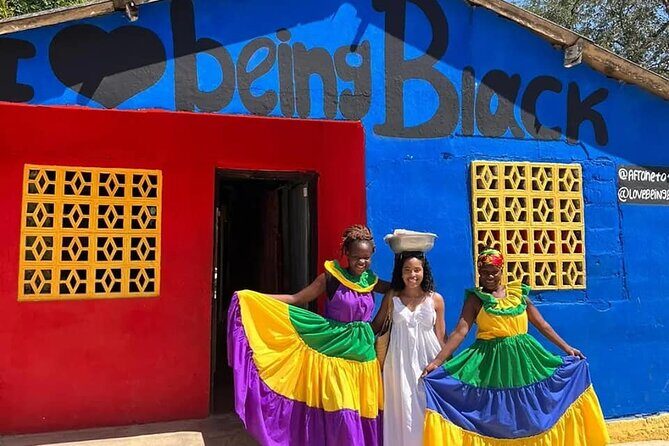
As you stroll through the streets, you’ll explore the murals that depict community stories and identities. Each piece of street art holds meaning, often celebrating heritage, resistance, and pride. You’ll have ample opportunities for photos, and your guide will explain the stories behind each mural, turning street art into a living gallery of community history.
Stop 7: Religious Practices
This segment sheds light on how Catholicism was imposed but also how true religiosity persists in different forms. You’ll learn about the community’s spiritual life—how they blend traditions and maintain a unique religious expression rooted in their African ancestry.
Stop 8: Kid Pambelé Monument and Boxing Class
This tribute to Antonio Cervantes Reyes, aka Kid Pambelé, highlights the community’s pride in its boxing hero who rose from Palenque to international fame. You might even get to try a few boxing moves, making this stop both educational and active.
Stop 9: Traditional Lunch
Finally, the tour concludes with a tasty, hearty meal of local dishes like fish in coconut sumo, stewed pork, fried chicken, and vegetarian options. Many reviews mention the delicious flavors and the authenticity of the food, often described as a highlight of the experience.
Transportation, Group Size, and Overall Value
This is a private tour, meaning you and your group will enjoy personalized attention without the constraints of a large crowd. The use of an air-conditioned vehicle ensures comfortable travel between stops, vital considering the often hot and humid weather in Palenque.
While the price point of around $102** may seem high, the value is clear when considering the depth of cultural and historical insights, authentic interactions, and the included meal. You’re paying for a full day of learning, participation, and connection with a community that has preserved its African roots against all odds.
Most travelers find their guides—such as Royman, Neudis, and Gabriel—knowledgeable, friendly, and passionate, making the experience engaging and memorable. The reviews consistently praise the authenticity and depth of the storytelling, as well as the warm welcome from the residents.
Considerations
- Be prepared for walking on uneven streets and hot weather; comfortable shoes and water are essential.
- Since it’s a private tour, it’s well-suited for travelers seeking a tailored, immersive experience rather than a generic sightseeing trip.
- The tour does not include the presentation of traditional music and dance Batata, which is listed as an additional activity, so plan accordingly if you’re interested.
Who Should Take This Tour?
If you’re a traveler who loves stories of resistance, culture, and community, this tour will resonate deeply. It’s perfect for those eager to understand Colombia’s African heritage firsthand, whether through history, music, food, or personal stories.
It suits those who appreciate interactive experiences—from participating in local music to trying boxing—and who want to support community-led tourism.
For anyone interested in authentic cultural exchanges and learning about a resilient community that has maintained its identity over centuries, this tour offers a rare, meaningful glimpse. It’s especially suitable if you enjoy walking tours and don’t mind the heat, as most reviews mention the need for comfortable footwear and hydration.
Visit Palenque with natives : history, culture and ancestral legacy
Frequently Asked Questions
How long is the tour?
The tour lasts approximately 6 hours and 30 minutes, giving ample time to explore each stop without feeling rushed.
Is this tour suitable for all ages?
Most travelers can participate, especially since it’s private and customizable. However, the walking involved and warm weather mean comfortable shoes and hydration are important for children or seniors.
What’s included in the price?
The tour includes transportation in an air-conditioned vehicle, a traditional lunch with fish, chicken, steak, or vegetarian options, and bottled water. It does not include the traditional music and dance presentation, which is optional.
Do I need to book in advance?
Yes, most travelers book about 26 days in advance, ensuring availability and proper planning, especially since it is a private tour.
Is the tour accessible for people with mobility issues?
While the tour covers multiple stops with some walking on uneven streets, it may not be entirely suitable for those with mobility challenges.
What should I bring?
Bring comfortable shoes, plenty of water, a hat or umbrella for shade, and a camera for photos. Optional items include a small tip for guides and native residents—many reviews highlight the importance of supporting local guides financially.
Can I cancel the tour if my plans change?
Yes, you can cancel free of charge up to 24 hours in advance for a full refund, offering flexibility for your travel plans.
To sum it up, this tour of Palenque offers a rare blend of history, culture, and community engagement. It’s a chance to see a community that proudly maintains its African roots through music, food, language, and traditions. Whether you’re a history enthusiast, a cultural explorer, or someone looking for a genuine connection, this experience is bound to leave an impression.
Expect to learn, participate, and leave with a deeper appreciation for the resilience and vibrancy of Palenque’s people.