
I got lost three times in Gamla Stan before I even found my tour group. That’s the thing about Stockholm’s Old Town — the streets don’t make sense on a map, the alleys twist back on themselves, and half the passages look like they lead into somebody’s living room. By the time my guide started talking about medieval executions in the main square, I’d already walked past it twice without realising what I was standing on.
A walking tour sorts all of that out. Two hours with someone who actually knows the stories behind these buildings turns a confusing maze of cobblestones into something that makes sense — and more importantly, something you’ll remember.
Stockholm’s Old Town was founded in 1252 by Birger Jarl, and the streets you walk today follow the same layout as the original medieval settlement. That’s nearly 800 years of history packed into an island you can cross in ten minutes.
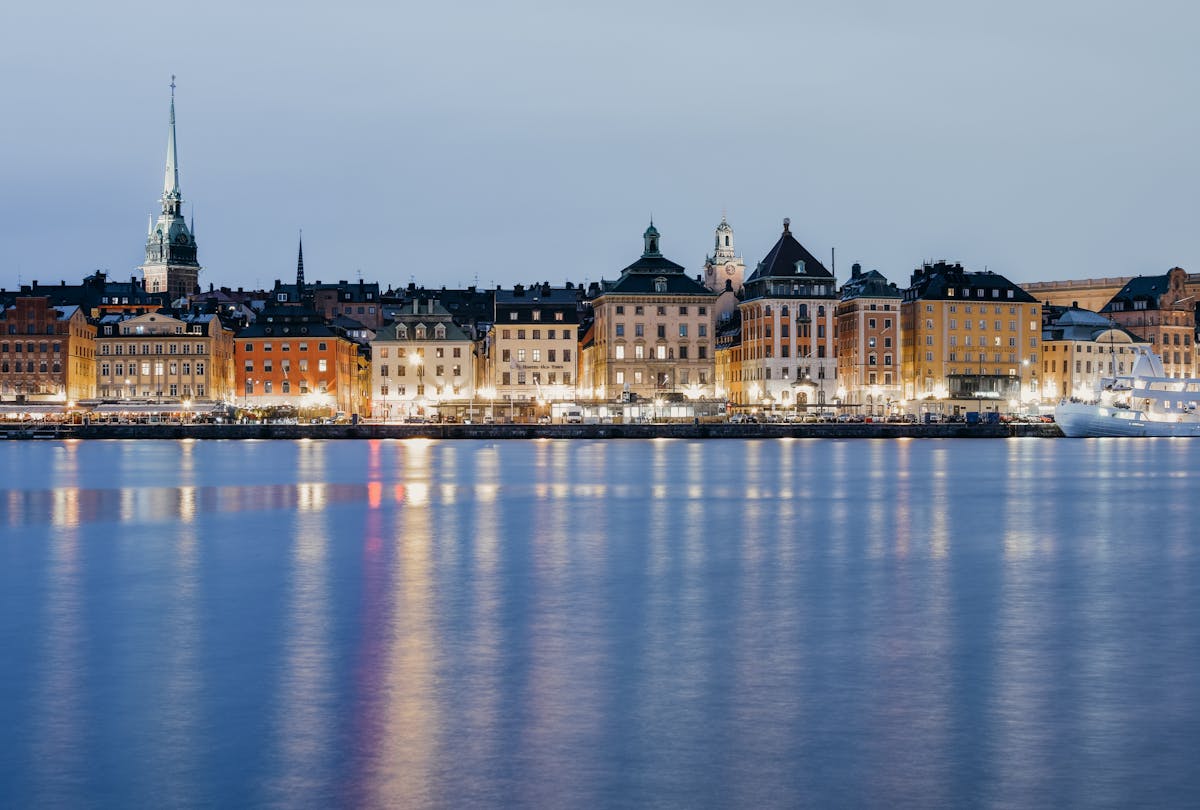
Short on time? Here are my top picks:
Best overall: Old Town Walking Tour with Local Guide — $16. Best value you’ll find. Two hours, covers all the key spots, and the guides genuinely know their stuff.
Best for history buffs: Ghost Walk and Historical Tour — $33. Part history, part ghost stories. Surprisingly well-researched and not cheesy.
Best food + walking combo: Swedish Food Guided Walking Tour — $112. Four hours of walking, eating, and learning about Swedish food culture. Worth the price.
- How Walking Tours in Stockholm Actually Work
- Self-Guided vs Guided: What’s Worth the Money?
- The Best Stockholm Walking Tours to Book
- 1. Stockholm: Old Town Walking Tour with Local Guide —
- 2. Stockholm: Ghost Walk and Historical Tour —
- 3. Stockholm: Swedish Food Guided Walking Tour — 2
- 4. Stockholm: Guided Historic Walking Tour in the Old Town —
- 5. Stockholm: Old Town Private Walking Tour — 8 per group
- When to Take a Walking Tour in Stockholm
- How to Get to Gamla Stan
- Tips That Will Actually Save You Time
- What You’ll Actually See on a Walking Tour
- Stockholm Beyond the Walking Tour
How Walking Tours in Stockholm Actually Work
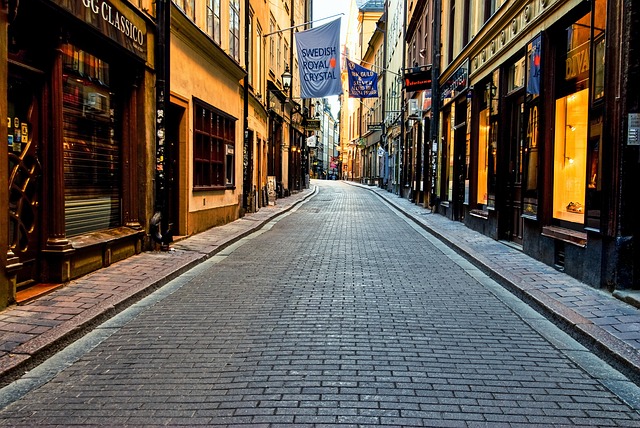
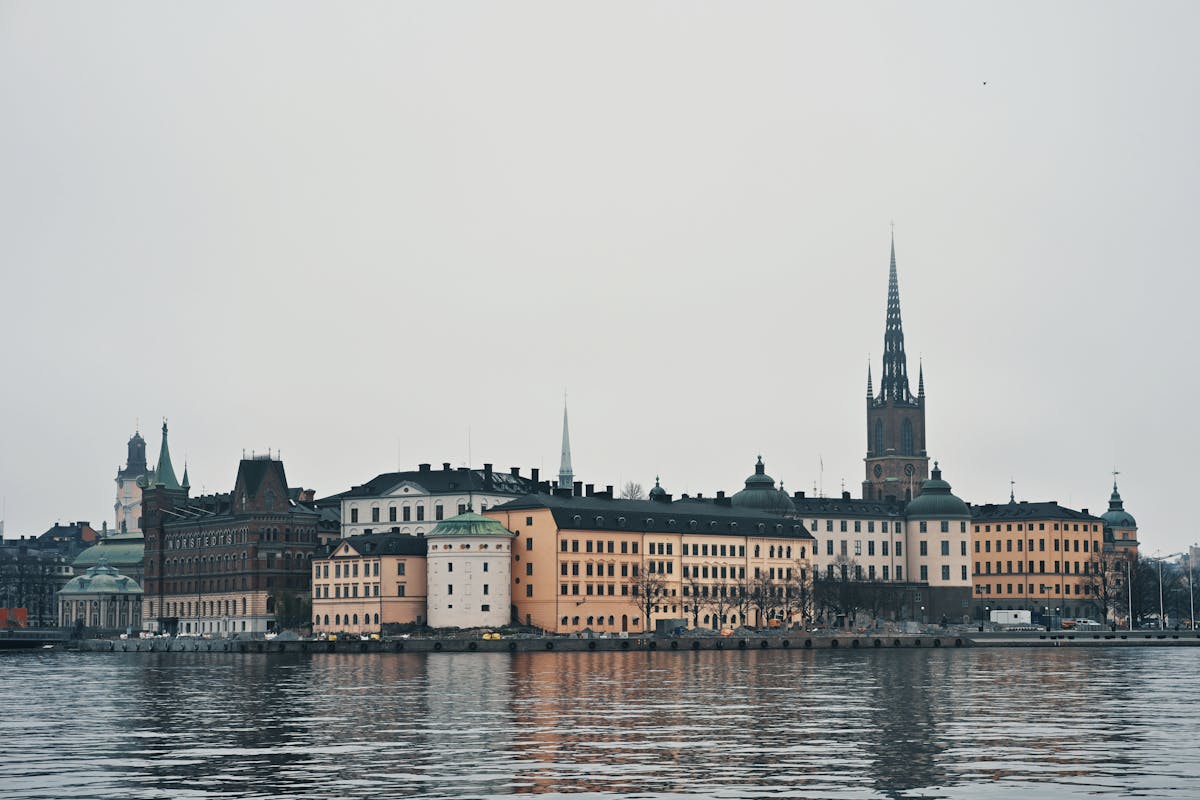
Almost every walking tour in Stockholm focuses on Gamla Stan — the Old Town island — and for good reason. It’s where all the history is concentrated, it’s compact enough to cover on foot, and the streets are mostly pedestrianised so you’re not dodging traffic every thirty seconds.
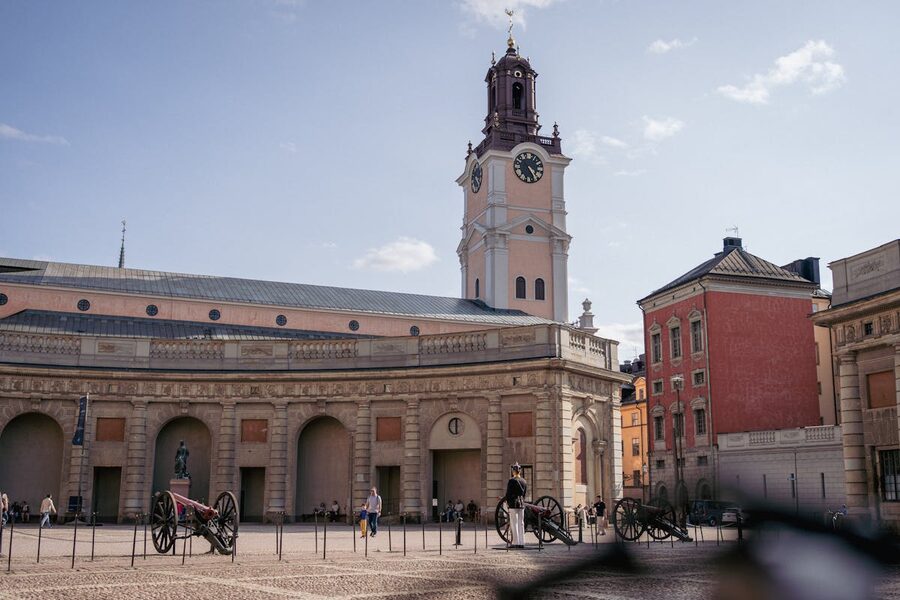
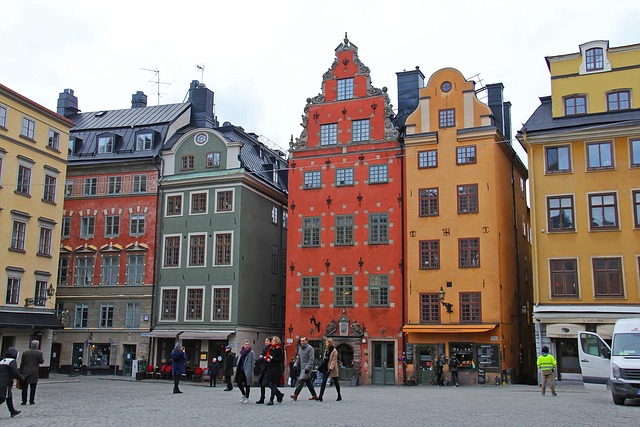
The standard format is a group tour with 10-25 people, one guide, and a set route that covers the main landmarks. You’ll typically see Stortorget (the main square), the Royal Palace exterior, Storkyrkan cathedral, the Nobel Prize Museum, and a handful of the medieval alleys and passages that make Gamla Stan what it is.
Most tours run between 1.5 and 2.5 hours. That’s the sweet spot — long enough to cover real ground, short enough that your feet don’t stage a revolt. Tours meeting points are usually near the Royal Palace or at Stortorget itself. You’ll get the exact location after booking.
Booking works the same way as anywhere in Europe: pick a date and time slot online, get a confirmation email, show up at the meeting point about 10 minutes early. No physical tickets needed — just show the confirmation on your phone. Most tours run rain or shine, so bring a waterproof layer if the forecast looks uncertain.
Self-Guided vs Guided: What’s Worth the Money?
You can absolutely walk Gamla Stan on your own for free. Download a map, hit the main square, look at the buildings, take photos. Nobody is stopping you.
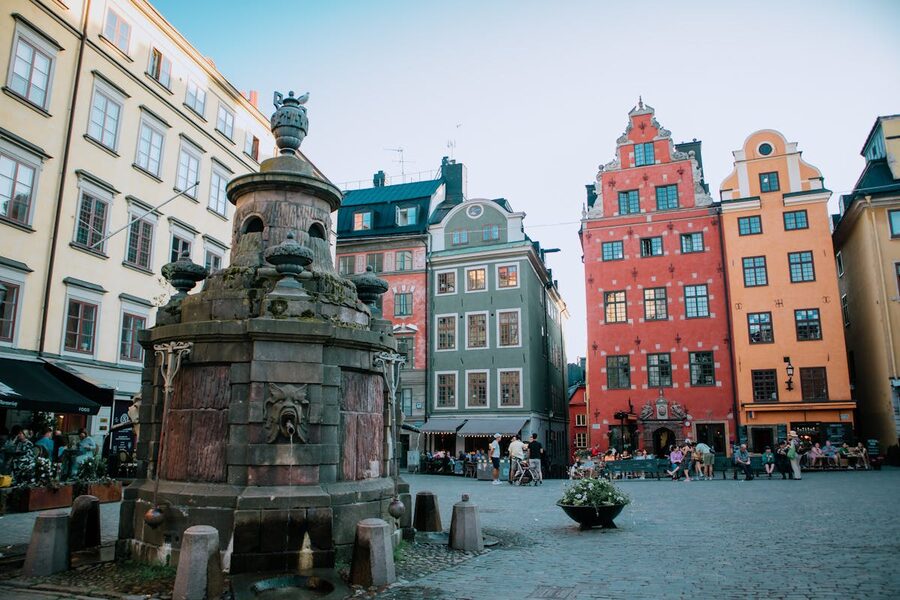
But here’s what you’ll miss: context. Standing in Stortorget without knowing about the Stockholm Bloodbath of 1520 — where Danish King Christian II invited 80 to 90 Swedish nobles to a feast and then had them executed right there in the square — makes it just another pretty square. With a guide, it’s the scene of one of the most dramatic political massacres in Scandinavian history. The white facade stones on Stortorget’s buildings? Legend says they represent the victims. That kind of detail doesn’t show up on Google Maps.
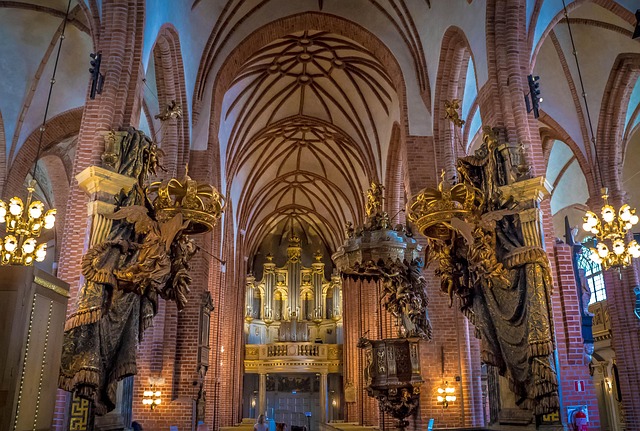
The same goes for Storkyrkan, the cathedral where Swedish royals have been crowned and married since the 15th century. Walk past it alone and it’s a church. Walk past it with a guide and you’ll learn about the medieval wooden sculpture of St George and the Dragon inside — possibly the largest medieval wooden sculpture in Northern Europe — and the astronomical painting from 1535 that might be the oldest surviving image of Stockholm itself.
So is a guided tour worth it? At $16-33 for a standard group tour, I’d say absolutely. That’s less than a single museum entry in most European capitals. If you’re the type who just wants nice photos without much backstory, save the money. But if you want to actually understand what you’re looking at, a guide transforms the experience.
The Best Stockholm Walking Tours to Book
I’ve gone through the options and picked five that cover different styles and budgets. These range from a cheap-and-solid overview to a four-hour food crawl, with a private option for anyone who hates group dynamics.
1. Stockholm: Old Town Walking Tour with Local Guide — $16
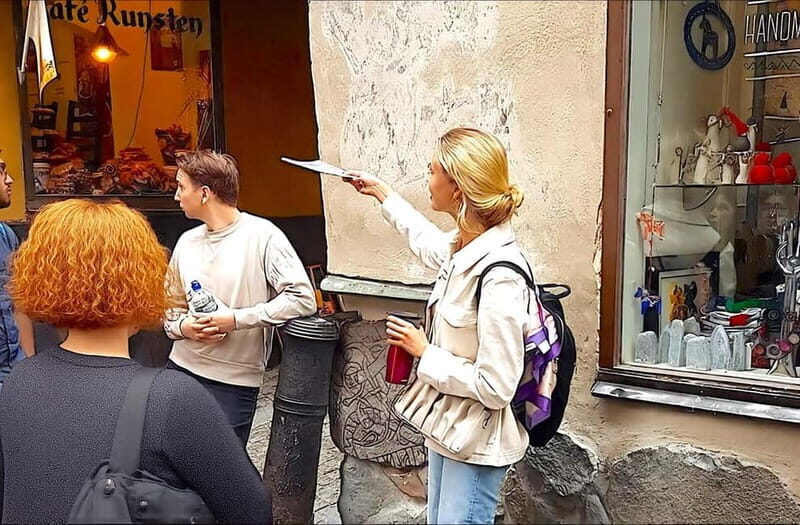
This is the one I’d tell most people to book. Two hours, $16 per person, and it covers all the essential ground — Stortorget, the Royal Palace area, the medieval alleyways, and the key historical stories that give the Old Town its depth. The guides are local, which makes a difference. You get genuine Stockholm perspective rather than a script someone memorised from a textbook.
At this price, it’s essentially the cost of a coffee and a pastry. And honestly, you’ll learn more in two hours with this tour than you would in an afternoon of wandering around reading plaques. The groups can get large during peak summer — that’s the main downside — but for the money, it’s hard to argue with.
2. Stockholm: Ghost Walk and Historical Tour — $33
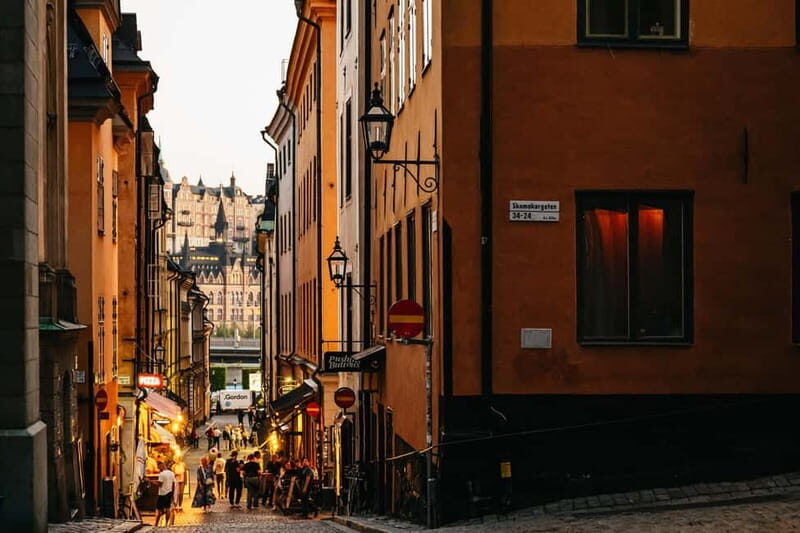
Don’t let the “ghost walk” label put you off. This is genuinely one of the better history tours available. Yes, there are ghost stories, but they’re grounded in real events — the Stockholm Bloodbath, plague outbreaks, medieval punishments. The guides use the darker side of Stockholm’s history as a storytelling framework, and it works.
At $33 for 1.5 hours, it’s double the price of the budget option but offers something completely different: atmosphere. The tour runs in the evening, the cobblestone alleys are quieter, and the stories hit differently when the sun’s going down. If you’ve already done a daytime walking tour and want a second perspective on the same streets, the Ghost Walk is a strong second pick.
3. Stockholm: Swedish Food Guided Walking Tour — $112
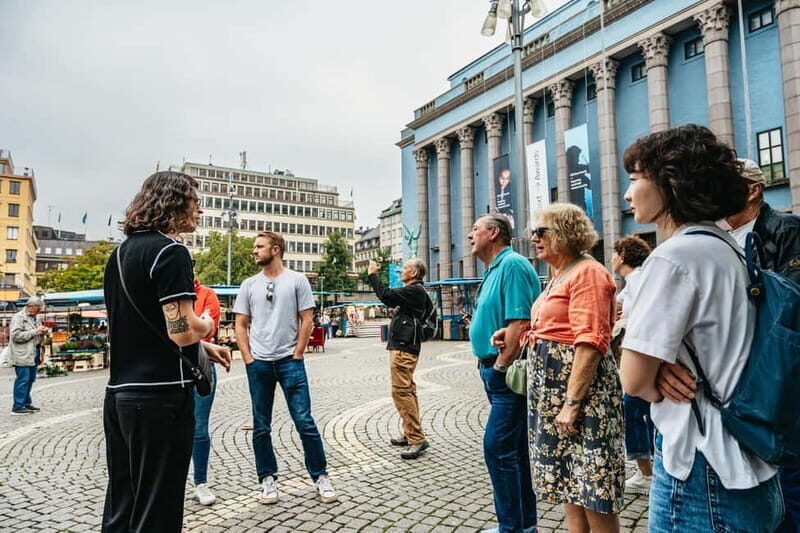
This is a different kind of walking tour entirely. Four hours, multiple food stops, and a guide who explains the cultural context behind what you’re eating. You’ll try traditional Swedish dishes — think meatballs done properly, pickled herring, local cheeses, cinnamon buns from actual bakeries rather than tourist traps — while walking through the Old Town and surrounding areas.
$112 per person sounds steep until you factor in that it replaces both a walking tour and a meal. The food alone would cost you $50-70 if you ordered it at restaurants, so you’re essentially paying $40-60 for a four-hour guided tour. That’s not a bad deal. The groups are small — usually 10-12 people — which means more personal attention and less standing around waiting. If food is a big part of how you experience a city, the food walking tour is worth the spend.
4. Stockholm: Guided Historic Walking Tour in the Old Town — $26
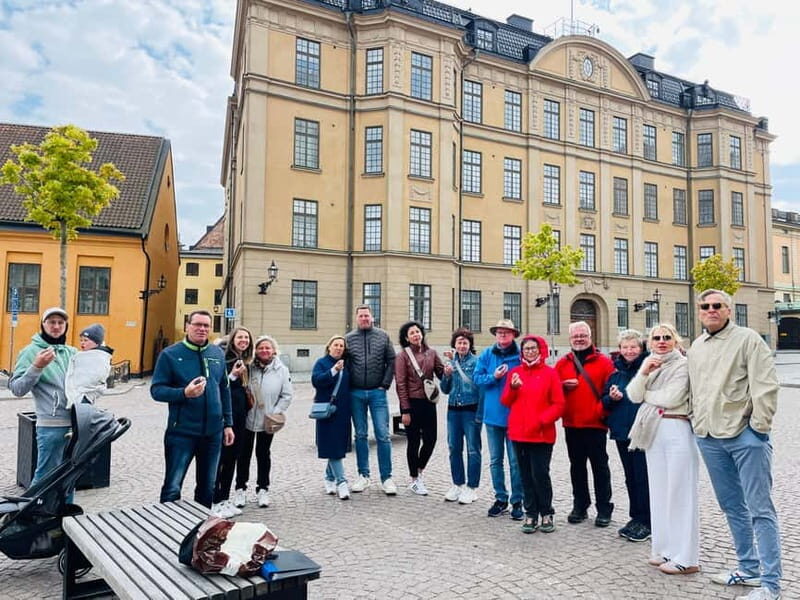
This sits between the budget option and the ghost walk in both price and depth. The focus here is explicitly on history — Birger Jarl founding the city in 1252, the evolution from trading post to capital, the architectural layers you can read in the buildings if someone shows you where to look.
At $26 per person, it’s a solid middle ground. The guides on this one tend to be particularly knowledgeable about medieval Stockholm, and the route covers a few spots that the more popular tours skip. The historic walking tour is the one I’d pick if I specifically wanted to understand how the city was built and why it looks the way it does. Less entertainment, more substance.
5. Stockholm: Old Town Private Walking Tour — $708 per group

Look, $708 for a group is serious money. But split it four ways and it’s $177 per person. Split it six ways and it’s $118 each. For a private, two-hour, fully customised walking tour of Stockholm’s Old Town, that starts looking more reasonable — especially if you’re travelling with family or a small group who want to go at their own pace.
The advantage here is obvious: no waiting for 20 strangers to take photos, no rushing past something you find interesting, and a guide who adjusts the route based on what you actually want to see. If medieval history bores you but architecture fascinates you, the guide pivots. If someone in your group has mobility issues, the route changes to avoid the steepest cobblestone sections. The private walking tour only makes financial sense for groups of 3 or more, but for the right group, it’s the best experience available.
When to Take a Walking Tour in Stockholm
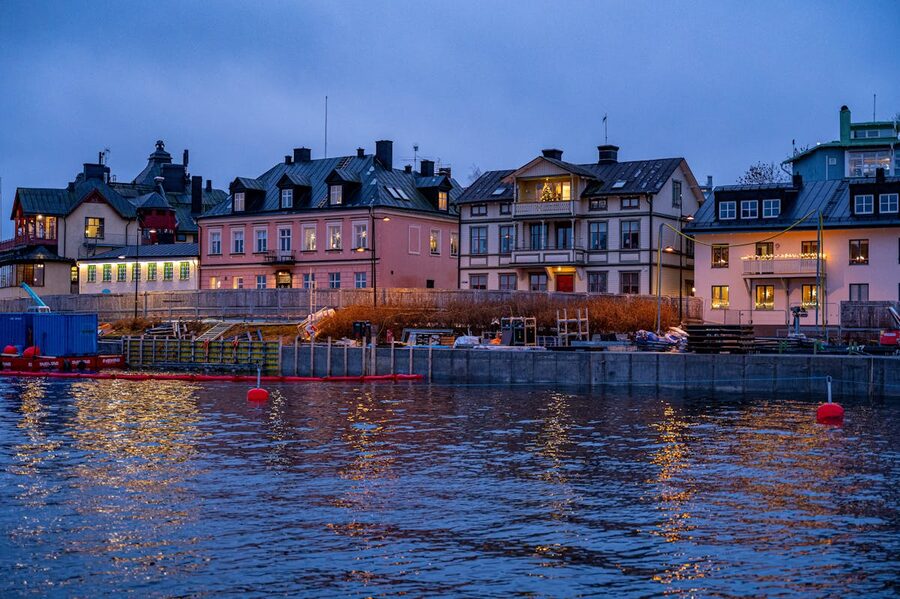
Best months: May through September. The weather cooperates, the days are long (Stockholm gets nearly 19 hours of daylight around midsummer in June), and the Old Town is at its most photogenic. July and August are peak tourist season — the streets will be busy, but the tours still run well because most of the route is through narrower alleys where the crowds thin out.
Shoulder season (April, October): Fewer travelers, cooler temperatures, and a different atmosphere. The downside is shorter daylight hours and a higher chance of rain. The upside is that you might have the streets more to yourself, and the guides appreciate smaller groups — they tend to go deeper into the stories when there are fewer people to manage.
Winter (November-March): Cold, dark, and honestly not ideal for a long outdoor walk. But the ghost tours work brilliantly in winter — the atmosphere is perfect. Just dress properly. Thermal layers, waterproof boots on the cobblestones (they get icy), and gloves you can still use your phone camera through.
Time of day: Morning tours (9-10am) get you to Gamla Stan before the day-trippers and cruise ship passengers arrive. Afternoon tours (1-3pm) are the most popular and the most crowded. Evening tours (6-8pm in summer) catch the best light and a more relaxed atmosphere.
How to Get to Gamla Stan
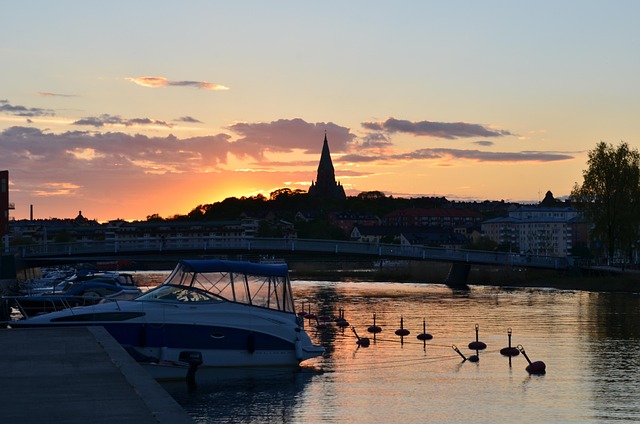
Gamla Stan has its own T-bana (metro) station, also called Gamla Stan, on the green and red lines. From Stockholm Central Station, it’s one stop south. The station exits directly onto the island, and you’re about a three-minute walk from Stortorget and most tour meeting points.
If you’re staying on Sodermalm (the island just south of Gamla Stan), you can walk across the Slussen bridge in about five minutes. From Ostermalm or Djurgarden, take the T-bana to Gamla Stan or walk across the Stromsbron bridge from the city center — it’s roughly a 10-minute walk from Sergels Torg.
Driving is pointless. The streets in the Old Town are pedestrianised, parking is nonexistent, and congestion pricing means you’ll pay a toll just to enter the central zone. Take the metro or walk.
Tips That Will Actually Save You Time
Book at least 2-3 days ahead in summer. The popular tours at good time slots fill up, especially the morning ones. In winter and shoulder season, you can usually book a day or two before, but why risk it when booking takes 60 seconds.
Wear proper shoes. I can’t stress this enough. Gamla Stan’s streets are uneven cobblestone — the original medieval surface in many places. Trainers are fine. Sandals, heels, or thin-soled shoes are asking for trouble. Your feet will hate you by the second hour.
Bring cash for the cafes. Sweden is famously cashless and most places take cards, but a handful of the tiny traditional shops and bakeries in the deeper alleys still prefer cash. Not essential, but handy.
Don’t skip the Nobel Prize Museum. It sits right on Stortorget and most walking tours pass it. The museum itself takes 1-2 hours and gives you something to do after your tour finishes. The chairs in the cafe underneath are worth checking — Nobel Prize winners sign the bottom of their chairs, and you can flip them over to see the signatures.
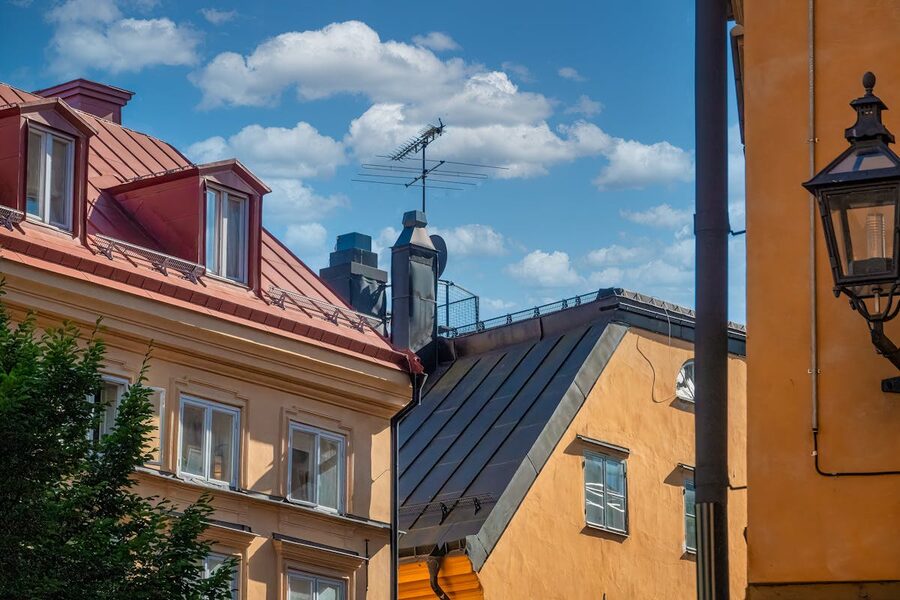
Ask your guide about Marten Trotzigs Grand. It’s the narrowest street in Stockholm — just 90 centimetres wide at its tightest point — and not all tour routes include it. If yours doesn’t, ask where it is and go back on your own after. It’s in the southern part of Gamla Stan, and the steep steps make for a good photo.
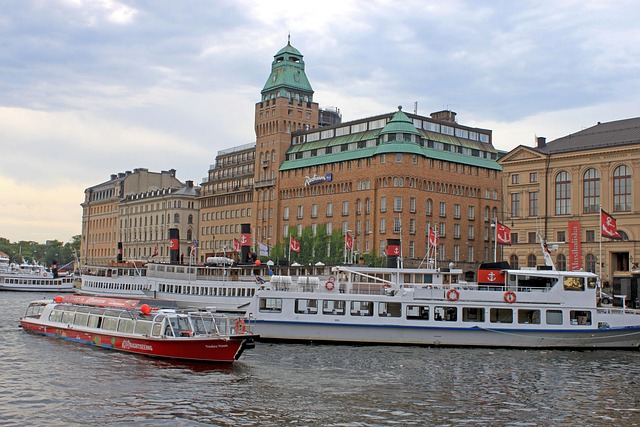
Combine your walking tour with a boat tour. A Stockholm boat tour shows you the same buildings from the water, which gives a completely different perspective. Do the walking tour in the morning, the boat in the afternoon. Or the other way around — seeing the Old Town from the water first actually helps you get oriented for the walking portion.
What You’ll Actually See on a Walking Tour
Every tour covers slightly different ground, but these are the spots you’ll almost certainly hit:
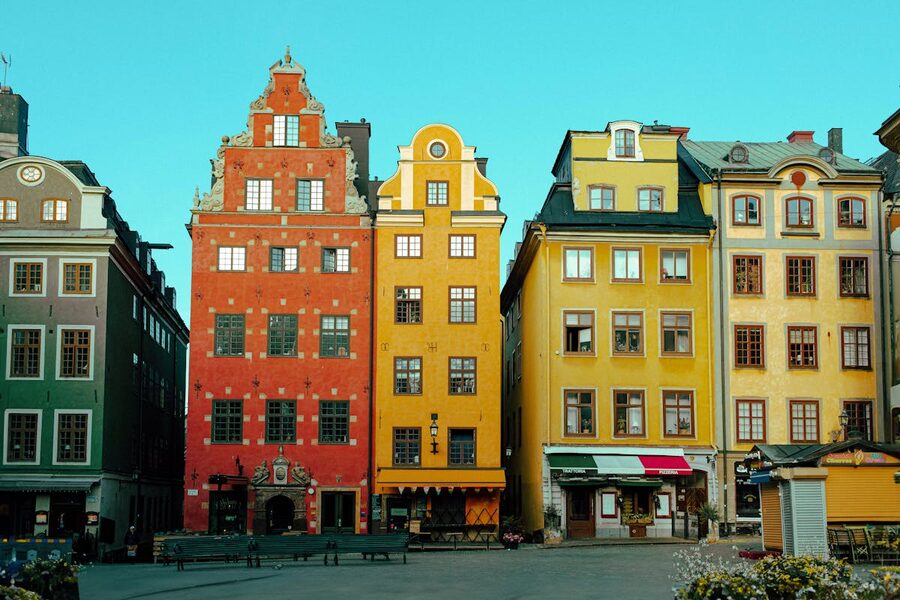
Stortorget — the main square and emotional center of Gamla Stan. This is where the Stockholm Bloodbath happened in November 1520, when Danish King Christian II had between 80 and 90 Swedish and Finnish nobles beheaded over three days. The event was so shocking that it triggered the rebellion that eventually led to Swedish independence under Gustav Vasa. Guides love this story, and standing in the actual square where it happened makes it land differently than reading about it in a book.
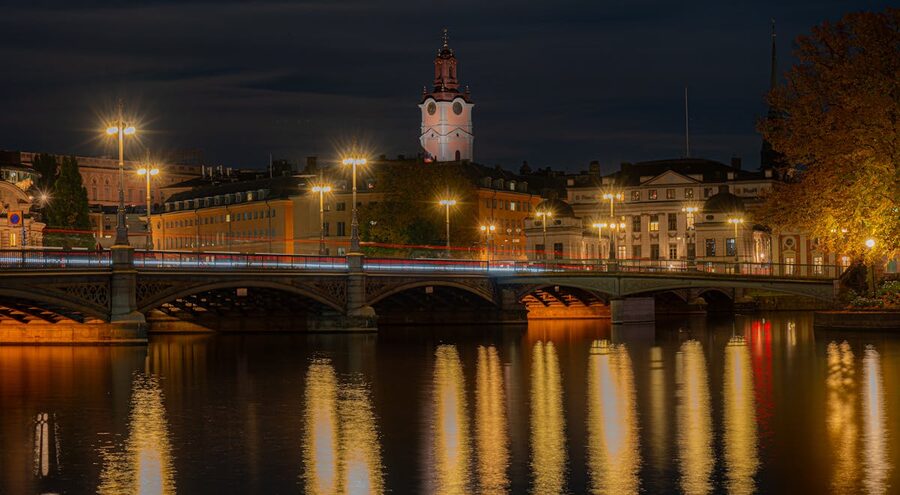
The Royal Palace — Stockholm’s Royal Palace has 608 rooms, making it one of the largest royal residences in Europe. Walking tours typically cover the exterior and explain the history — it was built in the 18th century after the previous Tre Kronor castle burned down in 1697. The changing of the guard happens daily around noon and is worth timing your visit around if you’re nearby.
Storkyrkan (Stockholm Cathedral) — the oldest church in Gamla Stan, dating to the 13th century, though most of what you see now is from later renovations. Inside is the famous statue of St George and the Dragon, carved in 1489. This is where Swedish kings and queens have been crowned for centuries, and where Crown Princess Victoria married Daniel Westling in 2010.

The Nobel Prize Museum — located in the old Stock Exchange Building on Stortorget. Even if you don’t go inside, guides will tell you about Alfred Nobel’s decision to create the prizes after a French newspaper mistakenly published his obituary under the headline “The merchant of death is dead” — referring to his invention of dynamite. The story goes that the experience of reading his own premature obituary shocked Nobel into wanting a different legacy.
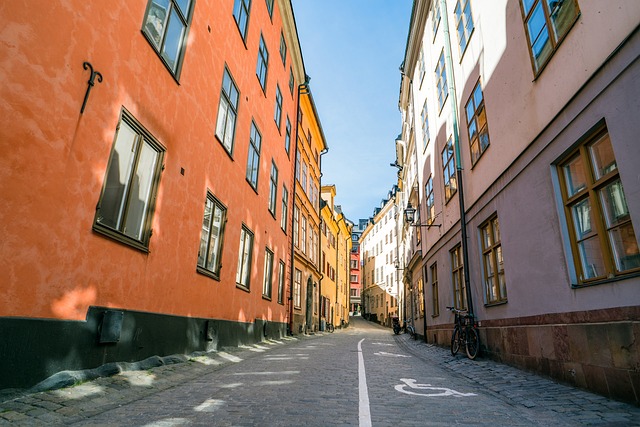
The medieval alleys — the narrow passages between the main streets are where Gamla Stan reveals its medieval character. Streets like Prästgatan and Österlånggatan feel completely different from the tourist-facing main routes. Some alleys are barely wide enough for two people to pass each other. The buildings lean in above you, and there’s a genuine sense of stepping back in time that the main streets, with their souvenir shops, don’t quite capture.
Stockholm Beyond the Walking Tour
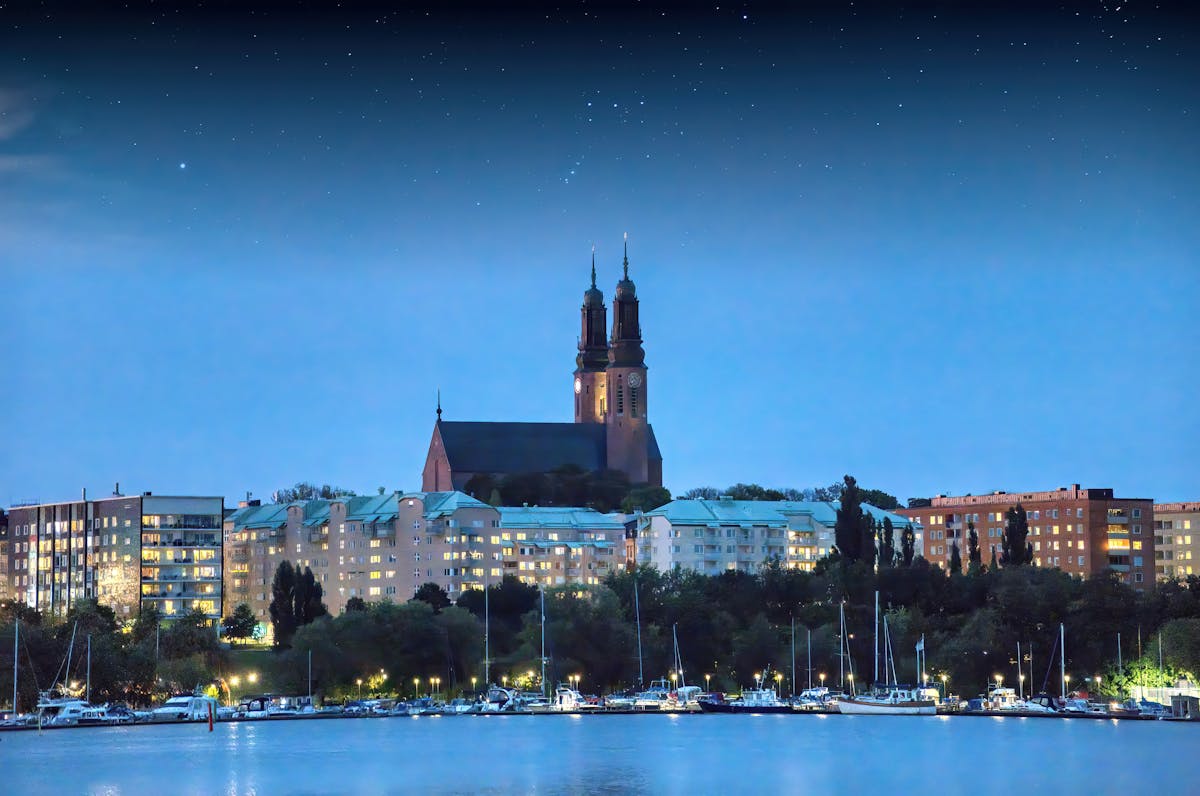
Gamla Stan is the obvious starting point, but Stockholm has more than enough to fill several days beyond the Old Town. The Stockholm archipelago is genuinely one of the most underrated day trip options in Scandinavia — 30,000 islands scattered across the Baltic, reachable by public ferries from the city center. It’s a completely different side of Stockholm that most travelers never see.
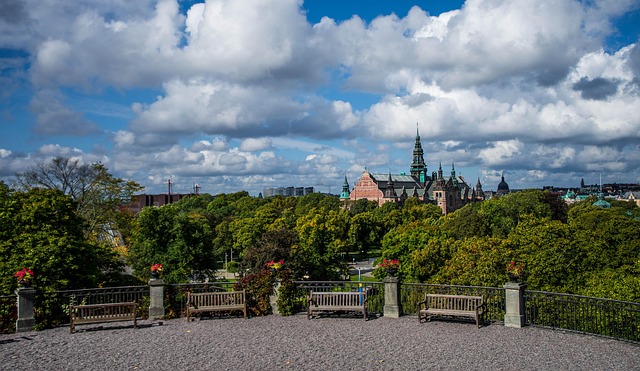
Back in the city, the ABBA Museum on Djurgarden is more fun than you’d expect even if you’re not a fan — it’s genuinely interactive and well-designed. And if you want to see Stockholm from the water rather than on foot, a boat tour through the channels gives you the same waterfront views from a completely different angle. Combining a walking tour with a boat ride in the same day is honestly one of the best ways to get a full picture of the city without exhausting yourself.
This article contains affiliate links. If you book a tour through our links, we earn a small commission at no extra cost to you. It’s how we keep this site running and producing free travel guides.