
You pay around $45, get picked up in central Lisbon at eight in the morning, and by evening you’ve stood in the square where three shepherd children reported seeing the Virgin Mary, walked through a Gothic monastery that took 150 years to build, eaten fresh bread at a fishing village where the waves get taller than most apartment buildings, and watched the sunset through a medieval arch in a town smaller than the Lisbon airport. That’s the payoff on this day trip — four completely different slices of Portugal in the time most tourists spend queuing for the 28 tram.
This isn’t the Fátima-only pilgrimage trip. It’s the combo product — Fátima + Nazaré + Batalha + Óbidos in a single nine or ten-hour loop out of Lisbon, done by minivan or small coach with a guide. If you want to spend two nights at the Sanctuary instead, our standalone Fátima guide covers that. What you’re reading here is the one-day, four-stop version.

- Best value: Small-Group from Lisbon: Fátima, Batalha, Nazaré, Óbidos — $39pp, nine hours, group capped at eight. Best rating of the three and the cheapest to boot.
- Most booked: Fátima, Nazaré, Batalha and Óbidos Guided Tour — $47pp, ten-hour loop, the one everyone lands on first.
- Premium small group: Fátima Óbidos Batalha & Nazaré Small Group — $79pp, nine hours, max eight people, no stadium-seating coach in sight.
- What the day actually looks like
- Three tours worth booking
- 1. From Lisbon: Fátima, Batalha, Nazaré & Óbidos Small-Group Tour —
- 2. From Lisbon: Fátima, Nazaré, Batalha and Óbidos Guided Tour —
- 3. From Lisbon: Fátima Óbidos Batalha & Nazaré Small Group Tour —
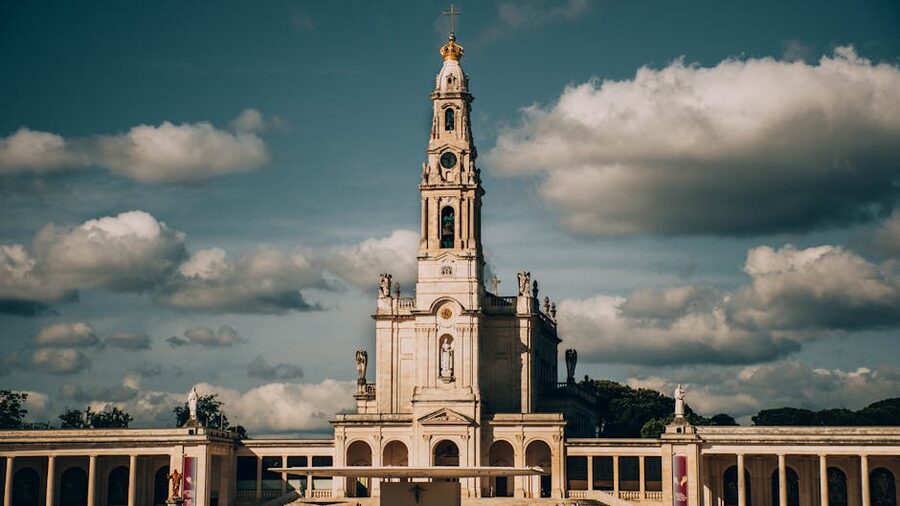
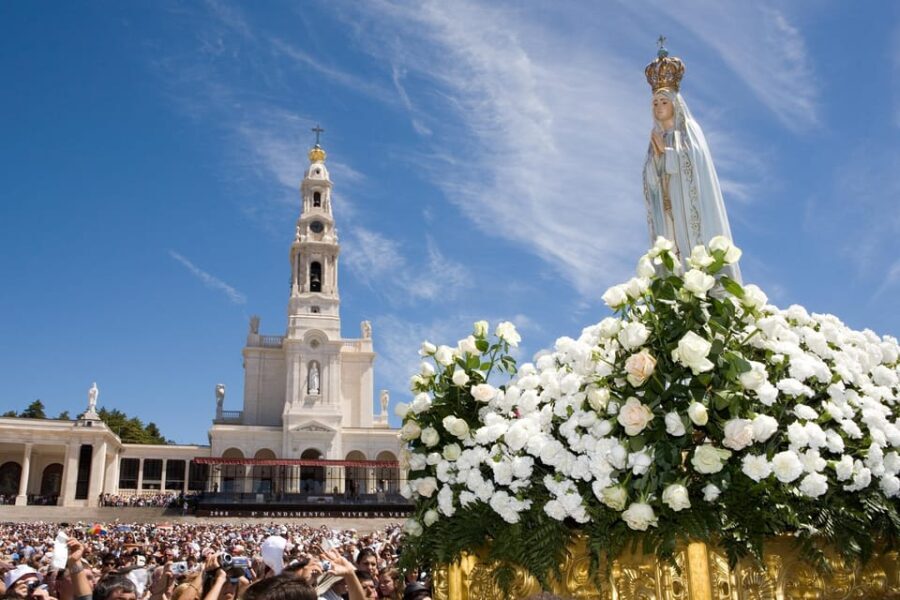
- Fátima: what’s actually there
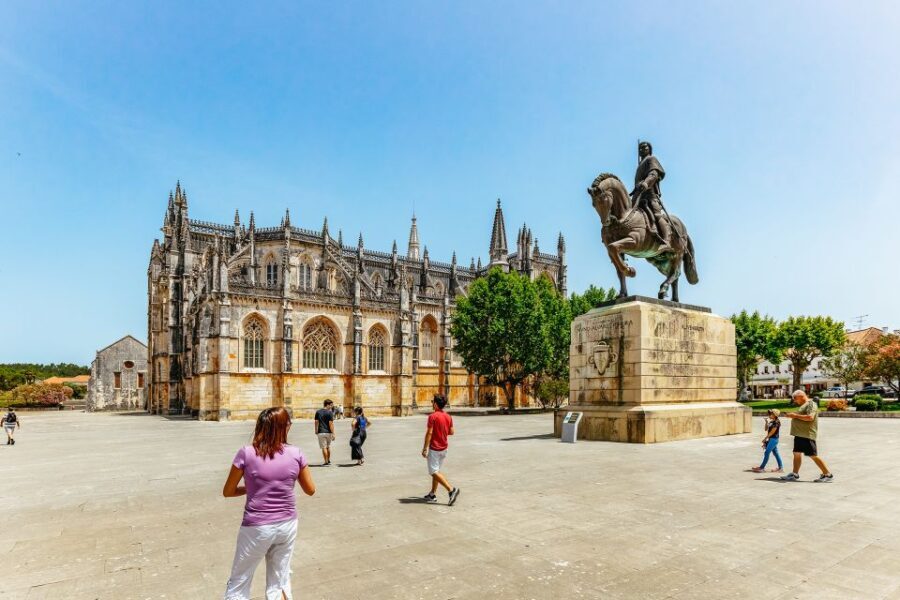
- Batalha: the monastery the kings built for 150 years
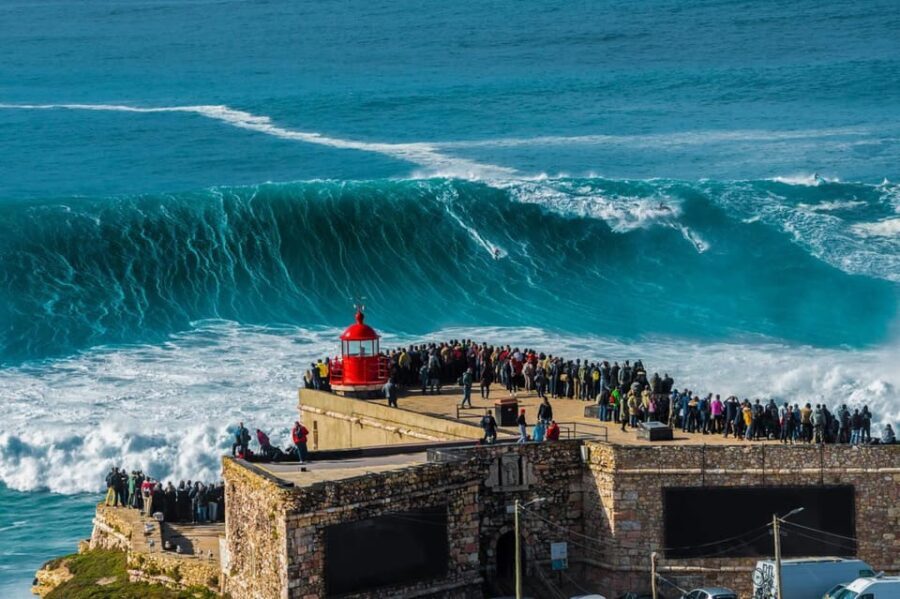
- Nazaré: fishing village, giant waves, lunch
- Óbidos: the small medieval town that isn’t small on charm
- Which tour to pick — the actual tradeoffs
- Practical stuff you’ll want to know
- How this compares to the other day trips out of Lisbon
- More day trips from Lisbon worth booking
What the day actually looks like
Every version of this tour runs the same basic shape. Pickup between 7:30 and 8:30 from a central Lisbon meeting point (usually Marquês de Pombal or Praça da Figueira). You drive north on the A8 for about 90 minutes to Fátima. Mass starts at ten if you want to catch it. From there you do the other three stops in different orders depending on the operator — most start with Fátima because you want to be there before the busloads from Lourdes arrive.
Total driving is about five hours of the nine or ten. That sounds like a lot until you realise the alternative — trying to do this by public transport — takes two full days and involves at least four bus changes. The tour is the efficient version.
Here’s what each stop gets you on a standard itinerary:
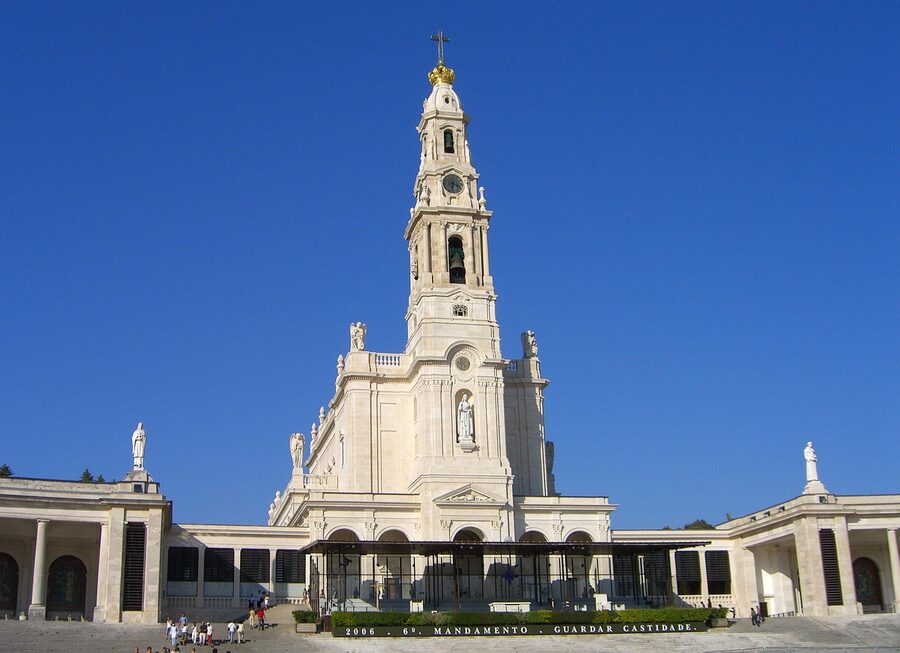
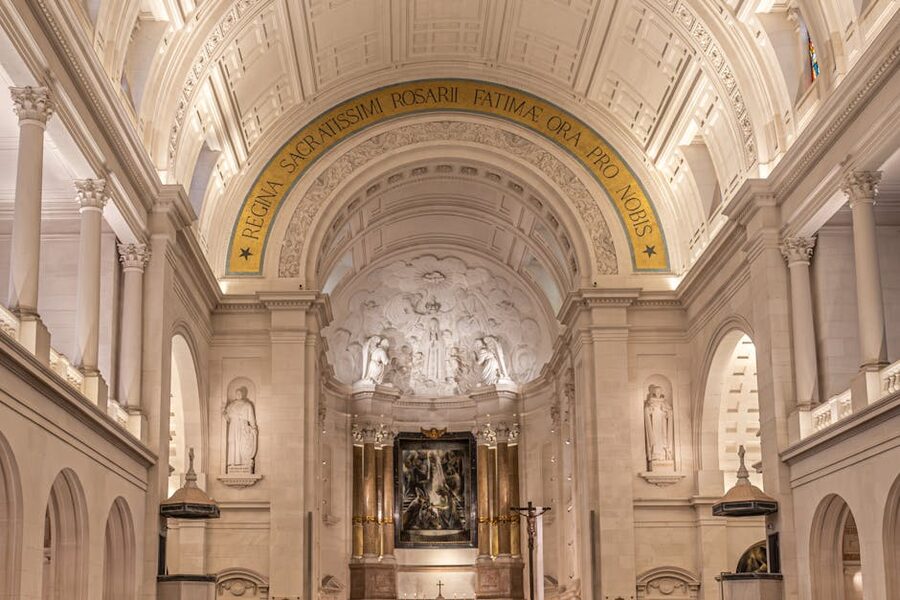
- Fátima (60–90 min): Chapel of the Apparitions, the original Basilica of Our Lady of the Rosary, the modern Basilica of the Most Holy Trinity across the square, the tombs of the three shepherd children. Enough time to walk the esplanade and buy a candle if you want.
- Batalha (45–60 min): Usually a guided walk around the outside plus entry to the Royal Cloister and the Unfinished Chapels. The monastery is a UNESCO site and one of the best examples of Portuguese Late Gothic anywhere.
- Nazaré (60–90 min including lunch): Lunch break in the lower town, then up to Sítio for the lighthouse viewpoint and Fort of São Miguel Arcanjo. This is where you see the giant-wave spot, even when the sea is flat.
- Óbidos (45–75 min): Walk through the walled town from Porta da Vila to the castle, ginja shot from a chocolate cup, time to wander the main street. Most tours don’t include castle entry.
Three tours worth booking
1. From Lisbon: Fátima, Batalha, Nazaré & Óbidos Small-Group Tour — $39
Hands-down the best-value option on the market right now. Nine hours, limited to about eight people per vehicle, and the rating sits higher than any of the bigger operators — guides like Miguel and Ricardo come up by name in the reviews, which almost never happens on mass-market products. Our full review goes into the pickup meeting point and what’s actually included. The tradeoff for the low price: you’re on a tighter clock at each stop than the premium options.
2. From Lisbon: Fátima, Nazaré, Batalha and Óbidos Guided Tour — $47
This is the one most people end up booking because it’s what pops first, and that’s fair — it’s a solid, reliable tour with one genuine advantage over the cheaper option: an extra hour in the day, usually spent at Nazaré. Our detailed review breaks down what the extra hour buys you. If you care about time at Nazaré’s Sítio viewpoint — and you should, because that’s where the big-wave legend lives — pick this over the nine-hour version.
3. From Lisbon: Fátima Óbidos Batalha & Nazaré Small Group Tour — $79
If you want the small-group format with a guide who’s going to actually walk you through Batalha’s history rather than point vaguely and say “thirty minutes, meet back at the bus,” this is the one. Our full review covers the exact guiding style — it runs closer to a private tour in feel. The only reason not to book this is price. At $79pp it’s double the cheapest option, and if you’re travelling as a couple that’s a meaningful difference.
Fátima: what’s actually there
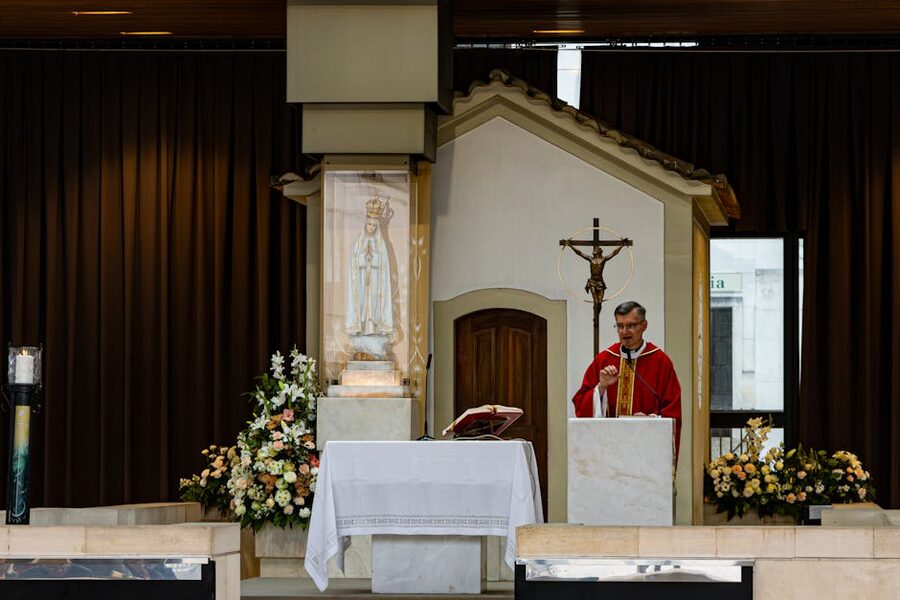
Fátima is a town built around a story. In 1917, three shepherd children — Lúcia, Francisco and Jacinta — said the Virgin Mary appeared to them six times in a field called Cova da Iria, starting on May 13th. The last apparition drew 70,000 people and became known as the Miracle of the Sun. The Catholic Church eventually accepted the visions as authentic. A sanctuary went up on the exact spot.
The site is enormous. The main esplanade is bigger than St Peter’s Square in Rome, which is the fact every guide leads with because it’s genuinely true. There are two main churches — the original 1953 Basilica of Our Lady of the Rosary at one end and the much newer (2007) Basilica of the Most Holy Trinity at the other. The tombs of all three shepherd children are in the older one, which is where most pilgrims head first.
The small, low chapel in the middle of the esplanade — the Capelinha das Aparições — is built on the spot where the Virgin appeared. It’s where the live mass happens. It’s also the most moving part of the whole site if you’re going to be moved by any of it. Some visitors cross the esplanade on their knees as an act of devotion; you’ll see worn stone tiles where they’ve done it for decades.
Heads up: if your trip coincides with May 13th or October 13th, the whole town doubles in size overnight. Hundreds of thousands of pilgrims show up. The tour will still run, but everything — parking, food, toilets — takes much longer. If you have a choice, avoid those two dates.
Batalha: the monastery the kings built for 150 years
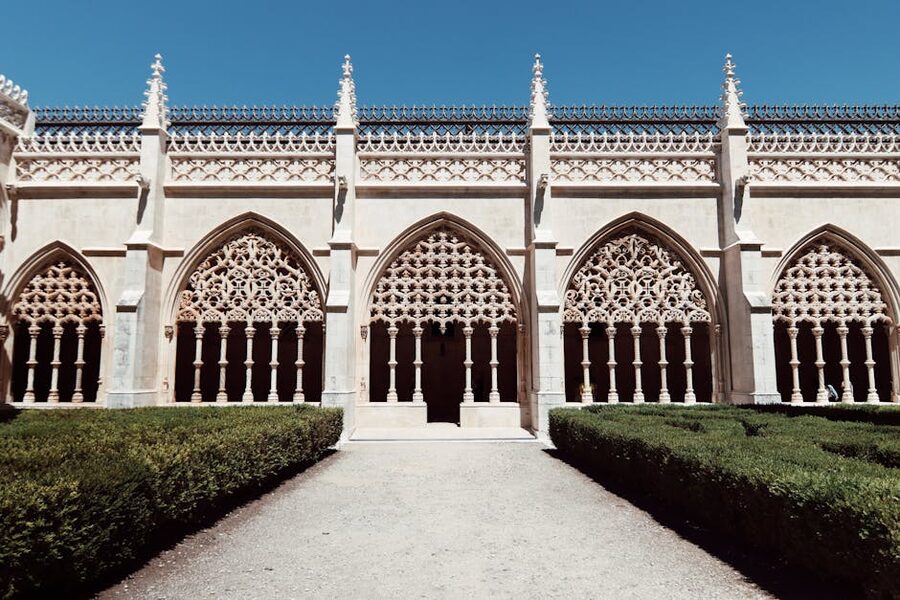
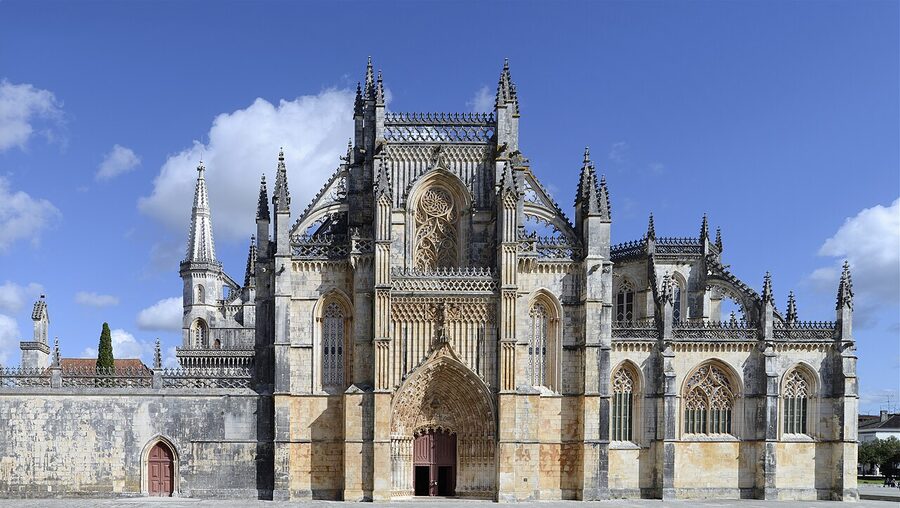
Batalha — properly called the Monastery of Santa Maria da Vitória — exists because of a battle. In 1385 the Portuguese took on the Castilians at Aljubarrota, about 10 minutes from here, and won against ridiculous odds. King João I had promised the Virgin Mary a monastery if he pulled it off. Construction started in 1386 and ran for 150 years, across seven different kings and 15 different architects. That’s why the place doesn’t look like any one style — it’s a patchwork of Gothic, Manueline and Renaissance, depending on which king was paying the builders at the time.
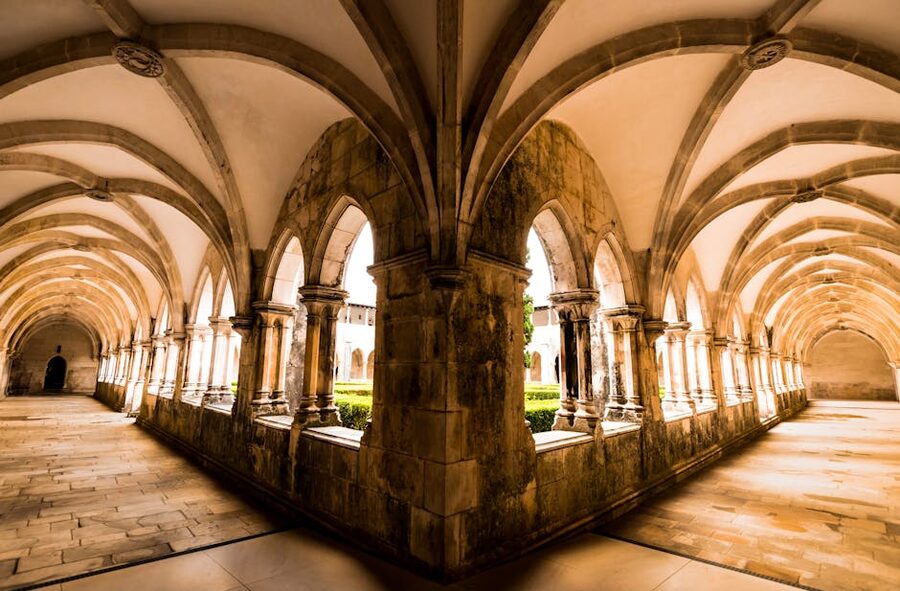
The highlights on a normal tour:
- The main façade. West entrance, covered in 78 sculpted figures of kings, apostles and angels. This is the postcard shot.
- The Royal Cloister. The Manueline tracery here is some of the best in Portugal. You get rope patterns, coral, armillary spheres — all the maritime imagery of the Age of Discoveries carved into stone.
- Founder’s Chapel. Contains the tombs of João I and his English queen, Philippa of Lancaster. Their son Henry the Navigator (the one from the history books) is buried here too.
- The Unfinished Chapels. Exactly what they sound like. King Duarte wanted a giant mausoleum, died before it was finished, and the project was abandoned mid-construction. It’s open to the sky and eerily beautiful.
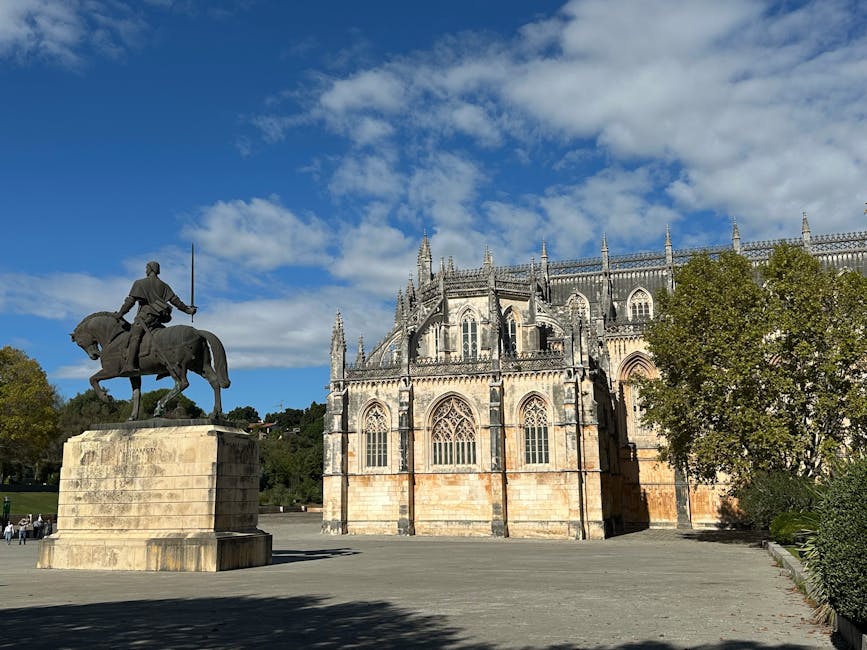
Entrance is normally included in the tour price but worth double-checking when you book — a few of the cheaper operators just drop you outside and pocket the ticket fee. If that happens, the Monastery charges €7.50pp and is worth every cent.
Nazaré: fishing village, giant waves, lunch
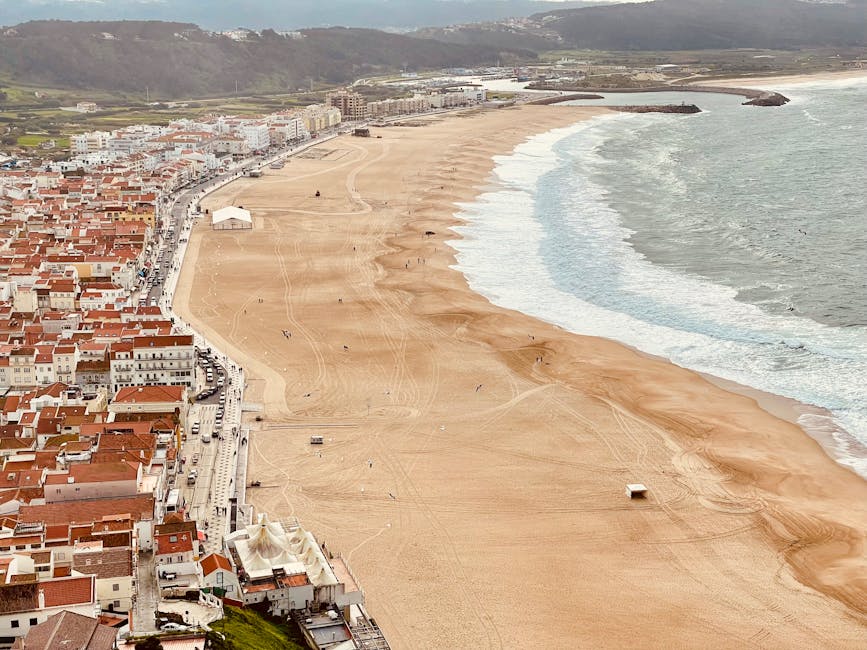
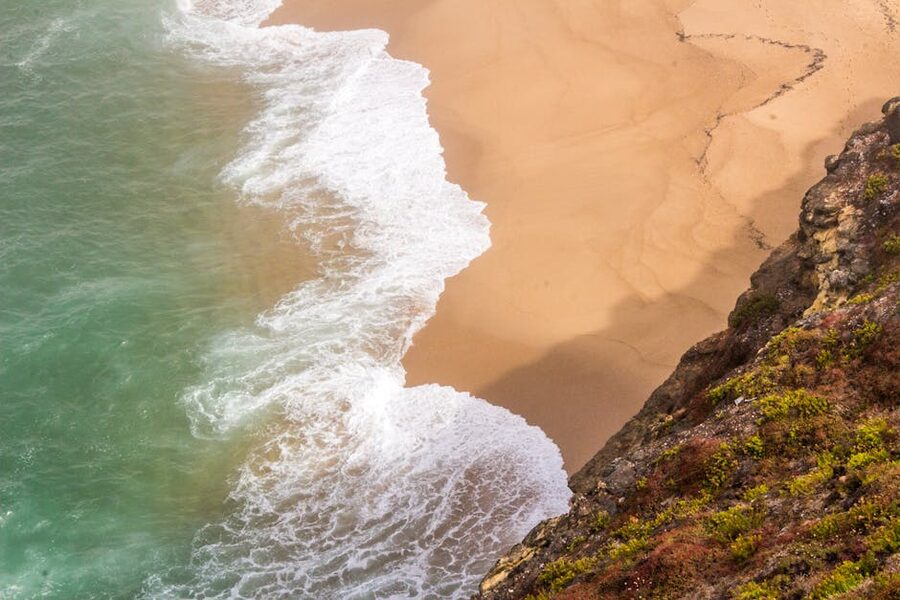
Nazaré is split into two towns. Praia de Nazaré is the main beach strip — long stretch of sand, traditional painted fishing boats still on the sand, cafés and seafood restaurants along the promenade. This is where most tours stop for lunch. Grilled sardines or caldeirada (fish stew) are the obvious moves; budget €12–18 for a main course. Avoid anywhere that has an English-only menu or a guy out front trying to wave you in.
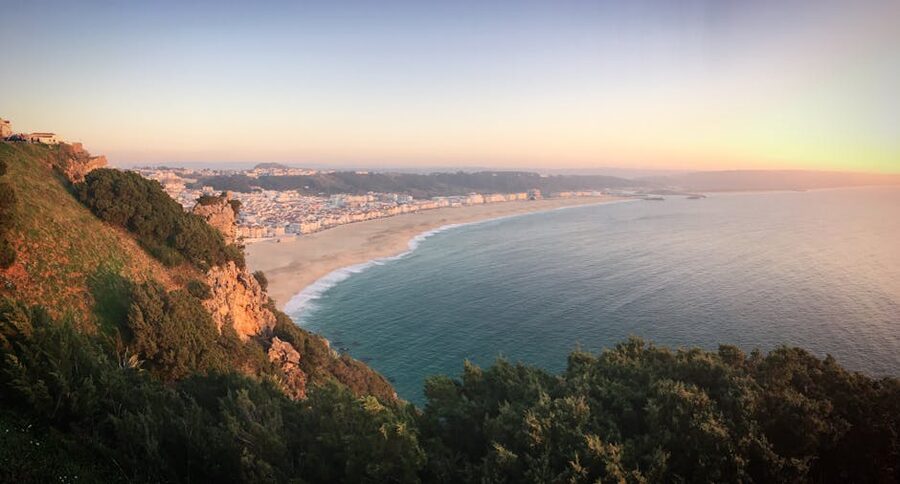
The other half of Nazaré is Sítio — the old village on top of the 110-metre cliff. You get up there either by road (if the tour van takes you) or via the funicular (€2.50 return, built in 1889 and still running). Sítio has the lighthouse, the Fort of São Miguel Arcanjo, and — most famously — the viewpoint where every big-wave photo you’ve ever seen of Nazaré is taken.
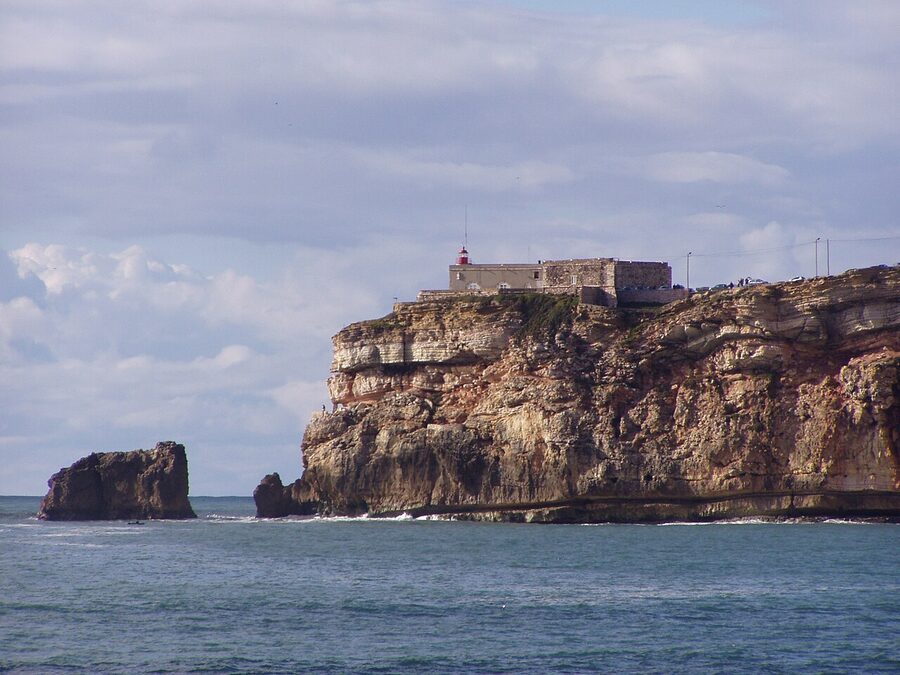

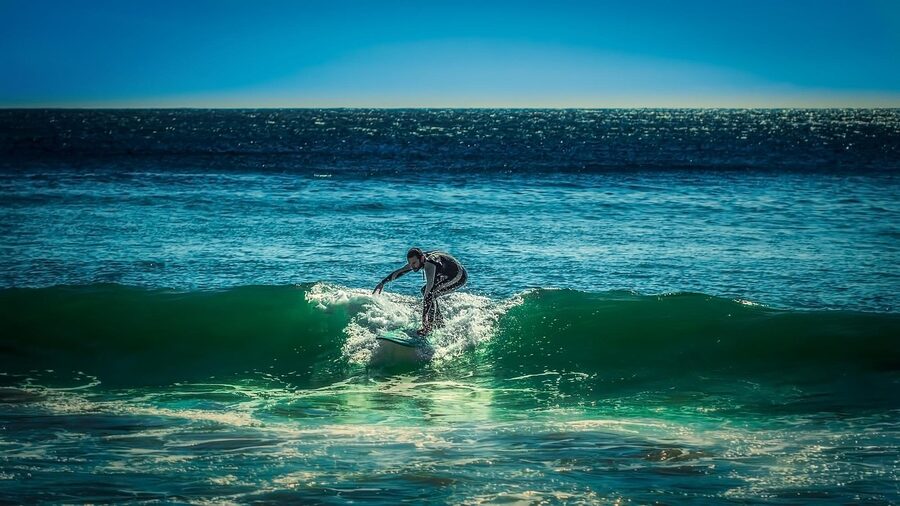
About those waves. Nazaré is the home of the biggest surfed waves on Earth. An underwater canyon called Nazaré Canyon funnels Atlantic swell into the bay and turns it into walls of water that hit 24 metres in winter (that’s the current world record, surfed by Sebastian Steudtner in 2020). But — and this matters — the giant waves only happen in winter, roughly October through February, on specific swells. If you’re here in July you’ll see regular beach waves, a couple of surfers, and that’s it. The viewpoint is still worth it for the cliff views alone, but don’t expect the photos.
The traditional painted wooden fishing boats on the beach aren’t just for Instagram — Nazaré was a working fishing village for centuries and these are the old art-deco boats they used to row out past the breakers. The women who sold the catch used to wear seven layered skirts; you’ll still see a few older women in the traditional seven-skirt outfits selling dried fish near the promenade.
Óbidos: the small medieval town that isn’t small on charm
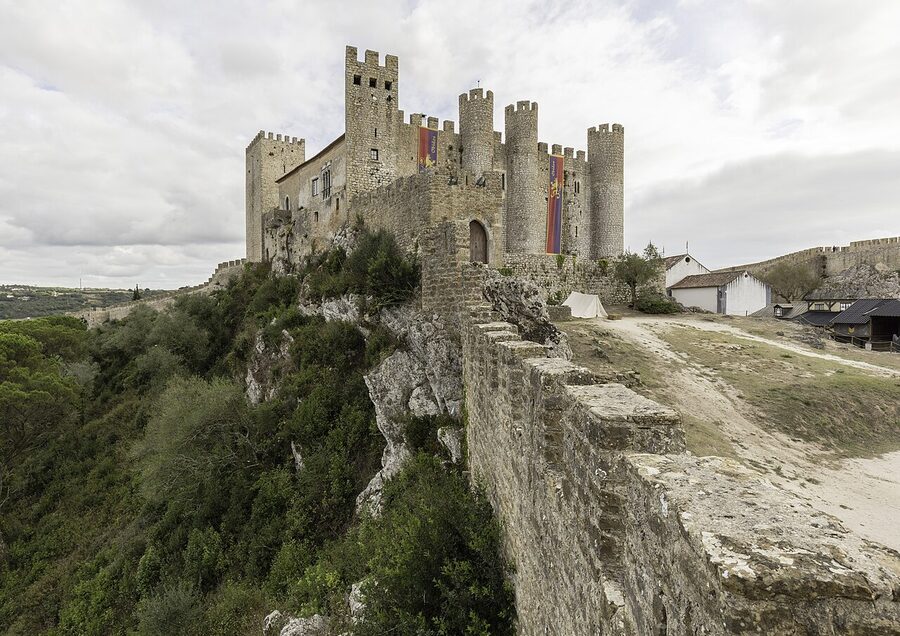

Óbidos is the cherry on top of the day, and I mean that literally — the town’s local specialty is ginjinha, a sour cherry liqueur usually served in a tiny chocolate cup that you eat afterwards. It’s a one-euro shot, every shop on the main street sells it, and it’s a small but genuinely pleasant tradition.
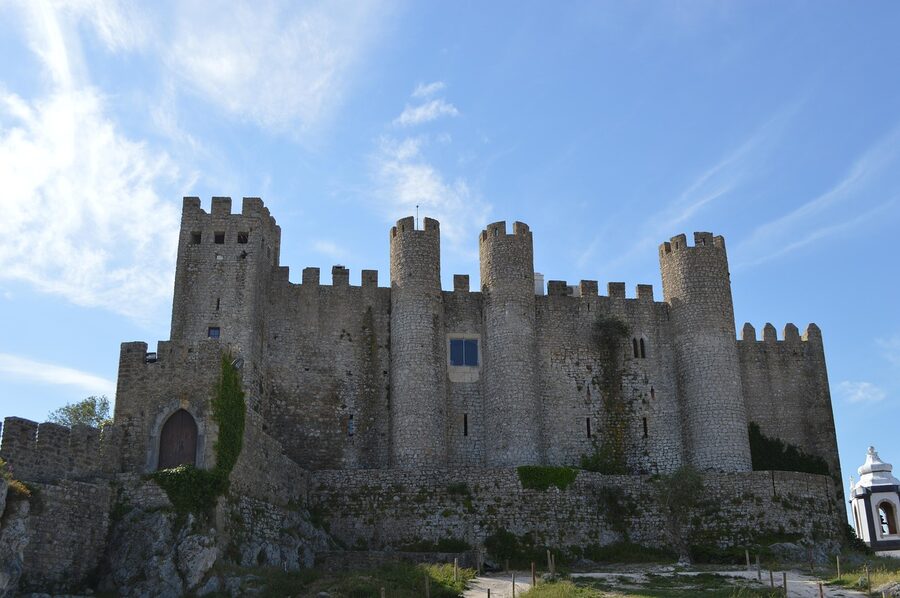
The town has been a royal wedding gift since 1282. King Dinis gave it to his queen, Isabel of Aragon, and for the next six centuries every Portuguese king gave Óbidos to his queen on her wedding day. That’s why it’s so preserved — successive queens commissioned buildings and defended the walls. The current castle was a pousada (state-run luxury hotel) for decades; it reopened after renovation a few years back but tours don’t usually go inside.
What you actually do in 45–75 minutes:
- Enter through Porta da Vila, the main southern gate, covered in 18th-century blue-and-white azulejo tiles.
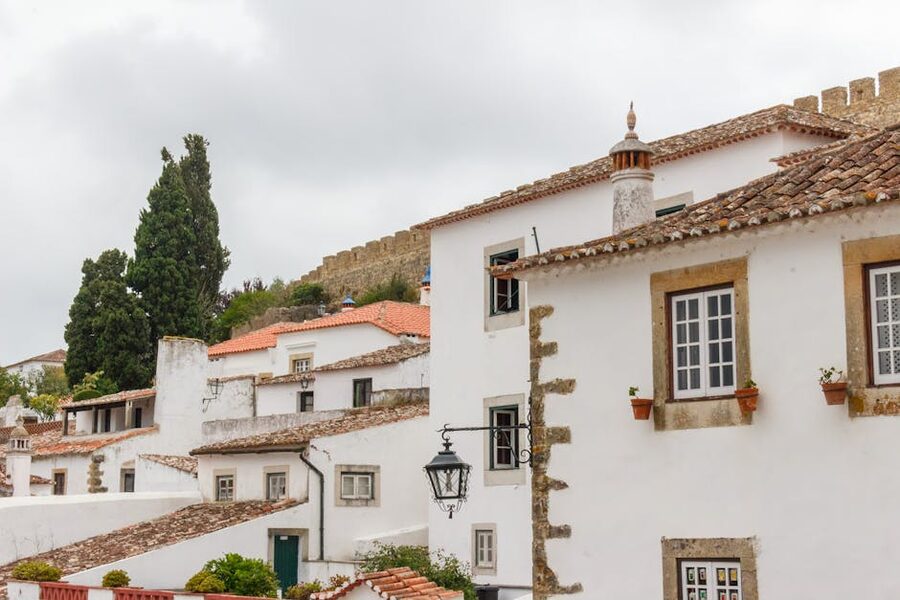
- Walk the main street (Rua Direita) — about 500 metres, whitewashed houses with yellow and blue trim, a bougainvillea situation in spring.
- Stop at Igreja de Santa Maria, the church where the 10-year-old King Afonso V married his 8-year-old cousin Isabel in 1444 (yes, that’s a thing that happened).
- Buy a ginja in a chocolate cup (€1 at any of the red-doored shops).
- Walk the castle walls for views if you’ve got time — no handrails, watch your step.
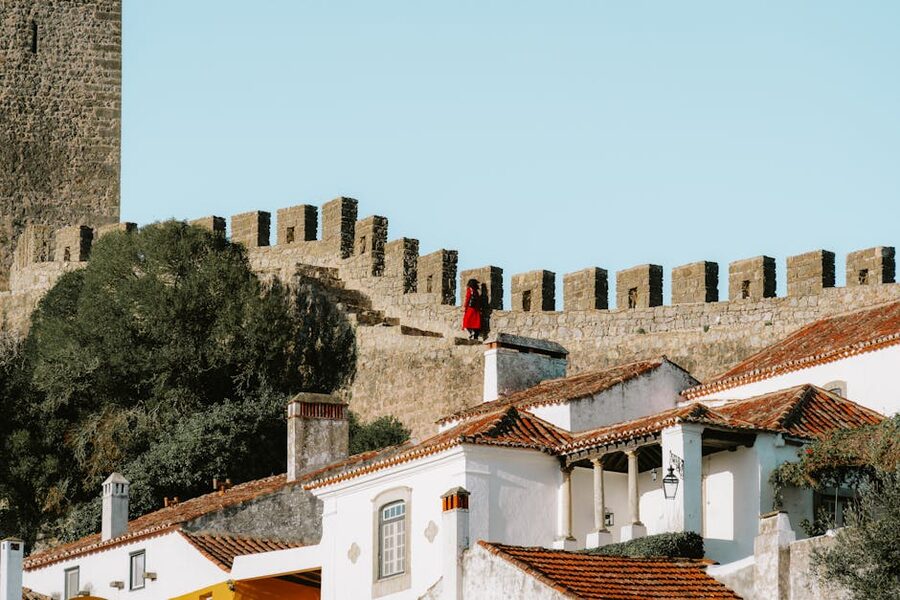
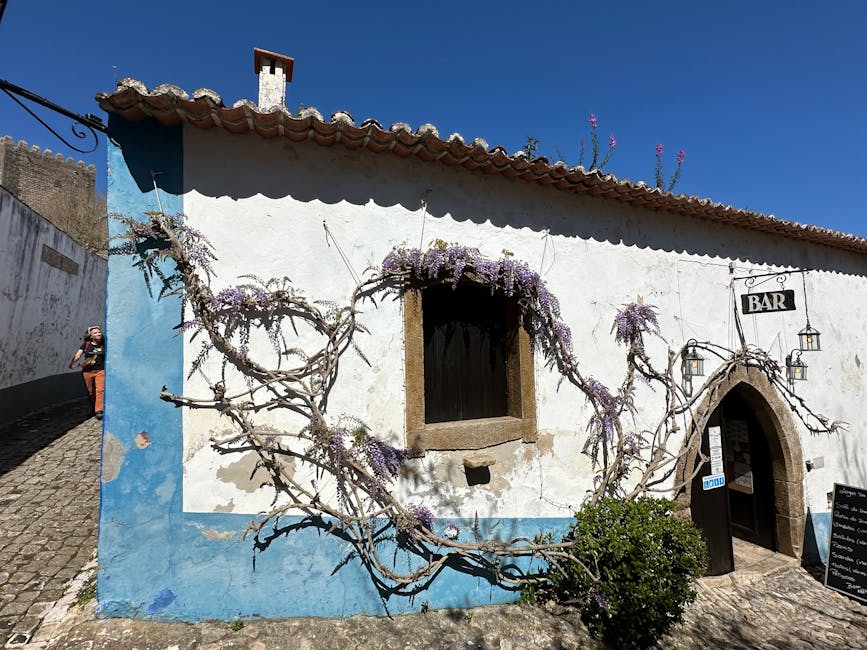
One warning: Óbidos gets packed. It’s tiny, every tour bus from Lisbon stops here, and between noon and 4pm the main street can turn into a slow shuffle. Your tour probably rolls in late afternoon, which is better — light is warmer and the bus crowds thin out.
Which tour to pick — the actual tradeoffs
Three things separate these tours: group size, day length, and price. Here’s the breakdown.
Go with the $39 small-group if: you’re price-sensitive, you want the best-rated option, and you’re okay with a tighter schedule at each stop. It’s the same four stops as the more expensive tours. You just get slightly less time at each one.
Go with the $47 guided tour if: you want the extra hour at Nazaré (the tour is ten hours vs nine), you don’t mind a larger group, and you want the most booked, most reviewed, most tested option. This is the safe default.
Go with the $79 premium small-group if: you’re two people who’d otherwise pay for a private guide, you want actual guiding at each stop (not just drop-offs), and you’re going to Batalha primarily for the history rather than the photos. The guide quality on the premium tour is noticeably better.
One thing none of these tours include: castle entry at Óbidos. That’s fine because the walls and the town are the draw, not the castle interior. All three tours include the Batalha Monastery ticket, and all three include lunch at Nazaré (at your own expense — budget €15 for a main plus drink).
Practical stuff you’ll want to know
What to wear. Fátima is an active religious site. Shoulders and knees covered — no tank tops, no very short shorts. This matters more than most visitors expect. You’ll also be walking on cobbles for most of the day, so trainers, not sandals. Batalha can be cold inside even in summer because it’s a huge stone building.
When to go. Spring (April–May) is the sweet spot — wisteria in Óbidos, wildflowers around Batalha, mild temperatures, no crowds. Avoid May 13th and October 13th unless you specifically want the pilgrimage experience. Summer is fine but hot, and Nazaré gets packed. Winter (December–February) is the only time you might see giant waves at Nazaré — a real gamble, but the tour is cheaper and less crowded.
Pickup points. Most tours pick up at Marquês de Pombal, Praça da Figueira, or Avenida da Liberdade hotels. The exact meeting point is in your booking confirmation. Don’t wing it — arrive five minutes early and have the voucher pulled up on your phone.
Lunch. Not included in any of the three. You get about an hour in Nazaré. Budget €15–20 per person. Avoid the restaurants directly on the promenade — walk one street back for better food at lower prices. If you’re vegetarian, tell your guide in the morning; they can point you at a place that’s not entirely fish-based.
Getting there without a tour. Technically possible. Buses run from Lisbon’s Sete Rios station to Fátima (1h45), from Fátima to Batalha (30 min), Batalha to Nazaré (45 min), Nazaré to Óbidos (1h). It’s doable over two days if you stay overnight somewhere. Over one day it’s basically impossible unless you rent a car. The tour isn’t cheap, but it’s cheaper than a rental car plus fuel plus four parking fees for a solo traveller. It starts making less sense for a group of four.
How this compares to the other day trips out of Lisbon
If you’ve only got one day trip in you and you’re torn between this and the classic Sintra, Pena and Cascais tour, they’re very different products. Sintra is palaces and coast, all within 40 minutes of Lisbon. This one is religious sites, Gothic architecture and a fishing village, and you’ll drive about five hours total. Sintra feels like a greatest-hits of royal Portugal; this feels like a cross-section of the country.
For a south-coast equivalent, dolphin watching from Albufeira is the closest equivalent in structure — different region, single-day multi-stop boat tour instead of land. If you’re working your way north, the Porto hop-on hop-off bus is the easiest way to cover that city in a day once you’re up there. And if the religious-history angle of Fátima grabs you, our dedicated Fátima visit guide covers the two-day pilgrimage version where you actually stay overnight in the town.
More day trips from Lisbon worth booking
The combo tour to Fátima, Nazaré, Batalha and Óbidos is the best way to cover central and coastal Portugal in a day, but if you’ve got a second or third day to spare, there’s plenty more on the Lisbon doorstep. For royal palaces and the dramatic coast at Cabo da Roca, book the Sintra, Pena and Cascais day trip — different energy entirely, all within an hour of the capital. If you want to see more of the city itself before heading out on day trips, the Lisbon Card is the smartest way to hit the main museums and monuments without queuing, and the Lisbon walking tour gets you oriented in the first three hours you’re in town. Heading to the south coast? Our guide to dolphin watching and the Benagil Caves out of Albufeira pairs a wildlife morning with the most photographed sea cave in Europe. And if Porto is on your route, the Porto hop-on hop-off bus is the lowest-hassle way to tick off the second city’s highlights. For the Sintra cluster specifically, the Pena Palace tickets guide and the Quinta da Regaleira tickets guide cover the two headliners you’ll probably visit on the tour.
Some links on this page are affiliate links. If you book through them we earn a small commission at no extra cost to you — it helps keep this site going and lets us research the next round of tours properly.