
Most Lisbon walking tours start in the Baixa at 10am and hit Alfama around noon. Alfama at noon is hot, empty of locals, and the old ladies have closed their windows against the heat — which means you miss the part that makes Alfama worth walking in the first place.
Book something earlier, or book something later. The timing is half the game.

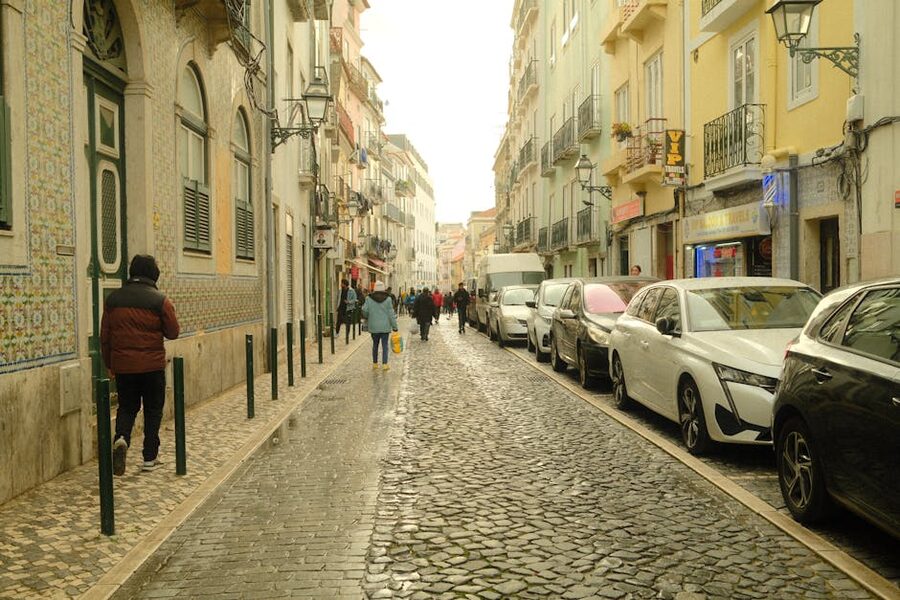
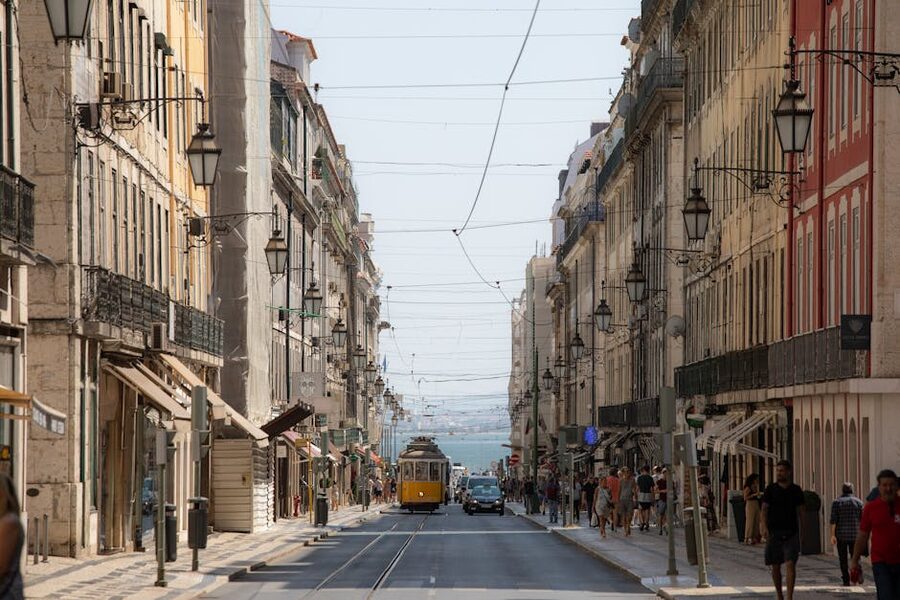
In a Hurry? The Three Walking Tours Worth Booking
- Best value: Lisbon City Center Tour — The Unmissable Lisbon — from about $4. Tip-based, covers the essentials, runs multiple times daily.
- Most popular: Lisbon History, Stories and Lifestyle Walking Tour — around $29, 3 hours, the tour that focuses on how Lisboetas actually live.
- Small group: Best of Lisbon Small-Group Guided Walking Tour — about $24 for 3 to 4 hours, capped at 14 people.
- In a Hurry? The Three Walking Tours Worth Booking
- Which Walking Tour Is Actually Worth Booking
- 1. Lisbon City Center Tour — The Unmissable Lisbon — from
- 2. Lisbon: History, Stories and Lifestyle Walking Tour —
- 3. Best of Lisbon Small-Group Guided Walking Tour —
- Free Walking Tour vs Paid — What’s the Difference
- What You Actually See on a Lisbon Walking Tour
- Baixa — The Grid
- Chiado — The Literary Quarter
- Alfama — The Moorish Quarter
- Morning vs Afternoon vs Evening Tours
- What to Wear and Bring
- Hills — And Whether They’re a Dealbreaker
- Booking Logistics
- Combining a Walking Tour With Something Else
- The Best Viewpoints Tours Stop At
- A Short History, For Context
- Where to Go Next on Foot
Which Walking Tour Is Actually Worth Booking
There are more Lisbon walking tours on the market than you can count. Most of them run the same three neighbourhoods — Baixa, Chiado, Alfama — and most of them are fine. The differences that matter are tour size, guide quality, and how much the tour leans into local life versus the greatest-hits landmark shuffle.
Three tours consistently deliver. One is free (tip-based), one leans into storytelling, and one keeps the group small enough that you can actually ask questions without shouting.
1. Lisbon City Center Tour — The Unmissable Lisbon — from $4
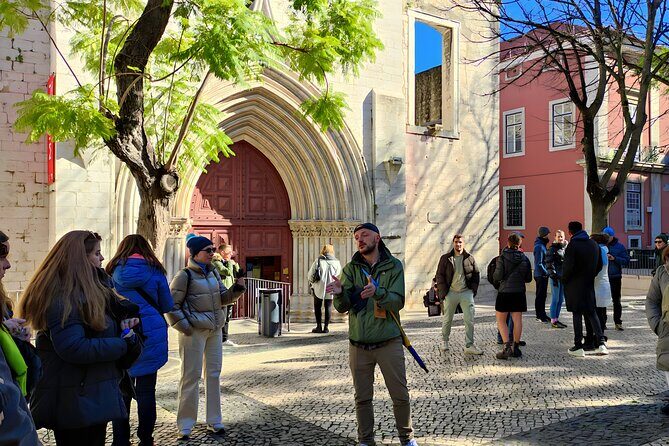
This is the tour I’d book if it was my first day in Lisbon and I wanted to get the lay of the land cheaply. It runs 2 to 2.5 hours, covers Rossio, Chiado and the Baixa, and the guides work for tips — which usually means they actually try. Our full review of the Unmissable Lisbon tour goes into what’s covered on each stop and what gets skipped.
The only catch — the Baixa-heavy route misses Alfama entirely. So it’s a great starter tour, not a one-and-done.
2. Lisbon: History, Stories and Lifestyle Walking Tour — $29
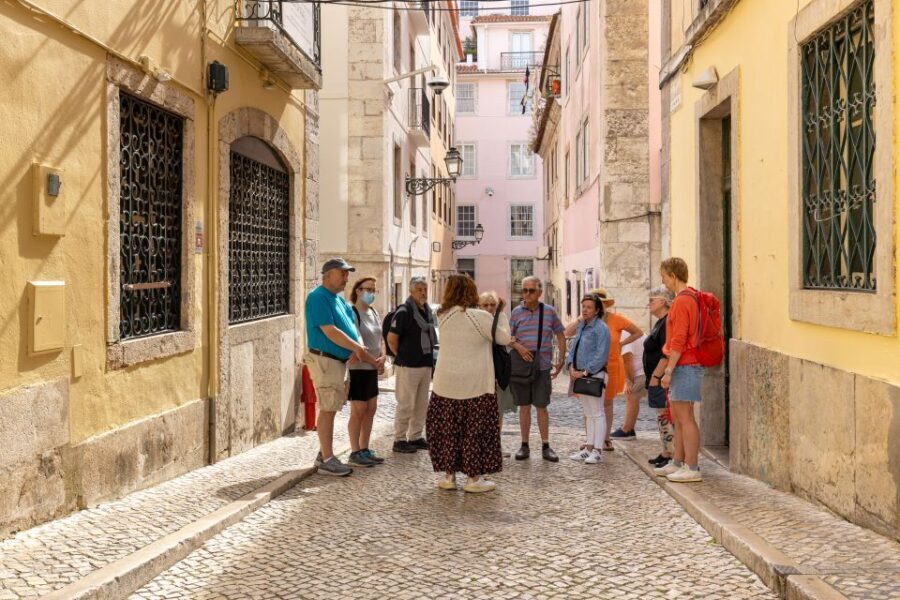
If you only book one paid walking tour in Lisbon, this is the one. Three hours, properly paid guides, and the route is structured around stories rather than a checklist of monuments. It’s where we send readers who’ve asked us about Lisbon more than once — our detailed review of the History, Stories and Lifestyle tour breaks down the specific stops.
The stops are classic — Baixa, Chiado, a peek into Alfama — but the angle is how locals use these neighbourhoods. The one downside: groups can hit 20-25 in peak summer.
3. Best of Lisbon Small-Group Guided Walking Tour — $24
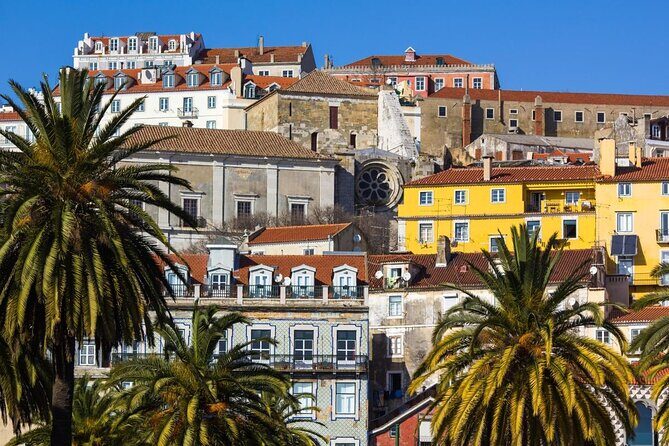
Book this one if you care about actually hearing the guide. The 14-person cap is the main selling point — in summer the big free tours can push 40 in one group, and you end up straining to hear over ten languages of side-chatter. This runs 3 to 4 hours and covers more ground than the free tour. Our review of the Best of Lisbon small-group tour has a full breakdown of the route.
The price is roughly the same as the History/Stories tour, so the choice comes down to whether you want a smaller group (pick this) or a more story-led experience (pick the one above).
Free Walking Tour vs Paid — What’s the Difference
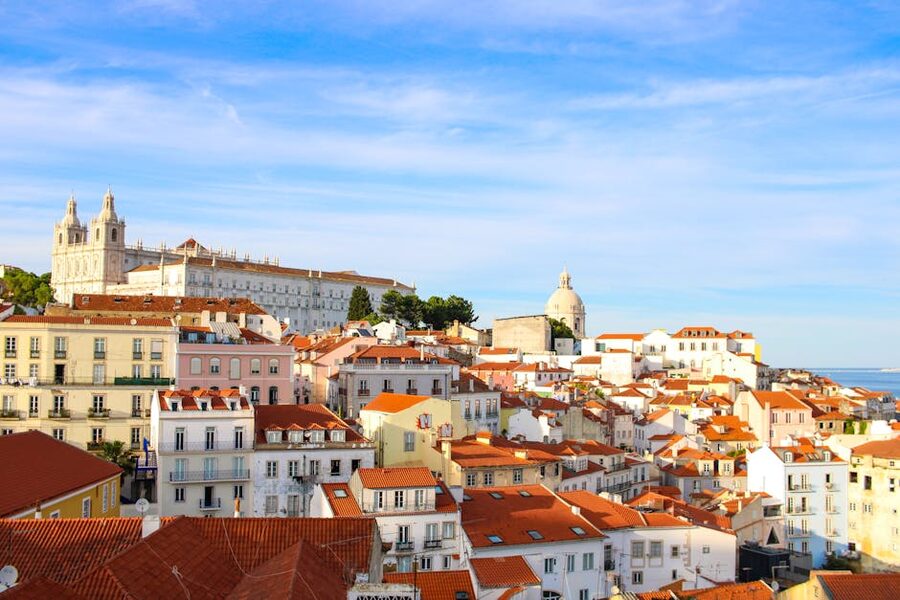
“Free” walking tours in Lisbon are tip-based. You pay the guide what you think the tour was worth — most people hand over €5 to €15 per person. A good guide on a busy summer morning can walk with 30 paying customers, and the incentive is real.
What you get for your money with a paid tour:
- Smaller groups (usually capped at 14-20)
- A scheduled, structured route with no surprise breaks for guide-hustling
- More time per stop — the free tours tend to move fast to squeeze in more landmarks
- Guides who don’t rush you at the end for tips
What the free tour does better:
- Flexibility — just turn up, no booking drama
- Often the best guides in the city work this circuit, because good guides earn more on tips than on fixed wages
- A 2-hour crash course covers enough to decide which neighbourhoods you want to go back to
My honest take: book the free tour on day one to scope out the city, then book a small-group paid tour later in the trip for Alfama specifically. A dedicated Alfama walking tour is a better use of time for the neighbourhood’s narrow lanes, where a group of 30 becomes physically impossible to shepherd.
What You Actually See on a Lisbon Walking Tour
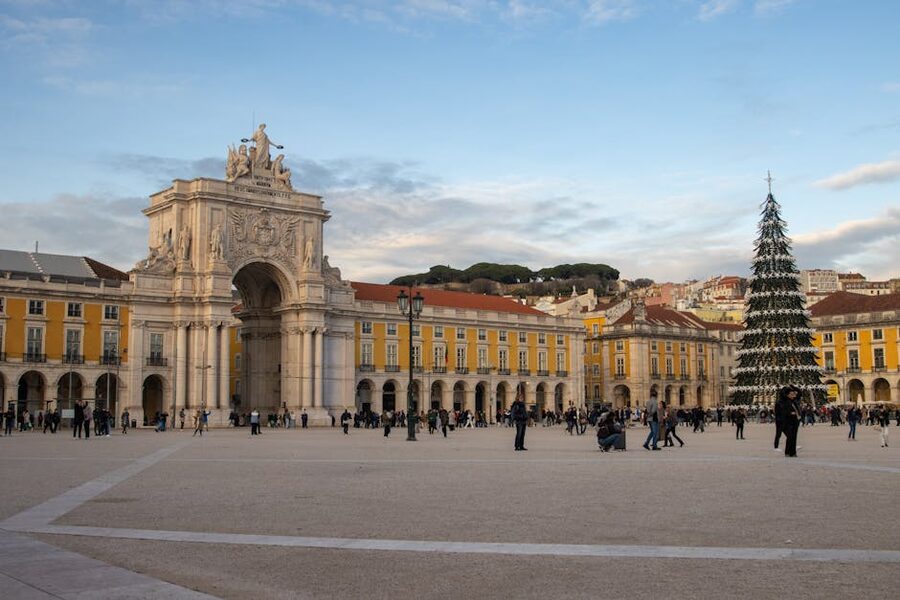
Most Lisbon walking tours cover some combination of three neighbourhoods stacked up a hill from the waterfront. They don’t move in a straight line — there are switchbacks, miradouros, stairs. Expect to walk between 3 and 6 kilometres total over 2 to 4 hours.
Baixa — The Grid
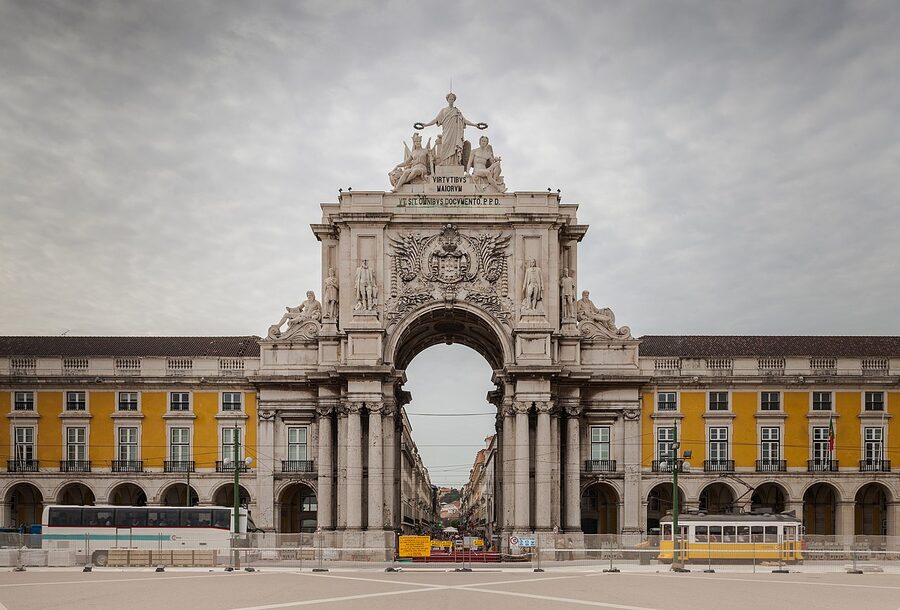

Baixa is the flat, grid-planned section between the waterfront and the hills. It was rebuilt from scratch after the 1755 earthquake — one of the earliest planned cities in Europe. Most tours start at Praça do Rossio or Praça do Comércio and walk the grid as a warm-up. The Arco da Rua Augusta is the landmark shot. Rua Augusta itself is pedestrianised and, by 11am, dense with tourists.
Quick note — if a tour advertises “the heart of Lisbon” but never leaves the Baixa grid, skip it. Baixa is the easiest part to do on your own.
Chiado — The Literary Quarter
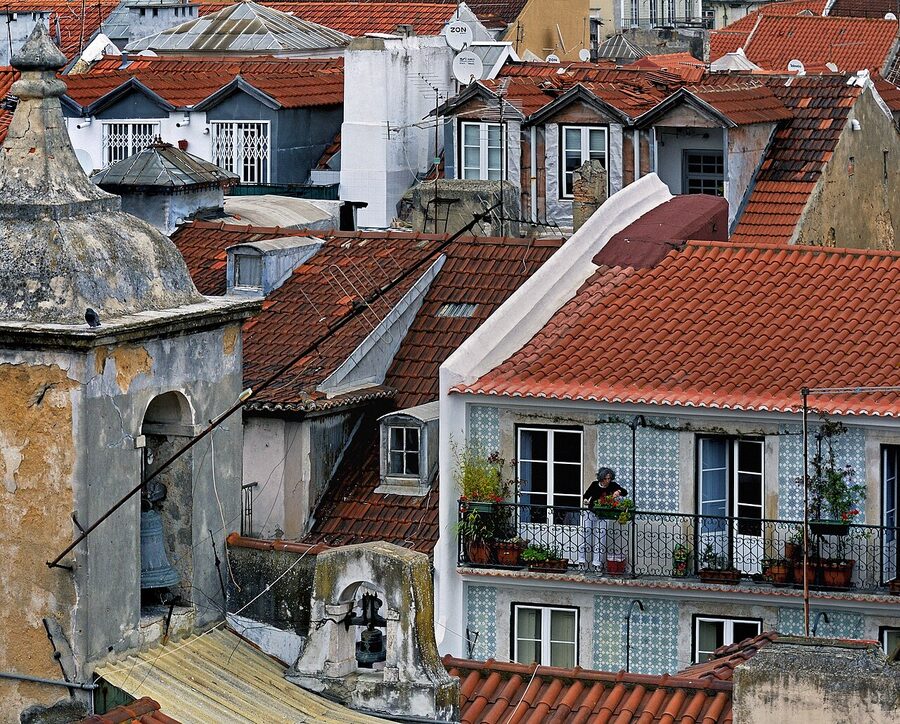

Chiado is uphill from Baixa — a short, steep walk or the Elevador de Santa Justa. Tours usually cover the Largo do Chiado (with the Pessoa statue outside A Brasileira, the old literary café) and sometimes drop into Bertrand, which is the oldest still-operating bookshop in the world. It opened in 1732.
This section is where a good guide earns their fee. There’s very little to look at in Chiado without context — the streets are narrow, most of the buildings are 19th-century rebuilds, and the interesting layer is what happened in the cafés more than what the buildings look like.
Alfama — The Moorish Quarter
.jpg)
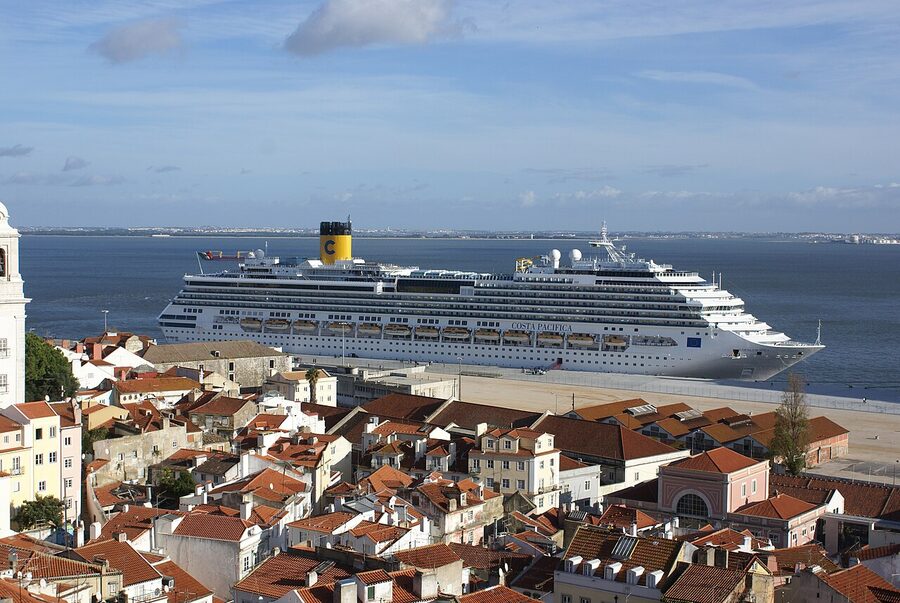
Alfama is the one you booked the tour for. It survived the 1755 earthquake — the only part of central Lisbon that did — which is why the streets still follow the medieval Moorish layout. Narrow, stepped, winding, and completely non-grid. Without a guide, you’ll get lost. With a guide, you’ll still get lost but somewhere interesting.
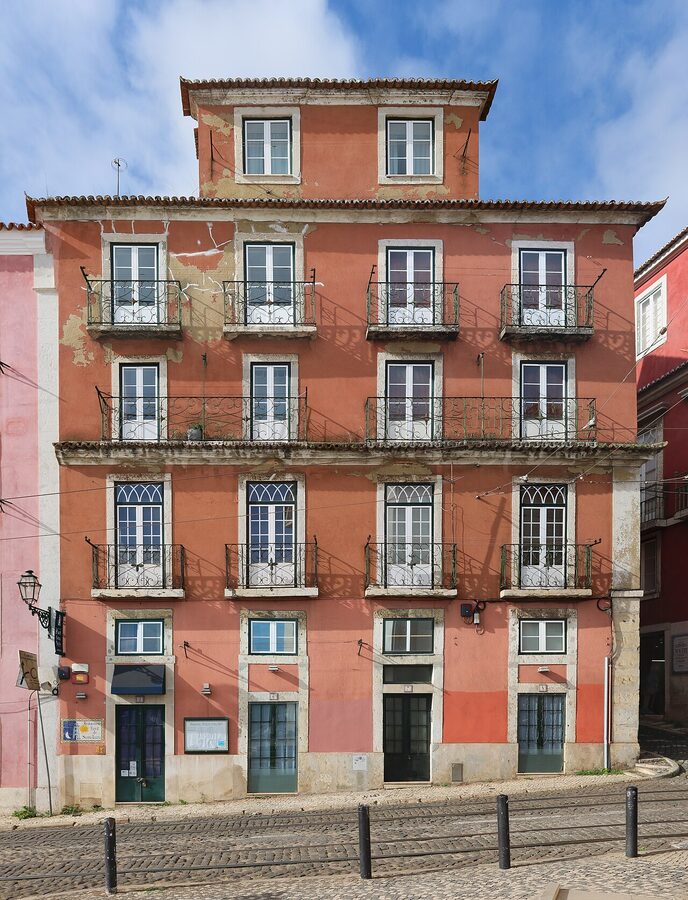

Most tours stop at Largo Santa Luzia, then push on to Miradouro das Portas do Sol, which is the money-shot viewpoint. Some tours continue up to São Jorge Castle (the climb is brutal in summer). The good tours back down into the residential lanes below and show you the working Alfama — laundry lines, tiled houses, the little cafés where the tour doesn’t buy you a drink.
Morning vs Afternoon vs Evening Tours

The starting time matters more than any other booking decision. Here’s what actually changes:
9am starts are usually the best quality. Guides are fresh, streets are empty, tram 28 still has seats, the heat hasn’t kicked in. Downside — you need to be up and caffeinated, and jet-lagged travellers often skip these.
10-11am starts are the most popular. This is when the tour companies run their biggest groups and the Baixa is already crowded. Fine if you don’t mind the volume — but the Alfama portion will land around noon when, as I said, the neighbourhood is at its least interesting.
3pm afternoon starts are underrated. By the time you reach Alfama around 5pm, the light is softer, locals are back outside, and you’ll see actual residents returning from work. The heat also drops off by then. These tours are usually smaller because they’re less popular.
Sunset / 5-6pm starts are rarer but worth booking if offered. You get Alfama alive, the viewpoints hitting peak light, and usually end the tour at a miradouro bar for a drink. The Lisbon tuk-tuk tours also run late-afternoon options if walking three hours after a full day of sightseeing sounds painful.
What to Wear and Bring

The standard Lisbon tour kit:
- Shoes: trainers or proper walking shoes. The cobblestones punish flat-soled sandals and anything with leather soles. Heels are a joke.
- Water: 500ml minimum in summer. There are fountains in the Baixa but nowhere useful in Alfama.
- Hat: in June-September, non-negotiable. There’s little shade on the viewpoints.
- Cash: small bills for the free-tour tip (€5-15) and any café stops.
- A light layer: sea breeze at the miradouros is cooler than you expect, especially at sunset.
Skip: full backpacks (you’ll swelter), umbrellas that don’t fold small, anything you don’t want to carry for four hours.
Hills — And Whether They’re a Dealbreaker
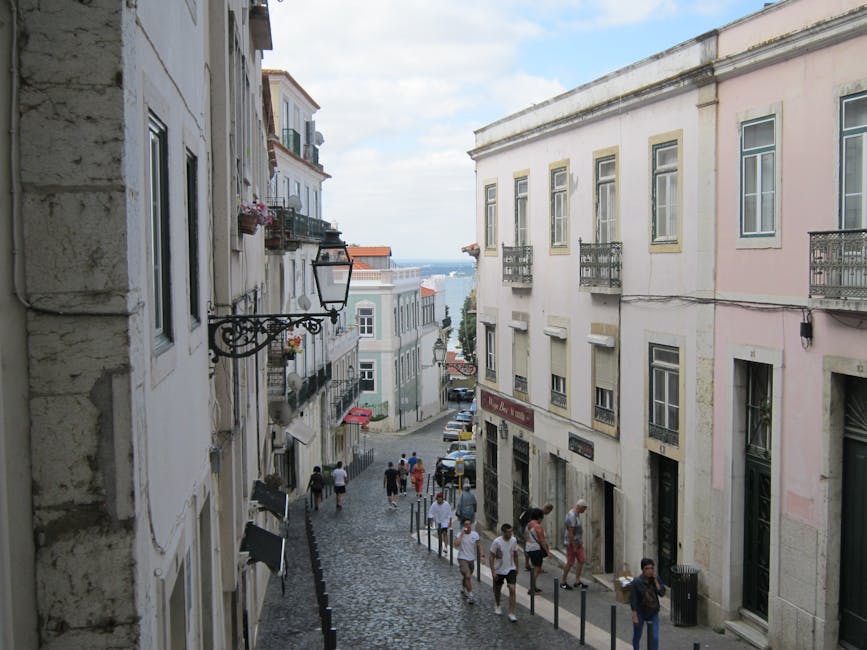
Lisbon is built on seven hills. The walking tours can climb 150-200 metres of elevation over their route — not a mountain, but enough that knees matter. If stairs are difficult for you, skip the tours that include São Jorge Castle and ask specifically about the Alfama portion. Some tours go down into Alfama (easier) and some go up from Alfama (brutal in summer).
If you genuinely can’t do stairs, the tuk-tuk option is better than trying to power through a walking tour on bad knees. The same routes, seated.
Booking Logistics
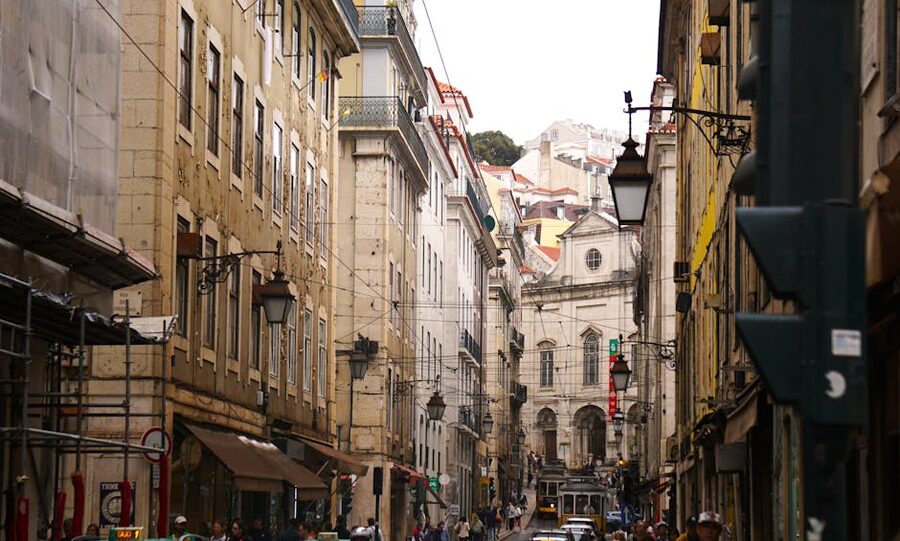
A few practical notes from having booked too many of these:
Book online in advance for the paid tours. Walk-ups work in shoulder season but not in June-August. The small-group tours sell out first because they’re capped.
For the free tour, just turn up. Meeting points are usually Praça do Rossio or Praça dos Restauradores, and there’s always a guide holding a sign. If you book it online, you’ll still just turn up — the booking is mostly a headcount.
Check the meeting point the night before. Lisbon has four main squares in the centre and they all end in Praça. Rossio and Restauradores are next to each other but a block apart. Comércio is a 10-minute walk from both. Guides do not wait for late arrivals.
Weather cancellations are rare. Lisbon doesn’t get snow, and only heavy rain cancels tours. Most run in drizzle — just check the fine print.
Groups over 4 people should book a private tour instead. The per-person price is similar to the small-group option and you get to set the pace. Ask the operator directly rather than booking through a platform.
Combining a Walking Tour With Something Else
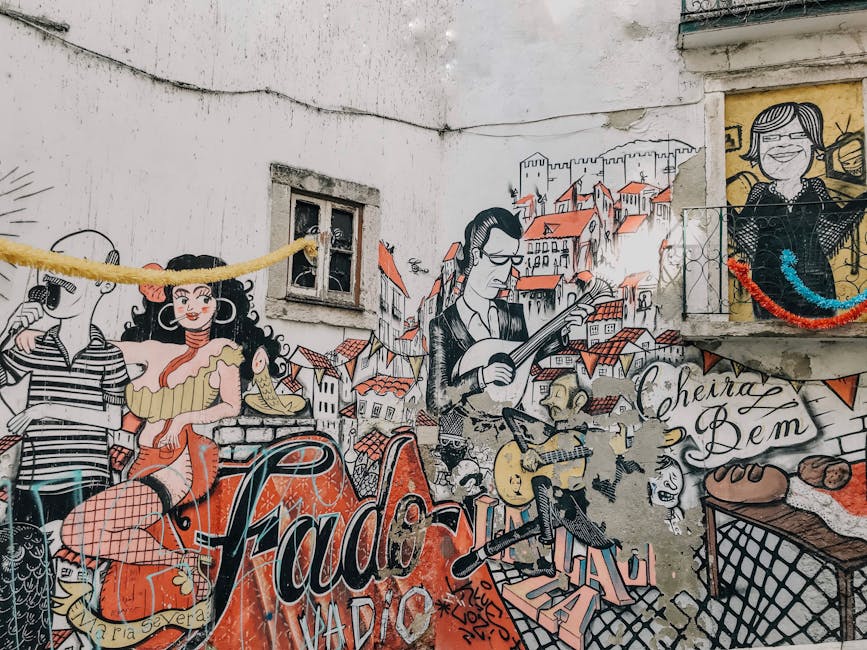
The walking tour is a good first-day anchor — you learn the geography, then you can branch out. Here’s what locals (and I, after embarrassingly many trips) actually do the rest of the day:
After a morning walking tour: lunch in Alfama at a residential café — NOT on the main drag where the tour ended. Walk two blocks off the route and prices halve. Then head to Time Out Market in Cais do Sodré for early-evening food-hall dinner, or book a Lisbon food tour for a proper deep-dive into local dishes.
After an afternoon walking tour: fado. The Alfama area has dozens of small fado houses — most require a minimum spend on dinner. It’s touristy but the music is real, and hearing it in its home neighbourhood is worth the tourist-tax.
If you only have one day: morning walking tour, afternoon at Sintra as a day trip — doable if you’re disciplined about train times. Sintra is 40 minutes by train and worth every inch of the day.
If you have three days: walking tour on day one, Lisbon bike tour along the waterfront on day two (flat, no hills), Sintra on day three. A Lisbon Card covers public transport and several museum entries if you’re planning to hit more than two paid attractions — worth running the numbers before you book.
The Best Viewpoints Tours Stop At

Lisbon has miradouros — organised viewpoints, usually with a café and a railing. Walking tours stop at them because they’re natural breathing points in a hilly route. The main ones you’ll hit:
Miradouro de Santa Catarina — Chiado area, faces west over the river. Sunset crowd is serious.
Miradouro das Portas do Sol — the Alfama classic. Tiled terrace, faces the Panteão and the Tagus. Every single walking tour goes through here. If you want photos without other tourists, show up at 8am or 9pm.
Miradouro da Graça — higher than Portas do Sol, less crowded, faces the castle. Not every tour includes it — if it’s a priority, ask.
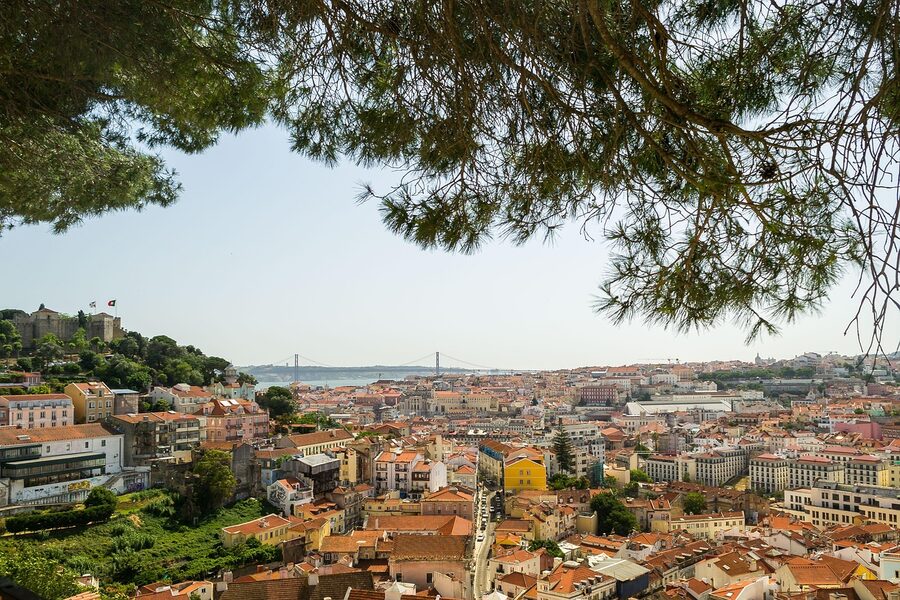
Miradouro da Senhora do Monte — the highest in central Lisbon. Few tours go this far because it’s a climb, but worth doing on your own time.
A Short History, For Context
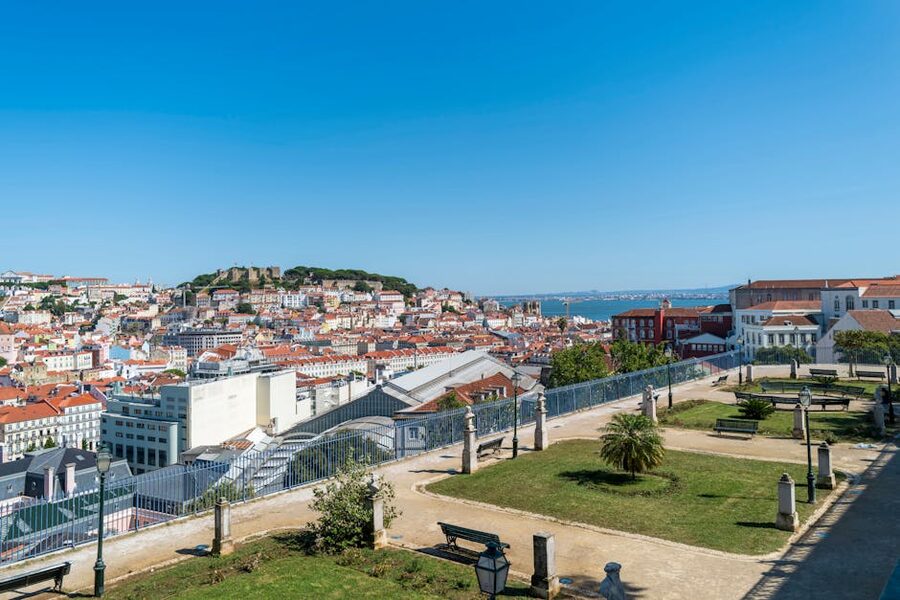
Lisbon is old in a way that doesn’t quite feel like Rome or Athens. It was a Phoenician trading post around 1200 BC, a Roman town called Olisipo, a Moorish city called al-Ushbuna for 400 years, and then Christian again from 1147. The 1755 earthquake levelled most of it — a 9.0 event that destroyed 85% of the city and killed tens of thousands in minutes.
What you walk through today is two cities stacked on each other. The post-earthquake Pombaline grid (Baixa, parts of Chiado) is structured, symmetrical, late-18th-century. The pre-earthquake fragments (Alfama, bits of Castelo) are medieval and winding. A decent walking tour explains the transition between them as you walk — and that’s what you’re paying for, more than any one landmark.
Where to Go Next on Foot
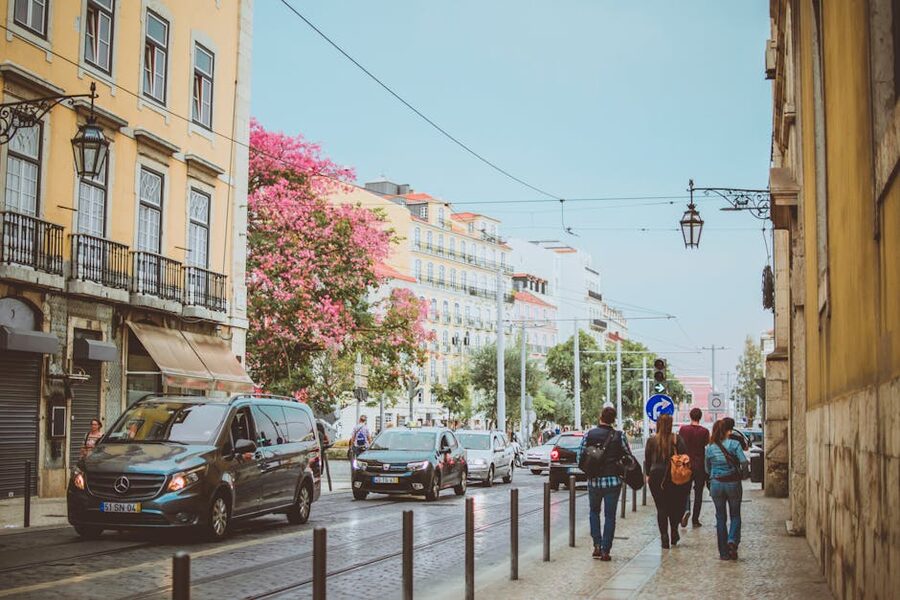
The walking tour is the starter. Once you have the map in your head, there’s a lot more to cover on foot. A dedicated Alfama walking tour is worth doing separately if the city-centre tour only scratched the surface — it’s a neighbourhood that needs hours, not minutes. For something completely different, the Lisbon food tour walks some of the same ground but the whole angle is pastéis de nata, bacalhau, and which tascas are worth sitting in.
If you’re heading up to Porto after Lisbon, the walking-tour playbook is slightly different — Porto’s historic centre is more compact and the must-book extras are different. Guides like buying Clérigos Tower tickets in Porto, whether the Porto Card is worth it, and booking the FC Porto stadium tour at Estádio do Dragão will cover the same kind of practical ground but for Porto. If football’s your thing in Lisbon specifically, the Benfica Estádio da Luz tour is the local equivalent.
And if you’re tired of walking by day four — the tuk-tuk tour does a lot of the same routes seated, which sounds lazy until your second full day on cobblestones.
Affiliate disclosure: We may earn a small commission when you book through links on this page, at no extra cost to you. We only recommend tours we’ve researched and would use ourselves.