
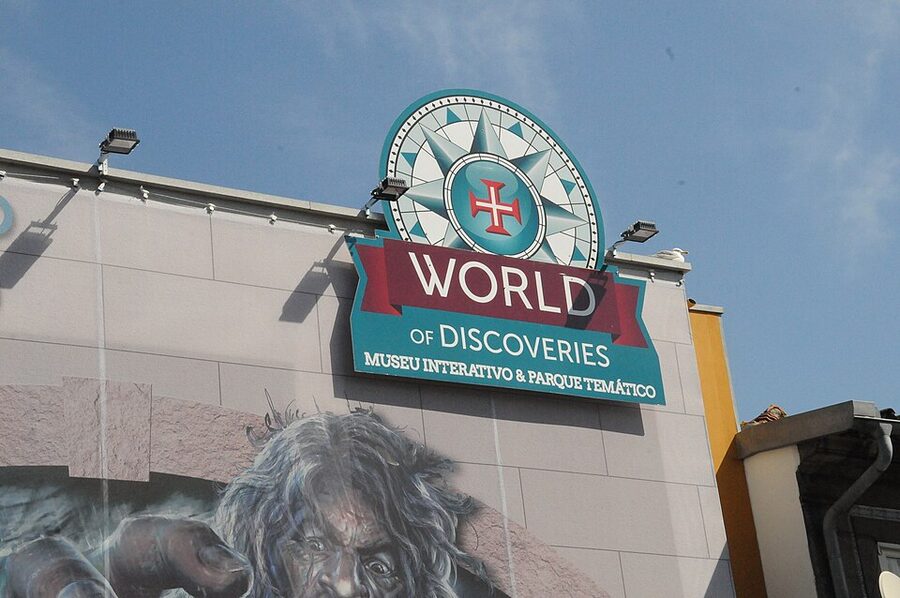
Why does a museum about Portuguese ships have a boat ride through it? That’s the first question almost everyone asks at the World of Discoveries — and the answer is the whole point of the place. You don’t just read about Vasco da Gama rounding Africa or Pedro Álvares Cabral hitting Brazil. You climb into a small wooden vessel and float through scaled-down dioramas of the ports those ships actually reached. It’s hokey. It’s also genuinely fun, which is rarer than you’d think for a history museum.
I’ll be straight with you: this place is built for kids. The dioramas, the sound effects, the boat ride — none of it is subtle. But if you’re travelling with a 7-year-old who’s already bored of port-wine cellars, or if you just want a 90-minute break from walking up and down Porto’s hills, it earns its ticket price. The exhibits also cover real history with more depth than the toy-train aesthetic suggests.
.JPG)
.JPG)
- In a Hurry? Here’s What to Book
- What you actually do inside
- How long it takes
- Tickets, prices, where to buy
- The three best ways to book it
- 1. Porto: World of Discoveries Skip-the-Line Entry — from
- 2. Bridges Cruise with World of Discoveries Combo — from
- 3. Porto Card with Transportation — from
- Getting there from the rest of Porto
- The Age of Discovery context — the bit kids might skip
- Best time to go
- Going with kids — practical notes
- What to combine it with
- Is it worth it for adults travelling without kids?
- What to expect at the boat queue
- What I’d skip and what I’d linger at
- Other Porto museums and tickets you might pair with this
In a Hurry? Here’s What to Book
Most direct option: Skip-the-line entry ticket from around $21 — go straight in, do the whole exhibition plus the boat ride, leave when you’re done.
Combo with Douro cruise: Bridges Cruise + museum entry from $21 — pair the indoor museum with a 50-minute river cruise on the same ticket.
If you’re in Porto for 2+ days: the Porto Card with Transportation from around $17 gets you a 35% discount on World of Discoveries entry plus most other museums and unlimited public transport.
What you actually do inside
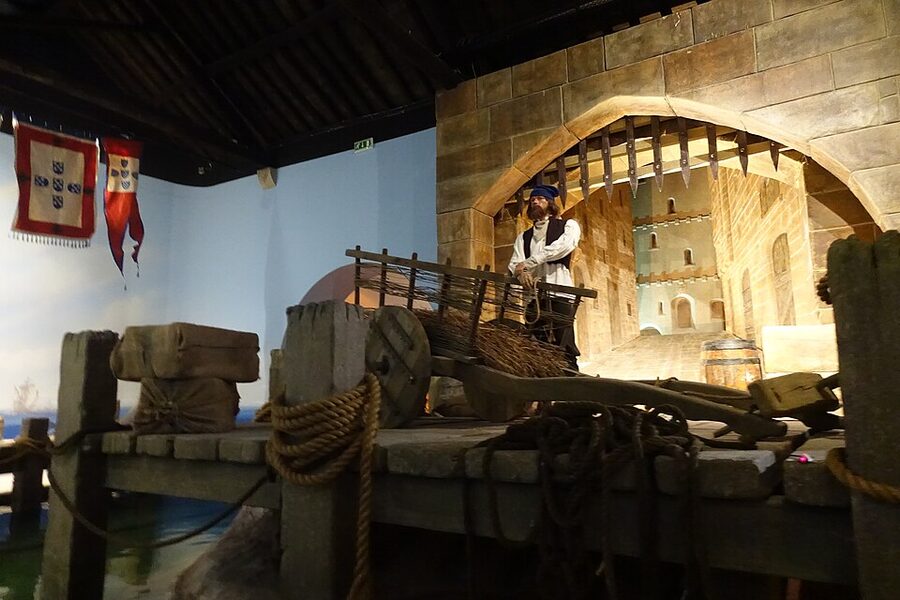
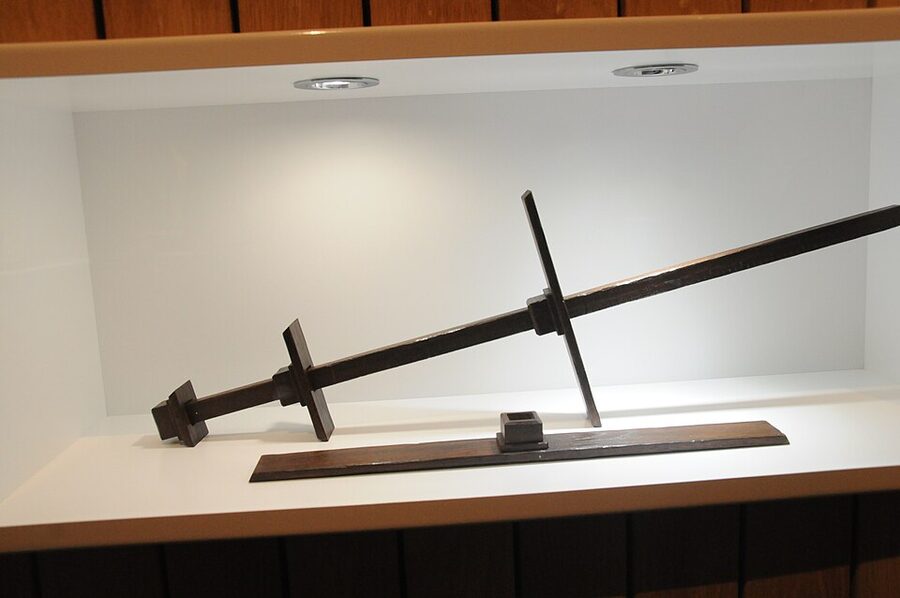
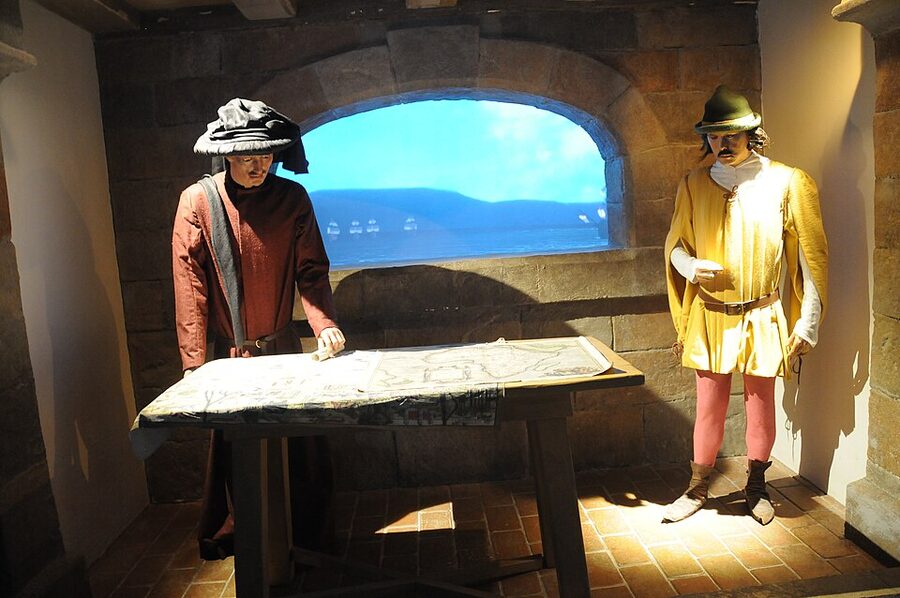
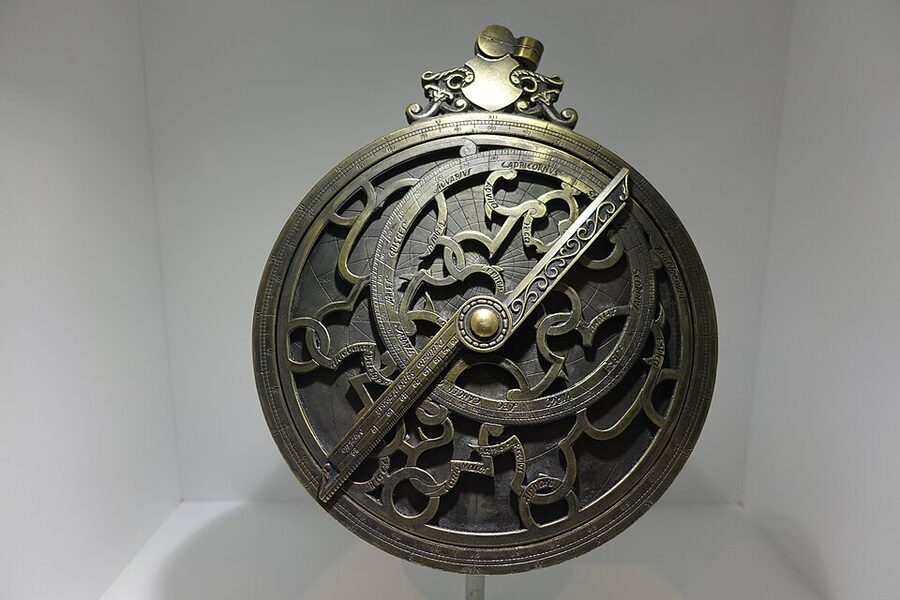
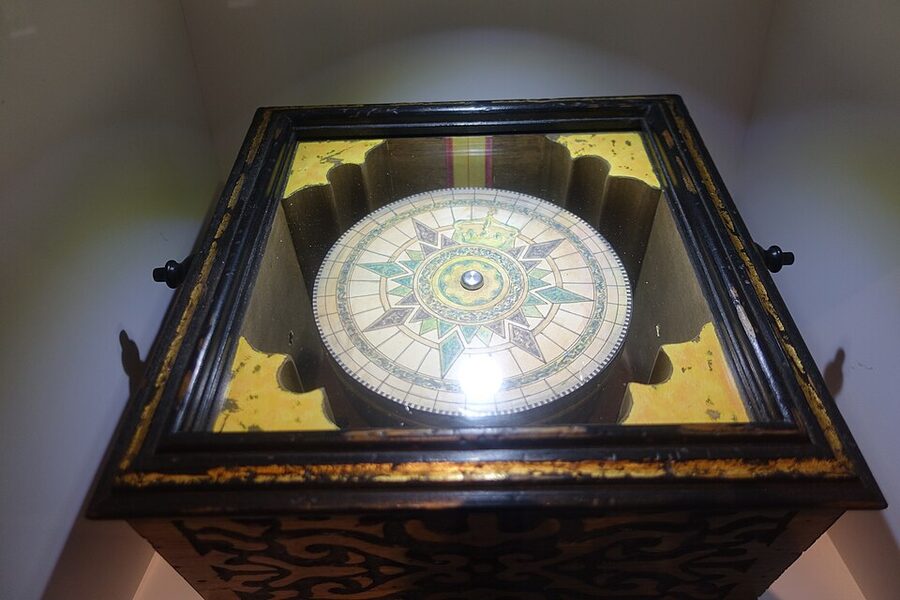
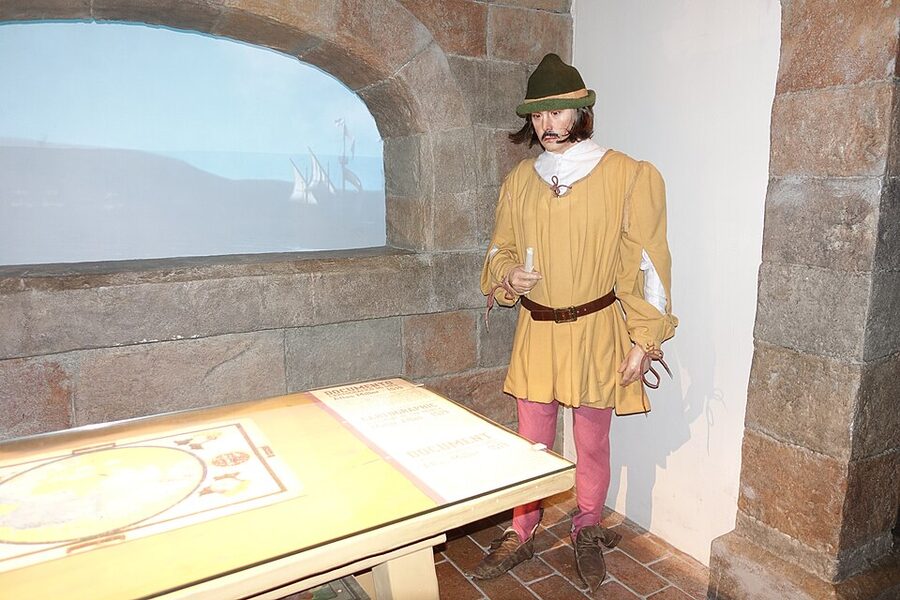
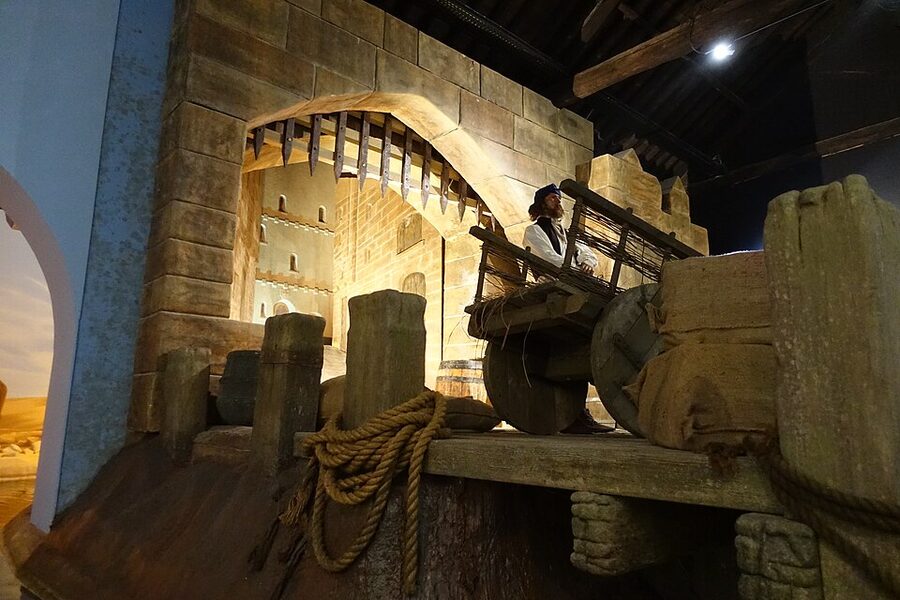
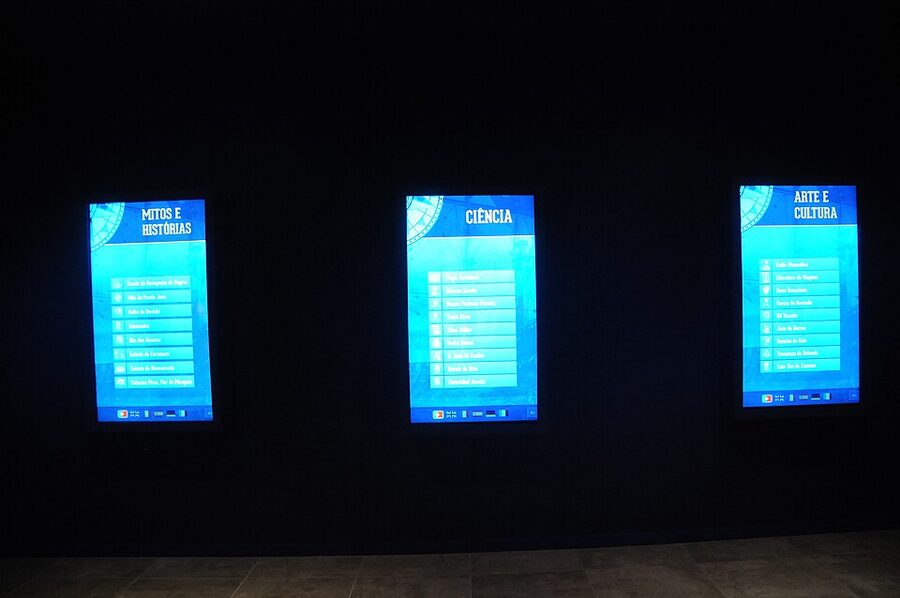
The museum walks you through 20 themed rooms covering the whole arc of the Portuguese expansion — Henry the Navigator’s school in Sagres, Bartolomeu Dias rounding the Cape of Good Hope in 1488, da Gama reaching Calicut in 1498, Cabral landing in Brazil in 1500, Magellan’s circumnavigation. Each room is a set piece with mannequins, props, and a soundtrack. Some rooms have screens with short documentary clips you can skip past if the kids are getting restless.
.JPG)
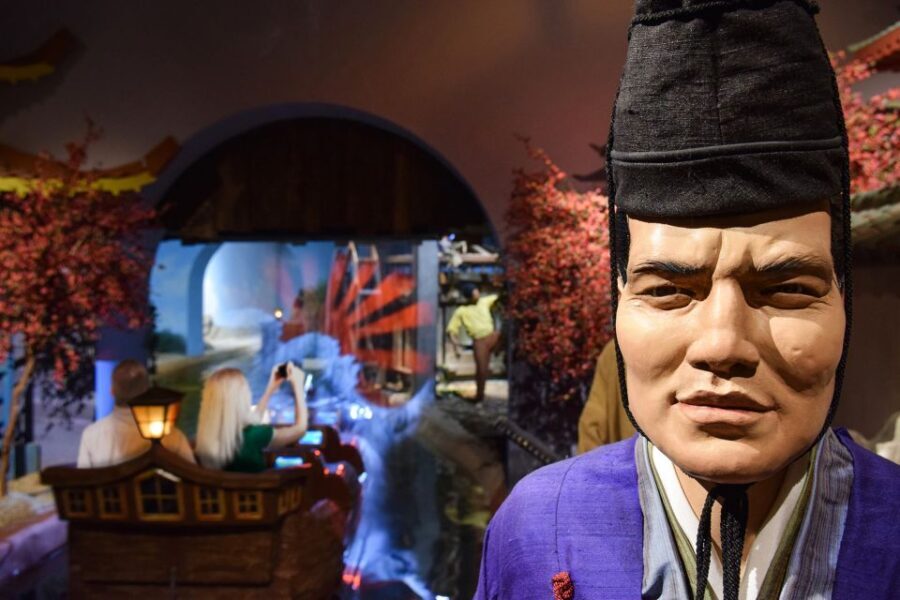
Then comes the bit everyone talks about. About two-thirds of the way through, you queue up for a small wooden boat — six people fit, sometimes seven — and an attendant pushes you off into a dark, water-filled channel. For the next 8 to 10 minutes you drift through scaled-down dioramas of Portuguese-era Mozambique, Goa, Macau, Nagasaki, Brazil. Each port is a separate set with its own lighting, sound, and architecture. You’re moving at walking pace, so you can actually see the detail.
.JPG)
The boat ride is short, though. If you’re an adult expecting an immersive theme-park ride, you’ll think it’s mostly fine but a bit dated. If you’re 8, you’ll think it’s the best thing in Porto. The dioramas are static — no moving figures — and a couple of the scenes are clearly aging. The Goa scene and the Macau scene are the standouts. The Brazil one is the weakest.
.JPG)
How long it takes
The official line is “around an hour.” That’s about right if you walk briskly through the rooms and don’t read the wall text. With kids who actually want to look at things, plan 90 minutes. With kids who want to read everything and play with every interactive panel, two hours is realistic. The boat ride alone is roughly 10 minutes including queue time on quiet days.
I went on a Tuesday afternoon in November and had whole rooms to myself. On a wet Saturday in July the queues for the boat will eat 20-30 minutes — there’s only one channel and one boat in service, so capacity is limited.
Tickets, prices, where to buy
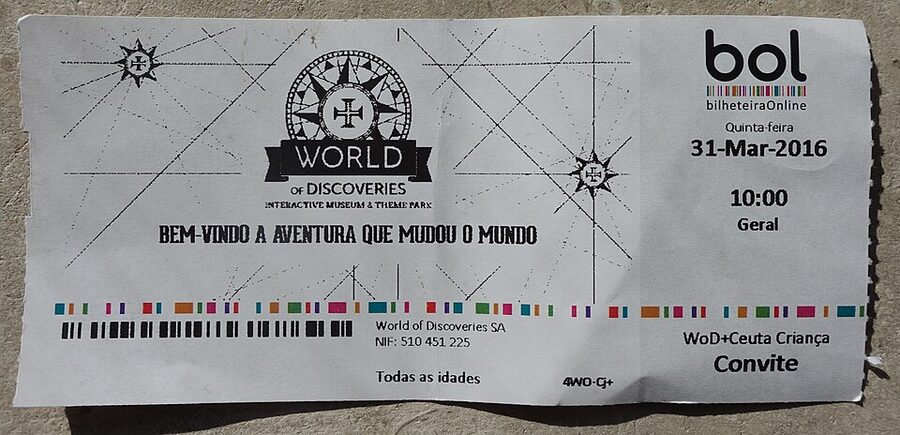
Standard adult entry sits around €18 at the door. Children 4-12 are about €11, under-4s go free. The price online is the same as the on-site box-office price — there’s no online discount, just the convenience of skipping the ticket queue (which on busy days can be longer than the actual entry queue).

Two ways to save real money:
- The Porto Card gets you a 35% discount on World of Discoveries plus discounts on the FC Porto stadium tour, Lello bookshop, the city museums, and the wine cellars. If you’re doing two or more attractions, it pays for itself fast.
- If you’re booking the museum together with a Douro river cruise, the combo ticket is a few euros cheaper than buying each separately.
Booking direct on the museum website also works, but the GetYourGuide ticket gives you free cancellation up to 24 hours before — useful in Porto, where weather can shift your day-trip plans.
The three best ways to book it
1. Porto: World of Discoveries Skip-the-Line Entry — from $21
This is the option I’d pick for most travellers. Mobile voucher, valid for whichever day you’ve booked, free cancellation 24 hours ahead. Our full review has the full breakdown of what’s included and the practical notes around timing your visit.
2. Bridges Cruise with World of Discoveries Combo — from $21
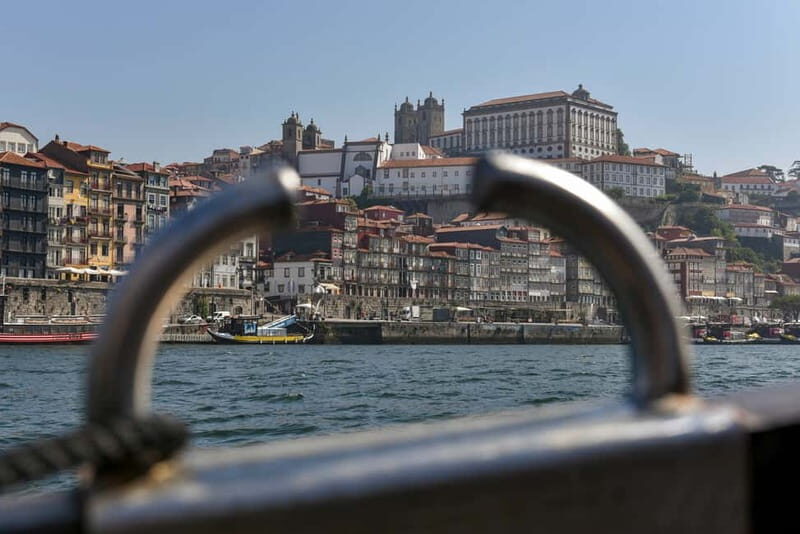
The cruise covers Porto’s six bridges and gives you the river view, then you get the museum entry on the same booking. Reasonable value if you’d be doing both anyway — our review covers the audio-guide app you’ll need to download (the staff don’t always mention it). The cruise is short and the audio is app-only, so charge your phone first.
3. Porto Card with Transportation — from $17
You get a 35% discount on World of Discoveries entry, free entry to several city museums, and unlimited use of the Metro and STCP buses. Available for 1, 2, 3 or 4 days. Our full breakdown works through whether the card actually pays off based on how many places you’d hit. Real answer: if you’re only doing one or two attractions, just buy individual tickets.
Getting there from the rest of Porto
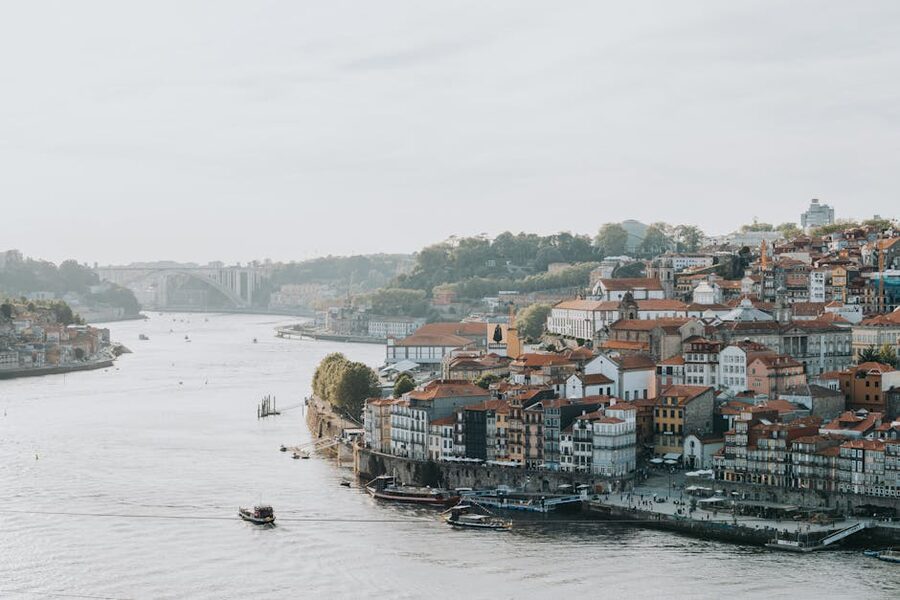
The museum is at Rua de Miragaia 106, in the Miragaia parish, west of the Ribeira waterfront. Three ways most travellers reach it:
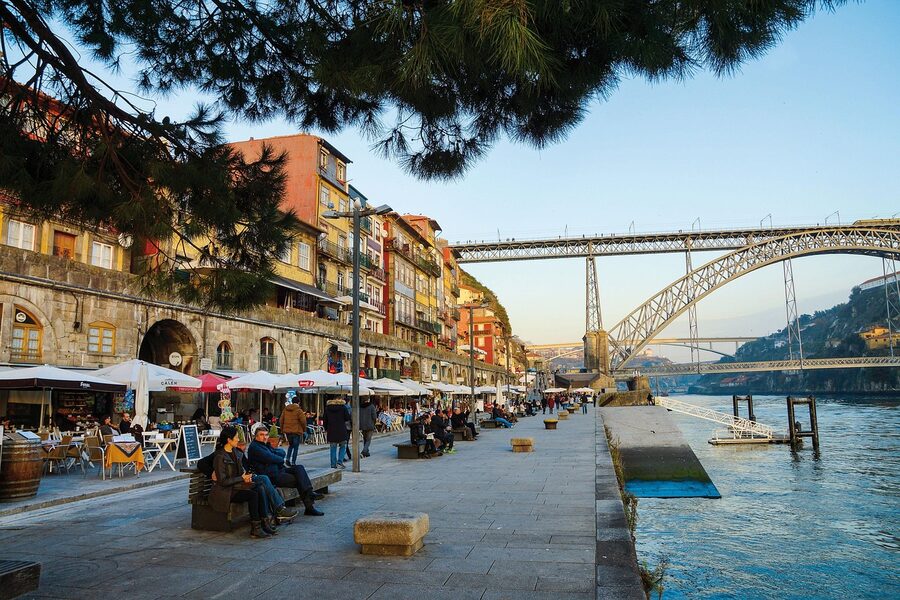
- From Ribeira on foot: 10 minutes along the river, past Praça da Ribeira and along the cobbled riverside walk. This is the route I’d recommend — you get the river view and you pass a few cafés worth stopping at.
- From São Bento station: 15-20 minutes downhill on foot, or take a tuk-tuk — most Porto tuk-tuk tours include a stop near Miragaia, and a one-way drop is around €6-8.
- By bus: the 500 bus from Praça da Liberdade runs along the riverfront and stops near Miragaia. Covered by the Porto Card.
The Porto hop-on hop-off bus doesn’t stop directly outside the museum, but the Ribeira stop is a 10-minute walk along the river — perfectly walkable if you’re already on the route.
The Age of Discovery context — the bit kids might skip
Worth knowing before you go in: the Portuguese maritime expansion really did start here. Henry the Navigator (Infante Dom Henrique) was born in Porto in 1394 — there’s a statue of him on the Ribeira side of the river. He never went on a major voyage himself, but he funded the school of navigation at Sagres that turned out the captains who later sailed to West Africa, India, Brazil, and Japan. The museum’s framing puts Porto at the centre of that story, which is a bit Porto-centric — Lisbon arguably did more — but it’s not historically wrong.
What surprised me, walking through the rooms, was how brutal the museum is willing to be about colonial history. The Goa room mentions the Inquisition. The Brazil scenes acknowledge the slave trade. There’s no triumphalist whitewash — it’s not preachy, but it’s not pretending the discoveries were all heroic either. That’s something I didn’t expect from a tourist museum and it’s part of why the place feels like more than just a kid’s day out.
.JPG)
.JPG)
Best time to go
Mornings on weekdays are quietest. The museum opens at 10am and the first hour is the most peaceful slot — the school groups (which are a real thing, especially Tuesdays and Thursdays) tend to roll in mid-morning and stay until mid-afternoon. If you can be at the door by 10:00 you’ll have the boat ride more or less to yourself.
.JPG)
The opening hours have shifted recently. As of 2026 it’s:
- Tuesday to Friday: 10am – 5:30pm (last entry 4:30pm)
- Saturday and Sunday: 10am – 6:30pm (last entry 5:30pm)
- Monday: closed
- December 24th: last entry at 1pm
- December 25th and January 1st: closed
One thing worth checking before you book: the museum sometimes closes for private events on weekends. The GetYourGuide listing reflects the official opening calendar but always double-check the date you’ve picked.
Going with kids — practical notes
The audience that loves this place is roughly 6 to 12. Younger kids might find a couple of the rooms (the storm-at-sea sound effects, the dim lighting in the boat ride) a bit much — but I saw a 4-year-old totally unfazed on my visit, so it really depends on the kid. Above 13, expect some eye-rolling at the more theatrical bits, but the historical content is solid enough to hold most teenagers’ interest if they’re already history-curious.
Strollers go through fine — the whole route is accessible. The boat ride accommodates one wheelchair user at a time. There’s a small café halfway through and a gift shop at the exit (predictable plastic caravels and Henry the Navigator pencils, but inexpensive).

Lunch tip: the museum café is fine for snacks but underwhelming for a meal. Walk five minutes east toward the Ribeira and you’ll find a dozen better options. Café Santiago for francesinha (the Porto sandwich), Mercado Bom Sucesso for variety, or any of the riverside places for a beer-and-bifana stop.
What to combine it with
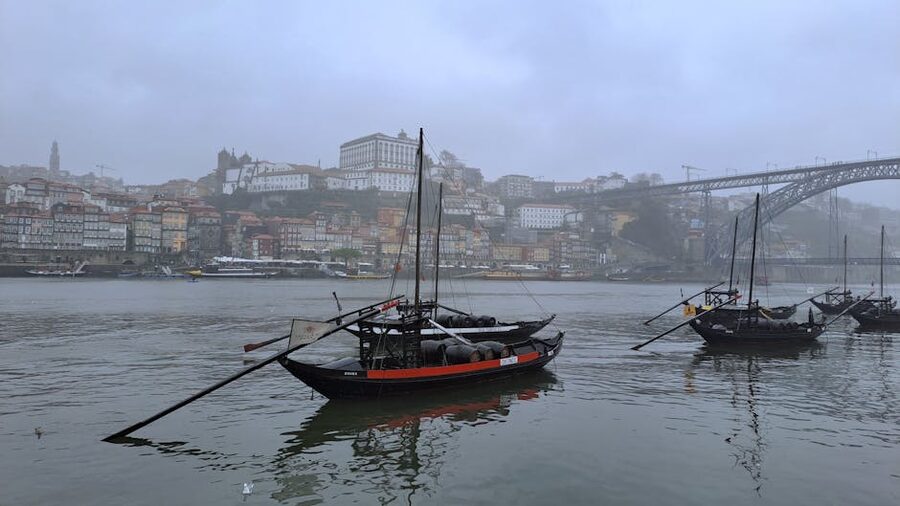
The museum sits at a useful junction. East takes you to the Ribeira and the bridge across to Vila Nova de Gaia. West takes you up to the Crystal Palace gardens and Foz. So you can chain it with most things people do in Porto without doubling back.
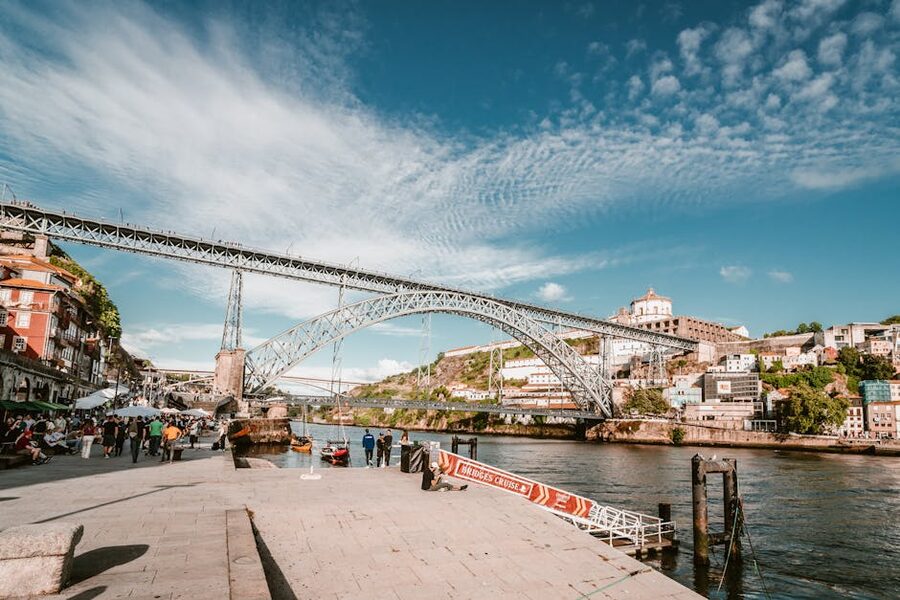
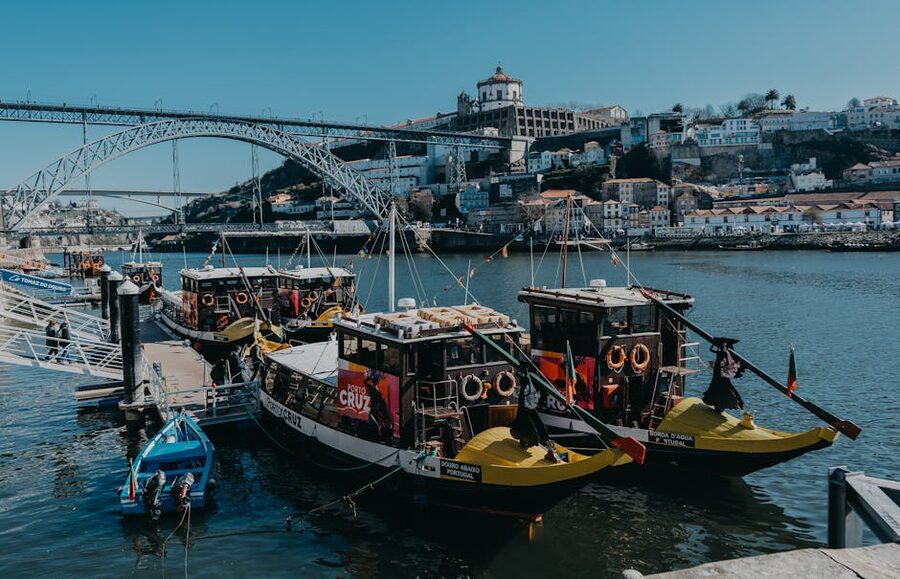
My usual half-day combo: World of Discoveries first thing in the morning (10am-11.30am), then walk along the river to Ribeira for lunch around 1pm, then either cross the bridge to do port-wine cellars in the afternoon, or take a six bridges river cruise from the Ribeira dock at 3pm. If you’re doing the combo cruise ticket, that timing also works — the cruise leaves from a few minutes’ walk from the museum.
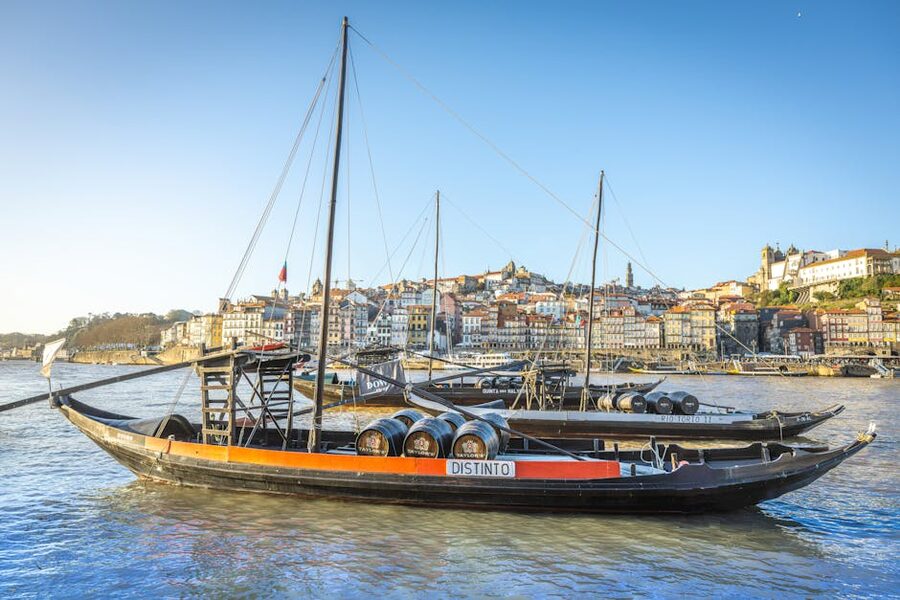
For families with two or three days in Porto, the realistic itinerary is: World of Discoveries for the maritime-history angle, the FC Porto stadium tour for sports-mad kids, and Clérigos Tower for the rooftop view. Three things, three days, all family-friendly, none too long.
.JPG)
Is it worth it for adults travelling without kids?
Maybe. If you’re a history nerd who already knows the names da Gama, Magellan and Cabral, you’ll find the historical content competent but not deep — this isn’t the British Museum. The dioramas-and-boat-ride format is squarely aimed at younger visitors.
That said, I’d still recommend a visit if any of these apply: you’re in Porto for more than two days and want a museum that isn’t another wine cellar; you’re keen on maritime history and want the Portuguese-perspective version of the Age of Sail story; you’re travelling on a wet day and need an indoor option; or you’ve never seen a museum where you climb into a boat to get from one room to the next, because that part is genuinely fun even if you’re 40.
.JPG)
Skip it if: you’ve only got one day in Porto and haven’t been to the Lello bookshop, the Clérigos Tower, or any of the port cellars; or you’re an adult who finds dioramas boring. Those are both fair calls. There’s enough else in Porto to keep one day full without it.
What to expect at the boat queue
The boat ride is the bottleneck on busy days. There’s only one channel and one boat in active service. Each cycle takes about 10-12 minutes including loading, so on a peak Saturday with a full house you can wait 20-30 minutes. Mid-week mornings, you’ll walk straight on.
If you’ve got a baby in your group: babies under 12 months can sit on a parent’s lap. Older toddlers need their own seat. The boat doesn’t have safety harnesses — it’s a slow drift, not a flume — but staff want one adult per child for any kid under 5.

What I’d skip and what I’d linger at
Spend less time at: the opening room with the Portugal-shaped video projection, which is essentially advertising; the gift shop at the exit, which is fine but generic.
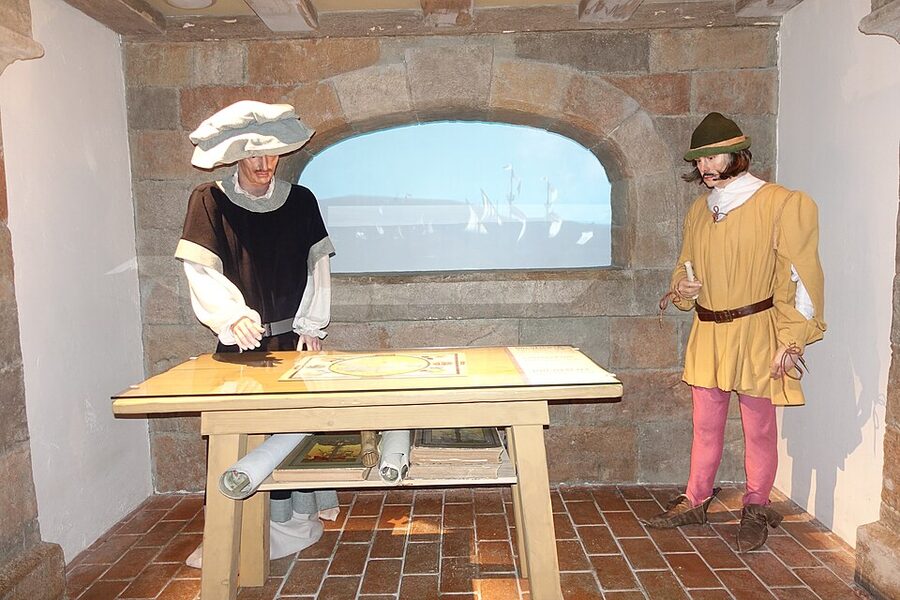
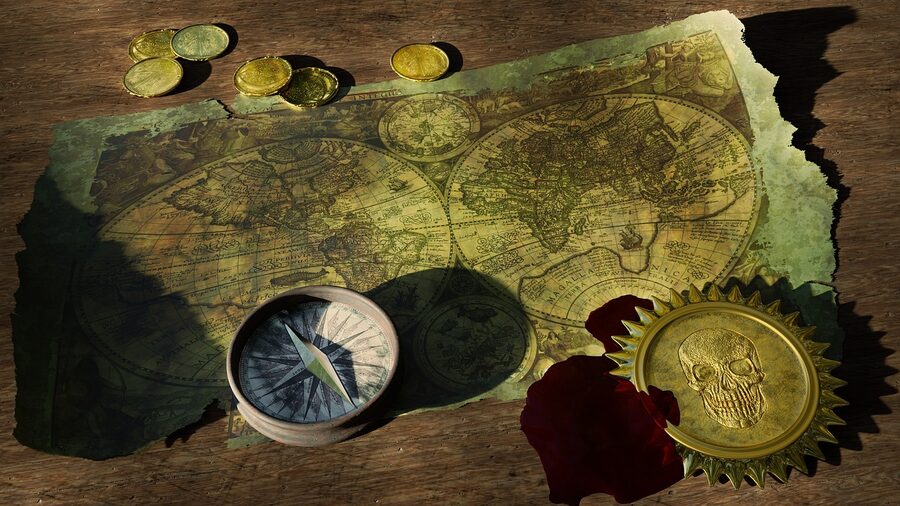
Spend more time at: the cartographer’s workshop (real depth, real history), the boat ride (obviously), the Goa and Macau rooms in the boat ride (the best dioramas), the Sagres school of navigation room near the start (the actual origin of all the Portuguese voyages).
Other Porto museums and tickets you might pair with this
If you’ve got a couple of days in Porto and the Age of Discovery angle interested you, there’s a natural follow-up cluster. The port-wine cellars across the river in Vila Nova de Gaia tell the trade story — what Portuguese ships actually carried back, what they sold, where the money went. The old-town walking tour in Porto gives you the urban history that the museum’s diorama version flattens. And a Porto food tour reveals how much of Portuguese cuisine — especially the spices, the salt cod, the rice dishes — came directly out of those colonial trade routes the museum tells you about.
For families specifically, the tuk-tuk city tour is the easiest way to handle Porto’s hills with kids who’ve already done a 90-minute museum walk. Most tuk-tuk routes pass close to the museum and the drivers can do a custom hop. The hop-on hop-off bus is the same idea on a fixed route — useful as a kids-can-rest reset between activities.
And one last note: if you’re doing Lisbon as well as Porto, the Jerónimos Monastery in Belém is the other half of the Age of Discovery story. Henry the Navigator started the school, the Porto sailors built the ships, and the Lisbon monastery was where da Gama and his crew prayed before leaving for India in 1497. Two cities, one continuous story.
Affiliate disclosure: when you book through links on this page we may earn a small commission at no extra cost to you. We only recommend tours we’d send a friend to.