
Walk Wrocław in August and you’ll cover the Rynek in maybe an hour, drift down to the river, find the cathedral, and that’s your morning gone. You haven’t seen Centennial Hall, you haven’t found half the dwarves, and you’ve definitely missed the four-temple district north of the river. Roll the same morning in an electric car and you’ve crossed the Oder twice, parked in front of UNESCO-listed Hala Stulecia, learned why the city was called Breslau on the maps your grandparents used, and you’ve still got time for lunch on the square.
- In a Hurry?
- Why Wrocław Suits an E-Car Better Than Most Cities
- The Three Tours Worth Booking
- 1. Wrocław E-Car Tour and Audio Guide:
- 2. Wrocław 2-Hour Private Guided Tour by Electric Car: per person
- 3. Wrocław City Tour by Golf Cart, Shared or Private:
- What the Two-Hour Route Actually Covers
- The Dwarves: What the Guide Will Tell You
- Breslau, Wrocław, and Why the City Switched
- Comparing the Three Operators in Practice
- What to Wear
- Practical Notes for Booking
- How far in advance to book
- What to ask before paying
- Refund and cancellation
- Where to meet
- How the E-Car Compares to Other Wrocław Options
- How Wrocław Fits Into a Polish Trip
- Common Questions
- Are children welcome?
- Can I book just one or two of us?
- Wheelchair access?
- What about luggage?
- Do I tip the guide?
- What language is the guide?
- Where to Eat After
- Other Polish Tours and Day Trips
In a Hurry?
Best value: Wrocław E-Car Tour and Audio Guide, about $16, 1-2 hours, the most-booked option with heated seats and audio commentary in twelve languages.
Most flexible: Wrocław 2-Hour Private E-Car Tour, about $38 per person, private vehicle with hotel pickup and a guide who’ll detour where you ask.
Compact route: Wrocław Sightseeing by Golf Cart, about $27, 60 to 90 minutes, hits the headline sights with the option to go private.
Why Wrocław Suits an E-Car Better Than Most Cities
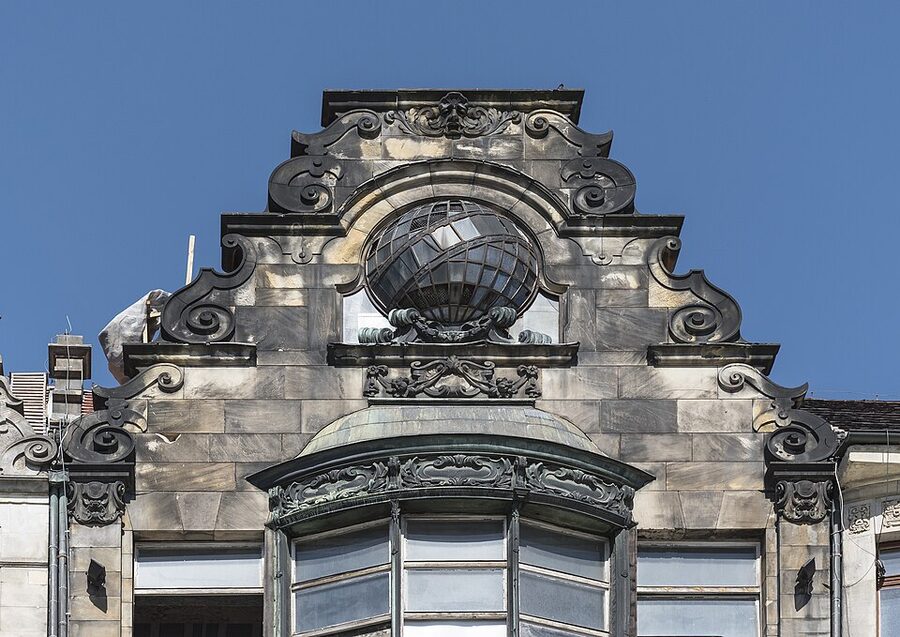
Wrocław is the wrong shape for a normal sightseeing bus. The Old Town fits inside a cramped pedestrian zone where the streets predate cars by about five centuries. The big sights then spread out: the cathedral and Cathedral Island sit on the far side of the river, Centennial Hall is forty-five minutes’ walk east of the Rynek, the four-temple district is on the north bank, and the famous Panorama of Racławice is its own building tucked behind the university quarter. On foot, you pick three of these and skip the rest. By tram you waste half the day waiting at stops you don’t recognise.
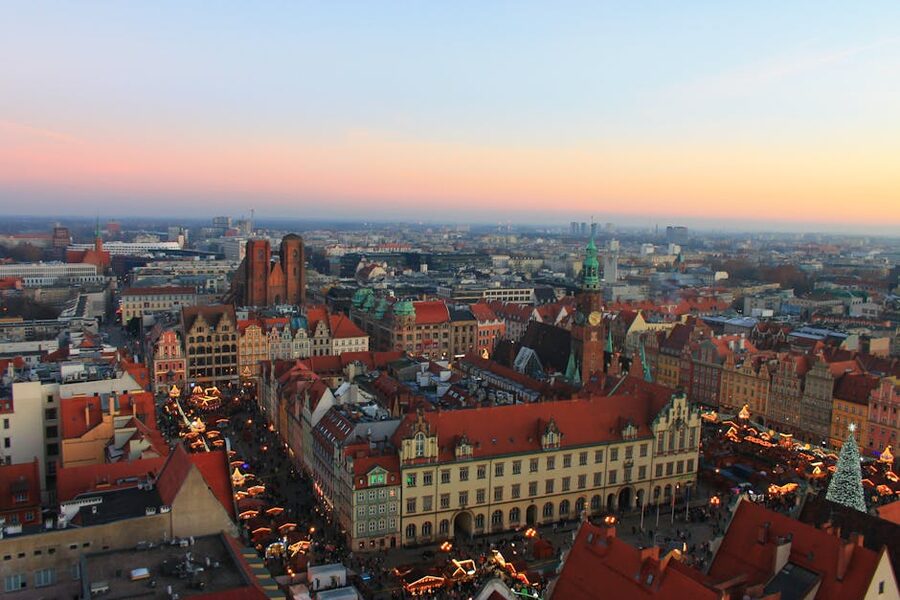

The electric car solves all of this in one vehicle. Small enough to thread medieval streets that ban regular cars. Quiet enough to roll past residents without being hated. Long enough range to do the cathedral, then Hala Stulecia, then back to the Rynek without a battery swap. Most operators run a two-hour route that genuinely covers the headline list of thirty-something sights. You won’t get out at every one. You will see them all, with a guide telling you what you’re looking at.
The Three Tours Worth Booking
Wrocław has roughly a dozen e-car operators between the Rynek and the cathedral. Three are worth your time. The rest are either copy-cat outfits with no audio guide or one-man-band drivers who won’t be there next year.
1. Wrocław E-Car Tour and Audio Guide: $16
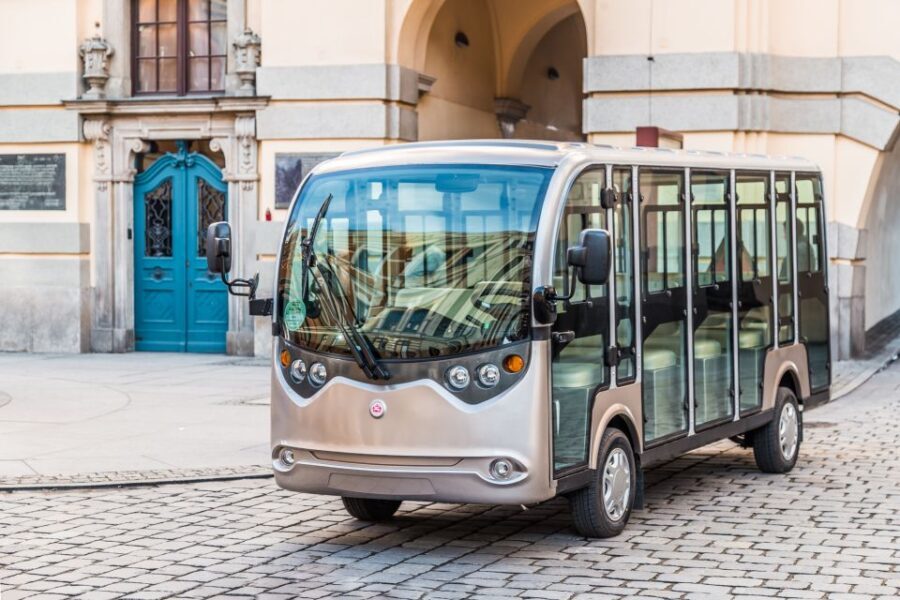
This is the one you book unless you’ve got a specific reason not to. Two hours, around thirty sights, audio commentary in twelve languages, and they actually run it through winter because the cabin is heated. The benches are configured for three plus one facing backwards, which is a little odd if you’re a couple, but you stop often enough that nobody’s stuck looking the wrong way for long. Our full review of the e-car tour covers what to ask before paying and which seat to grab if you’ve got a tall traveller in the group.
2. Wrocław 2-Hour Private Guided Tour by Electric Car: $38 per person
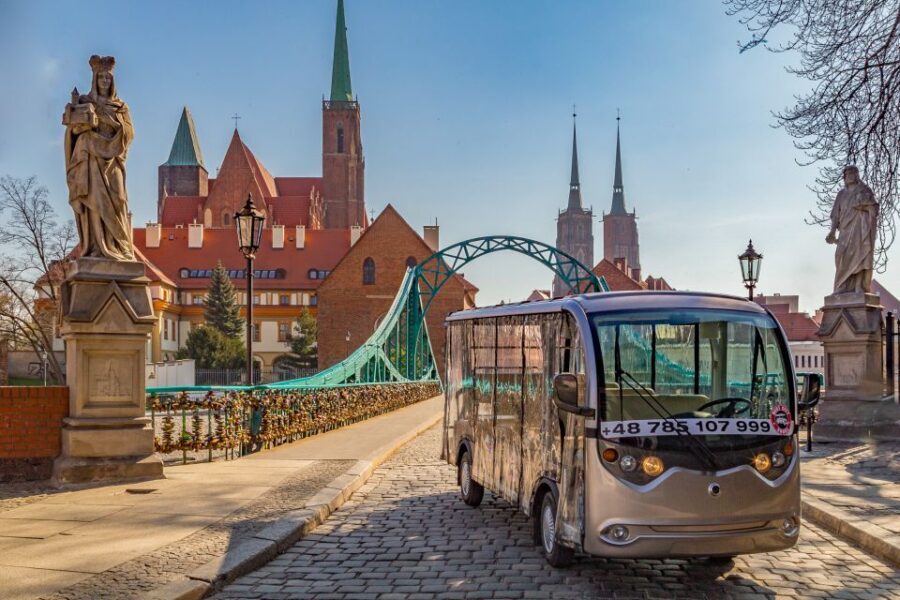
Costs more than double the shared tour but you get the car to yourselves, a real-time guide instead of an audio recording, and the route bends to wherever you want extra time. Worth it for two reasons: you’re travelling with someone whose mobility is limited and the hotel pickup is essential, or you’ve got specific interests (Jewish heritage, post-war architecture, dwarves) and you want a guide who’ll dig into them. Our private e-car tour review walks through which guides are flexible on detours and what the hotel-pickup radius covers.
3. Wrocław City Tour by Golf Cart, Shared or Private: $27
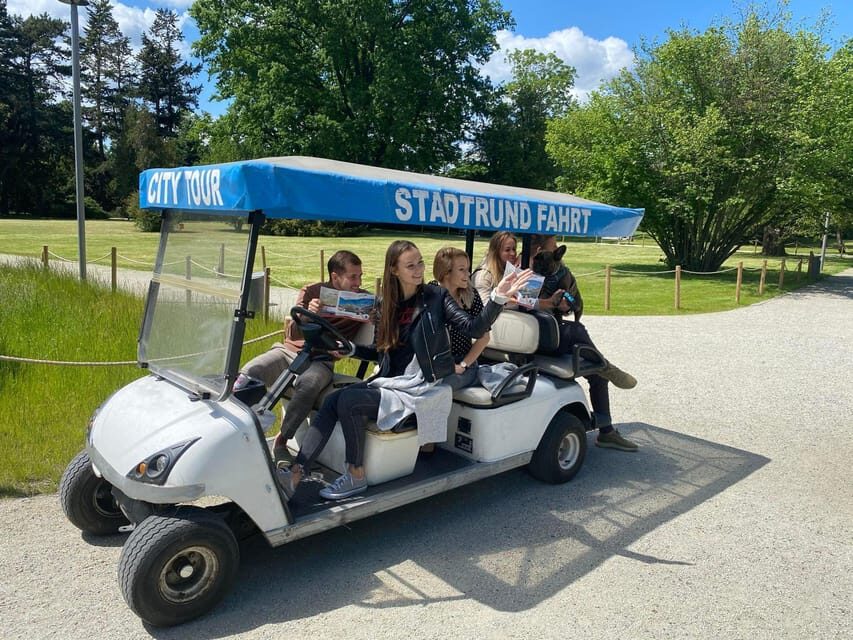
The compromise. Costs more per minute than the e-car tour but takes less of your day. Open-sided, so summer is fine and shoulder season is borderline. The route covers the Rynek, the cathedral, the Market Hall, Centennial Hall, the zoo and university quarters in 90 minutes. Audio guide in English, Polish and German. If you’ve already got an evening event and only the morning free, this fits where the e-car doesn’t. Our golf cart review covers the seating layout and which guides are worth requesting by name.
What the Two-Hour Route Actually Covers
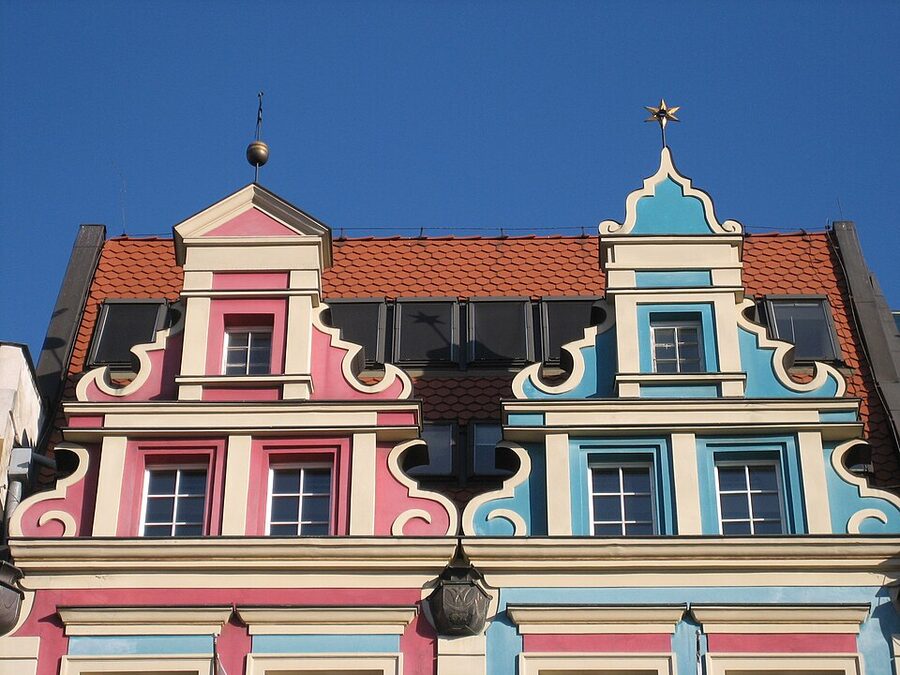

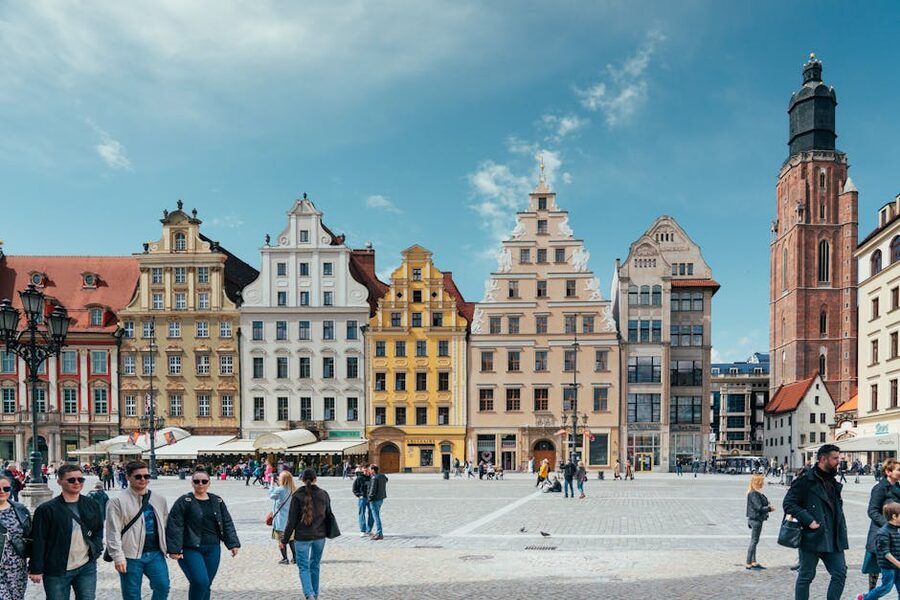
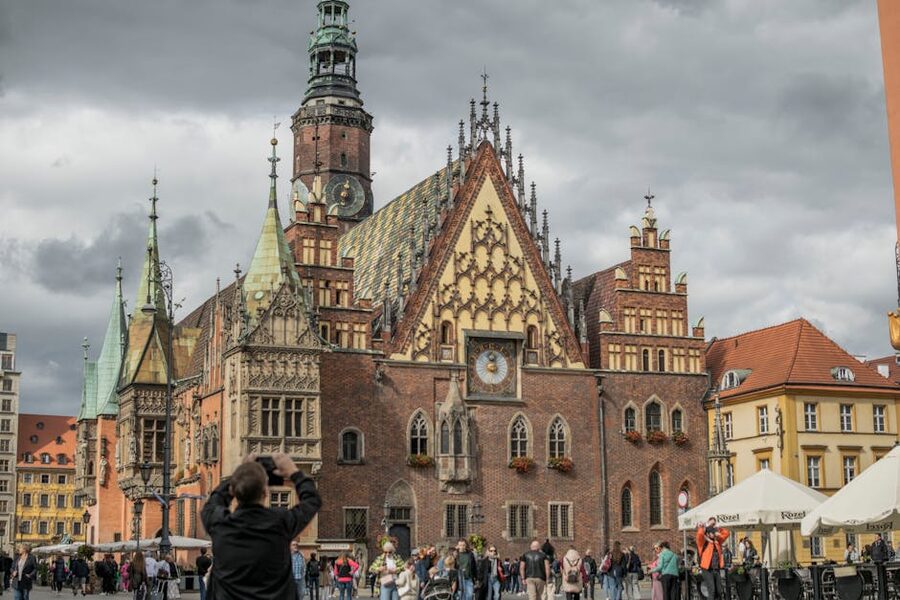
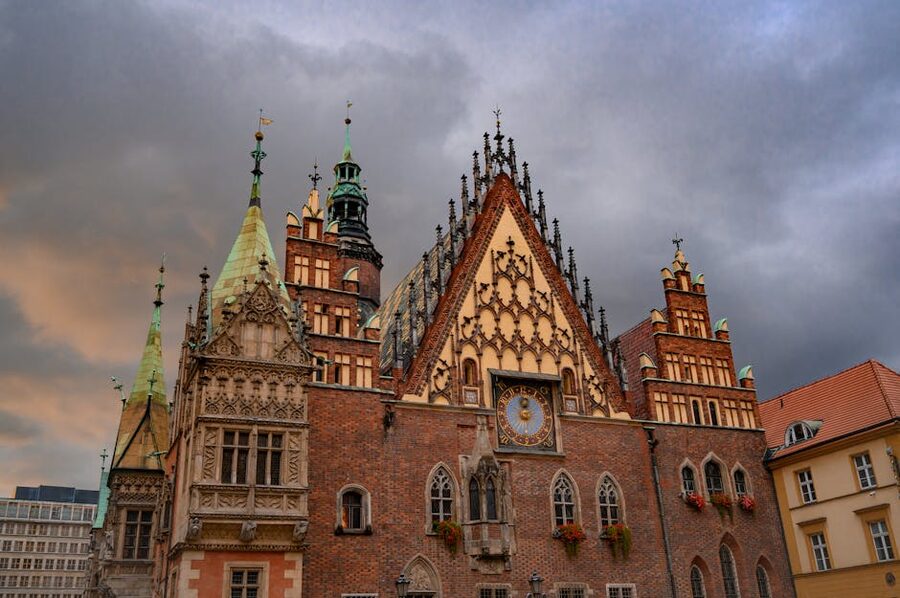
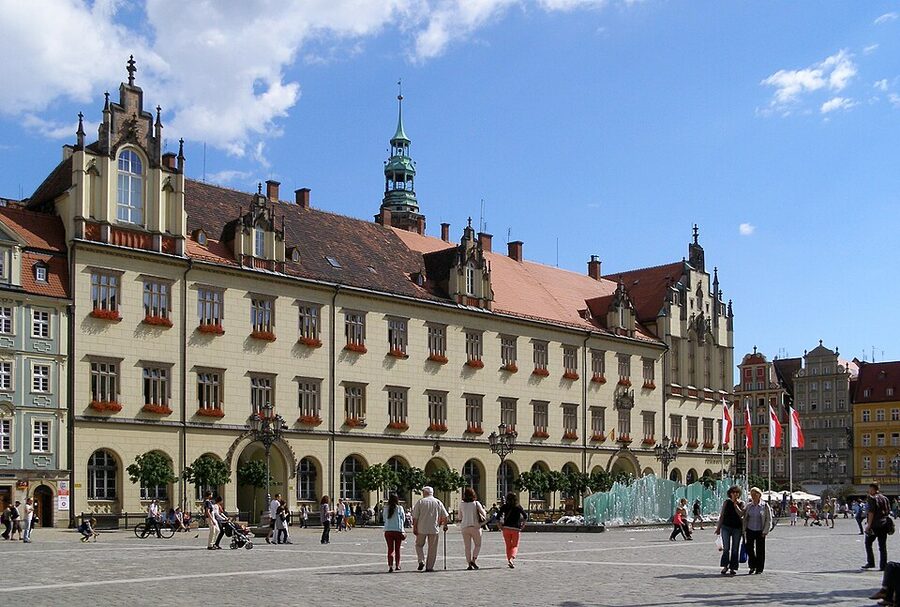
The standard e-car loop starts on the Rynek, the medieval market square that’s been the heart of Wrocław since the 1240s. You loop the square slowly, with the guide pointing out the Old Town Hall, the Salt Square, and the surviving Gothic facades. From there you cut north past the four-temple district where a Catholic church, a Lutheran church, an Orthodox church and a synagogue all sit within four hundred metres of each other. There aren’t many places that put that on a map.
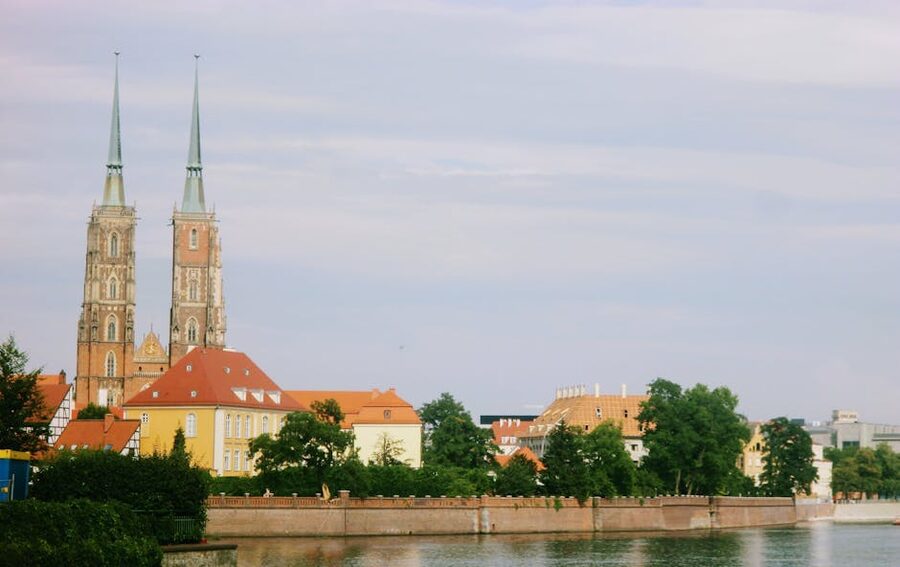
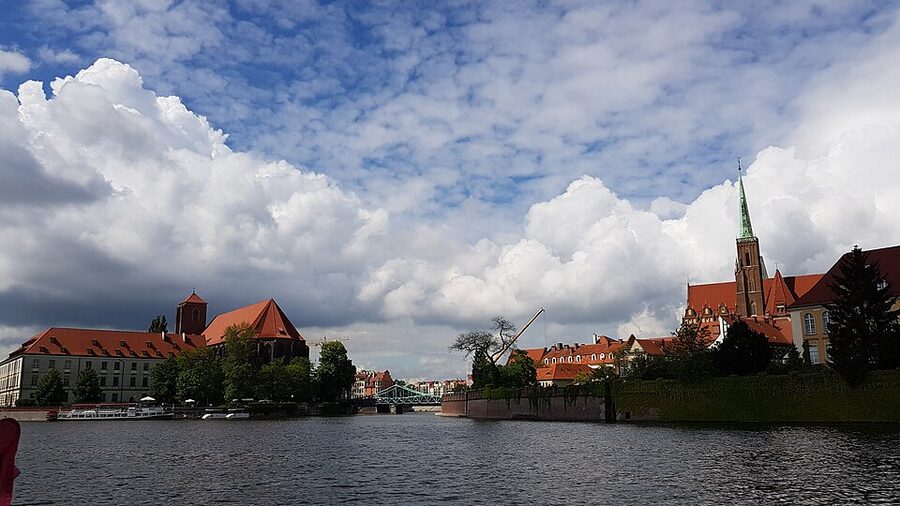
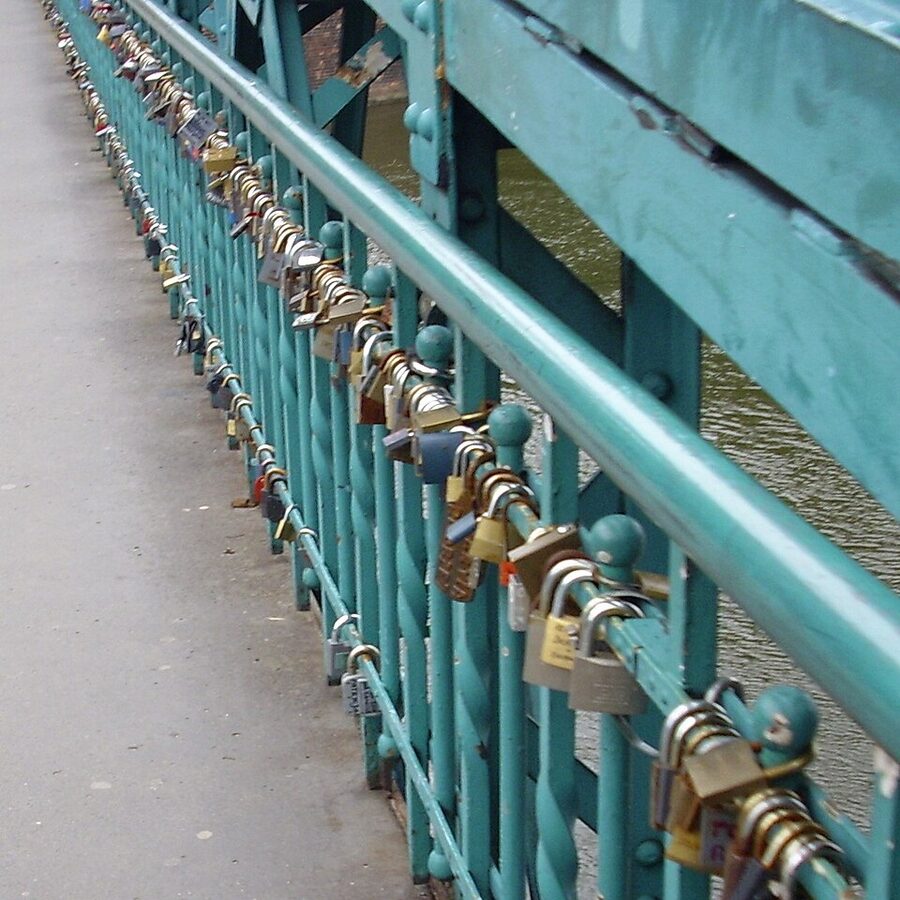
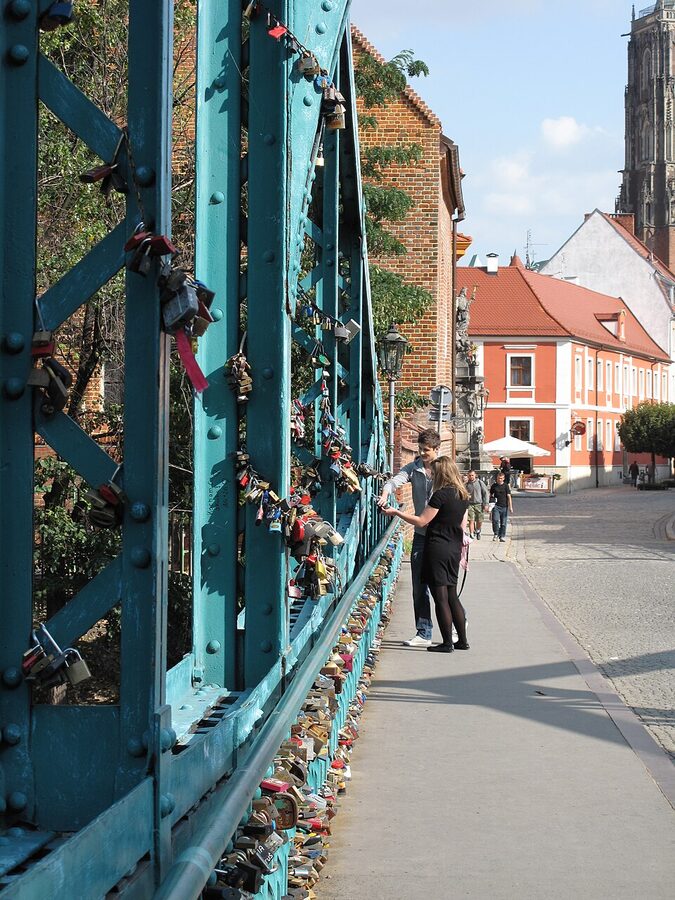
The car then crosses the Oder onto the Sand Island and over the Tumski Bridge onto Cathedral Island. This is the slowest section of the route by design. You’ll get out, walk on the bridge, and have ten minutes to cover the lane up to the cathedral. You won’t go inside; that’s a separate visit. But you’ll see the gas lamps that are still lit by hand every evening, the Tumski Bridge padlocks, and the back of the cathedral close that almost nobody photographs.


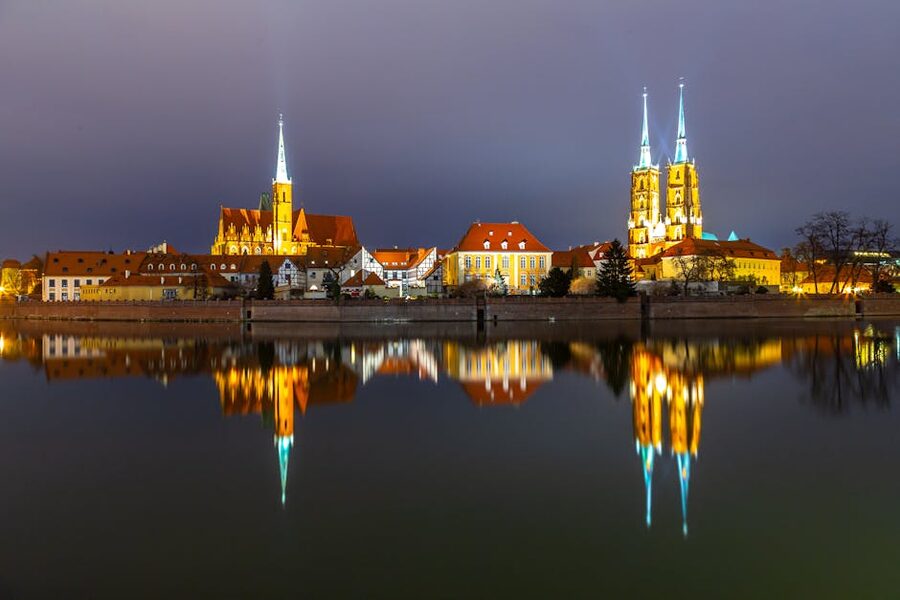
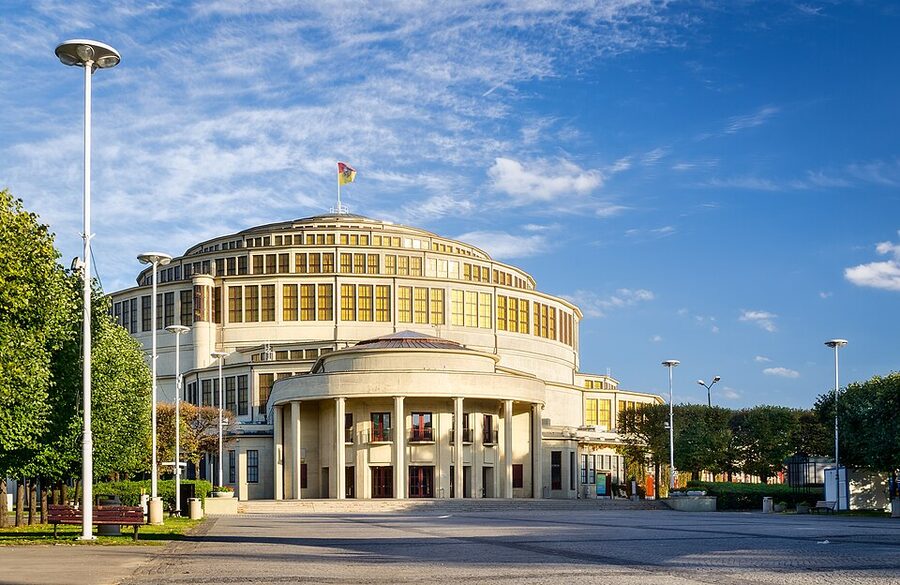
After the cathedral the car heads east through Sępolno, a 1920s garden suburb most tourists never see, on its way to Hala Stulecia, the Centennial Hall. This is a UNESCO World Heritage site, an early reinforced-concrete dome from 1913 that pre-dates almost everything Wrocław is famous for. The car stops, you walk around the front, the guide explains why this thing is on the world heritage list (the engineering, the size, the fact that it survived 1945 when much of the city didn’t), and you get back in.

The return loop crosses back to the Old Town via the Grunwald Bridge, the Panorama of Racławice (a 360-degree painting of the 1794 battle, housed in its own purpose-built rotunda), the university quarter, and back to the Rynek. By the time you climb out of the car you’ve covered roughly twelve kilometres of city and seen everything you’d plan into a two-day walking itinerary.
The Dwarves: What the Guide Will Tell You
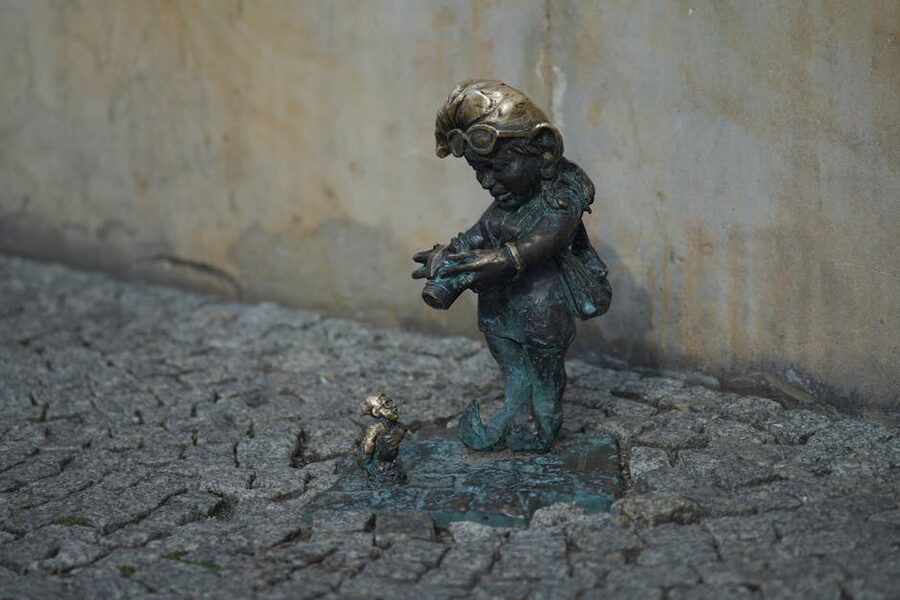
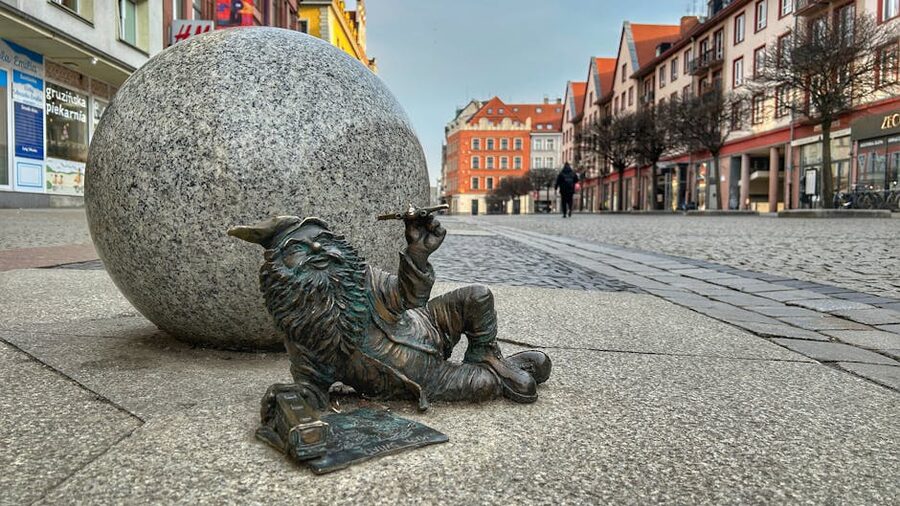
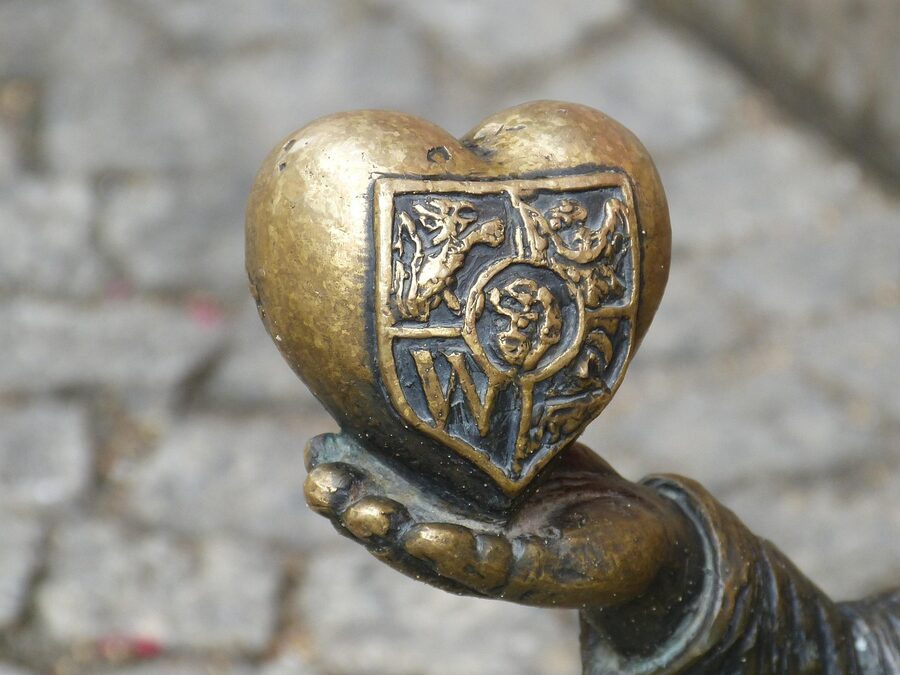
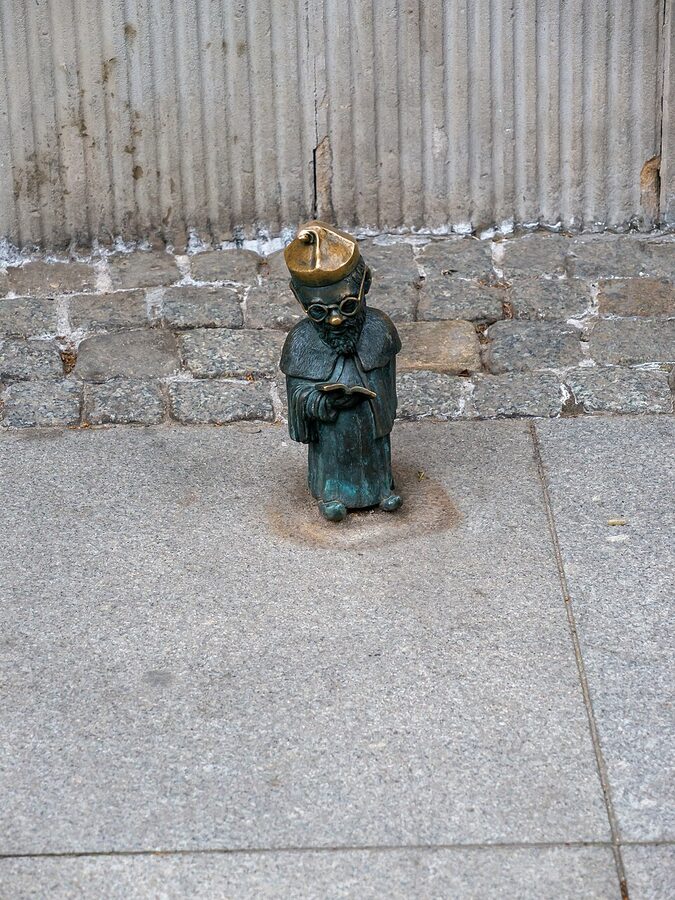
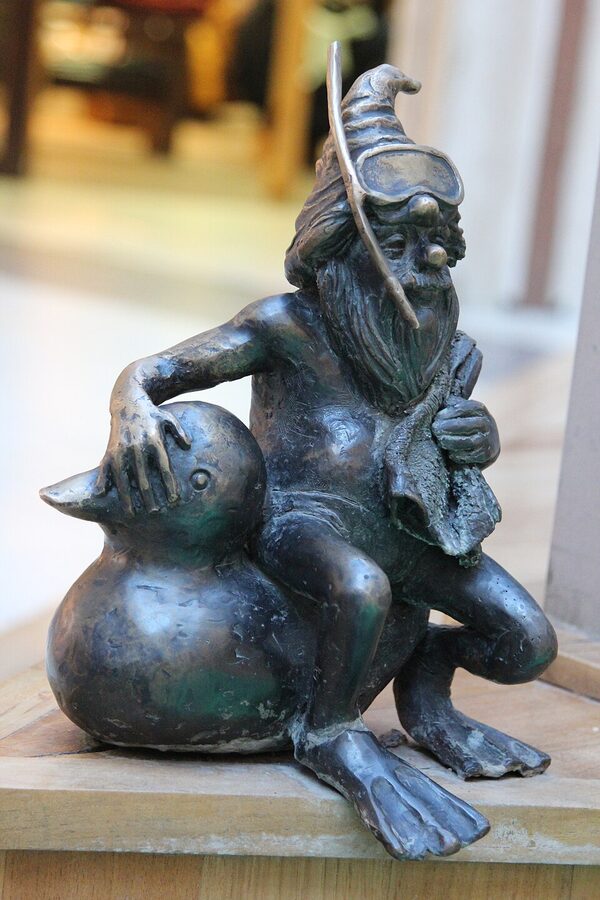
The dwarves are the part of any e-car tour where the guide will linger. Wrocław has more than six hundred bronze dwarf figurines scattered across the city, each between fifteen and forty centimetres tall, each with a name, each placed in a spot that means something. The guide on the e-car will point out maybe twenty of them as you roll past. Forty, if your guide is the dwarves enthusiast on shift that day.
.jpg)
The story behind them matters. In 1982, under martial law, an underground anti-communist movement called the Orange Alternative started painting little dwarves on walls where the regime had painted over earlier political graffiti. The point was absurdist. Arrest a man for painting a dwarf and you look like an idiot. The Orange Alternative grew, organised street happenings dressed as dwarves, and became one of the cultural touchstones of late-Communist resistance in Poland.
_Wroclaw_dwarf_2016_P01.jpg)
_Wroclaw_dwarf_01.JPG)
The first commemorative bronze dwarf, Papa Krasnal (Papa Dwarf), went up on Świdnicka Street in 2001 to honour the movement. By 2005, the city commissioned five more for the Rynek. Then businesses started commissioning their own. A bank with a piggy-bank dwarf outside. A dentist with a dwarf brushing teeth. A bookshop with a reading dwarf. The count tipped past a hundred around 2010, past three hundred by 2015, past six hundred in 2024.
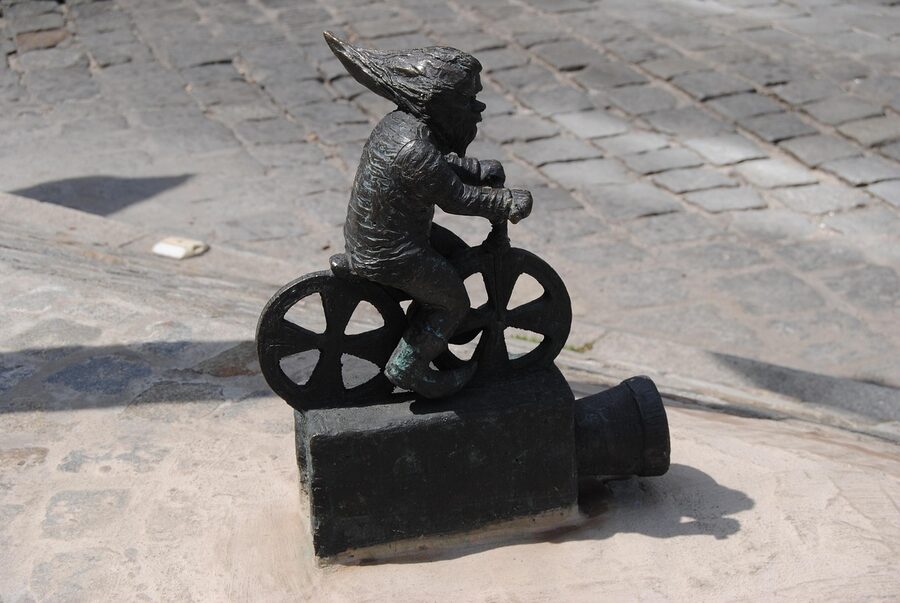
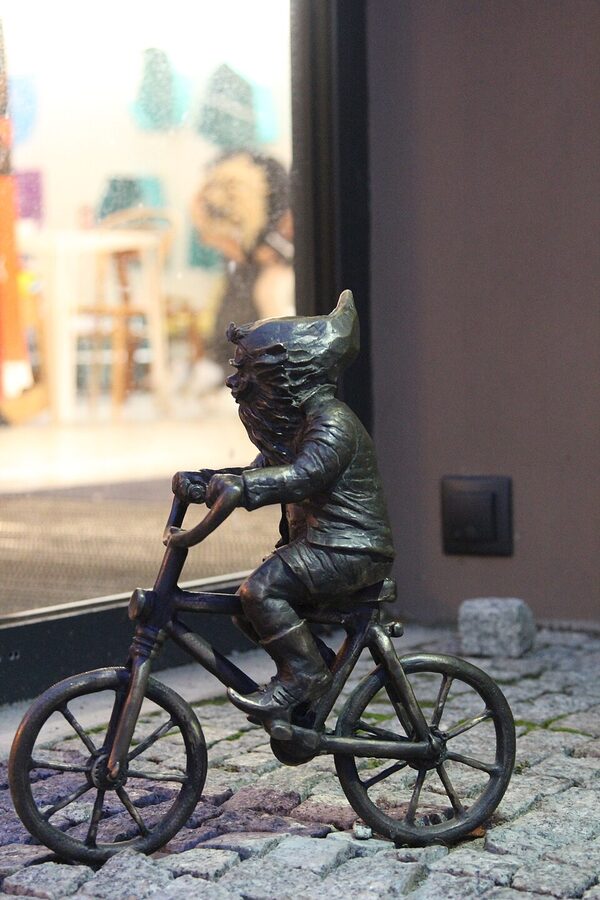
The e-car can’t stop at every dwarf, obviously. What you get instead is the geography. You see which districts have the highest dwarf density (the Rynek and Świdnicka Street), which dwarves are unmissable (the heart-and-hand dwarf on the Rynek, the cyclist on Świdnicka), and where the cluster of academic dwarves at the University runs. After the tour, if you want to dwarf-hunt properly, you’ve got the map in your head. The tourist office on the Rynek hands out a free dwarf map and an app called Krasnale Wrocławia tracks every official one.
Breslau, Wrocław, and Why the City Switched
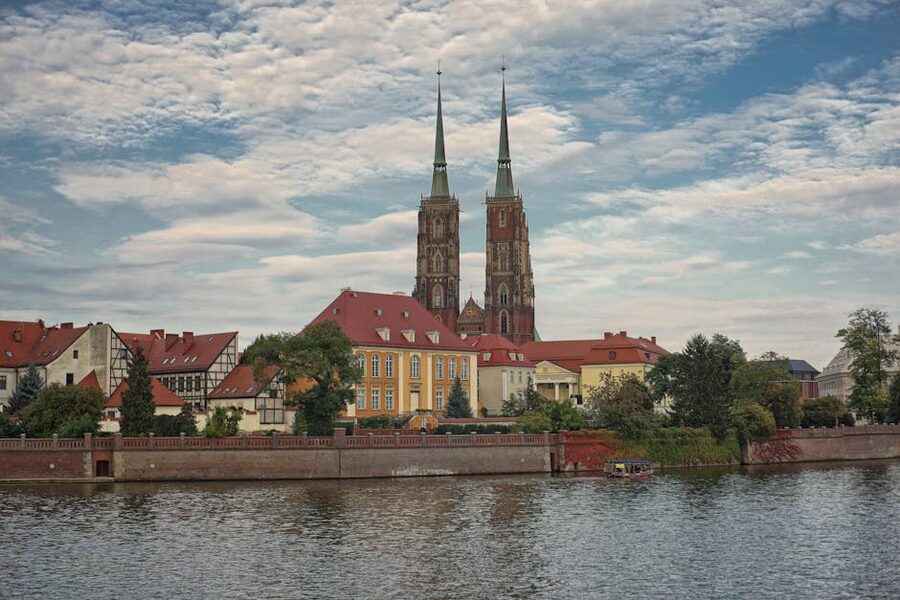
The other thing the guide will dig into is why your grandparents would have called this Breslau and your parents would have called it Wrocław. The short version: Wrocław has been Polish, Bohemian, Habsburg, Prussian, German, and Polish again across about a thousand years. From 1741 to 1945 it was Breslau, capital of Prussian then German Silesia, with a population that was overwhelmingly German-speaking. After 1945 the entire population was expelled to West Germany and replaced with Polish settlers, many of them themselves expelled from Lwów (now Lviv in Ukraine). The city was rebuilt by people who had never lived there, in a place that was 70 percent rubble.
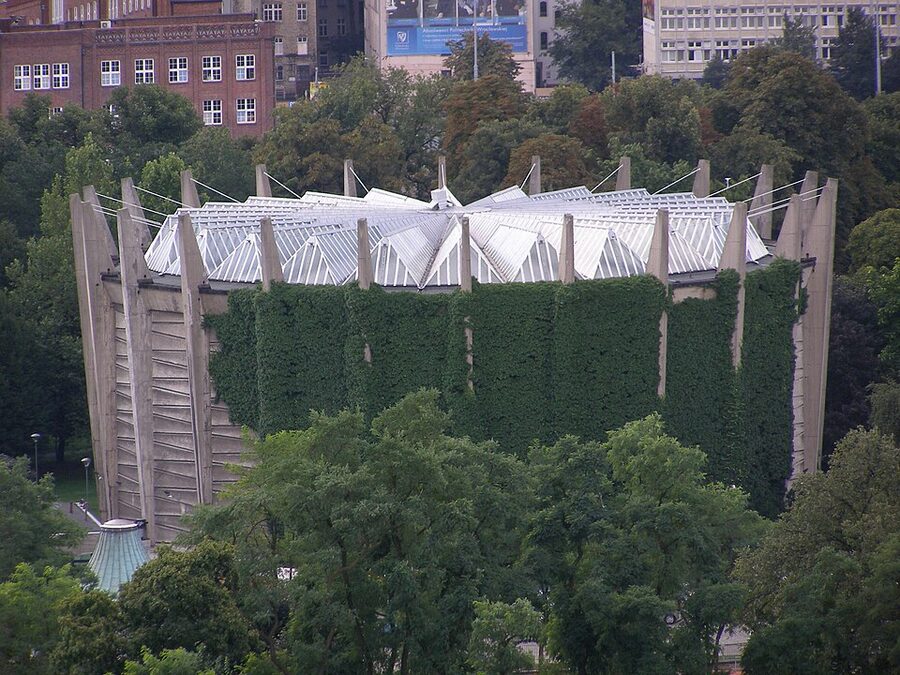

That double history is everywhere if you know where to look. The Hala Stulecia, built in 1913 to mark the centenary of the German victory at Leipzig, is now the central Polish landmark in the city. The Panorama of Racławice, an 1894 painting of a Polish-led peasant army defeating Russian troops, was brought from Lwów after 1945 and rebuilt rotunda-and-all to give the new Polish residents a national symbol. The cathedral, the Aula Leopoldina at the university, the Sand Church, the four-temple district, all date to the German period. The streets are mostly post-war reconstruction. The city has been Polish since 1945 in name, and probably since the late 1960s in feel.
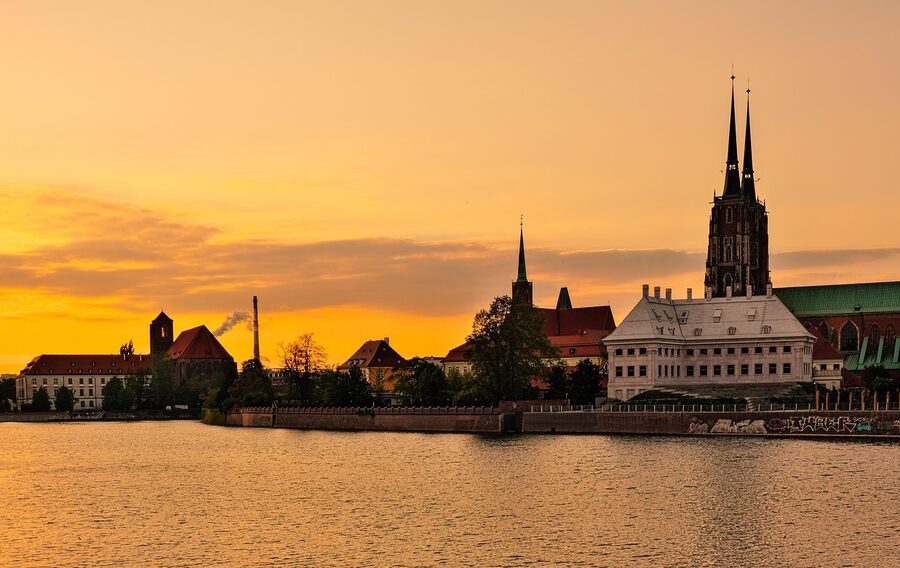
The e-car guides handle this history with care. You won’t get a politicised version, but you also won’t get the bland one. The good guides will tell you which families lived in which Rynek house before 1945, where the wartime damage was deepest, and why there are still plaques in German on a few prewar buildings. If you’ve got grandparents who came out of Breslau in 1945 or 1946, mention it to your guide. They’ve heard the story before and they’ll know which streets to detour through.
Comparing the Three Operators in Practice
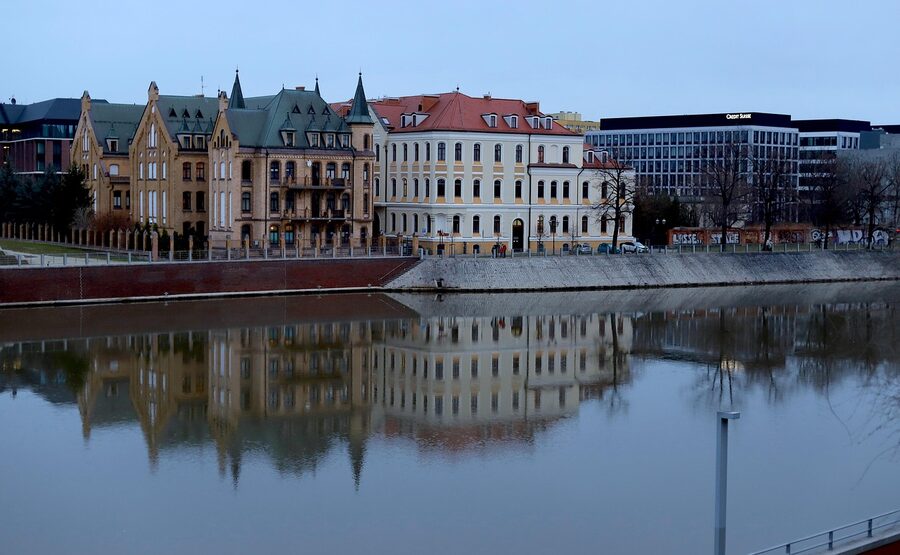
If you’ve got two hours and want value, the headline e-car tour at $16 is the right answer for nine in ten travellers. Heated cabin, audio guide in twelve languages, the operator runs through winter without complaining, and the route covers everything I’ve listed above plus a few I haven’t.
If you’ve got mobility issues, are travelling with a parent who can’t walk far, or just want a guide who’ll detour to the dwarf you’re trying to find, book the private at $38 a head. The hotel pickup alone is worth the upgrade if you’re staying outside the Old Town. The guide-as-actual-human is the bigger gain. Audio guides are fine. A guide who can answer “wait, why is that building shaped like that?” is better.
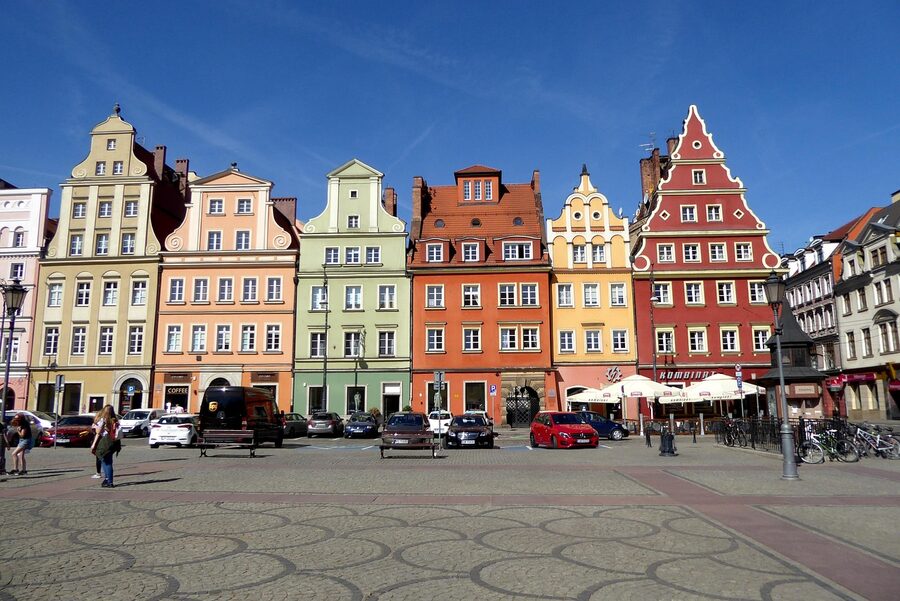
If you’ve got 90 minutes between a morning meeting and a flight, the golf cart tour at $27 is the only one that’ll fit. Open-sided, faster paced, less language flexibility, but you’ll still see the headline list. The driver-guide will adapt the route based on time. Don’t book this in November to March; the open sides are genuinely cold.
What to Wear
The e-car has a roof and walls. The golf cart has a roof and curtains. So:
Summer (June to August). Either is fine. The e-car climate control works. The golf cart open-sided is actually a relief in 30°C August. Bring sunglasses. The reflection off the Oder is brutal between 11am and 3pm.
Autumn (September to October). The e-car is the more comfortable choice but the golf cart still runs. Light jacket and a scarf for either, especially the late afternoon slots when the cathedral lights come on.
Winter (November to early March). E-car only. The golf cart operator stops running most years between mid-November and mid-March. The e-car runs through, with blankets in the cabin. Bring a hat for the photo stops outside the cathedral and Hala Stulecia.
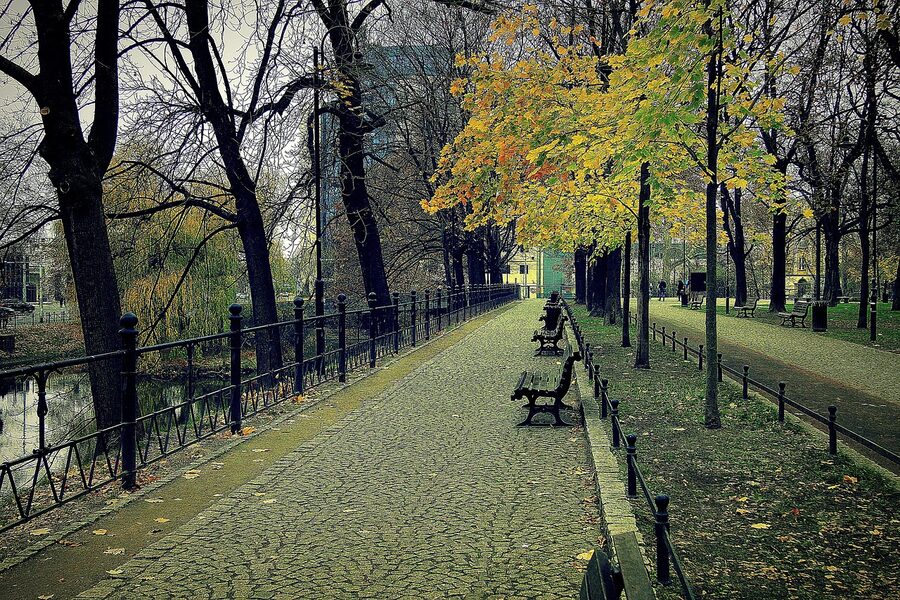
Spring (April to May). Either works. April is unpredictable; May is the easiest month of the year for both formats. Wrocław gets dry, mild, and the trees on the Promenade are green again.
Practical Notes for Booking
How far in advance to book
Off-season (December to February, excluding Christmas markets), same-day usually works. Christmas markets period (last week of November through early January), book 48 hours ahead because the e-car runs are extra busy and Wrocław’s Christmas market is the second-busiest in Poland after Krakow. Summer (June to August), 24 hours minimum, ideally 48 if you want a specific time slot. Wrocław in July and August gets busy with German weekend visitors crossing the border for short breaks.
What to ask before paying
- Is the audio guide available in your language? Twelve languages is the headline but a few of those are quieter than others. Confirm.
- Is the cabin heated, or is this an open-sided cart? Matters in October to April.
- Does the route include Centennial Hall? Most do. Some shorter routes don’t.
- Hotel pickup or central meeting point? The shared tours meet at the Rynek. The private tours can pick up.
- How many seats? Usually six on the e-car, four to six on the golf cart.
Refund and cancellation
GetYourGuide gives free cancellation up to 24 hours before for all three operators. After that, no refund. Weather cancellations from the operator side (rare, they run in most conditions) get a full automatic refund. If you book direct through the operator’s website, terms vary. The aggregator (GetYourGuide or Viator) is the cleaner booking route.
Where to meet
All three meet on the Rynek, on the south side near the Salt Square (Plac Solny). Look for a small black or dark green electric vehicle with a sign on the dashboard. Drivers usually park in a row, three or four vehicles deep. The map pin on your booking voucher will get you within fifty metres.
How the E-Car Compares to Other Wrocław Options
.jpg)
The e-car isn’t the only way to see Wrocław. It’s the broadest, the most efficient, and the best first-day choice. But if you’ve got a few days, the supporting cast matters.
Vs walking tour. A guided walking tour goes deeper on the Old Town but won’t reach Centennial Hall. Use the e-car for the overview, then a walking tour for whichever district interested you. We’ve covered the format in our Krakow Old Town walking tour guide, which is the closest format-parallel to what Wrocław’s walking tours look like.
Vs bike tour. Bike tours cover similar ground at similar speed, with more effort. Better in summer. Worse if it’s raining. Wrocław has good cycle infrastructure now and the bike tour operators stick to it. Not a bad second-day option if the e-car was the first.
Vs city walking tour focused on the Old Town only. A 90-minute walking tour of the Rynek and Cathedral Island covers about 30 percent of what the e-car does, but in twice the depth. If your only interest is the Old Town and the cathedral, walk it. If you want everything, e-car.
Vs golf cart. Same idea, shorter time. Open-sided, less weather flexibility, less audio guide language coverage. Worth it only if you’re time-pressed.
Vs the day trips out of Wrocław. Wrocław is the base for trips to Auschwitz, Książ Castle and the Jewels of Lower Silesia. The e-car gets your in-Wrocław sightseeing done in one morning, freeing the rest of your stay for further-afield trips.
How Wrocław Fits Into a Polish Trip
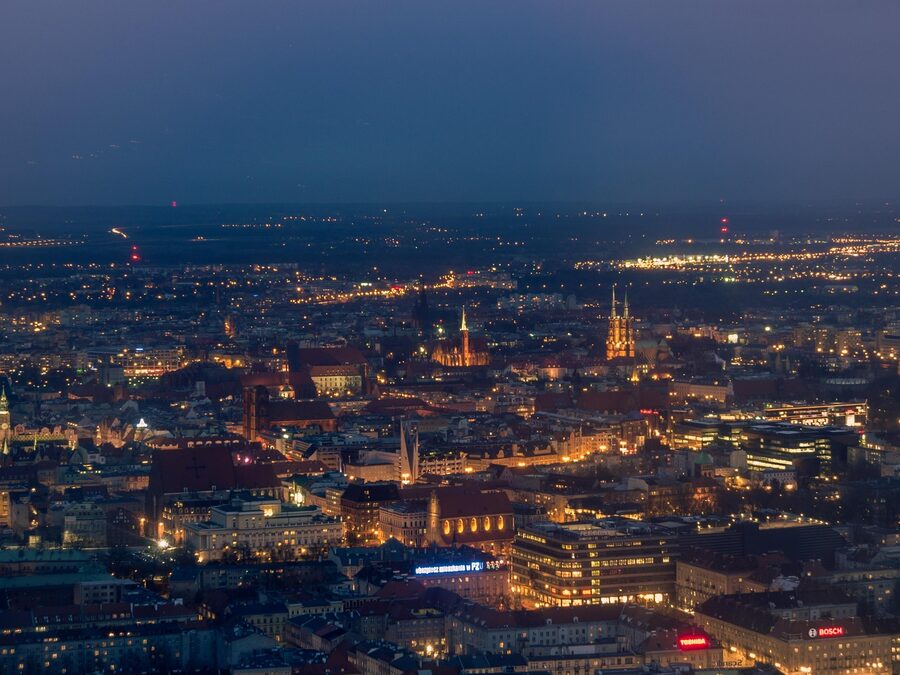
Most travellers tag Wrocław onto the back of a Krakow trip or the front of a Berlin one. Both work. The train from Krakow takes 3 hours 15 minutes and runs every two hours. From Berlin it’s about 4 hours via the Berlin-Warsaw express, with a change at Frankfurt-on-Oder. From Warsaw, the direct train is 3 hours 40 minutes.
If you’re doing the classic Polish triangle (Warsaw, Krakow, Gdańsk), Wrocław is the natural fourth corner. Two nights is the right amount: one full day for the e-car tour and a deeper walk through whichever district caught your interest, one half-day for a day trip or museum or just the cafe scene around the Rynek. The Wrocław you’ll see in two days is more compact than Krakow’s, less monumental than Warsaw’s, and feels more lived-in than either.
Common Questions

Are children welcome?
Yes. The e-car has child-friendly seat layouts and the dwarves alone keep most kids engaged for the full two hours. Children’s prices on the shared tour are usually about half adult. Infants under 2 ride free on a parent’s lap on most operators but ask before booking, the seat-belt configuration varies.
Can I book just one or two of us?
Yes. The shared tour takes individual bookings on a 6-seat e-car. You’ll be matched with other small parties to fill the car. The private tour is sold per car (with a per-person price banded by group size), so two people pay roughly $76 total.
Wheelchair access?
Limited. The e-car has a step at the entrance and the seats are low. Folding wheelchairs can be stowed but you need to be able to transfer to a seat. Call the operator before booking. The golf cart is harder still.
What about luggage?
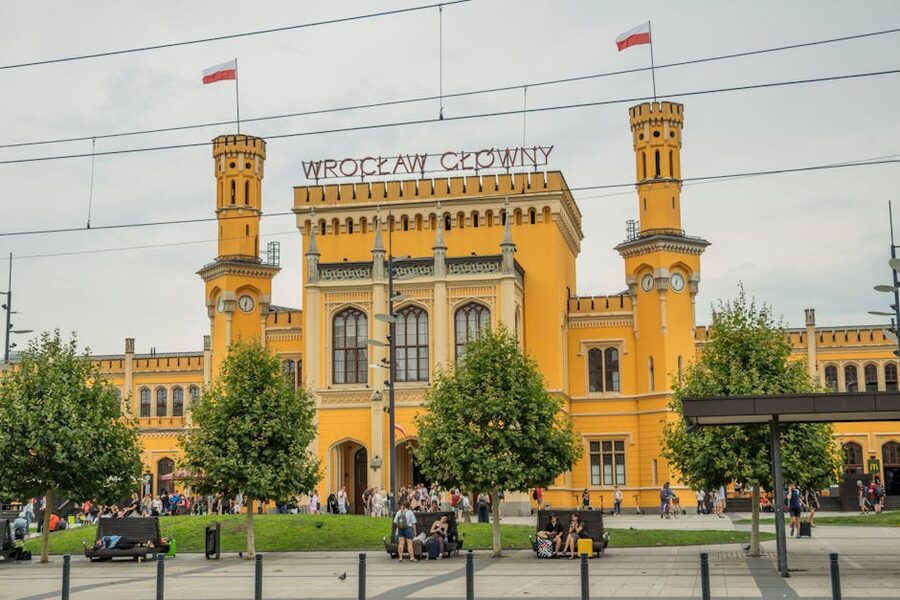
Small daypacks fine. Suitcases no. If you’re checked out of your hotel and need to do the tour before a train, leave bags in the Wrocław Główny luggage store (around 10 zloty per bag for the day, on the lower level near the platforms).
Do I tip the guide?
It’s not expected but it’s appreciated. About 20 zloty per person for a good shared tour, 50 to 100 zloty for the private if the guide really delivered. Cash is easier; card tips on the booking aggregator don’t reach the driver.
What language is the guide?
Audio guide on the shared tour: English, German, Polish, Spanish, French, Italian, Russian, Czech, Hebrew, Korean, Japanese, Mandarin. The live-guide private tour is usually English-Polish-German, occasionally Russian. Specify when booking if you need a specific live-guide language.
Where to Eat After
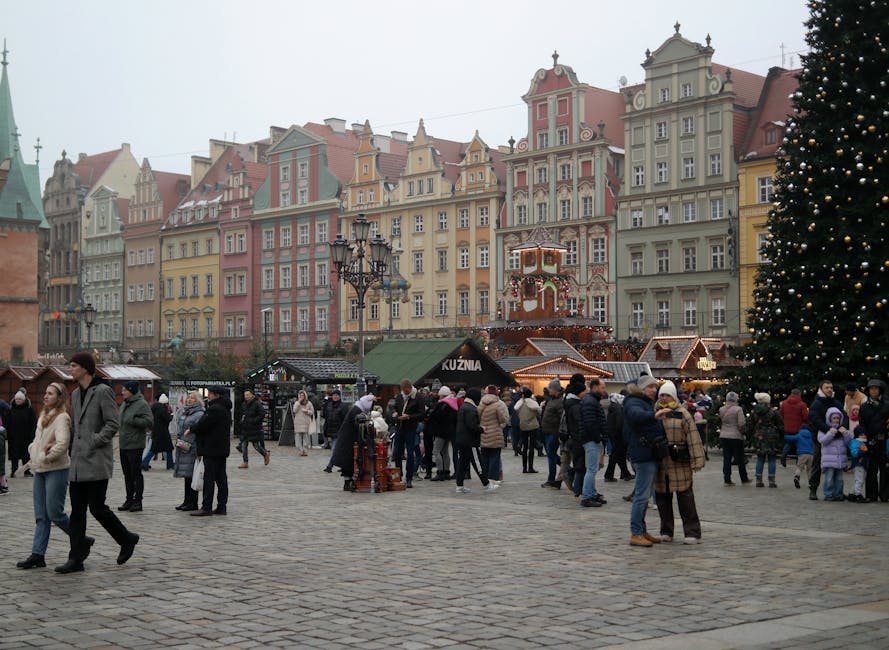
The e-car drops you back on the Rynek between 11am and 12, depending on the slot you booked. From there, lunch options are clustered:
Pierogarnia Stary Mlyn (Plac Solny 8) does proper pierogi in a pre-war tenement. About 35 zloty for a plate of twelve. The Russian (cottage cheese and potato) ones are the safe pick, the Lemberger ones (with sauerkraut and mushroom) are the regional speciality.
Konspira (Plac Solny 11) is a Solidarity-themed restaurant on the Rynek that’s heavier than it sounds. The bigos (hunter’s stew) is the best in the Old Town and the menu has English and German translations.
Kuchnia Marche on Świdnicka Street is the rough-and-ready cafeteria option. About 30 zloty for a soup and main, no English menu but you point at what looks good behind the glass.
For something more ambitious, the cafes around Plac Wolności (the square in front of the Wrocław Opera) are quieter and lean more on coffee than full lunch. If you’ve got the afternoon free and a strong stomach, the four-temple district north of the river has a couple of decent vegetarian places that don’t appear on most tour itineraries.
Other Polish Tours and Day Trips

If Wrocław is one stop on a longer Polish trip, here’s what we’d pair it with. The natural next move from Wrocław is Krakow, three hours by direct train. For the Krakow side, our Krakow Old Town walking tour guide covers the equivalent format on a different scale, and the Krakow golf cart sightseeing guide is the closest direct parallel to what you’ve just done in Wrocław. If you want a deeper Krakow plan, our Krakow bike tour guide covers a third-day option and the evening Vistula cruise is the night-time complement to a daytime ride.
For the Warsaw side of the trip, the Warsaw Old Town walking tour guide covers a city with a similar reconstruction story to Wrocław’s, and the Warsaw Galar Vistula cruise is a good half-day. If you’re still working out which Polish city to spend most time in, our Warsaw hop-on hop-off bus guide and the Chopin concert in Warsaw guide cover two of the easiest Warsaw entry points.
For the heavier history side of the country, our Auschwitz and Wieliczka day trip guide covers the most-booked Polish day trip from Krakow, and our Auschwitz visiting guide is the standalone version. Wrocław also runs day trips to Auschwitz, slightly longer than from Krakow but doable. If you’ve got two more days in southern Poland the Zakopane from Krakow guide is the best way out into the Tatra mountains. And for closing out a Polish trip with something lighter, the Krakow pub crawl is the standard way locals send tourists home happy.
Affiliate disclosure: some of the booking links on this page are affiliate links. We only recommend tours we’ve taken or researched. The price you pay is the same.