
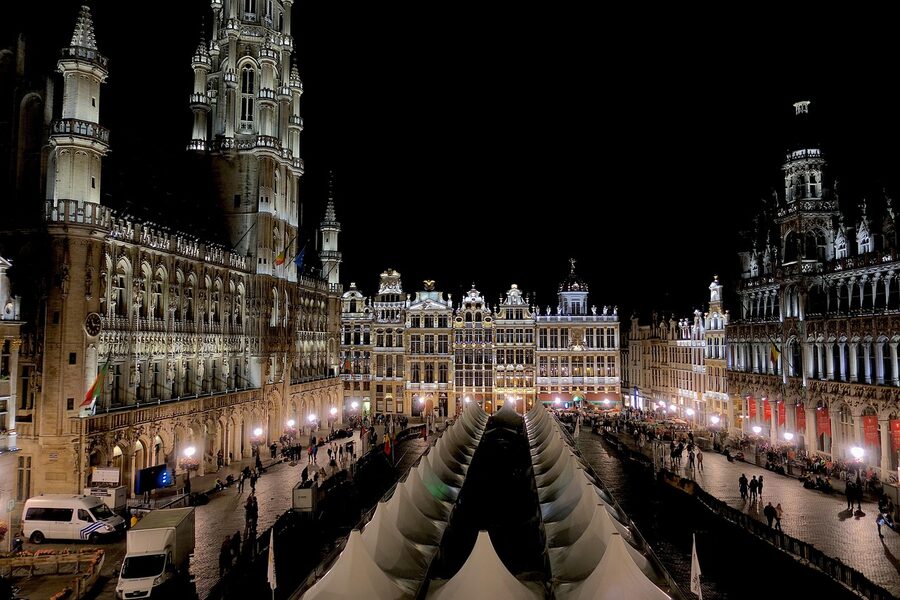
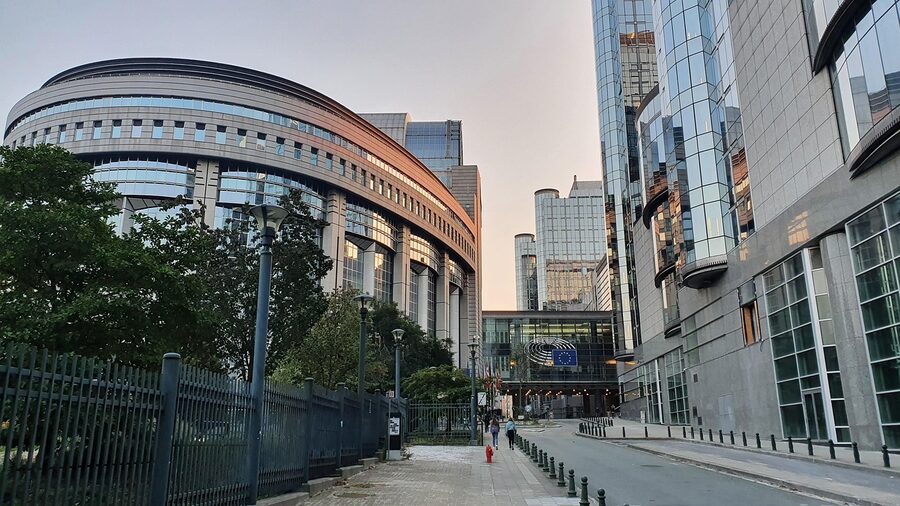
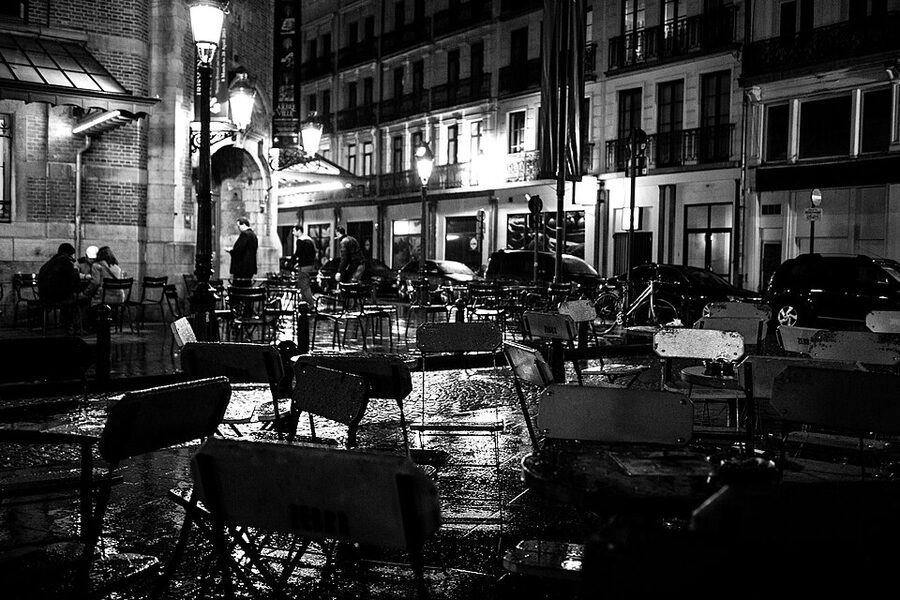
By day, Brussels wears a name badge and a navy lanyard. EU staffers shuffle from the Schuman roundabout to glass-fronted committee rooms, lobbyists email each other about the trilogue calendar, and the Belgian capital looks like the most polite city in Europe. After 9 pm, the badge comes off. Wristbands replace lanyards, the streets around Saint-Géry fill with people who actually live here, and the country quietly proves it makes some of the best beer on the planet.
- Best overall: Brussels Pub Crawl and Nightlife Party Experience from $23 per person, 3.5 hours, four bars, free shot at each stop.
- For Belgian beer geeks: Brussels BXL Pub Crawl Guided Tour from $28 per person, four hours, starts at Nua Party Bar.
- Cheapest entry point: Viator-listed Brussels Pub Crawl from about $23 per person, 3 hours 15 minutes, same operator as the GYG version.
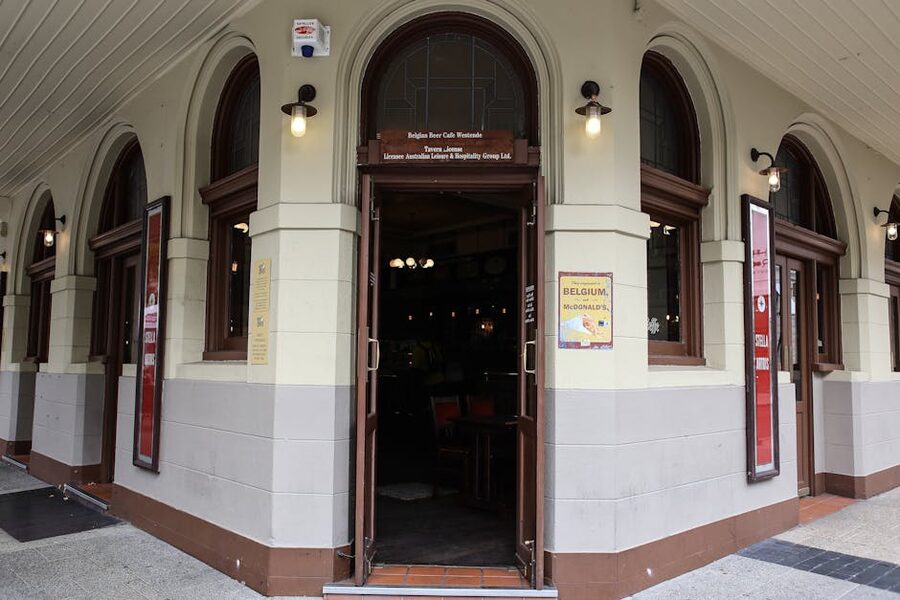
- Why a pub crawl is the right way to drink in Brussels
- The three pub crawls actually worth booking
- 1. Brussels Pub Crawl and Nightlife Party Experience: from
- 2. Brussels BXL Pub Crawl Guided Tour: from
- 3. Brussels Pub Crawl (Viator listing): from
- What you actually get for the money
- Saint-Géry vs Sablon vs Vismarkt: which neighbourhood?
- Belgian beer in 90 seconds, before you go
- Delirium Café: the obligatory diversion
- How the booking works in practice
- Schedule and seasons
- What to wear, what to spend, what to expect
- If you want a different kind of night
- How Brussels compares to other European pub-crawl cities
- The verdict
- More Brussels guides worth reading
Why a pub crawl is the right way to drink in Brussels
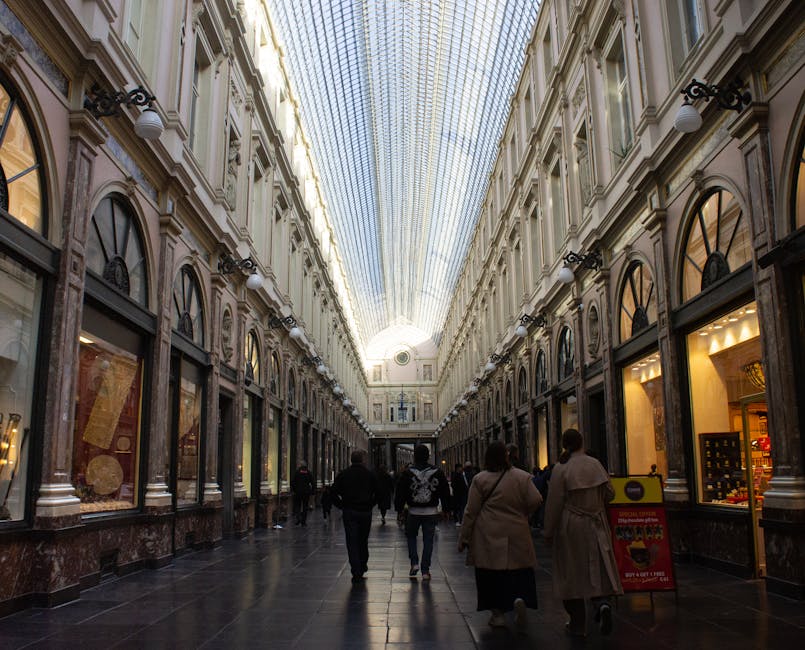
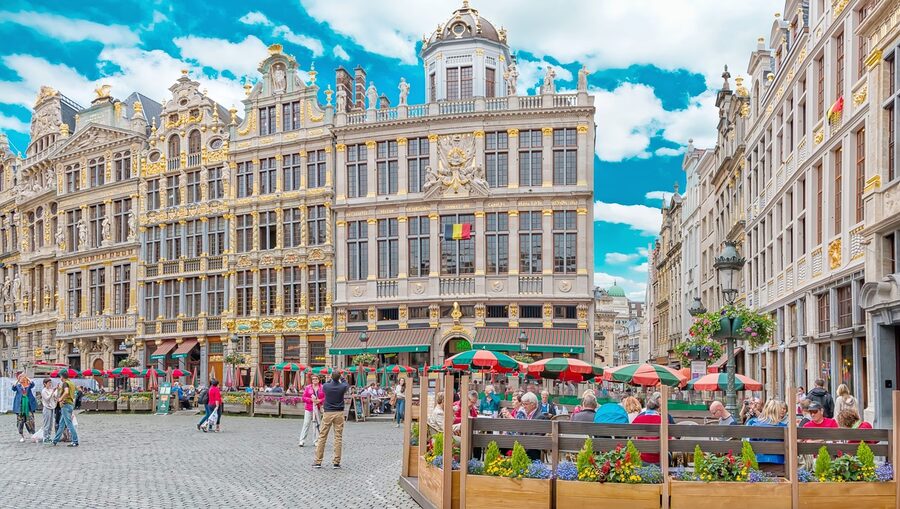
Brussels is a stupidly easy city to misread on your first night. The Grand Place is gorgeous and the Galeries Royales Saint-Hubert smell like waffles, but most of the bars on those tourist routes are pouring whatever beer ships easily and charging eight euros for it. The good drinking happens two blocks away in places that don’t have English menus. A pub crawl drags you to those places without you having to find them.
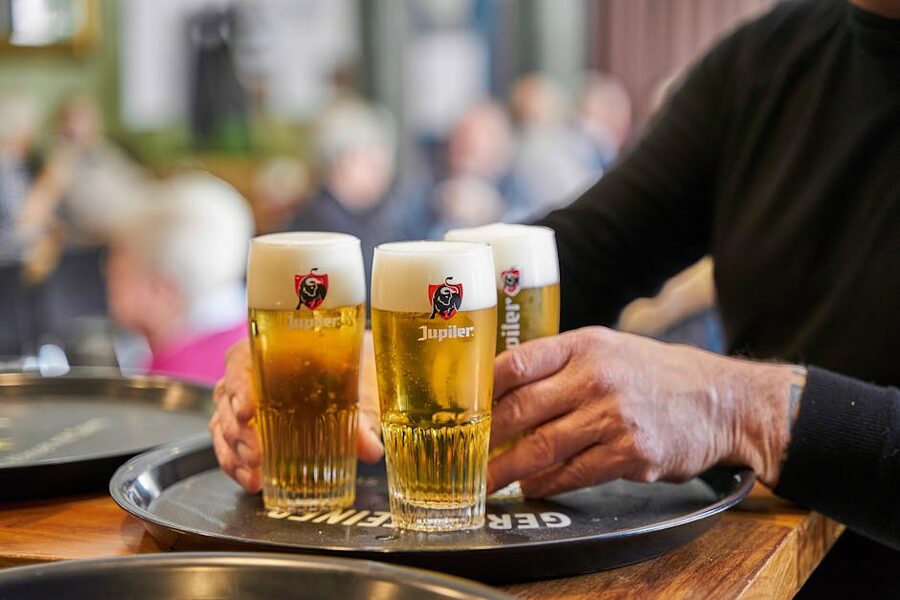
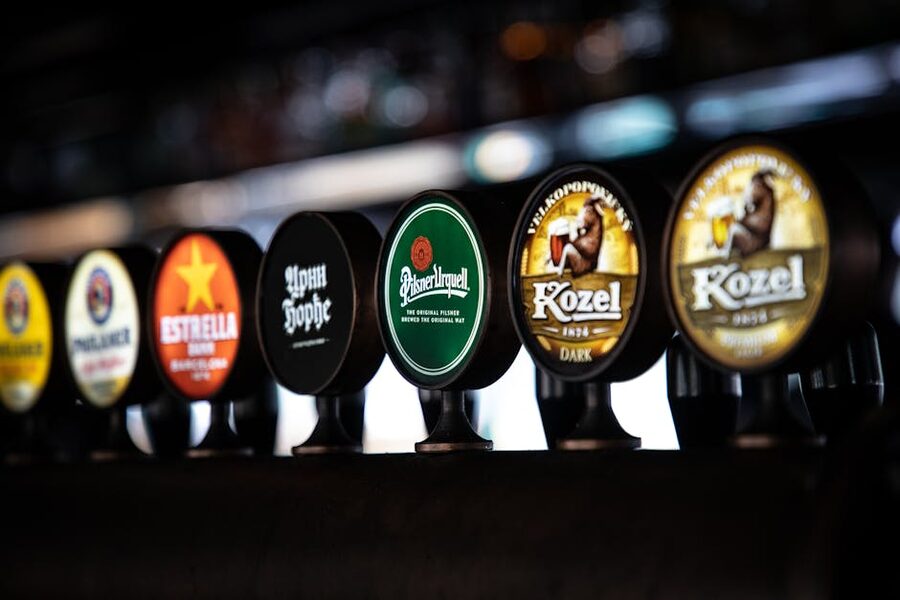
The other reason: Belgian beer is a deep rabbit hole. There are six official Trappist breweries in the country (Westmalle, Chimay, Orval, Rochefort, Westvleteren, and Achel), the lambic family with its wild yeast and three-year aging cycles, saisons, witbiers, and the strong ales the rest of the world tries to copy. A guide who knows what she’s pouring saves you from ordering Stella when there’s a Boon kriek on tap.
The three pub crawls actually worth booking
Brussels has roughly five operators selling daily pub crawls and a handful of stag-do specialists doing the same thing for boozier groups. The three below are the ones I’d send a friend to. They differ on price, group size, and how much “tour” versus “party” you’re paying for.
1. Brussels Pub Crawl and Nightlife Party Experience: from $23
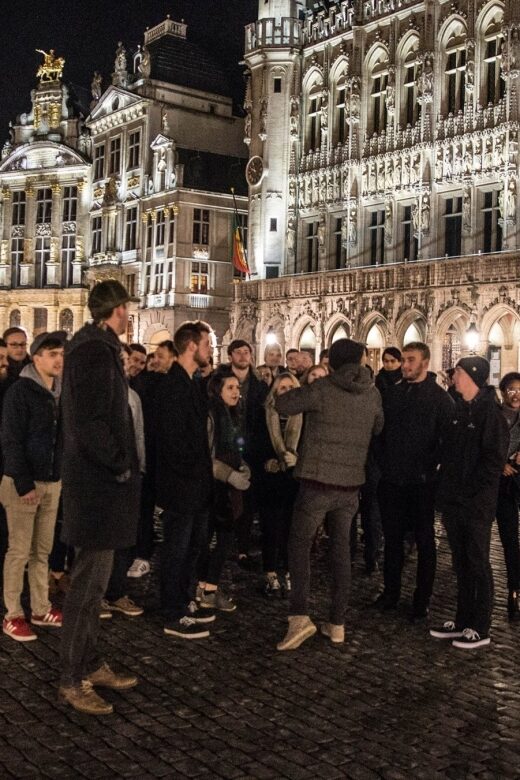
This is the original Brussels Pub Crawl, the one that shows up first on every Belgian hostel pinboard. Four bars over three and a half hours, a free shot at every stop, drink discounts on the wristband, and a guide who hands out the schedule and herds the group between venues. Our full review of this tour goes deep on which bars they actually rotate through. Pick this one if you want a guaranteed lively crowd and don’t care if it’s the most touristy option, because it usually is.
2. Brussels BXL Pub Crawl Guided Tour: from $28
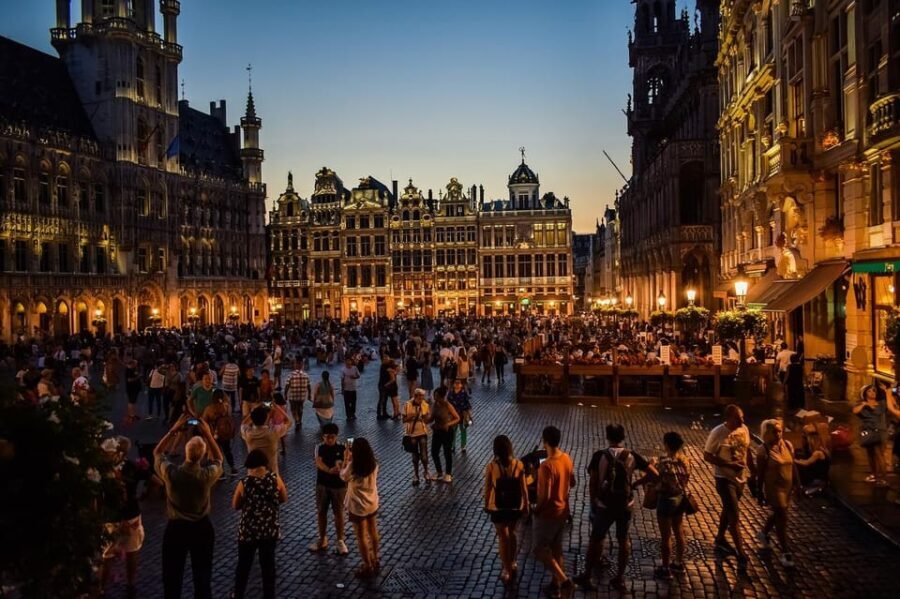
This one runs four hours and starts at Nua Party Bar near Boulevard Anspach. The crowd skews a touch older, the group is smaller, and the guides recent travellers keep mentioning by name (Raheem, Ibrahim) actually point at things between bars. Worth the extra five dollars if you want the night to feel like an evening with friends rather than a cattle drive. Our BXL Pub Crawl review covers what’s included in the four bars and how the discount wristband works.
3. Brussels Pub Crawl (Viator listing): from $23
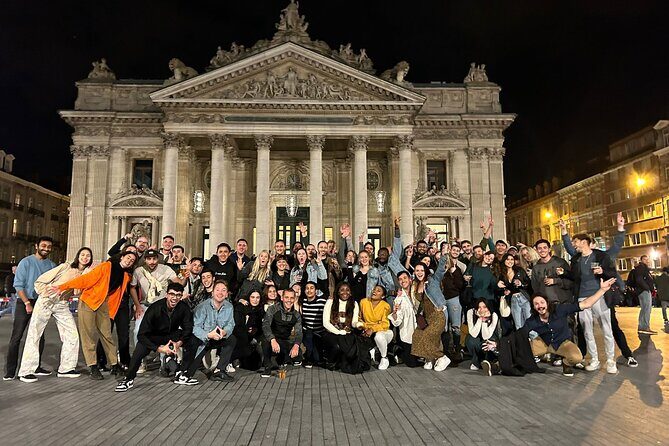
This is the same operator as option 1, listed on Viator instead of GetYourGuide. Worth checking if you have Viator credit or run a price comparison: occasionally the Viator listing comes in cheaper, occasionally GYG does, and the experience itself is identical (3 hours 15 minutes, four venues, wristband). Our review of the Viator listing notes one honest caveat from past travellers: a few groups got stuck longer than planned at the first bar when the venue was packed. Worth knowing before you book.
What you actually get for the money
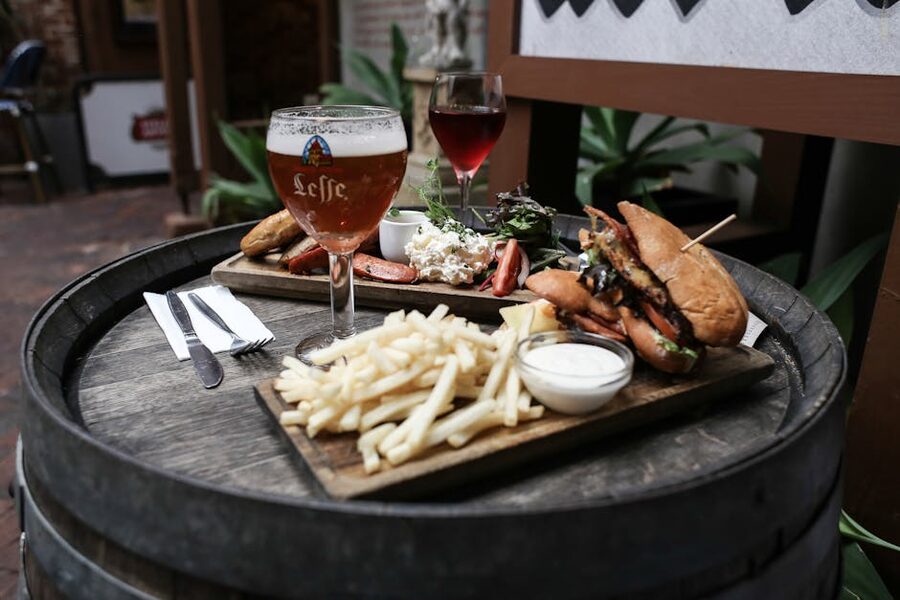
Pub crawls in Brussels look like a wash on paper because every operator promises the same headline list. Free shot at each bar. Discount wristband. International crowd. Four venues. Three to four hours. The differences are smaller than the marketing suggests, but they matter when you’re standing on a corner at 9:25 pm trying to decide.
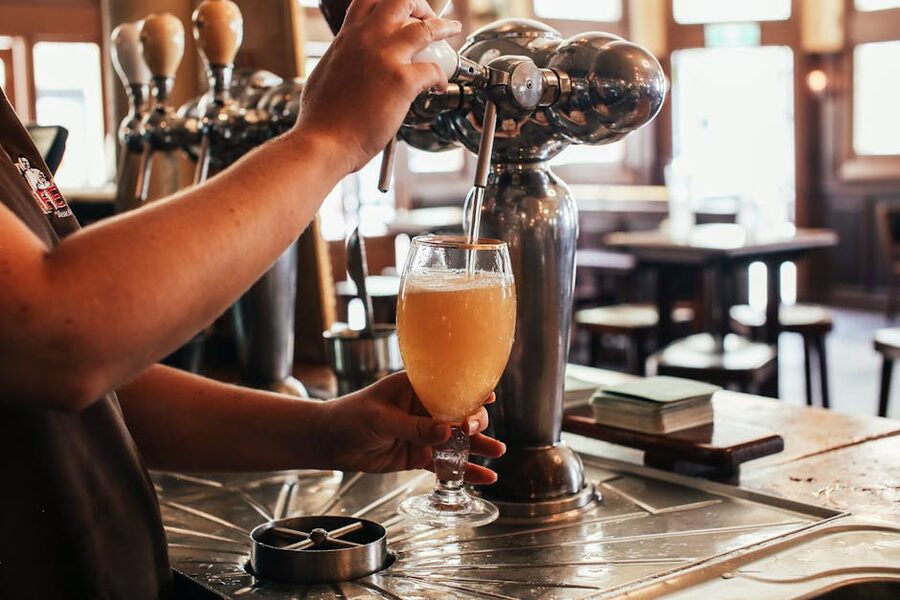
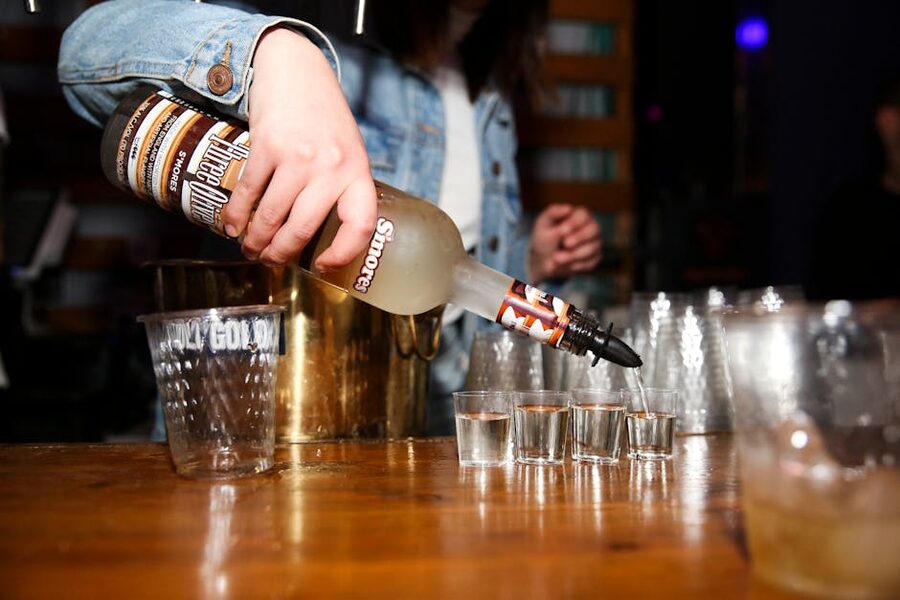
The wristband is the actual financial point. Each bar on the route honours it for the rest of the night, usually 1 EUR off pints, half-price shots, or a happy hour cocktail price. If you stay out for a full crawl plus one or two more rounds, the maths works out. If you bail after the second bar, you’ve paid roughly the price of a cinema ticket for someone to walk you to two pubs.
What you don’t get: any meaningful Belgian beer education. None of the three crawls above will spend ten minutes explaining a lambic. They take you to bars that do good beer, but they’re a social product, not a tasting one. If you want a guide who actually breaks down Trappist styles and walks you through saisons, look at a dedicated Brussels chocolate tour first for the slower-paced version of guided drinking, or save up and book a private brewery visit at Cantillon.
Saint-Géry vs Sablon vs Vismarkt: which neighbourhood?
Brussels has three nightlife districts that come up over and over, and your pub crawl will probably touch one or two of them. They aren’t equivalent.
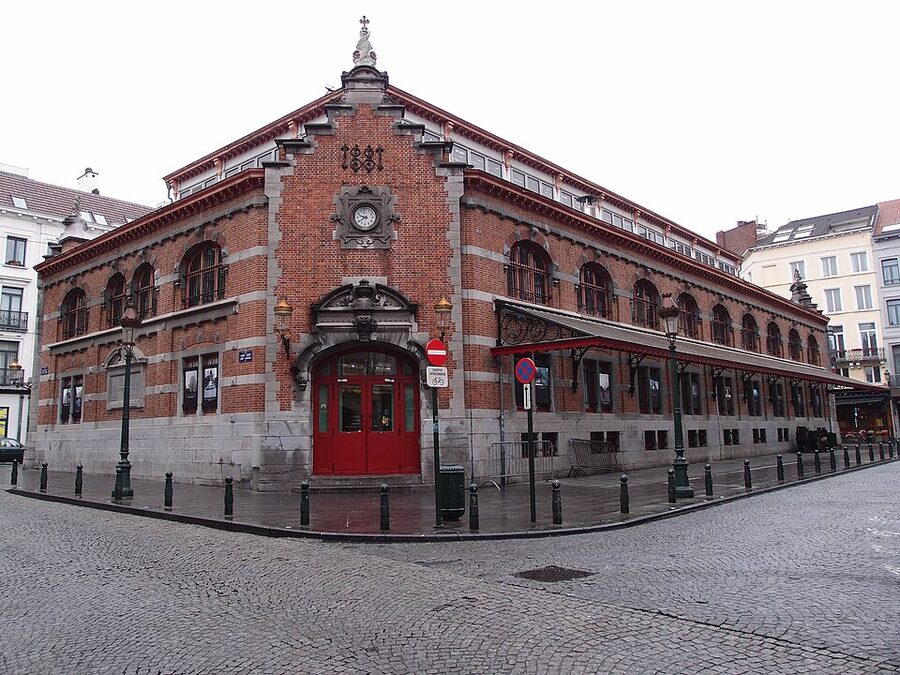
.jpg)
Saint-Géry is the default. Compact square, a dozen bars within a 30-second walk of each other, mixed crowd of locals and travellers, decent music spilling out of about half the venues. If you only do one neighbourhood for drinks in Brussels, this is the one. Most of the operator-run crawls anchor at least two of their four stops here.
Sablon is upscale and quieter. Antique shops, chocolatiers, wine bars, the kind of place where you’d take your in-laws for an aperitif. Pretty, but the volume and pace of a pub crawl don’t really land there. None of the standard crawls run through Sablon at night.
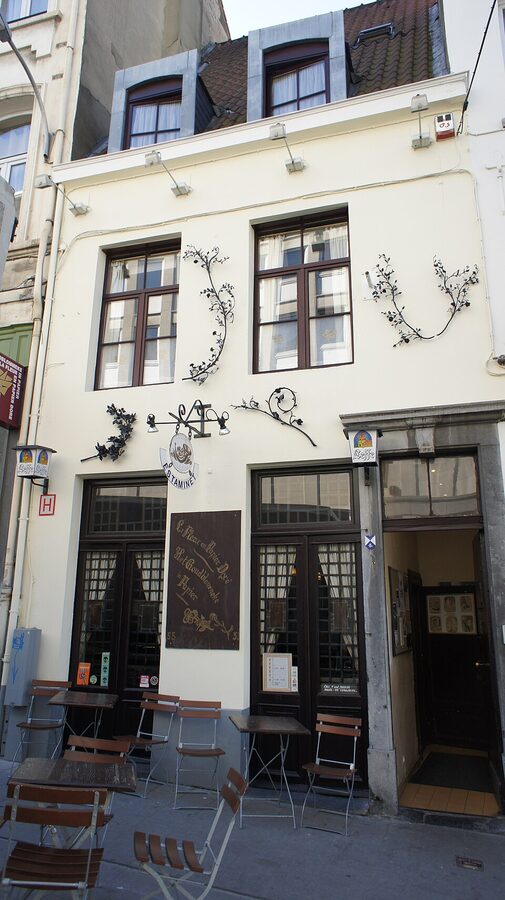
Vismarkt (Marché aux Poissons) is the seafood-restaurant district by day and a smattering of late-opening cocktail bars and brasseries by night. It’s a five-minute walk from Saint-Géry, the crowd is mid-thirties and up, and a few crawls finish here because the bars stay open later. If your guide takes you to a place called Le Roy d’Espagne or Au Bon Vieux Temps, you’ve technically crossed into Ilôt Sacré, the small medieval-pub pocket between Vismarkt and the Grand Place.

Belgian beer in 90 seconds, before you go
You don’t need to memorise this. But knowing the basic categories means you can ask for something useful instead of pointing at a tap handle.
Trappist beers are made by monks at six Belgian abbeys. Westvleteren XII is the white whale (limited release, sold from the abbey gate, sometimes available in Brussels at a markup). Chimay Blue and Rochefort 10 are the most common high-end pours on a pub-crawl wristband bar. Orval is the medium-strength one with the unmistakable horse-and-fish label.
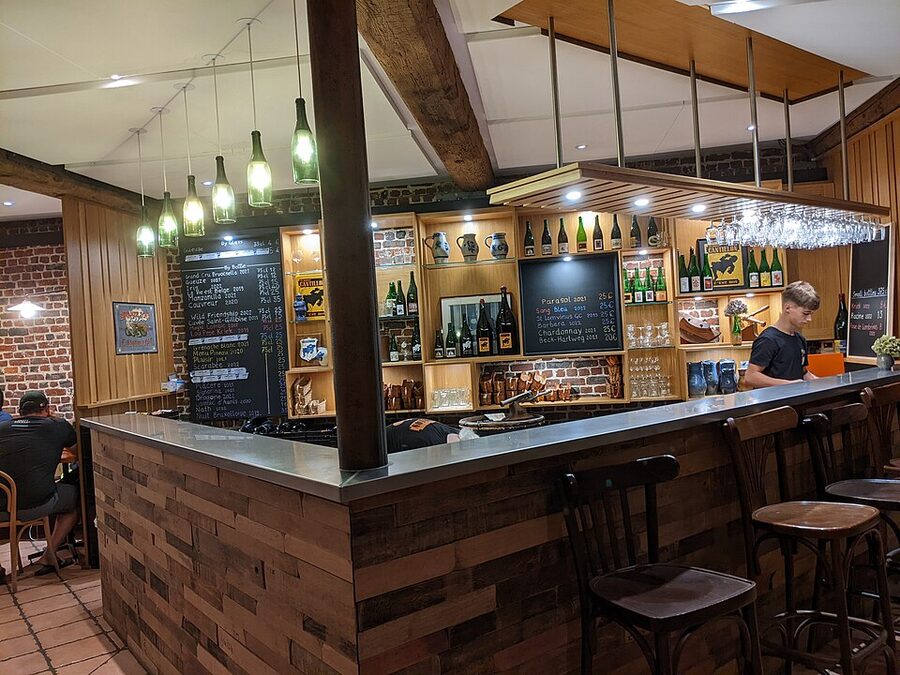
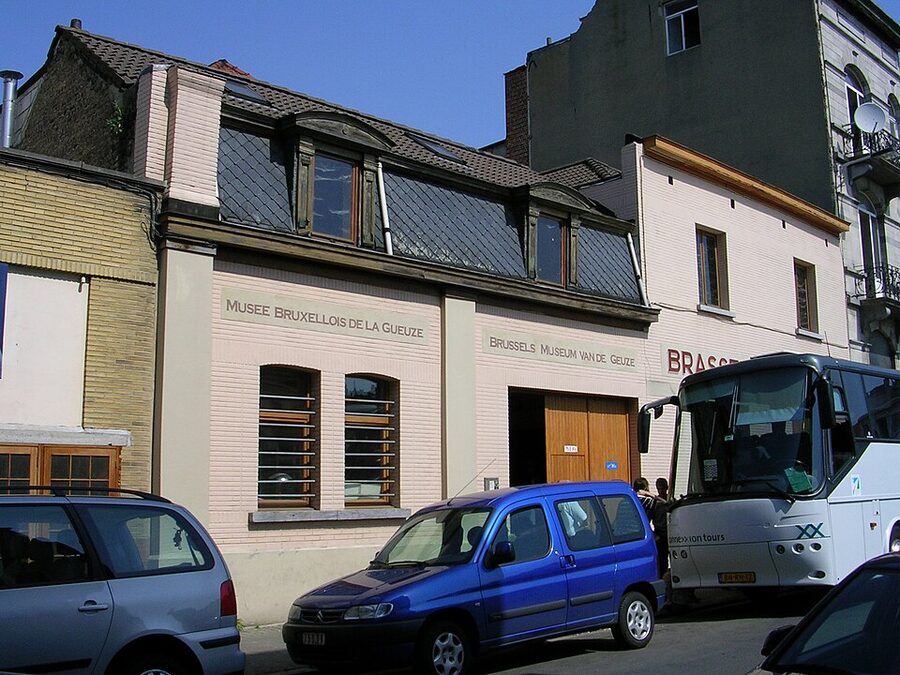
Lambic is the Brussels-region speciality. Spontaneous fermentation: the wort sits in open vats in the brewery roof and gets colonised by wild yeasts that only exist in the Senne valley. Cantillon brews it in Anderlecht, a 25-minute walk from the Grand Place. Gueuze is a blend of young and old lambic, kriek is lambic aged on cherries. Both are sour. Both will reset your idea of what beer can taste like.
.jpg)

Saison is the farmhouse style, traditionally brewed for harvest workers. Saison Dupont is the textbook example: dry, peppery, slightly funky. A good summer order.
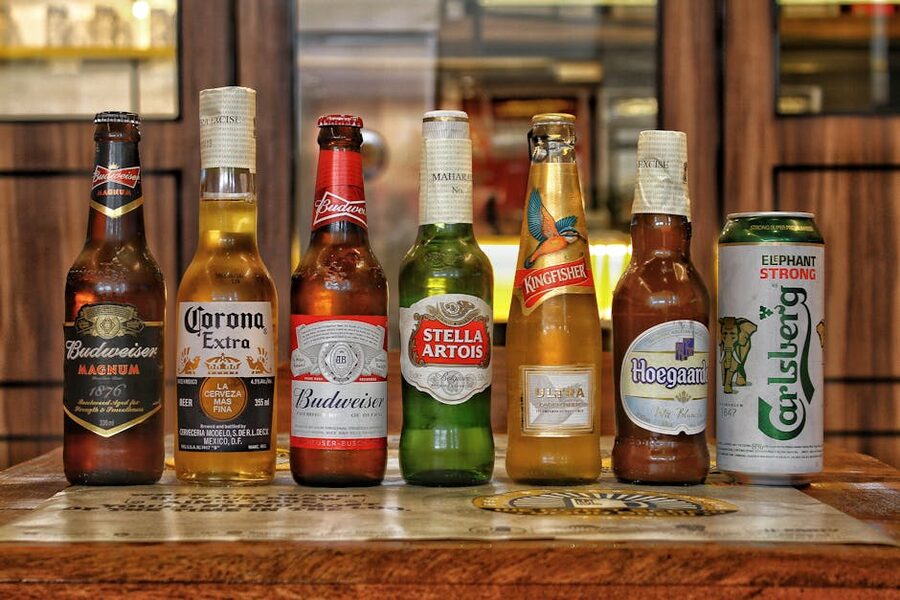
Witbier is wheat beer with coriander and bitter orange peel. Hoegaarden is the export version everyone knows. Look for smaller brewers’ takes if a bar has them.
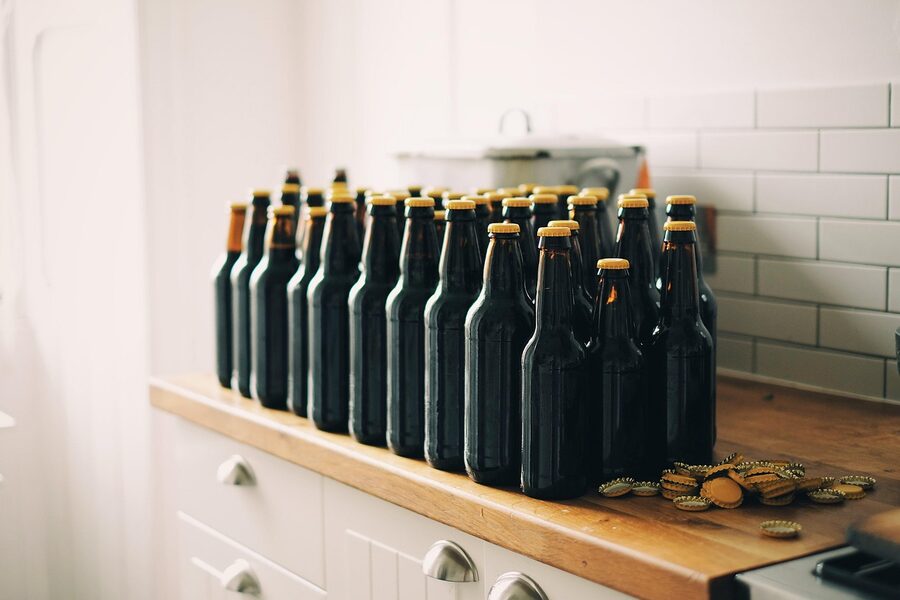
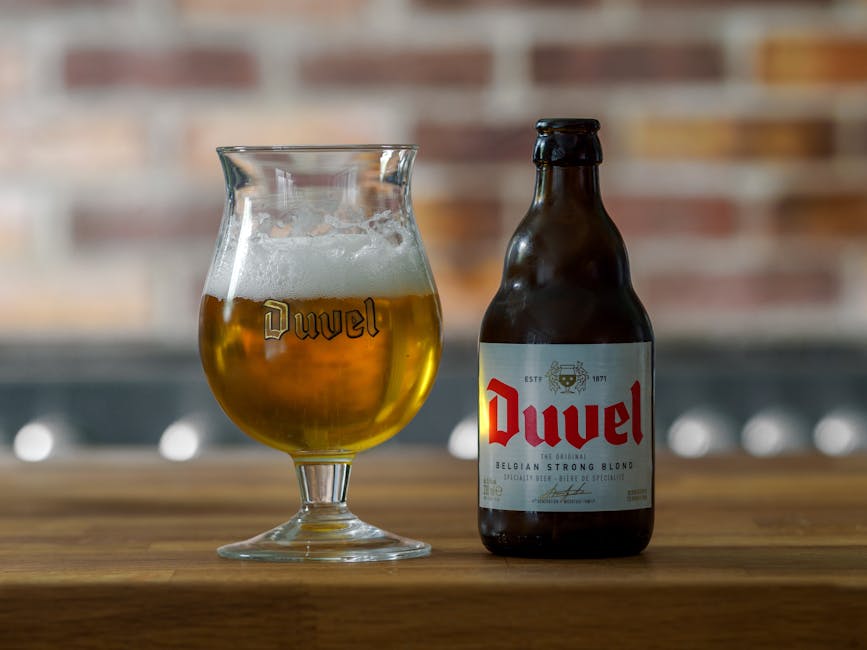
Strong ales are the headline grabbers. Duvel hides 8.5% behind a clean, crisp finish. Delirium Tremens (yes, the pink elephant brewery) sits at 8.5% with a heavier mouthfeel. Karmeliet Tripel uses three grains and tastes like banana bread that learned about alcohol. Drink these slowly. The wristband discount on a Duvel won’t save you from a cab fare you didn’t budget for.
Delirium Café: the obligatory diversion
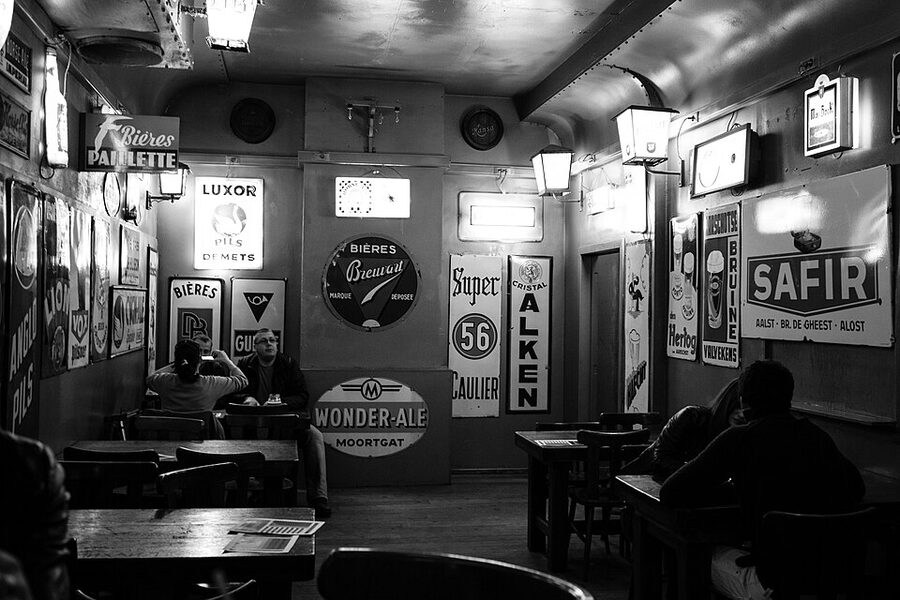
Delirium Café in the Impasse de la Fidélité owns a Guinness World Record for the longest beer menu in the world. The exact figure has crept up over the years; the most recently confirmed count is 3,162 beers, which is more than every Wetherspoons in the UK combined. It’s wedged into a tiny pedestrian alley off Rue des Bouchers, easy to miss the first time, impossible to miss after.
Your pub crawl may or may not stop at Delirium. It depends on the operator and the night. The original Brussels Pub Crawl rotates it in roughly half the time. The BXL crawl lands there more reliably. If your crawl skips it, go before or after, on your own. The menu is split into countries; if you don’t want to spend forty minutes paralysed by choice, ask the bartender for a Belgian gueuze and let them pick.
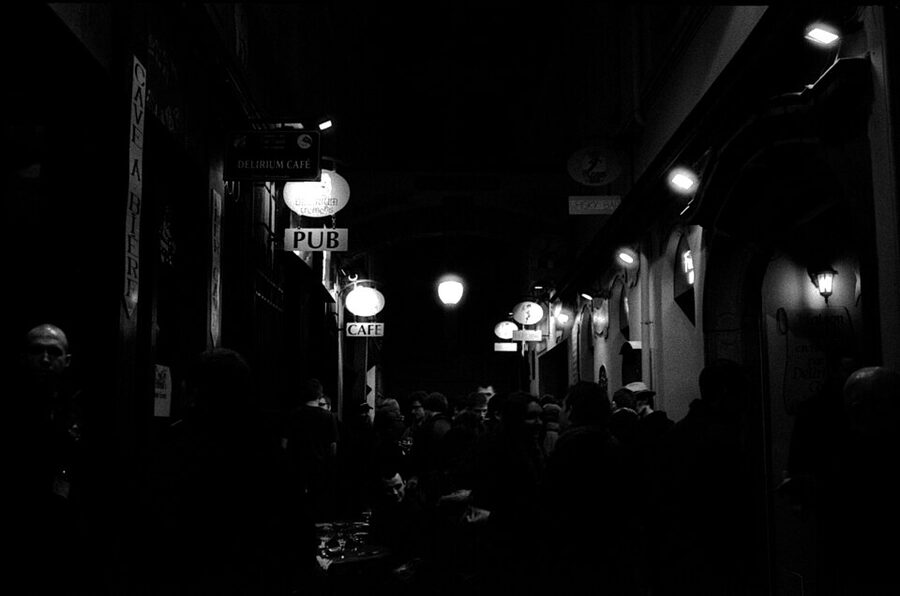
One honest note. Delirium gets crowded. By 11 pm on a weekend, the main bar is shoulder-to-shoulder and the queue at the bar is genuinely brutal. The basement and the rooftop terrace tend to have more breathing room. If you arrive with a pub-crawl group of fifteen, prepare to lose people for ten minutes at a time.
How the booking works in practice
Three things to know before you click through. First, all the major Brussels pub crawls take walk-ins for that night, so you can technically wait until 7 pm and book at the meeting point. In practice the better-value online prices and the guarantee of a wristband make pre-booking the smart move.
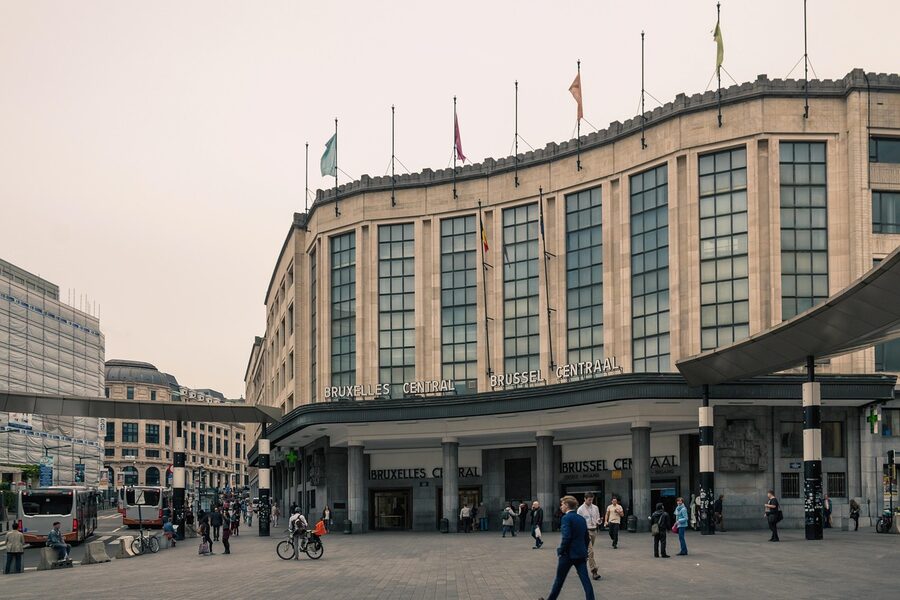
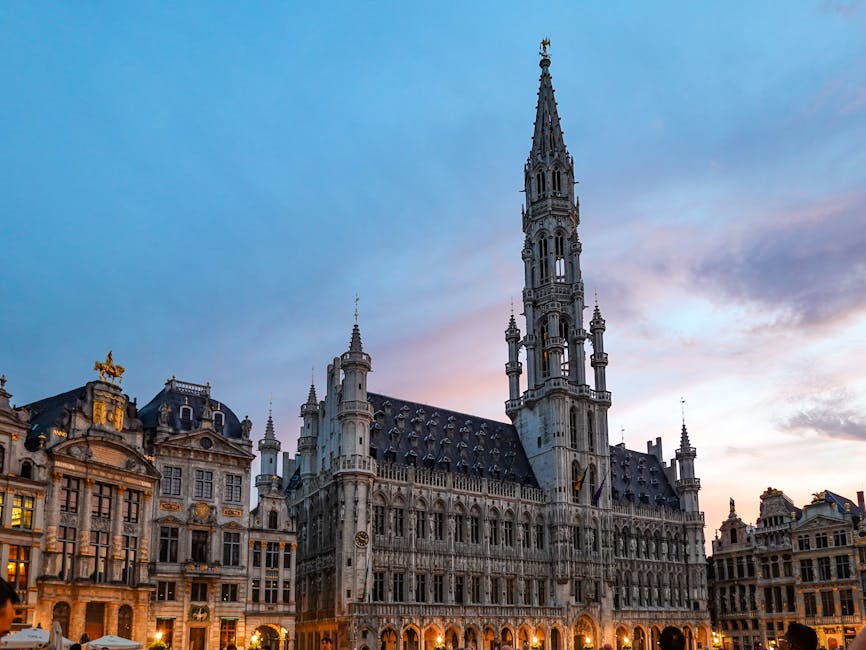
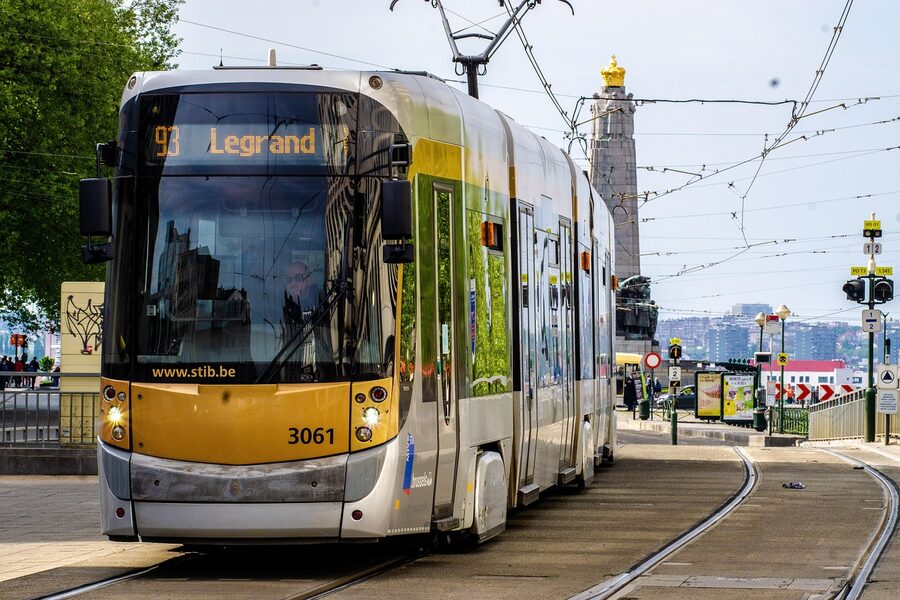
Second, the meeting point. The original Brussels Pub Crawl meets at the Grand Place, in front of the Hôtel de Ville (the tallest tower on the square), with guides in coloured polo shirts. The BXL crawl meets at Nua Party Bar near Boulevard Anspach. Both are inside a five-minute walk of any of the central metro stops (Bourse, Gare Centrale, De Brouckère).
Third, age. Belgian law sets the legal drinking age for beer and wine at 16, and for spirits at 18. The pub crawls themselves enforce 18+ across the board because of the shot stops. Bring physical ID. A photo of your passport on your phone will not cut it at the door of a Brussels nightclub at 1 am.
Schedule and seasons
The original Brussels Pub Crawl runs four nights a week (Monday, Wednesday, Friday, Saturday) at 9:30 pm. BXL runs most evenings during peak season (May to September) and drops to weekends only between November and February. If you’re visiting in shoulder season, double-check the calendar on the booking page two days out.
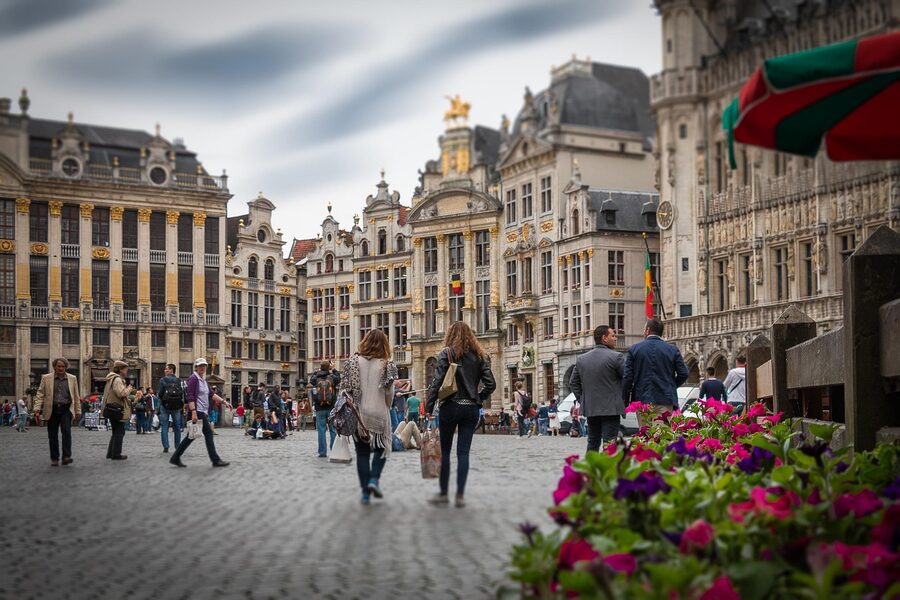
August is the loudest month for the bars but also the month when half of Belgium leaves on holiday and a few of the smaller venues close for a week. The Belgian Beer Weekend in early September turns the Grand Place into a temporary brewers’ fair and floods the whole nightlife district with beer-curious travellers. December brings Plaisirs d’Hiver (the Christmas market) and the warming up of the Place Sainte-Catherine area, and pub crawls run through it without complaint.
The slowest week of the year is usually mid-January. Pubs are open, the crawls run, but groups can drop to ten people on a Wednesday. If you want intimacy and a guide who actually has time to talk, that’s your window.
What to wear, what to spend, what to expect
Smart-casual goes everywhere on a Brussels pub crawl. Trainers are fine in Saint-Géry; the third or fourth stop sometimes leans into a club setting where a hard-soled shoe gets you in faster. Skip the shorts, even in summer; this isn’t Lisbon.
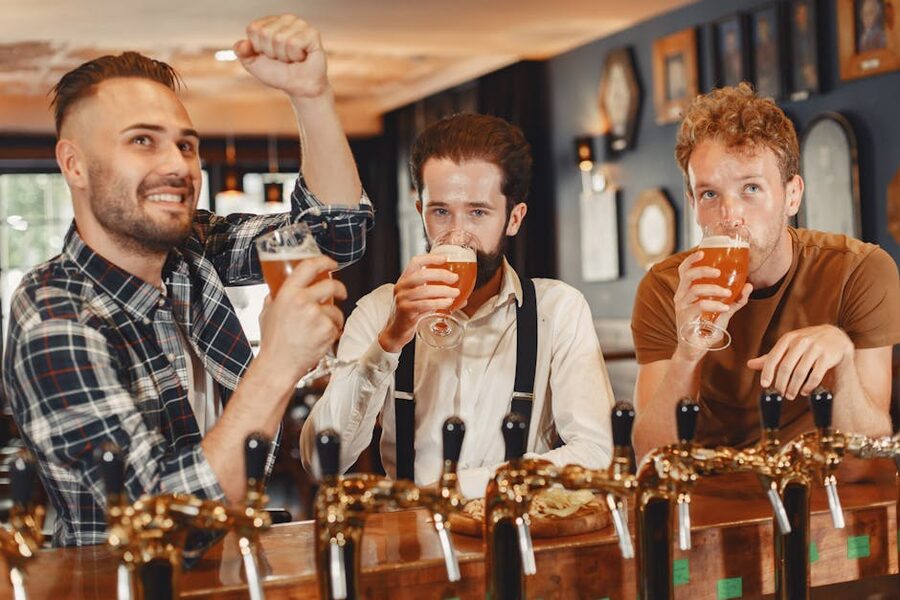
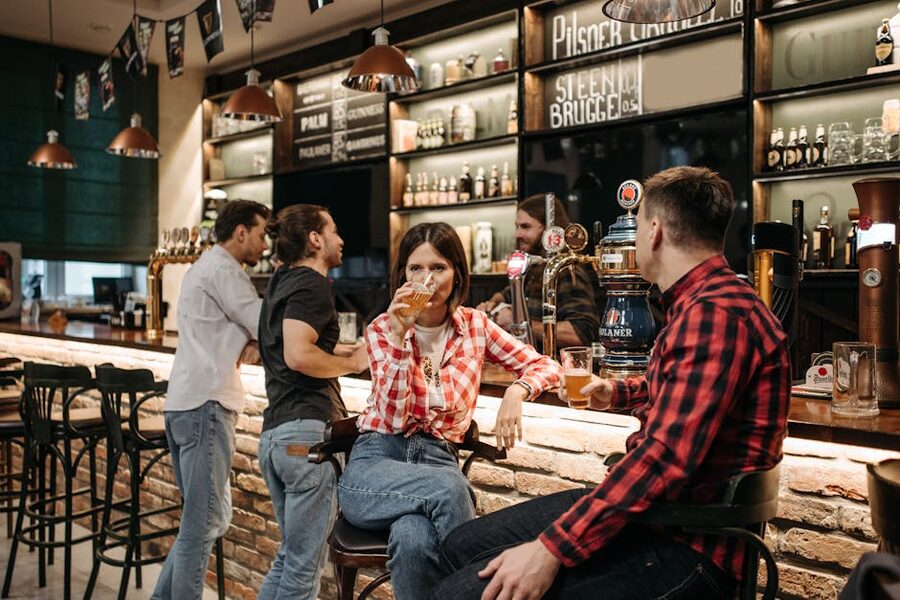
Budget-wise, the wristband price (between 23 and 28 dollars depending on operator) is the floor, not the ceiling. Plan on another 25 to 40 EUR for two extra rounds at wristband-discounted prices, plus a kebab or fries at one of the night spots near the Bourse on the walk back. Total realistic spend per person, soup to nuts: 60 to 80 EUR for a full night. Less if you’re disciplined, more if Karmeliet does something to your decision-making at stop three.
One thing the operator pages won’t tell you: the crawl is a contact sport for your phone battery. Group photos, the discount wristband QR code at some venues, taxi apps for the way home. Bring a battery pack or charge fully before you leave the hotel.
If you want a different kind of night
A pub crawl is one of three reasonable evening options in Brussels. The other two are worth considering before you commit.
The first is a guided Brussels walking tour, especially the after-dark versions that wrap chocolate, beer, and a couple of historical sites into a two-hour route. They cost less, they sober up your evening, and you actually learn something. Pair this with a one-pub stop at La Fleur en Papier Doré or A La Mort Subite afterwards and you’ve had a full night for under thirty euros.
The second is the chocolate route. Brussels takes its chocolatiers seriously enough that an evening Brussels chocolate tour can carry the whole night. If you’re travelling with someone who isn’t drinking, this is the alternative. The Choco-Story Brussels museum stays open late on certain evenings during the high season and pairs naturally with a single beer at a nearby café afterwards.
And if Brussels itself isn’t your scene, three of Belgium’s best beer cities are inside an hour by train. A day trip to Bruges gives you the most postcard-perfect canal city in Belgium plus the Halve Maan brewery. A day trip to Ghent trades the canals for a younger, scruffier student-bar scene that some travellers prefer. Antwerp has a tiny but excellent craft scene around the Eilandje docks; pair an Antwerp walking tour with an evening at one of the Diamond Quarter beer cafés if you have a free day.
How Brussels compares to other European pub-crawl cities
I’ve drunk my way through more of these than I should publicly admit. A few honest comparisons:
Brussels versus Krakow: Krakow wins on price (vodka shots are about two euros each) and youth energy. Brussels wins on beer quality by a country mile. If you care more about getting drunk cheaply, fly to Krakow. If you want to actually taste what you’re drinking, stay in Brussels.
Brussels versus Budapest’s ruin bar pub crawls: Budapest has the more cinematic venues. Szimpla Kert is a one-off building that no Brussels bar matches for atmosphere. But the drinks are average. A pub crawl in Budapest is a bar tour. A pub crawl in Brussels is a beer tour.
Brussels versus a Budapest vampires and myths night tour: not really comparable. The Budapest night-walk is a guided history thing with one drink stop. Brussels pub crawls are four drinks first, history second. Pick based on what you actually want from the night.

The verdict
For most travellers in Brussels for two or three nights, the pub crawl is the right answer on night two. Night one belongs to a long dinner of carbonnade and frites with a single Westmalle Tripel. Night three is for whatever you discovered on the crawl that you want to revisit at your own pace. In between, the wristband and the orange polos are how you find out which bars in this city actually deserve the rest of your week.
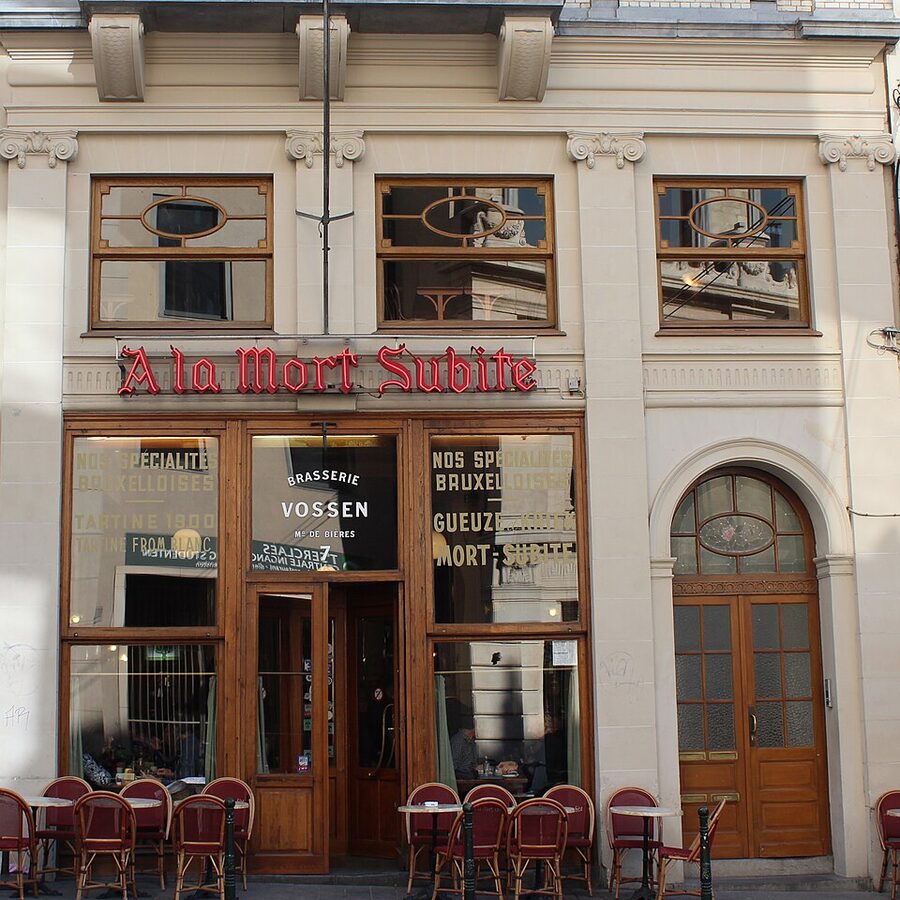
Just don’t go in expecting a beer-school masterclass. The crawl is a social product. The education comes later, on your own, in a quiet corner of A La Mort Subite with a glass of gueuze and the Saturday-night crowd at the next table arguing in three languages.
More Brussels guides worth reading
If you’re piecing together a Brussels long weekend, a few related guides on the site cover the daytime side of the city well. The hop-on hop-off bus is the lazy person’s overview of the EU quarter and the Atomium and works well as a recovery activity the morning after a crawl. Atomium tickets are worth buying online if you’re going on a Saturday. For chocolate-themed days the chocolate tour and Choco-Story Brussels museum guides cover the two best options. And if you’re stretching the trip across more of Belgium, the Bruges day trip, Ghent day trip, Bruges boat-and-walking combo, and Bruges beer-and-chocolate tour are the four options I’d actually recommend.
Disclosure: links to GetYourGuide and Viator are affiliate links. We earn a small commission if you book through them, at no extra cost to you. Tour selection on this page is based on review data and editorial judgement, not commission rates.