
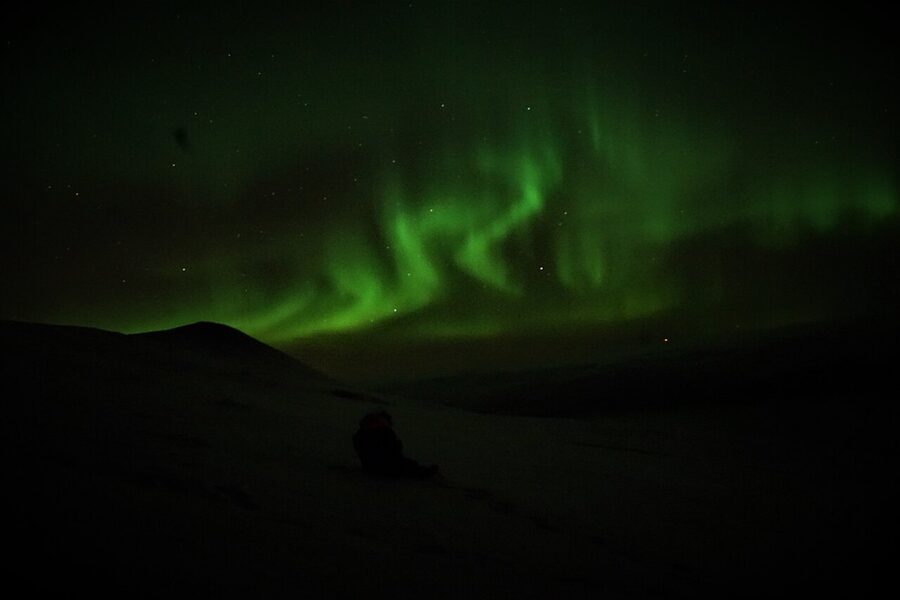
Most northern lights tours in Swedish Lapland pick a spot, drive you there, and hope. An Abisko aurora chase does the opposite. The guide checks the cloud forecast at 6pm, makes a call at 8pm, and the van might roll east toward Torneträsk lake, west toward Björkliden, or up the E10 toward the Norwegian border, wherever the gap in the sky is opening that night. You’re not waiting for the lights to find you. You’re hunting the clear patch.
Best in autumn: Abisko Guided Autumn Aurora Chase, $121. Same chase format, optimised for the September-to-November window before the deep snow arrives.
Best on a budget: Abisko Northern Lights Tour with Photographer, $59. Small group, photographer guide, the cheapest serious chase you’ll find.
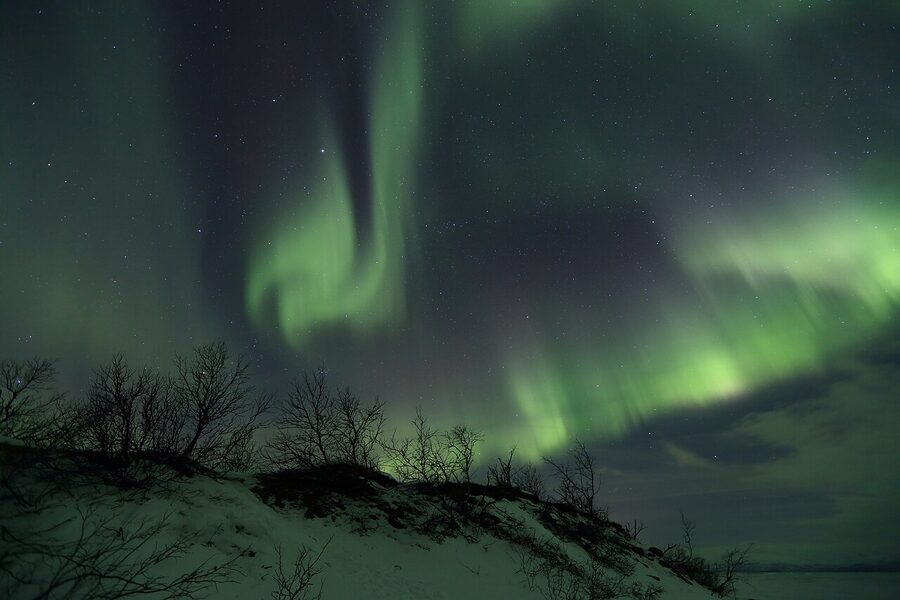

I’d argue Abisko is the single best place in Europe to see the aurora, and the chase format is the reason. Other Lapland operators sell you a fixed location. Abisko sells you flexibility. That’s the whole product.
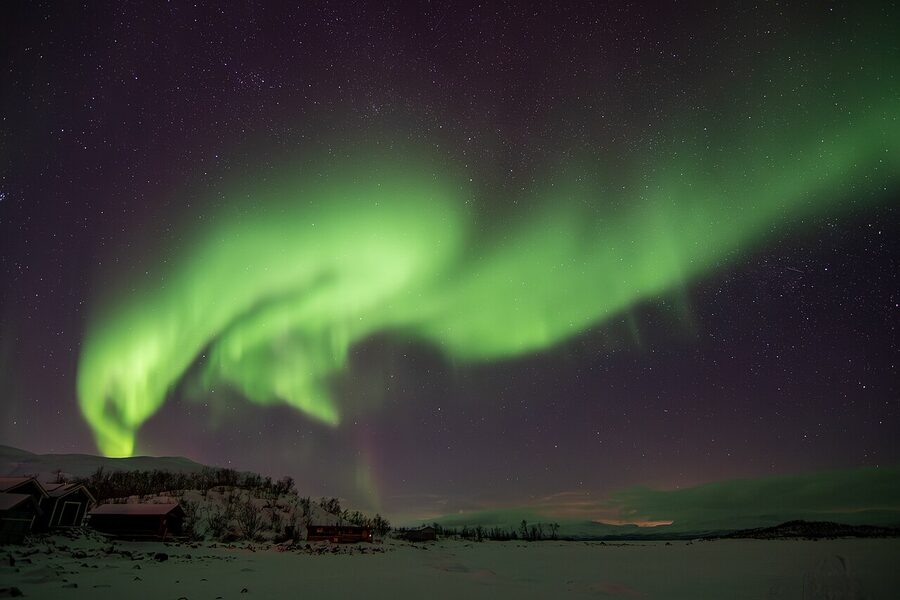

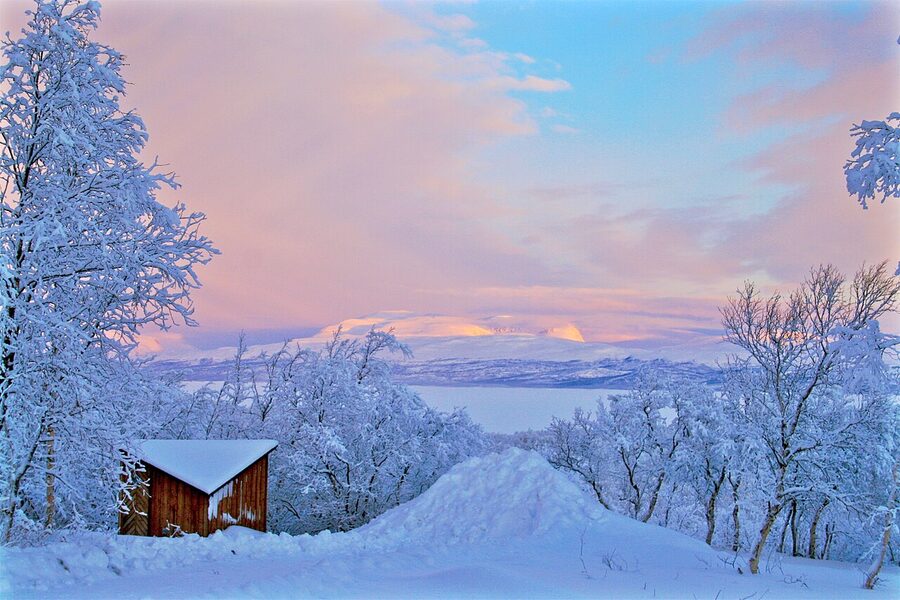

- Why Abisko Beats Kiruna for Aurora Viewing
- What an Abisko Aurora Chase Actually Looks Like
- The Three Chases Worth Booking
- 1. Abisko Guided Aurora Chase with Hotel Transfers: 9
- 2. Abisko Guided Autumn Aurora Chase: 1
- 3. Abisko Northern Lights Tour with Photographer:
- Aurora Sky Station vs the Chase: Which Is Right for You?
- When to Go: The Aurora Season in Abisko
- How Many Nights Should You Book?
- Getting to Abisko
- Where to Stay in Abisko
- What to Wear on the Chase
- Photography Notes
- The Lapporten Valley and Daytime Abisko
- Combining Abisko with Kiruna
- Booking Tips and Common Mistakes
- The Sami Context You Won’t Get From the Brochures
- Lapland Add-Ons Worth Considering
Why Abisko Beats Kiruna for Aurora Viewing
People often book aurora trips to Kiruna because it has the airport. Then they realise the local operators do sit-and-wait tours at fixed spots like Camp Ripan or Jukkasjärvi, and if the sky is cloudy at that exact spot, your $200 night is over. Abisko, an hour and a half drive northwest, runs differently.
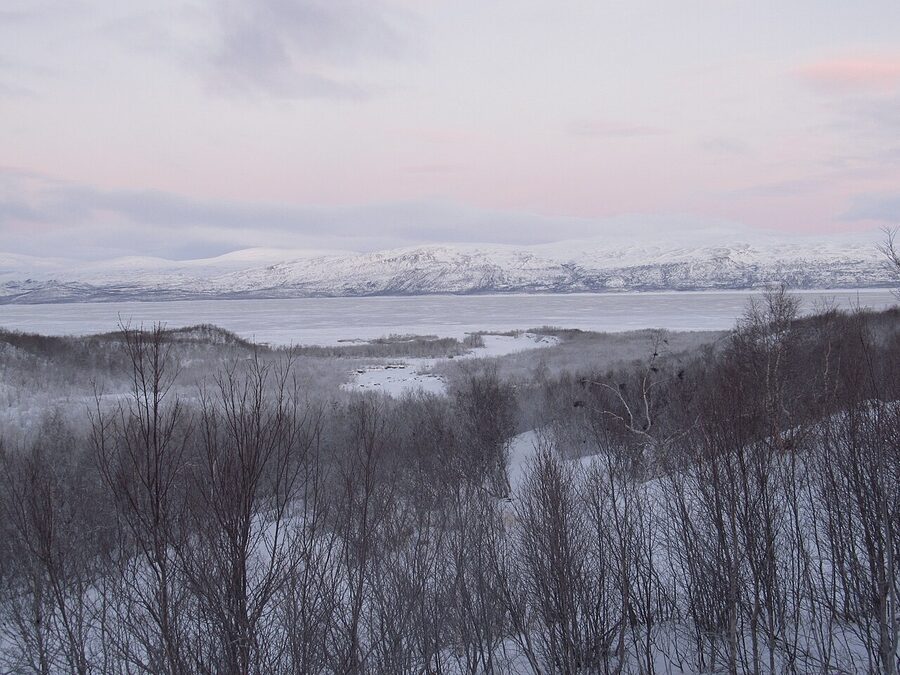
The reason is the so-called “blue hole of Abisko”, a real meteorological feature. Mount Nuolja and the Lapporten valley funnel and block the moisture-heavy weather fronts that roll in off the Norwegian coast. The result is a roughly 30-kilometre patch of sky around Abisko that statistically stays clearer than the surrounding region. The Aurora Sky Station’s own decade-plus of data suggests the area gets clear or partly clear skies on around 80% of winter nights.
That’s the headline. The footnote is that “clearer than Kiruna” still means cloudy plenty of nights. Which is why even in Abisko, the smart move is the chase format, not a fixed lookout.
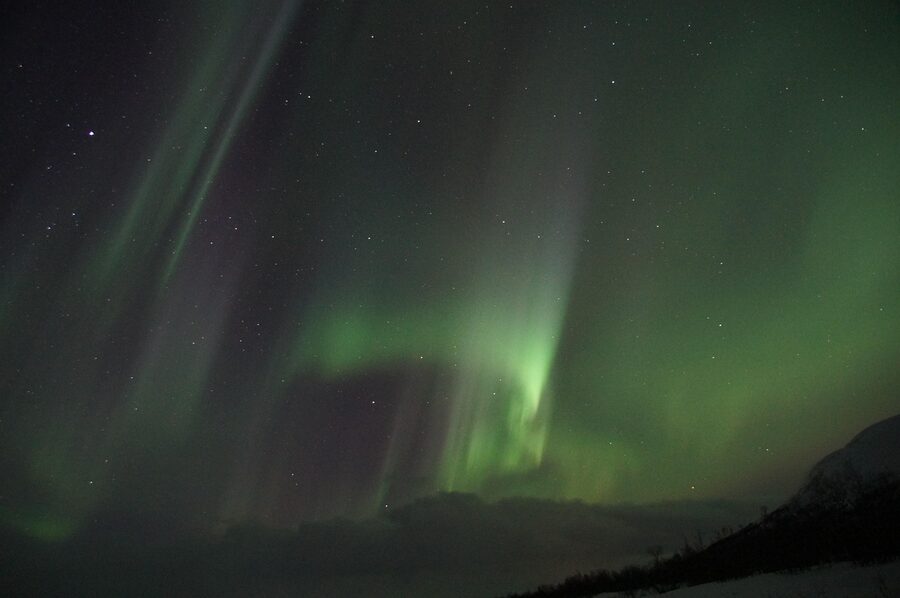
What an Abisko Aurora Chase Actually Looks Like
The format is consistent across the three operators worth booking. Pickup happens between 8pm and 9pm at your hotel in Abisko (or, on some tours, Björkliden). You climb into a van or minibus, usually 8 to 14 people. The guide has spent the late afternoon refreshing satellite cloud maps, the local weather radar, and the Kp-index forecast. By the time the van rolls, they’ve already picked tonight’s destination.
That destination might be:
- The southeast shore of Lake Torneträsk, the most common spot when winds are westerly. Open horizon to the north, easy parking.
- Abiskojokk valley, deeper into the national park, when the sky over the lake is hazy.
- Björkliden or Riksgränsen, both further west toward the Norwegian border, when the eastern sky is cloudy but the west is clearing.
- A pull-off along the E10 east of Abisko, sometimes 30-40 kilometres out, when the chase has to push toward Kiruna to find a gap.
You don’t pick. The guide picks. That’s the deal.
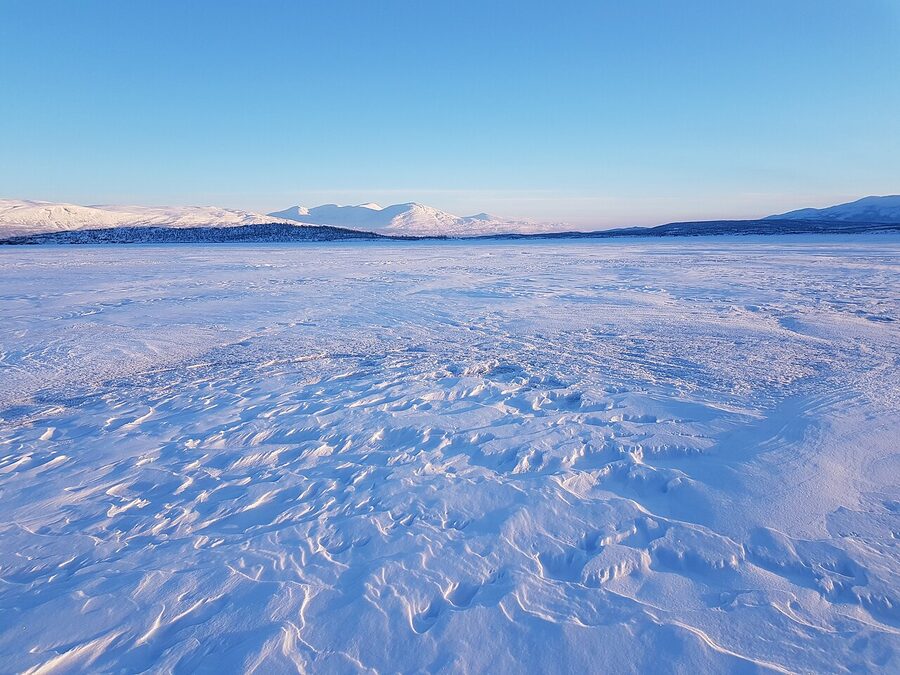

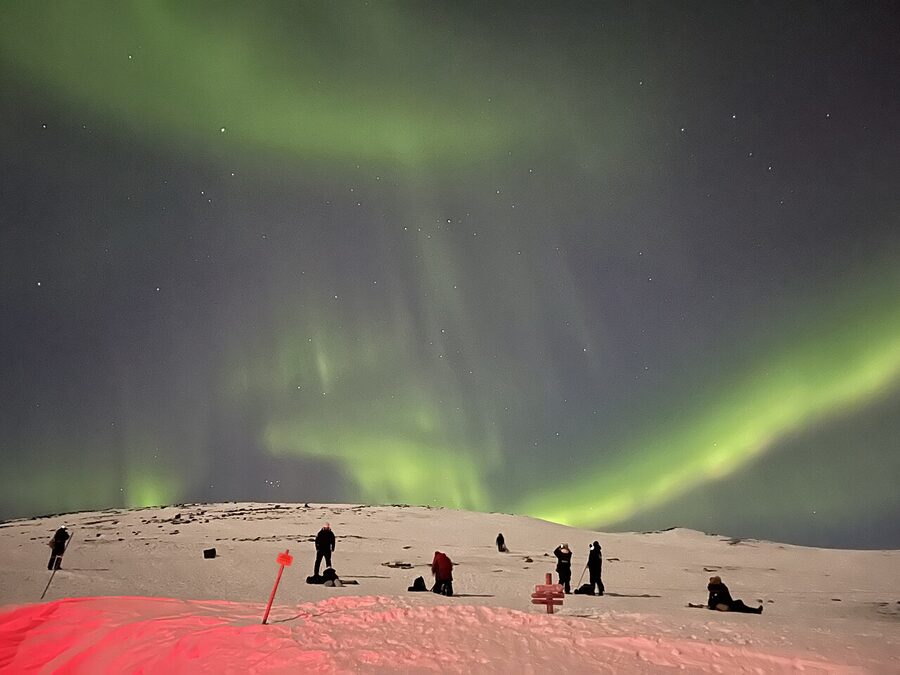
Once parked, the guide sets up tripods and helps you get your camera dialled in. Most tours include hot drinks and a snack out of a thermos. You stand around in the snow, talk quietly, watch the northern horizon. If the lights show, you’ve got 30 minutes to two hours to enjoy them. If they don’t, the guide checks the radar again and might move you to a second spot. A good chase will hit two or three locations in a single 3.5-hour run.
You’re back at your hotel between 11:30pm and 1am, depending on how long the lights stuck around.
The Three Chases Worth Booking
Three operators dominate the Abisko aurora-chase market. Lights Over Lapland is the household name and runs the original chase format. The autumn variant runs from late September through mid-November before the deep snow makes the back roads impassable. The Viator photographer tour is the budget pick and runs smaller groups.
1. Abisko Guided Aurora Chase with Hotel Transfers: $109
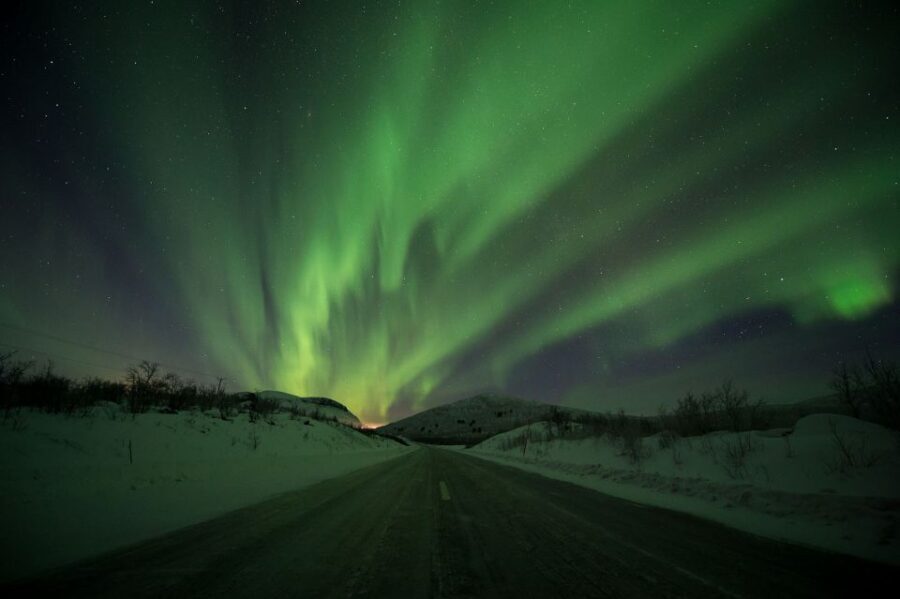
This is the operator that more or less invented the chase format in Abisko, so they have the deepest playbook. Pickup at your Abisko hotel, 3.5 hours out, hot drink and snack included; our full review of this chase covers what gear they bring, how they handle a cloud-out night, and what their guides actually do on the ground. If you can only book one Abisko aurora tour, book this one.
Check Availability
Read our full review
2. Abisko Guided Autumn Aurora Chase: $121
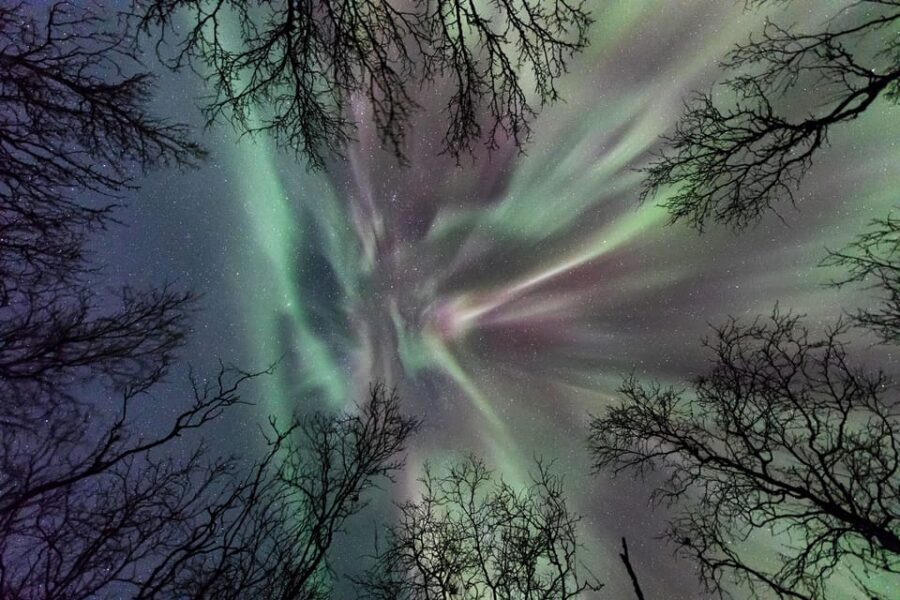
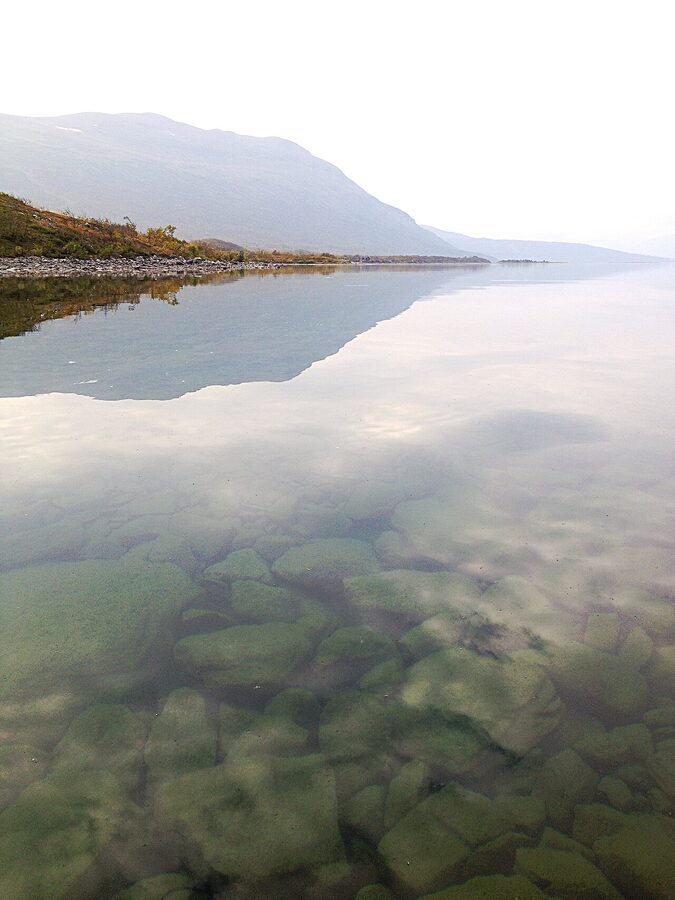
Same format, narrower window. This chase runs late September to mid-November when the road network is still passable but darkness has returned to the high north. Our review of the autumn variant goes into why early-season chases sometimes get better lake reflections; the surface isn’t fully frozen yet, so a strong aurora can mirror in the open water. If you’re booking flights for October, this is the one.
Check Availability
Read our full review
3. Abisko Northern Lights Tour with Photographer: $59
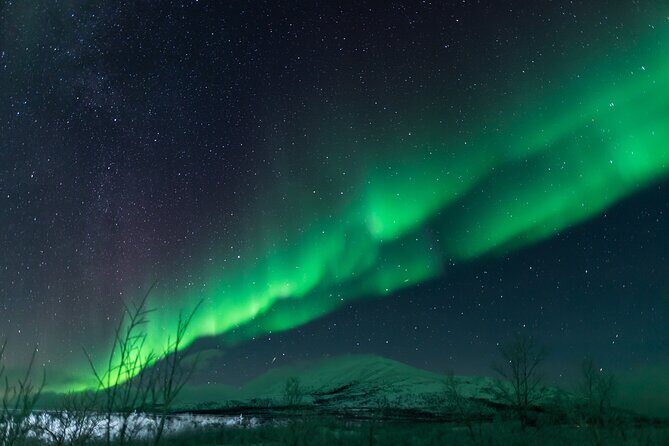
The bargain pick. About half the price of the bigger operators, four hours, group capped at eight, photographer-led. Our take on the photographer tour notes the guide will sometimes drive all the way to Kiruna’s boreal forests if Abisko’s sky goes solid grey, so the chase radius is real. The trade-off is less polish; expect a basic van, not a heated minibus.
Check Availability
Read our full review

Aurora Sky Station vs the Chase: Which Is Right for You?
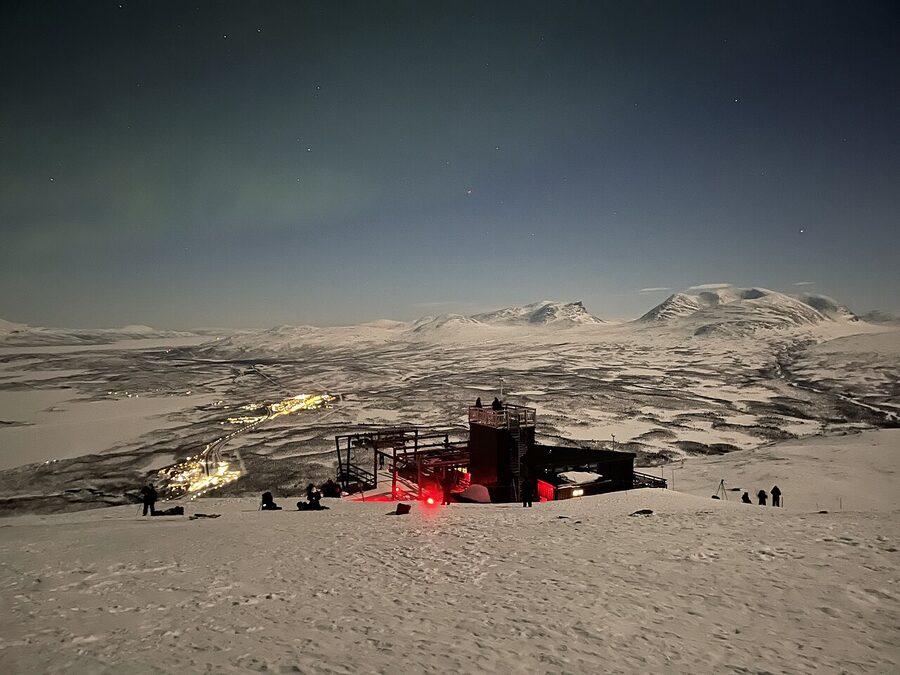
The other option in Abisko is the Aurora Sky Station, a small wooden building 900 metres up Mount Nuolja, reached by a 25-minute chairlift ride. It’s the famous one, the building you’ve seen in every Lonely Planet feature on Abisko. It’s also a sit-and-wait setup, not a chase.
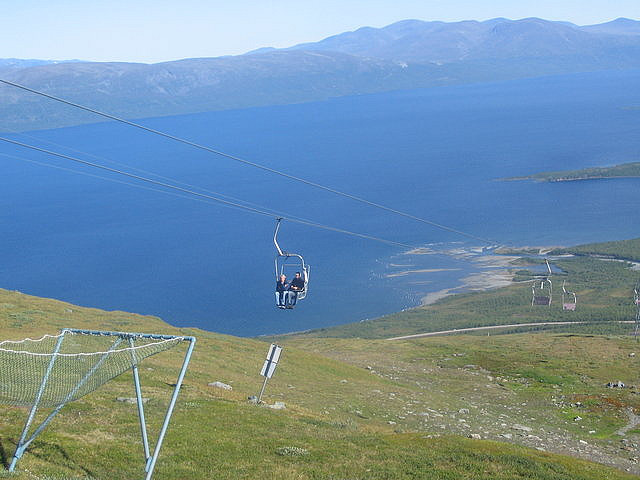

Here’s the straight comparison. The Sky Station gives you altitude, which means you’re often above the low cloud and fog that sits in the Abisko valley. The view from the top is genuinely spectacular even without the aurora. But you’re stuck up there for the duration, and if the sky over Mount Nuolja itself goes cloudy, you have nowhere to go.
A chase tour gives you mobility. If the spot you started at clouds over, you move. The trade-off is no famous building, no warm cafe to retreat to, just a tripod in the snow.

My take: book a chase as your primary aurora tour, then visit the Sky Station as a daytime activity for the view. The chairlift runs in the afternoon too, and you get the same building and the same view without committing to a 4-hour weather gamble at the summit.

When to Go: The Aurora Season in Abisko
The official season runs late August through early April. That’s when the sky is dark enough at night to actually see the aurora. From May through July, Abisko sits inside the midnight sun and the aurora, although still active, is invisible.
Within the season, the months break down like this:
- Late August to mid-September: First darkness returns. The lake isn’t frozen yet, autumn colours on the birches, mild temperatures (around 0 to 5°C at night). Aurora activity is statistically high (it peaks around the equinoxes). The autumn chase variant runs in this window.
- October to November: Snow starts in earnest in October. Nights get long fast. By mid-November you’ve got effectively 18 hours of darkness daily.
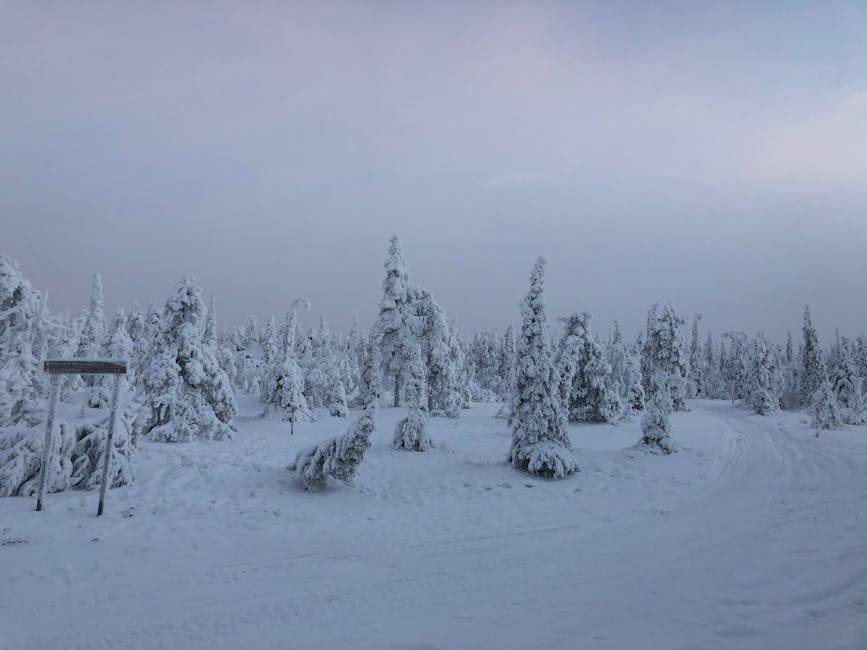
- December to January: Polar night. The sun doesn’t rise above the horizon between roughly December 11 and January 1. Permanent dusk during the day, deep cold (typically -10 to -25°C), and the most reliable chase conditions because the lake is fully frozen and the back roads are plowed.
- February to early March: The sweet spot. Long nights, deep snow, return of daylight hours, statistically the clearest skies of the year. If I had to pick one month to book, it’s late February.
- Mid-March to early April: Daylight returns fast. By late March the chase tours start at 9pm because it isn’t dark earlier. End of season.
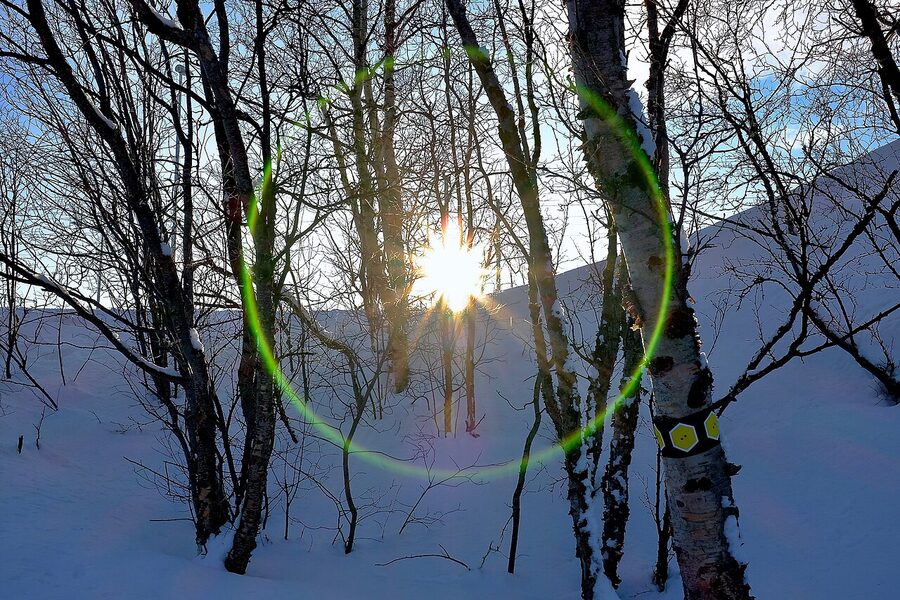

One more thing on timing: the Kp-index. Most tour operators don’t book around it because the index is only reliable about 24 hours out, and you’ve usually booked your trip months in advance. Don’t sweat the Kp number when you’re booking. Sweat the cloud cover when you’re choosing your chase night.
How Many Nights Should You Book?
Here’s the answer most operators won’t give you: book at least three nights. Two if you’re on a tight budget. One is a coin flip and you’ll often lose.
The Sky Station’s data shows clear or partly clear skies on roughly 80% of winter nights, and the Kp-index is at 2 or higher (the threshold for visible aurora at this latitude) on something like 60-70% of nights. Combine those and a single night gives you maybe a 50-55% chance of seeing real aurora. Two nights pushes you past 75%. Three nights gets you above 90%.
I’d budget the extra hotel cost as part of the trip. A $109 chase repeated three times is still cheaper than a single failed week-long Lapland trip where you didn’t see the lights.
Getting to Abisko
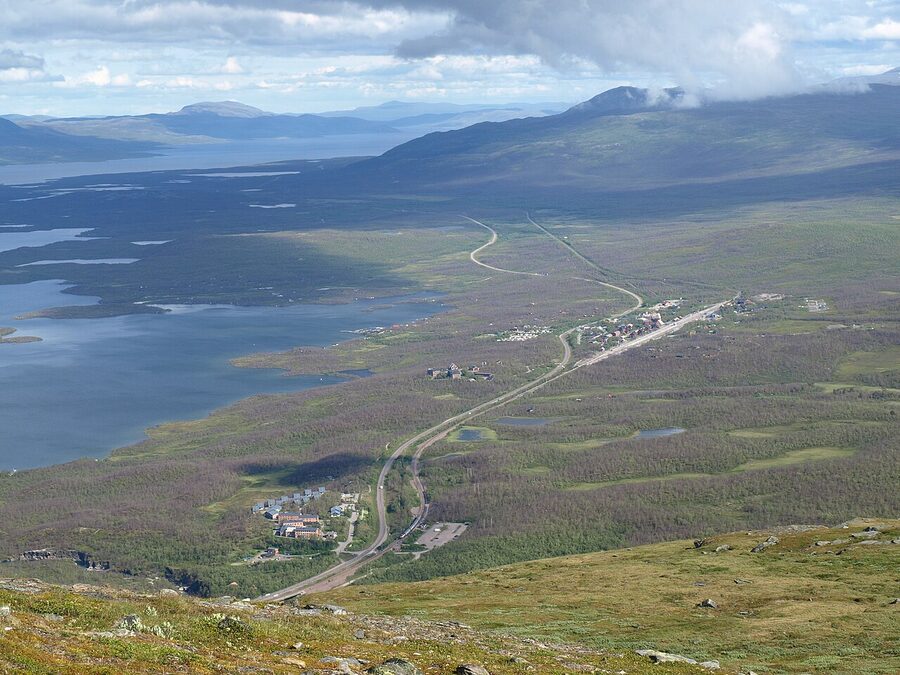
You don’t fly to Abisko. You fly to Kiruna Airport (KRN), then make your way 90 kilometres northwest. There’s no rental car desk worth using in winter unless you’re an experienced snow driver, so most people use one of three options.
Train. The night train from Stockholm to Narvik stops at Abisko Östra and Abisko Turiststation. It’s the famous “Narvik train” run by SJ. Roughly 17 hours from Stockholm Central, around 1,200 SEK in a couchette. You arrive in Abisko mid-morning. Magical journey, terrible value if you’re short on time.
Local train from Kiruna. The same SJ line runs Kiruna to Abisko in about 80 minutes for under 200 SEK. Most flexible option if you’ve flown into Kiruna.
Hotel transfer or shuttle bus. Many Abisko hotels run a paid shuttle from Kiruna Airport. Roughly 600-800 SEK round trip per person. Slower than the train but doorstep service.
One catch on the train. The northbound Narvik service has been cancelled or delayed several times in recent winters because of avalanches and freight conflicts on the single-track section past Kiruna. Build in a buffer day if you’re train-only. From Stockholm, you might also chain a chase trip with a city stay; we’ve got the rundown of the best Stockholm walking tours and the Stockholm pass for the city portion of the trip.
Where to Stay in Abisko
There are essentially four lodging options, plus a couple of new builds. Pick based on your budget and how much you mind walking in -25°C.
- Abisko Mountain Lodge. Mid-range, the closest hotel to the chairlift base, attached restaurant, sauna. Most chase tours pick up here.
- STF Abisko Turiststation. The Swedish hostel association’s complex. Mix of dorms, doubles, and cabins. Best value, on the lake. The chairlift to the Sky Station starts here.
- Abisko Guesthouse. Basic, family-run, decent kitchen if you want to self-cater. Cheapest of the proper accommodations.
- Camp Abisko / Lapland Resorts. Glamping-style heated tents and cabins. Pricey, scenic, big appeal if you want to step out of your bed straight onto the lake.
A note on heating. All winter accommodations in Abisko are properly insulated, but the cheap-end places run warm tap water on a small boiler that occasionally runs out if a tour group all showers in the same hour. Shower right after dinner, not at 11pm when the chase van returns.
What to Wear on the Chase
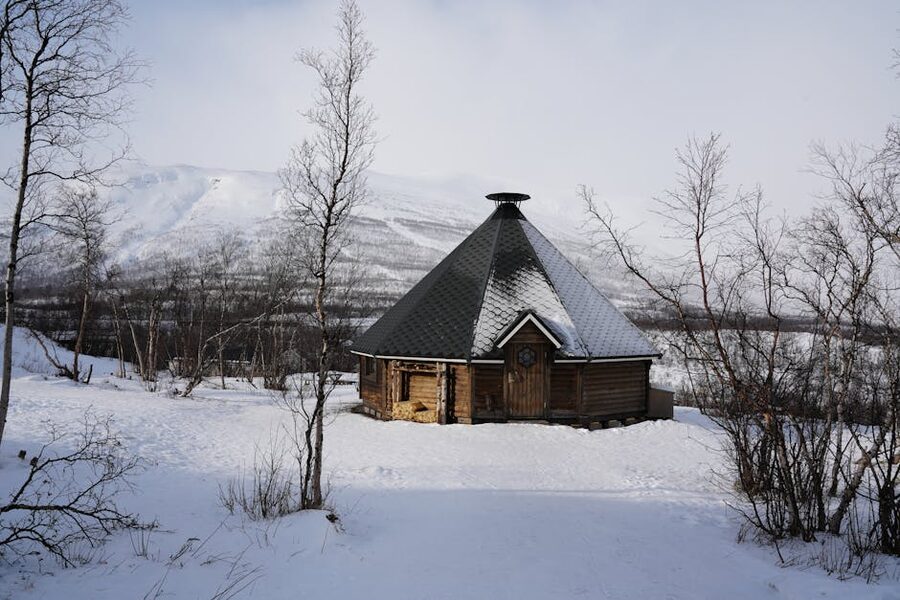
This part is non-negotiable. Standing still outdoors at -20°C for two hours requires actual gear, not “warm clothes.” Most chase operators provide thermal overalls and boots in your booking; check the booking page or ask, because if they don’t, you’ll need to rent locally. Lights Over Lapland and Lapland Resorts both rent thermal suits on the day for around 250-400 SEK.
Underneath the thermal overall, layer like this:
- Base layer: Merino wool top and leggings. Skip cotton entirely. Wet cotton against your skin in -20°C is dangerous, not just uncomfortable.
- Mid layer: Fleece pullover and fleece or wool trousers.
- Outer: The provided thermal overall, plus a wool hat under the overall hood, a neck buff that pulls up over your nose, and serious gloves with a liner.
- Boots: Operators usually provide insulated winter boots if your own aren’t rated for arctic temperatures. Bring two pairs of wool socks regardless.
Hand warmers are the unsung hero of an aurora chase. Bring a pack. Activate them ten minutes before you climb out of the van. Drop one into each glove, one into each boot. They turn a borderline-painful two-hour stand into a comfortable one.
Photography Notes
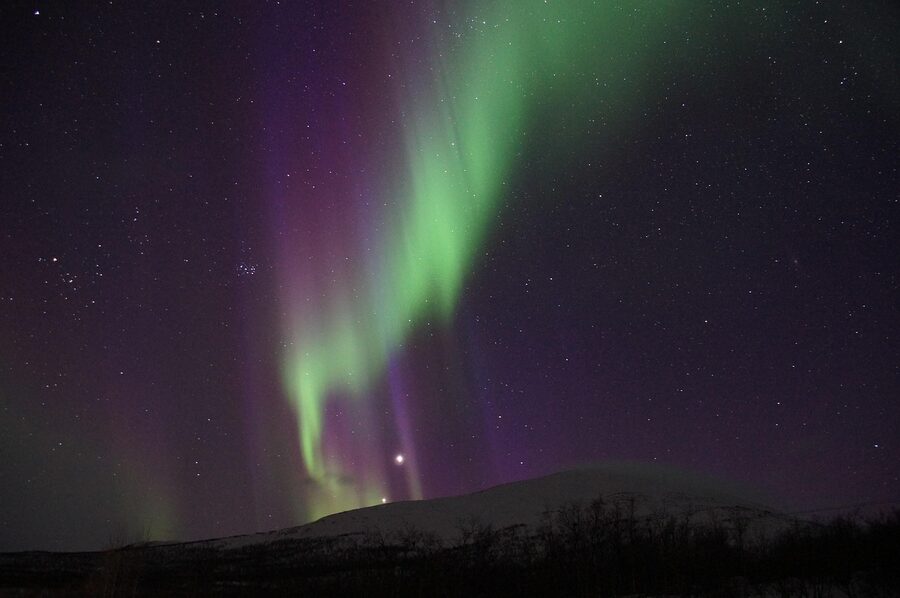
You don’t need a full-frame camera, but you need a camera with manual mode and a tripod. A phone alone won’t cut it; modern phone night modes have improved dramatically and will give you a recognisable green smudge, but they can’t capture the bands, pillars, and dancing motion the way a 10-30 second exposure can.
If you’re bringing a camera, the rough settings to start with:
- Manual mode, shutter speed 8-20 seconds, aperture wide open (f/2.8 or wider if you have it), ISO 1600-3200, focus set to manual infinity.
- If the aurora is dancing fast, drop to a 4-second exposure to freeze the motion. If it’s a slow steady glow, push to 25 seconds.
- Turn off image stabilisation when you’re on a tripod. Stabilisation systems hunt for movement that isn’t there and add tiny vibrations.
The photographer-guide tours are worth booking specifically because they handle this for you. They’ll set up your camera, focus it, and often take professional shots of you with the aurora overhead that you can keep. That last bit is genuinely valuable; you cannot easily take a flattering photo of yourself in the dark with a 20-second exposure, no matter how good your selfie game is.
The Lapporten Valley and Daytime Abisko
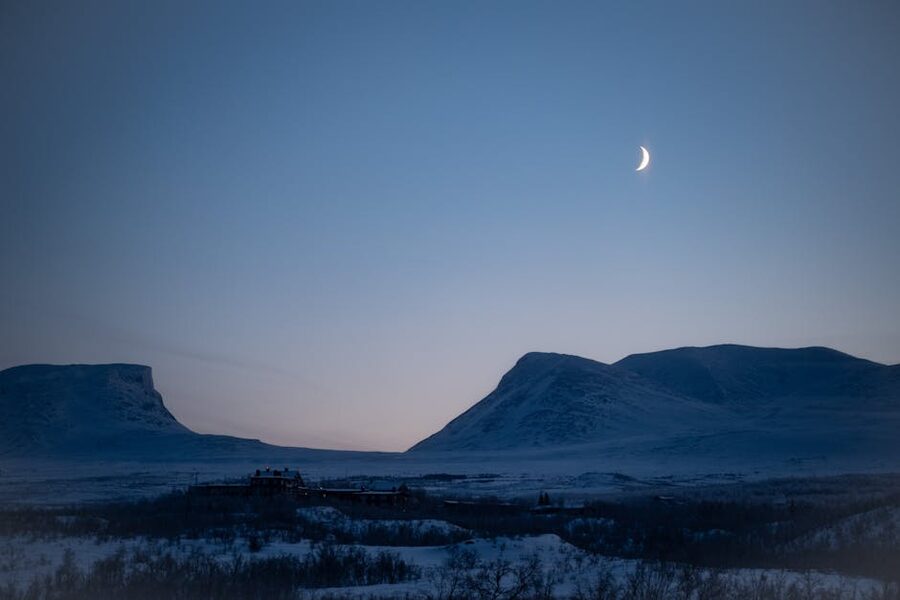
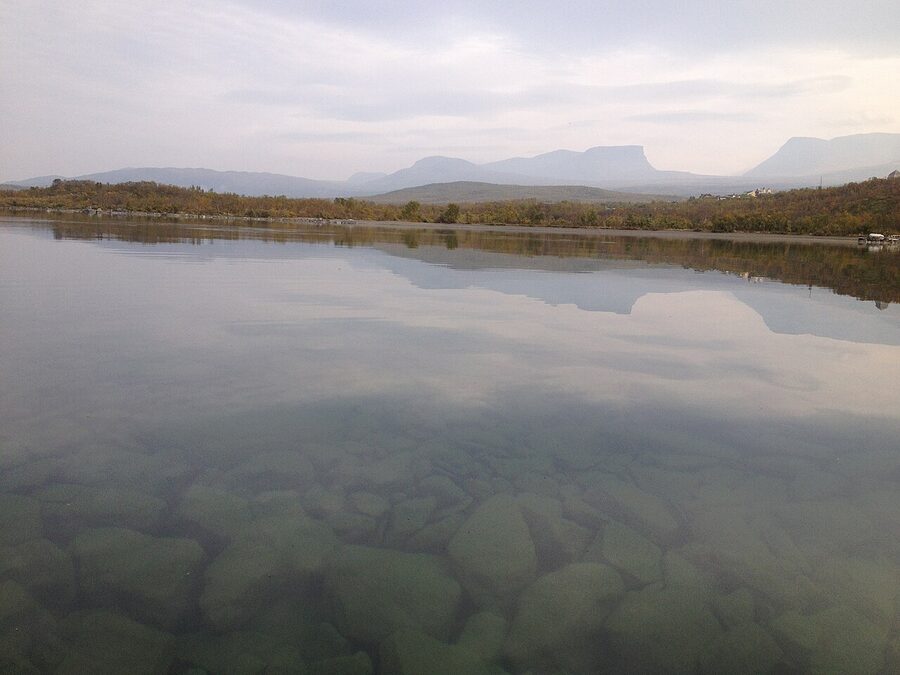
If you’re spending three nights in Abisko, you’ll need things to do during the (short) daylight. The signature daytime sight is Lapporten, the famous U-shaped glacial valley visible across Lake Torneträsk from the south side of the village. You can see it from the visitor centre’s deck without doing any walking.

Other reliable daytime activities:
- Abisko Naturum visitor centre. Free, well-presented, decent on Sami history and the local geology. Worth the 90 minutes.
- Snowshoe walk on the Kungsleden. The Kungsleden (“King’s Trail”) starts in Abisko and runs 440 kilometres south to Hemavan. You can rent snowshoes at the STF and walk the first few kilometres easily.
- The Sky Station chairlift in daytime. Roughly 350 SEK, runs midday on most days. The view from the top is the same as the night view, minus the aurora and the cold.
- Dog sledding or snowmobile, often combined with an aurora chase as a 2-day package. Worth checking when you book.

Combining Abisko with Kiruna
Most aurora trips work best as a two-base itinerary. Kiruna for the airport access plus the husky-and-icehotel stuff, Abisko for the actual aurora viewing. The trains and shuttles between the two are frequent enough that a 2-night Kiruna / 3-night Abisko split makes a strong week.
If you’re going down the Kiruna add-on path, the husky sledding from Kiruna is the classic complement to a chase trip; the contrast between adrenaline-and-howling-dogs by day and silent-snow-aurora-watching by night is the whole point of a Lapland week. Some travellers also pair a Kiruna-based Kiruna northern lights tour on their first night, then move to Abisko for the chase format. If you’re feeling brave, an Abisko week can also include a session of ice climbing in Abisko; the same falls that freeze in November host beginner top-rope routes through March.

Booking Tips and Common Mistakes
A few things I wish someone had told me before my first Abisko chase:
Book the chase before you book the hotel. Chase availability is the binding constraint, especially in late February through early March. Hotels in Abisko have more capacity than the chase operators do.
Don’t book a chase your first night in. If your flight is delayed by even a couple of hours (which happens often on the Stockholm-Kiruna leg in winter), you’ll miss your 8pm pickup and lose the slot. Book your first night as a “settle in” night, the next two or three as chase nights.
Rebooking on cancellations. Operators occasionally cancel a chase if conditions are catastrophic (think 100% cloud cover across all of Norrbotten, which is rare but happens). Most will rebook you the next night for free. Read the cancellation policy before you book; some refund, some only rebook.
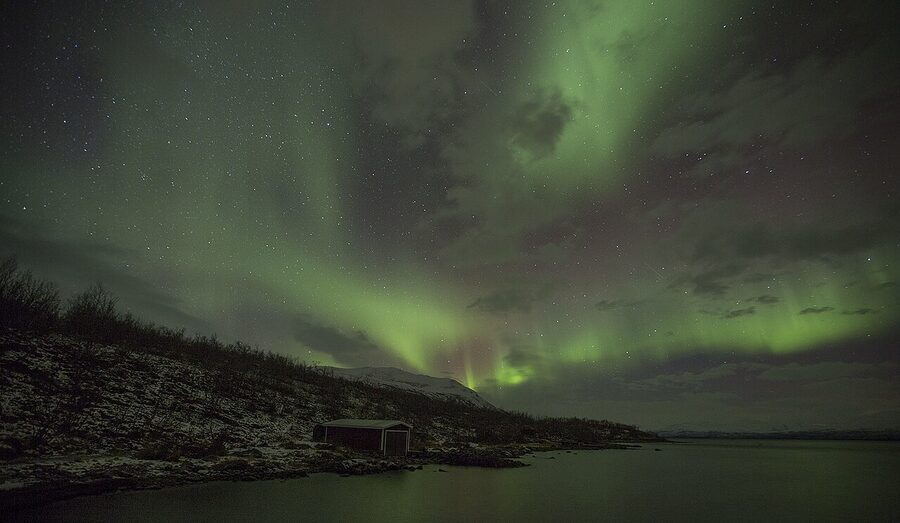
Don’t expect “Greenland-level” auroras every night. Some nights show a steady green band that lasts an hour. Others show a 90-second pillar followed by nothing. Some show a faint ribbon you’d miss without a camera. All count as “seeing the aurora.” Set the bar at “any visible activity” rather than “the brochure cover.”
.jpg)
The Sami Context You Won’t Get From the Brochures
Abisko sits inside Sápmi, the homeland of the Sami people. The aurora has a long place in Sami cosmology; one traditional belief is that the lights are the souls of the dead and that whistling or waving at them invites bad luck (or at least, draws their attention). You’ll hear this from older Sami guides if you’re lucky. Younger guides skip it. Worth knowing either way; the Naturum visitor centre has a small but candid section on Sami culture and on how Sweden’s relationship with the Sami has been historically rough.
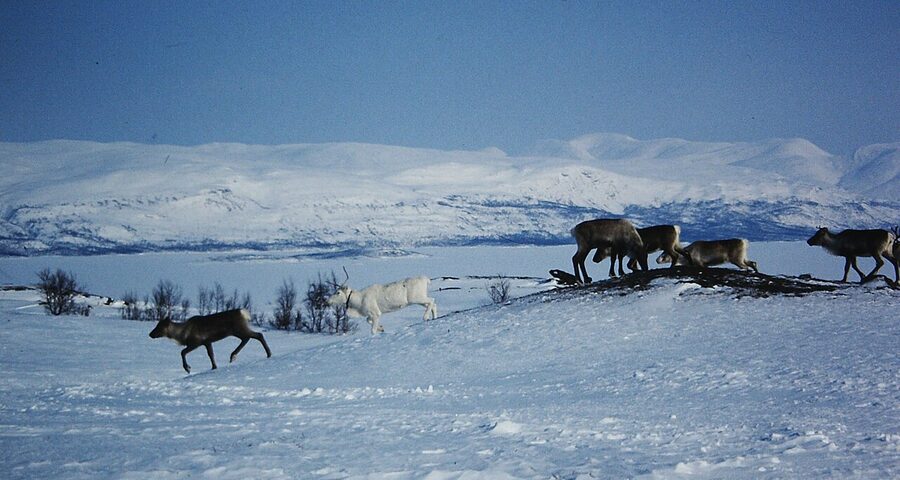

The reindeer you’ll see crossing the E10 are Sami-owned. Hitting one with a rental car is a serious legal and financial issue. This is one more reason most visitors take the train.
Lapland Add-Ons Worth Considering
If you’ve come this far north, don’t make Abisko a one-night stand. The Lapland combo that most travellers end up loving is two or three aurora chases in Abisko, then a husky sledding day and an ice-climbing morning back over the Kiruna border. The chase tours pair naturally with the husky sled experience near Kiruna because the kennels run their tours during daylight, freeing your evenings for the aurora. And if you’re an adventurous type, the Abisko ice climbing experience uses the same valley you’ll have driven through on a chase, so you’ll already know the terrain. For a slower complement back south, the Stockholm archipelago in early spring or the easy Stockholm boat tours make the perfect “warm down” before you fly home.
Affiliate disclosure: this article contains affiliate links. We earn a small commission if you book through them, at no extra cost to you.