
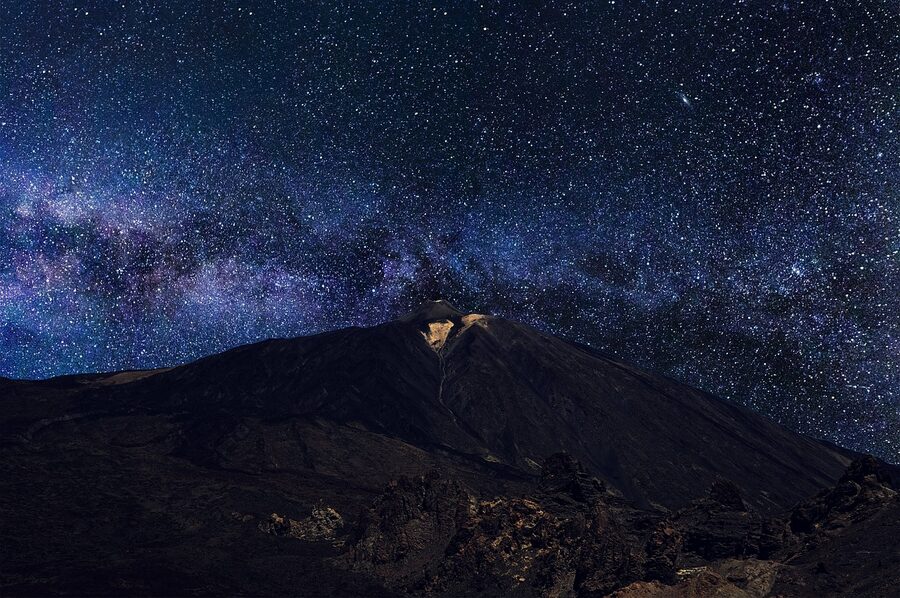
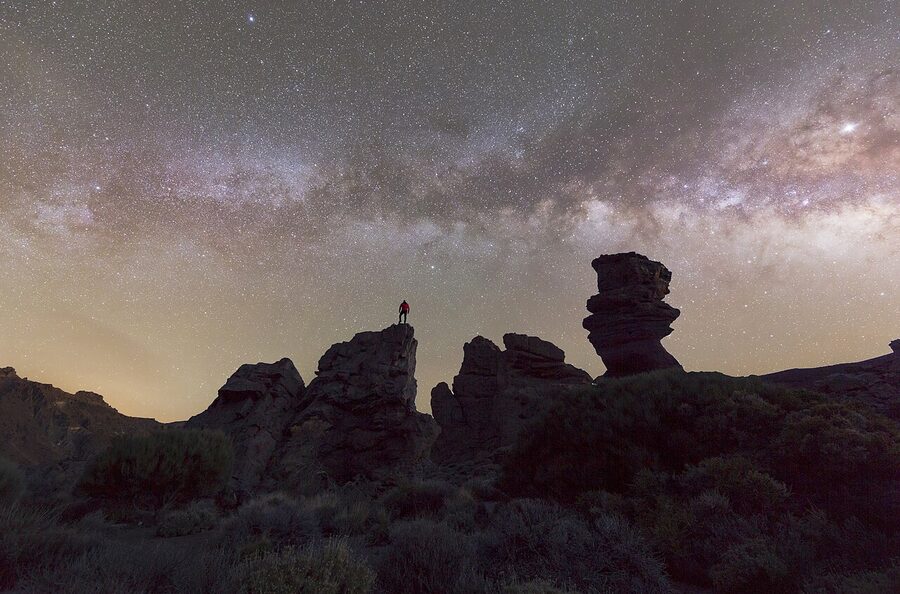
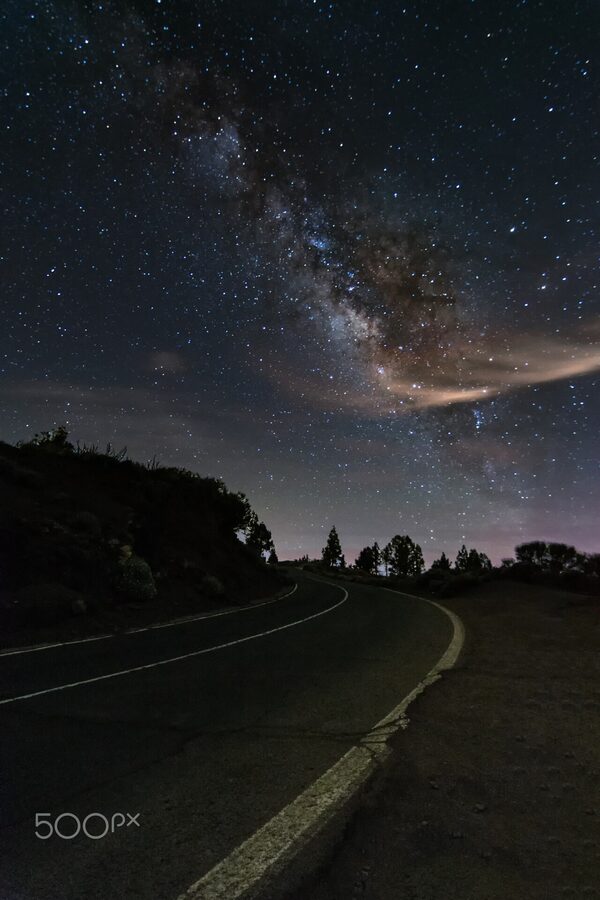
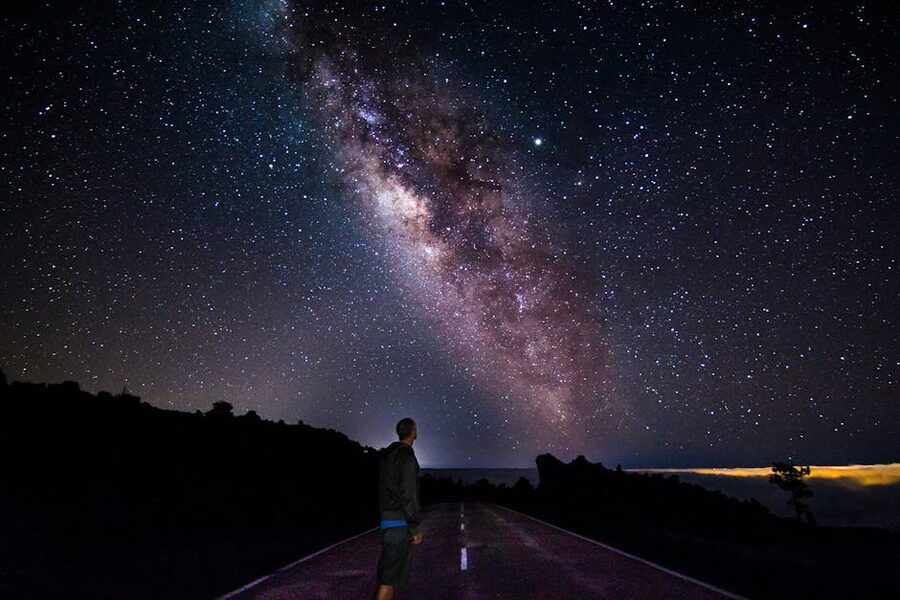
You stand still, the brief over, and tip your head back. The cold hits your face after the warm restaurant; the silence at 2,000 metres is bigger than you expected; and then, as your eyes adjust, the sky stops being a sky and starts being a map. The Milky Way runs straight overhead in a chalk-bright arc. There are more stars than dark.
That moment is what you book a Teide stargazing tour for. Not the pickup, not the gear-issue, not the dinner. The first look up.

.jpg)
Best with dinner: Teide National Park Sunset & Stargazing with Dinner (Star Safari), $95. Three-course Canarian dinner at altitude, cava sunset toast, four telescopes at the observation point. Seven hours start to end.
Most polished: Teide by Night: Sunset & Stargazing with Telescopes, $108. Nine-hour day with sightseeing in the park before sunset, dinner, and laser-guided sky storytelling. The premium pick.
- Why Teide actually works for stargazing
- What a tour actually looks like, hour by hour
- What you’ll actually see through the telescopes
- The three tours worth booking
- 1. Tenerife: Sunset and Stargazing at Teide National Park:
- 2. Teide National Park Sunset & Stargazing with Dinner (Star Safari):
- 3. Teide by Night: Sunset & Stargazing with Telescopes Experience: 8
- Booking timing and what to expect on the calendar
- Pickup logistics, the boring but important part
- What to wear, what to bring
- Photographing the night sky on a tour
- How Teide stargazing fits with a wider Tenerife trip
- The history piece, briefly
- Common questions and a few warnings worth flagging
- The pick I’d make
- Other Tenerife and Canary Islands picks
Why Teide actually works for stargazing
Most stargazing tours sell the same line: telescopes, dark sky, knowledgeable guide. Teide is one of the few places where the marketing matches the physics.
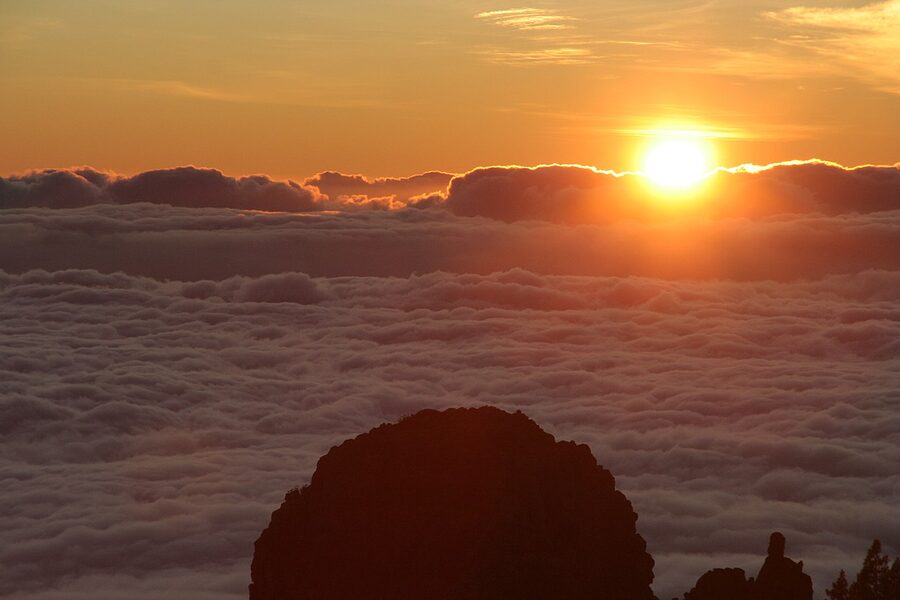
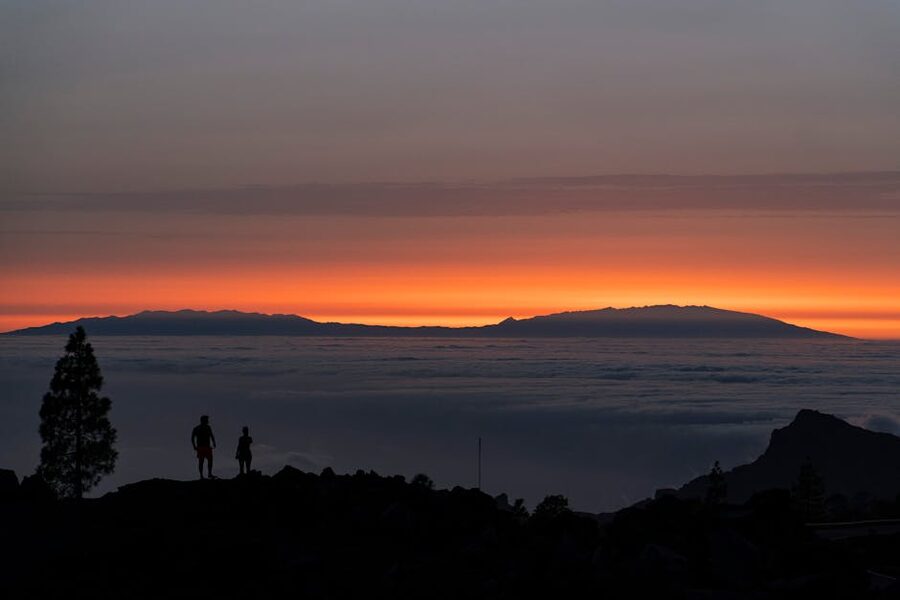
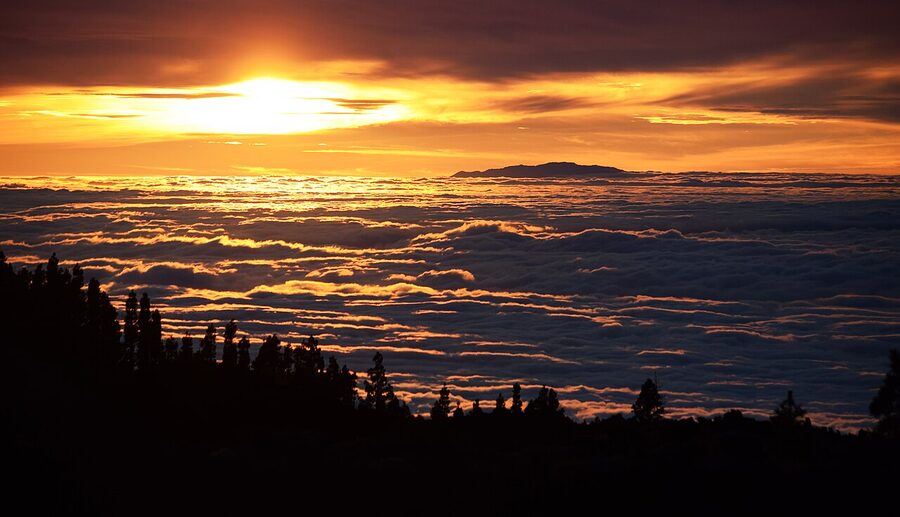
The summit sits at 3,718 metres and the typical tour observation point is at 2,000-2,400 metres. That puts you above most of Tenerife’s marine inversion layer, which is the band of cloud that traps coastal humidity around 1,200-1,500 metres. Look down from the caldera rim at sunset and you see the cloud as a flat sea below you. Look up after dark and you’re above the haze.
The other piece is the Starlight Reserve status. In 2014 the Starlight Foundation, which works with UNESCO and the IAU, certified the Teide National Park sky as a Tourist Destination of the Starlight programme. It was the first World Heritage site to get that designation. In practice that means a strict regional law on outdoor lighting, dark-sky-friendly streetlamps in the surrounding villages, and an enforced no-laser-pointing-at-aircraft buffer around the Teide Observatory at Izana, which sits at 2,390 metres on the edge of the park.
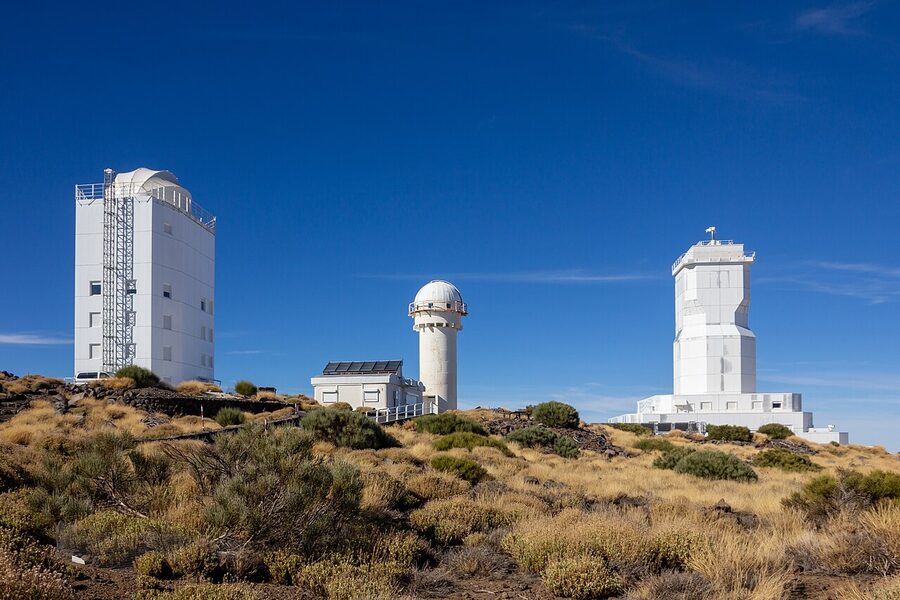
The observatory is the giveaway clue, by the way. If a place is good enough that the Instituto de Astrofisica de Canarias has been running solar and night telescopes there since 1964, it’s good enough for a tourist with a Dobsonian.

What a tour actually looks like, hour by hour
Almost every operator runs the same structure with cosmetic tweaks. Pickup is from south Tenerife resort areas (Adeje, Costa Adeje, Playa de las Americas, Los Cristianos) somewhere between 2:30pm and 4:30pm depending on sunset time and where you are in the year. Some operators also pick up from Puerto de la Cruz on the north coast, but the south is the default.
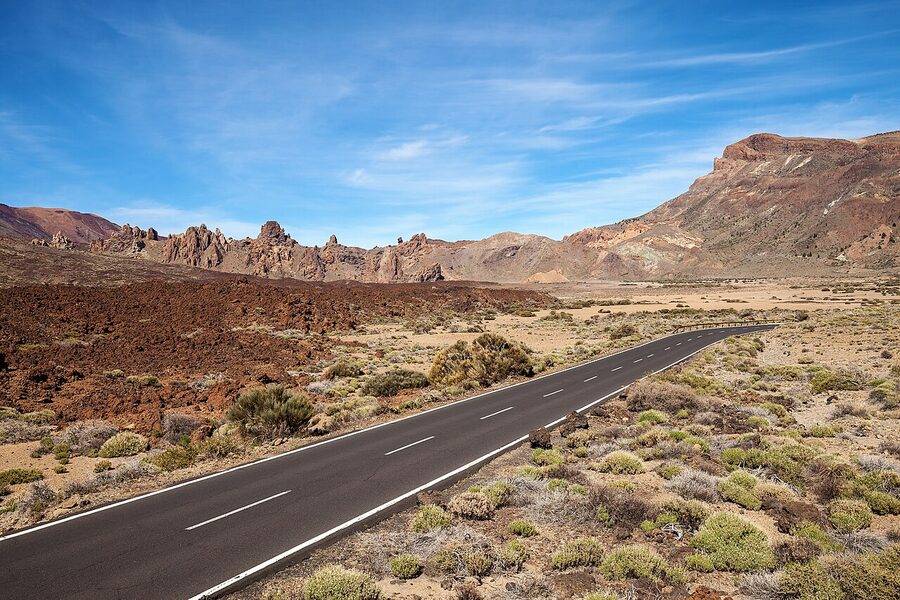
You drive up the TF-21 road into the caldera. Most tours stop once for photos at a high viewpoint (often Mirador de las Minas de San Jose or near Roques de Garcia), then head to the dinner stop or the first sky session.

Sunset over the cloud sea takes maybe twenty minutes, and most operators give you a glass of cava or a snack here. Some pose you for a sunset photo. This is the part that fills your camera roll.

After sunset comes the dinner stop on the longer tours, usually at one of two altitude restaurants on the TF-38 or TF-21. The cheaper tours skip dinner and go straight to a snack box and the sky session.
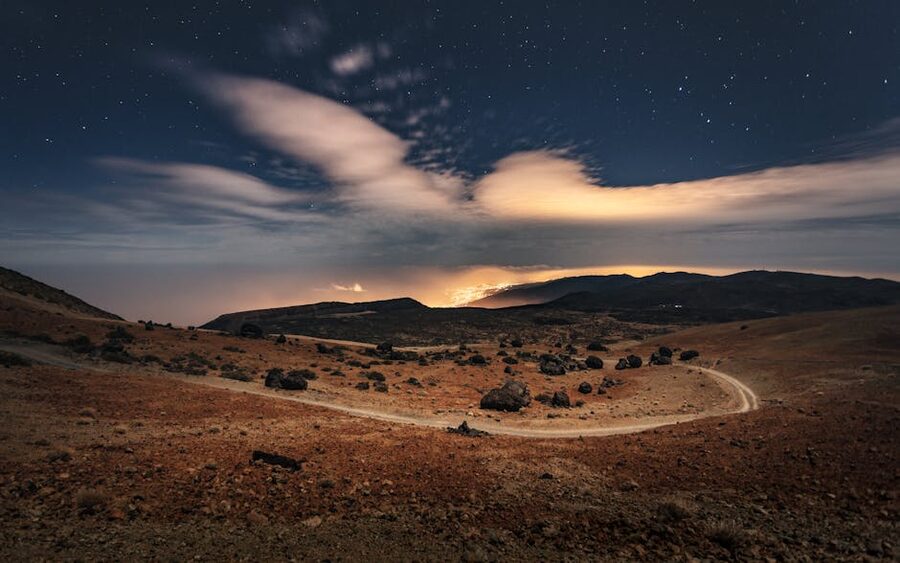
Then the actual stargazing, somewhere between 8:30pm and 11pm depending on season. The astronomer gives a 5-10 minute orientation, points out three or four naked-eye constellations, and then the telescopes come out. Most operators run two to four scopes: a Dobsonian or two for deep-sky objects (galaxies, nebulae, clusters) and one or two Schmidt-Cassegrains or refractors for planets and the moon. You queue, look, ask one question, move on. It’s not unhurried, but you’ll see the headline targets.
You’re back at your hotel between 11pm and 12:30am for the long tours, around 10pm for the short ones.
What you’ll actually see through the telescopes
The headline targets change with the season because the Earth keeps moving. A few that come up consistently:
- Saturn: The rings are the single best telescope view of your life if you’ve never seen them before. Teide tours catch Saturn most reliably between late spring and early autumn.
- Jupiter and the Galilean moons: Four points of light in a row. Sometimes one is in front of Jupiter, throwing a shadow on the cloud bands.
- The Andromeda galaxy (M31): Visible to the naked eye as a faint smudge, the size of six full moons across. The telescope shows the bright core but not the spiral arms; that’s a long-exposure photo thing, not a visual thing.
- The Orion Nebula (M42): Winter only. The brightest emission nebula visible from Earth. Looks like a translucent green-grey cloud with four stars (the Trapezium) at the centre.
- The Pleiades (M45): Seven main stars to the naked eye, far more in binoculars. Best in autumn and winter.
- The Moon, if it’s up: Most operators schedule against full moon nights because the moon washes out everything else. New-moon weeks are prime.
.jpeg)
If you’ve never looked through a real telescope, manage expectations: you don’t see colour the way photographs show it. The eye doesn’t gather enough light at low brightness, so most galaxies and nebulae look grey. What you do see is the structure: rings, moons, dust lanes, clusters. It’s the spatial reality, not the Hubble photo. Better, in some ways.
The three tours worth booking
I’ve narrowed the field to three. They cover different price points and styles, and they’re the ones with the deepest track record.
1. Tenerife: Sunset and Stargazing at Teide National Park: $47
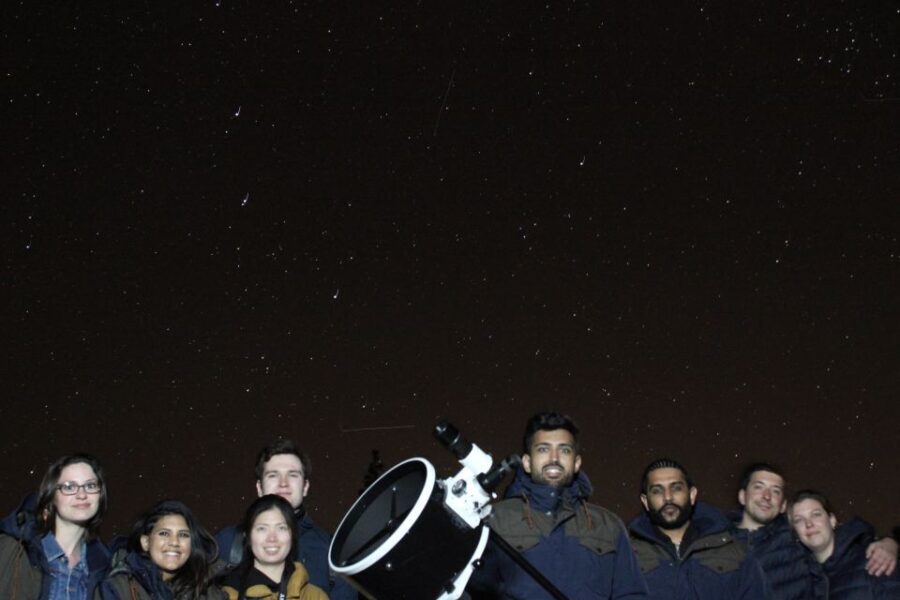
The small-group format is the differentiator here. Pickup from Adeje, sunset at around 1,400 metres on a viewpoint that catches La Gomera, La Palma and El Hierro, then dark-sky session with telescopes and a brief from a Starlight-trained guide. Our full review walks through the photo deliverable and what’s missing compared to the longer tours. Skip this one only if you want dinner included.
Check Availability
Read our full review
2. Teide National Park Sunset & Stargazing with Dinner (Star Safari): $95
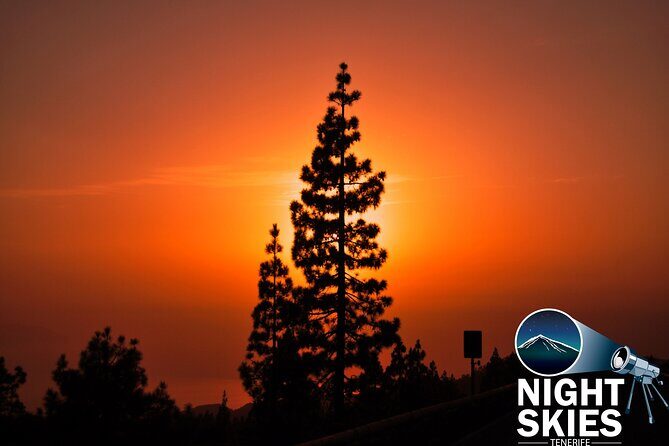
The dinner is the structural reason to pay double. You eat at altitude in a restaurant the operator has booked privately, which means you’re not racing other tour groups for tables and you get a proper hour off your feet before the cold hits at the sky session. Our full review covers the menu and the warm-clothing handout. Pick this one if you want one tour to do the whole evening.
Check Availability
Read our full review
3. Teide by Night: Sunset & Stargazing with Telescopes Experience: $108

This is the most polished version of the format and the one to pick if it’s your first time on the island and you want the day-and-night combined into one excursion. Our full review notes the laser-pointer storytelling and the Roques de Garcia photo stop. The trade-off: it’s a long day, and if your hotel is far from the meeting point you can be on the bus for two hours each way.
Check Availability
Read our full review
Booking timing and what to expect on the calendar
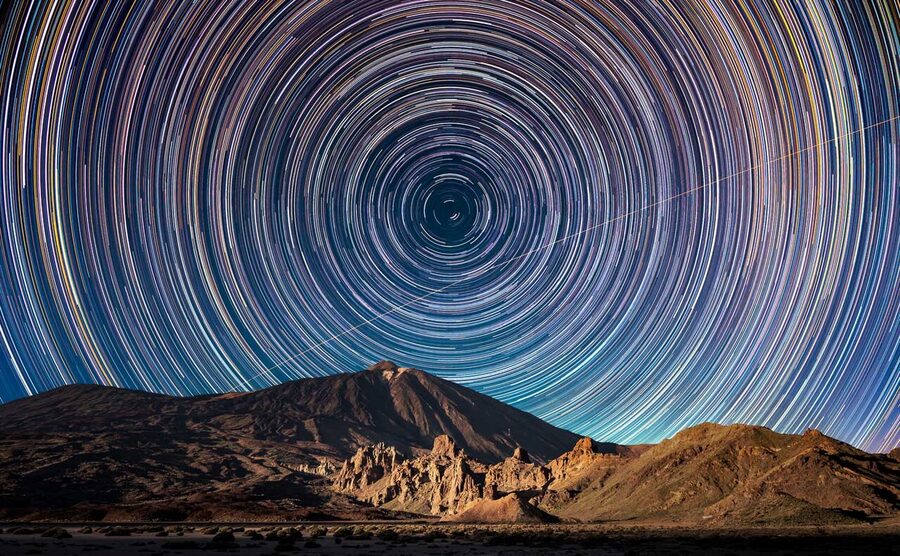
Stargazing tours run year-round. Most operators avoid full-moon week and the few days either side, because the moon’s brightness washes out everything fainter than the planets. If you have a fixed travel date, check the moon phase first; if you can flex by a few days, book in the new-moon window.

Other timing notes:
- Best months for the Milky Way core: May to September. The galactic centre rises into a useful position by 10pm and stays up.
- Coldest months: December and January. Temperatures at 2,200m fall to 0-3C after dark, sometimes below zero with wind. Operators provide warm coats but you’ll still want a base layer and a hat.
- Most stable weather: Late April through October. Winter has more cloud-out cancellations.
- Lead time: The dinner-included tours sell out three to four days ahead in summer school holidays. Walk-up bookings are usually fine outside July and August.
- Cancellation: Most operators cancel and offer a re-book or refund if cloud cover is forecast above the inversion layer. Tours run if there’s only low cloud below 1,500m.
One thing nobody warns you about: calima. It’s a Saharan dust event that pushes a yellow-grey haze across the islands, sometimes for two or three days at a time. Calima kills stargazing visibility because the dust scatters faint starlight. If your tour is during a calima warning, push your booking back. Operators usually let you do this for free.
Pickup logistics, the boring but important part
The two questions that trip up first-time bookers: where exactly do they pick you up, and how warm should you really dress.
For pickup, every operator has a fixed list of meeting points, almost all in the south-coast resort strip from Costa Adeje down through Playa de las Americas and Los Cristianos. If you’re staying in:
- Costa Adeje, Playa de las Americas, Los Cristianos: You’re in the standard pickup zone. Expect 4pm-ish pickup in summer, 2:30pm in winter.
- Puerto de la Cruz (north coast): Some operators pick up here; others don’t. Check before booking. The drive is shorter but the operator pool is smaller.
- Santa Cruz or La Laguna: Most operators don’t pick up here. You’ll need to drive yourself to a south-coast meeting point or pick a self-drive tour.
- El Medano, Granadilla: Usually a small surcharge or a meeting point on the TF-1 motorway.
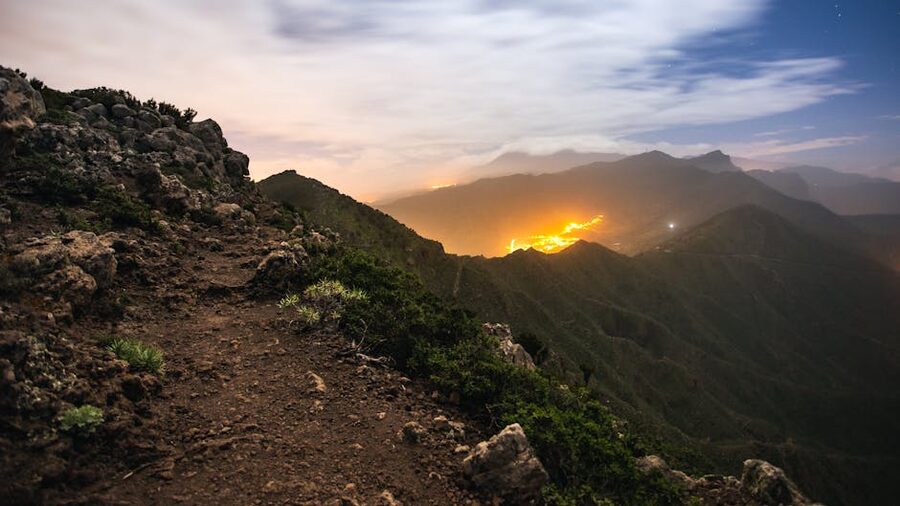
Self-drive tours are a real option if you’ve got a hire car and don’t want to be on a bus all night. You meet the astronomer at a fixed parking lot inside the park (usually near Roques de Garcia or the El Portillo visitor centre) and you drive yourself there. They cost about half what the dinner tours cost, and you can leave when you want.
What to wear, what to bring
The standard answer is “warmer than you think”. The more useful answer is: layer for two seasons.
You leave a coastal hotel at maybe 22-26C. By the time you’re at the sky session at 2,200m it’s anywhere from -2C in January to about 8C in July. Wind chill knocks another 5-8C off that. Operators almost always hand out a winter coat at the start of the tour, but they don’t hand out gloves, hats, or warm trousers, and the coat-only setup leaves your legs cold.
What I’d actually pack:
- A long-sleeve base layer or thick t-shirt under a fleece or hoodie. The operator’s coat goes on top of this.
- Long trousers, not shorts. Jeans are fine; thermals are overkill except in January.
- Closed shoes with grip. The viewing areas are loose volcanic rock; flip-flops are a sprained ankle waiting to happen.
- A hat. The operator never has these. You lose 30% of your body heat through your head and that’s the difference between fine and miserable at 2,200m.
- A small flashlight or your phone with a red filter app (red light preserves night vision).
- A bottle of water. Altitude dehydrates you faster than you’d think.
- A small bag of nuts or chocolate. Dinner tours feed you; short tours don’t.
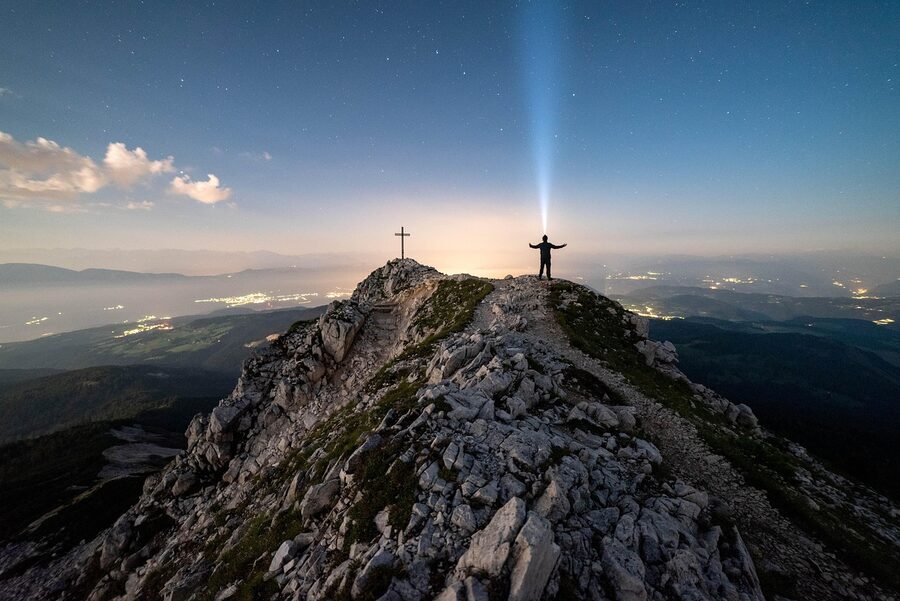
What you don’t need: a camera tripod (the operator usually has one or two for the group photos), binoculars (the telescopes do the job), or thick gloves (the operator’s coat has a stand-up collar and the sky session is short).
Photographing the night sky on a tour
Half the people on a stargazing tour want a photo of themselves under the Milky Way. The truth: it’s harder than the Instagram results suggest, but most modern phones can do a passable job if you set them up right.
A few specifics that work:
- iPhone 11 and later, Pixel 4 and later, recent Samsung Galaxy: Use the built-in night mode and brace the phone against a rock or your bag. Aim straight up. Hold still for the full 10-30 second exposure. You’ll get a recognisable Milky Way.
- Older phones: Use a long-exposure app like NightCap (iOS) or DeepSkyCamera (Android). Same bracing trick.
- Mirrorless or DSLR: 14-24mm lens, f/2.8, ISO 3200, 15 seconds, manual focus on a bright star. Bring a small travel tripod.
- Selfies under the stars: Have the operator do them. The cheaper tour bundles this; the longer tours do it for you on request.
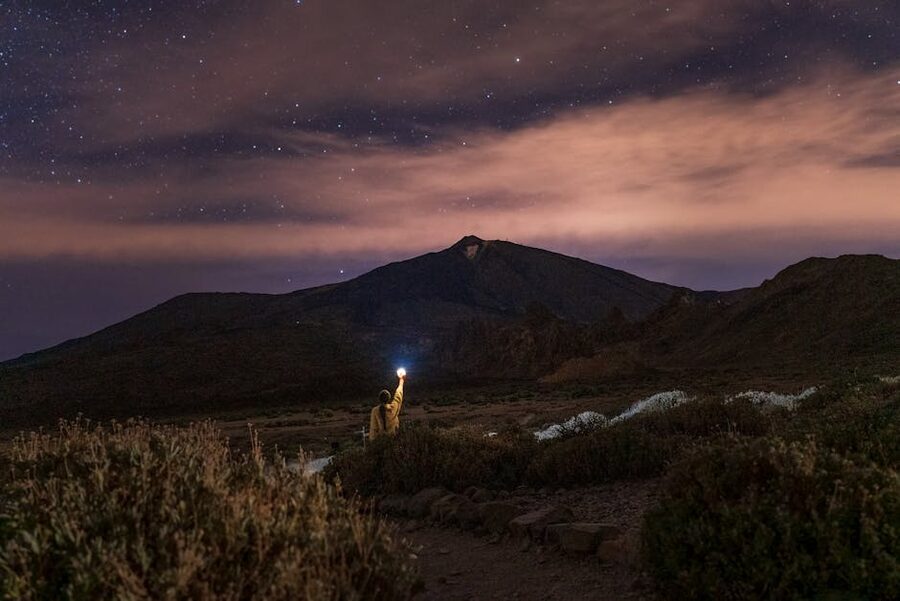
One thing that always disappoints first-time night photographers: through the telescope, you can’t get a phone photo of the planets that looks anything like the eyepiece view. The eye does optical magic the camera can’t. Don’t waste time trying; just look.
How Teide stargazing fits with a wider Tenerife trip
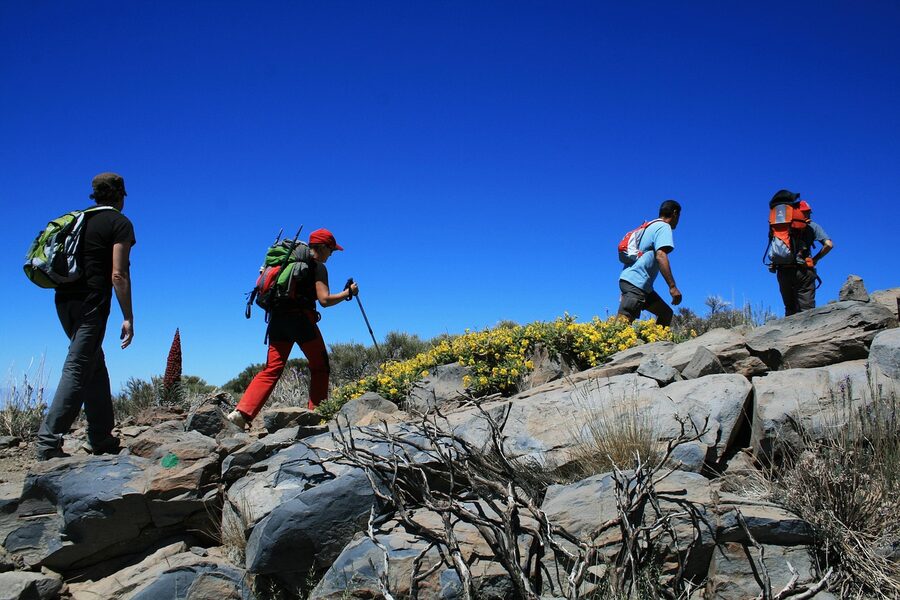
Most people do this as one evening of a 5-7 day Tenerife trip. The natural pairing is the daytime version of the same area, which is a different kind of day. The daytime Mount Teide tours cover the cable car to the upper station, the lava-field walks around Roques de Garcia, the visitor centres, and the geothermal demonstrations. Daytime is geology and scale; night is sky. They’re not redundant; book both if you’ve got the days.
For the rest of the island, the obvious add-ons are different in tone. Whale watching from Los Cristianos is a half-day on water with a high success rate for pilot whales and bottlenose dolphins. Siam Park is the big water park near Costa Adeje and the obvious wet-day fallback. A banana plantation tour is the small-and-quirky third option for an off-day.
If your trip extends to other islands or other Canary attractions, two more in the same family of “natural-spectacle on a Canary island” book well alongside Teide stargazing: the Lanzarote Island Highlights tour through Timanfaya, Jameos del Agua, and Cueva de los Verdes is the volcanic-Canaries equivalent in daylight, and the Cofete jeep safari on Fuerteventura is the same “wild remote landscape” instinct on a different island. The other Canary big-ticket day, Loro Parque in Puerto de la Cruz, is on the opposite end of the spectrum and pairs naturally with a north-coast hotel night.
The history piece, briefly
The reason there’s an observatory at Izana and a Starlight Reserve over the park isn’t accidental. By the 1960s, European astronomy had a problem: the major continental observatories at Mount Wilson, Palomar and Pic du Midi were getting fogged out by post-war population growth and the resulting light pollution and air haze. The Canary Islands offered something rare in the Northern Hemisphere: a high-altitude site (the volcanic Atlantic peaks all clear 2,000m), a stable airflow because the islands sit in the trade-wind belt, and almost no industrial light because the population was small and concentrated on the coasts.
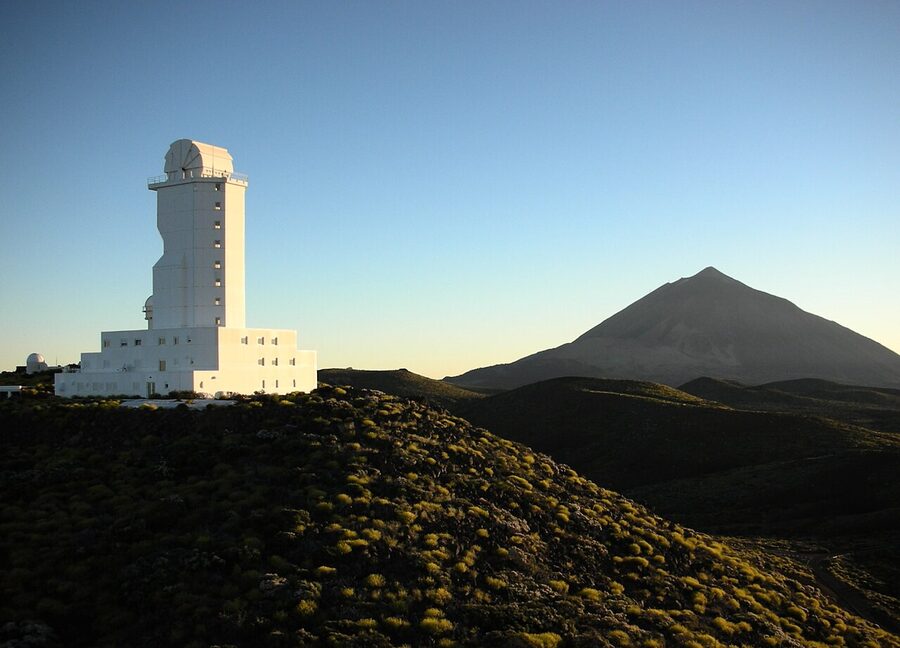

The Instituto de Astrofisica de Canarias started building at Izana in 1964. The site is now the largest solar observatory in the world, with telescopes from Germany, Sweden, the UK, and the US sharing the ridge. Its sister site, the Roque de los Muchachos Observatory on the neighbouring island of La Palma, runs the bigger night-sky instruments. Both are off-limits at night to public tours, but the Teide site does daytime guided tours; you can see the white tower of the Vacuum Tower Telescope from the TF-21 if you know where to look.
The Starlight Reserve designation came in 2014. The Canarian regional government had already passed Spain’s first dark-sky law in 1988 (the Ley del Cielo, partly to protect the observatory), so the bones of the protection were three decades old by the time the formal label arrived.
Common questions and a few warnings worth flagging
Will I see the Milky Way? If your tour is in May-September, on a moonless night, with no calima, yes, clearly. October-April you’ll still see plenty of stars but the Milky Way’s core is below the horizon for most of the night.
Is altitude sickness a problem? Tours stay at 2,000-2,400m, which is below the altitude where most people feel anything. If you’re flying in from sea level the same day, drink water and don’t drink much alcohol with dinner. The cable car summit at 3,555m is the bit that affects people, and the night tours don’t go up there.
Are tours wheelchair accessible? Some are, some aren’t. The viewing areas are uneven volcanic rock; the dinner stops are usually accessible. Email the operator before booking with specific access questions.
Can I bring kids? Most tours are 7+ minimum. Younger kids on a 7-9 hour evening tour at 2,200m in the cold tend to be miserable, which is why the operators set the bar there. If your kids are 10+ and curious about astronomy, this is a great booking.
Should I just rent a car and drive up myself? You can, and it’s free. What you lose: the telescopes, the astronomer’s brief, the dinner restaurant booking, and the warm coat. What you gain: total flexibility on timing. If you’re an experienced driver and you’ve got a clear-sky weather window, the self-drive option is legitimate. The TF-21 stays open at night and the parking areas are signed.
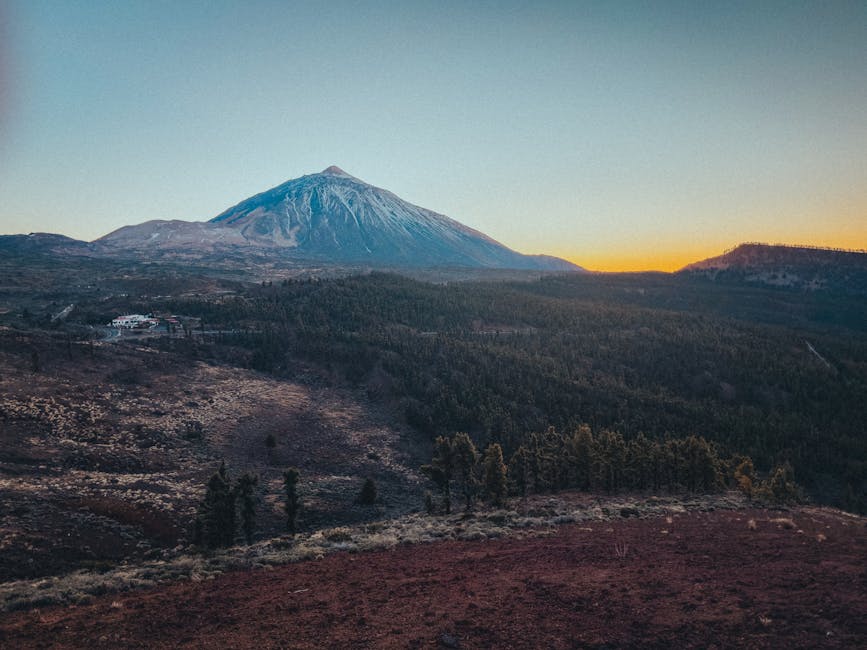
Is it worth doing if I’ve stargazed somewhere darker? If you’ve been to Atacama, La Palma, or a remote part of New Zealand, Teide is a step down on raw darkness. It’s still excellent, and the sunset-cloud-sea component is unique to a high oceanic island, but if you’re after the absolute deepest dark, La Palma’s Roque de los Muchachos beats it. For a normal traveller without a dedicated dark-sky trip, Teide is as good as it gets in mainland-Europe-adjacent destinations.
The pick I’d make
If your trip has one slot for this and you’re new to it: the Star Safari with dinner. The dinner solves the “we’re cold and starving by 9pm” problem that ruins the cheaper tours, and the four-telescope setup catches enough variety that everyone in the group sees something good.
If you want the cheapest legitimate way to do it: the Sunset and Stargazing tour from Adeje. You’ll be home an hour earlier and you’ll save $50, but you’ll need to eat before pickup.
If it’s a special occasion or first night on the island: Teide by Night, for the full nine-hour package and the laser-guided sky session.
Other Tenerife and Canary Islands picks
The natural follow-up after Teide stargazing is the daytime version: the Mount Teide daytime cable-car and lava-field tour covers the same caldera in geological detail. For wildlife days, whale watching from Los Cristianos is the most reliable; for water-park days, Siam Park is the obvious one. The banana plantation tour in the north is the quirky add-on. Across the channel, the Lanzarote Island Highlights tour covers Timanfaya, Jameos del Agua, and Cueva de los Verdes in one day, and the Cofete jeep safari on Fuerteventura is the same wild-landscape feeling as Teide caldera, just at sea level. If you want a north-coast big day, Loro Parque tickets covers the headline Puerto de la Cruz attraction.
Affiliate disclosure: some of the booking links in this article go to GetYourGuide and Viator. If you book through them we earn a small commission, at no extra cost to you.