
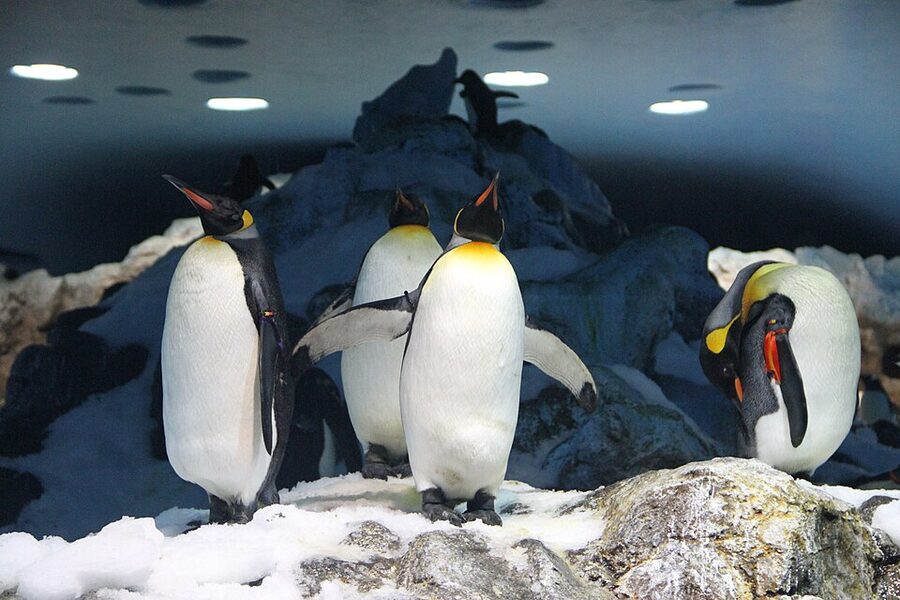
You stop walking when the king penguin stops walking. There are five of them on the artificial snow, and the closest one is about six feet from you, head tilted slightly, doing that slow blink penguins do when they have decided you are interesting but not interesting enough to react to. The temperature in the room has dropped about twenty degrees from the corridor outside. Snow is actively falling from the ceiling. Somewhere overhead a gentoo penguin is sliding off a rock into water you can hear but not see. This is roughly thirty minutes into a Loro Parque visit and the rest of the day has not happened yet, and you already feel that the entrance ticket has paid for itself.
That’s the moment most people remember from Loro Parque, even though it isn’t the headline exhibit. The headline exhibit is the orca tank, which we’ll get to. It’s a complicated park to write about. It’s also one of the most-booked attractions in the Canary Islands, and the practical question of how do I actually get tickets and a way there from the south is what this guide answers.
Easiest from the south: Entry Ticket with Hotel Transfer, $75. Picks you up from Costa Adeje, Las Americas or Los Cristianos. Saves the 90-minute drive.

.jpg)


- What you actually get for the ticket
- Three tickets, and which one to pick
- 1. Loro Parque Entry Ticket:
- 2. From South Tenerife: Loro Parque Ticket with Hotel Transfer:
- Getting there from the south, in plain language
- Inside the park, what’s worth your time
- Planet Penguin
- The orca stadium, and the conversation around it
- Dolphin presentation
- The gorilla habitat
- AquaViva jellyfish hall and the aquarium
- The parrots, which is what the park is actually for
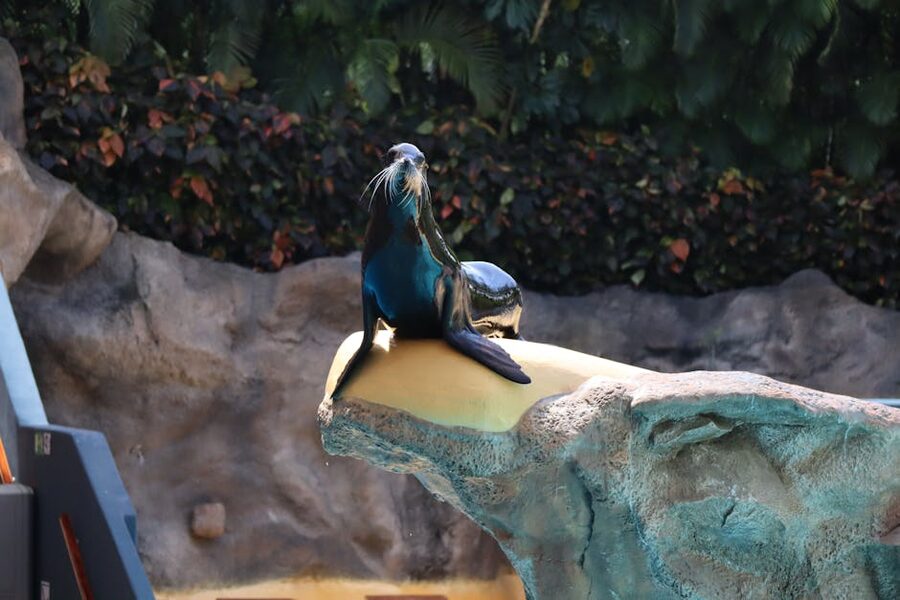
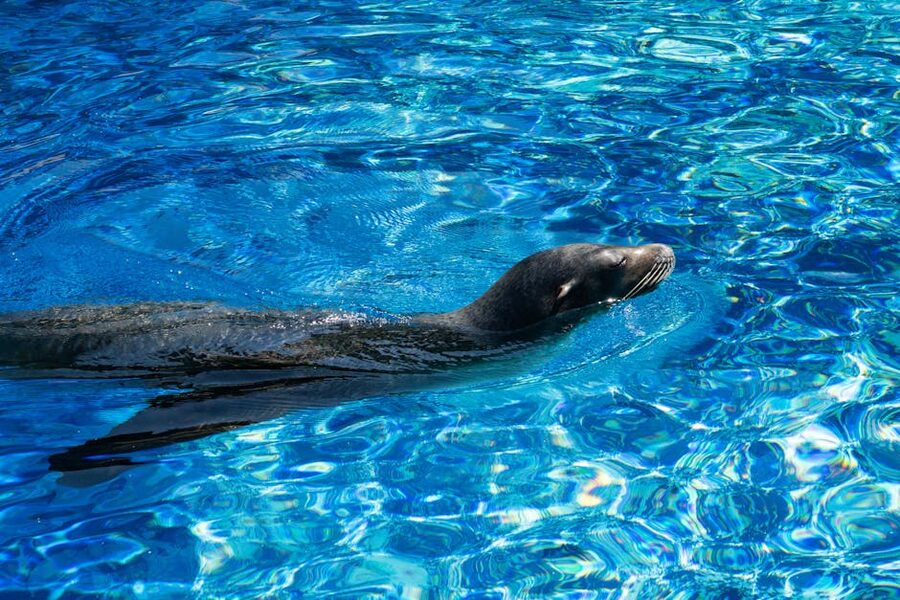
- Sea lions, sharks and the rest
- What to plan around
- Show times
- Food, and what to do instead
- What to wear
- How the park got here
- Where it sits in a Tenerife trip
- Quick practical answers
- Other Canary Islands tickets and tours worth knowing about
What you actually get for the ticket
An adult day pass is around €41 at the gate, sometimes a few euros under that online if you book a couple of days ahead. A child ticket (6-11) sits at roughly €28. Family bundles at the park drop the price further but you have to do the maths against the online ticket plus the kids’ rate, which often comes out cheaper now.
What it covers: the whole park, all shows, all habitats. There are no upsells inside (no separate aquarium ticket, no extra-paid VIP rides). The thing that does add cost is the round-trip from the south coast resort areas, which is why the transfer ticket exists.

Three tickets, and which one to pick
There are really only two distinct booking decisions: (a) the straight entry ticket, or (b) the entry ticket plus a hotel transfer from the south. Both come up below. We’ve covered both products in our review of the entry ticket and our review of the transfer combo; this section is the short version.
1. Loro Parque Entry Ticket: $52

If you’re staying in Puerto de la Cruz, or you have a hire car, this is the one. Our full review goes through the cancellation rules and the mobile-voucher quirks, but the short version: book it the day before, scan at the gate, you’re in. The gate price drift is small enough now that the convenience of the online voucher beats the queue at the ticket window.
Check Availability
Read our full review
2. From South Tenerife: Loro Parque Ticket with Hotel Transfer: $75
This is the right pick if you’re south coast and you don’t want to drive. The transfer alone covers what would otherwise be an awkward island crossing on the TF-1 then TF-5, plus parking at the park. Our review of this product notes one thing worth flagging: the inbound ride is closer to two and a half hours with all the resort pickups, so plan to leave at first light and you’ll get a near-full day at the park anyway.
Check Availability
Read our full review
Getting there from the south, in plain language
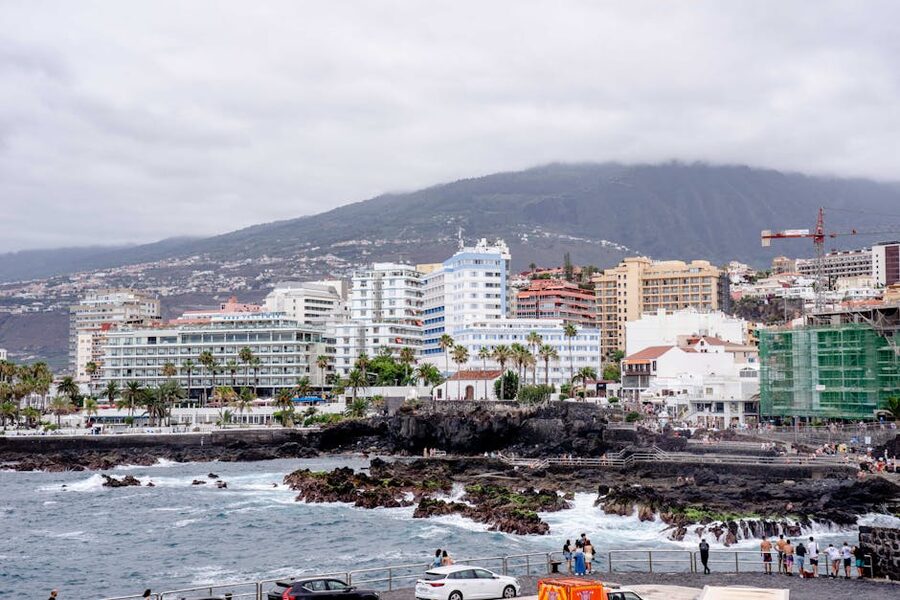
The park is in Puerto de la Cruz on the north coast. Most resort hotels in Tenerife are in Costa Adeje, Playa de las Americas, or Los Cristianos, which are all in the south. The drive between the two ends of the island is about 90 minutes if you do it once, more like two hours with traffic.
You have three real options:
- Hire car: TF-1 north, then TF-5 around the island. Park in the dedicated Loro Parque car park (free with ticket). This is the fastest method and gives you the rest of the day, but you’ve still got the drive home tired at the end.
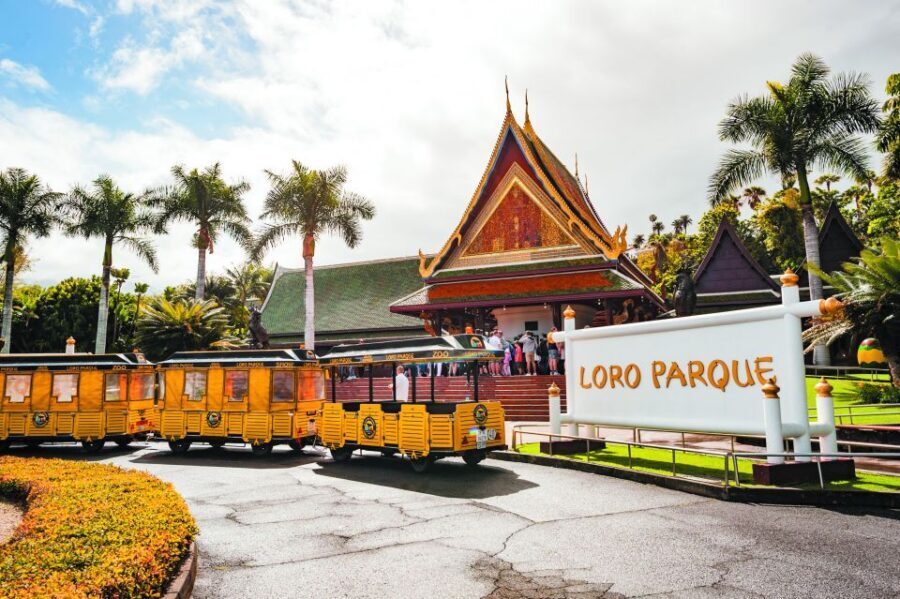
- Bus + free shuttle: there’s a free vintage train shuttle (the “Loro Parque Express”) that runs between the central Avenida de Colón stop in Puerto de la Cruz and the park gate. Free with your entry ticket. Works perfectly if you’re already staying north.
- Combo transfer ticket: door-to-door from the south resorts, no driving, but the early start is non-negotiable.
Inside the park, what’s worth your time
The park covers about 13.5 hectares. Comfortably a full day. You can do it as a half-day if you skip the longer shows, but you’ll feel rushed. Layout-wise: the entrance funnels you toward the parrot show first, then the main loop runs anti-clockwise past the gorillas, the orca tank, the dolphin presentation, and back via Planet Penguin and the AquaViva jellyfish hall.
The official map is fine but the park is bigger than it looks on paper, and several paths double back through covered jungle so it’s easy to lose your bearings. Pin a landmark (the orca stadium is the easiest) before you wander off.
Planet Penguin
If you only do one indoor exhibit, do this one. It’s a sealed Antarctic habitat at around 4°C with real falling snow, lit on a daylight cycle that mimics the southern hemisphere season. The species mix is mostly king penguins and gentoos, with a smaller group of rockhoppers separated. The moving walkway loops past the main viewing pane, then up onto an underwater corridor where the gentoos cruise past at eye level.
One practical thing: the temperature drop is real, and people in summer dresses and sandals get cold fast. There’s no warning at the entrance. If you’re sensitive, do this exhibit before you’ve worked up a sweat from the rest of the park.
The orca stadium, and the conversation around it
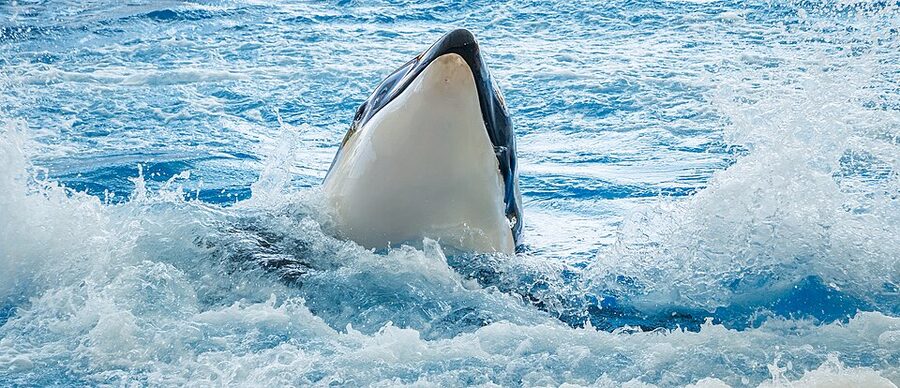

It’s worth being upfront. Loro Parque has been the subject of public ethics complaints over its orca programme. The Whale Sanctuary Project and former trainers have raised concerns about the welfare of orcas in concrete tanks; multiple orcas have died at the park over the years; a trainer was killed by an orca there in 2009. The park’s position is that its animals receive specialist care and contribute to research; outside groups argue the species shouldn’t be kept in this kind of environment at all. Both positions exist and both have evidence behind them.
What that means in practice: some visitors choose to skip the orca presentation, walk past the stadium, and spend that hour in the gorilla habitat or the aquarium. Others go and decide for themselves. The park doesn’t force you through the show; the orca tank is on the loop but the seating is opt-in. We’re not going to tell you whether to go. We are going to tell you it’s a real conversation and you should make a choice rather than drift in.
Dolphin presentation
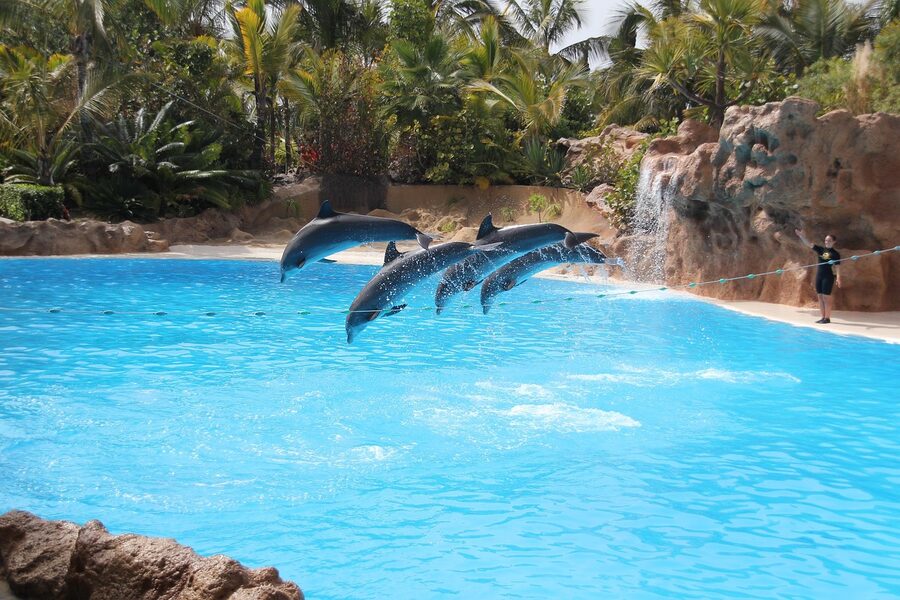
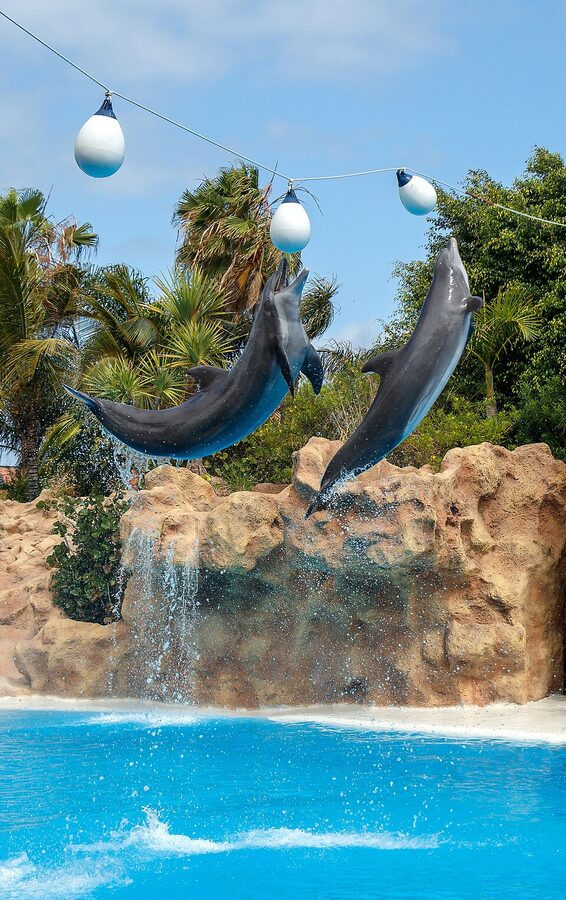
The dolphin presentation sits in a smaller stadium next to the orca one. It’s mixed-format: some natural-behaviour demonstrations, some choreographed jumps, narrated in Spanish and English. Bottlenose dolphins, all bred in captivity according to the park. Same conversation as the orcas applies in a milder form. We’ll leave you to think it through.
The gorilla habitat


One of the largest western lowland gorilla habitats in Europe. A multi-level enclosure with viewing windows on two sides and a glass tunnel underneath. The dominant silverback is older and slower than you might expect; the more interesting watching is usually the juveniles, who climb the rope nets and chase each other across the high branches. Plan twenty minutes here, longer if you sit and watch.

AquaViva jellyfish hall and the aquarium
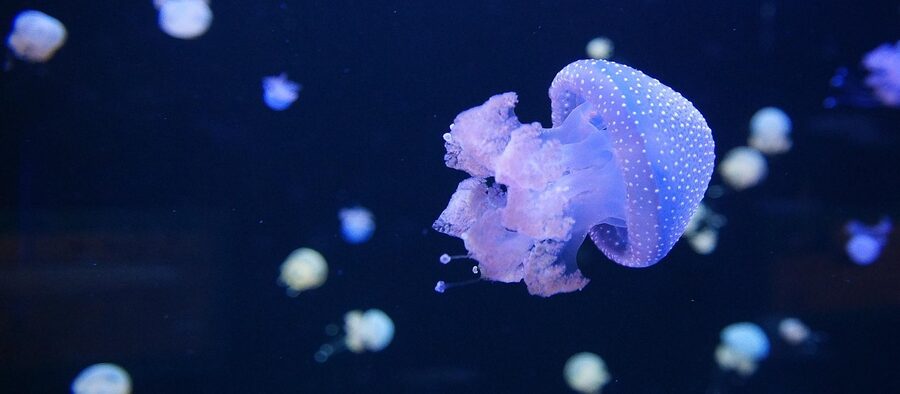
AquaViva is an underrated quiet room in the park. After the volume of the dolphin stadium and the heat of the outdoor paths, ten minutes here is the most restful break on the whole loop. The aquarium proper, just past the jellyfish hall, has a walk-through tunnel with sharks and rays passing overhead. Less spectacular than a flagship aquarium like Lisbon’s but well-paced and not crowded.
The parrots, which is what the park is actually for
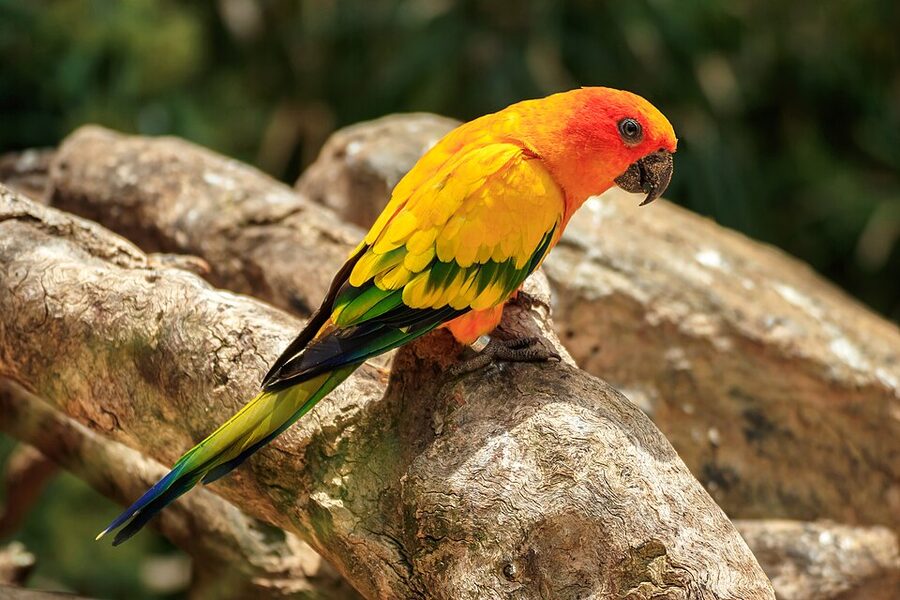

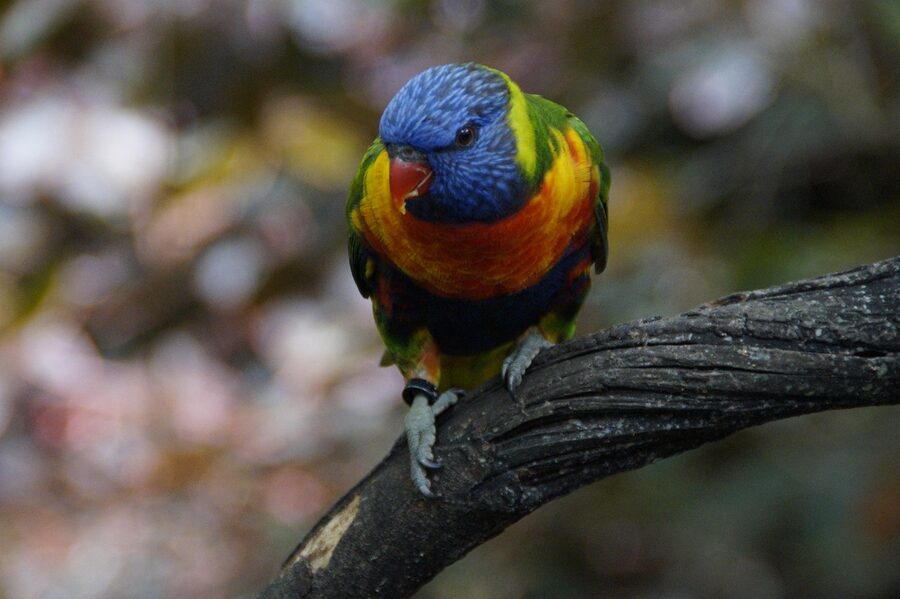
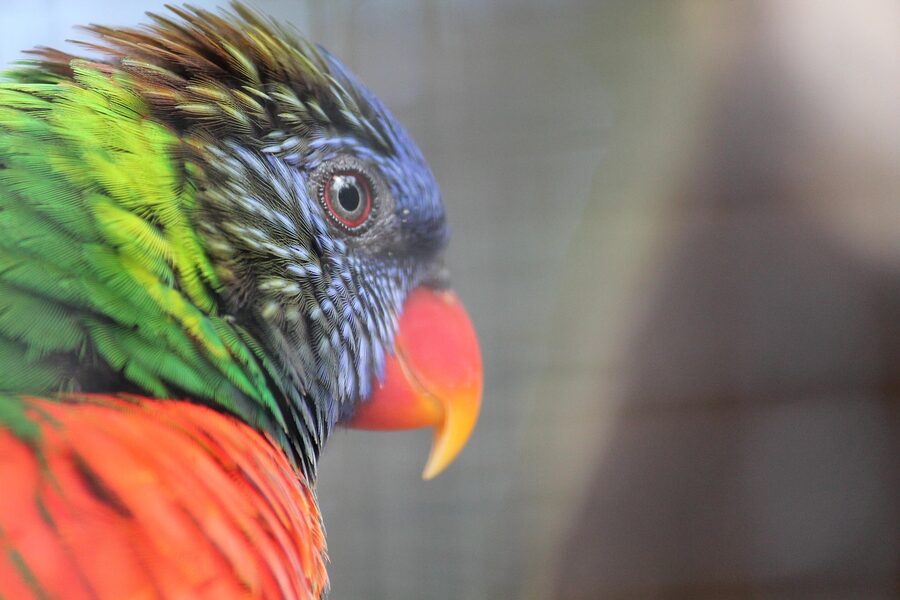
This is the part of the park that gets the least attention from visitors and the most attention from biologists. Loro Parque holds the world’s largest parrot collection and the Loro Parque Foundation runs a serious species-recovery programme that has reintroduced critically endangered macaws back into the wild. The Discovery Tour (the parrot show, twenty minutes, four shows daily) is straightforward; the open aviary is the better experience. Don’t rush past it on the way to the next stadium.
Sea lions, sharks and the rest

What to plan around
Show times
The main time-locked events are the parrot show (Discovery Tour), the dolphin presentation, the orca presentation and the sea lion show. They run at staggered times, four times a day each, and the park gives you a printed schedule at the gate plus the same thing in the app.
The trick is to map your route around the show times rather than walking the loop and hoping. If you try to hit all four shows you spend the whole day moving from stadium to stadium and miss the parrots and the gorillas. Pick two shows you actually want to see and build the day around them.
Food, and what to do instead
The food inside the park is fine and overpriced, which is what you’d expect. There’s a Brunelli’s pizza place near Planet Penguin, a few snack stands, and a sit-down restaurant called Patio del Loro. None of it is worth seeking out. The smart move if you’re driving is to eat in Puerto de la Cruz before or after; if you’re on the transfer bus, pack a sandwich.
What to wear
Comfortable shoes (you’ll walk a lot), a layer for Planet Penguin, sun cream for everything else. The north coast in Tenerife runs cooler and cloudier than the south so don’t assume beach weather. In winter (December-February) take a light fleece. Buggies and wheelchairs are available at the entrance; the park is largely flat with a few gentle slopes.
How the park got here
Loro Parque opened in 1972 with about 150 parrots and a hectare and a half of garden. Founder Wolfgang Kiessling wanted a parrot conservation centre rather than a tourist attraction, but the timing (Tenerife’s tourism boom) and the location (a few minutes from the resort hotels of Puerto de la Cruz) turned it into both within a few years. The park added the dolphins in 1987, the orcas in 2006 (transferred from SeaWorld in the United States), and most recently the AquaViva jellyfish hall and the gorilla habitat. The footprint has grown about ten-fold since opening.
The Loro Parque Foundation, which is funded by the park, runs separately from the visitor business. It has reintroduced eight critically endangered parrot species to the wild, including the Spix’s macaw, which existed only in captivity for two decades and now has a population back in north-east Brazil. That’s the part of the park’s story that doesn’t fit on the day-ticket leaflet but is genuinely the most interesting thing about the place.
Where it sits in a Tenerife trip
If you have one day on the north coast, Loro Parque fills it well. If you have two, pair it with the old town of La Orotava (twenty minutes inland) the next morning. If you have three, add Puerto de la Cruz’s botanical garden, which is tiny but excellent, and the Lago Martiánez seawater pool complex right on the seafront.
And on a longer Tenerife trip, the obvious sibling is the daytime Mount Teide tour, which takes you up to 3,500m on a different day. Same logic if you want the night sky version: the stargazing tour at Teide happens after dark, and the altitude makes the visible Milky Way feel close enough to touch. Whale and dolphin watching off Los Gigantes is another good day on the south coast: see our whale watching guide.
Quick practical answers
Is Loro Parque open every day? Yes, year-round. Hours are typically 9am to 5:45pm, with last admission around 4pm. Christmas Day and New Year’s Day occasionally run shorter hours.
How long do I need? A full day is comfortable. A half-day works if you skip two of the four shows. Less than four hours and you’ll feel rushed.
Can I bring food and drink? Yes. There’s no formal ban on outside food. Sandwiches and water bottles are fine; glass bottles get refused at the gate.
Is it good for very young kids? Yes, particularly under-fives. The shows are short, the paths are buggy-friendly, and the variety of animals keeps short attention spans engaged. Babies under three go free.
Are the shows in English? The parrot, dolphin and orca presentations are in Spanish primarily, with key parts narrated in English. The visuals carry most of the show regardless.
Can I bring a backpack? Yes. There are small lockers near the entrance for around €4 if you’d rather not carry it.
Are tickets refundable? Both online tickets above are fully refundable up to 24 hours before the start time. The transfer combo is on the same window.
Other Canary Islands tickets and tours worth knowing about
If you’re already planning a few days here and Loro Parque is on the list, the rest of the must-book Canary Islands attractions cluster around three things: theme parks, marine adventures, and volcanoes. The other big Tenerife day-trip is Siam Park, which sits on the south coast and runs as a pure water park, opposite end of the island and opposite vibe. For something gentler, a banana plantation visit works well as a half-day from Puerto de la Cruz, since most of the plantations are on this same north coast. Cross over to Gran Canaria and the equivalent aquarium-style attraction is Poema del Mar, which has a tunnel deeper than Loro Parque’s. On Lanzarote, the island highlights tour bundles Timanfaya with Jameos del Agua and Cueva de los Verdes; on Fuerteventura, the Cofete jeep safari takes you to a wild beach you can’t easily reach any other way. Off-island, the closest parallel for a single big-ticket family attraction in Spain is Warner Park near Madrid, which trades animals for theme-park rides, or Madrid Zoo if you want a full-day animal park on the mainland.
Affiliate disclosure: this page contains affiliate links. If you book through one we may earn a small commission, at no extra cost to you. We only recommend tours and tickets we’d book ourselves.