
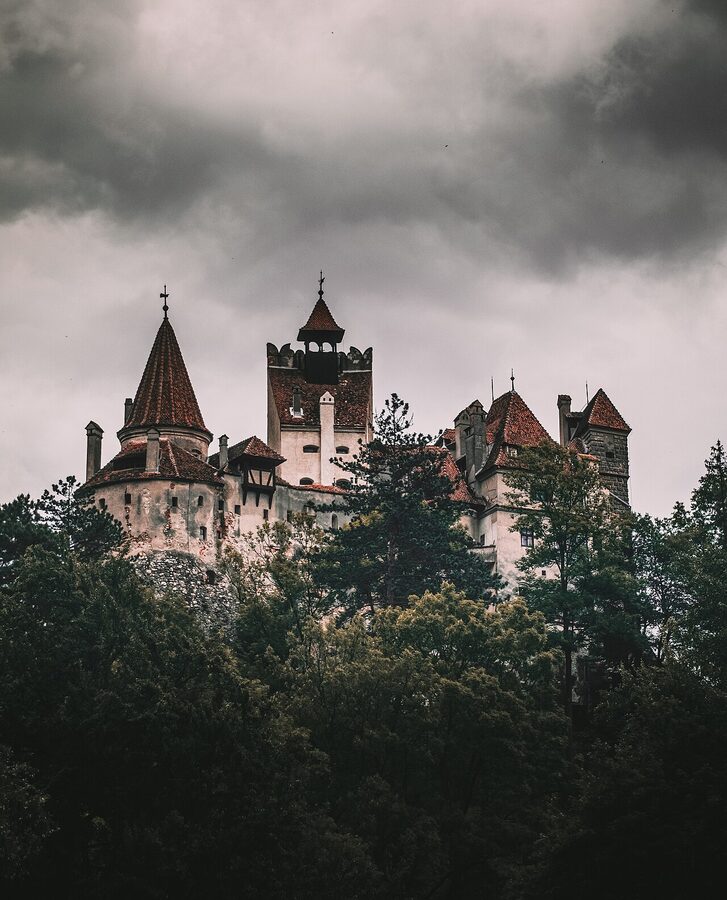
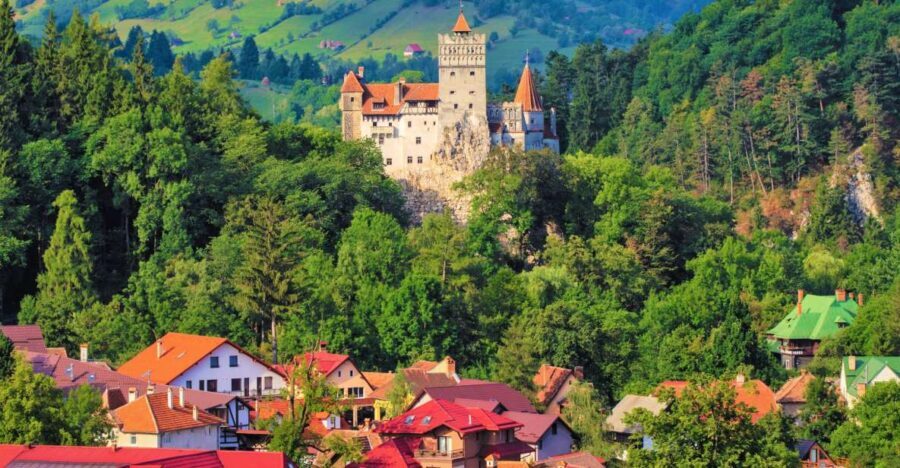
The bus crests the road climbing out of the Prahova Valley, and the pine forest opens just enough to show a slab of white wall on a bluff above the trees. That is your first sight of Bran Castle, and it is not what you pictured. There is no Gothic spire bristling against a stormy sky, no cape rustling on a balcony. There is just a tidy fortress with red tile roofs leaning over a Saxon village square, and a queue of school groups already filing in.
This is the famous Dracula day trip from Bucharest, a roughly twelve-hour run through the Carpathians that bundles three things: the Romanian royal family’s neo-Renaissance summer palace at Sinaia, the Bran Castle that Bram Stoker never visited, and a couple of free hours in the medieval Saxon city of Brasov. It is, by a long margin, the most-booked tour in Romania.

Smaller group: Dracula Castle, Peles and Brasov Full-Day Trip, $40. Tighter mid-size minibus, the same itinerary, slightly less crowded boarding.
Cheapest: Dracula’s Castle, Peles Castle and Brasov Day Trip, $36. Coach format with knowledgeable local guides if you don’t mind the larger group.
- The day, hour by hour
- The three operators worth booking
- 1. Dracula’s Castle, Peles Castle and Brasov Old Town from Bucharest:
- 2. Dracula Castle, Peles and Brasov Full-Day Trip from Bucharest:
- 3. Dracula’s Castle, Peles Castle and Brasov Day Trip from Bucharest:
- What you actually pay for, and what you don’t
- Peles, the actually good castle
- Brasov, the part everyone underestimates
- Bran Castle, the part that disappoints if you let it
- Why Vlad does not actually live here
- When to go, and when to skip it
- What to bring
- The other Bucharest day trips worth your time
The day, hour by hour
Pickup is around 7am from a meeting point near Universitate metro on Bulevardul Nicolae Balcescu. Get there fifteen minutes early. The bus does not wait for stragglers, and that rule is enforced.
The first leg is the long one. About two and a half hours up the DN1, climbing slowly out of the Wallachian plain into the Prahova Valley until pine forest replaces farmland. There is usually a service-station coffee stop somewhere around Ploiesti or Comarnic. Use it. There are no toilets between Comarnic and Sinaia.
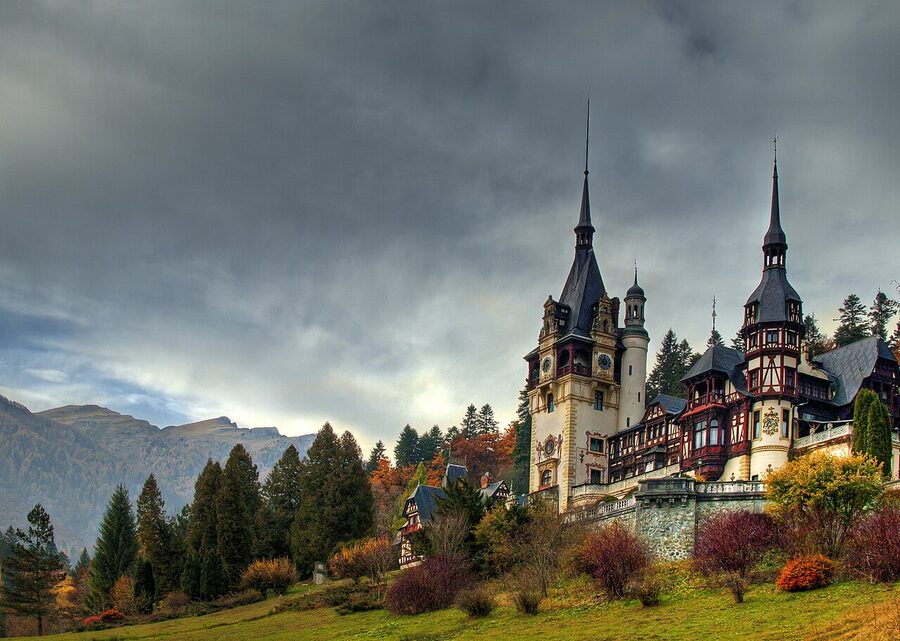
You arrive at Peles Castle around 10:30. You get roughly two hours here, which sounds like a lot until you join the queue. The castle works on timed entry and only allows visits with an in-house guide, so even with skip-the-line tickets you wait in the courtyard for your slot. Inside the visit lasts about 45 minutes and follows a fixed loop through the ground-floor staterooms. Afterwards the gardens get the rest of your time.

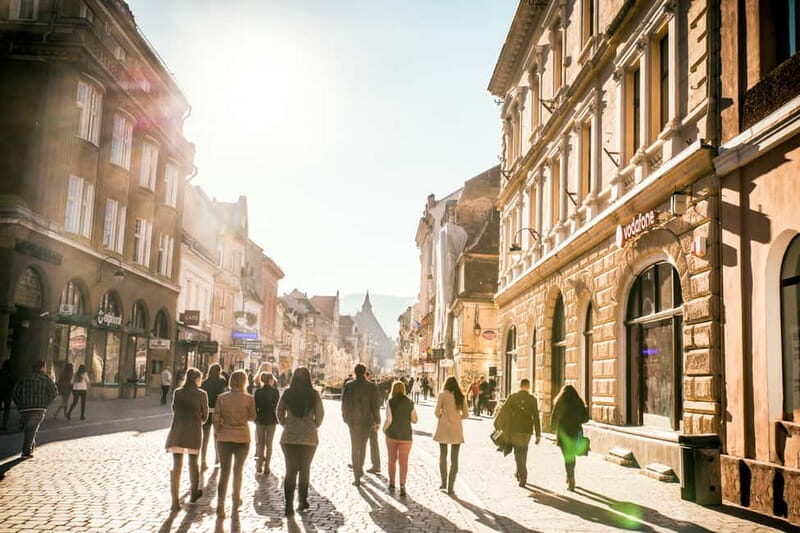
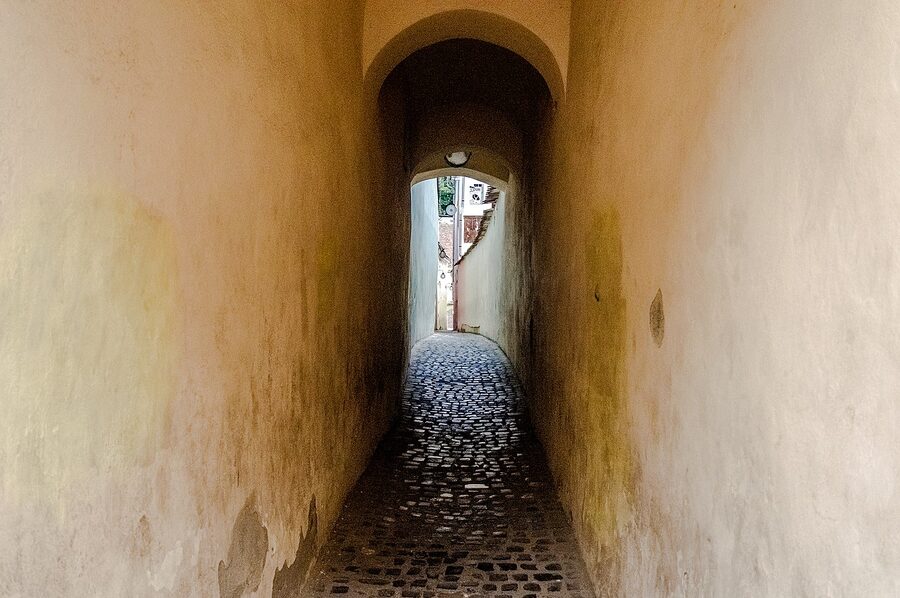
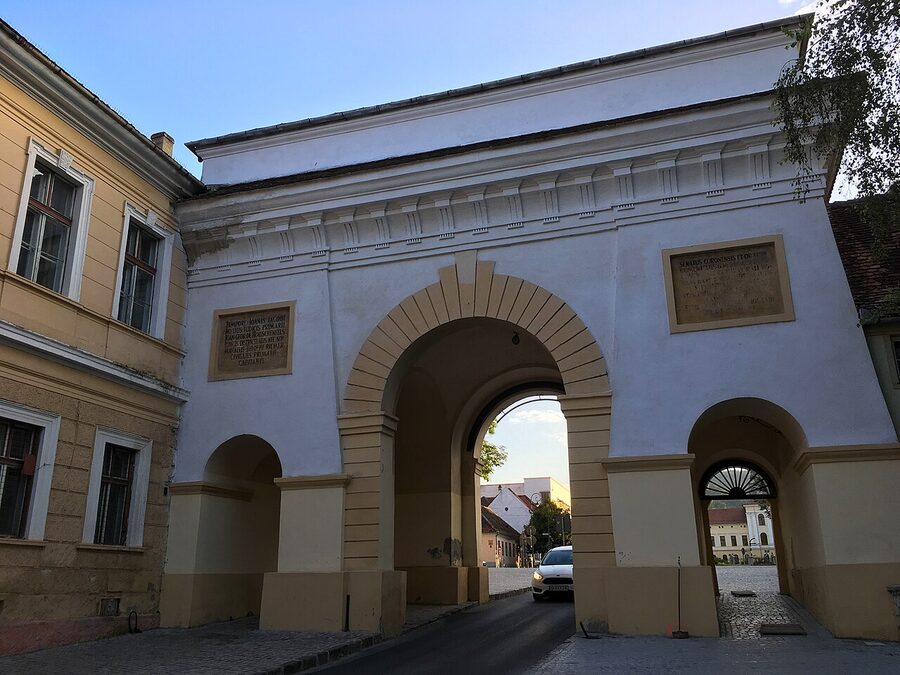
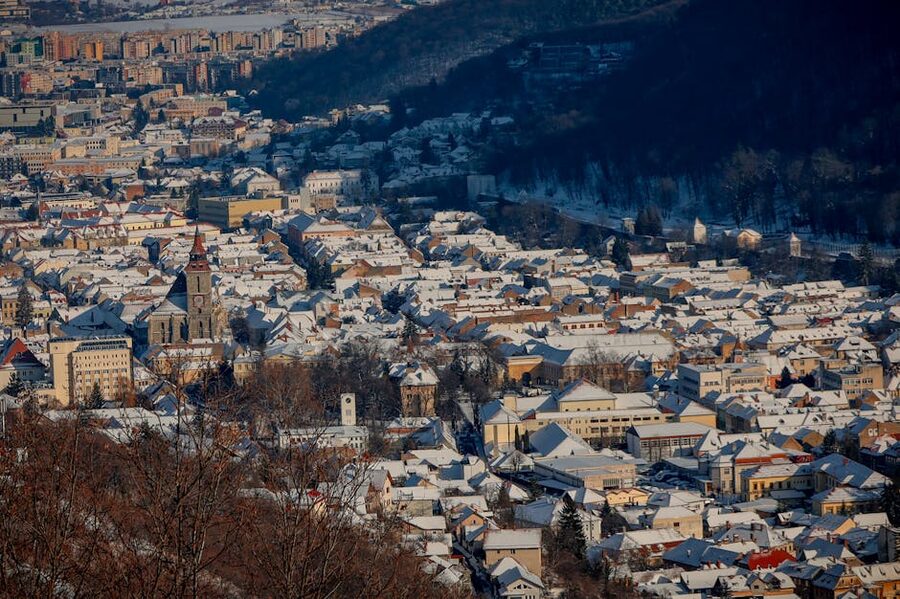
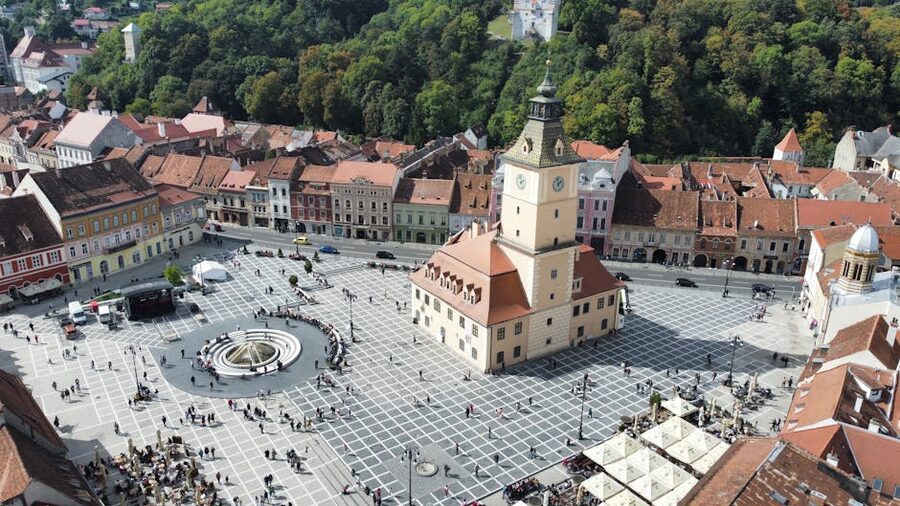
By 12:30 you are back on the bus rolling north over the Predeal pass into Transylvania proper. Brasov is only about 45 minutes from Sinaia. Most operators stop here for two hours mid-day, dropping you somewhere near Council Square so you can find lunch on your own and walk the old town. The Black Church is right there. So is Strada Sforii, the so-called narrowest street in Europe, which is more of a passage than a street.
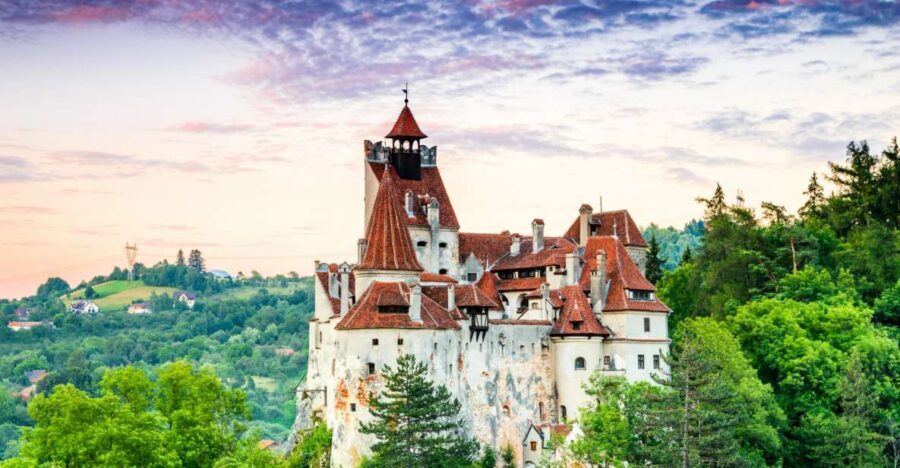
The last castle of the day is Bran. Around 3pm you reach the small village of Bran on the southern edge of the Carpathian foothills, queue at the entrance, climb the stone path up the bluff, and get about an hour and a half inside and around the fortress. By 5pm you are back in the bus. The drive home is the long one in the dark, and you are usually tipped out at the same Universitate spot around 8pm or 9pm depending on traffic.

The three operators worth booking
You will see eleven or twelve listings for this day on the marketplaces, but most of them are different resellers wrapping the same coach. Three are genuinely distinct products. Pick by group size, not by the photograph on the listing page.
1. Dracula’s Castle, Peles Castle and Brasov Old Town from Bucharest: $40
This is the most-booked Romania day product, full stop. It runs daily, the bus is air-conditioned, and the tour director stays with you all day rather than passing you to local guides at each stop. The trade-off is the size, you are usually a coach of around forty rather than a minibus of twelve. Our full review of this tour covers the lunch nuance, you pay for it on the day in Brasov.
Check Availability
Read our full review
2. Dracula Castle, Peles and Brasov Full-Day Trip from Bucharest: $40
Effectively the same itinerary as the flagship, run by a different operator with a slightly smaller vehicle. The pacing is identical, you get inside both castles and roughly two hours in central Brasov. We mention in our review that the guide here typically sells you castle entry tickets on the bus for a flat 300 RON, which is the easiest way to skip the entrance queue at Peles.
Check Availability
Read our full review
3. Dracula’s Castle, Peles Castle and Brasov Day Trip from Bucharest: $36
The cheapest of the three legitimate operators and the version we send budget travellers to. The coach is larger, but the guides are the genuine selling point here. Our review of this day trip notes that the Peles staterooms are the highlight, while Bran is the weakest of the three stops, fine but oversold.
Check Availability
Read our full review
What you actually pay for, and what you don’t
The headline price covers the bus, the driver, the English-speaking tour director, and pickup and drop-off in central Bucharest. It does not cover the things you might assume it does.
Castle entry tickets are extra and cash-only at the gate. Peles is currently 80 RON for a basic ground-floor visit, with surcharges if you want the upper floors. Bran is 70 RON. You will spend roughly 150 RON, around 30 euros, on entry alone. Bring it in lei, not euros.
Lunch is on you and you take it in Brasov during the free hour. Plenty of operators sell you a 300 RON bundle of the two castle tickets on the bus to save you queueing, which is the better play if you want the time inside rather than in the queue.
Photography is allowed inside Peles for a small extra charge, paid at the entrance, and inside Bran for free. Tripods are not permitted. Bran has tight stairs and low doorframes, so it is awkward with a backpack, leave it on the bus or in the village if you can.
.jpg)
Peles, the actually good castle
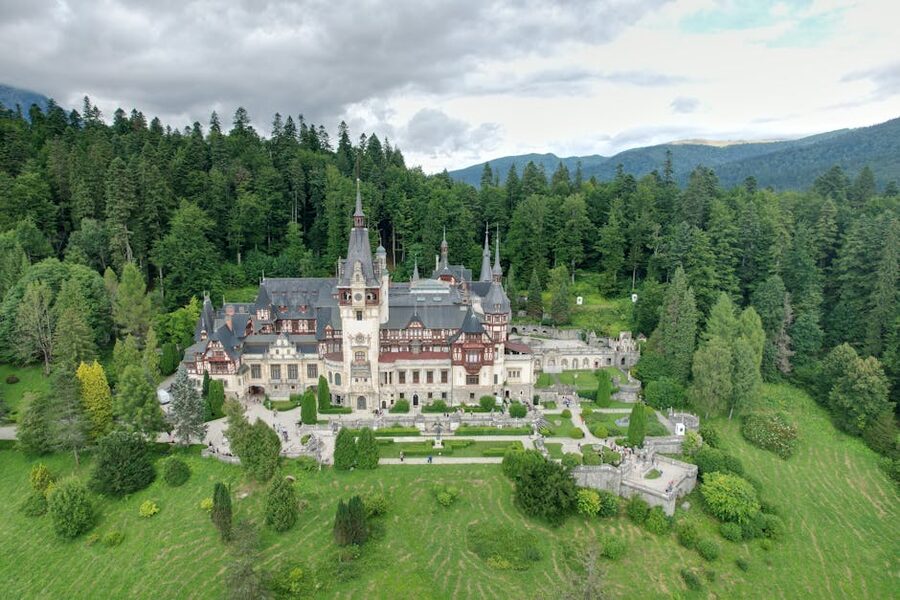
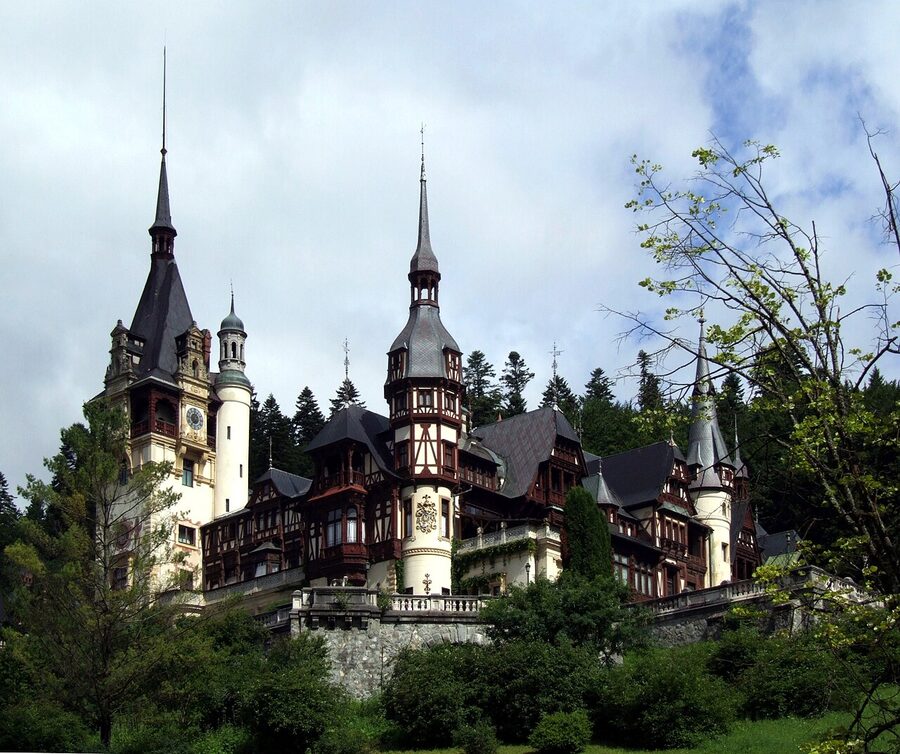
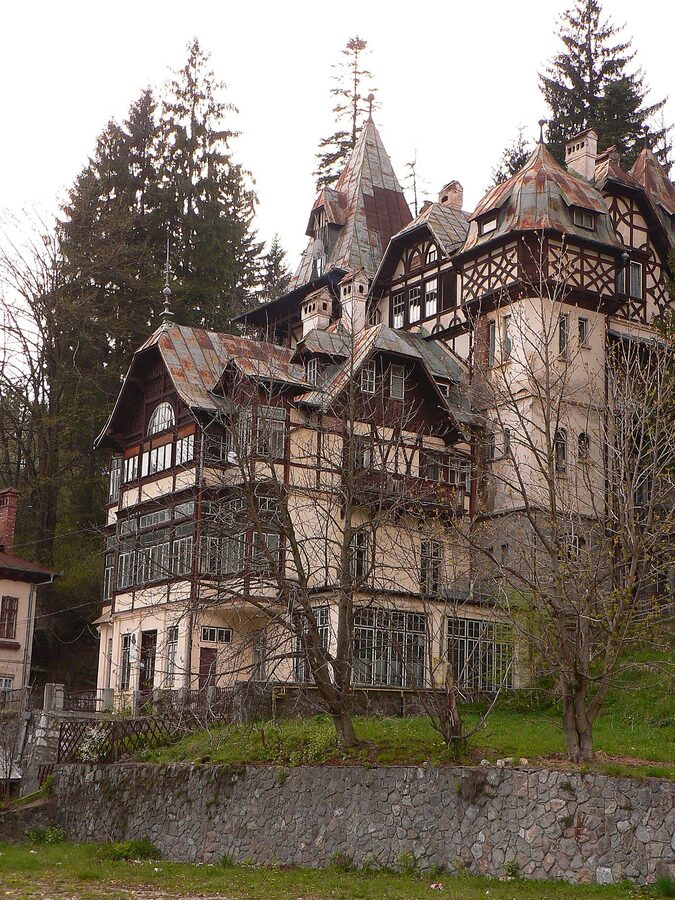
Peles is the reason this tour is worth the time, and almost no one books it for Peles. The bus pulls into a gravel forecourt and you walk a sloping path past the gardener’s cottage and the chapel before the main facade reveals itself. The first reaction from most people is something like “wait, this is the wrong castle, this is the proper one.”
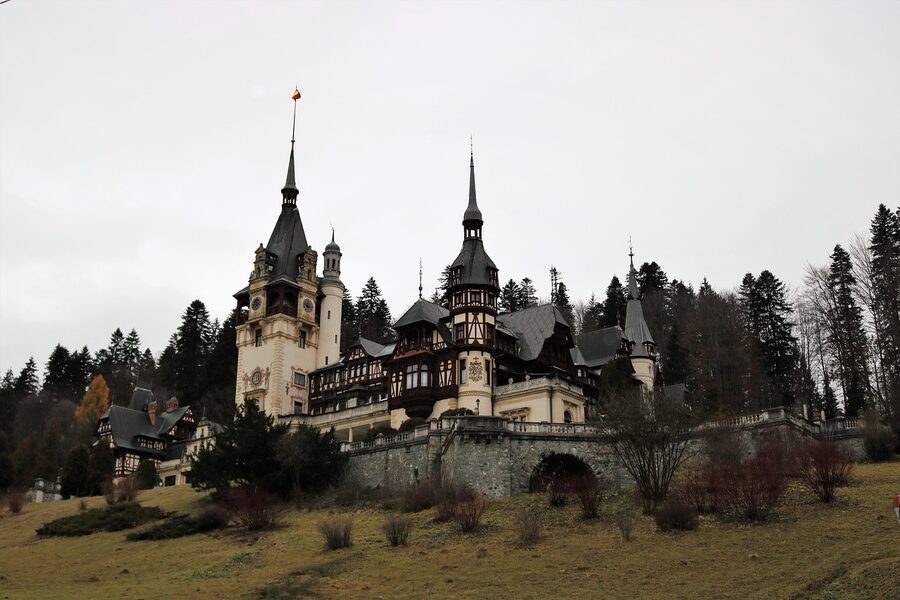
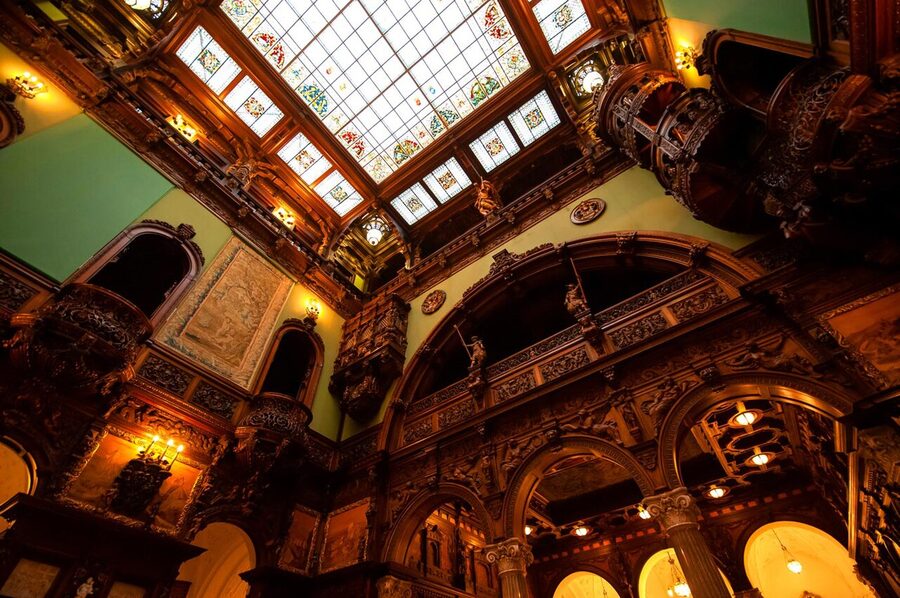
It was built between 1873 and 1914, finished long after Carol I had already moved in. The stated room count is around 170, of which 30 are bathrooms and the rest range from staterooms to bedrooms to a private theatre. The standard tour covers the ground floor: the Hall of Honor with its retractable stained-glass ceiling, the armoury, the music room, the Florentine room, and a couple of period bedrooms on the route out. If you can get the upper-floor add-on ticket, do, the bedrooms upstairs are where the building stops feeling like a museum and starts feeling like a house someone lived in.
One thing the guides skip and the brochure does not mention: there is a hilltop view of the castle that almost no one bothers with. Walk the perimeter path uphill from the main entrance for about five minutes, before joining the entry queue, and you get the photograph that the postcards use. After the visit it is a much longer climb and most people are tired.

Brasov, the part everyone underestimates
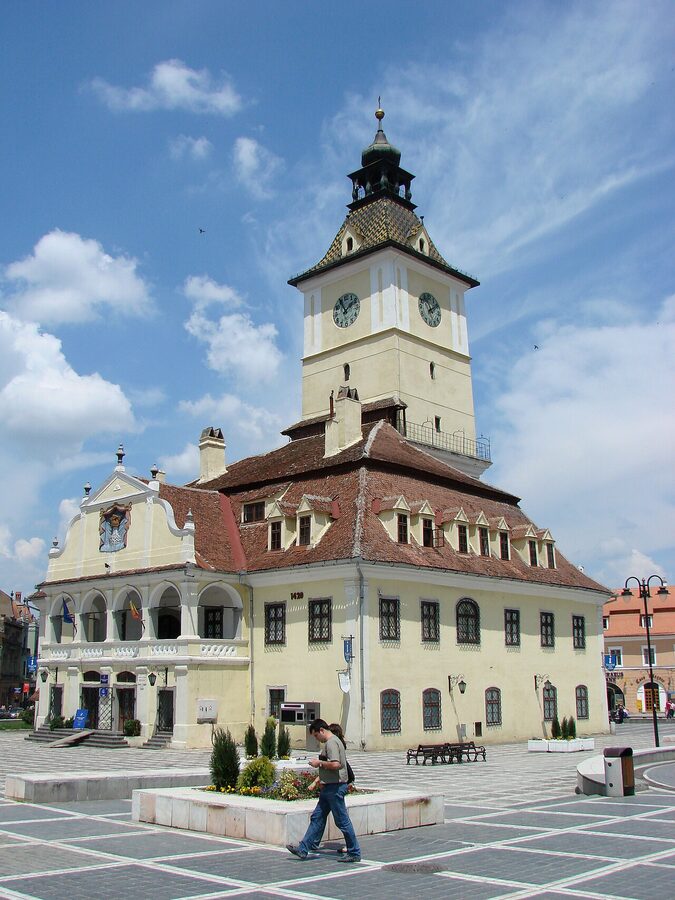
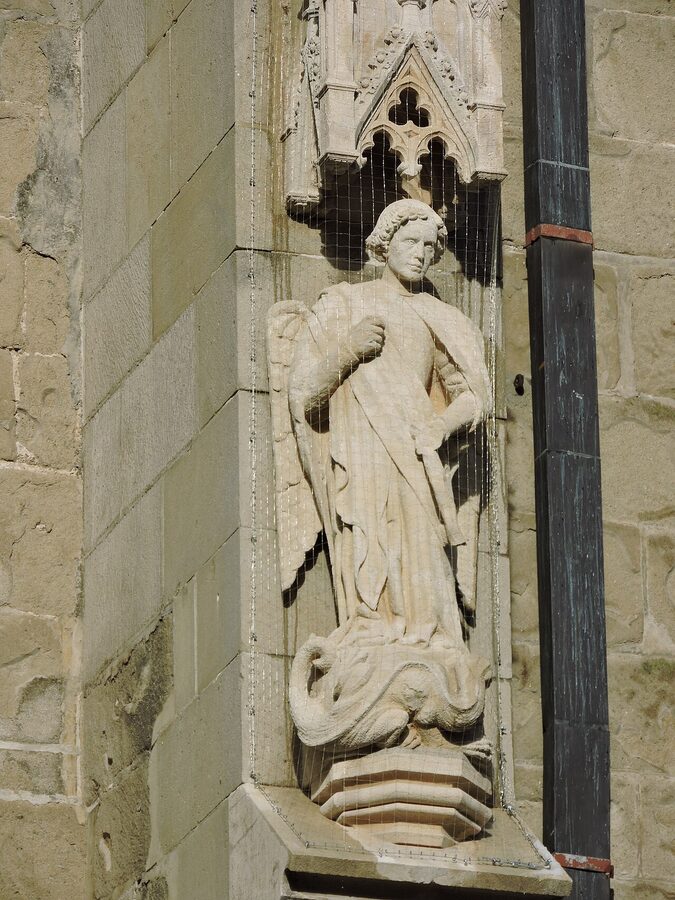
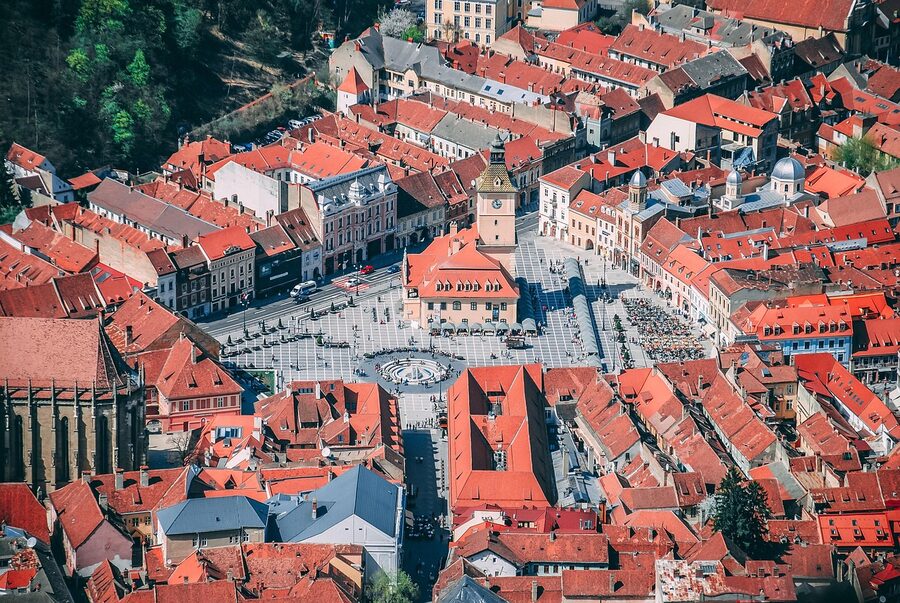
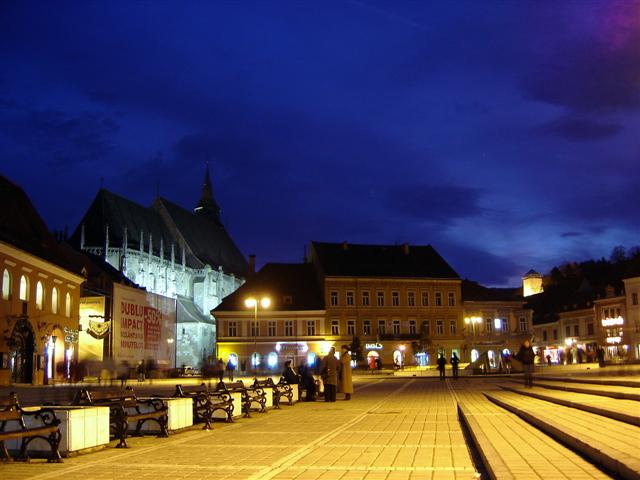
Brasov is where the day quietly turns into something better than a castle tour. You get two hours, sometimes more if Bran’s queue is short, and Council Square is one of those Central European market squares that is both touristy and genuinely beautiful. The yellow Casa Sfatului in the centre, the trumpeter’s tower above the trees on Tampa hill, the Black Church looming on the south side, all visible without moving.
_-_Brasov_-_Romania.jpg)
,_Brasov_(45752220174).jpg)
The Black Church is open to visitors and there is a small entry fee, around 15 RON, which most people skip because they would rather eat. Skip the entry yourself if you have to choose, the exterior is the photograph and the interior is a Lutheran nave with carpets, atmospheric but quick. Go to the church only if you have a clear ninety minutes in town.
_in_Brasov_(28864882560).jpg)
For lunch, the rule is to walk one block off Council Square and you halve your bill without losing the medieval atmosphere. Strada Republicii has a chain of cafes that are fine. The genuinely nice ones are on the smaller streets running parallel. Do not try to eat at the square itself, the food is fine, the prices are tourist prices, and you have a coach to catch.

Bran Castle, the part that disappoints if you let it
Bran is the third stop and the most-photographed of the three, and quietly the weakest. Vlad the Impaler, the historical Wallachian prince who supplied the name Dracula, almost certainly never lived here. He may have been imprisoned in the castle for a couple of months in 1462, that is disputed. Bram Stoker, the Irish novelist who wrote Dracula in 1897, never visited Romania at all. The connection between the building and the novel is a 20th-century tourism invention, basically post-war, helped along by the fact that the silhouette photographs well.
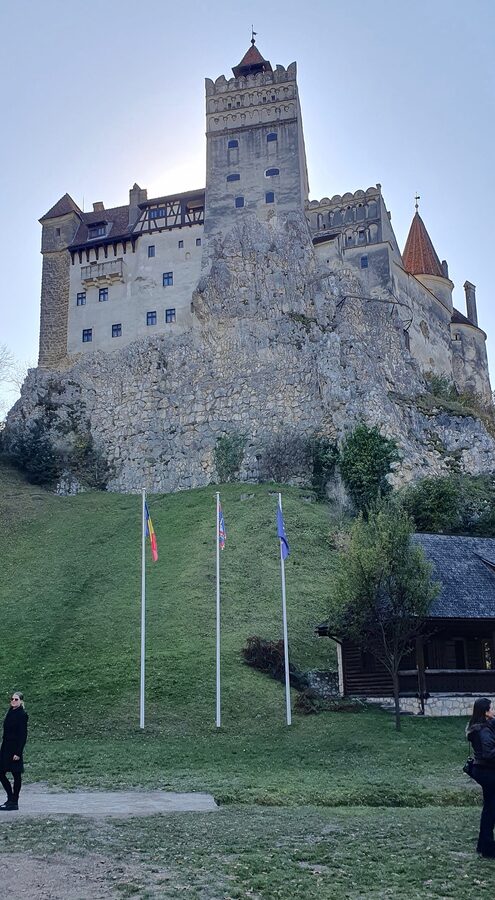

What it actually is: a 14th-century Saxon customs castle, built in 1377 to control the trade road from Wallachia to Brasov, then expanded in the 1920s as a private residence by Queen Marie of Romania. The interior you see is mostly her early-1900s decoration, low ceilings, period furniture, narrow stone staircases. It is genuinely interesting if you go in expecting a Saxon-meets-Belle-Epoque royal house. It is genuinely disappointing if you go in expecting fog, ravens, and a guide in fangs.
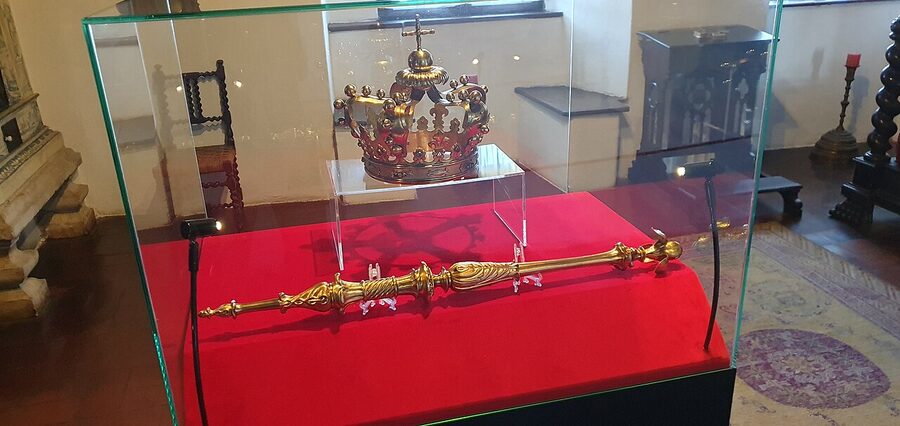

Practical: the visit moves on a one-way loop with low doors. If you are tall, watch your head, the staircases are narrow enough that you cannot pass another visitor going the opposite way. The queue at the village entrance gate can take 30 to 45 minutes in summer if your operator does not have priority access. Most do. Photography is allowed throughout.
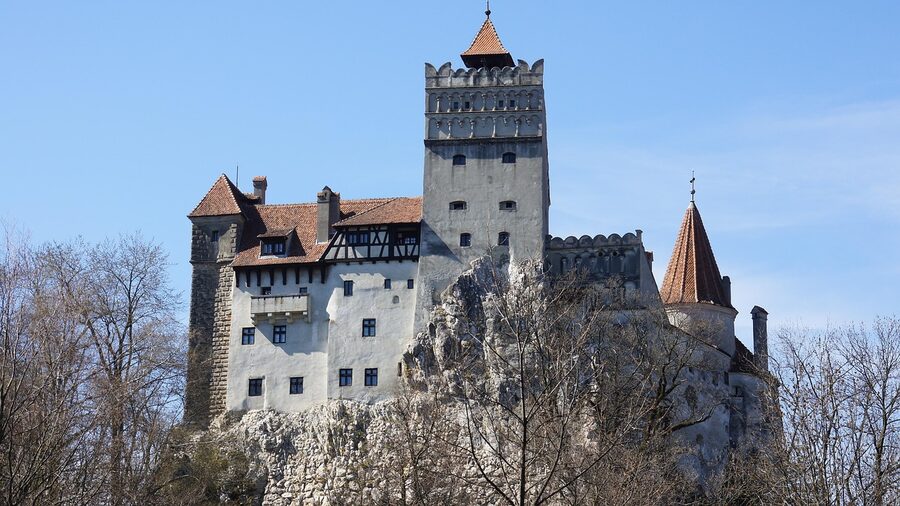
If you find Bran a let-down and want a proper second look at the building on its own terms, our standalone guide on how to get Bran Castle tickets covers the direct visit option from Brasov by minibus, which gives you longer inside and skips the speed-tour pacing.
Why Vlad does not actually live here
Vlad III, called Vlad Tepes or Vlad the Impaler, ruled Wallachia for three short stints in the 15th century. He was born in Sighisoara, lived mostly in Targoviste, and died in battle near Bucharest in 1476. He had no significant connection to Bran Castle. The link to the building was made in the 1970s by a tourism office looking for a hook for the Western market.
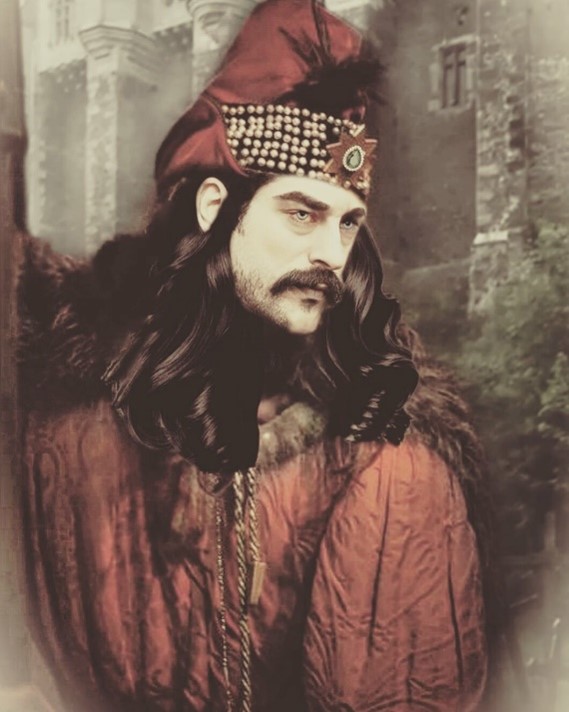

Bram Stoker himself based the character of Count Dracula on a brief description in an 1820s travel book about Transylvania. He described his Dracula as living in a castle in the Borgo Pass, which is in northern Transylvania, not the southern foothills where Bran sits. The two had nothing to do with each other until Hammer Films and Romanian state tourism agreed they should.
Why this matters for your day: enjoy Bran for what it is, a 14th-century Saxon fortress with a 1920s royal interior. Do not expect the visit to deliver anything horror-related, the castle leans into the myth gently in the gift shop and that is about it. The atmosphere on the road approach is the part that actually delivers.
When to go, and when to skip it
The tour runs year-round but the experience varies. Late May through September is peak, which means hotter buses, longer queues at Bran, and a Brasov square that is genuinely crowded. October is the secret-best month, the light is gold, the queues drop, and the Carpathian forest turns. November to mid-March is a different trip entirely. Peles closes a couple of windows around Christmas and New Year, and the mountain road can ice over.
One real warning: Peles and the smaller Pelisor castle next to it are closed every Monday and Tuesday. Some operators still run the day on those days but skip Peles, replacing it with a longer stop in Sinaia town. Read the listing carefully if you are travelling early in the week. The flagship operator we list above pauses the trip on those days entirely.
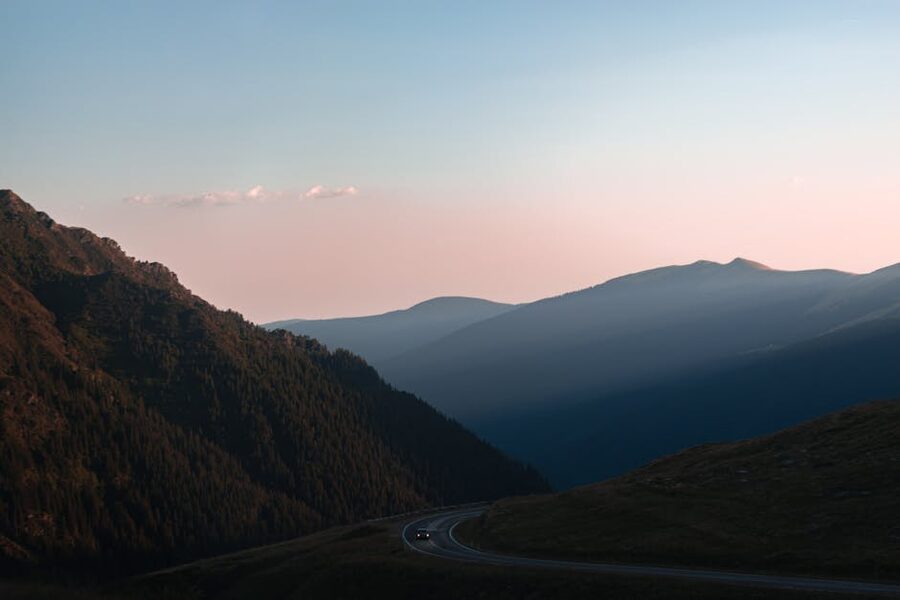
Skip the tour entirely if you only have one day in Romania, you do not like long bus rides, you have small kids, or you are looking for something fast-paced. There is a minimum age of 11 on most operators because the day is genuinely long for younger travellers. If you have car sickness, the mountain switchbacks between Predeal and Bran will get you.
What to bring
You need cash in lei. Roughly 200 RON covers the two castle entries plus lunch with a beer in Brasov. Card payment is fine inside Brasov but the castle ticket booths only take cash. There is no ATM on the route between Bucharest and Sinaia, draw out before pickup.
Wear shoes you can climb stone stairs in. Bran in particular has a steep cobbled approach path and unforgiving 14th-century steps inside. A light layer is useful in summer because the castle interiors are about ten degrees cooler than the exterior, and a real coat is essential between October and April.
Bring a passport if you can. Most operators do not require it, but some will ask, and some hotels keep yours during your stay so factor that in. The bus is air-conditioned but warm in summer because the windows do not open, so a water bottle is non-negotiable. They sell drinks at every stop, but at twice the city price.
The other Bucharest day trips worth your time
If you have a longer Romania run and the Dracula tour has whetted the appetite, the next day is usually Palace of Parliament tickets in Bucharest, the Ceausescu-era building that holds three Guinness records and gives you a different angle on the country’s 20th century. For a proper rinse from the long Carpathian day, plenty of people we know follow this trip with Therme Bucharest, the geothermal complex near the airport, which is the perfect post-bus reset before flying home.
The deeper-history take on the city is the communism walking tour in Bucharest, which covers the demolition of the medieval centre to build the Palace of Parliament and the December 1989 revolution sites. It is a genuinely good complement to a day in the Saxon north because the contrast between Brasov’s intact medieval grid and Bucharest’s bulldozed neighbourhoods is the point. If your trip stretches further into Eastern Europe, the parallel multi-castle day from Madrid we cover is Segovia, Avila and Toledo, and the Andalusian variant is the Cathedral, Giralda and Alcazar combo in Seville. Both are similar value plays, three landmarks in a single day with one English-speaking guide.
Affiliate disclosure: some links above are affiliate links. If you book through them we earn a small commission at no extra cost to you. We only recommend tours we have actually researched.