
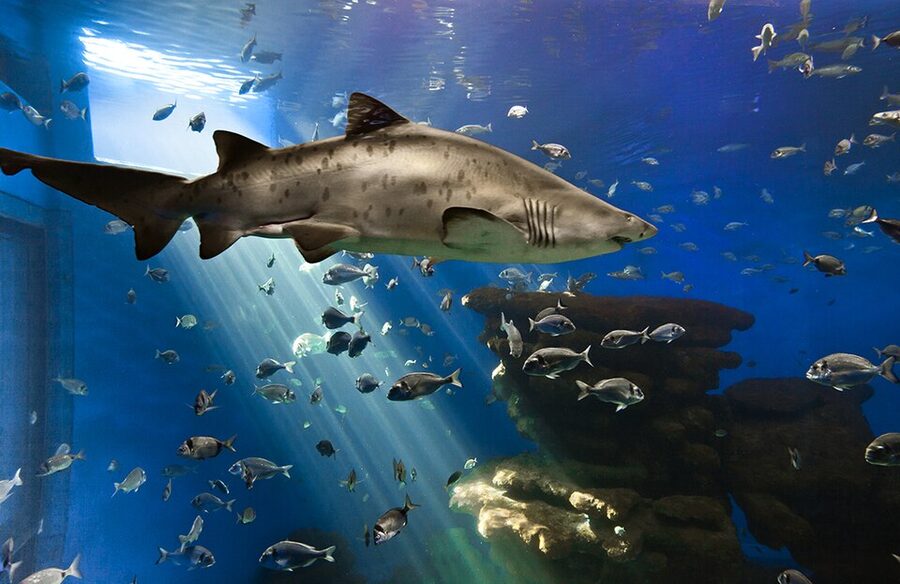
Most people walk into Palma Aquarium expecting a polite collection of tanks and a shark or two behind glass. What they get is the deepest shark tank in Europe, 3.5 million litres of saltwater stacked into a pit you can stand at the edge of, with sand tigers and reef sharks gliding past at eye level. That single tank, the Big Blue, is the reason this place keeps showing up on Mallorca itineraries that have nothing else to do with marine life.

Stress-free with kids: Palma Aquarium Ticket with Transfer Service, $39. Same entry plus hotel pickup, useful if you’re staying north of Palma and don’t want to drive.
Bucket list: Shark Dive at Palma Aquarium, $247. An actual scuba dive inside the Big Blue. No certification needed.
- What you actually get for your money
- Tickets at a glance
- The three tickets worth booking
- 1. Palma Aquarium Entry Ticket with Optional 3D Cinema:
- 2. Palma Aquarium Ticket with Transfer Service:
- 3. Shark Dive at Palma Aquarium: 7
- Getting there from anywhere on the island
- The Big Blue: what makes it different
- The other zones, ranked roughly
- Outside: the jungle and the gardens
- Sea turtles and what the rescue centre actually does
- How long it actually takes
- The big-money extras: shark dive, snorkel, sleepover
- Food, drink, and what to skip
- When to go (and when not to)
- If the aquarium is your only Mallorca plan, fix that
- Kids: a quick age-by-age guide
- The bits worth knowing that nobody tells you
- The other big Mallorca pulls worth pairing it with
What you actually get for your money
The standard adult ticket is €30.50 if you’re a tourist, €20 if you’re a Mallorca resident. Kids 3 to 12 pay €19.50, seniors 65+ pay €27, and under-3s are free. Family tickets shave a few euros off if you book two adults plus two kids together.
Booking online through the official site or GetYourGuide is the same price as the gate, but you skip the queue, which on a rainy August Tuesday can run 30 minutes long. That’s the main reason to pre-book. The other is that the GetYourGuide listing handles refunds and date changes more cleanly than the official site does, in my experience.

What’s included with a basic ticket: every indoor zone (Mediterranean, tropical, Big Blue shark tank, jungle, jellyfish room), the outdoor jungle gardens, the touch pool, the playgrounds, and the sea-turtle viewing area. What’s not included: the 3D Aquadome cinema, the shark dive, the snorkel-with-rays experience, and the night sleepover.
The Aquadome 3D cinema is a separate ticket. It’s about 15 minutes of underwater immersive footage, and it’s fine, no more. If you have kids, they’ll love it. If you’re an adult travelling solo, skip it and use the time on a second pass through the shark tank.
Tickets at a glance
- Adult: €30.50 (tourist), €20 (Mallorca resident)
- Child (3 to 12): €19.50 tourist, €13 resident
- Senior (65+): €27 tourist, €17 resident
- Infant (0 to 2): free
- 3D Aquadome add-on: roughly €5 extra at the gate
- Shark dive: €247 (no diving certification required)
If you want to skip the box-office line and go straight to the turnstile with a phone QR code, the main GetYourGuide listing is the smoothest path, and it’s the same headline price as the gate.
The three tickets worth booking
Three options cover what almost everyone needs. The standard entry, an entry-plus-transfer for travellers staying outside Palma, and the shark dive for the one person in your group who refuses to look at sharks through glass.
1. Palma Aquarium Entry Ticket with Optional 3D Cinema: $39
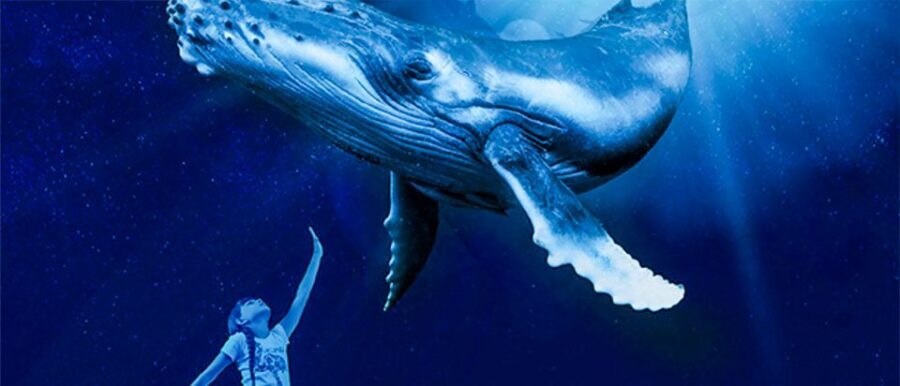
This is the standard adult ticket priced in dollars instead of euros, and it’s the version most people end up using. You walk up to the turnstile with the QR code and you’re inside in under a minute. The optional 3D Aquadome upgrade is worth it for kids and probably worth skipping for adults; our full review goes into when each version makes sense.
Check Availability
Read our full review
2. Palma Aquarium Ticket with Transfer Service: $39
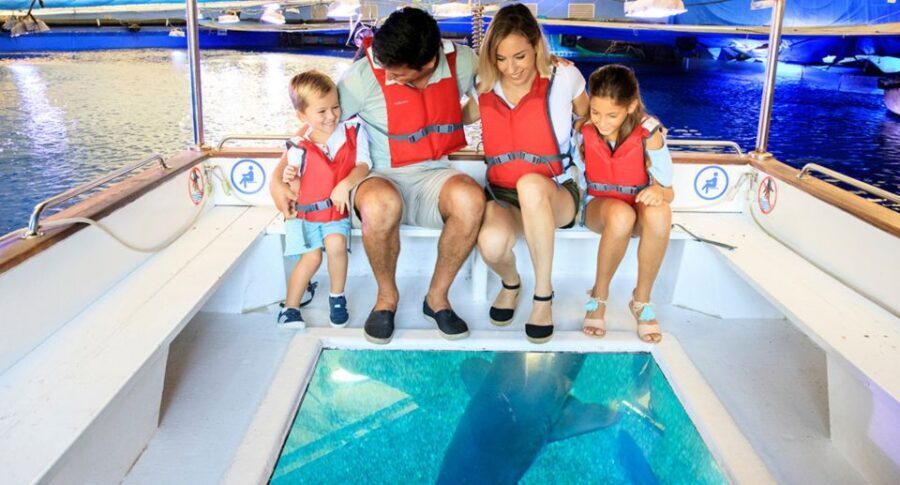
Same entry as the standard ticket but with hotel transfer included from most resort areas across the island. The headline price is the same as the standalone entry, so the transfer is effectively bundled in for free at certain pickup points. We compared the pickup-point coverage in our full review; if you’re staying in Alcúdia, Cala Millor or Palma Nova, this is the obvious pick.
Check Availability
Read our full review
3. Shark Dive at Palma Aquarium: $247
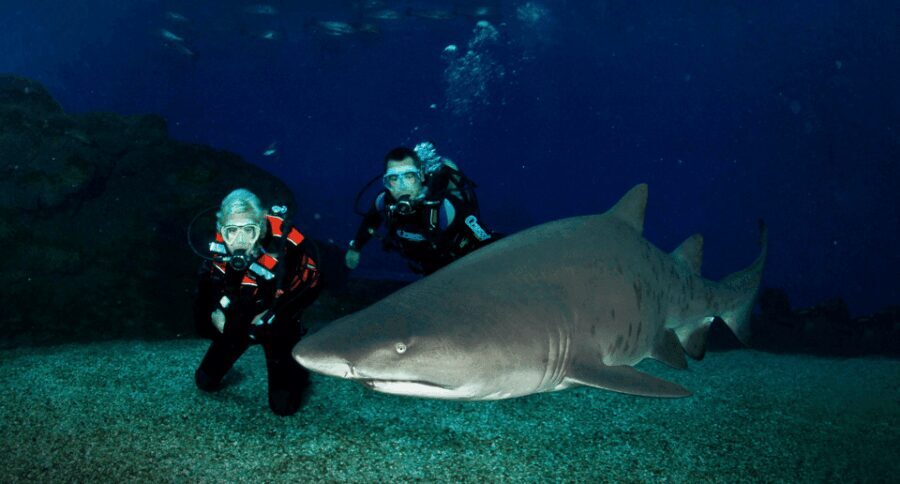
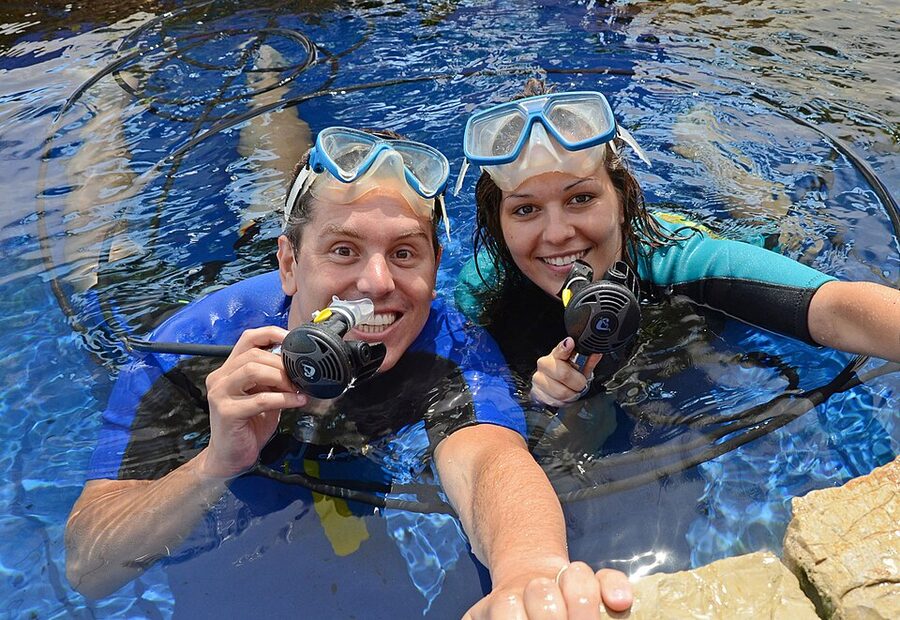
An actual scuba dive inside the Big Blue tank, with sand tiger sharks, reef sharks, and a few large groupers. The session lasts about an hour total with around 25 minutes underwater. No diving certification needed because it’s a confined-water experience supervised one-on-one. Our full review covers the medical questionnaire and the kit you bring versus what’s provided.
Check Availability
Read our full review
Getting there from anywhere on the island
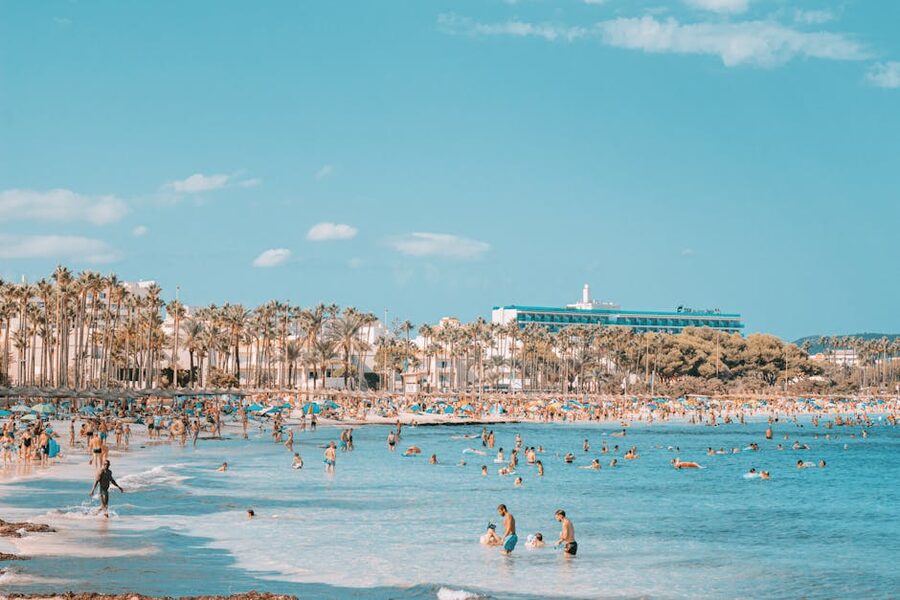
The aquarium is in Playa de Palma, on the south coast just east of Palma city. Five minutes by car from the airport, ten from the cathedral. You can be sipping coffee at your gate, then deep inside a shark tank, in under twenty minutes.
If you’re driving, there’s a free outdoor car park and a paid underground one. The paid garage gives you a €3 discount on entry, which roughly cancels the parking fee. On hot August days the underground option is genuinely worth it because the outdoor cars become ovens by lunchtime.
Public bus from central Palma is the EMT 23, which runs every 20 minutes from Plaça d’Espanya and takes around half an hour to the aquarium stop. €2 cash, exact change appreciated. From the airport, the EMT A1 will get you to central Palma where you change for the 23.
From further out on the island, the cleanest option is the bundled transfer-included ticket. Pickup from most major resort hubs. If you’re already on a circular tour of the island, the full Mallorca island tour doesn’t usually swing through Playa de Palma, so the aquarium is its own dedicated half-day.
The Big Blue: what makes it different
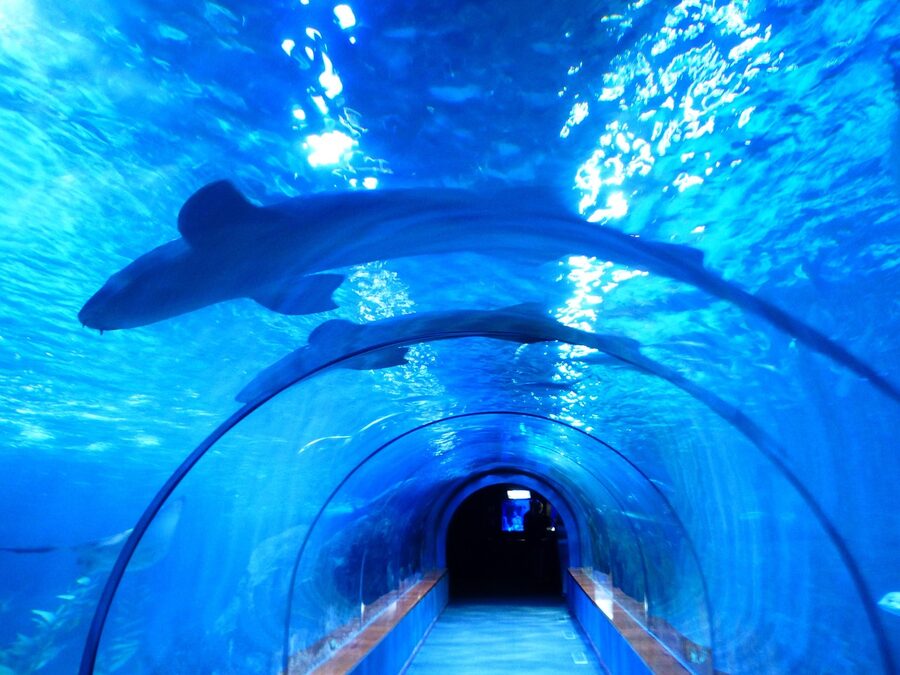
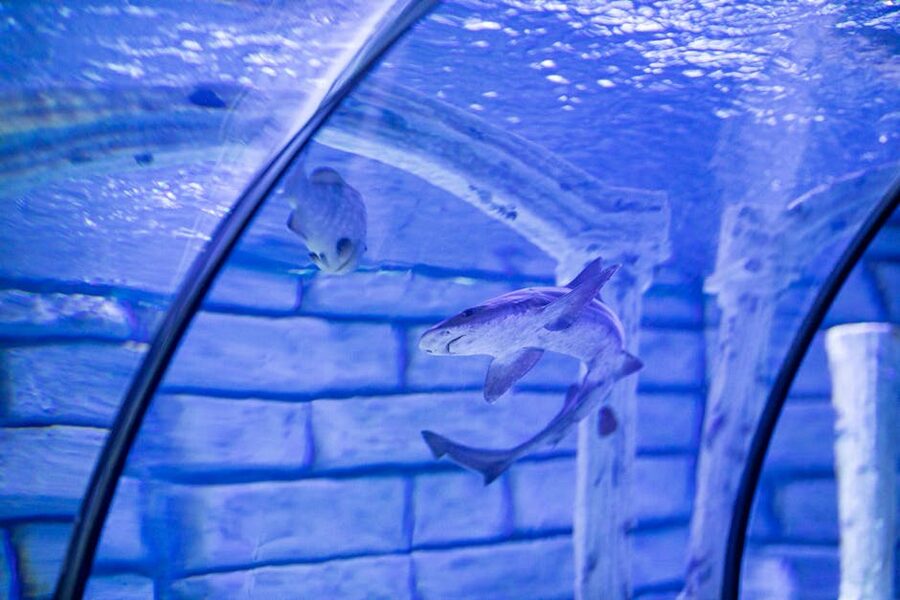
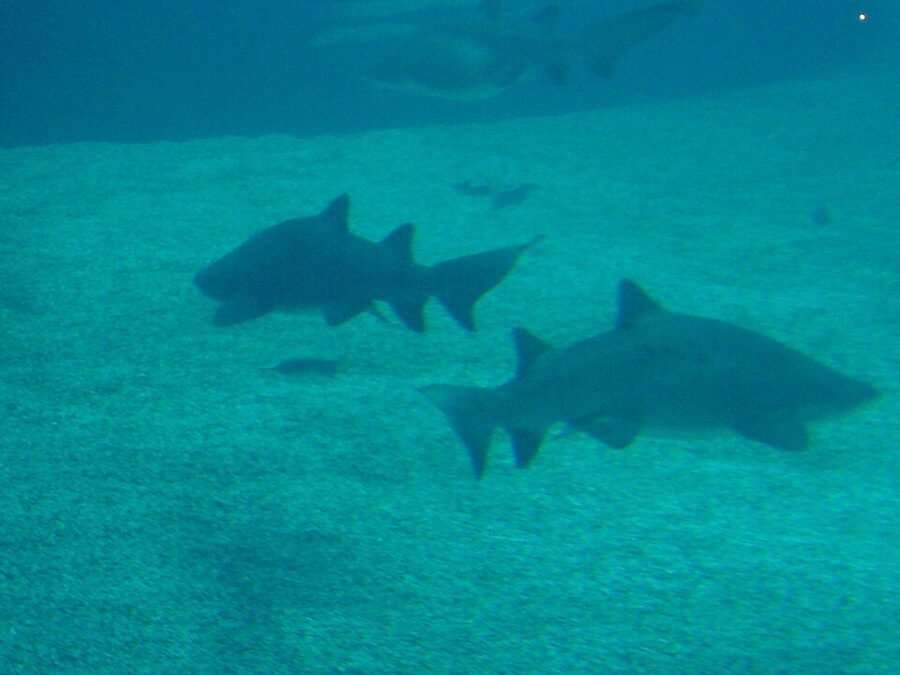
Most aquariums show you sharks from one angle. The Big Blue gives you four. There’s a long viewing wall on the upper level where the tank fills the room from floor to ceiling, a curved tunnel that takes you through the lower section, an open-pit overlook from above where you can watch feedings, and a small alcove halfway down with bench seating that nobody seems to find.
The tank holds 3.5 million litres of saltwater and bottoms out at 8.5 metres, which makes it one of the deepest shark exhibits in Europe. The headline residents are sand tiger sharks, sandbar sharks, and a few smaller reef species. Plus a tarpon shoal and grouper that almost steal the show because they’re so big.
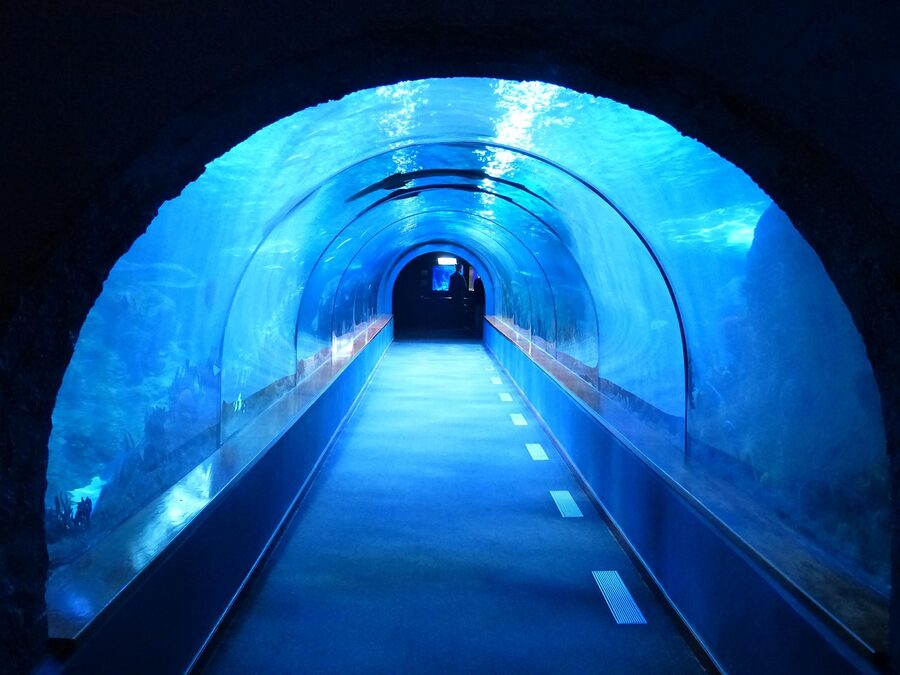
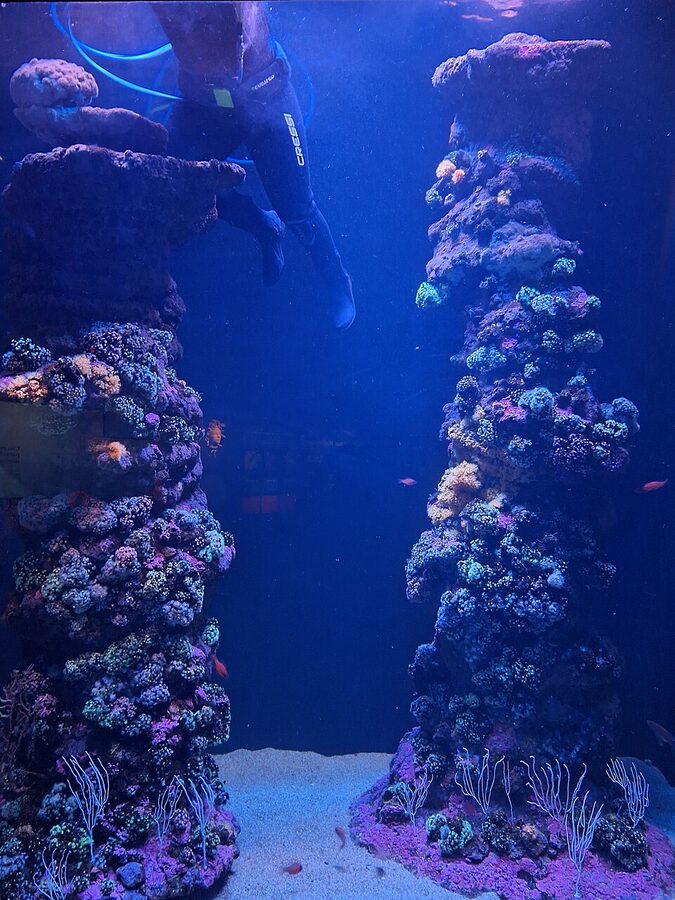
If you can, time your visit to a feeding session. Schedule changes seasonally but typically the shark feed runs around noon. You don’t get a feeding show in the dramatic dolphinarium sense; staff scuba divers slip in calmly and place food in specific spots. It’s quiet and oddly meditative, and it’s the moment the sharks come closest to the glass.
The other zones, ranked roughly
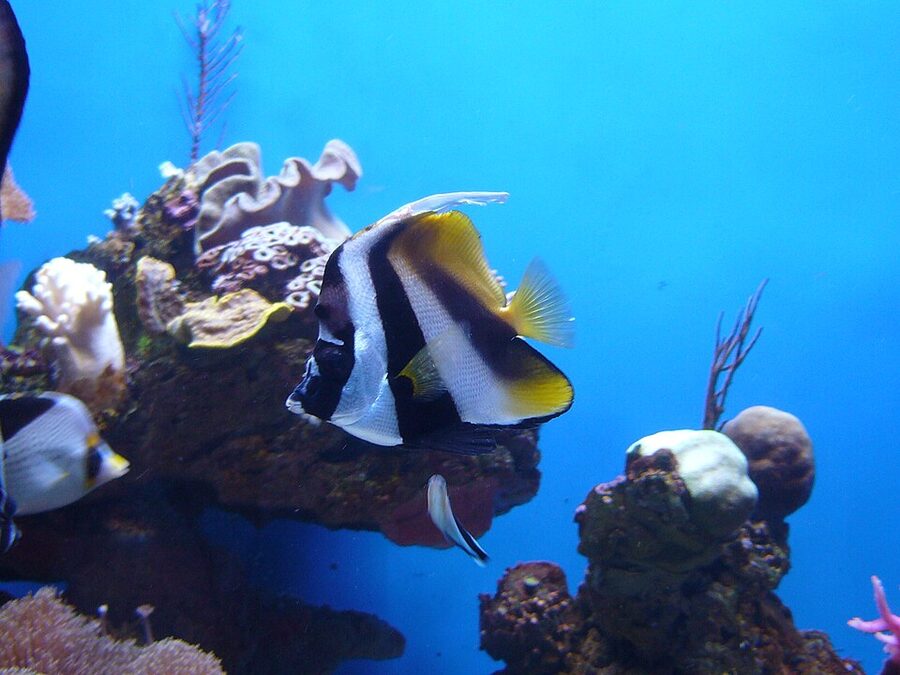
The tropical zone is the most visually impressive after the Big Blue. Tanks come from Atlantic, Indo-Pacific, and Pacific reef systems and they’re stacked end-to-end down a long corridor with bench seating in the middle. This is the slow zone. Don’t rush.
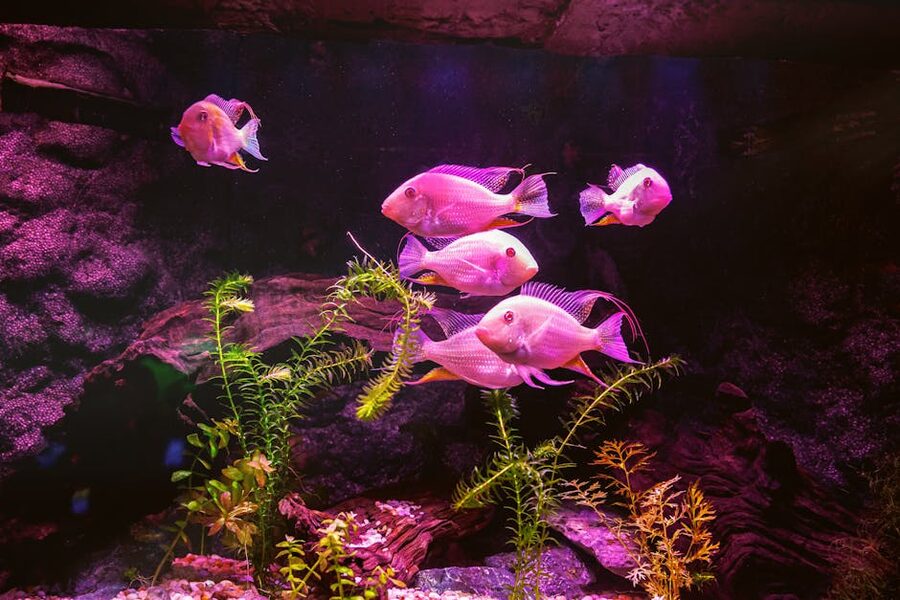
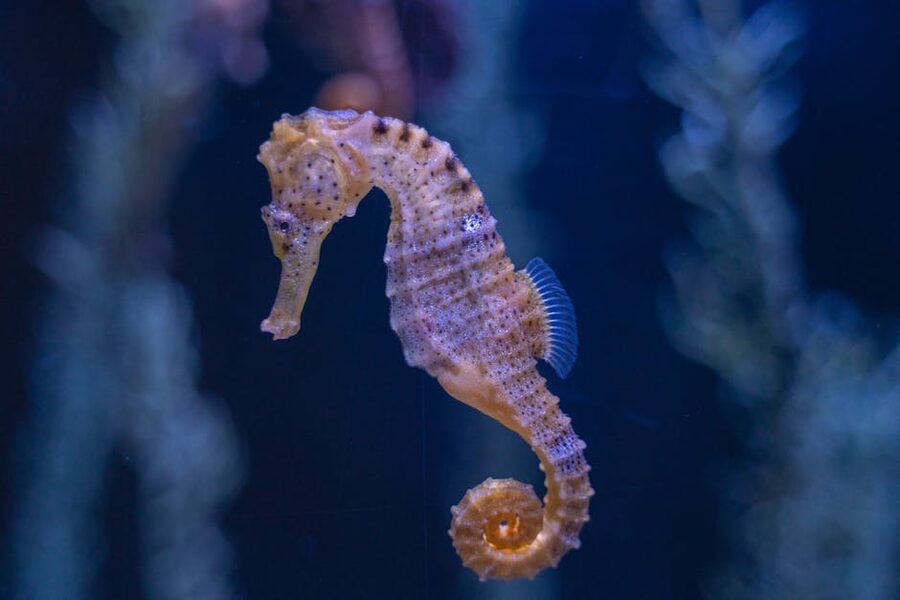
The Mediterranean tank is small and a bit overlooked but it’s where the local-waters education happens. Octopus, seahorses, sea bream, the kind of thing you’d actually see if you snorkelled off Cala Major. It’s the one zone where the labels are worth reading.
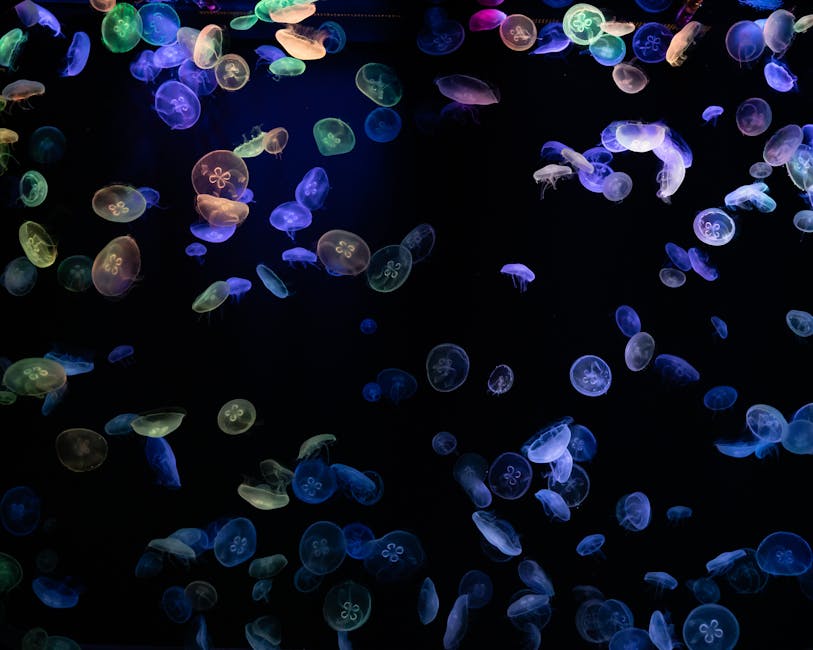
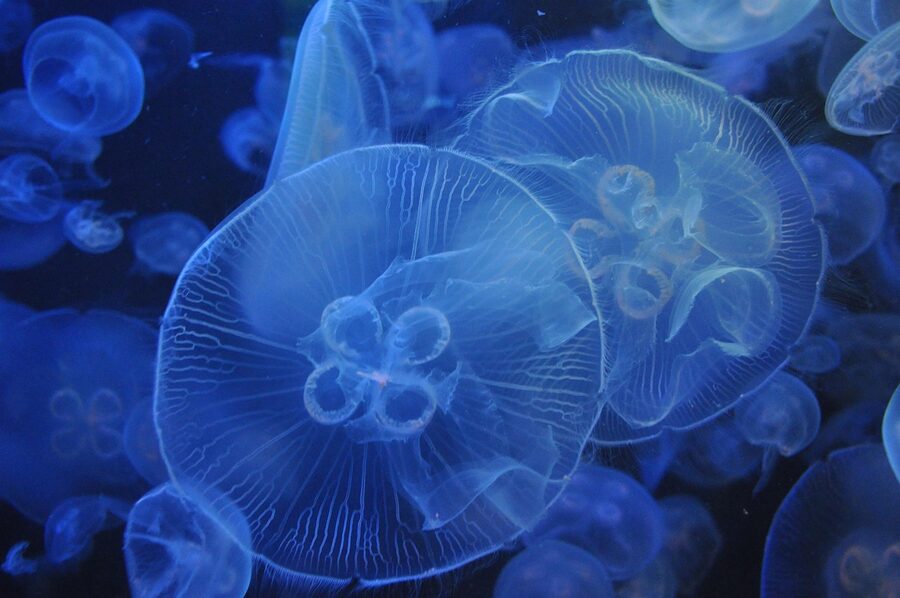
The jellyfish room is the dark surprise. Backlit cylindrical tanks, ambient soundtrack, no labels to interrupt the lighting. Walk slowly and let your eyes adjust. The moon jellies pulse in time with the music and it’s hard not to lose track of fifteen minutes in there.
The Amazon freshwater zone is small and hot. Worth a five-minute walk-through, mostly for the piranhas and a couple of softshell turtles. If your kids are dinosaur-age, they’ll want to linger here. Otherwise it’s a transit corridor.
Outside: the jungle and the gardens
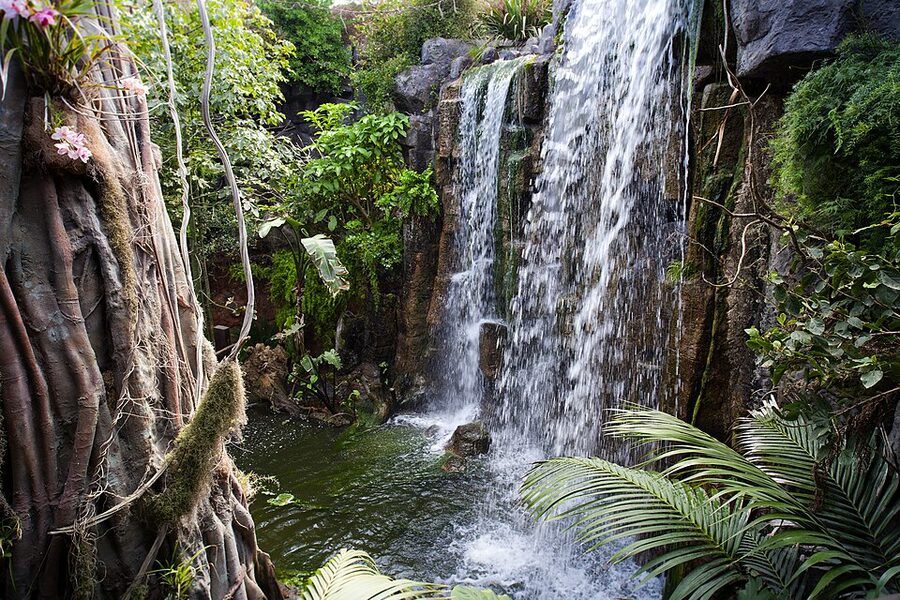

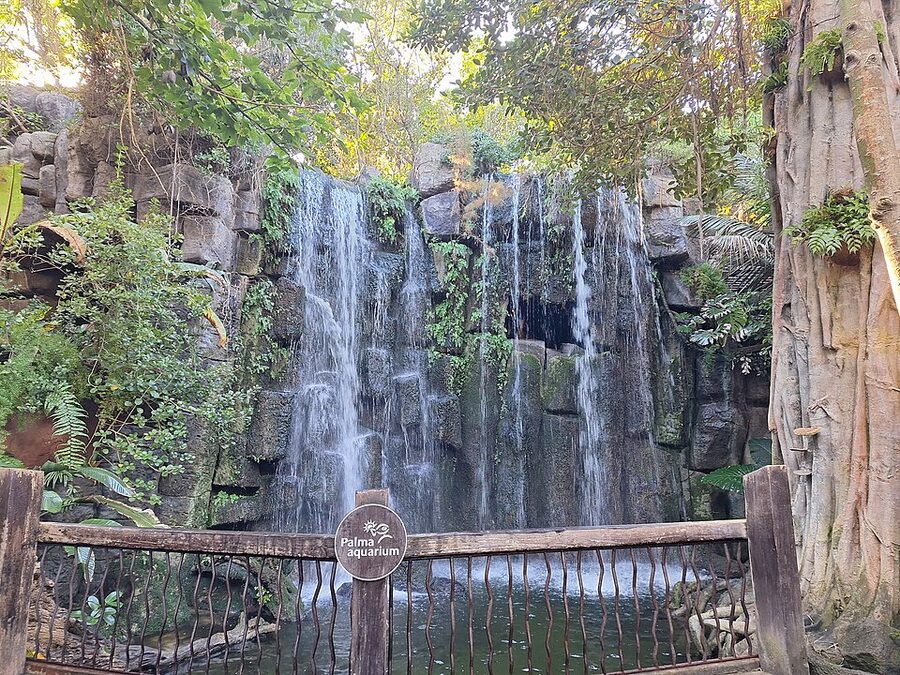
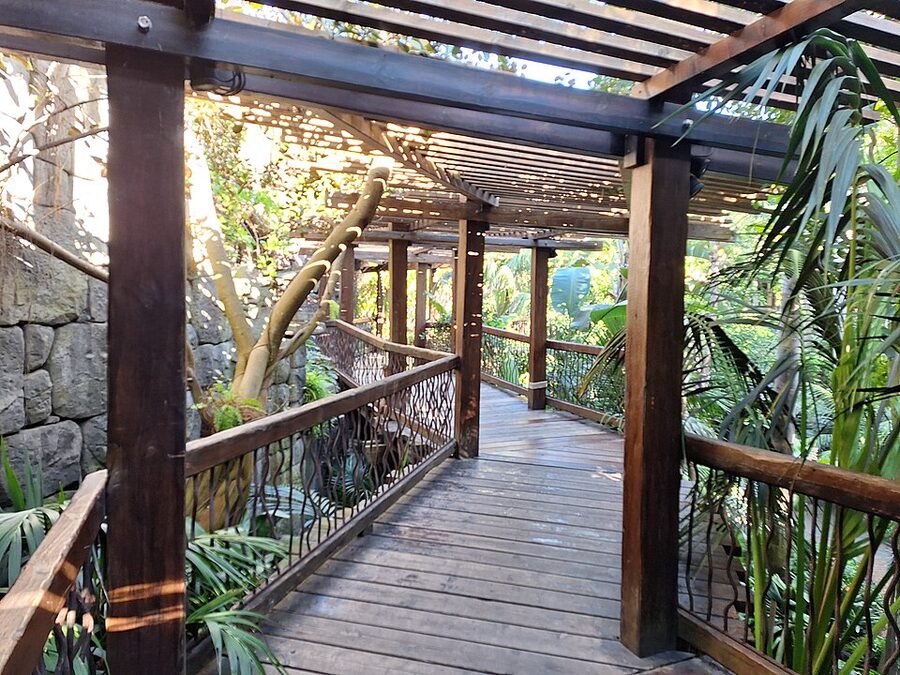
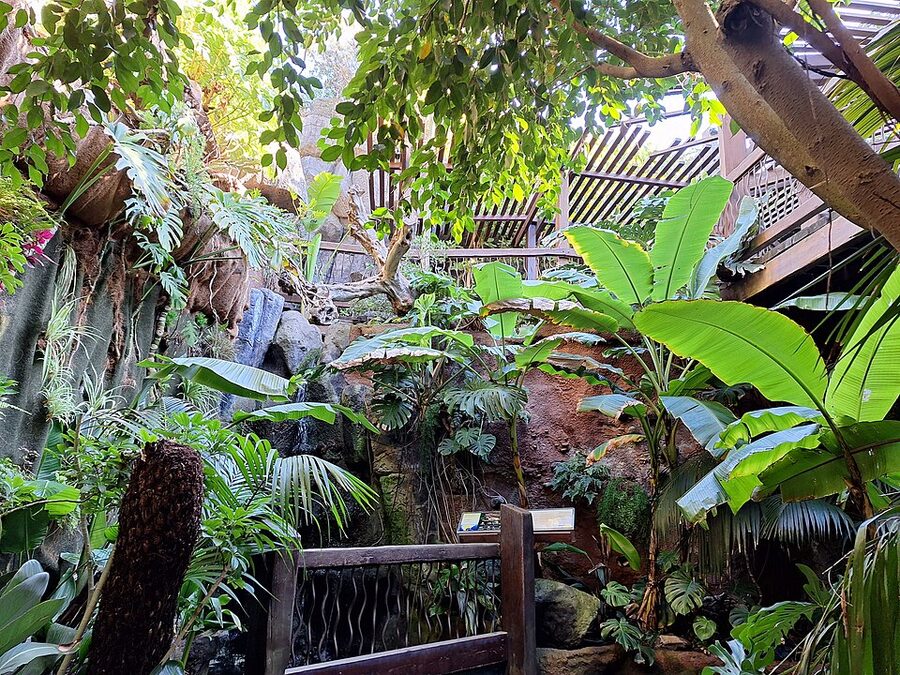
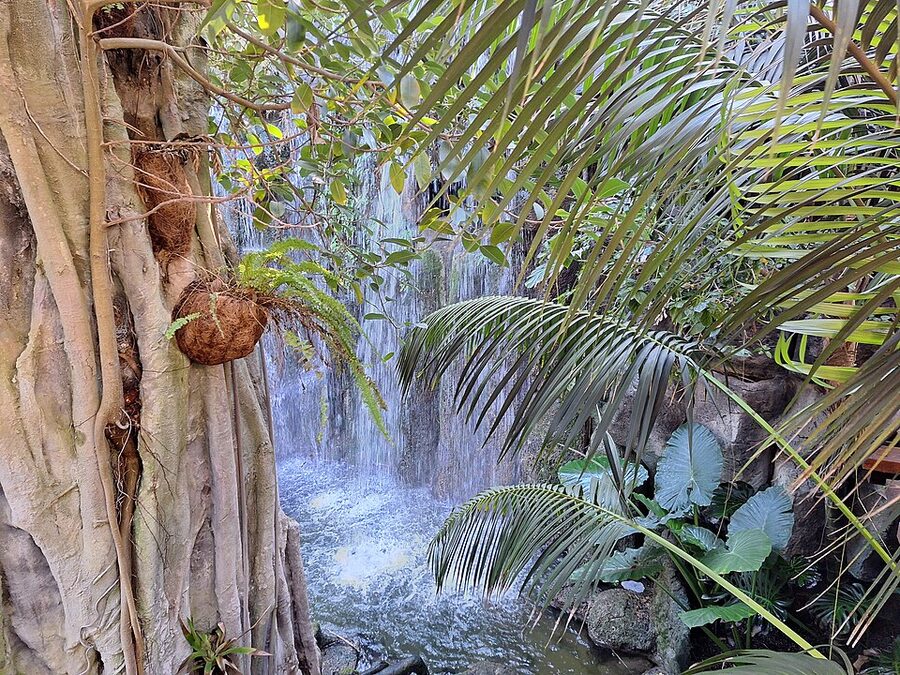
The outdoor section is where the aquarium turns from a museum into a half-day place. There’s a 7-metre artificial waterfall, a wooden walkway through dense planting, a Jurassic-themed garden with a dinosaur play area for under-eights, and a wave pool that kids love and adults find a bit chaotic.
There’s also a small open-pool stingray and shark interaction zone where you can pay extra to feed and pet smaller species. It’s well-supervised and the staff are firm about the rules; nobody’s grabbing tails. If your kids are over five they’ll probably find it the highlight of the day.

Sea turtles and what the rescue centre actually does
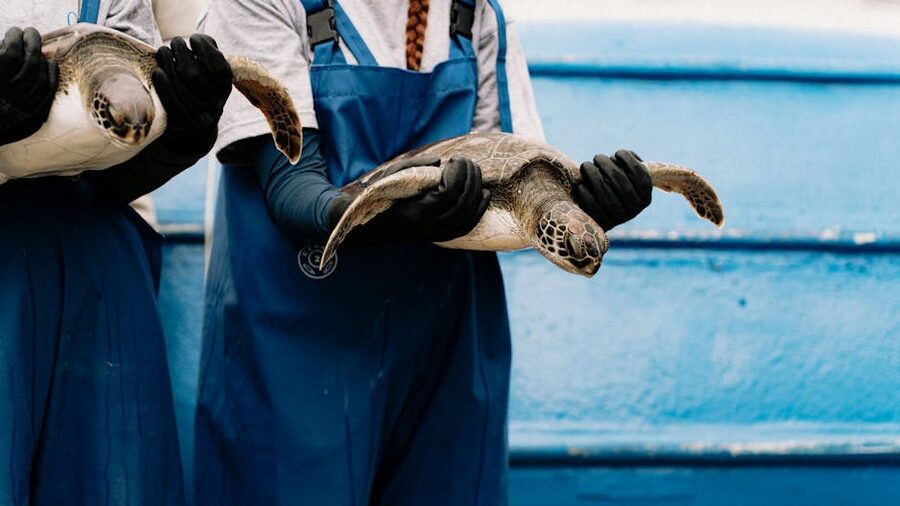
This is the part nobody mentions in the brochures. Palma Aquarium runs one of a handful of Mediterranean loggerhead-turtle rehabilitation centres in the western Med. Injured turtles, mostly hooked by long-line fishing or hit by boats, come in, get patched up, and go back to the sea once they’re healthy.
You can see the recovering turtles in their pools from a public viewing area. The numbers vary; sometimes it’s two turtles, sometimes ten. The staff will tell you which turtles are headed for release and which are too injured to ever go back. It’s the most quietly affecting part of the visit, which is funny given that you came for the sharks.
If you want a slower, deeper version of this kind of family marine experience without the resort-park energy, the Malta National Aquarium takes a similar conservation-first angle on a smaller scale.
How long it actually takes
The aquarium markets itself as a half-day. With kids, it’s a full day. Without kids, you can do the whole thing in two and a half hours if you don’t linger.
My pacing for an adult-only visit: 30 minutes Mediterranean and tropical zones, 45 minutes Big Blue (you’ll want to come back to it), 15 minutes jellyfish, 20 minutes Amazon, and 20 minutes outside. That’s about two hours twenty. Add another hour if you’re with kids who want to do the playground twice.
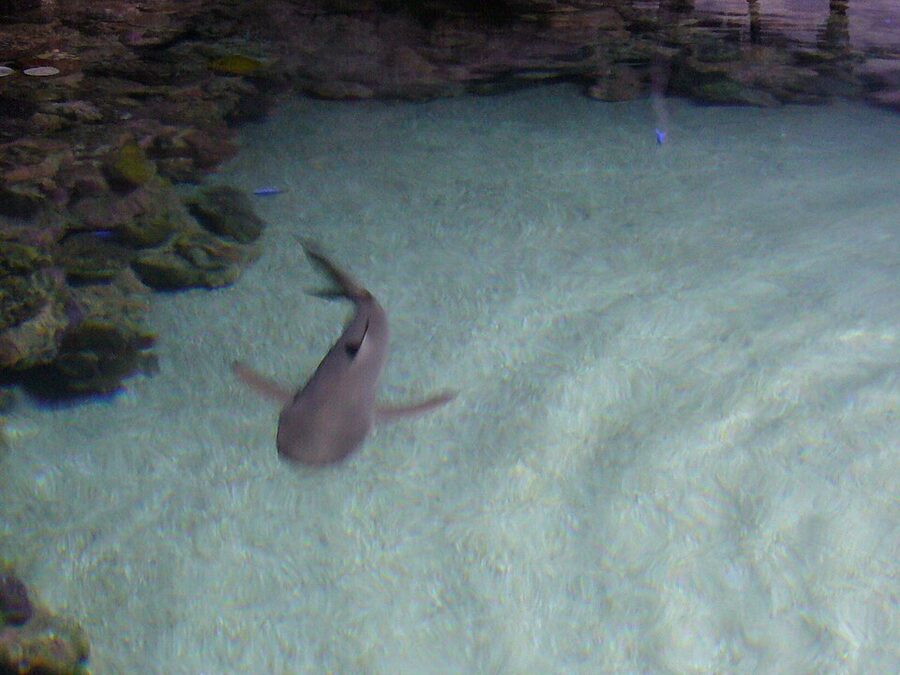

Best arrival time: 10am sharp when the doors open, especially in July and August. By 11.30 the Big Blue walkway is three-deep and you’re queueing for sight lines. Last admission is 5pm and the place closes at 6.30pm. If you arrive after 3pm you’ll get the empty tail end of the day, which is a different kind of good if you don’t have small kids who tire out.
The big-money extras: shark dive, snorkel, sleepover
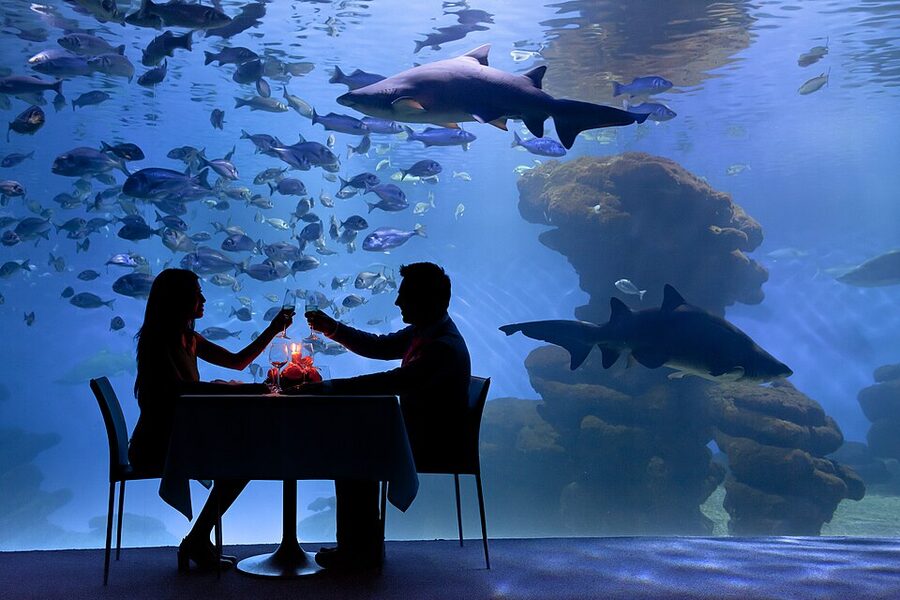

The headline extra is the shark dive in the Big Blue. €270 to €290 typical, no certification needed because you’re in confined water with a one-on-one instructor. The dive itself runs around 25 minutes underwater after a 20-minute briefing and 15 minutes of kit. You’ll be in the same tank as sand tigers and reef sharks. The instructors run calm; first-time divers I’ve spoken to said the nerves wore off in the first five minutes.
Snorkel-with-rays is the half-budget version. A wetsuit, mask and snorkel, and twenty minutes in a much shallower pool with cownose rays. About €70. Suitable for stronger swimmers from age 10 up.
The shark sleepover is the headline event for kids and teens. You bring a sleeping bag, sleep on the lower viewing walkway with the Big Blue tank lit blue all night above you, get a guided night tour and a small breakfast. Runs as a summer programme rather than year-round. Book early; it sells out by April for the whole season.
Then there’s “dinner with sharks”, which is the adult-only sit-down version. Tables on the same lower walkway, set menu, drinks. It’s not cheap and it’s not subtle, but it’s a memorable thing to do on a wedding anniversary if you’re staying in Palma.
Food, drink, and what to skip
There are four food options inside. The main cafeteria does pizza, sandwiches, salads, and the standard family-friendly stuff. Prices are aquarium prices, which is to say a bit much, but not Disney-level extortion. A reasonable lunch for two adults runs about €25 to €30.
The outdoor cafe in the jungle area is where to eat if it’s a nice day. Tables in palm shade, slightly slower service, but you can let kids burn off energy in the playground while you wait. Skip the indoor cafeteria if the weather’s good and there’s a free outdoor table.
Bring a water bottle. There are refill stations near the toilets in both the indoor and outdoor sections. Buying bottled water inside costs €3 a pop and adds up fast for a family.
The gift shop at the exit is the standard plush-shark-and-keyring affair. The one thing actually worth picking up is the kids’ marine-life ID booklet for €4; it’s small, well illustrated, and useful if you’re planning beach time afterwards.
When to go (and when not to)

The aquarium is open every day from 9.30am to 6.30pm with last admission at 5pm. It does not close for winter; January through March is the quietest stretch and the easiest time to get a clean look at every tank.
The worst days are rainy August and rainy October half-term. Anything that turns Mallorca’s beach holiday into an indoor-activity hunt sends every family on the island to the aquarium and the Caves of Drach. On those days, expect a 30-minute box-office line and four-deep crowds at the Big Blue. Pre-booking online doesn’t help with the crowds, only with the ticket queue.
The best days are sunny weekdays in shoulder season. April, May, late September and October usually deliver: warm enough that the outdoor zone is the highlight, cool enough that the families are at the beach instead of in the aquarium.
If the aquarium is your only Mallorca plan, fix that
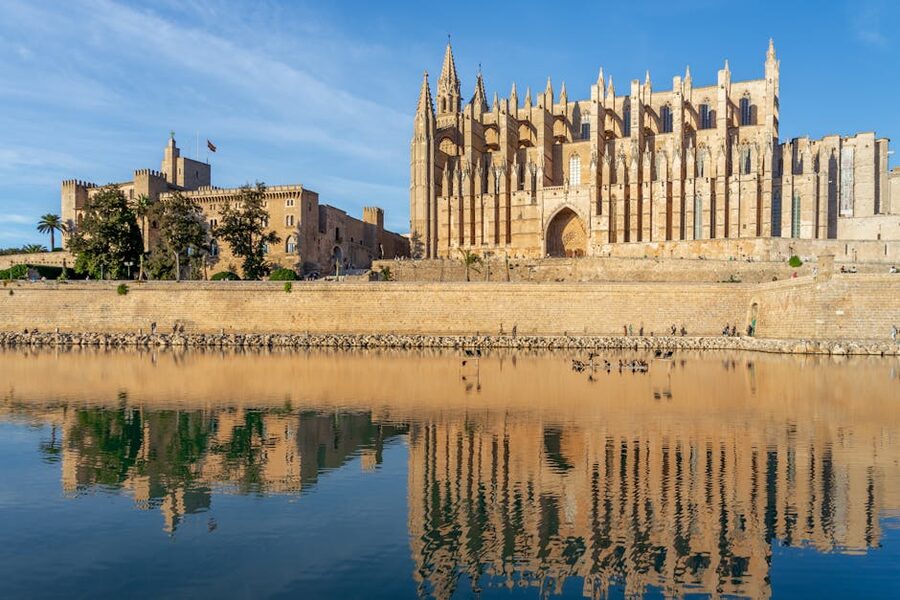
The aquarium pairs well with two other things in the area. First, Palma Cathedral and the old town are 10 to 15 minutes’ drive away; it’s the obvious morning-cathedral, afternoon-aquarium combo for a one-day Palma itinerary. Palma Cathedral tickets are best pre-booked for a morning slot.
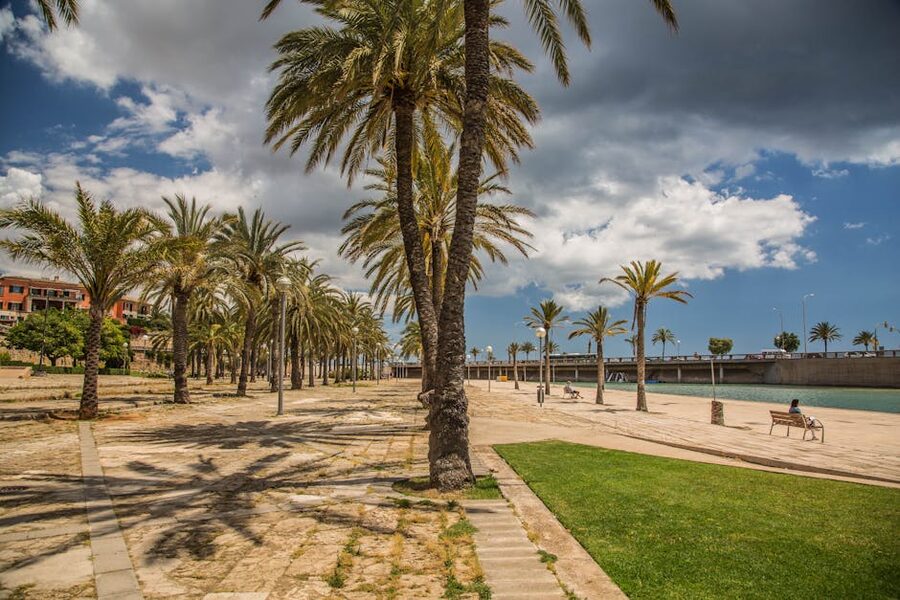
Second, Playa de Palma beach is a ten-minute walk from the aquarium and runs the length of the south coast. If your kids still have energy after the aquarium, they can run it off in the sea.
And if you’re looking at the aquarium because you want a marine-themed day on the island and aren’t fixed on it, the dolphin watching cruise off Mallorca is the live-water version of the same instinct: smaller boat, naturalist guide, common and bottlenose dolphins. Different experience, similar appeal. The big difference is sighting odds; the aquarium guarantees you’ll see sharks, the dolphin cruise is around 85 percent likely in summer.
Kids: a quick age-by-age guide
Under 3: free entry, but don’t expect them to remember it. Bring a stroller; the corridors are stroller-friendly and the outdoor zone has wide paths.
3 to 6: peak audience. Everything will hold their attention. Plan three hours minimum, build in a snack break.
7 to 11: still a great visit. They’ll want to do the touch pool and the snorkel-with-rays add-on if they’re old enough. Get the marine ID booklet from the gift shop on the way in, not the way out, and let them tick species off as you walk.
12 to 16: harder sell. The Big Blue carries them, the rest is hit or miss. The shark-dive add-on is the only thing that consistently impresses this age group; if you have a teen who’s into diving or marine biology, the dive is worth the splurge.
Adults without kids: still worth a visit if you give it three hours and don’t try to combine it with anything else. The Big Blue and the jellyfish room are genuinely great. Time it for opening or last-admission; midday is when the family crowds make it less peaceful.
The bits worth knowing that nobody tells you

Lockers are €3 and they’re at the entrance to the right. Use them. Carrying a beach bag through the corridors is no fun and they don’t fit in the Big Blue alcove seating.
The toilets get less attention than the gift shop in the design budget. They’re fine, but they cluster in two spots only, so plan accordingly with kids.
Strollers are allowed everywhere. The lower Big Blue walkway has a small step at one end that requires a lift; if you’re solo with a stroller, just ask a member of staff and they’ll help.
The 3D Aquadome cinema runs to a fixed schedule with about eight showings per day. If you want to do it, check the screen times at the entrance and plan your route to be near the cinema five minutes before. Latecomers don’t get in.

Photography is fine throughout. Flash is officially banned and it’s worth respecting because it stresses the fish and ruins everyone else’s photos anyway. The Big Blue is dim enough that you’ll need a steady hand or a phone with good low-light handling.
Reentry is allowed if you keep your wristband on. Useful if you want to go grab a proper lunch at one of the Playa de Palma beach restaurants and come back for a quieter afternoon look.
The other big Mallorca pulls worth pairing it with
If you’re spending a few days on the island, the aquarium fits naturally into a wider plan. The Caves of Drach on the east coast are the other rainy-day failsafe and very different in feel: vast underground chambers and a live classical concert on an underground lake. Pair them across two days, not one. They’re an hour apart and both deserve unrushed time.
For something out on the water, the dolphin watching cruise from Alcúdia or Palma Bay is the obvious complement: actual marine wildlife in actual sea, smaller boats, dedicated guides. And if you’ve got a half-day spare and the kids have any energy left after the aquarium, the quad bike, snorkel and cliff jumping combo from Magaluf is the activity-tour antidote to two days of museums and tickets.
For broader context, the full Mallorca island tour covers the highlights of the centre and west, the catamaran cruise is the lazy-day-on-the-water option, and the hop-on hop-off bus in Palma is the easiest way to link the cathedral, the old town and the aquarium without renting a car.
Aquarium parallels elsewhere in Spain: Barcelona Aquarium for a city-centre visit on a mainland trip, Poema del Mar in Gran Canaria for a similar Canary-Islands version (their main tank is even bigger), Loro Parque in Tenerife for a mixed marine-and-bird park, and Seville Aquarium if you’re combining Mallorca with an Andalusia trip.
Disclosure: links to GetYourGuide and Viator are affiliate links. Prices and dates were correct at the time of writing; check the booking page for current availability.