
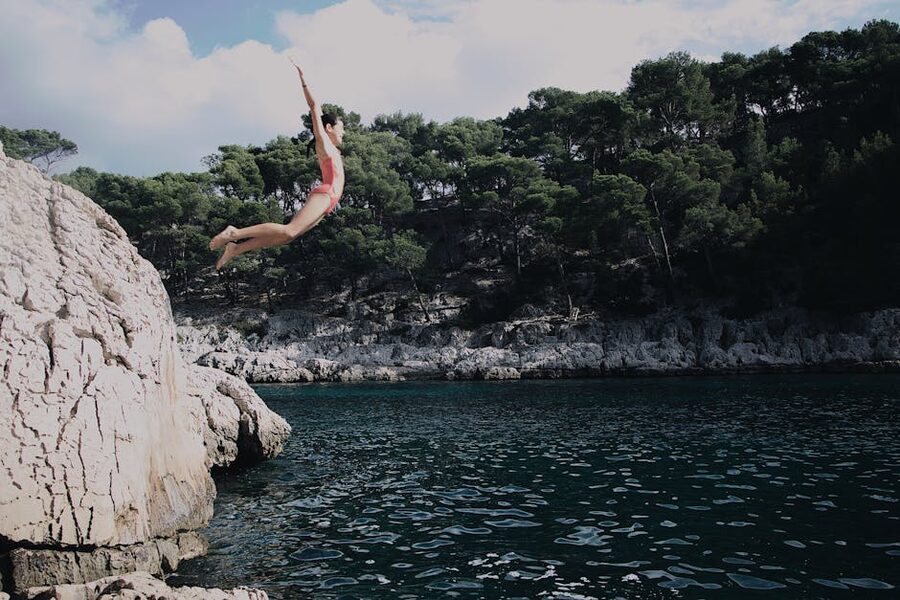
My friend Jess booked this on the third day of her Mallorca trip and spent the night before texting me about how it was going to be the cheesy bit of her holiday. She does not really do “adventure tours.” She came back four hours later and the only thing she wanted to talk about was the moment she stood at the edge of a cliff in a wetsuit, looked down at six metres of clear blue, and jumped. Then she did it again, easier the second time. She still has the slightly grainy phone video. The only soundtrack is her own laugh.
That is the actual sell of the Mallorca quad bike, snorkelling and cliff jumping combo. Three things stitched together over three or four hours, designed so you do not have time to talk yourself out of any of them.
For the kayak version: Sea Cave Kayaking, Cliff Jumping and Snorkel Tour, $83. Same trio of activities, swap the quad for a sit-on kayak and a sea cave.
If quad-only is enough: Mallorca Buggy Tour with Cove Swimming, $64. Two hours, off-road buggies, a swim stop at the end. No cliff jumps.
- What you actually do for those four hours
- The three tours worth booking
- 1. Mallorca: Quad Bike Tour, Snorkeling and Cliff Jumping: -90
- 2. Mallorca: Sea Cave Kayaking, Cliff Jumping and Snorkel Tour:
- 3. Mallorca: Buggy Tour Adventure with Cove Swimming:
- The licence question, the actual rules
- Where these tours actually go
- The cliff jumping, in real terms
- Snorkelling, what is actually under the water
- What to wear and bring
- Best time of day, and best time of year
- Who should not book this
- How to actually book without messing it up
- How it stacks up against other Mallorca half-days
- What it costs, end to end
- Other Mallorca trips worth thinking about
What you actually do for those four hours
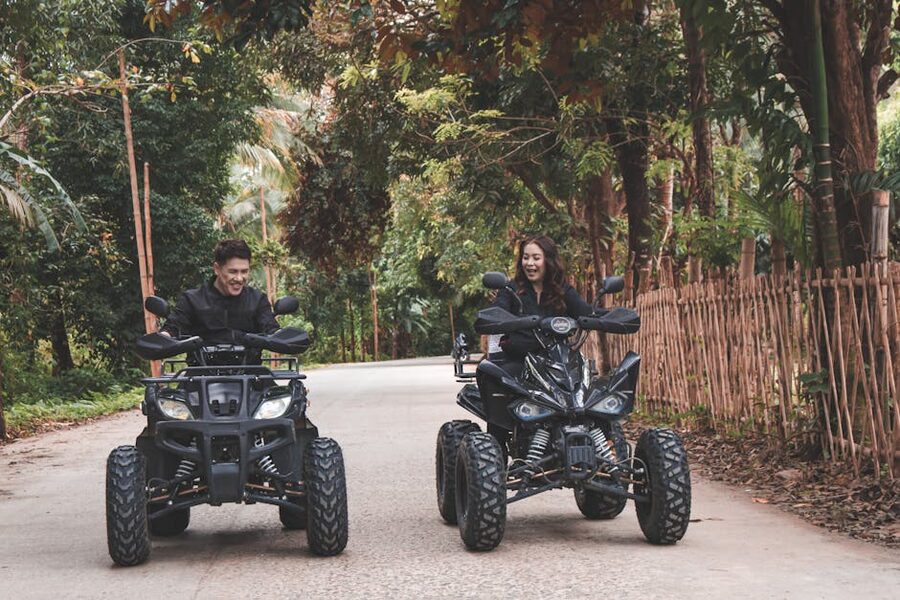
Most operators run the same broad shape, with small tweaks. Pickup or meet near Palma, usually around 9am or 2pm. Briefing, helmets, life jackets and a quick lap of the car park to make sure the quad is not going to surprise anyone. Then onto the road, then off it, with the guide at the front and the slowest rider holding the line speed.
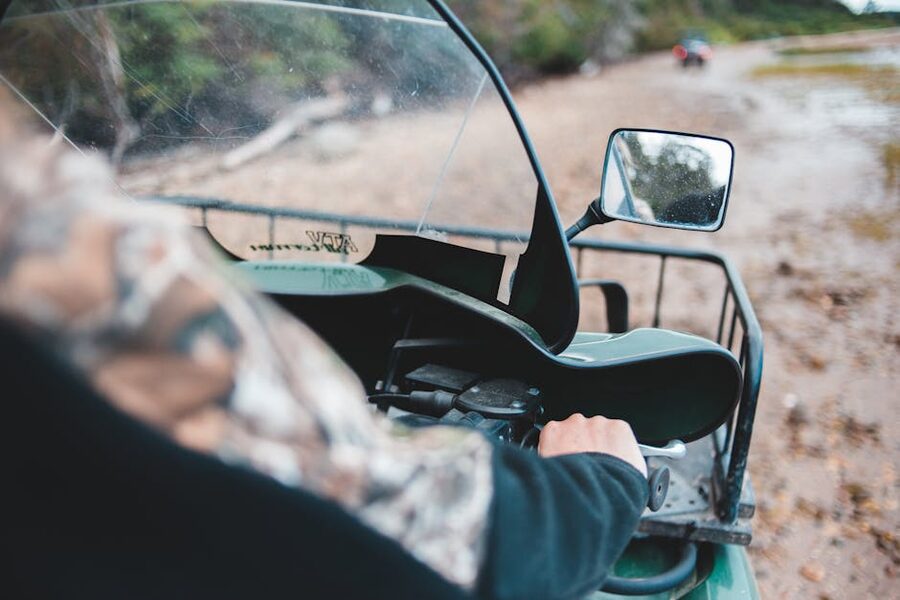
The quad section is around 75-90 minutes. The route weaves through pine forest tracks, dirt farm roads and short paved stretches between villages. Expect dust on your sunglasses, the smell of warm rosemary, and a couple of stops at viewpoints. You sit upright, you steer with handlebars, and the throttle is a thumb lever on the right grip. It is far more like a ride-on lawnmower than a motorbike.
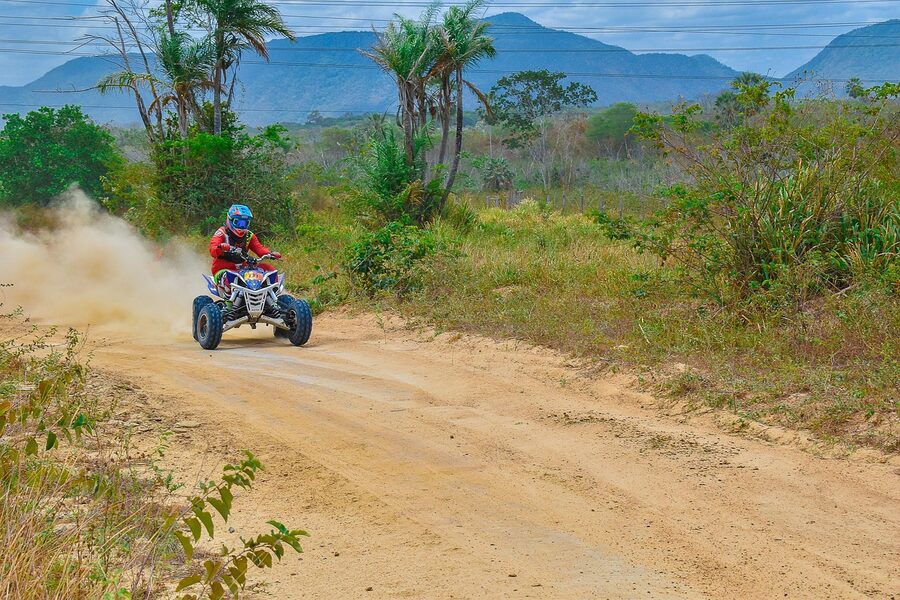
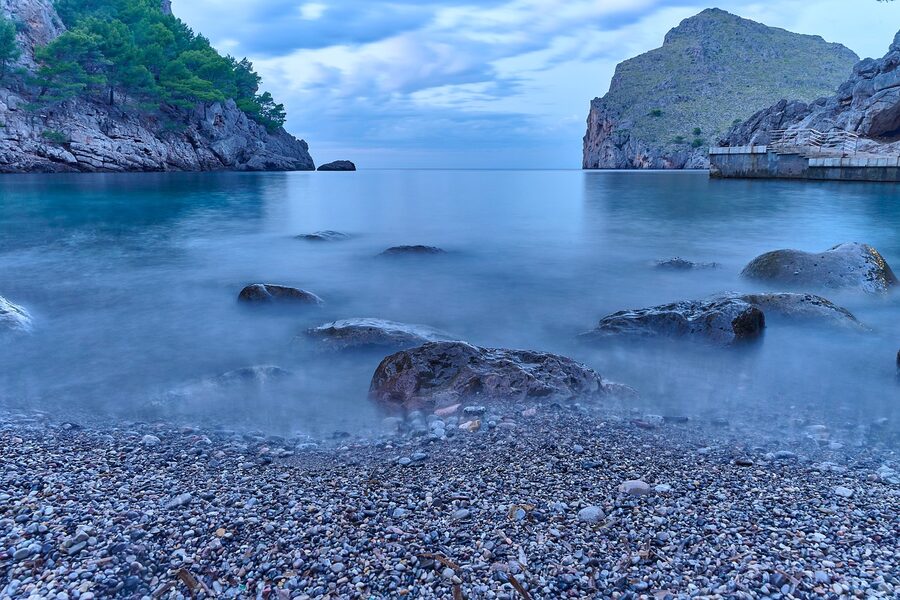
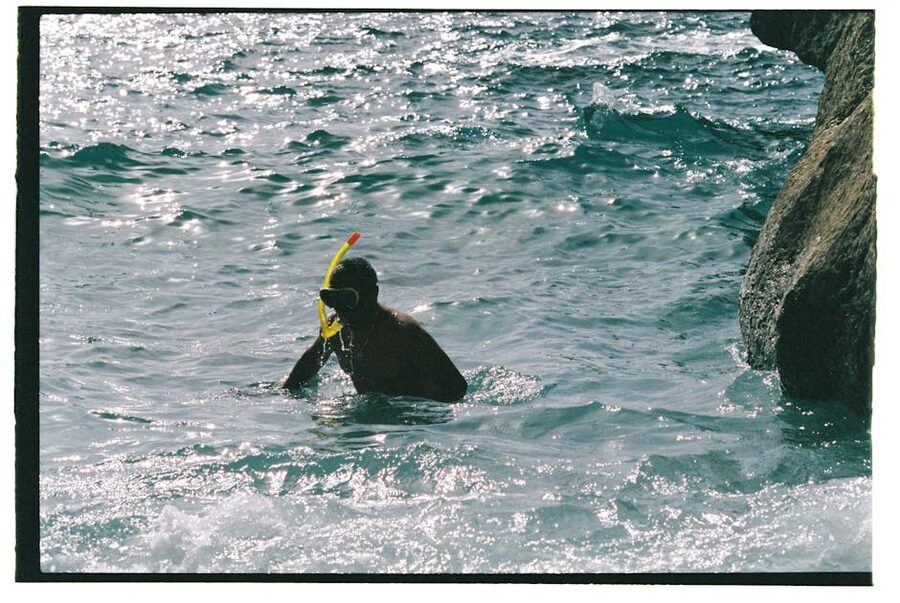
Then you swap to flippers. The cove stop is the long bit. Some tours park at a public beach, some bounce down to a near-private cala the operator has been using for years. Either way, you get masks, fins, snorkels, a wetsuit if the water is cool, and a guide in the water with you. Cliff jumping happens off a low ledge, usually six to ten metres above the sea, and is always optional. There is a flatter “step” people sometimes use as an intermediate jump if the main one feels too high.
The tour ends with the ride home. By then you are damp, slightly salty, and quieter than you were on the way out. If you book the morning slot you get back in time for a long lunch in Palma. If you book the afternoon slot you get back as the light is going gold and the first paseo crowd is hitting the seafront.
The three tours worth booking
I narrowed it down to three. They are all distinct. If they were the same product I would just pick the cheapest, but they actually solve different problems.
1. Mallorca: Quad Bike Tour, Snorkeling and Cliff Jumping: $70-90
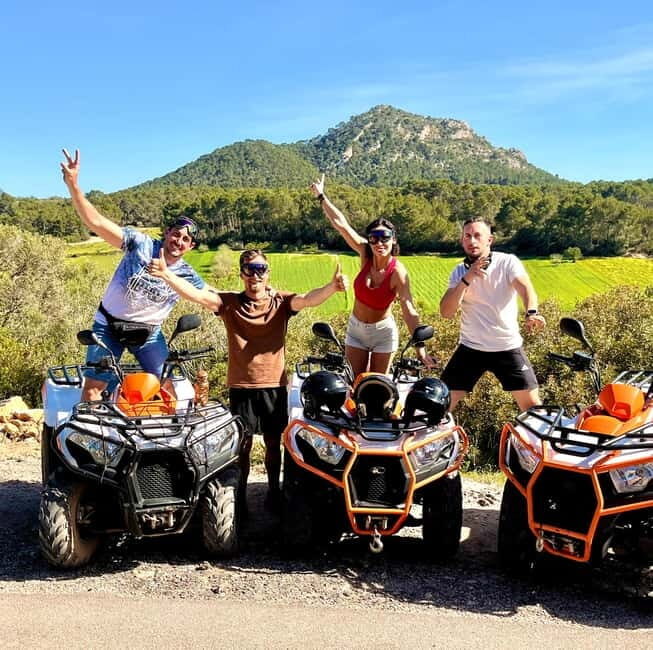
This is the one most readers should book. Three hours, runs out of Palma, guides like Martin and Pablo are why people send the link to their friends afterwards. Our full review has the route detail and the licence rules. Best for confident first-time riders who want all three activities in one block.
Check Availability
Read our full review
2. Mallorca: Sea Cave Kayaking, Cliff Jumping and Snorkel Tour: $83
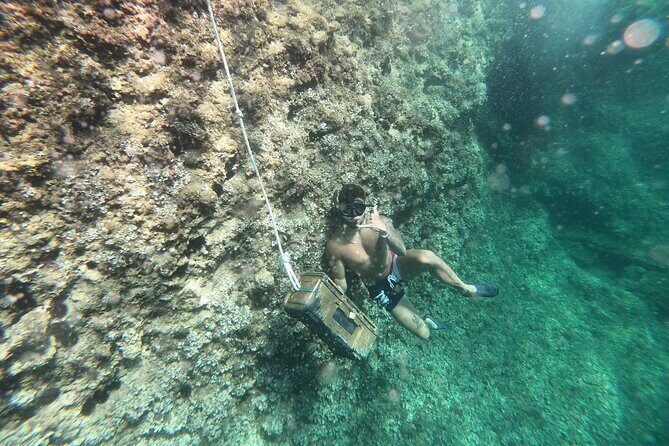
Same three-activity logic, no licence needed because you are paddling not driving. The Challenge Mallorca runs this one and the cave entry is the part guests remember. Pick this if anyone in your group does not have a driving licence, or if you would rather paddle. Our full review covers the 110 kg kayak weight limit and the small-group format.
Check Availability
Read our full review
3. Mallorca: Buggy Tour Adventure with Cove Swimming: $64
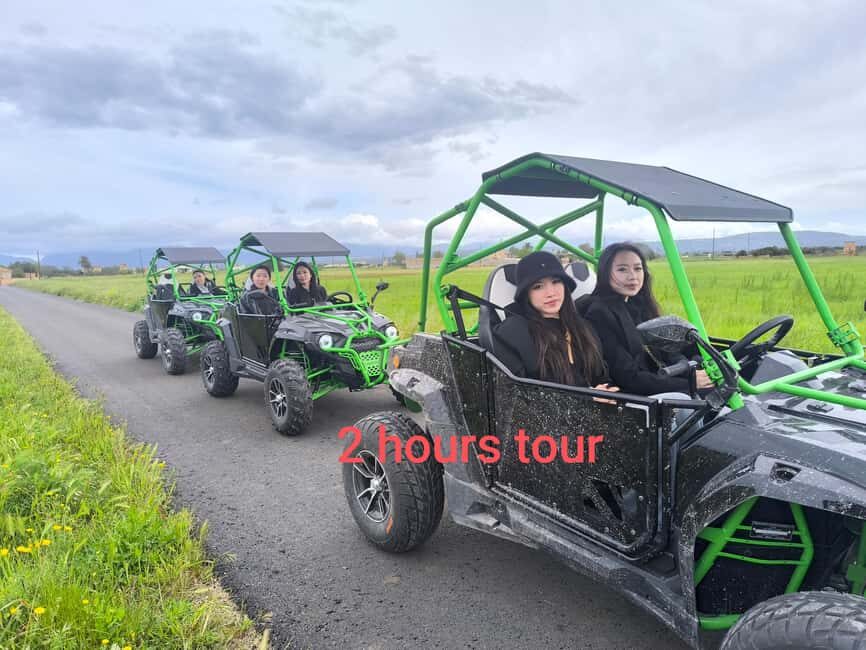
Strictly not the same product, but it is the right answer for some readers. Buggies seat two side by side and you need a B licence to drive. Our full review has the route details around Palma. Pick this if your group includes someone who hates water activities, or if you only have two hours.
Check Availability
Read our full review
The licence question, the actual rules
This is where most bookings get tripped up, so it is worth being plain about it.
For the headline quad tour you need a valid driving licence to drive a quad. Operators on Mallorca interpret this as a category B car licence (or the local equivalent). UK readers, your physical photocard plus the DVLA online code if you are asked. US readers, your home-state licence and ideally an International Driving Permit. Photos of the licence on your phone are not enough. Bring the actual card.
You must be 18 or over to drive. Passengers can usually be as young as 7, sitting behind a driver on a two-seater quad, with a child-sized helmet. So a couple with a 9-year-old can do the whole trip together: one parent drives, the other sits behind. Two adults in the same group who both want to drive will get one quad each.
If nobody in your group has a licence, do not book this one. Book the kayak version instead. There is no licence needed to paddle.
Where these tours actually go
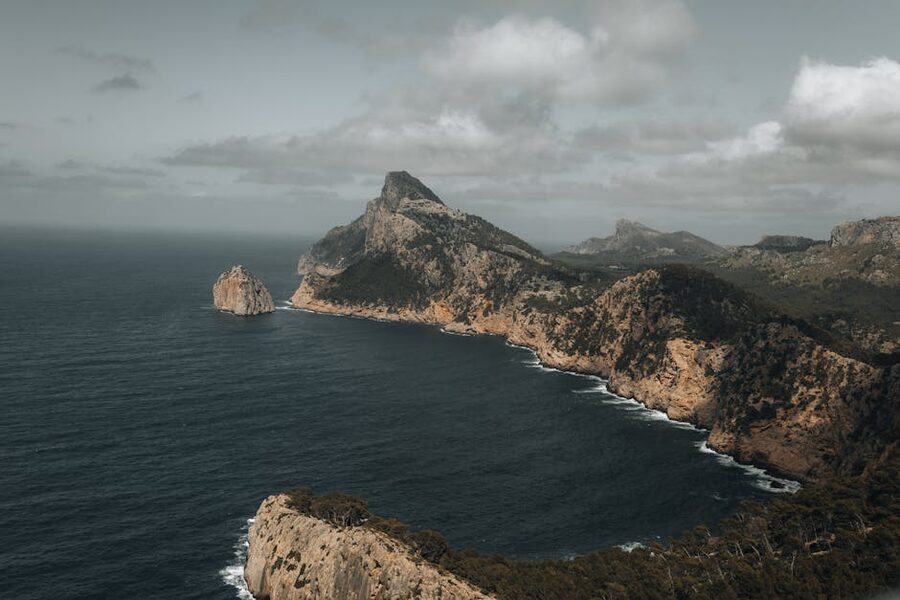
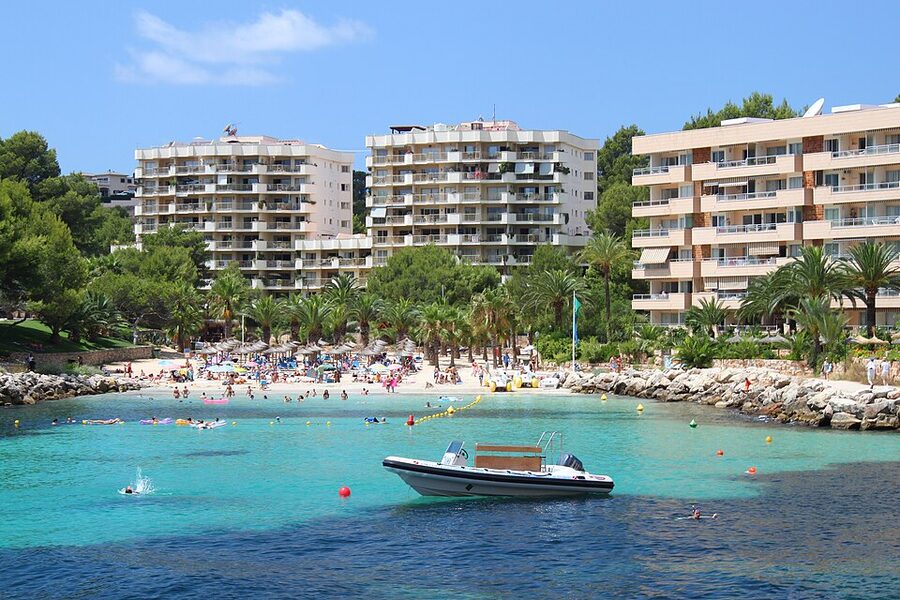
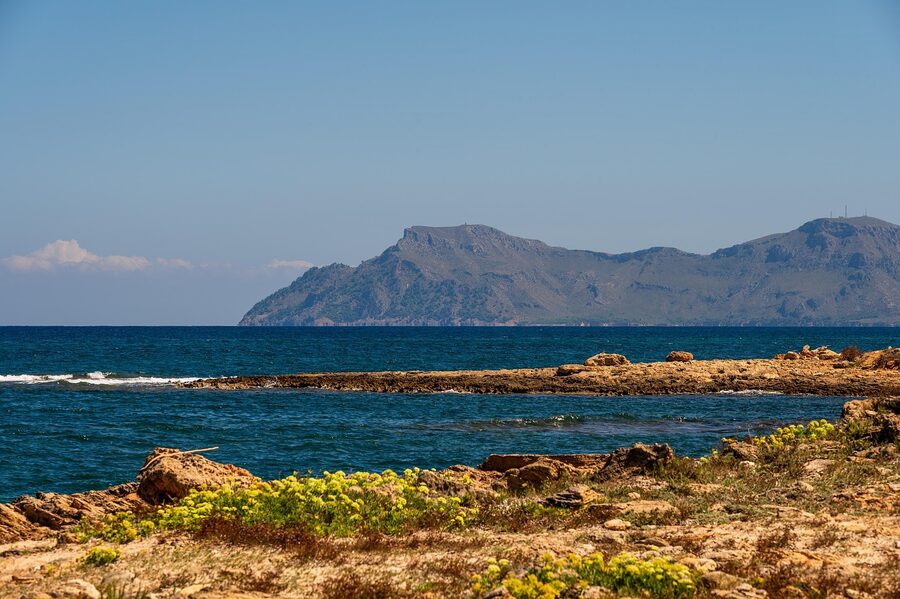
Most quad operators are based south-west of Palma, around Calvia and the Magaluf hinterland. Pickup is usually from the Platja de Palma strip or central Palma. From there, the tour heads inland through the rolling agricultural country between Palma and the Tramuntana foothills, then drops back down to a coastal cala for the swim and jumps.
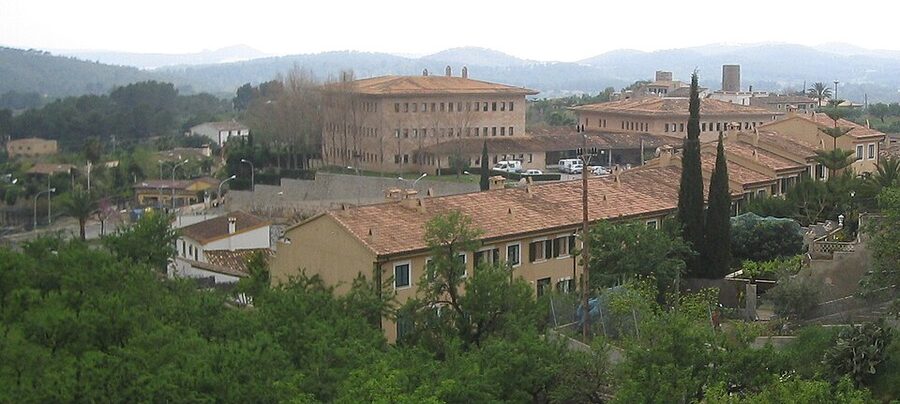
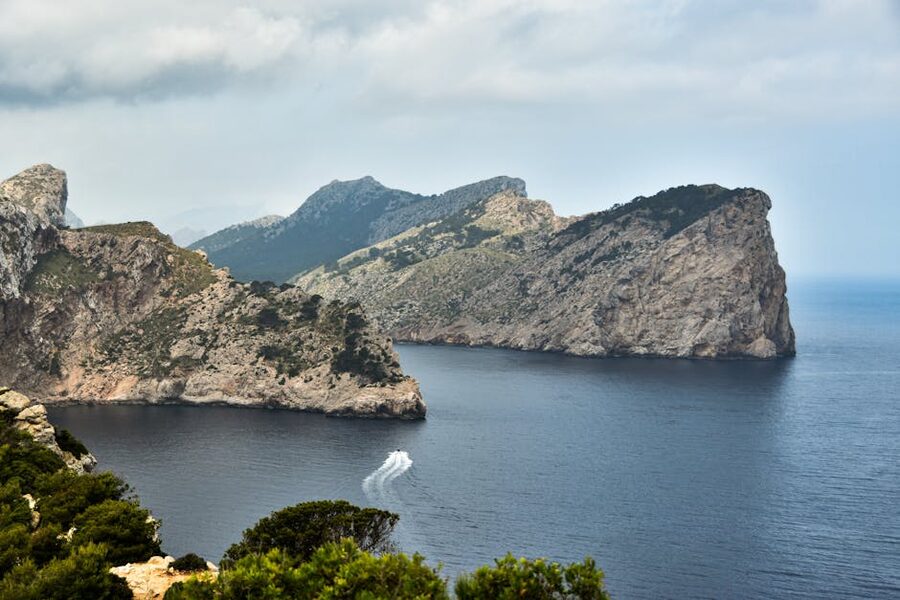
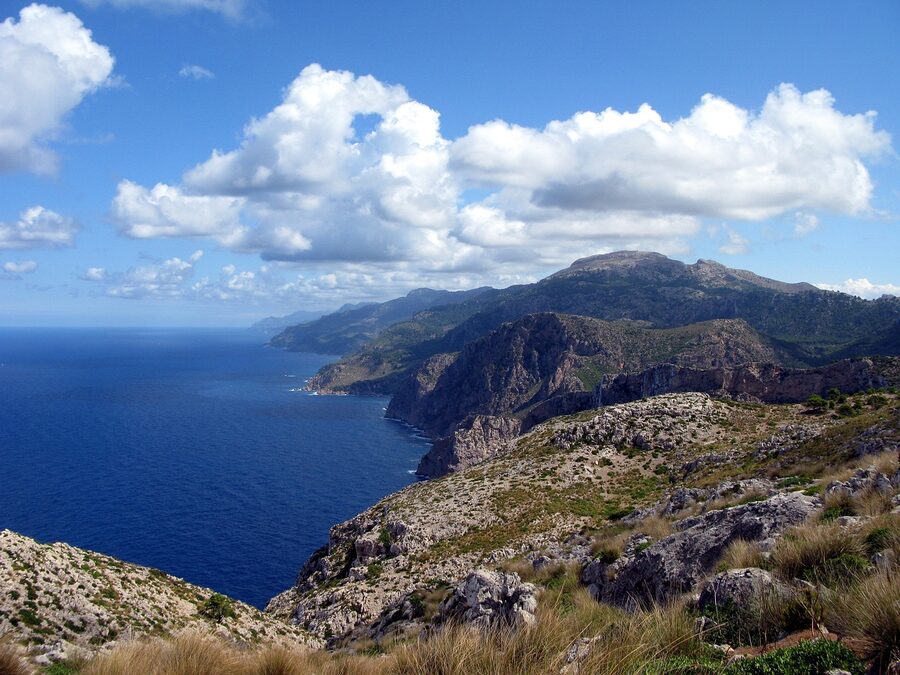
You will not see the Tramuntana mountains up close on a quad tour: those are too steep and too protected. But you ride along their southern foothills and stop at viewpoints that look up at them. The Mountain Randa stop on the headline tour is one of these, with a 540m summit and a sweep across the central plain.
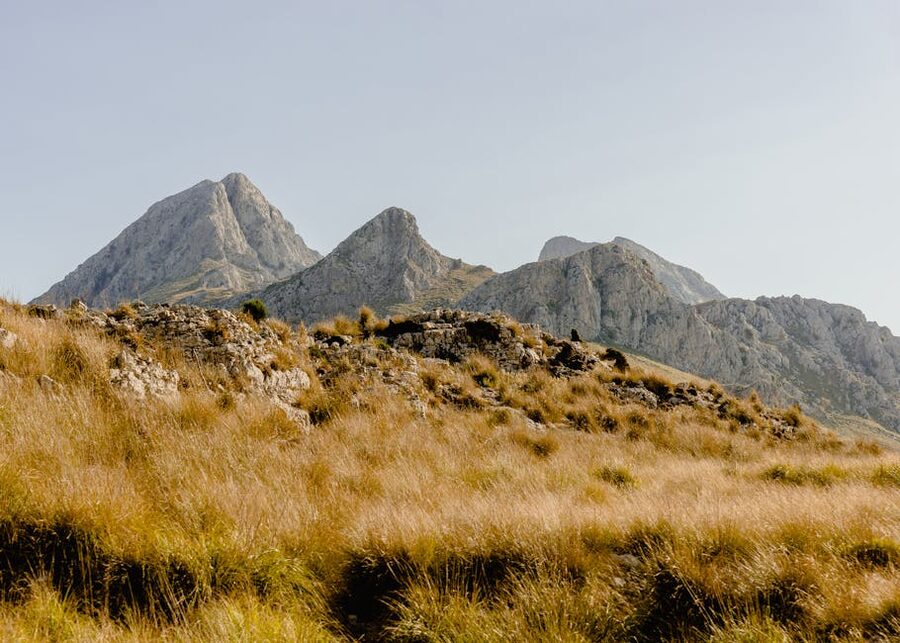

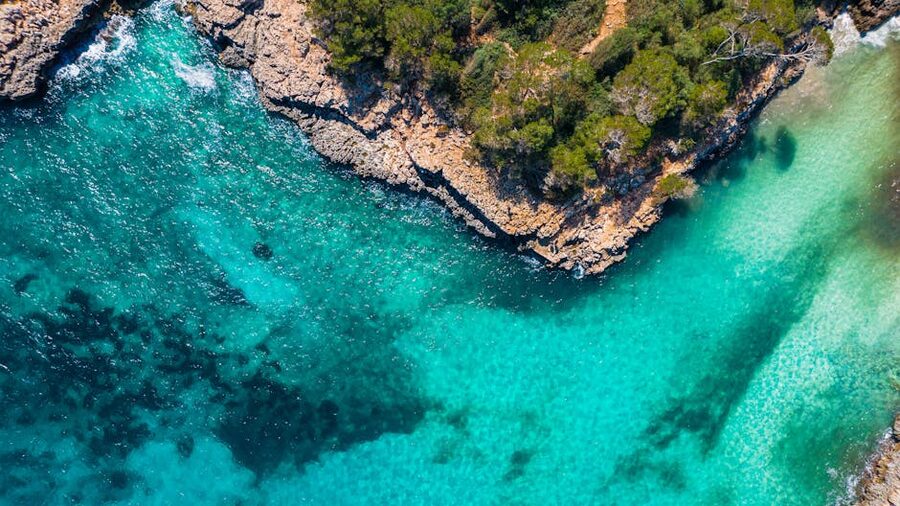
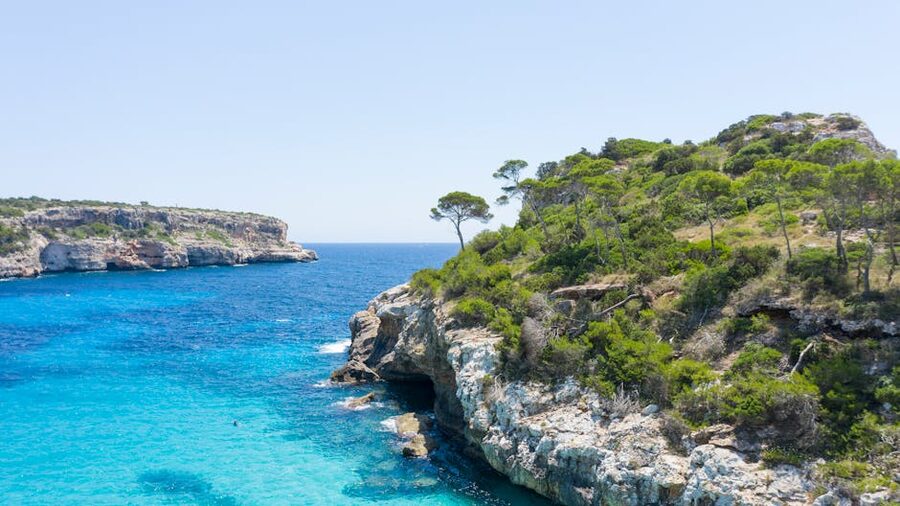
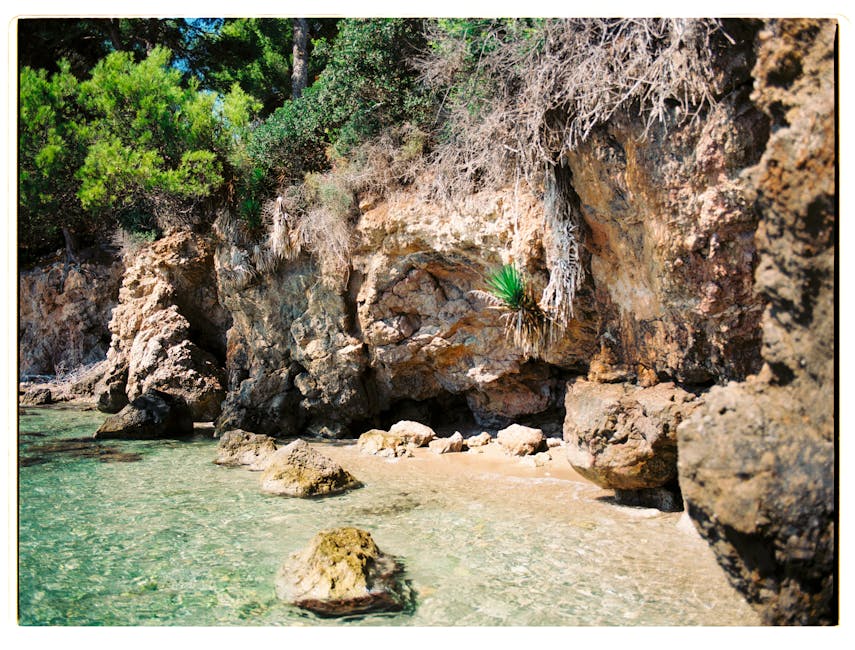
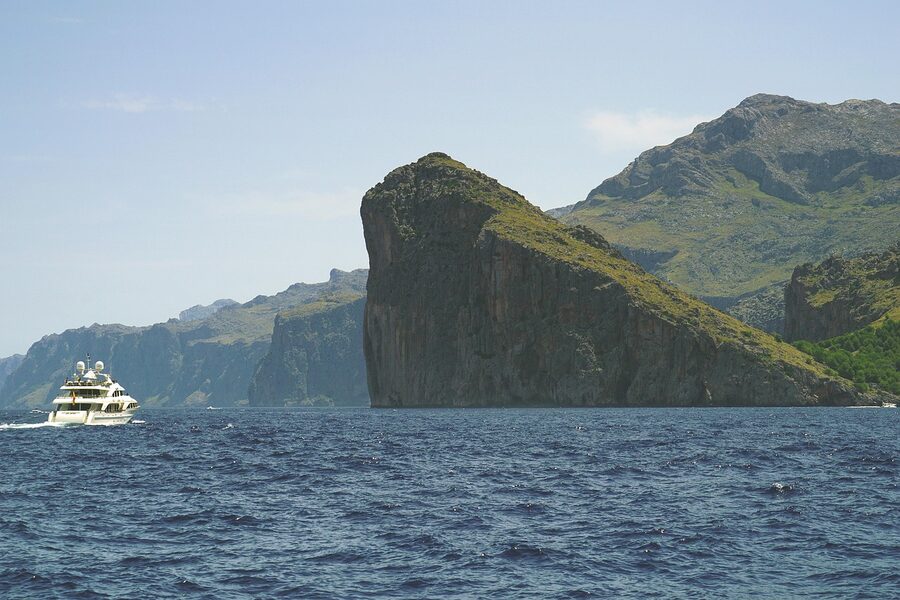
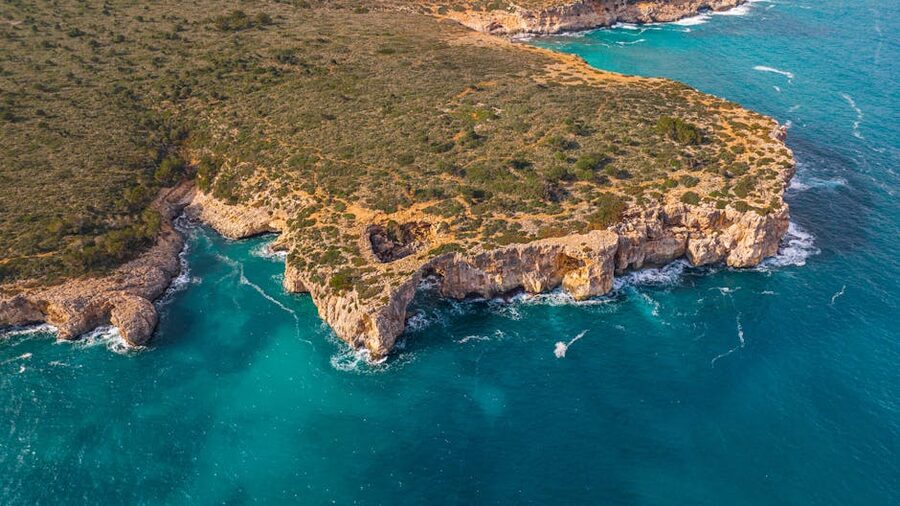
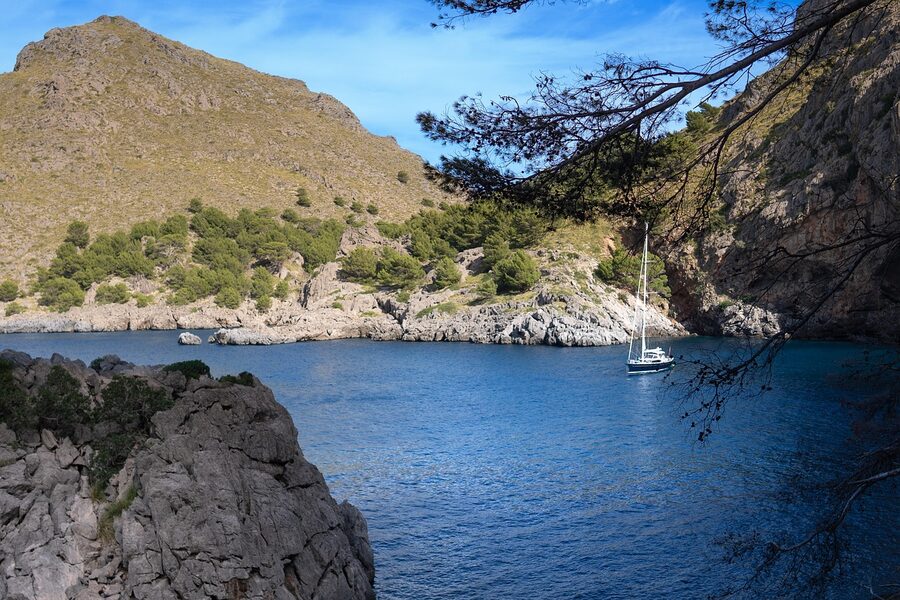
The cliff-jumping cove varies. Operators do not always disclose the exact cala, partly to manage parking, partly because they rotate. Common ones include Cala Vinyes, the small bays around Cala Falco, and a few unnamed inlets near Portals Vells. All are similar: limestone cliffs of around 6 to 12 metres, deep clear water immediately at the base, no surf to speak of in summer.

The cliff jumping, in real terms
Most people booking this combo are nervous about the cliff jump and pretending they are not.
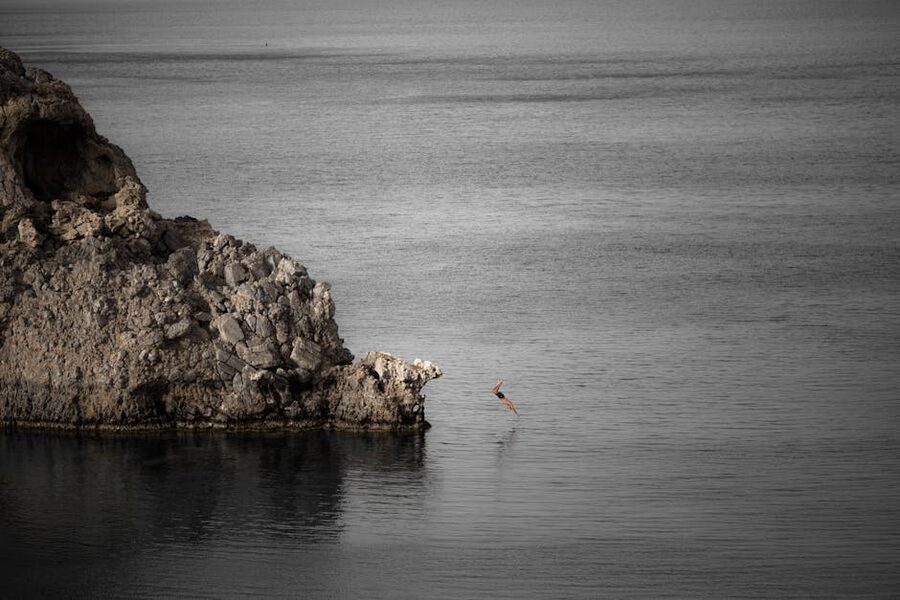
The drop is normally somewhere between six and ten metres. Six is roughly two storeys of a hotel. Ten is roughly three. From the top, both heights look like a lot more than that, because you are looking straight down. From the water afterwards, both look surprisingly small. Your brain does this every time. The first jump is much harder than the second.
Things to actually know:
- You can opt out. Every guide will tell you this, but it bears repeating. There is zero pressure. Plenty of guests come for the snorkel, swim around for half an hour, and never go up to the jump ledge. Nobody in the group cares.
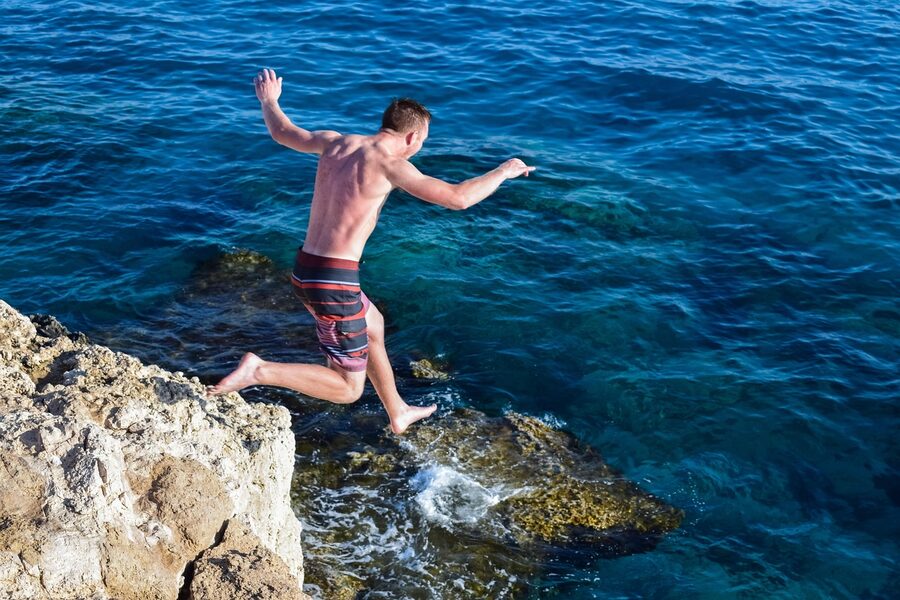
- Step out, do not dive. Guides will demonstrate. Feet first, arms crossed at the chest or pinned to your sides. Diving from height into open water from an unfamiliar takeoff is how people break their faces. Step.
- Eyes on the horizon, not the water. Looking down right before you jump is the thing that freezes most people. Pick a point on the far cliff, take three breaths, go on three.
- The jump entry is short. You are in the air for maybe a second from a six-metre ledge. The fall ends much sooner than your brain expects, which is part of why the second jump is easier.
- You will swallow seawater. Especially the first time. Mediterranean water tastes saltier than the Atlantic.
One thing nobody tells you: the climb back up is harder than the jump. The route up is usually a slightly slippery limestone ramp with thin natural footholds. Reef shoes help. Bare feet are fine if you are reasonably sure-footed.
Snorkelling, what is actually under the water
The truthful version: the snorkelling on these tours is good, not life-changing.
The west and south Mallorca calas have clean, clear water and a decent quantity of small Mediterranean fish. Expect to see common species: damselfish, ornate wrasse, salema, the occasional octopus tucked into a crevice, and clouds of juvenile fish over rocky areas. The water clarity is genuinely impressive: you can see the seabed easily at 5 to 8 metres on a calm day, sometimes deeper.
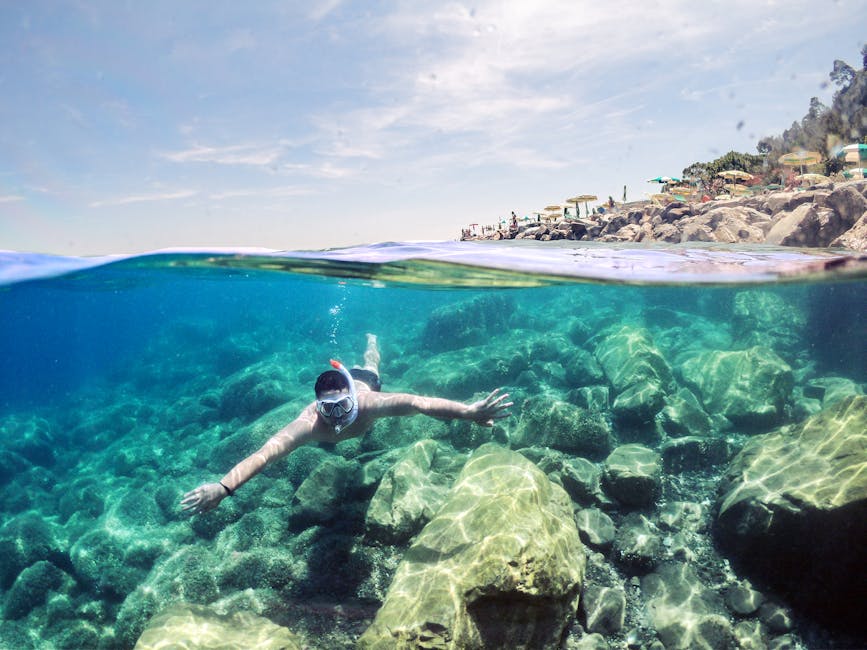
What it is not: a coral reef, a turtle hotspot, or somewhere you will see a manta ray. Mallorca’s marine life is the gentle, post-overfishing Mediterranean version. The most exciting thing most people see is a small octopus, a school of saddled seabream, or a needlefish hovering near the surface in the late-afternoon light.
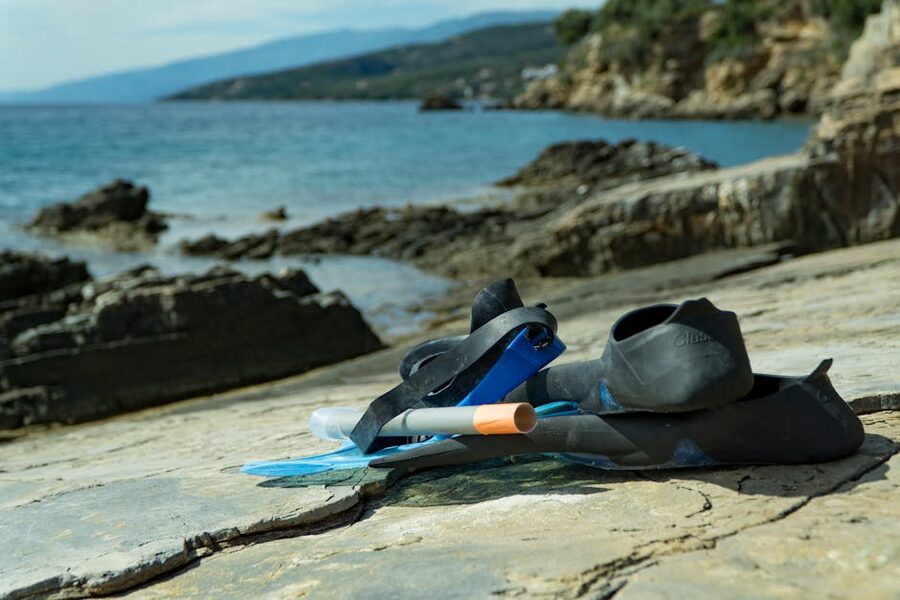
If you wear contact lenses, the included masks usually fit well and the water is calm enough that they will not get washed out. If you wear glasses, you can ask the operator about prescription mask hire in advance, but expect to be told no. Most just have standard masks.
What to wear and bring
The packing list is short, but the wrong-list items are predictable.
Wear:
- A swimsuit on under your clothes (changing rooms at the cove are limited or non-existent).
- Closed-toe shoes you do not love. Sturdy trainers or walking sandals with a back strap. Open flip-flops will not cut it on the quad.
- Quick-dry shorts and a t-shirt over the swimsuit. Long sleeves help against the sun on the quad.
Bring:
- A small dry bag or zip-lock for your phone and cards. The quads have a small storage box but it is not waterproof.
- Sunglasses (and a strap, ideally) for the dust on the quad section.
- Reef shoes if you have them. Optional but helpful at the cliff jump entry.
- A water bottle. Tours sometimes provide one, often do not.
- Cash for guide tips. 5 to 10 euros per person is normal, more if the guide really earned it.
Things you do not need: GoPros (the guide will share photos and most operators have their own waterproof setup), neoprene wetsuits in summer (provided if needed, usually not needed June to September), or technical hiking gear of any kind.
Best time of day, and best time of year
Take the morning slot if you can. The 10am or thereabouts start gets you back to Palma in time for a long lunch, the wind is usually calmer in the morning so the cove water is glassier, and you avoid the worst of the midday heat on the quad.
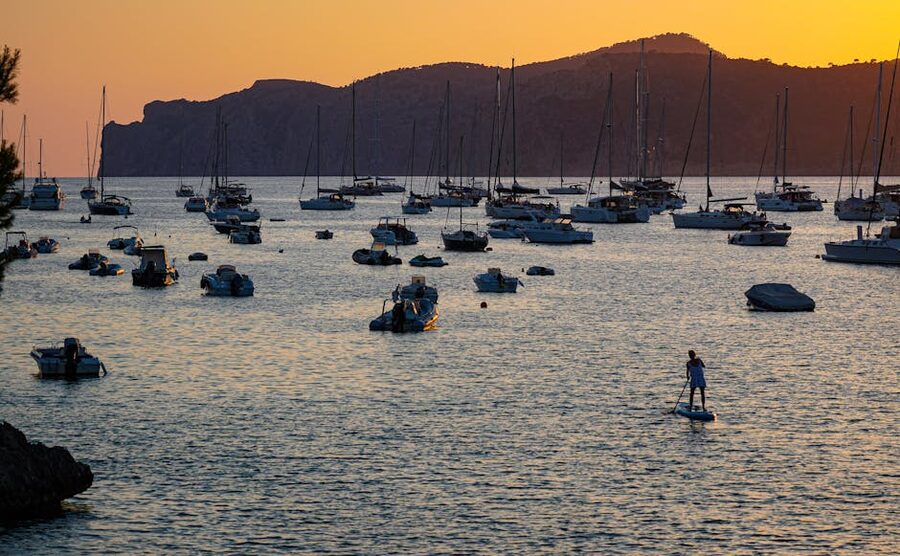
The afternoon slot has its own appeal: the light around 4-6pm at the cliff is magic for photos, the water is warmer (the sun has been on it all day), and you do not have to set an alarm. Pick afternoon if you prefer warm sea over calm sea.
By month: late April through October is the operating season. The shoulders (May, late September, October) are the sweet spot. Smaller groups, sea around 21-23 degrees C, air mid-20s, very little wind. July and August work fine but the cove can be busier and the heat on the quad section is real. November through March, almost nothing runs.
Who should not book this
Some honesty here, because not every traveller fits.
Skip it if you are pregnant. The quad section has enough vibration and the cliff jump is a non-starter. The kayak version is also off-limits in most operators’ rules.
Skip it if you have a recent back, neck or knee injury. Quads vibrate. The cliff jump generates real impact on your legs even from a low ledge. Both will aggravate things.
Skip it if you genuinely cannot swim. The cove sections involve open water, and while you wear a life jacket if asked, the cliff jump assumes you can move yourself toward the boat or shore afterwards.
Skip it if your group includes a child under 7, or anyone who weighs more than 110 kg (the kayak version’s weight limit; quads are more flexible but check). Skip it if it is your first holiday since a knee surgery. Skip it if you have a phobia of heights bad enough that the build-up will ruin the rest of the day for you, regardless of whether you ultimately jump.
Book it if you are reasonably fit, can swim, and are open to one slightly nervous moment. That is the user profile.
How to actually book without messing it up
A few practical notes from watching readers stumble.
Book at least 48 hours ahead in shoulder season, a week ahead in July or August. The combo tours are small-group products (often 6 to 12 people) and they sell out faster than the bigger boat-cruise products. Same-day availability happens but you cannot rely on it.
Book the right starting point. Some products are pickup-from-hotel within a Palma zone, some are meet-at-the-base. The base in Calvia or Platja de Palma is reachable on the EMT bus from central Palma in 30-45 minutes. Magaluf and Santa Ponsa hotels usually get a pickup. Andratx, Soller and east-coast hotels usually do not, so you will need to drive yourself to the meeting point.
Read the cancellation policy. Most quad-and-snorkel operators are 24-hour free cancellation, some are 48. If the weather forecast 24 hours out shows wind over force 5 or thunderstorms, the operator will usually cancel themselves and refund you in full. You almost never have to make that call yourself.
Bring the booking confirmation. Phone screenshot is fine. They scan a QR or check the name against a tablet at the briefing. No paperwork to print.
How it stacks up against other Mallorca half-days
If you are shortlisting, here is the real comparison.
This combo versus a standard Mallorca catamaran cruise: the catamaran is more relaxed, longer, includes lunch, and the swim stop is incidental rather than central. Pick the catamaran if you want a slow boat day with prosecco. Pick this combo if you want movement and one definite adrenaline beat.
This combo versus a Mallorca dolphin-watching cruise: very different products. Dolphin trips run from Alcudia or Palma Bay, sit you on a small purpose-built boat with a naturalist, and aim at one specific sighting outcome. Pick that one if you came to see dolphins. Pick this combo if you want to do things, not watch things.
This combo versus the full Mallorca island tour: the island tour is a 7-9 hour bus day covering Soller, Valldemossa and the north coast. It is sit-and-watch. This combo is do-it-yourself across a smaller piece of the island. Pick the island tour for context, this one for a story.
This combo versus a Caves of Drach tour: also a different category entirely. Drach is east-coast, indoor (well, underground), and the headline experience is a 10-minute classical concert in a torchlit chamber on Lake Martel. Pick Drach for atmosphere, this combo for adrenaline. Many readers do both across a four-day Mallorca trip.
This combo versus the Palma Aquarium: the aquarium is the wet-day fallback or the family-with-young-kids option, with a deepest-shark-tank-in-Europe pull and a sea-turtle rehab centre. Pick that for the under-7s in your group, pick the quad combo for the over-12s.
What it costs, end to end
Headline price for the headline tour is currently around 70-90 euros per person, depending on season and operator. The kayak version sits around 80-95. Buggy-only options run 55-75. None of these include lunch, none include hotel pickup outside the Palma zone, and none include personal travel insurance.
Build out the full day cost like this. Tour: roughly 80 euros. Tip: about 10. Lunch on the way back: 20-30. Bus back into Palma if you came on the EMT: about 5. So around 120 euros for the day per adult, before you factor in dinner. That is in line with most major Mallorca half-day activities.
If you are travelling as a family of four with two adults driving and two kids riding pillion, you are looking at maybe 240 euros total for the activity. Compare to the catamaran cruise at 60-80 per person across all four people, which is a similar day cost.
Other Mallorca trips worth thinking about
If this turns out to be the highlight of your week, you might want to stack it with one or two other Mallorca trips. The catamaran cruise is the obvious pairing for the day after, if your legs need a rest. The Caves of Drach work as a contrast, swap dust and sun for limestone air and the underground concert. If you have already done the headline quad combo and want a second hit, the dolphin-watching cruise from Alcudia is the lower-key sea version.
For a slow day, the hop-on hop-off bus in Palma covers the city and Bellver Castle in two loops, which works as a recovery day after this tour. The Palma Cathedral visit takes about 90 minutes and slots into the same day. And if you discovered you actually like adventure tours, the parallel products on other Spanish islands are worth a look: the Cofete jeep safari in Fuerteventura, the buggy tour in Gran Canaria, and the volcano buggy in Lanzarote are all in the same family. Different terrain, same kind of half-day.
For families travelling with smaller kids who will not ride the quad, the Palma Aquarium is the calm-day option. And if you are routing through Mallorca as part of a wider Spain trip, the existing island tour and Caves of Hams guide both connect to the east coast in a way this article does not.
Jess’s full take, asked the next day, was: I would do it again, and I would book the morning slot, and I would not have brought a phone in my pocket on the quad section. That is roughly the whole guide compressed into one sentence.
Affiliate disclosure: when you book through the Check Availability links above, we earn a small commission at no extra cost to you. We only recommend tours we would book ourselves.