Shirakawa-go’s steep thatched roofs are the big draw, but this two-day route gives you a broader look at central Japan: Takayama’s old merchant streets, Nakasendo post towns, Ena Gorge and Inuyama Castle. I like that you get both village scenery and a castle visit, and that the Shirakawa-go observation deck and Inuyama Castle admission are included.
I also like the overnight break in Nagoya. You are not expected to stay in tour-provided accommodation, so you can choose a hotel that suits your budget and plans. The trade-off is a packed schedule: there are several long drives and relatively short visits, and meals and lodging are on you.
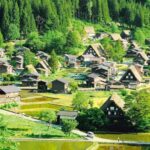
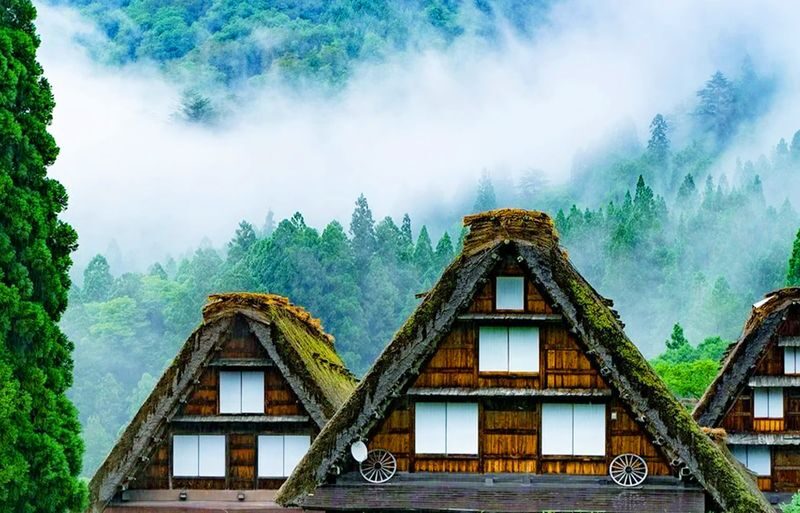
- Shirakawa-go from above: The tour drives up to the observation deck, with admission included, for a wide view of the village’s gassho-style roofs.
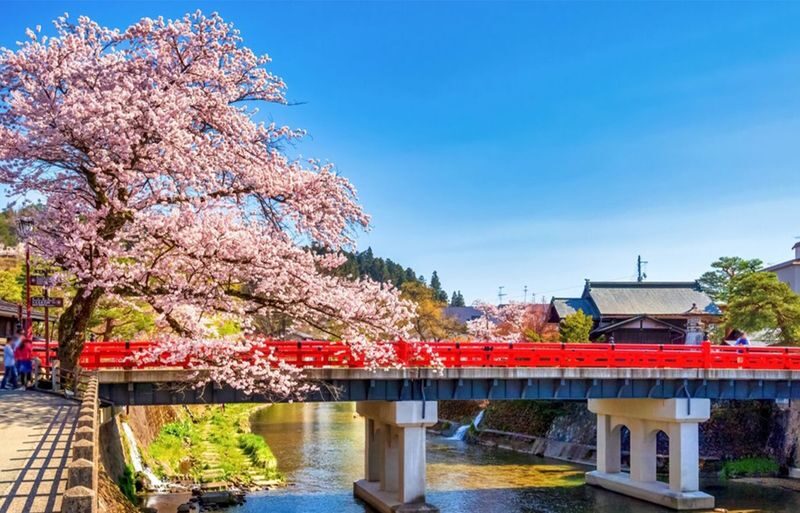
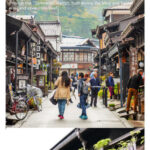
- Takayama’s old streets: You get two and a half hours to explore preserved wooden merchant houses, shops and cafés.
- Six stops across two days: The route combines Inuyama Castle and Ena Gorge with Magome-juku and Tsumago-juku.
- Nagoya is your overnight base: Day one ends back at Nagoya Station; day two starts there again. Book accommodation separately.
- Price starts at US$100.55: Transport, tolls, parking and fuel are included, but meals and personal spending are extra.
- Expect a full day on the road: Traffic and weather can change the order or length of stops, and the group does not wait for late arrivals.
- Two days from Nagoya, with a lot packed in
- Day one: Takayama’s wooden streets, then Shirakawa-go
- Day two: Inuyama Castle and the Kiso River
- Magome and Tsumago: a short taste of the Nakasendo
- What the price covers, and what it does not
- Who should book this route?
- FAQ
- Where does the tour depart from?
- Is accommodation included?
- Are meals included?
- Which admission fees are included?
- What languages can the guide speak?
- Can I bring luggage on the bus?
- The Best Of Shirakawa!
- More Tours in Shirakawa
- More Tour Reviews in Shirakawa
Two days from Nagoya, with a lot packed in
This is a coach-based way to connect places that are spread across Gifu and the wider Chubu region. Instead of arranging separate transport to Takayama, Shirakawa-go, Inuyama and the Nakasendo post towns, you ride between them with a guide and a set schedule.
The balance is clear: you gain convenience and a generous list of stops, but give up some freedom at each one. You will not have the time to linger over lunch or explore every lane. If you want a first look at several places, that is a fair trade. If you prefer slow travel, choose one or two areas and stay overnight nearby instead.
The one published five-star comment specifically praised the views, guide and driver. That fits the tour’s strongest appeal: scenery, plus the convenience of having someone else handle the mountain and intercity driving. No guide names are provided, so you cannot request a particular guide.

👉 See our pick of the 11 Top-Rated Shirakawa Tours
Day one: Takayama’s wooden streets, then Shirakawa-go
The bus leaves Nagoya Station at 8:30 a.m. from the Taikodori Entrance, near the Ministop Tsubakicho store. Plan to arrive at least ten minutes early. This is a shared group departure, and late arrivals are not waited for or refunded.
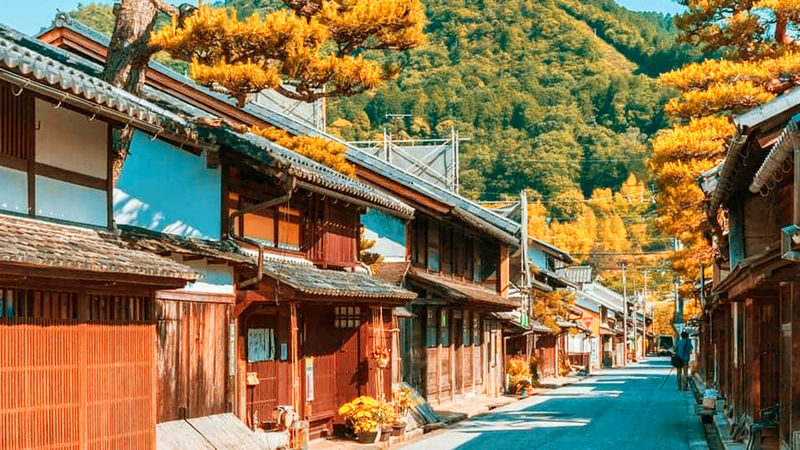
Takayama is the first major stop, with about two and a half hours to walk the old town. Its preserved Edo-period wooden merchant houses give the streets a strong sense of place. This is not only a photo stop: you can browse craft shops, pause at a Japanese café or traditional tavern, and try Hida beef at your own expense.
Two and a half hours is useful, though lunch and sightseeing have to fit into the same window. Decide what matters to you before setting off from the bus. If food is a priority, look for somewhere to eat early rather than spending the whole visit browsing. Meals are not included, and the tour does not promise a particular restaurant or reserved lunch.
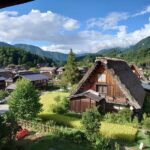
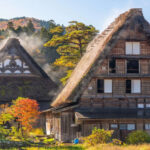
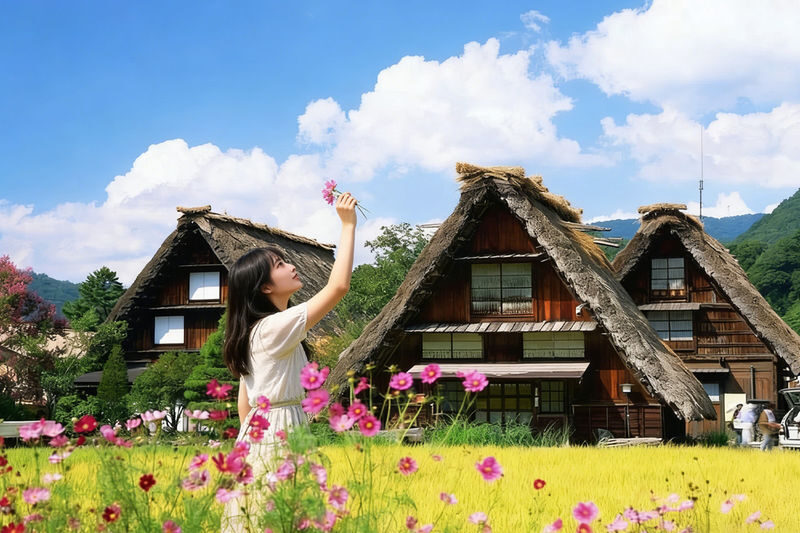
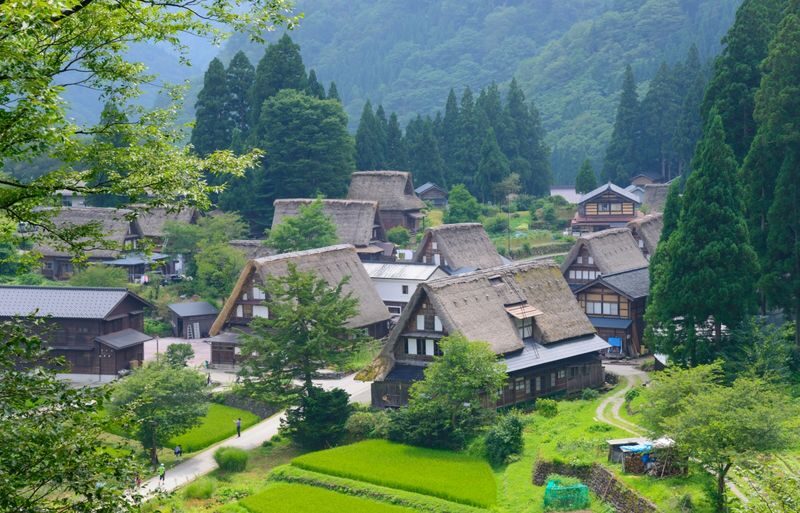
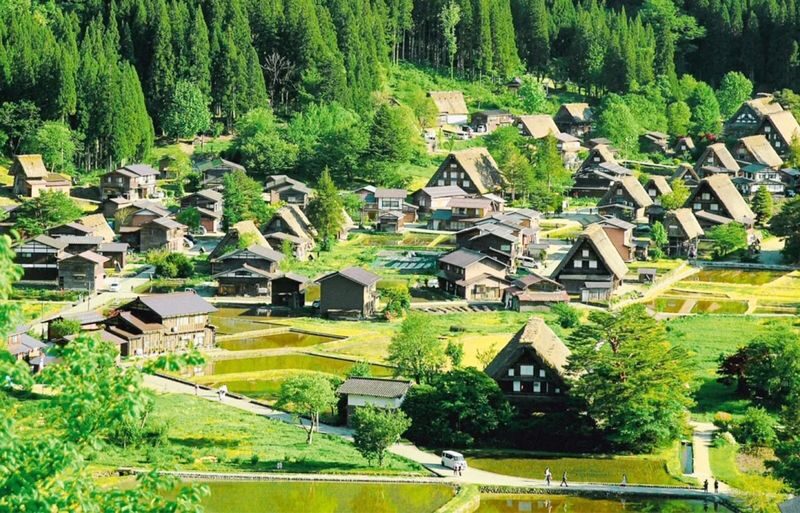
From Takayama, the route continues to Shirakawa-go, a mountain-valley village known for 113 traditional gassho-style buildings. Their steep, thatched roofs were built to cope with heavy snow. The village has a different character in each season, but the famous view is from above, where the roofs sit together against the surrounding mountains.
You have about an hour and a half here, including time to visit the observation deck. The bus drives up to the lookout, so you do not need to queue for a separate transfer. Admission is included. From the top, you can take in the village layout before heading down to look around at ground level, though the schedule does not leave time for an unhurried visit to every house or lane.
The bus returns to Nagoya at about 6:30 p.m. That break is practical, but it is not a continuous overnight tour. You need to arrange your own room, then return to the same station area the next morning.
You can also read our reviews of more tours and experiences in Shirakawa.


Day two: Inuyama Castle and the Kiso River
Day two begins with an 8:30 a.m. departure and a drive of about an hour to Inuyama Castle. The stop lasts roughly an hour, and castle admission is included. Built on a rise above the Kiso River, the castle has an old wooden keep and a compact, historic feel quite different from Shirakawa-go’s rural setting.
The castle is described as the oldest existing castle tower in Japan and is designated a National Treasure. If you climb to the top, you can look out over the river and the castle town. The narrow, steep stairs typical of old castle keeps can make the climb demanding, so allow for that if mobility is a concern. The tour itself is not recommended for people with impaired mobility or certain medical conditions.
Sanko Inari Shrine is also mentioned as a nearby place associated with relationships and good fortune in love. The schedule does not specify a separate visit or how much time you will have there, so treat it as something to fit in only if your group’s timing allows.
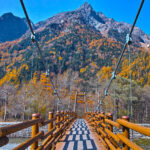
Next comes Ena Gorge, with about thirty minutes at the observatory. The Kiso River cuts through volcanic rock here, creating a valley of unusual formations. From the bridge observatory, the views include formations known as Folding Screen Rock and Battleship Rock, reflected in the water. The scenery changes by season: spring brings cherry blossoms, while autumn is noted for red and gold foliage against the lake.
Thirty minutes is a brief pause, not a hike or extended nature visit. Think of it as a chance to stretch your legs, take in the view and get back on the bus. The short stop makes sense in a day that still has two historic post towns ahead.
Magome and Tsumago: a short taste of the Nakasendo
Magome-juku is one of the old post towns along the Nakasendo route, the historic road between Kyoto and Edo, now Tokyo. Its steep, stone-paved main street runs for about 600 metres, lined with wooden houses, tea shops, museums and souvenir stores. The uphill and downhill street gives the place its distinctive shape, and the watermills and old buildings help evoke the era when merchants and other travellers stopped here on the road.
You have about an hour and a half in Magome. That is enough to walk the main street, browse a few shops and sample a snack, but not enough to explore at a leisurely pace. Wear shoes that are comfortable on stone paving, and keep an eye on the clock if you stop for food or shopping.
Tsumago-juku follows, with about an hour to explore. It is known for its preserved wooden townhouses and quieter, more modest feel. Mossy paving and traditional buildings make the route itself part of the visit. The town’s preservation status is significant: it was Japan’s first Important Preservation District for Groups of Traditional Buildings.
The two post towns are not interchangeable. Magome’s steep street and shops make it feel more active; Tsumago is presented as the more restrained stop. Seeing both gives you a useful comparison, though the tight schedule means you experience their main streets rather than the full Nakasendo walking route between them.
The return drive to Nagoya takes about an hour and fifty minutes. The stated arrival time is around 6:20 p.m., but traffic can push it later. Do not book a flight, performance or other time-sensitive plan for that evening.
What the price covers, and what it does not
The tour starts at US$100.55. That is a strong value if you want transport to all these dispersed stops without renting a car or planning separate connections. The price includes round-trip transfers from the meeting point, guide service in English, Chinese or Japanese, fuel, tolls and parking, plus admission to Inuyama Castle and the Shirakawa-go observation deck.
It does not include accommodation, meals, drinks or personal purchases. Since you return to Nagoya after day one, your hotel cost is separate and may be a substantial part of the total. Add that, plus two days of food and any snacks or souvenirs, before comparing the price with a self-planned trip.
The tour uses a vehicle suited to the group size, which may be a business van, minibus or large bus. You cannot choose the vehicle type, and seats are assigned on a first-come basis, with the guide coordinating any requests. The group may include people speaking different languages, so expect a shared-tour rhythm rather than a private excursion.
The selected package needs a close look before you book. The available package is described as a Shirakawa-go and Takayama tour, while the full two-day schedule also lists Inuyama Castle, Ena Gorge, Magome and Tsumago. Confirm that the option you select covers the full two-day route you want.
Who should book this route?
I would consider this tour if you have two days, want to see several landmarks without managing regional transport yourself, and are comfortable with early starts and firm stop times. It is especially useful if Shirakawa-go and Takayama are priorities, but you also want a sampler of castle and post-town history.
It is less suitable if you want long walks, generous meal breaks or time to visit interiors at every stop. The pace is brisk, the schedule can change with traffic and weather, and the operator may shorten or cancel a stop to keep the tour safe and within driver working-hour limits. Bring cash for food and small purchases, and keep some flexibility in your plans.
For the starting price, the included transfers and two key admissions make the route appealing, provided the selected package really includes all the listed stops. Book it for breadth and convenience, not for a slow, deep visit to any one place. Arrange your Nagoya hotel separately, check the package details, and keep the evening after day two clear.
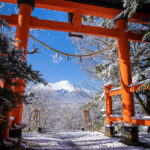

Shirakawa-go Gassho Village & Hida Takayama & Magome-juku & Inuyama Castle Two-Day Tour (Accommodation not included)
“Great views, thanks to the tour guide and driver!”
FAQ
Where does the tour depart from?
It departs from Nagoya Station Taikodori Entrance, near the Ministop Tsubakicho store at 5-10 Tsubakicho, Nakamura-ku, Nagoya. Arrive at least ten minutes before the 8:30 a.m. departure.
Is accommodation included?
No. The tour returns to Nagoya after day one, and you meet there again on day two. You need to arrange and pay for your own accommodation.
Are meals included?
No. Meals and drinks are not included. You can buy food at the stops or bring your own.
Which admission fees are included?
Admission to Inuyama Castle and the Shirakawa-go observation deck is included. Other personal expenses are not covered.
What languages can the guide speak?
The guide service is offered in English, Chinese or Japanese. The tour is shared, and people speaking different languages may be on the same vehicle.
Can I bring luggage on the bus?
Each person may bring one standard-sized piece of luggage, but you need to note it in the special requests section when booking. Luggage brought without prior notice may not be accepted if there is not enough space.