Ramen is more than noodles in soup. In this 2.5-hour Osaka class, you make noodles from flour, then see how broth, seasonings, and toppings turn them into three distinct bowls: shio, shoyu, and miso. It’s a practical way to taste the differences instead of just reading a menu.
I like that you do the cooking yourself, with clear step-by-step guidance, and that the class covers everyday Japanese ingredients as well as ramen. I also like the three-style tasting: it gives you a useful comparison in one sitting, with dessert to finish.
The main consideration is dietary fit. The standard ingredients include wheat, pork, chicken, egg, sesame, and seasoning with a small amount of alcohol. Vegetarian and vegan options can be requested when booking, but gluten-free requests cannot be accommodated.
At a glance
- Three ramen styles: Prepare shio, shoyu, and miso ramen, then taste mini bowls of each.
- Noodles from scratch: Work with flour and water to make ramen noodles rather than starting with a packet.
- A hands-on lesson: You handle the cooking, with an instructor explaining each step and sharing practical tips.
- Dessert included: The meal ends with a Japanese sweet.
- Convenient Osaka meeting point: Meet at BANIX Kitahorie, about a three-minute walk from Nishi-Nagahori Station.
- Allow 2.5 hours: At a listed starting price of $90.09, the class includes the ingredients, equipment, instruction, three ramen servings, and dessert.
👉 See our pick of the The Top 15 Workshops & Classes In Osaka
- At a glance
- Start with flour, not a packet
- Compare shio, shoyu, and miso in one meal
- The instructor’s tips are part of the value
- A sweet finish, and a meal you make yourself
- What .09 buys you
- Dietary requests need advance planning
- Finding BANIX Kitahorie
- Who should book this ramen class?
- FAQ
- How long is the ramen cooking class?
- Where does the class meet?
- Which kinds of ramen will I make?
- Is dessert included?
- Is the class suitable for children?
- Can the class accommodate vegetarian or vegan diets?
- Can I request gluten-free food?
- What is included in the price?
- The Best Of Osaka!
- More Tours in Osaka
- More Tour Reviews in Osaka
Start with flour, not a packet
 1 / 8
 2 / 8
 3 / 8
 4 / 8
 5 / 8
 6 / 8
 7 / 8
 8 / 8
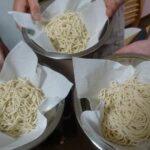
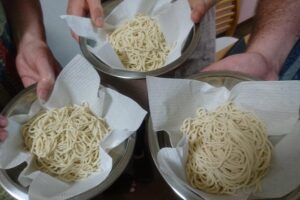
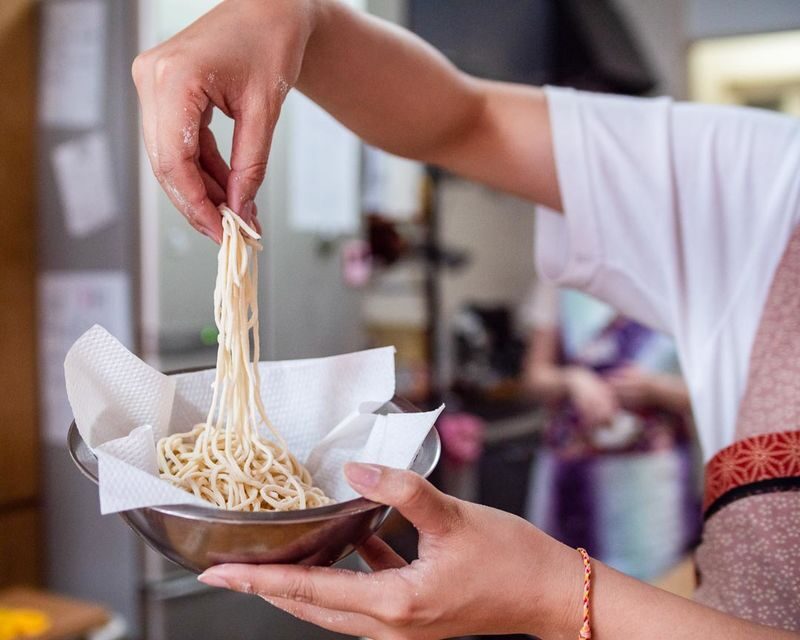
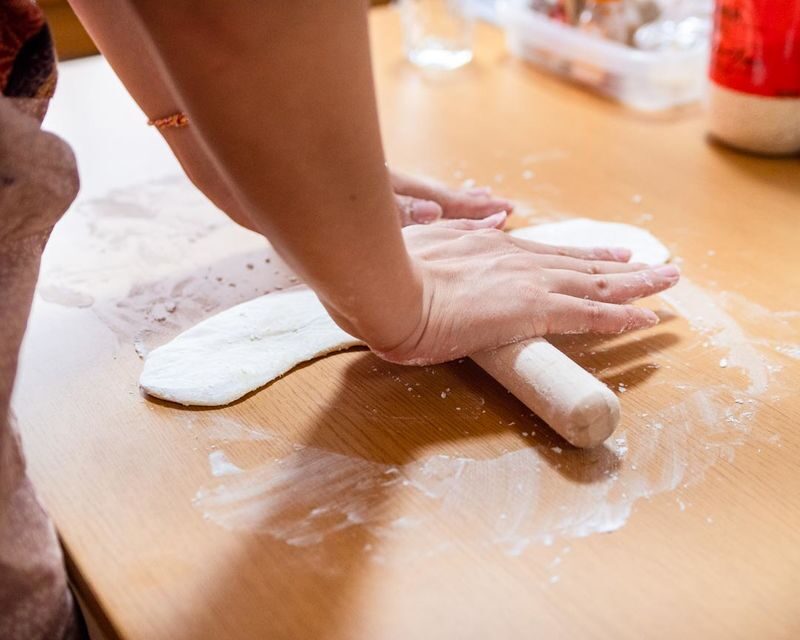
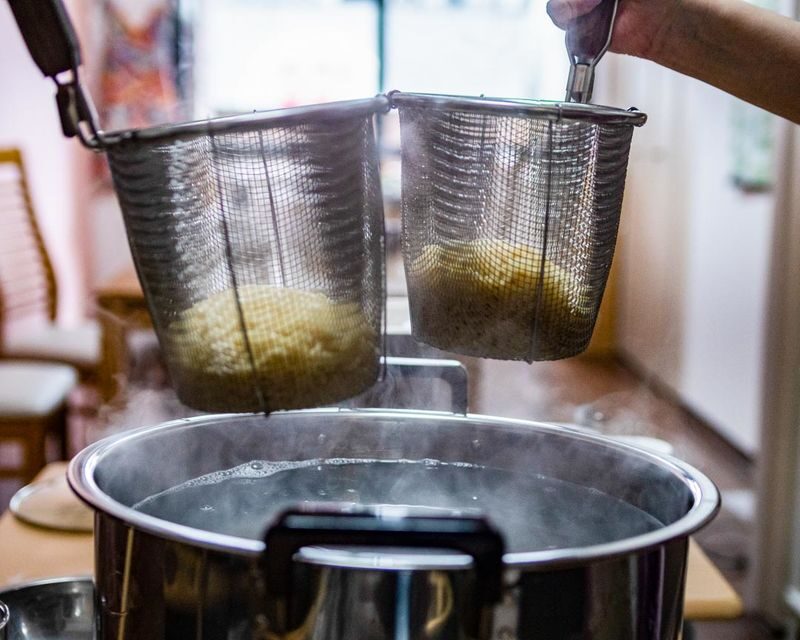
The class begins with the most basic ramen ingredient: the noodle. You work from flour and water, learning how to turn the mixture into dough and shape it into noodles. That hands-on start matters. It gives you a better sense of the work behind a bowl of ramen, and of how the noodle itself helps define the final dish.
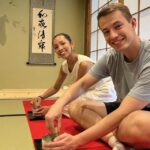
The instructor walks you through the process step by step. Past sessions have been led by instructors including Fumi and Keigo, and participants have described the teaching as clear, friendly, and well organized. The English-speaking instruction is useful for more than simply following a recipe: it lets you ask why a particular ingredient or technique matters.
The lesson also touches on how different flours affect noodle texture. That’s a small detail with real value if you like to cook at home. Recipes can tell you what to add, but knowing how the ingredients change the result gives you a better chance of adjusting a dish to your taste.
Expect to use your hands and stay engaged. This is a cooking class, not a demonstration where you watch a chef do all the work. You’ll need to listen and cook at the same time, so make a note of tips you want to remember rather than assuming you’ll retain every detail. One participant found that the recipe sheet did not capture every helpful instruction.
You can also read our reviews of more tours and experiences in Osaka.



Compare shio, shoyu, and miso in one meal
After making the noodles, you move on to the three ramen styles. Shio is seasoned with salt, shoyu with soy sauce, and miso with fermented soybean paste. The class uses these familiar styles to show how seasoning and broth change the character of a bowl, even when the basic idea remains noodles, soup, and toppings.
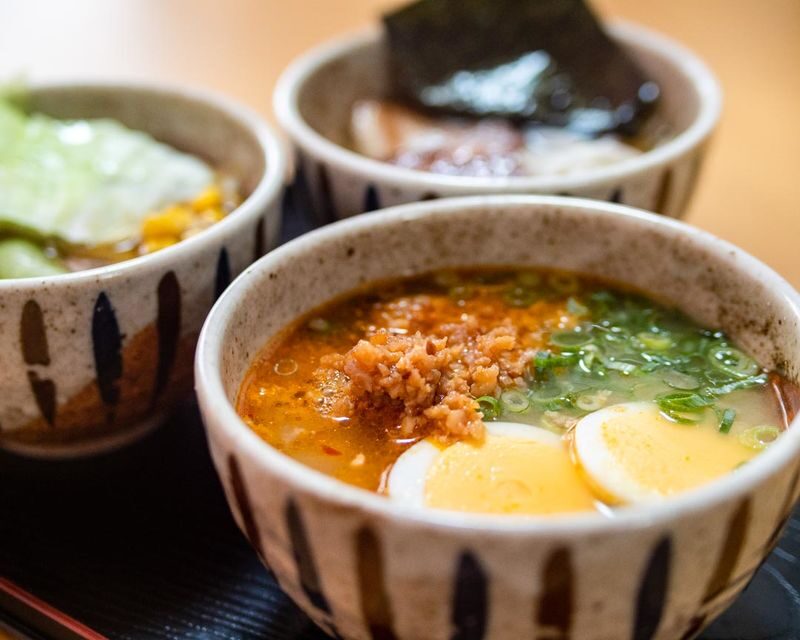
You’ll prepare shio ramen, shoyu ramen, and a richer miso ramen. Each gets its own combination of toppings and ingredients, so the meal becomes a tasting as well as a lesson. Rather than choosing one style from a menu and guessing what the others are like, you can compare all three side by side.
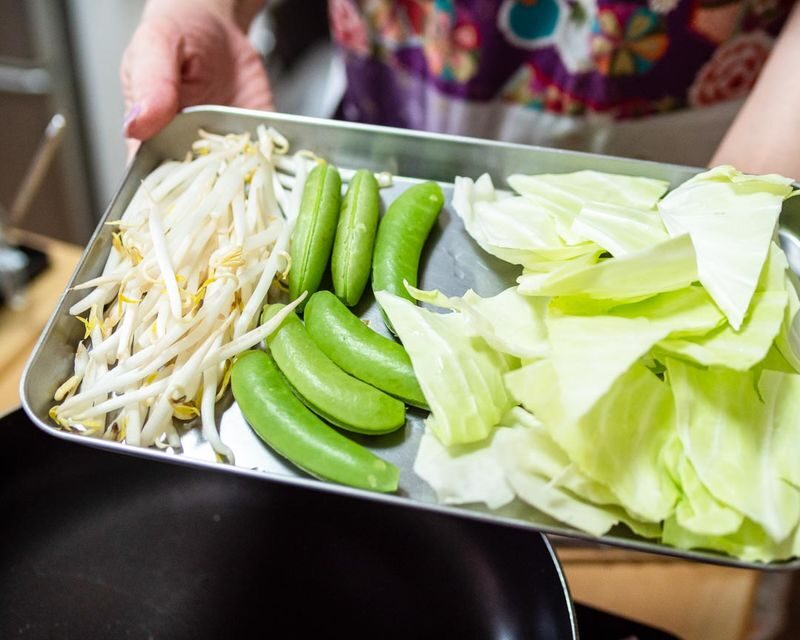
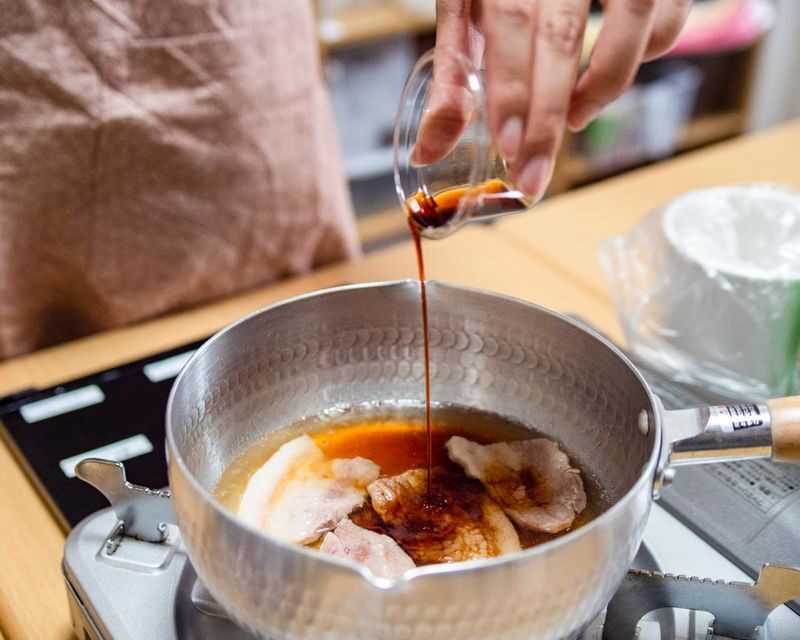
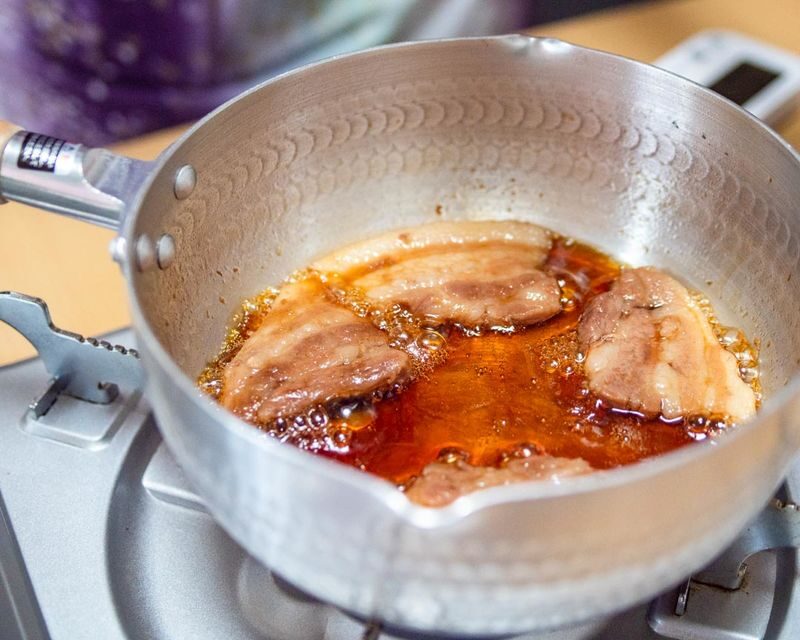
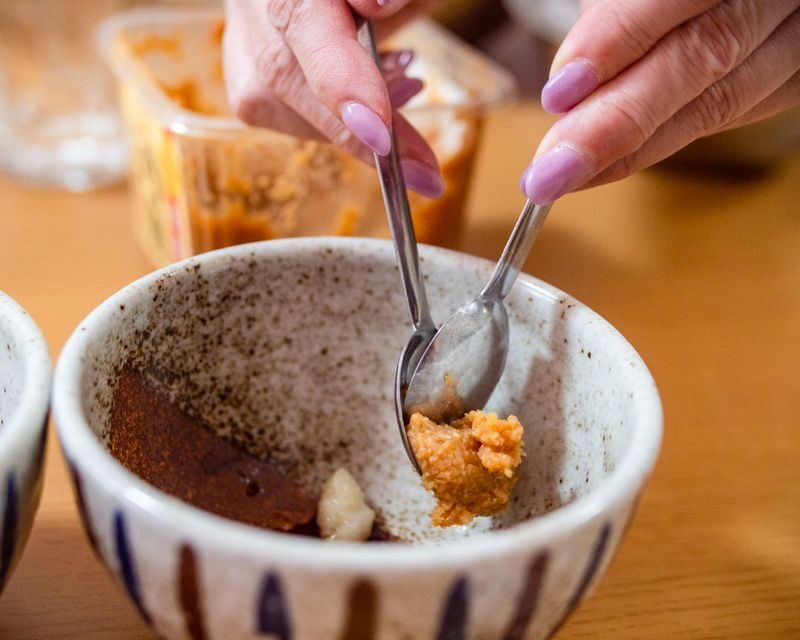
The cooking also opens a window onto ingredients used in everyday Japanese food. Participants have learned about different soy sauces and miso, along with seasonings such as sake and mirin. The class has also covered techniques such as steaming vegetables and preparing toppings. Those skills are useful well beyond ramen.
The advertised servings are mini bowls, not three full restaurant-size portions. That is a sensible format for tasting several styles without making the meal only about quantity. A participant has found the finished meal surprisingly satisfying, but portion sizes can feel different from person to person. If you arrive very hungry, keep that in mind when planning the rest of your day.
The instructor’s tips are part of the value
A good cooking class gives you more than a list of steps. Here, the explanations can help you understand how to get better flavor or work more efficiently, and why a particular method is used. That turns the session into a useful introduction to Japanese home cooking, not just a one-time ramen activity.
Class sizes have varied, with one session described as a group of eight and another praised for its intimate feel. The supplied details do not promise a fixed group size, so don’t book on the assumption that you’ll have a private lesson. Still, the reported teaching style is hands-on and attentive, with instructors guiding the group through each stage.
Some sessions have included a recipe sheet, and one instructor, Keigo, also sent photos afterward. Treat those extras as possible rather than guaranteed for every date. If you want to recreate the dishes at home, pay close attention during the lesson and jot down any tips that are not on the printed recipe.
That practical focus is one reason I’d consider this class even if you already know your way around a kitchen. You may not leave with a professional ramen shop’s full method, but you can come away with a clearer sense of noodle texture, seasonings, and how small choices shape the bowl.
A sweet finish, and a meal you make yourself
Once the noodles, broths, and toppings are ready, you sit down to try the three ramen varieties. This is the payoff: you get to taste the results while the differences are fresh in your mind. The class then ends with a classic Japanese dessert, adding a final course without requiring you to plan a separate meal afterward.
The experience is designed around participation, so you should expect to spend most of the session cooking and following instructions rather than simply eating. That makes it a better fit for someone curious about technique than for someone looking for a quick lunch. The meal is part of the activity, but the cooking is the main event.
It can also work well as a shared activity. The group setting brings together people with different backgrounds, and the steps give everyone something to do. For a date or a family outing, the appeal is less about formal dining and more about making something together. Children must be at least seven, and they pay the same rate as adults.
What $90.09 buys you
The starting price is $90.09 for the 2.5-hour class. That includes instruction in English or Japanese, ingredients for all three bowls, tools, tableware, and dessert. You are paying for a structured cooking lesson and a multi-dish tasting, not just a bowl of ramen.
For someone who already plans to eat ramen in Osaka, the value lies in learning how the dish comes together. You make noodles, work with several styles of seasoning, and get a meal at the end. If you mainly want a large, inexpensive lunch, this is not the best way to spend your food budget. If you want to understand the cooking and take ideas home, the price is easier to justify.
The class may offer extra value if a recipe sheet is provided, since it can help you repeat the dishes later. But don’t count on every helpful detail appearing on the sheet. Listen for the instructor’s small adjustments and write them down as you go.
Dietary requests need advance planning
The standard class uses wheat flour, pork, chicken, egg, sesame, and seasoning containing a small amount of alcohol. If any of these are a concern, contact the class in advance rather than waiting until you arrive.
Pescetarian, vegetarian, and vegan requirements can be accommodated when requested ahead of time. Requests to leave out pork, meat, or alcohol can also be accommodated, but the ingredients are not halal-certified, and other participants may use animal products and alcohol while cooking. Gluten-free meals cannot be accommodated.
Be specific about allergies and restrictions when you book. The class confirmation may take up to 48 hours, and the voucher is valid only for the date and time selected. If an emergency may make you late, contact the class in advance; arriving late can mean you are unable to join.
Finding BANIX Kitahorie
The meeting point is BANIX Kitahorie in Osaka. It is about a three-minute walk from Nishi-Nagahori Station, and the detailed location and map link are provided on the voucher after booking. Meet the host directly at the venue.
The short walk from the station makes the class straightforward to fit into an Osaka day, but give yourself enough time to find the exact entrance. The activity lasts 2.5 hours, so leave room in your schedule rather than placing another timed plan immediately afterward.
Cancellation terms are also worth checking before you commit: a full refund is available if you cancel at least 72 hours before the activity date, using local destination time. For families, remember the minimum age is seven and children pay the adult rate.
Who should book this ramen class?
This is a strong choice if you enjoy cooking, want to learn a few useful Japanese techniques, or simply want a change from sightseeing and restaurant meals. It also suits ramen fans who are curious about the differences among shio, shoyu, and miso, and want to try making the noodles themselves.
I’d be less inclined to recommend it if your main goal is a quick meal, if you need gluten-free food, or if you prefer to avoid group activities. The class asks you to follow instructions and take part throughout. It is most rewarding when you want to learn, not just eat.
Book it if the hands-on work, three-style tasting, and practical cooking tips sound worth 2.5 hours and about $90. If you do, arrive on time, tell the instructor about dietary needs in advance, and take notes. You’ll get more from the class by treating it as a lesson you can use again at home.
Homemade Noodle Making in Osaka (2.5 Hour)
“ladies provided detailed step by step easy cooking. worth going out if your way.”
FAQ
How long is the ramen cooking class?
The class lasts 2.5 hours.
Where does the class meet?
Meet your host at BANIX Kitahorie in Osaka. The venue is about a three-minute walk from Nishi-Nagahori Station.
Which kinds of ramen will I make?
You’ll prepare shio ramen, shoyu ramen, and miso ramen, then sit down to try mini bowls of all three.
Is dessert included?
Yes. A classic Japanese dessert is included at the end of the class.
Is the class suitable for children?
Participants must be at least seven years old. Children aged seven and older are charged the same rate as adults.
Can the class accommodate vegetarian or vegan diets?
Yes. Vegetarian and vegan options can be arranged if you request them when booking. Pescetarian requirements can also be accommodated.
Can I request gluten-free food?
No. Gluten-free requests cannot be accommodated. The standard class uses wheat flour.
What is included in the price?
The class includes an English- or Japanese-speaking guide, ingredients for the three ramen bowls, tools, tableware, and dessert. Other personal expenses are not included.