A temple visit in Osaka becomes a chance to slow down: you settle in with a foot bath, receive a gentle oil massage with bamboo-stick fascia work, and finish with a traditional tea ceremony. The setting and the mix of care and culture make this more than a standard spa appointment.
I like the unhurried combination of treatments and rituals, especially the foot bath before the massage and the tea ceremony afterward. I also like that you can wear a yukata for a commemorative photo, adding a tangible memory without turning the visit into a sightseeing checklist.
One point to keep clear: 120 minutes means arrival to departure, not two full hours of massage. The massage is described as delicate rather than strong, so this is a better fit for relaxation than for deep-tissue work.
- Key things to know before you book
- A temple setting changes the pace
- From foot bath to bamboo-stick massage
- Yukata, shrine visit and tea ceremony
- What the 7.65 price buys
- Who will enjoy this Osaka experience
- Should you book it?
- FAQ
- How long is the experience?
- Where does the experience take place?
- How do I find the entrance?
- Is English-speaking staff available?
- What is included in the course?
- Is the massage strong or deep tissue?
- What is the starting price?
- What is the cancellation policy?
- The Best Of Osaka!
- More Tours in Osaka
- More Tour Reviews in Osaka
Key things to know before you book
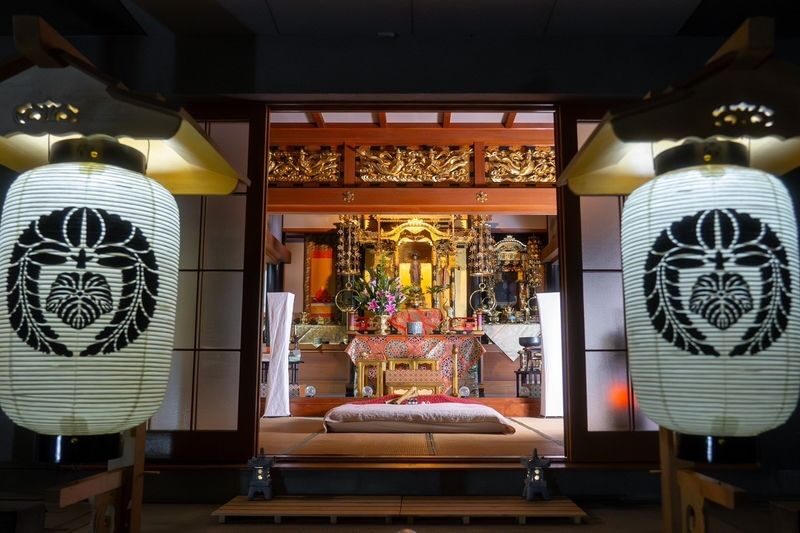
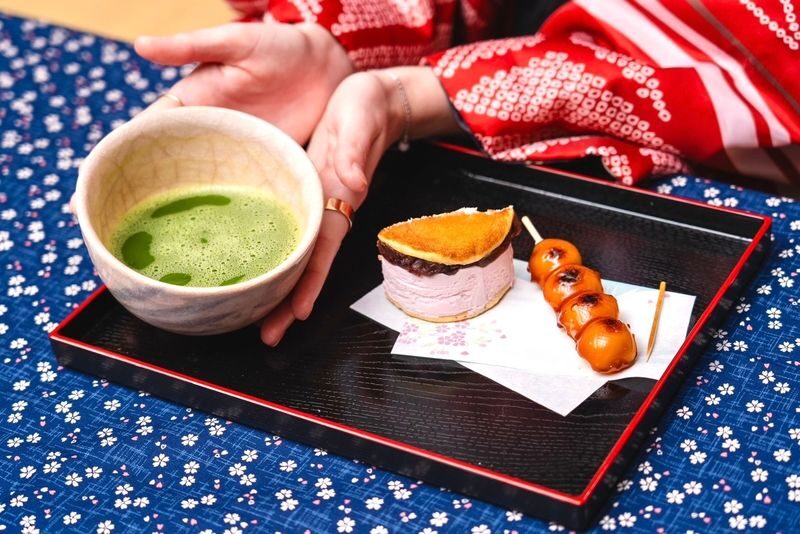
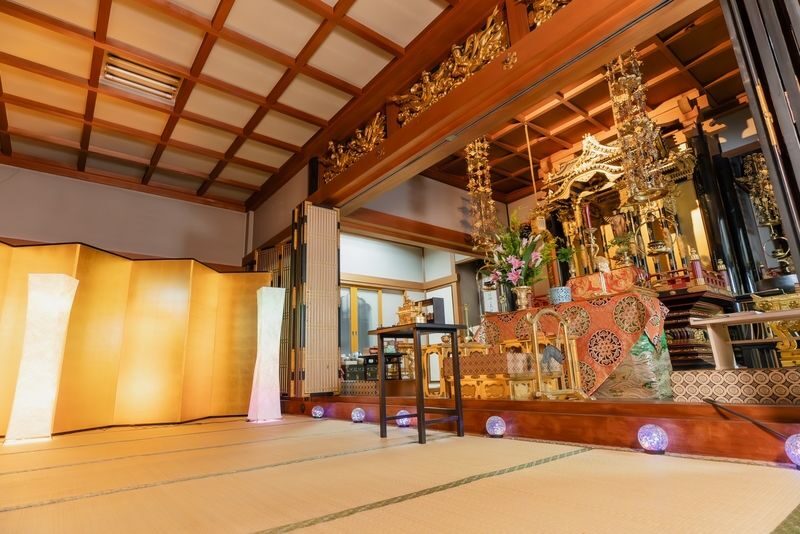
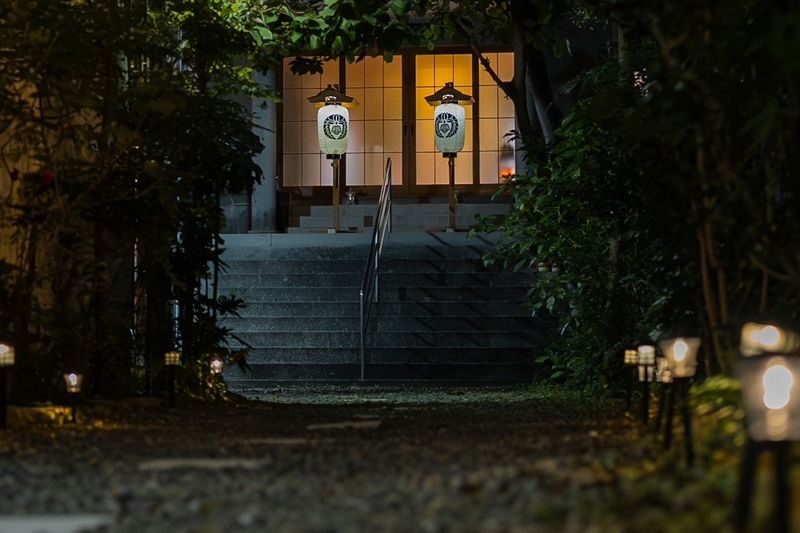
- The temple is part of the experience: Your visit includes time at Saishou-ji Temple, a shrine visit and an incense offering.
- Expect gentle pressure: This Japanese-style treatment emphasizes a natural flow and a calming release, not forceful deep-tissue massage.
- The clock covers the whole visit: Foot bath, yukata, massage and tea ceremony all share the 120-minute window.
- The tea ceremony is a highlight: A traditional ceremony with wagashi is offered after you leave a review.
- Find the massage business, not the temple entrance: Search for Japanese Massage -the one&only- on Google Maps, or use the nearby restaurant Tossa de coracao as a landmark.
- The current starting price is $157.65: You are paying for a combined wellness and cultural outing, not massage time alone.
👉 See our pick of the The Top 15 Workshops & Classes In Osaka
A temple setting changes the pace
The meeting point is Japanese style massage 唯一無二 -the one&only-, at Saishou-ji Temple in Osaka’s Nishi-ku district. That setting gives the appointment a different character from a visit to a conventional spa: the experience includes a shrine visit and incense offering, so there is a cultural element alongside the body treatment.
The temple is at 1-6-18 Kitahorie, about a two-minute walk from Yotsubashi Station. The location instructions matter here. Put Japanese Massage -the one&only- into Google Maps rather than searching for the temple name, since the temple search may send you to the back entrance. If you have trouble finding the place, look for Tossa de coracao, the restaurant next door.
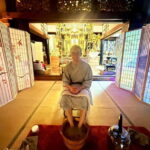
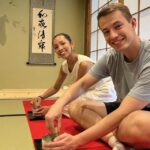
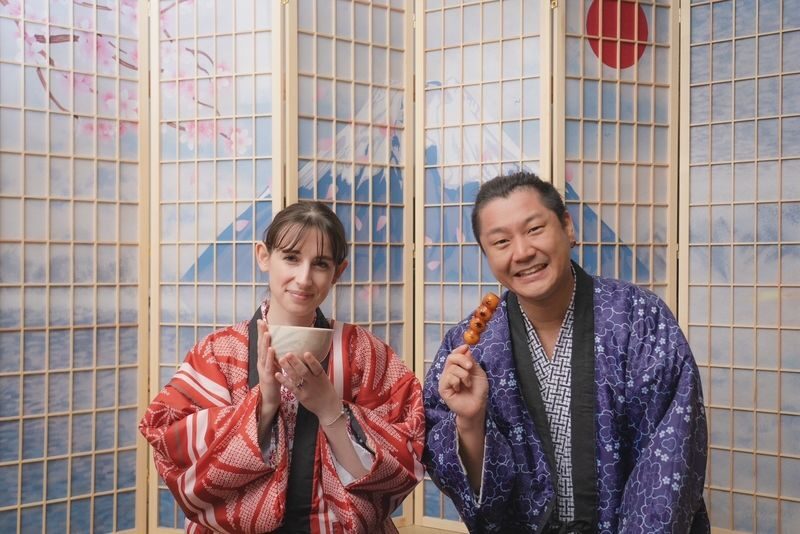
English-speaking staff are available, which can make it easier to discuss your preferred essential oil or ask about the sequence of the visit. The welcome is part of the experience: the staff wear kimono, and you can change into a yukata for a commemorative photo. That small ritual helps mark the appointment as a special outing, though anyone who prefers a simple massage without dressing up may find it an extra step.
You can also read our reviews of more tours and experiences in Osaka.


From foot bath to bamboo-stick massage
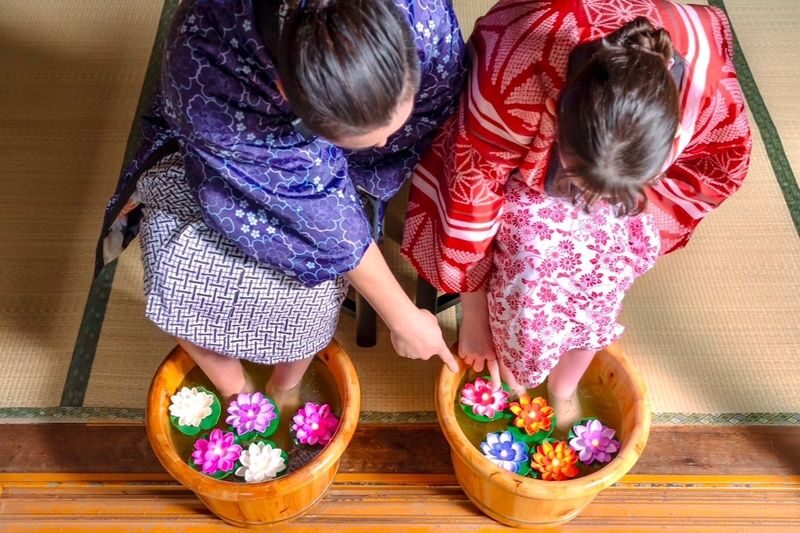
The visit begins with a relaxing foot bath. It is a gentle way to settle in before the oil treatment, and it signals that this is meant to be a gradual experience rather than a quick turn on a massage table.
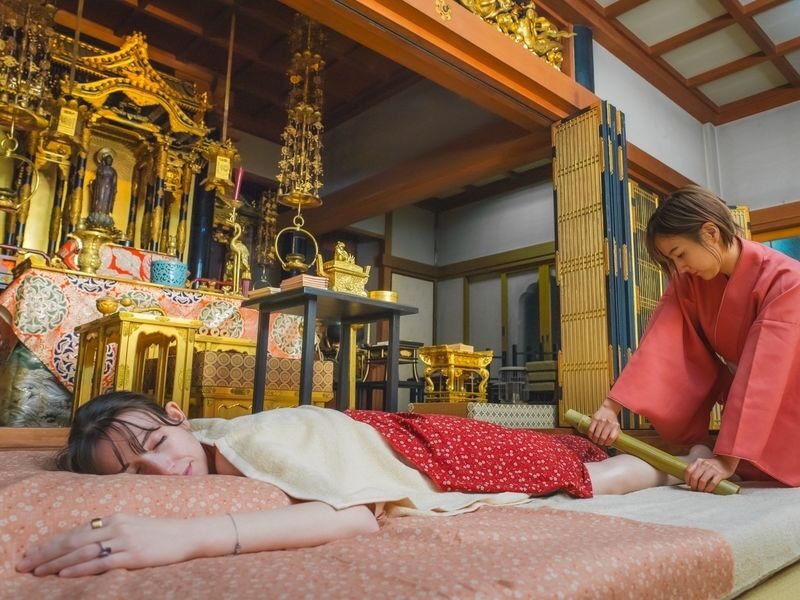
Next comes a full-body oil massage using an essential oil you choose. Bamboo sticks are used for fascia release alongside hand massage. The treatment’s stated style favors delicacy, harmony and natural movement rather than heavy pressure. If you are hoping for intense muscle work, this may not be the right match. If you want a calming treatment that eases tension without a forceful approach, the style is more promising.
Be realistic about how the time is divided. The 120 minutes start when you arrive and end when you leave. Dressing, the foot bath, the massage and the cultural elements all fit within that period, so the title does not promise 120 minutes of hands-on treatment. One participant reported that the overall visit felt shorter than the full two hours, making it sensible to ask about the schedule when you arrive if timing matters to you.
The bamboo element gives the treatment a distinct identity, but it should not be mistaken for a vigorous sports massage. The experience is presented as a way to relax body and mind, and the soft-pressure approach is central to that promise. Tell the staff what feels comfortable, and do not book expecting deep pressure.
Yukata, shrine visit and tea ceremony
The yukata and photo add a light cultural touch before or during the treatment. You can wear the garment and take a commemorative picture, so you leave with a keepsake as well as the memory of the visit. It is a simple perk, not a full dressing or photography session.
The shrine visit and incense offering provide a quieter transition between the massage and everyday Osaka. These moments are brief parts of a larger program, not a temple tour with extensive historical interpretation. Still, they help give the appointment a sense of place that an ordinary massage room cannot provide.
The tea ceremony is one of the strongest reasons to choose this course over a massage alone. The program offers a traditional tea ceremony with wagashi, a Japanese sweet, after you leave a review. Tea is also listed among the inclusions. If the ceremony is a key part of your decision, confirm how the review condition works before booking so you know exactly what is included.
The ceremony adds a cultural lesson to an otherwise restful visit. The experience has been described as educational, and staff members have been praised for explaining the temple and the customs in a warm way. Arisa and Naomi are among the staff members named by people who have attended, though you should not assume a particular person will be working on your date.
What the $157.65 price buys
At a starting price of $157.65, this is not a low-cost massage. Its value depends on whether you want the full combination: a foot bath, oil massage with bamboo-stick work, yukata photo, shrine visit, incense offering and tea ceremony. If all you want is an hour or two of bodywork, the price may feel high, especially since the full 120 minutes are not devoted to massage.
For a visitor who wants a restful activity with a distinctly Japanese setting, the price is easier to justify. You are paying for a sequence of small experiences, not simply a treatment. The tea ceremony and temple setting are the pieces that make the outing feel different from a spa appointment; the massage remains the main event for anyone who values physical relaxation most.
The overall response to the experience has been strongly positive, with many top ratings among 13 ratings and an overall score of 4.6 out of 5. Praise focuses on the calm atmosphere, kind and attentive staff, relaxing massage and tea ceremony. One attendee called out the educational aspect, while another said the staff accommodated someone over 195 cm tall. That is encouraging, but it is not a guarantee about fit or comfort for every body type.
There is also a clear note of caution: one person felt the massage was poor and the visit was not worth the price, and reported not receiving the full two hours. That differs sharply from the many positive accounts, but it reinforces the practical point that the experience is not a sure bet if your priority is a long, hands-on massage. The cultural program and gentle style are central to what you are buying.
Who will enjoy this Osaka experience
I would consider this course if you want to combine relaxation with a small cultural activity, especially near the end of a Japan trip. The tea ceremony, yukata photo and temple visit give the occasion a sense of ceremony, while the massage offers a chance to rest. One person described it as a memorable last-day activity, a useful clue if you are looking for a calm way to close a busy itinerary.
It also suits couples or friends who want to share a quiet experience rather than spend the visit talking over a meal or moving between attractions. The staff’s English availability helps if you want to ask questions, and the warm welcome is a repeated strength. Still, the experience is centered on massage and ritual, so it is not a substitute for a guided temple tour or a broad introduction to Japanese culture.
You may want to look elsewhere if you need firm pressure, a guaranteed two hours of massage, or a low price. The operator describes the treatment as gentle, and the visit includes several non-massage elements. Also, no pool or storage service is included, and there is no locker listed, so plan to arrive with only what you can comfortably keep with you.
The business is open from 10:30 a.m. to 9 p.m. Reservations are date-specific, and the voucher is valid only for the specified date and time, if applicable. You can cancel for a full refund at least 24 hours before the activity date in local time. In case of extreme weather or another unforeseen event, the operator may cancel and offer rescheduling or a full refund.
Should you book it?
Book this if you want a gentle massage wrapped in a temple-based cultural outing. The foot bath, bamboo-stick oil treatment, yukata photo and tea ceremony make a more memorable package than massage alone, and the staff’s warmth is a recurring strength.
Skip it if you are paying mainly for deep-tissue work or a full two hours on the massage table. At $157.65 and up, the experience makes the most sense when you value the whole ritual, not just the treatment.
Aroma Massage with Bamboo stick at the Temple 120min
“The whole experience was very relaxing, and the staff were very nice! 10/10 would go again”
FAQ
How long is the experience?
The course is listed as 120 minutes from arrival to departure. That time includes the whole visit, not only the massage.
Where does the experience take place?
It takes place at Saishou-ji Temple, at 1-6-18 Kitahorie, Nishi-ku, Osaka 550-0014, Japan. The meeting point is Japanese style massage 唯一無二 -the one&only-.
How do I find the entrance?
Search for Japanese Massage -the one&only- on Google Maps rather than entering the temple name, which may lead you to the back entrance. If needed, search for Tossa de coracao, the restaurant next door.
Is English-speaking staff available?
Yes. English-speaking staff are available.
What is included in the course?
The inclusions listed are tea, a towel, wearing a yukata and taking a commemorative photo, a foot bath, a tea ceremony, a shrine visit and incense offering, and bamboo and hand oil massage.
Is the massage strong or deep tissue?
The treatment is described as delicate and focused on harmony and natural flow, rather than strong pressure. It is presented as a relaxing massage, not deep-tissue work.
What is the starting price?
The 120-minute course starts at US$157.65. The price may vary.
What is the cancellation policy?
You can receive a full refund if you cancel at least 24 hours before the activity date, based on local time. If the operator cancels because of extreme weather or another unforeseen event, you can reschedule or request a full refund.