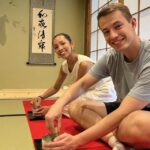
The heart of this one-hour Honmachi class is not just drinking matcha. You learn the purpose behind the ceremony’s careful gestures, then prepare tea for one another under a professional instructor’s guidance. It is a more serious introduction to Japanese tea culture than a quick photo stop.
I like that the class makes room for both explanation and hands-on practice, and that it takes place in a school where instructors teach tea ceremony regularly. I also like the choice to add kimono dressing, which can make the customs feel more tangible if you have time and budget for it.
The main caution is group size. Some sessions have been private, while others have had around 25 participants, so do not count on an intimate lesson. The advertised price also leaves out a required tea-room fee, payable in cash at the venue.
- What to know before you book
- A tea lesson, not a costume stop
- What happens during the hour
- The room and the group size
- The real cost, including the tea-room fee
- Choosing a time and getting there
- Who will get the most from it
- Should you book the Honmachi tea class?
- FAQ
- How long is the tea ceremony class?
- Where is the Honmachi classroom?
- What is included in the booking price?
- Is there an extra fee at the venue?
- Can I rent a kimono?
- What details are needed for a kimono request?
- Will the class be private?
- What should I bring?
- Can children participate?
- What happens if the Honmachi classroom is unavailable?
- The Best Of Osaka!
- More Tours in Osaka
- More Tour Reviews in Osaka
What to know before you book
 1 / 8
 2 / 8
 3 / 8
 4 / 8
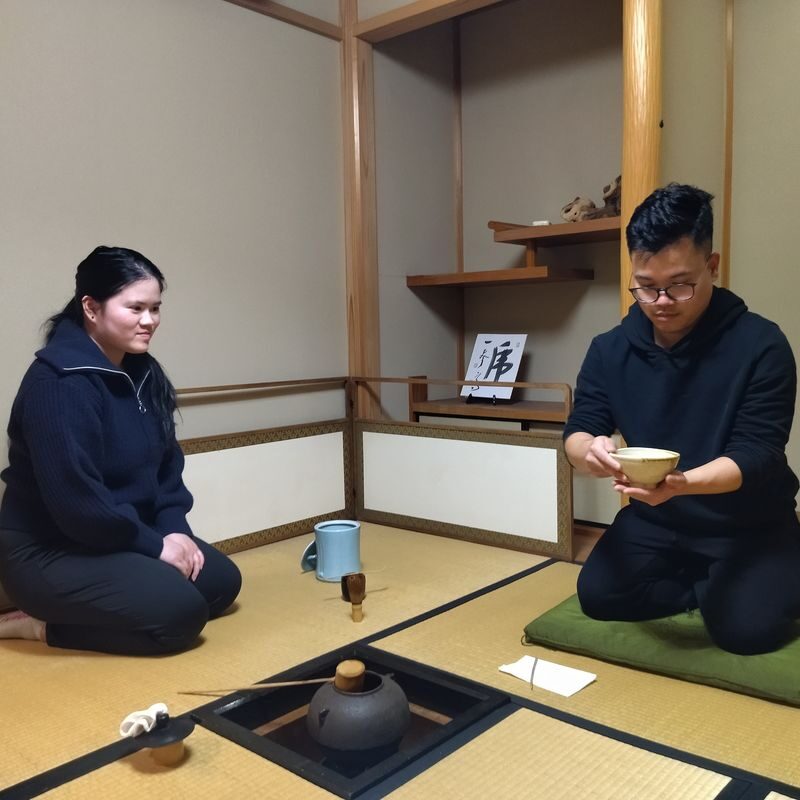 5 / 8
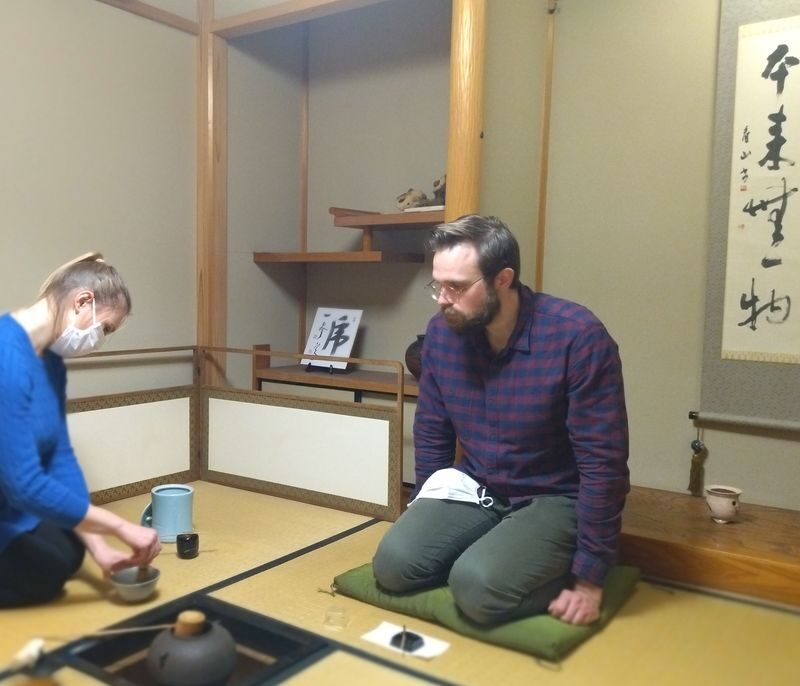 6 / 8
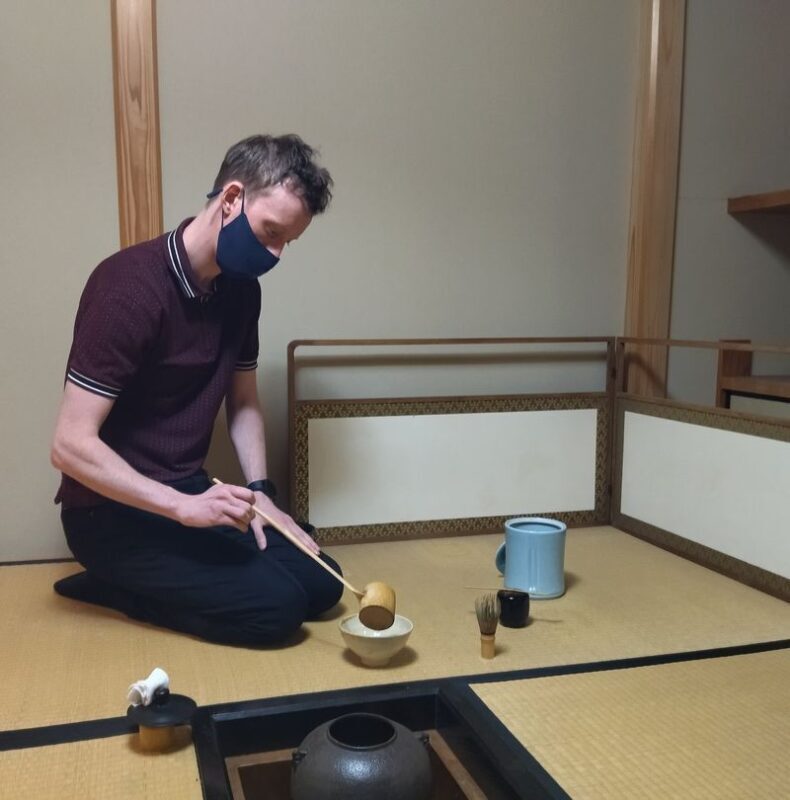 7 / 8
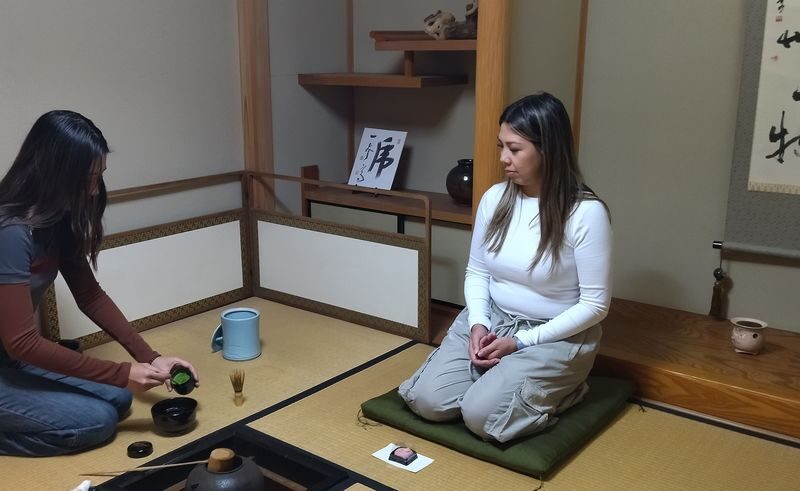 8 / 8
- You make tea for one another: The class includes a hands-on part, not only a demonstration.
- The instructor explains the customs: You can learn why particular gestures and steps matter, rather than simply copying them.
- The class lasts about an hour: It takes place at the Honmachi classroom in the Kyuho Building.
- Budget for an extra cash fee: The tea-room usage fee starts at ¥1,000 per person, or from ¥2,000 if you are the only participant.
- Class size can vary widely: Some sessions have been private, while one had around 25 participants.
- Kimono rental costs extra: Dressing and rental are ¥4,000 per person; a take-home plan starts at ¥8,000.
👉 See our pick of the The Top 15 Workshops & Classes In Osaka
A tea lesson, not a costume stop
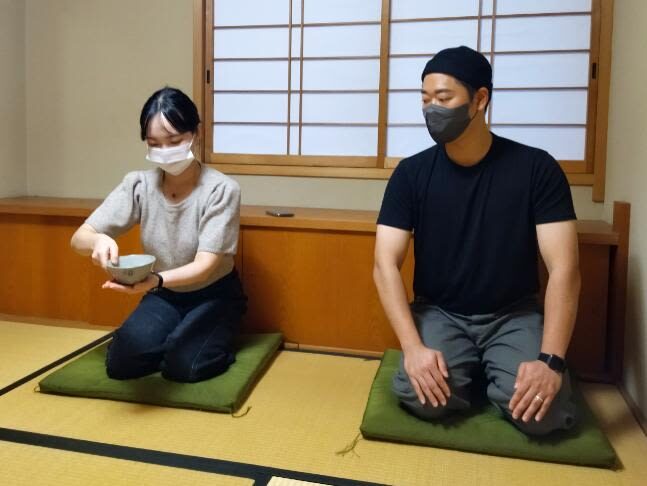
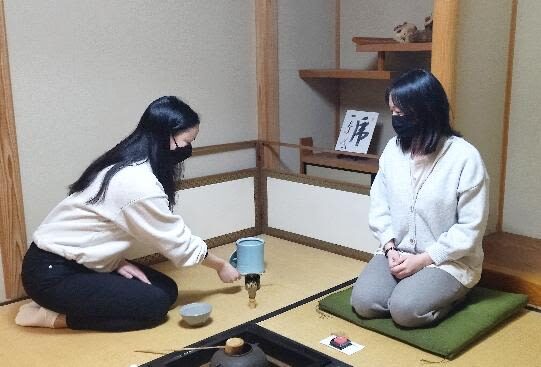
Tea ceremony is a practice of attention as much as a way to prepare a drink. The gestures, order of service, and handling of the bowl all carry meaning. In this class, the instructor talks through the history and purpose of the customs, then guides you as you prepare matcha for another person.
That distinction matters when you are choosing among Osaka’s cultural activities. This is presented as an authentic class, not a casual tea tasting built around a quick photo. You should expect instruction and etiquette, rather than a free-form session where you simply sit back and watch.
The school describes its instructors as professional tea masters who teach regularly and hold advanced qualifications. The classroom is part of a wider operation with six locations in Osaka and Kyoto, and its instructors have taught Japanese culture at schools, companies, hotels, and community events. That background suggests experience with different kinds of participants, though it does not tell you exactly how much individual attention you will receive in your time slot.
The strongest reason to book is the chance to ask why. One useful question might be why a bowl is turned before drinking, or why it is passed to another person after whisking. The class can help you notice that these are not random flourishes, but part of a deliberate etiquette. If you are curious about the logic behind the motions, you will get more from this lesson than from a demonstration alone.
You can also read our reviews of more tours and experiences in Osaka.


What happens during the hour
The meeting point is the first floor of the Kyuho Building, at 4-2-2 Kitakyuhoujimachi in Chuo-ku. The classroom is within walking distance of Honmachi subway station. Arrive five minutes before your booked time, since late arrivals cannot join and are not refunded.
The experience itself is listed as one hour at the Japanese Culture Precious Wood Honmachi Classroom. It is a single classroom visit, not a city tour, and transport is not included. Once inside, expect the instructor to introduce the ceremony and its background, explain important steps, and lead you through preparing tea.
A sweet is served before the tea in at least some sessions. One participant described a miso-caramel sweet, but the exact sweet is not guaranteed. The most valuable part is likely the chance to take part: you are guided through making tea for one another, which gives the etiquette a practical point.
The class may feel concentrated. A past participant called it intense, which is fair warning if you prefer a loose, informal activity. The focus is on learning customs and following the sequence. If you want to understand the ceremony rather than just sip matcha, that structure is useful; if you are hoping for a long, slow private ritual, the one-hour format and possible group size may not suit you.
The room and the group size
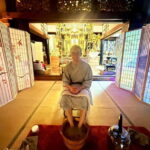
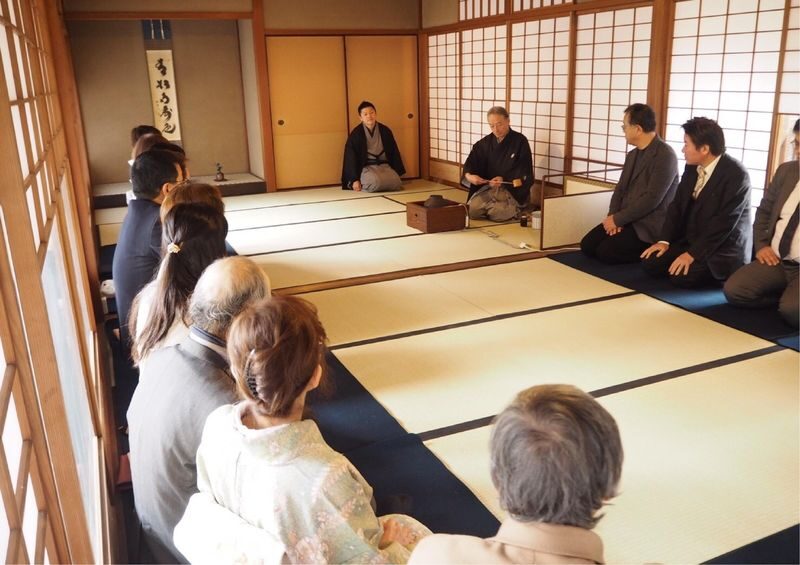
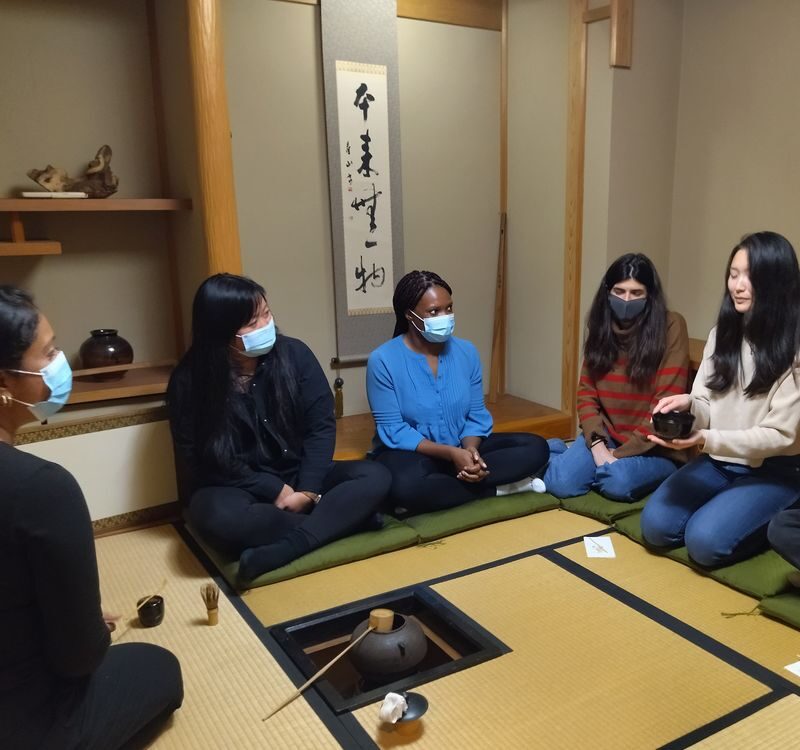
The Honmachi classroom is promoted as a prestigious school, but the word classroom is worth taking literally. This is a place for instruction, and the size and layout may not match the spacious tea-room images you have in mind. In one session, eight participants and the instructor shared a small room, with several people seated on one tatami mat. Another session had around 25 participants.
Those numbers do not mean every class will be crowded. Some bookings have turned into private lessons, particularly at later times, but that is luck, not a promise. The school also handles large group reservations, so ask the operator about expected attendance if space and personal attention are important to you.
This is where the experience’s value can shift. A smaller class makes it easier to ask questions and watch the teacher’s hands. A larger one can still provide a useful introduction, but you may have less room and fewer chances for one-on-one guidance. I would book for the subject and instructor, not on the assumption that you will have a private tea room.
The venue may also change if Honmachi is unavailable. The operator may offer another classroom in the Osaka Castle area, Shitennoji, or Kyoto’s Uji area, or may need to adjust the date and time. Confirm the location before setting off, especially if you have built a tight schedule around the Honmachi address.
The real cost, including the tea-room fee
The advertised starting price is $24.65 per person, a reasonable entry point for an hour of guided cultural instruction. But it is not the full on-site cost. A separate tea-room usage fee of at least ¥1,000 per person is required and must be paid in cash. If you are the sole participant at your booked time, the fee starts at ¥2,000.
That extra charge is important to include when you compare this with other tea experiences. The base price gets you the class, English-speaking staff, and a certified professional instructor, while the tea-room fee is added at the venue. Bring enough yen in cash and check the exact amount when your booking is confirmed. Past confusion about the fee makes it especially wise to treat it as part of the total price, not an optional tip.
Kimono dressing is another add-on. Rental and dressing cost ¥4,000 per person, while a take-home plan starts at ¥8,000 and can cost more depending on size. If you want to rent a kimono, submit the requested gender, height, size, and preferred color in advance. Without those details, the operator may not be able to prepare one.
Is the extra spend worthwhile? For someone who wants a more hands-on cultural lesson, the base class plus room fee can be good value. Kimono rental is a personal choice: it adds another layer to the occasion, but it is not needed to learn the tea customs or prepare matcha.
Choosing a time and getting there
The available start times run from early morning to evening: 06:30, 07:30, 08:30, 09:30, 10:30, 13:00, 15:00, 16:30, 18:00, 19:30, and 20:30. Not every return time is available for every start, and the schedule depends on the option you select. The experience is short enough to fit around a day in Osaka, but leave a little breathing room in case the classroom location or schedule changes.
If having fewer people matters, a later booking may be worth considering, since some evening sessions have been private. Still, there is no guarantee. I would choose the time that fits your day first, then ask whether the operator can share the expected group size.
The meeting instructions say to meet at the building’s first floor and arrive five minutes early. There is no luggage storage, and large bags cannot be kept at the venue, so leave them at your accommodation or in your vehicle. Wear socks, which are listed among the things to bring.
Photography without permission is prohibited, and you are asked to keep noise down and respect nearby residents. Outside food and drink and pets are not allowed. These are small rules, but they help preserve the calm setting a tea lesson needs.
Who will get the most from it
This class is a good fit if you want a structured introduction to tea ceremony and would rather learn the purpose of the customs than watch a short performance. It also suits curious visitors who enjoy asking questions, trying the steps themselves, and getting a little context about Japanese culture beyond the tea bowl.
It may be less satisfying if you expect a private room, a spacious setting, or a long, meditative ceremony. Group sizes can change, and a crowded classroom makes the experience feel more like a lesson than a quiet ritual. If you need a small group, ask in advance rather than relying on a lucky empty time slot.
Families should check the age details carefully. Children aged 0 to 2 are listed as free, but all infants and children must be included in the passenger count, and the stated minimum participation age is 2. Since the boundary overlaps, confirm how the operator applies it to a child who is exactly two.
Booking changes are allowed up to 24 hours before the activity in most cases, subject to stated exceptions. If the operator cancels because of extreme weather or another unforeseen event, you can reschedule or request a full refund. For your own cancellation, a full refund is available if you cancel at least 24 hours before the activity date.
Should you book the Honmachi tea class?
Book it if you want to learn the basics from a working tea instructor, take part in preparing matcha, and hear why the ceremony’s gestures matter. The one-hour length and hands-on format make it a practical choice for a day in Osaka, while optional kimono dressing can add atmosphere if that is part of your plan.
Think twice if you are paying mainly for privacy or a spacious tea room. Class size is the biggest unknown, and the required cash fee means the starting price is not the whole cost. Confirm the venue, expected attendance, and total fee before you go, bring socks and cash, and arrive early. With those points settled, this is a worthwhile way to meet Japanese tea culture on its own terms.
Authentic Tea Ceremony Honmachi Classroom
“This was such a beautiful and memorable experience. The tea ceremony itself was incredibly informative and we learned so much about the history, me…”
FAQ
How long is the tea ceremony class?
The class lasts about one hour.
Where is the Honmachi classroom?
It is in the Kyuho Building at 4-2-2 Kitakyuhoujimachi, Chuo-ku, Osaka. The meeting point is on the building’s first floor, within walking distance of Honmachi subway station.
What is included in the booking price?
The booking includes an English-speaking staff member and a certified professional instructor. Transport, a tour guide, personal expenses, and the tea-room usage fee are not included.
Is there an extra fee at the venue?
Yes. A tea-room usage fee of at least ¥1,000 per person is payable in cash. If you are the only participant at your time, the fee starts at ¥2,000.
Can I rent a kimono?
Yes. Kimono dressing and rental cost ¥4,000 per person. A take-home plan starts at ¥8,000 and may cost more depending on size.
What details are needed for a kimono request?
Provide each participant’s gender, height, size, and preferred color in advance. The operator says it cannot fulfill a request without this information.
Will the class be private?
Not necessarily. Some sessions have been private, while others have had much larger groups. Ask the operator about expected attendance if group size matters to you.
What should I bring?
Bring socks and cash for the tea-room fee. The venue has no luggage storage, so leave large bags elsewhere.
Can children participate?
The stated minimum age is 2, and children and infants must be included in the passenger count. Children aged 0 to 2 are listed as free, so confirm the exact age rule with the operator if your child is two.
What happens if the Honmachi classroom is unavailable?
The operator may offer another classroom in the Osaka Castle area, Shitennoji, or Kyoto’s Uji area. Facility circumstances may also require a change to your reservation date or time.