Osaka’s cooking class turns a meal into something you make with your own hands: you prepare ramen and gyoza with a chef, then sit down to eat together. I like the practical mix of cooking and dining, and the recipe and cooking-related souvenir give you something useful to take home beyond a full stomach.
I also like the small comforts built into the session: Japanese sweets and tea at the end, plus a convenient location near Matsuyamachi Station. One thing to check before booking: the details give different durations, prices, and even a sushi itinerary, so confirm that you’re selecting the ramen and gyoza class you want.
At a glance
- Cook ramen and gyoza at Samurai Cook Kitchen Studio in Osaka.
- Plan on about two hours, but confirm the duration because the schedule also gives a two-and-a-half-hour itinerary.
- Find the studio five minutes from Matsuyamachi Station, on the Nagahori Tsurumi-ryokuchi Line.
- Eat your meal at the studio, then finish with Japanese sweets and tea.
- Take home recipes and a related souvenir, but not the food you prepare.
- Check the selected package and price carefully, since the published details include conflicting options.
👉 See our pick of the The Top 15 Workshops & Classes In Osaka
- At a glance
- Cooking ramen and gyoza in a small Osaka studio
- What the two-hour class includes
- Getting to Samurai Cook Kitchen Studio
- The price, and what you get for it
- Friendly hosting, with one name to know
- Who will enjoy this class most
- Sort out the menu before you book
- Should you book this Osaka cooking class?
- FAQ
- Where is the cooking class held?
- How do I get to the studio?
- How long does the class last?
- What can I cook?
- What is included in the price?
- Can I take the food I make home?
- Can I tell the organizer about allergies or dietary restrictions?
- Are children allowed?
- The Best Of Osaka!
- More Cooking Classes in Osaka
- More Tours in Osaka
- More Tour Reviews in Osaka
Cooking ramen and gyoza in a small Osaka studio
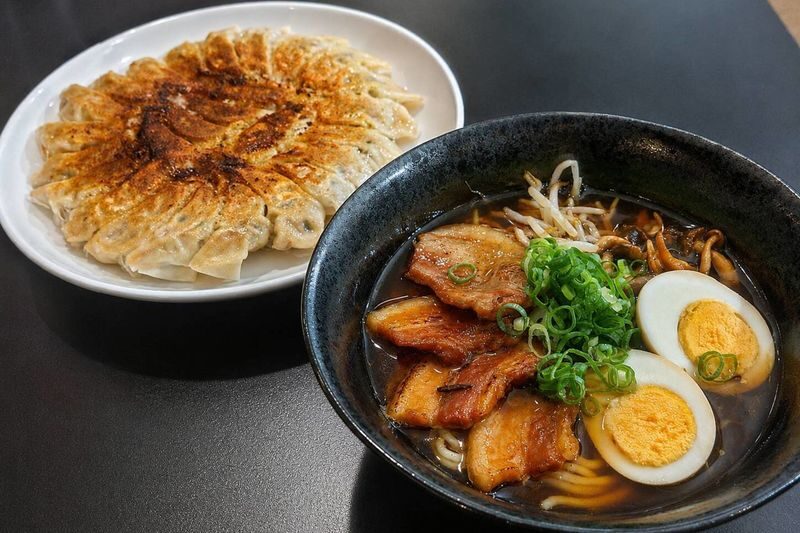
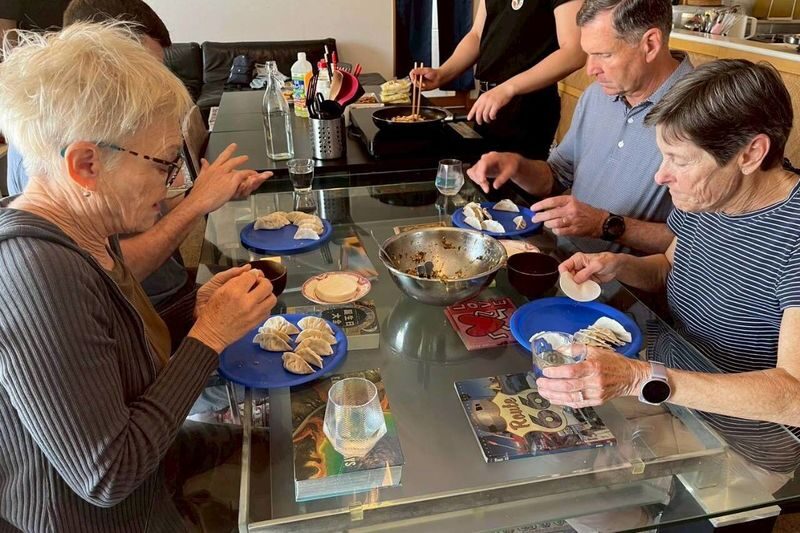
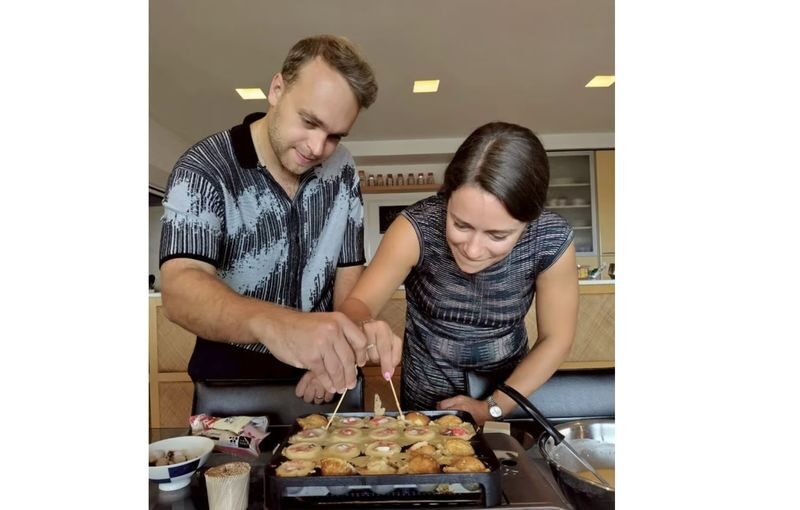
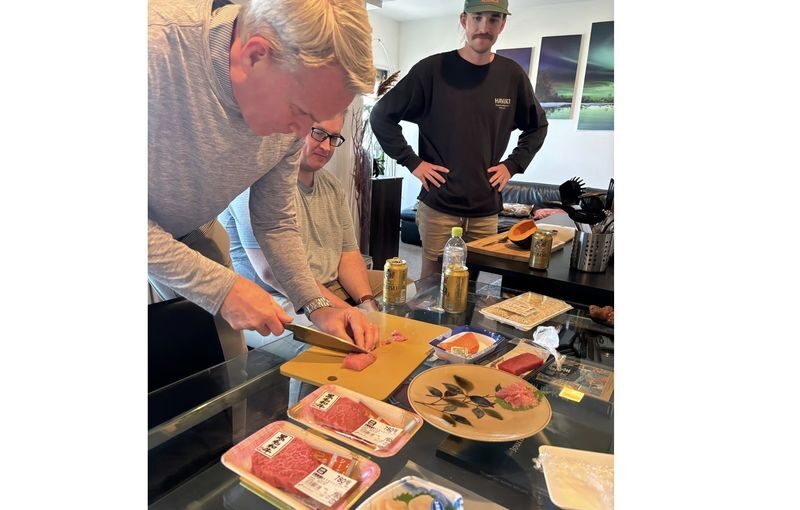
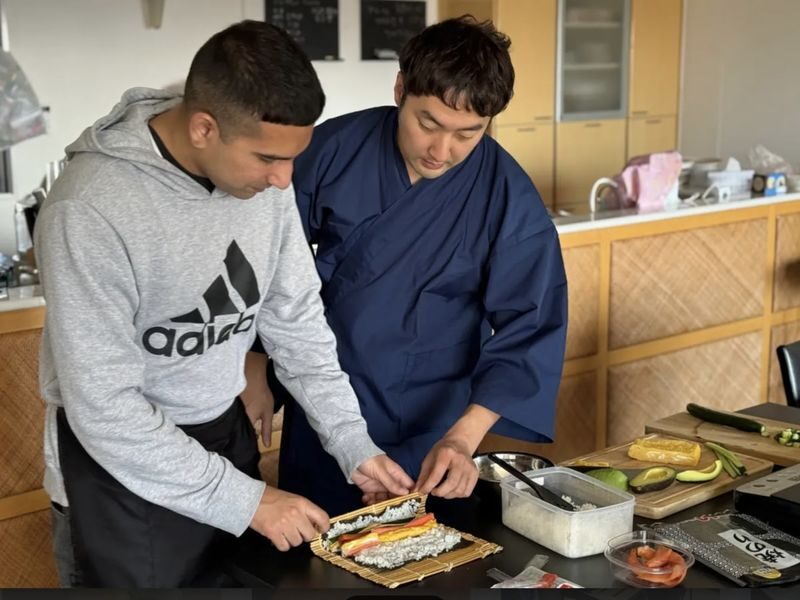
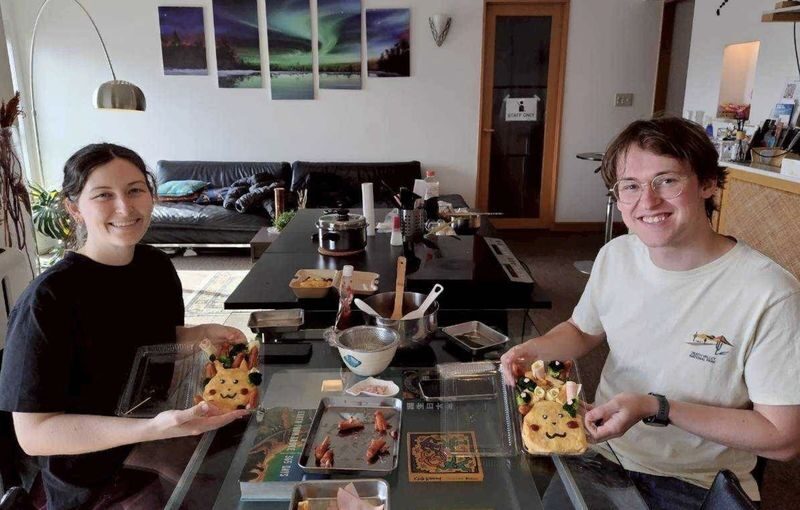
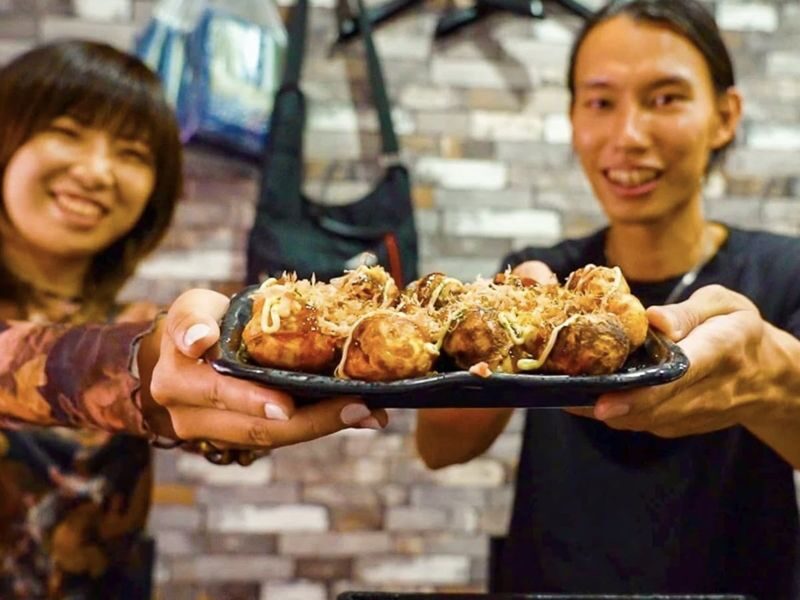
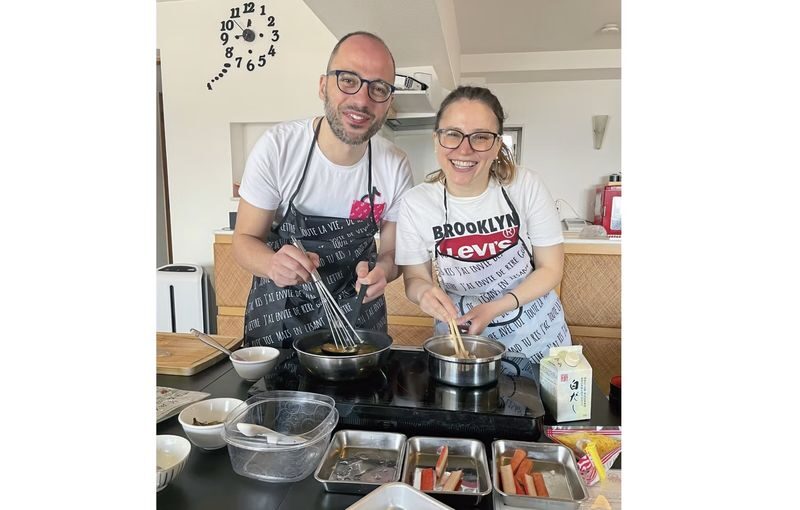
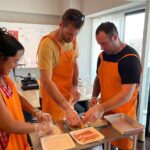
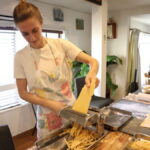
This is a hands-on cooking class, not a restaurant meal with a quick demonstration on the side. You cook alongside the chef using Japanese ingredients, then enjoy the food you have made at the studio. That is the appeal: you get to take part in the work and leave with recipes you can try again at home.
The class is described as suitable for families, couples, and friends. That makes sense for an activity built around working together, though the information does not specify group size or how much individual instruction each person gets. If you’re hoping to learn a particular technique in depth, ask about the class format before booking.
The name promises ramen and gyoza, but there is an important wrinkle. The schedule also describes making three kinds of sushi, and the listed package options include sushi, takoyaki, and ramen with gyoza. Menus may change with the season and ingredient availability, so check your chosen option and confirm the planned menu before you pay. Don’t assume that every session at the studio follows the ramen and gyoza menu.
You can also read our reviews of more cooking classes in Osaka


What the two-hour class includes
The stated duration is two hours, while the itinerary elsewhere gives a two-and-a-half-hour block. That half-hour difference matters if you’re arranging dinner plans, a transfer, or another timed activity. Treat the schedule as something to verify rather than building a tight connection around it.
The included costs cover the ingredients, cooking lesson, studio, food and drink, dessert and tea, and rental of tableware and utensils. In practical terms, you don’t need to bring cooking equipment or pay separately for the meal you make. Transport and personal expenses are not included.
Expect to cook together in the studio, eat the finished meal there, and take photos during the experience. The class ends with Japanese sweets and tea, a pleasant change of pace after a savory meal. You also receive the recipes and a souvenir related to them, which gives the experience some value after your trip, particularly if you enjoy cooking Japanese food at home.
You can’t take home the food you prepare. Plan to eat it at the studio, and don’t count on packing leftovers for later. Outside food and drinks are not allowed.
Getting to Samurai Cook Kitchen Studio
The studio address is 1-8-3-1301 Kawarayacho, Chuo-ku, Osaka, at Grand Maison Matsuyamachi Ichibankan. It is about a five-minute walk from Matsuyamachi Station on the Nagahori Tsurumi-ryokuchi Line. The directions identify Exit 3 as the exit to use.
At the meeting point, look for a guide dressed as a blue samurai and holding a signboard. That is a memorable way to spot your host, and more useful than scanning a row of apartment entrances while wondering if you have the right address. The class ends at the studio.
Departure choices are listed as 7:30 a.m., 11 a.m., 2:30 p.m., and 6 p.m. Return times are listed as 10 a.m., 1:30 p.m., 5 p.m., and 8:30 p.m., though the options depend on your selected departure time and the activity duration. Your booking confirmation determines the meeting time, so follow that rather than treating every time on the schedule as available for every session.
If you’re staying around Shinsaibashi, Matsuyamachi is two stops away, according to the directions. The short walk from the station makes the class relatively easy to fit into a day in central Osaka, without a separate transport service included.
The price, and what you get for it
The price information does not line up neatly. The summary gives a starting price of US$65.59, while the package options show prices from US$81.99, including the ramen and gyoza option. A sale label also appears beside one ramen and gyoza package, but it repeats the same US$81.99 starting price.
Check the final price for your date and selected menu before booking. The quoted amount is per person, so a couple or family should work out the total for everyone who needs a place. Children aged 0 to 6 are listed as free, but it’s sensible to confirm how that applies to your specific booking and whether a child needs to be included in the reservation.
At the higher listed price, the value depends on how much you care about participation. The cost covers ingredients, instruction, studio use, the meal, tea and dessert, utensils, and a recipe-related souvenir. That is a fuller package than simply ordering ramen at a restaurant, but it is not a bargain meal. You’re paying for a cooking activity and a shared experience as much as for the food.
I’d compare the total with other cooking classes only after confirming the menu and duration. The options listed at the same studio include three types of sushi and Osaka-style takoyaki, so you may have a choice if ramen and gyoza are unavailable. Don’t assume those alternatives are included in the ramen package.
Friendly hosting, with one name to know
Warm hospitality is part of the class’s pitch, and the experience is designed to be social: cook together, eat together, and take photos in the studio. A published account of a separate takoyaki session names Sho as a friendly host and describes a menu that included yakisoba, takoyaki, and Japanese fried chicken. That gives you a useful glimpse of the studio’s other cooking options, but Sho is not confirmed as the host for the ramen and gyoza session.
The provider, Japanticket inc., has a reported 91 percent good-review rate across 4,672 reviews. That broader figure gives some context about the operator, but it is not a guarantee about a particular class, menu, or instructor. The specific ramen and gyoza details are what you should confirm.
You can also read our reviews of more tours and experiences in Osaka



Who will enjoy this class most
This is a good fit if you like learning by doing and want a break from sightseeing that still connects with Japanese food. Couples and friends can share the prep, while families may appreciate having a defined activity and meal in one place. Young children aged 0 to 6 are listed as free, although the information doesn’t spell out age-specific activities or cooking arrangements.
It also suits you if you’re curious about Japanese cooking but don’t want to organize ingredients, equipment, and recipes on your own. The studio supplies the cooking tools and ingredients, and the recipe gives you a record of what you learned. If you’re mainly looking for the fastest or cheapest way to eat ramen in Osaka, a restaurant will be a simpler choice.
Dietary needs need advance attention. If you have allergies, food restrictions, or religious dietary requirements, tell the organizer at least one week before the reservation. The class asks anyone who is unwell to stay away, so this may not be a good last-minute option if you’re feeling sick.
Sort out the menu before you book
The most useful step is to confirm the exact package name. The experience is presented as ramen and gyoza, yet another part of the schedule describes making three different kinds of sushi. The package options suggest that sushi, takoyaki, and ramen with gyoza are separate choices, but the written details are not fully consistent.
Also confirm the running time. Two hours is stated in the summary, while the itinerary gives two hours and thirty minutes. Seasonal ingredient availability can affect the menu, and the schedule may change due to traffic or weather. Those notes make it wise to leave some breathing room around the class.
If you want ramen and gyoza specifically, verify that the selected booking says so and ask what menu is planned for your date. This is especially important if you’re choosing between this and another Osaka cooking class. A clear answer before booking will help you avoid arriving ready to fold dumplings and finding yourself signed up for sushi.
Should you book this Osaka cooking class?
Book it if you want a sociable, practical food activity and like the idea of cooking, eating, and taking recipes home in one session. The location is easy to reach from Matsuyamachi Station, and the included meal, tea, sweets, and cooking materials make the price more understandable than a simple restaurant meal.
Pause before booking if your schedule is tight, the exact menu is essential, or you’re relying on the lower advertised price. Confirm the package, price, and duration first. Once those details are clear, this class looks like a worthwhile way to spend a few hours with Japanese cooking rather than only reading a menu.
Hands-On Ramen & Gyoza Cooking Class in Osaka with a Pro Chef
“We got to do Yakisoba, Takoyaki and Japanese fried chicken. Sho is an amazing host and very friendly. Would defined recommend this experience!”
FAQ
Where is the cooking class held?
It is held at Samurai Cook Kitchen Studio, 1-8-3-1301 Kawarayacho, Chuo-ku, Osaka, at Grand Maison Matsuyamachi Ichibankan.
How do I get to the studio?
The studio is about a five-minute walk from Matsuyamachi Station on the Nagahori Tsurumi-ryokuchi Line. The directions specify Exit 3.
How long does the class last?
The summary states two hours, while the itinerary gives a duration of two hours and thirty minutes. Confirm the duration for your selected session.
What can I cook?
The experience is titled as a ramen and gyoza class, but the details also describe a sushi itinerary and list separate sushi and takoyaki packages. Confirm the menu for your chosen booking.
What is included in the price?
The listed inclusions are ingredients, the cooking lesson, studio use, food and drink, dessert and tea, a recipe-related souvenir, and rental tableware and utensils. Transport and personal expenses are not included.
Can I take the food I make home?
No. The food you prepare cannot be taken home. You eat it at the studio.
Can I tell the organizer about allergies or dietary restrictions?
Yes. You should share allergies, food restrictions, or religious dietary requirements at least one week before your reservation.
Are children allowed?
Children aged 0 to 6 are listed as free. The experience is recommended for families, but the details do not specify child-specific activities.