
Tokoname’s pottery streets and Arimatsu’s indigo workshops offer a close look at two crafts that still shape Aichi. I like the contrast: first, a maze of old kiln buildings and pottery shops; later, the careful tying and dyeing behind Arimatsu Shibori. You also get time to explore Tokoname at your own pace, not just follow a guide from stop to stop.
The trade-off is a full day with plenty of walking and stairs, plus a fixed schedule between two towns. At $182.95, the price includes transport, admissions, and an English-speaking guide, which makes it useful if you want the context and don’t want to plan the connections yourself. Bring water, wear walking shoes, and expect to pay separately for lunch and anything you buy.
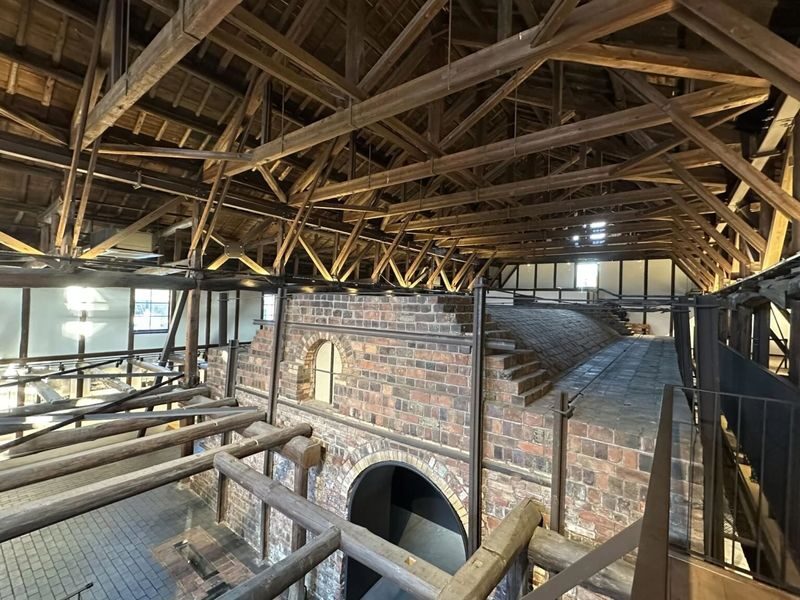
- Tokoname’s kiln heritage: Visit the INAX Tile Museum, set at a preserved kiln site, and learn how pottery was made in the area.
- A guided walk, then free time: Get a 45-minute introduction to the Pottery Footpath, followed by two hours to browse, eat, or explore.
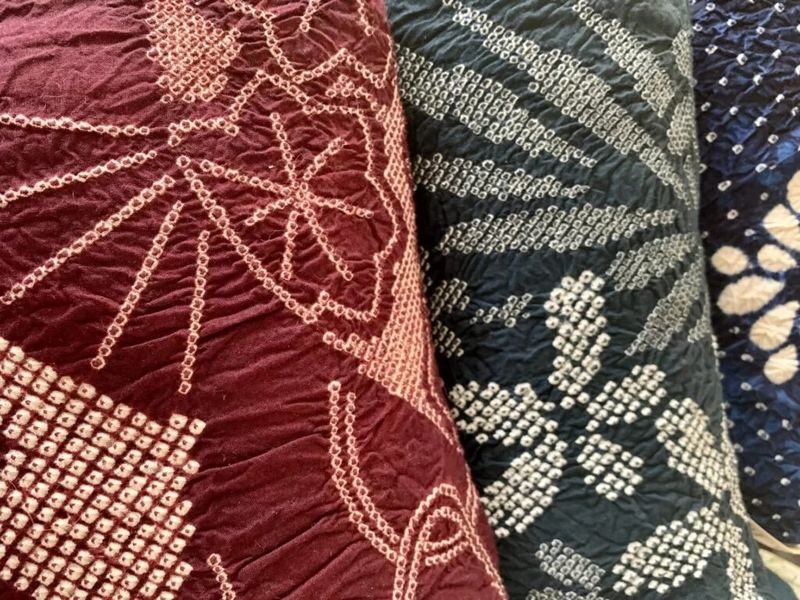
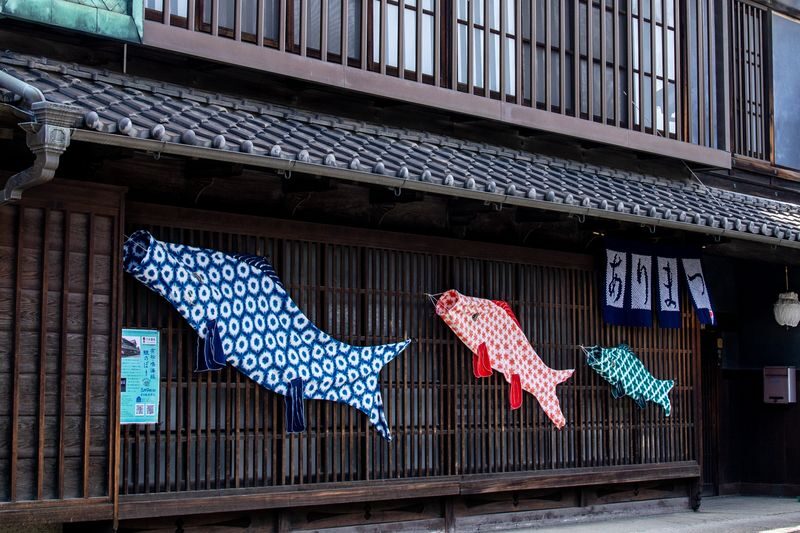
- Arimatsu Shibori in action: Watch artisans demonstrate the intricate indigo-dyeing craft in a historic post town.
- A small-group feel: A past outing was described as a small group, with guide Kim and driver Iwasaki-san singled out for attentive care and a smooth ride.
- A day that asks you to walk: Streets, stairs, and time outdoors make comfortable shoes and weather-appropriate clothing essential.
- Tokoname begins at the kiln
- The Pottery Footpath rewards a slow walk
- Arimatsu puts the craft in front of you
- A guide can make the difference
- What the price buys you
- Plan for the station, the heat, and the return
- Should you book this Tokoname and Arimatsu tour?
- FAQ
- Where does the tour depart from?
- What time should I arrive?
- What time does the tour return?
- Is transport included?
- Is an English-speaking guide included?
- Are admission fees included?
- Are meals included?
- How much walking is involved?
- Are children allowed?
- Can I cancel for a refund?
- More Tours in Aichi
- More Tour Reviews in Aichi
Tokoname begins at the kiln
 1 / 7
 2 / 7
 3 / 7
 4 / 7
 5 / 7
 6 / 7
 7 / 7
The day starts at 9:00 a.m. at Nagoya Station’s Silver Clock, outside the Shinkansen gates near the Taiko-Dori exit. From there, the group travels by bus for about 50 minutes to the INAX Tile Museum. Allow extra time to find the meeting point: Nagoya Station is large, and the Silver Clock is on the opposite side from the Gold Clock near the Sakura-Dori entrance.
The museum visit lasts about an hour and includes a guided tour of a preserved kiln site. Your guide explains the region’s pottery-making methods and history, giving you a useful frame for the streets and workshops you’ll see next. This stop is less about shopping and more about understanding the work behind the finished objects.
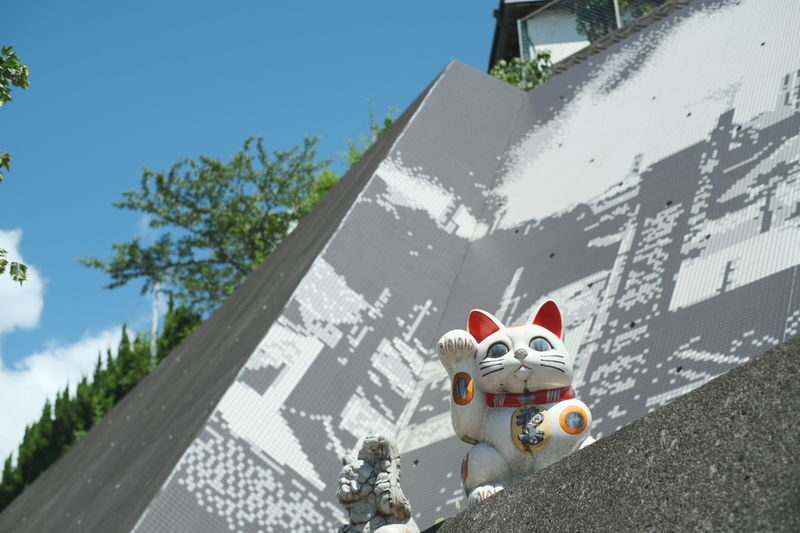
Tokoname is one of Japan’s Six Ancient Kilns, a group associated with long-standing pottery traditions. Its present-day identity still shows in the town’s workshops, ceramic details, and familiar maneki-neko, or lucky-cat, figures. The large cats and other playful touches make the town feel approachable, even if you arrive with little interest in ceramics.
The museum experience also includes unusual exhibits, including a museum dedicated to toilets. It’s a welcome change of pace from a strictly chronological history display, and a reminder that the INAX site covers more than one kind of tile and craft. If your main interest is buying pottery, don’t mistake this first stop for the shopping portion of the day.
The Pottery Footpath rewards a slow walk
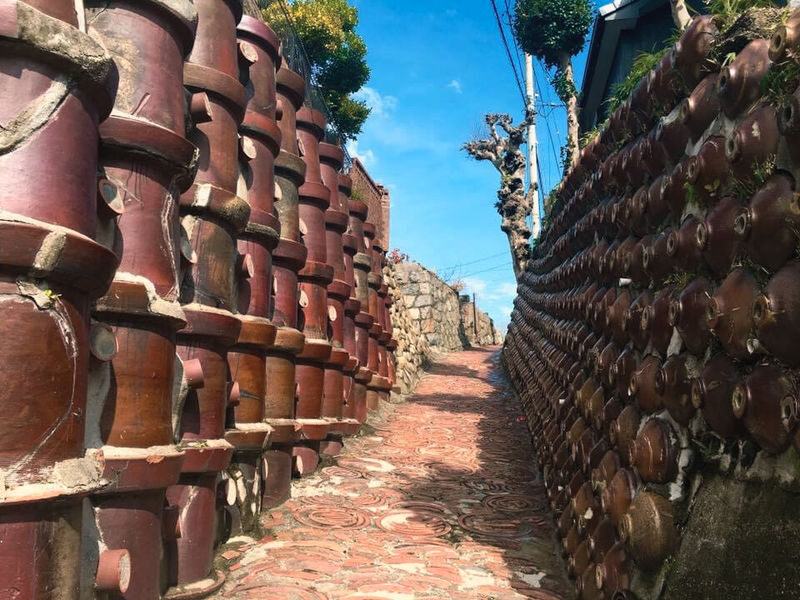
At about 11:15 a.m., the guided portion of the Tokoname Pottery Footpath begins. You’ll spend roughly 45 minutes walking along a route lined with traditional homes, pottery workshops, shops, and cafes. The lanes and old buildings are part of the appeal: this is a working craft town’s streetscape, not simply a row of souvenir stalls.
Look for porcelain tiles and ceramic details as you walk. A historic kiln is another highlight, helping connect the town’s everyday architecture to its pottery trade. The guide can point out details you might otherwise pass, and can offer suggestions for the next part of your visit.
After the guided walk, you have about two hours of free time. That is a meaningful chunk of the day, not a quick dash through the shops. Use it to browse at your own pace, stop for lunch, or revisit a place that caught your eye. The guide is available with recommendations, but you are not expected to stay with the group during this stretch.
This flexibility is one of the tour’s strongest features. Pottery shopping is personal: you may want to compare shapes and glazes, pause for a cafe, or simply take a slower route through the lanes. Two hours gives you room to do that without having to work out the return journey on your own.
There is a practical limit, though. Your free time is still timed, and lunch is not included. If you want a full sit-down meal, keep an eye on the clock and ask the guide for suggestions early. You can also use the time to browse without buying; the town’s streets and ceramic details are part of the visit in their own right.
Tokoname has a pop-culture connection, too. It is featured in the anime A Whisker Away, and its association with lucky cats gives visitors another way into the town’s character. Those details are pleasant extras, but the core draw is the combination of old pottery streets, working craft shops, and kiln heritage.
You can also read our reviews of more tours and experiences in Aichi.


Arimatsu puts the craft in front of you
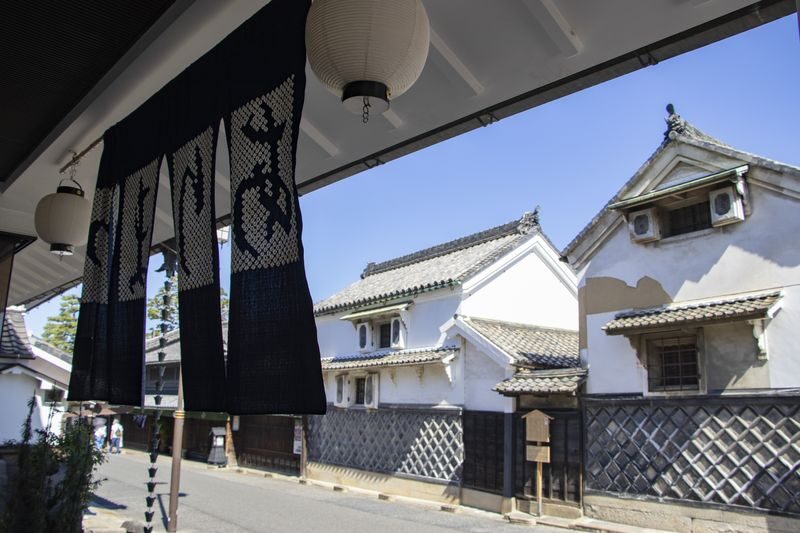
After Tokoname, the bus ride to Arimatsu takes about 30 minutes. The guided visit begins around 2:30 p.m. and lasts an hour and a half. Arimatsu is a historic post town known for Arimatsu Shibori, a labor-intensive indigo-dyeing technique that gives the second half of the day a very different mood.
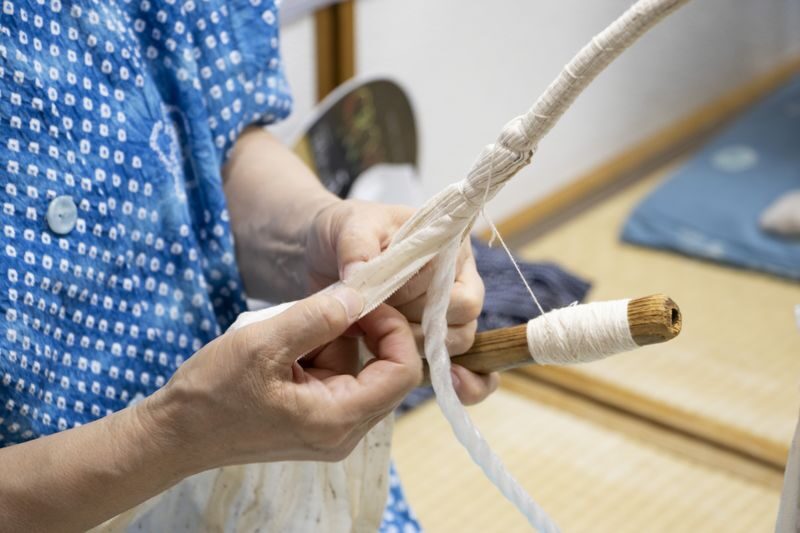
The key attraction is seeing the work rather than only looking at finished cloth. During a live demonstration, master artisans show how the textiles are made. The process takes skill and time, which helps explain why a hand-dyed piece is more than a pretty pattern on fabric. This is also a good place to ask questions: the English-speaking guide can help bridge the gap if communication in a shop or workshop is difficult.
You’ll have a chance to shop for hand-dyed textiles. These are distinct from mass-produced souvenirs, and the range of finished fabrics makes the craft tangible. Prices and specific products are not set out in advance, so treat shopping as optional and decide based on what you like and what fits your budget.
Arimatsu’s historic setting matters, too. The town’s connection to the old post route lends the visit a different feel from Tokoname’s pottery lanes. Rather than spending the whole day in one craft district, you get two separate local traditions and two different ways of seeing how skilled work becomes part of a town’s identity.
The time here is more structured than Tokoname’s open-ended browsing. With about 90 minutes for the guided visit, demonstration, and shopping, you will need to make choices. If watching the artisans is your priority, give that time first. You can browse for textiles afterward, but don’t count on an unhurried afternoon of shopping.
A guide can make the difference
An English-speaking guide is included, and that matters in a day built around specialist craft and local history. In one outing, guide Kim was praised for explaining the places clearly and for checking that an older guest was coping with the heat and pace. That kind of attentiveness is especially useful on a warm day, when the walking and stairs can take more effort than expected.
The driver, Iwasaki-san, was also noted for a steady, comfortable ride. That’s a small detail with real value if you are prone to motion sickness or simply prefer a calm bus journey between stops. Staff can vary, so don’t assume you will have the same guide or driver, but the tour format gives you an English-speaking point of contact throughout the day.
A past outing was described as small-group, which can make the experience feel quieter than a large coach tour. No group size is specified, so it’s best not to book expecting a particular number of people. The useful point is that the tour is designed around guided visits and personal exploration, rather than moving a crowd through a list of stops.
What the price buys you
The tour starts at $182.95 per person. That is a substantial day-trip price, but it covers transport from Nagoya, admission to attractions, and an English-speaking guide. You avoid organizing transport between Tokoname and Arimatsu and gain interpretation at the museum, pottery route, and textile demonstration.
Meals, drinks, accommodation, and personal purchases are extra. That last item could matter if you are tempted by pottery or textiles, so set a separate shopping budget rather than assuming the tour price covers the crafts. You will also want cash and a water bottle, both recommended for the day.
For a visitor who wants to understand Aichi’s craft traditions but has limited time in Nagoya, the included transport and local guidance are the strongest arguments for the price. If you prefer to spend a full day lingering in one town or shopping without a schedule, an independent visit may suit you better. This tour trades some freedom for a clear route through two places that would otherwise require separate planning.
Plan for the station, the heat, and the return
Be at the Silver Clock 15 minutes before the 9:00 a.m. departure. If you arrive by Shinkansen, the clock is directly ahead as you leave the gates. From a JR line, follow signs for the Taiko-Dori Gate; the clock is inside the station just before that exit. If you enter from the Sakura-Dori side, walk through the station toward Taiko-Dori.
The bus is scheduled to return to Nagoya Station at about 4:30 p.m., but traffic and weather can change the timetable. Don’t plan a tight connection or a must-make evening reservation around that estimate. If you are visiting from Tokyo, the suggested Nozomi departures leave Tokyo Station at 7:00 or 7:09 a.m., arriving in Nagoya at 8:38 or 8:47 a.m. Those times leave little slack, so arrive prepared and know your station route in advance.
The tour involves a considerable amount of walking and stairs. Walking shoes are more than a comfort tip here. Bring water, dress for the weather, and take the heat seriously; one past outing was surprisingly hot, and the guide adjusted the pace and checked on an older participant. Infants and children must be included in the passenger headcount. Children aged zero to five go free, and those aged 13 or older pay the adult rate.
If you are using a Japan Rail Pass, the two specified Tokyo to Nagoya Nozomi services can be used without an additional charge, including seat reservations. After the day trip, staying in Nagoya or arranging accommodation in Hikone or Ise is more sensible than assuming you will comfortably return to Tokyo that evening.
Should you book this Tokoname and Arimatsu tour?
Book it if you want a guided introduction to pottery and textile craft in one day, value transport and interpretation, and are comfortable with a steady walking schedule. The kiln site, Tokoname’s generous free time, and the Arimatsu demonstration make a well-balanced day for curious visitors who like craft more than checklist sightseeing.
Think twice if you need a slow pace, have difficulty with stairs, or want to spend the whole day in one place. The schedule is full, lunch and purchases are extra, and the return time can shift. But if you are based in Nagoya and want to see two distinct Aichi traditions without arranging the transfers yourself, this is a practical, worthwhile way to do it.
From Nagoya: Crafting Traditions in Tokoname and Arimatsu
“My guide Kim was very friendly and cheerful, and knowledgeable about the history of the places we visited. This is particular helpful because most…”
FAQ
Where does the tour depart from?
It meets at the Silver Clock outside the Shinkansen gates at Nagoya Station. Look for the guide holding a Snow Monkey Resorts tour sign.
What time should I arrive?
The tour departs at 9:00 a.m. You should arrive 15 minutes early, as Nagoya Station can be crowded and the meeting point takes a little finding.
What time does the tour return?
The planned return to Nagoya Station is about 4:30 p.m. Traffic or weather may cause delays, so the end time is not guaranteed.
Is transport included?
Yes. Transport by bus between Nagoya, Tokoname, and Arimatsu is included.
Is an English-speaking guide included?
Yes. An English-speaking guide is included for the tour.
Are admission fees included?
Yes. Admission to the attractions is included.
Are meals included?
No. Meals and beverages are not included. Tokoname has free time for lunch, but you pay for your own food and drinks.
How much walking is involved?
The tour involves a considerable amount of walking and stairs. Walking shoes are recommended.
Are children allowed?
Yes. Infants and children must be included in the passenger headcount. Children aged zero to five are free, while children aged 13 and older pay the adult rate.
Can I cancel for a refund?
You can receive a full refund if you cancel at least 24 hours before the activity date, based on local time. If extreme weather or another unforeseen event leads the operator to cancel, you can reschedule or request a full refund.