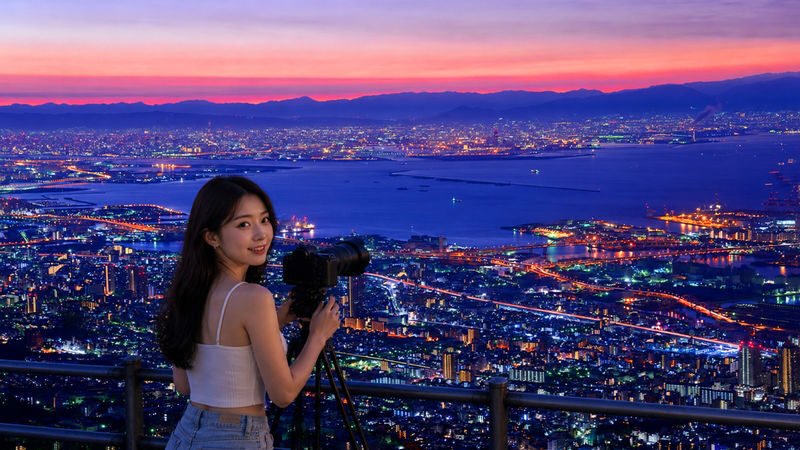
Mount Rokko is the payoff here: after hot springs, hillside streets and a harbor stop, you reach a mountain lookout for a view across Kobe and its coastline. The tour puts several very different sides of the city within one long day from Osaka.
I like two things about the plan. First, the late start gives you a gentler morning than a dawn departure. Second, shared transport saves you the work of stitching together buses, trains and mountain connections.
The main trade-off is time. Four stops make for variety, but each is self-guided, and the actual time at each can shift with traffic, weather and the vehicle’s legal operating limit. The cable car and hot-spring admission also add to the advertised price.
- At a glance
- A four-stop route from Osaka
- Arima Onsen: hot springs and old lanes
- Kitano Ijinkan-Gai: a hillside with a different look
- Kobe Harbor: sea air, lights and a meal break
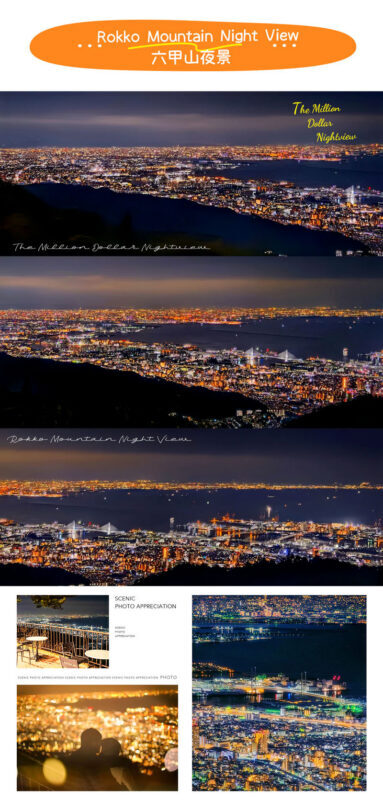
- Mount Rokko: the view is the point
- What the guide and group format mean
- Is the price good value?
- Who should book this day trip?
- Should you book it?
- FAQ
- What time does the tour leave Osaka?
- What is included in the tour price?
- How much does the Arima Onsen admission cost?
- Are tattoos allowed in the onsen?
- Is the Mount Rokko Cable Car included?
- When is the tour expected to return to Osaka?
- Can I cancel the tour?
- The Best Of Kobe!
- More Evening Experiences in Kobe
- More Tours in Kobe
- More Tour Reviews in Kobe
At a glance
 1 / 10
 2 / 10
 3 / 10
 4 / 10
 5 / 10
 6 / 10
 7 / 10
 8 / 10
 9 / 10
 10 / 10
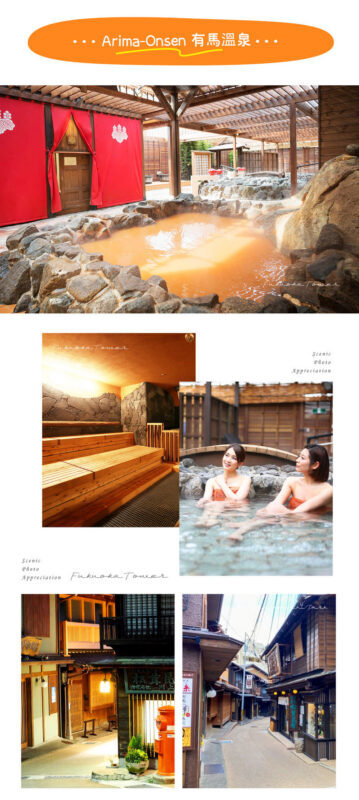
- Arima Onsen gets a substantial stop: The schedule allows about two and a half hours there in winter, with an extra hour shown for the summer schedule.
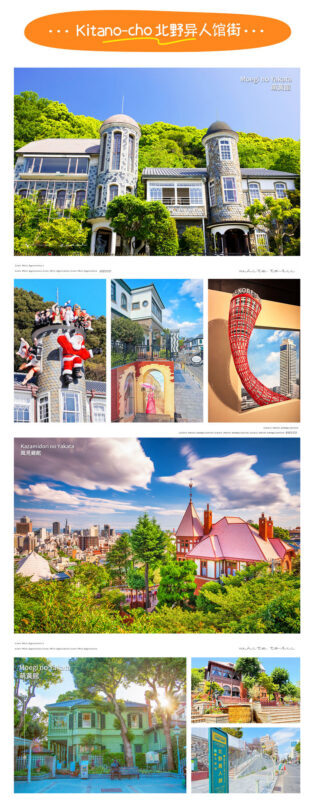
- Kitano is a compact hillside stroll: You get about an hour among Western-style residences, cafés and the area’s retro Starbucks.
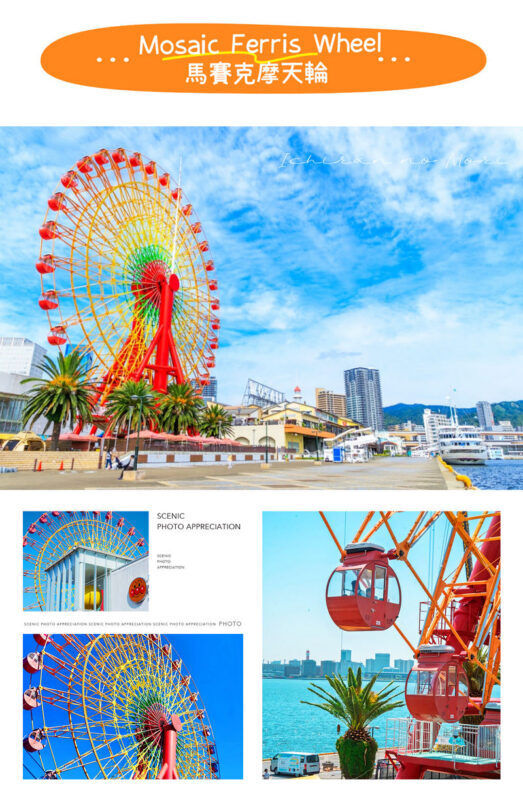
- Kobe Harbor brings the evening atmosphere: Allow around two hours for the port area, the Mosaic shopping mall and the Ferris wheel.
- Mount Rokko is the night-view finale: The stop is about an hour and 40 minutes, but the cable car costs extra and may be affected by maintenance or weather.
- Guides can make a real difference: Past guides have included Amy, Yang, Frank, Chen and Nakasato, but the assigned guide and language mix vary.
- The advertised price is not the full day’s cost: Budget separately for onsen entry, the cable car, meals and personal spending.

👉 See our pick of the 7 Best Workshops & Classes In Kobe (With Reviews & Prices)
A four-stop route from Osaka
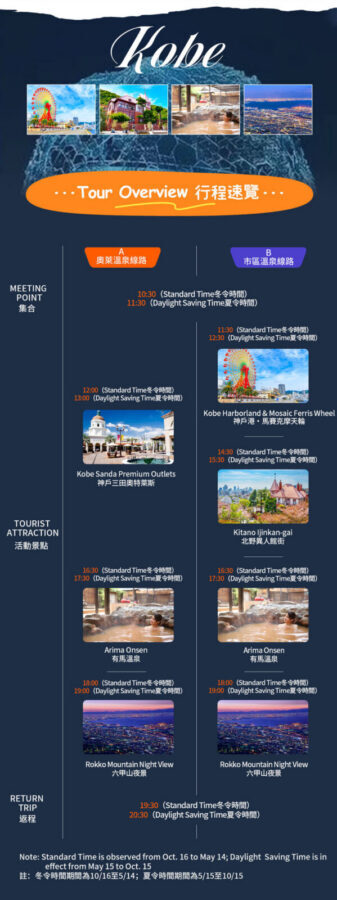
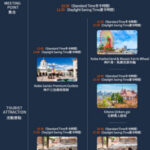
This is a shared day trip, not a guided walking tour at every stop. You ride from place to place with a Chinese- and English-speaking guide, then have free time to explore on your own. The group can range from 4 to 48 people, and passengers may speak other languages.
The seasonal departure time is either 10:30 or 11:30 Japan time. The earlier schedule applies from November 16 through March 31; the later one runs from April 1 through November 15. The timetable also indicates longer stops in the summer schedule. Confirm the exact departure time in the email sent the evening before, as peak-season timing can change.
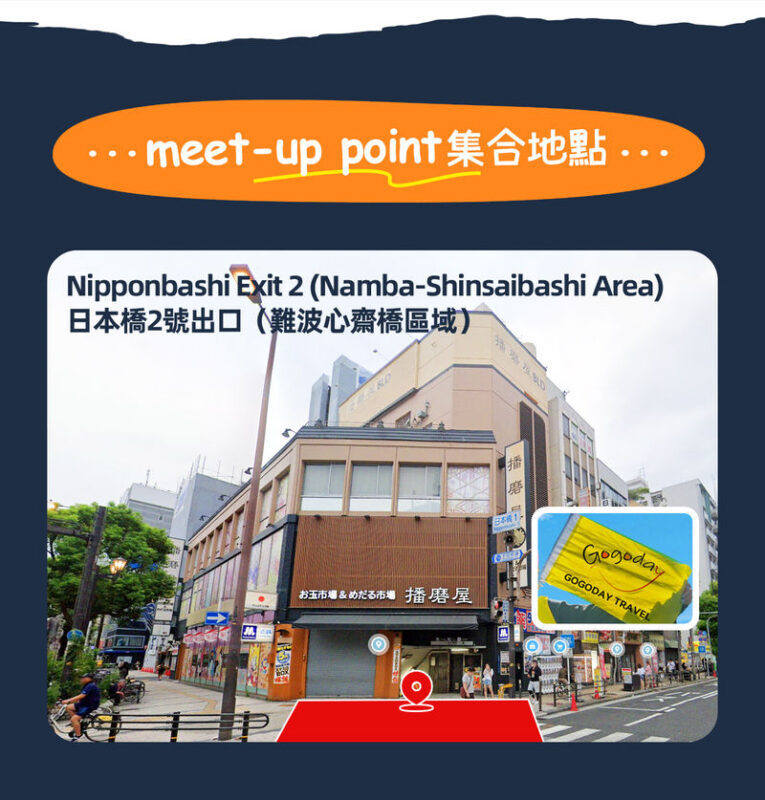
The listed return estimate is 20:45 to 22:00 at Osaka Kintetsu Nipponbashi. Traffic and weather can push that later, so keep your evening open. Japanese law limits vehicle use to 10 hours, and the guide may adjust the route to fit conditions.
You can also read our reviews of more evening experiences in Kobe

Arima Onsen: hot springs and old lanes
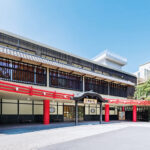
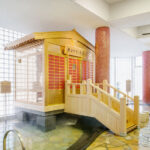
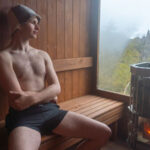
Arima is the most restorative stop on the route, and the two-and-a-half-hour winter allowance gives you time to do more than step off the bus and take a photo. Its old streets and hot-spring setting make a welcome change from city sights. The area is known for Kinsen, or Gold Spring, Ginsen, or Silver Spring, and a carbonated spring.
The tour information describes an onsen facility with three spring types and lists admission at ¥2,400 on weekdays and ¥2,600 on weekends and holidays. Bath access is not included in the tour price. Check which baths are open on your visit date: Kin no Yu closes on the second and fourth Tuesdays of the month, while Gin no Yu closes on the first and third Tuesdays. Both also close on January 1. Holiday Tuesdays follow a different rule, so check the current operating details before counting on a particular bath.
This is a stop where your plans matter. If you want a full bath, allow time to change, wash and relax, rather than using the whole stop for browsing. Some earlier departures or schedule changes can leave less time than expected, and queues may cut into a short visit. If you would rather not bathe, use the free time to walk the old streets and look around the shops.
A few practical points: tattoos are not permitted in the onsen, and Japanese baths require nudity. If either rule makes you uncomfortable, Arima can still be worthwhile as a town stop, but the hot-spring element will be less central to your visit.
Kitano Ijinkan-Gai: a hillside with a different look
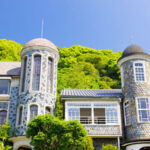
Kitano offers a clear change of scene. The district’s ijinkan are Western-style houses, many once used as private residences by foreign merchants or as consulates. The tour gives you about an hour to wander independently.
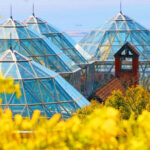
The appeal is the mix of architecture and atmosphere: red-brick buildings, the light-green Moegi House, cafés and a retro Starbucks are among the features highlighted for the area. Kitano is a good stop for a slow walk and photographs, but it is not a long visit. If a particular house matters to you, check its admission and opening details separately rather than assuming they are part of the tour.
The streets are on a hillside, and the tour information warns that there can be many stairs during the day. Wear comfortable shoes and be ready for slopes. If you have limited mobility, ask the operator about your needs before booking; the itinerary does not promise a step-free route.
Kobe Harbor: sea air, lights and a meal break
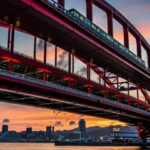
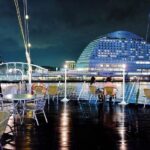
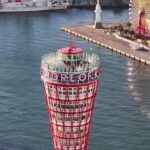
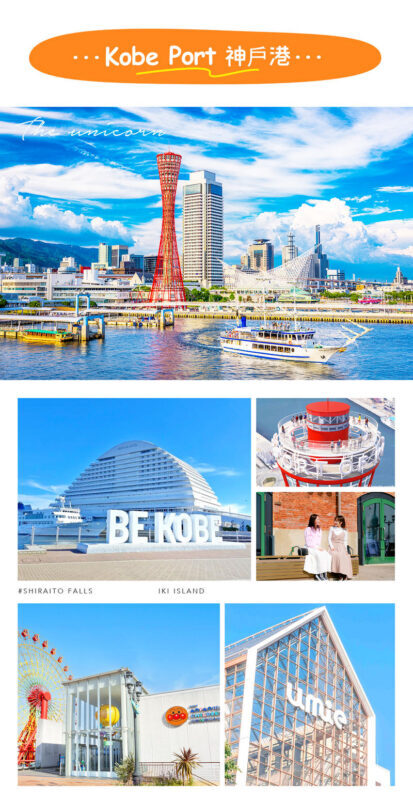
The harbor stop is scheduled for roughly two hours. Kobe Port has been an important commercial and industrial port, and the area’s long connection with foreign residents gives it a character distinct from the hot-spring town and Kitano’s residential streets.
The Mosaic shopping mall and its large Ferris wheel are part of the route’s port-side appeal. This is also the most flexible place to pause for food. Kobe beef is a famous local choice, but meals and drinks are not included, so treat a restaurant stop as part of your own budget and time plan.
Two hours sounds generous, but it covers a broad waterfront area and a meal if you choose one. Keep an eye on the return instructions and meeting time. The tour may need to change its order or shorten a stop when traffic, weather or capacity affects the schedule.
Mount Rokko: the view is the point
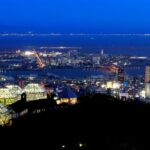
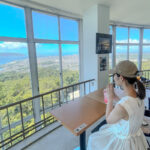
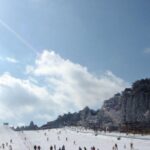
The final stop is Mount Rokko, with about an hour and 40 minutes scheduled in winter and an extra hour indicated for the summer timetable. From the observation area, you can look over the harbor, city and coastline. On a clear evening, this is the tour’s big visual reward.
Set your expectations carefully. The main reason to go up is the view, not a full evening of shops and activities. Some shops may be closed by the time you arrive, and the summit can feel quiet once you have taken in the panorama. Cloud, haze or poor weather can also soften the view, so the famous night scene is never guaranteed.
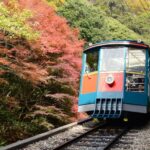
The plan recommends the Rokko Cable Car because the mountain road is winding and can bother people prone to motion sickness. The fare is not included. The cable car has been out of service at times, in which case the bus has taken people up instead. That can preserve the mountain stop, but if riding the cable car is important to you, check its operating status close to your travel date.
There may also be an additional admission charge during special events. The supplied tour details identify an event-period charge at the observation area, but the dates and amount can vary. Check the current rules before you go, and bring a light jacket: it can be cooler on the mountain than in town.
You can also read our reviews of more tours and experiences in Kobe
What the guide and group format mean
The guide handles transport, timing and explanations, while you explore the stops independently. Previous guides have included Yang, Amy, Frank, Chen, Wang Qi and Nakasato. Some have been praised for clear instructions, local recommendations and switching between Chinese and English. The individual guide is not guaranteed, and the language mix can vary from one departure to another.
That variation matters if you rely on spoken explanations. Some English-speaking participants have found the English commentary hard to follow or limited, while others describe fluent, helpful guides. If you need detailed interpretation in English, contact the operator before booking and ask what language support is expected for your departure. Keep the meeting time and location written down, too. The tour sends guide and vehicle details by email between 20:00 and 21:00 the night before, and that message can land in your spam folder.
This is a shared ride, with seating generally assigned first come, first served. Vehicle type depends on the group size and cannot be selected in advance. The overall service has a strong track record for smooth transport and helpful guides, but this is not a private tour with a guaranteed personal guide at each sight.
Is the price good value?
At a starting price of $47.39, the main value is the transport and the convenience of covering four destinations in a day. You avoid planning the connections from Osaka to Arima, Kitano, the harbor and Mount Rokko yourself. Toll and parking fees are included, as are round-trip transfers from the meeting point and the guide.
The headline fare does not cover the whole outing. Add the onsen admission if you plan to bathe, the cable-car fare if it is operating, meals and drinks, and any applicable event admission. The extra charges do not make the tour poor value, but they do make it worth calculating your likely total before booking.
You are also paying for breadth rather than depth. A self-guided stop at each place gives you a taste of several sides of Kobe, but it is not the best format if you want a long soak, a detailed architectural visit or an unhurried dinner. If your priority is seeing a range of places without navigating between them, the price can make sense.
Who should book this day trip?
I would consider this tour if you are staying in Osaka, want to see several Kobe-area sights in one outing, and value someone else handling the transport. It suits people who like variety: hot springs, historic homes, waterfront scenery and a mountain view make for a lively change of pace.
It is less suited to anyone who wants a slow, single-destination day or needs a guaranteed English-language tour. It may also disappoint if your main goal is a long onsen visit or a full evening on Mount Rokko. Older visitors and anyone uneasy with stairs should take the hillside walks into account, and people aged 70 or above or pregnant participants must sign a liability waiver.
Arrive at the confirmed meeting point 10 minutes early. Late arrivals and no-shows are not refunded, and leaving the group early is not permitted. You can cancel for a full refund if you do so at least 24 hours before the activity date; weather or other exceptional conditions may lead the operator to cancel and offer a reschedule or refund.
Should you book it?
Book this tour if you want a practical sampler of Kobe and its surroundings, and are comfortable paying separately for the bath and cable car. The strongest reasons to go are the variety, the saved transport planning and the chance to see Mount Rokko after dark. Skip it if you want deep time at every stop, guaranteed English commentary or a night view regardless of weather. For a balanced day out from Osaka, it is a useful option, as long as you treat the schedule as flexible and budget beyond the starting fare.
Kobe: Mt. Rokko Night View Day Trip from Osaka
“The tour guide's explanation was detailed and very clear, very nice.”
FAQ
What time does the tour leave Osaka?
The scheduled departure is 10:30 from November 16 through March 31, and 11:30 from April 1 through November 15. The operator may adjust the time, so check the email sent the evening before.
What is included in the tour price?
Round-trip transfers from the meeting point, tolls, parking and a Chinese- or English-speaking guide are included. Meals, personal expenses, Arima Onsen admission and the Mount Rokko Cable Car are not included.
How much does the Arima Onsen admission cost?
The tour details list ¥2,400 on weekdays and ¥2,600 on weekends and holidays for the described hot-spring facility. Confirm the current admission and which baths are open on your date.
Are tattoos allowed in the onsen?
No. Tattoos are not permitted in the onsen, and Japanese onsen require nudity.
Is the Mount Rokko Cable Car included?
No. The cable-car admission is an additional cost. If the cable car is out of service, the tour may use the bus to reach the mountain.
When is the tour expected to return to Osaka?
The estimated arrival window is 20:45 to 22:00 at Osaka Kintetsu Nipponbashi. Traffic and weather can cause delays, so do not schedule another activity afterward.
Can I cancel the tour?
You can receive a full refund if you cancel at least 24 hours before the activity date, using destination local time. Late arrivals and no-shows are not refunded.