Nagoya Castle’s most compelling sight today is not necessarily its famous keep. The reconstructed Honmaru Palace, with its polished wood, painted rooms, and intricate patterns, brings the castle’s former grandeur close enough to appreciate at walking pace.
I like two things in particular: the contrast between the palace’s detailed interiors and the broad castle grounds, and the handy QR ticket, which can save you time at the ticket booth. The main keep is reported closed for renovation through 2032, so check its current status before you decide how much time to set aside.
At a glance
- Honmaru Palace is the interior highlight: Look for finely painted rooms, decorative patterns, and the warmth of the wood.
- The keep may be off-limits: The castle tower is reported closed for renovation, though its exterior remains a striking part of the visit.
- QR entry is quick: Have your voucher ready to scan at the entrance. It can help you avoid the ticket-buying queue.
- Plan for one to three hours: Allow more time if you want a relaxed walk, a palace visit, and a meal nearby.
- The ticket is admission only: Transport and personal expenses are not included.
- Hours are firm, but special events can change them: Normal hours are 9:00 a.m. to 4:30 p.m., with last entry at 4:00 p.m.

👉 See our pick of the 13 Best Workshops & Classes In Nagoya
- At a glance
- Nagoya Castle Beyond the Famous Keep
- Start at the Grounds, Then Give the Palace Time
- What the Renovation Means for Your Visit
- The QR Ticket and What It Saves
- Getting There and Timing Your Stop
- Is Nagoya Castle Worth the Ticket?
- FAQ
- What are Nagoya Castle’s regular opening hours?
- Is the main castle keep open to visitors?
- How long is the ticket valid?
- How do I get to Nagoya Castle by subway?
- Are children admitted free?
- Does the ticket include transport?
- The Best Of Nagoya!
- More Tickets in Nagoya
- More Tours in Nagoya
- More Tour Reviews in Nagoya
Nagoya Castle Beyond the Famous Keep
 1 / 6
 2 / 6
 3 / 6
 4 / 6
 5 / 6
 6 / 6
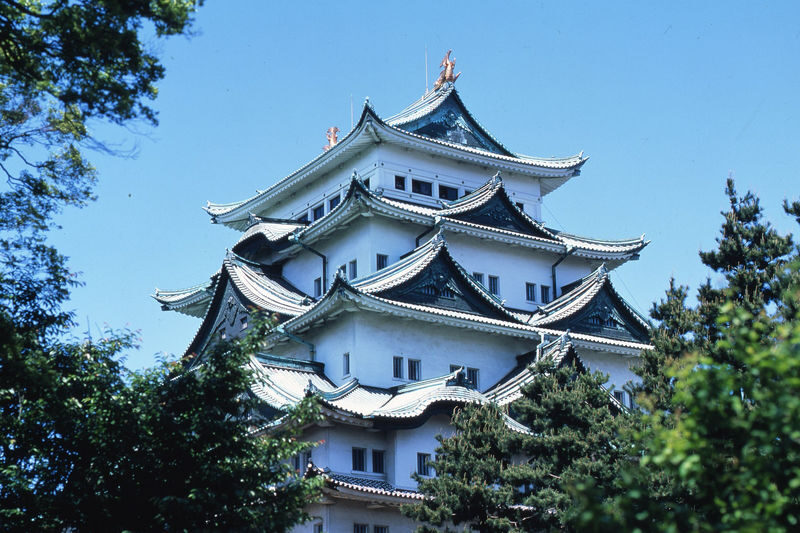
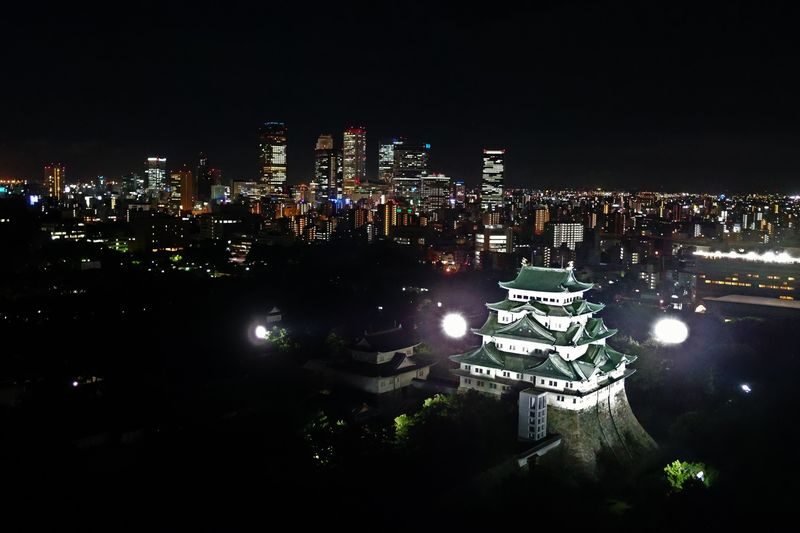
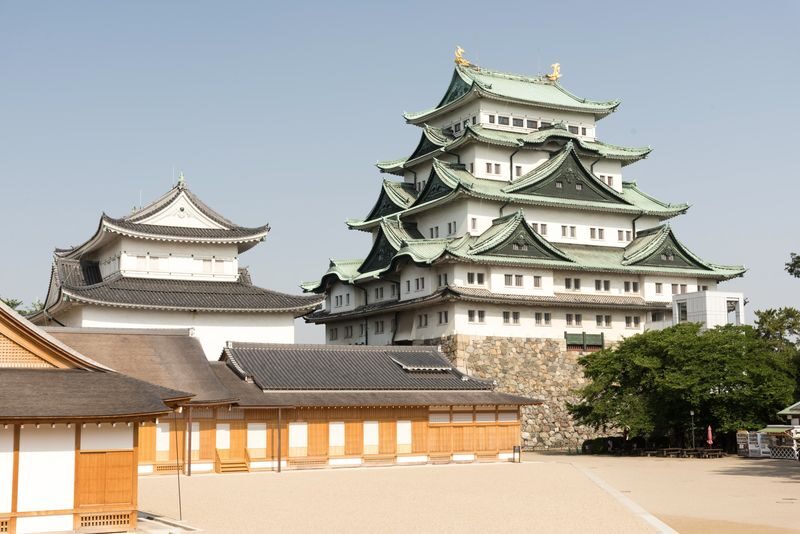
Built by Tokugawa Ieyasu in 1615, Nagoya Castle was designed as both a seat of power and a formidable fortress. Its golden shachi, mythical fish-like figures perched on the roof, have become a familiar symbol of the city. The castle’s large keep once had the greatest total floor area of any Japanese castle keep, and its lavish palace helped make the complex one of Japan’s most important historic sites.
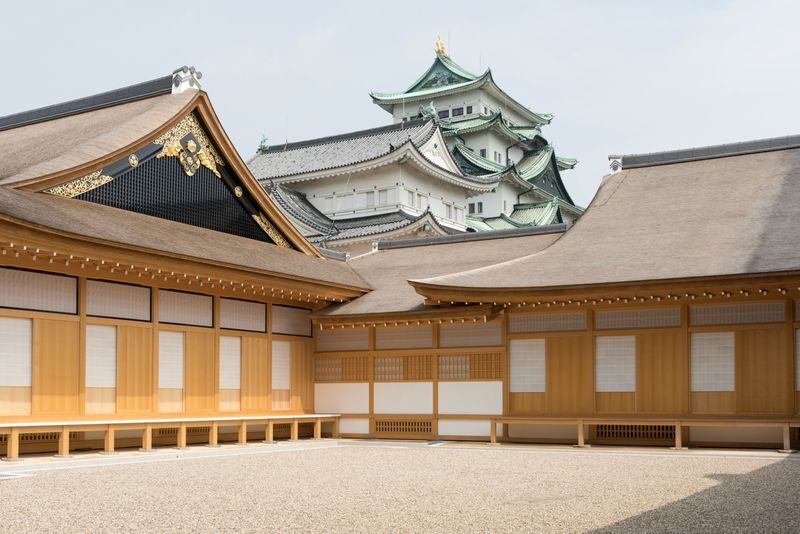
The original structures were destroyed during the war. The castle was later designated a National Special Historic Site, and today its reconstructed Honmaru Palace gives you a vivid sense of the original interiors. That distinction matters when planning your visit: the experience is not simply a climb up a castle tower. It is a walk through the grounds, a look at the keep from outside, and time inside a painstakingly recreated palace.
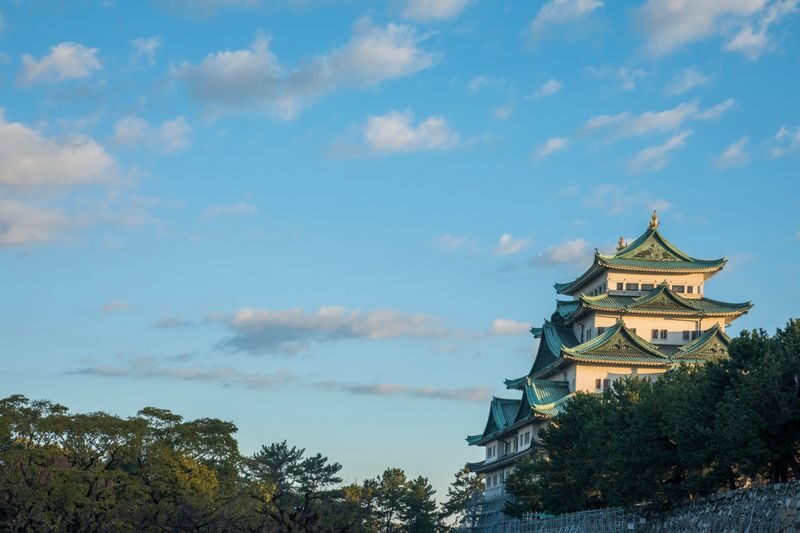
At the time reflected in the available information, the main keep is closed for renovation and cannot be entered. The exterior is still impressive, but if your main reason for coming is to explore the tower’s interior, this ticket may not meet that expectation. Check Nagoya Castle’s official site before booking, since opening arrangements can change.
You can also read our reviews of more tours and experiences in Nagoya



Start at the Grounds, Then Give the Palace Time
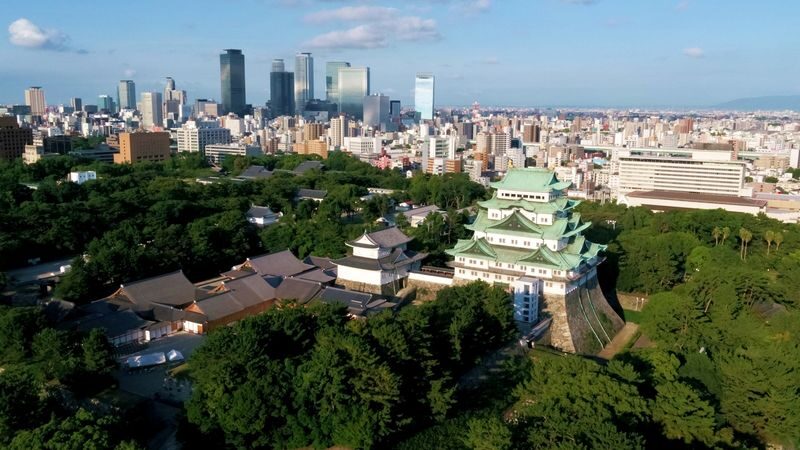
Once inside, take a moment to get your bearings and look toward the keep. Even when you cannot go inside, its size and roofline help explain the castle’s importance. The golden shachi are a fine detail to spot, but the broad scale of the structure is what makes the strongest first impression.
From there, make the Honmaru Palace your priority. Its reconstructed rooms are known for their painted surfaces, elaborate decorative patterns, and finely worked wood. The palace offers a more intimate view of castle life than the keep’s imposing exterior, and you can slow down to notice details that are easy to miss from across the grounds.
I would not rush through it. The palace is the part of the visit where the craftsmanship comes into focus, and its wooden interiors give the experience a different feel from simply photographing a famous landmark. Signage in English is available in many places, which helps you follow the story even without a guide.
After the palace, take a stroll through the grounds and gardens. They give you room to pause and see the castle from different angles, rather than treating the visit as a quick stop at one building. The grounds are a welcome part of the experience, especially if the weather is pleasant. In summer heat, though, walking can feel tiring, so bring water and keep your pace comfortable.
The visit is self-guided. There is no included guide or transport, and no set route to follow. That freedom suits visitors who like to take their time, but you will need to decide how long to spend at each stop. A couple of hours is a reasonable plan for the palace, exterior views, and a walk around the grounds. If you want a longer meal or a leisurely visit, allow more.
What the Renovation Means for Your Visit
The castle’s long-running renovation is the main caveat. The keep is reported closed to visitors, with renovation expected to continue through 2032. Treat that as a reason to verify current access close to your visit, rather than assuming the interior will be open because the ticket is called a castle admission ticket.
A closed keep does not make the visit pointless. You can still see the building from outside, enter the grounds, and explore the Honmaru Palace. But the difference matters. If you have already visited several Japanese castles and are hoping to compare tower interiors, you may find this visit less satisfying until the keep reopens.
The ticket description covers admission to attractions, while transport and personal purchases are excluded. The palace and grounds are the main reasons to go under the current arrangements. Nearby food options can add a pleasant pause; Kinshachi Yokocho is noted for places to eat, though individual preferences and opening arrangements vary.
The QR Ticket and What It Saves
A mobile QR code makes entry straightforward: show it to the attendant and have it scanned. This can spare you from buying a ticket at the booth, which is useful when there is a queue. It is especially practical for a group, since everyone can avoid a separate stop at the ticket window.
Still, an advance ticket is not a promise that you will bypass every line. It can speed up the ticket-purchase part of entry, but busy periods may bring other waits. Keep the QR code accessible on your phone before you reach the gate, and do not count on a digital ticket to change the site’s opening hours or renovation status.
The ticket can be booked for the same day and is valid for 90 days from confirmation, expiring at 4:00 p.m. on the final day. It is non-refundable, so check your plans before you buy. The listed price starts at $6.35, but the local admission fee is scheduled to change on October 1, 2026. Adult admission is listed as rising from 500 yen to 1,000 yen, so check the official fee page for the price that applies on your date.
Junior high school students and younger enter free. If you want an annual pass or qualify for one of the available discounts, buy at the ticket window instead, since those options are not included in this admission ticket.
Getting There and Timing Your Stop
Nagoya Castle is at 1-1 Honmaru, Naka Ward, Nagoya. By subway, take the Meijo Line to Shiyakusho Station, then walk about five minutes from Exit 7. By city bus, take the Sakae 13 route from Sakae toward Yasui-cho Nishi and get off at Nagoya-jo Seimon-mae, the castle’s main gate.
The regular opening hours are 9:00 a.m. to 4:30 p.m., with last entry at 4:00 p.m. The site is closed December 29 to 31 and January 1. The paid-area boundaries and hours can change, so check the official castle website before setting out.
Special events can bring different schedules. For example, free admission days are listed for October 17 and 18, 2026, during the Nagoya Festival. Event hours may also differ from the usual schedule. Confirm details with the official castle and festival sites rather than relying on standard hours for a special-event day.
A practical plan is to arrive with enough time to see the palace and grounds before last entry, then leave room for a meal nearby. If you are visiting in hot weather, a shorter loop may be more comfortable than trying to see everything at once. Rain need not ruin the outing, but it can make a long outdoor stroll less appealing.

Is Nagoya Castle Worth the Ticket?
At the listed starting price, Nagoya Castle can be a good-value stop if you are interested in Japanese castles, historical architecture, or the palace’s decorative interiors. The ticket’s strongest selling point is simple: it gives you access to a substantial historic site and a carefully reconstructed palace, with QR entry that can save the ticket-booth step.
The visit is best for first-time visitors to Nagoya, castle enthusiasts who are content to see the keep from outside, and anyone who enjoys combining architecture with an easy walk. It is less suited to someone whose main goal is climbing the keep or exploring its interior. Because the admission is non-refundable and the renovation status affects the experience, verify what is open before purchasing.
If you go, give the Honmaru Palace your attention, take time to look at the keep from the grounds, and check the day’s hours before leaving. That is the best way to make the ticket’s value clear.
Nagoya Castle Ticket
“Very beautiful, fully equipped, and easy to navigate.”
FAQ
What are Nagoya Castle’s regular opening hours?
The castle is open daily from 9:00 a.m. to 4:30 p.m. Last entry is at 4:00 p.m. It is closed December 29 to 31 and January 1. Hours and paid-area boundaries can change.
Is the main castle keep open to visitors?
The keep is reported closed for renovation and not accessible for interior visits. Check the official Nagoya Castle website for the latest status before you go.
How long is the ticket valid?
The voucher is valid for 90 days from the booking confirmation date and expires at 4:00 p.m. on its final day.
How do I get to Nagoya Castle by subway?
Take the Meijo Line to Shiyakusho Station. The castle is about a five-minute walk from Exit 7.
Are children admitted free?
Junior high school students and younger are free.
Does the ticket include transport?
No. It includes admission to attractions. Transport and other personal expenses are not included.